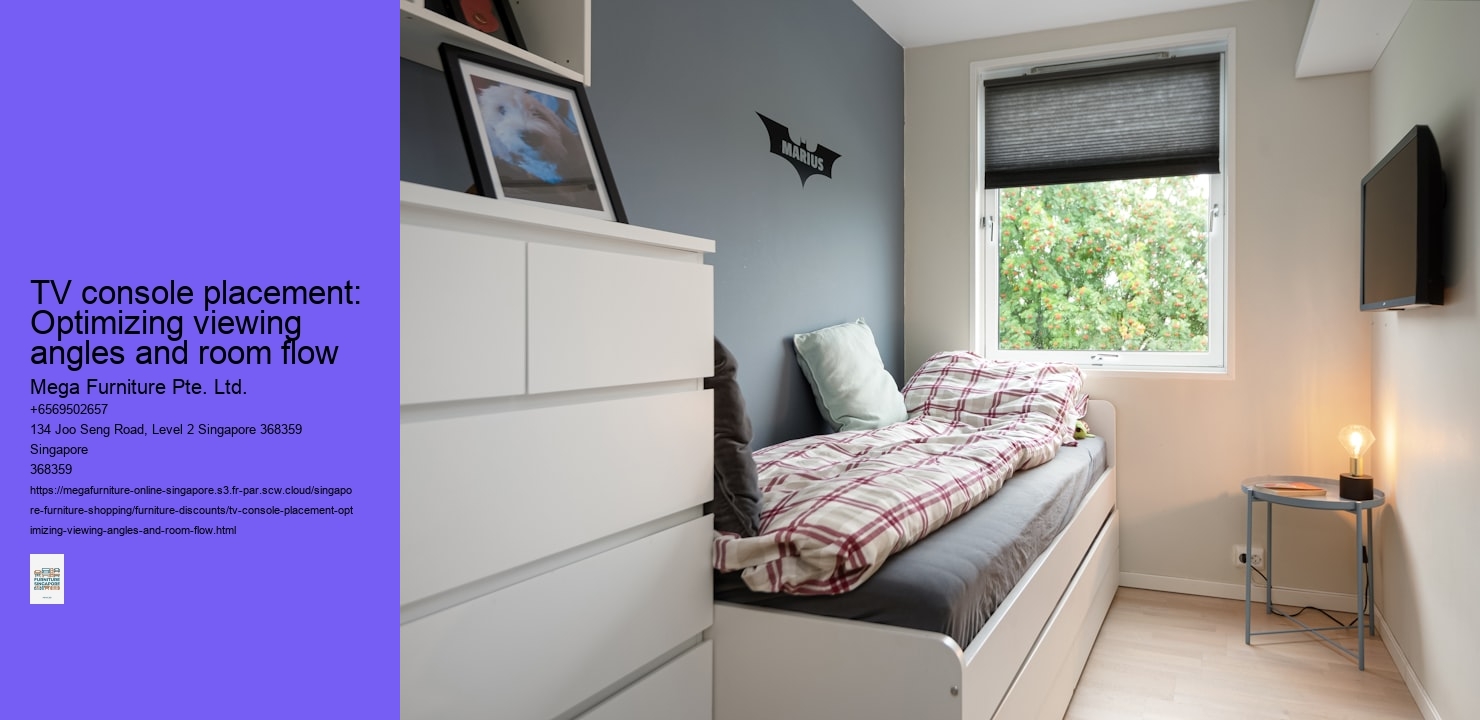
In a typical 4-room BTO living room, the 3.6-metre wall opposite the sofa is often just enough for a 75-inch TV — but only if you've measured from the centre of your seating. Many homeowners forget that the console itself adds depth, pulling the screen forward and shrinking that crucial viewing distance to under three metres. That's where neck strain starts; you're not in a cinema, you're on a five-year-old sectional that's suddenly too close.
Narrow resale flats, particularly those in older estates like Bedok or Queenstown, present a tougher challenge. Their living rooms often measure barely three metres across, forcing a trade-off: a large screen means an uncomfortable viewing angle, while a smaller one gets lost on a wide console. The common fix — mounting the TV above a shallow console — can work, but it often places the screen too high for prolonged viewing, creating a different kind of ergonomic headache.
Landed property layouts, by contrast, offer more freedom. A semi-detached house's great room might allow a four-metre viewing distance with ease, accommodating an 85-inch screen without issue. The constraint here shifts from pure distance to room flow; a sprawling console can interrupt the pathway to the garden or dining area, making a low-profile, wider unit a better choice for maintaining sightlines.
Your choice ultimately hinges on a simple formula: measure the distance from your primary seating spot to where the TV's surface will be, not to the wall. For a 75-inch screen, you'll want around 2.5 to 3 metres in an HDB, and you can stretch to 3.5 or 4 metres in a landed home. It's a practical calculation that overrules any desire for the largest screen on the showroom floor — because the best TV is the one you can watch comfortably for an entire season of your favourite drama.
For optimal viewing, maintain a distance of 1.5 to 2.5 times the diagonal screen size of your TV. This calculation balances immersion with comfortable visual field coverage. Proper console placement anchors this distance, creating a harmonious relationship between the screen and your primary sofa or chairs.
The console should anchor your seating arrangement, creating a cohesive conversation zone. Ensure there is proportional space between the console and flanking furniture like bookshelves or accent chairs. This thoughtful integration makes the console a functional and stylistic bridge within the overall living room design.
Position the console perpendicular to major light sources like windows to minimize screen glare. Consider the console's depth and any built-in storage to help manage light-blocking accessories. This strategic placement enhances picture quality and reduces eye fatigue, integrating the entertainment area seamlessly with the room's lighting conditions.
The center of the TV screen should be at or slightly below seated eye level, typically 42 to 48 inches from the floor. This prevents neck strain during extended viewing sessions. Position your console to support this height, ensuring it provides stable and secure placement for your television.
Place the TV console on a primary wall to serve as a natural focal point without obstructing pathways. This allows for clear traffic flow around seating areas and to other room features. A centered console arrangement promotes balanced furniture placement and an inviting, open atmosphere for movement and conversation.
A solid teak TV console in a ground-floor Ang Mo Kio flat won’t even notice the 80% humidity, but that moisture-sealed MDF unit you bought for your Pasir Ris condo will likely start warping at the corners after about four years. That’s the stark reality of material choice in Singapore, where daily use and climate are a constant test. You’re not just picking a finish; you’re betting on a material’s ability to handle pet claws, spilled drinks during movie nights, and the steady heat from your game console—all while the air stays thick with moisture.
For the daily grind, laminates are a practical favourite. They shrug off spills, resist scratches from a cat’s frantic dash across the living room, and wipe clean with a damp cloth. A high-pressure laminate in a matte finish can look convincingly like wood or concrete, offering durability without a premium price tag. It’s a sensible choice for a busy family in a 4-room BTO, where the console doubles as a buffet during gatherings and a craft station in the afternoons.
Avoid untreated pine or other softwoods for any console meant to store electronics like routers or gaming consoles. The combined heat from the devices and ambient moisture will degrade the material quickly, causing it to swell or weaken. That charming rustic piece might look perfect in a Tiong Bahru shophouse, but it’ll become a sagging, problematic eyesore within a couple of seasons.
For long-term peace of mind, especially in landed properties with less controlled environments, solid hardwoods like teak or acacia are worth the investment. They’re dense, naturally oily, and inherently stable; they won’t warp or crack under our conditions. The initial outlay is higher, but you’re effectively buying a piece that will last through multiple room refreshes, potentially becoming a centrepiece you organise your next living room layout around. You’ll find a range of these resilient options, from clean Scandinavian lines to more traditional profiles, in Megafurniture’s collection of living room furniture.
Engineered wood with a robust, properly sealed veneer can be a good middle ground, offering the look of solid wood with better dimensional stability than plain MDF. Just ensure the seal is on all sides, not just the visible faces—a warped panel is often a result of unfinished edges absorbing moisture unevenly.
That 35cm-deep console might look sleek online, but it's often a trap for a four-room BTO living room. Console depth directly dictates how much floor space it consumes, which in a 12 sqm layout is your most precious commodity. A deeper unit, say 45cm or more, can offer meaningful storage but it'll push your sofa forward, shrinking the room's centre. The goal is to find the shallowest console that still holds your media gear—many modern soundbars and gaming consoles fit fine in 30cm. Ignoring this measurement is how you end up with a living room that feels perpetually cramped, even if the furniture itself looks right.
Enforcing a 90cm clearance from sofa edge to console front isn't just a nice-to-have; it's the difference between a fluid space and a daily obstacle course. This pathway allows one person to comfortably walk behind seated guests without a awkward shuffle or a request to stand up. In many compact HDB layouts, achieving this means sacrificing a deeper coffee table or opting for a slightly narrower sofa model. It’s a tight squeeze, but that buffer prevents the room from feeling like a furnished corridor. Skip it, and you’ll notice the pinch every time you try to vacuum or carry a tray of drinks through.
Open-plan layouts in terraced houses present a different challenge—the console must integrate into wider household traffic, not define a dead-end zone. Placing a bulky unit opposite the staircase or directly in line with the kitchen doorway creates a natural bottleneck that residents will curse within a week. The console should anchor the viewing area without interrupting the primary routes to the garden, dining area, or powder room. This often means a lower, longer profile that doesn’t visually block the space, or a strategically placed unit that acts as a gentle room divider. Getting this wrong is a classic, and expensive, renovation oversight.
Before you commit to a console position, spend a few days observing the room's natural flow. Where do people cut through when arriving from the main door? Where does the dog run, or the kids cycle their scooters on a rainy afternoon? These unpaved paths are your real circulation routes, and a console placed across them will feel instinctively wrong. In many condos, the main artery runs from the foyer past the living area to the balcony—your furniture arrangement needs to respect that channel. It’s a simple step that most buyers skip, leading to a layout that fights against daily life.
A console shouldn't float in the middle of a wall; it needs to anchor the entire seating group to create a cohesive zone. In practice, this means the console's width should relate to your sofa's width, and its placement should define the boundary of the conversational area. For a typical three-seater, a console around 1.8m to 2m wide creates a balanced visual base that grounds the setup. This anchoring effect helps organise the room's remaining space for other functions, like a reading nook or play area, without everything feeling scattered. A poorly anchored group makes the whole room feel adrift, no matter how nice the individual pieces are.
An L-shaped console can look stunning on a BTO feature wall in a magazine spread, but in a typical 4-room flat, it often means you can’t open the balcony door fully. Buyers get seduced by the dramatic renderings, forgetting to measure the clearance needed for daily movement — that extra leg usually ends up blocking a walkway or making the room feel cluttered from day one. Cable management is another afterthought, especially with set-top boxes like StarHub TV+. You’ll see a sleek, minimalist console installed, then a nest of black wires and a bulky power strip spilling onto the floor because the unit’s back panel has no cut-outs or the internal compartments are too shallow. It’s a small detail that undoes the entire clean look; planning for those cables upfront is non-negotiable. Then there’s the material choice, where aesthetics often trump sense. Rattan and cane are having a moment, but in an East Coast condo where salt-laden breezes are a constant, that trendy weave will become brittle and discoloured within a couple of seasons. It’s a classic case of prioritising a fleeting look over longevity — solid rubberwood or treated acacia, while less Instagram-ready, will actually survive the humidity. The common thread is a disconnect between the showroom fantasy and lived reality. Furniture needs to suit the space you actually have, accommodate the gadgets you actually use, and withstand the climate you actually live in. For solutions that balance these practical needs, it’s worth browsing a dedicated
living room furniture collectionwith Singaporean dimensions in mind. Ultimately, your console shouldn’t be the room’s main event; it should quietly do its job, holding your TV and hiding your clutter, while letting you live around it.
The difference between a product photo and the actual item in your living room is often a matter of millimetres and light. You’ll see a console described as having a ‘warm oak finish’ online, but in person you can assess whether that’s a thin laminate with a repeating grain pattern or a real oak veneer with the subtle, inconsistent figuring that makes it feel substantial. It’s the only way to know if the colour centre matches your existing IKEA sofa’s legs or clashes under your corridor’s LED lighting. Material finish directly informs longevity, especially in a humid climate. A high-pressure laminate might look fine in a catalogue shot, but its cool, plastic-like sheen can feel cheap next to the soft, porous texture of a treated wood veneer. Testing drawer glide smoothness is another non-negotiable for daily use; a drawer that sticks or wobbles on its first pull in the showroom will only degrade over seven years of holding remotes and chargers. Scale is equally deceptive on a screen. A console that seems modest in a styled image can overwhelm a 4-room BTO living room, blocking natural light from the balcony door. Conversely, what looks like ample storage might reveal shallow drawers that can’t organise a standard gaming console. Visiting the Tampines showroom lets you physically gauge if a unit’s proportions complement your room’s flow, not just its wall dimensions. Ultimately, committing to a piece for your seven-year refresh means trusting its tactile details. Running a hand over a sintered stone top confirms its resistance to heat rings; opening and closing every cabinet door checks for alignment that won’t sag. It’s a final validation before investment—you’re not just buying furniture, you’re confirming a daily interaction. You can start that assessment by browsing the options at Megafurniture’s Tampines location, where the full
living room furniturerange is laid out for direct comparison. The trip east to Tampines is, for many, about resolving those lingering doubts. You leave knowing exactly what you’re getting, which is far more valuable than any filtered product gallery.
That console might look perfect in the showroom, but its journey into your living room involves a few practical hurdles you can't ignore. The most common surprise is a delivery team stuck at the void deck because the piece won't fit into the lift. For landed-property-sized consoles, which often exceed 2.4 metres in length, you must check your HDB lift's internal dimensions—typically around 1.5m wide by 2.1m deep—before committing. If it doesn't fit, you're facing a manual staircase carry, which can add several hundred dollars to your final bill and isn't always an option for older family members.
Assembly is usually handled onsite by the delivery team, a standard service that saves you the weekend of frustration with an allen key and cryptic instructions. Timing is everything, though. While weekday slots are standard, scheduling for a Saturday or Sunday will almost always incur a premium charge, sometimes as much as 20% of the delivery fee. It's a premium many working couples pay for convenience, but you'll want that cost confirmed upfront to avoid a last-minute surprise.
The warranty terms are where you need to read the fine print. A standard three-year structural warranty should cover the frame and joinery, which is reassuring. However, you must review what it says about environmental damage, particularly from our relentless monsoon season humidity. Warping in solid wood or laminate peeling at the edges are common issues that some warranties might classify as 'acts of nature' rather than manufacturing defects. A robust policy won't shy away from Singapore's climate.
For peace of mind, look for clear language about moisture resistance and material performance in tropical conditions. It's a sign the piece was designed for local use, not just imported from a temperate catalogue. Ultimately, a console that survives its delivery and thrives through three monsoon seasons is one that's truly built for your home.
The IKEA Friheten sofa’s seat height is around 42cm, which means you’ll want your TV console’s top surface at roughly 65cm to 70cm for a comfortable eye line — that’s the typical sweet spot for viewing from a low-profile sofa in a 4-room BTO layout. Anything higher forces an awkward neck angle; anything lower makes the soundbar feel like it’s talking to your knees.
Can a console fit both a soundbar and a PS5? Most contemporary consoles designed for HDB living rooms are built around a 55-inch to 65-inch TV footprint, which gives you a top shelf around 180cm long. That’s enough for a centre soundbar and a PS5 placed laterally, but you’ll need to check the console’s interior shelf depth — many units are only 35cm deep internally, which won’t accommodate the PlayStation if you want to close the doors. Open-back designs or consoles with a dedicated media compartment solve this, though they often sacrifice some concealed storage.
Best for HDB BTO with kids? Look for a console with rounded corners, a finish that resists fingerprints (sintered stone or a matte laminate), and drawers instead of open shelves. The drawers keep toys and remotes contained, and they prevent the unit from becoming a climbing frame. In many homes, the console also doubles as a barrier between the play area and the TV — a low, wide unit around 50cm high creates a visual boundary without feeling like a wall.
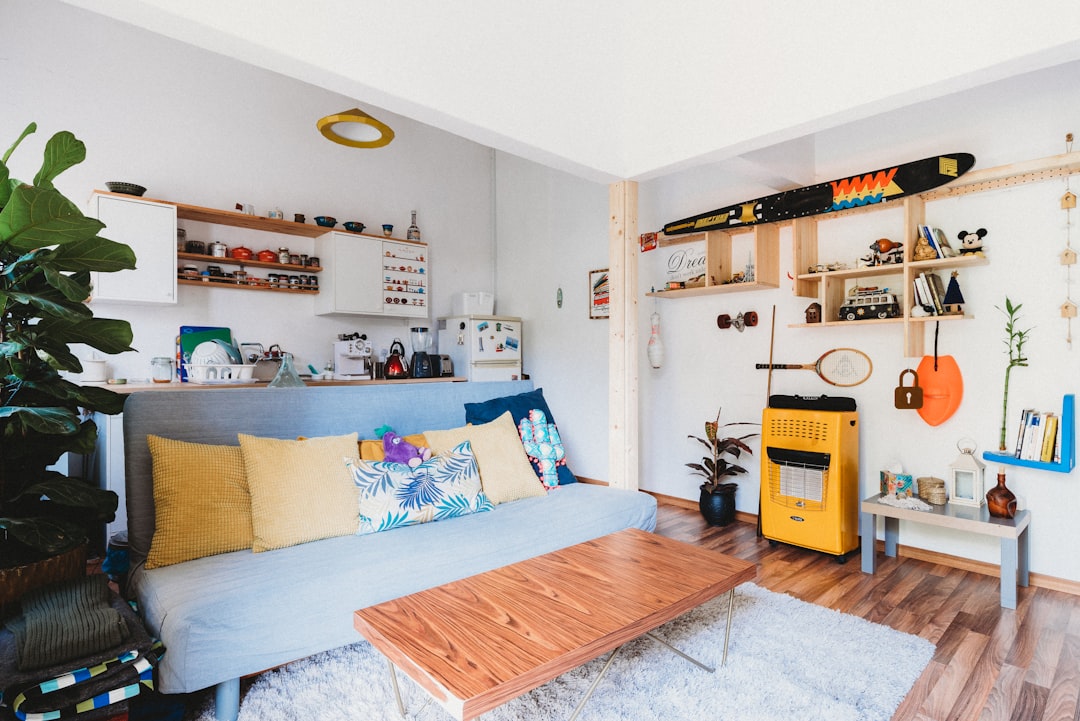
Wall-mounting on new AMK resale flat hollow brick wall? Hollow brick partitions are common in 1990s-era resale flats, and they’re not structurally rated for heavy wall-mounted furniture. A full console loaded with a TV, soundbar, and game consoles can easily exceed 50kg. You’ll need to locate the concrete beams behind the plaster — if you can’t, it’s safer to use a floor-standing console with a sturdy back panel that can be anchored lightly to the wall for stability, not support. That’s the pragmatic compromise for older flats where you can’t trust the internal walls.
The best-planned console purchase still fails in the HDB corridor if you haven’t traced the exact path from lift lobby to your front door. Measure your doorway width and height, subtract the frame, then do it again at the living room entrance — many modern units have a second, slightly narrower archway that becomes the real bottleneck. Existing power point locations dictate everything; if your only outlet is on the right wall, a left-aligned console means running a visible cable channel across the skirting, which never looks as clean as the showroom photos suggest.
For router placement, consider the typical 4-room BTO layout where the fibre termination point is in a cabinet near the main door. That’s often a terrible spot for Wi-Fi coverage in the bedrooms. If your console will house the router, verify there’s a clear cable path from the termination point and that the console’s material — a solid timber back panel, for instance — won’t turn into a signal barrier. You might need to budget for an electrician to install a new data point, a common retrofit in older condos around Bedok or Tampines.
The seated eye line is non-negotiable for family use. Have someone hold a tape measure at your seated height on the primary sofa, then measure vertically to where the centre of your future TV screen will be. In many compact layouts, a console around 45cm high paired with a 55-inch TV puts the centre at a comfortable 110cm to 120cm off the floor. Go much higher, and you’ll get neck strain during a two-hour movie night; any lower, and the coffee table starts blocking the view.
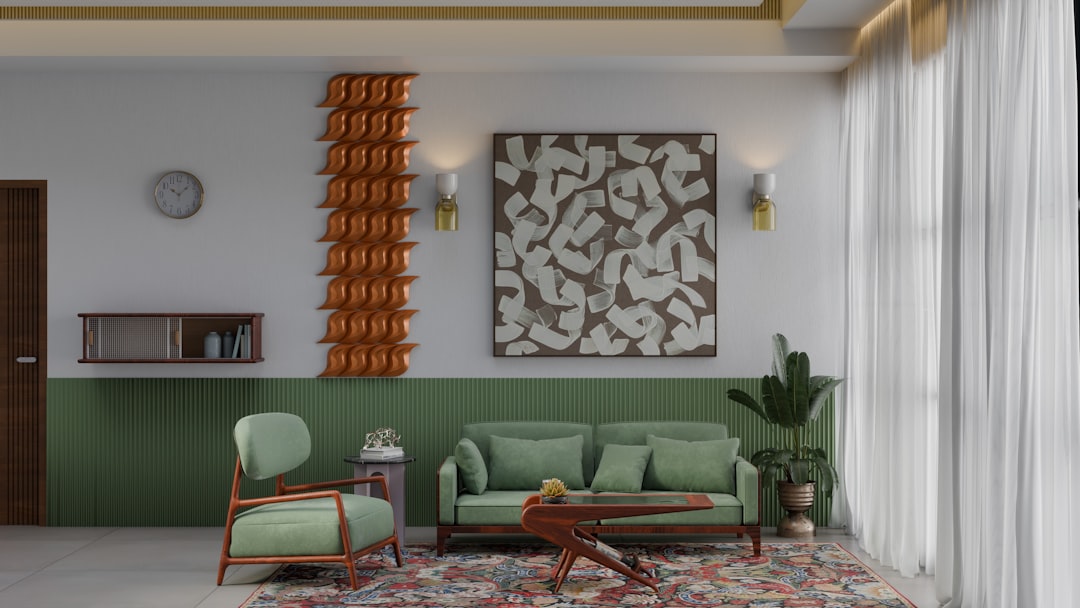
Finally, document the room’s true dimensions, not the floor plan’s. Note where air-con units drip, where afternoon sun from a west-facing window hits, and how much space you really need to walk past to the balcony. That beautiful, deep 60cm console might fit on paper, but in a narrow 3-metre wide room, it can make the space feel perpetually cluttered. This final audit is tedious, but it’s what separates a showroom fantasy from furniture that actually works in your neighbourhood flat.