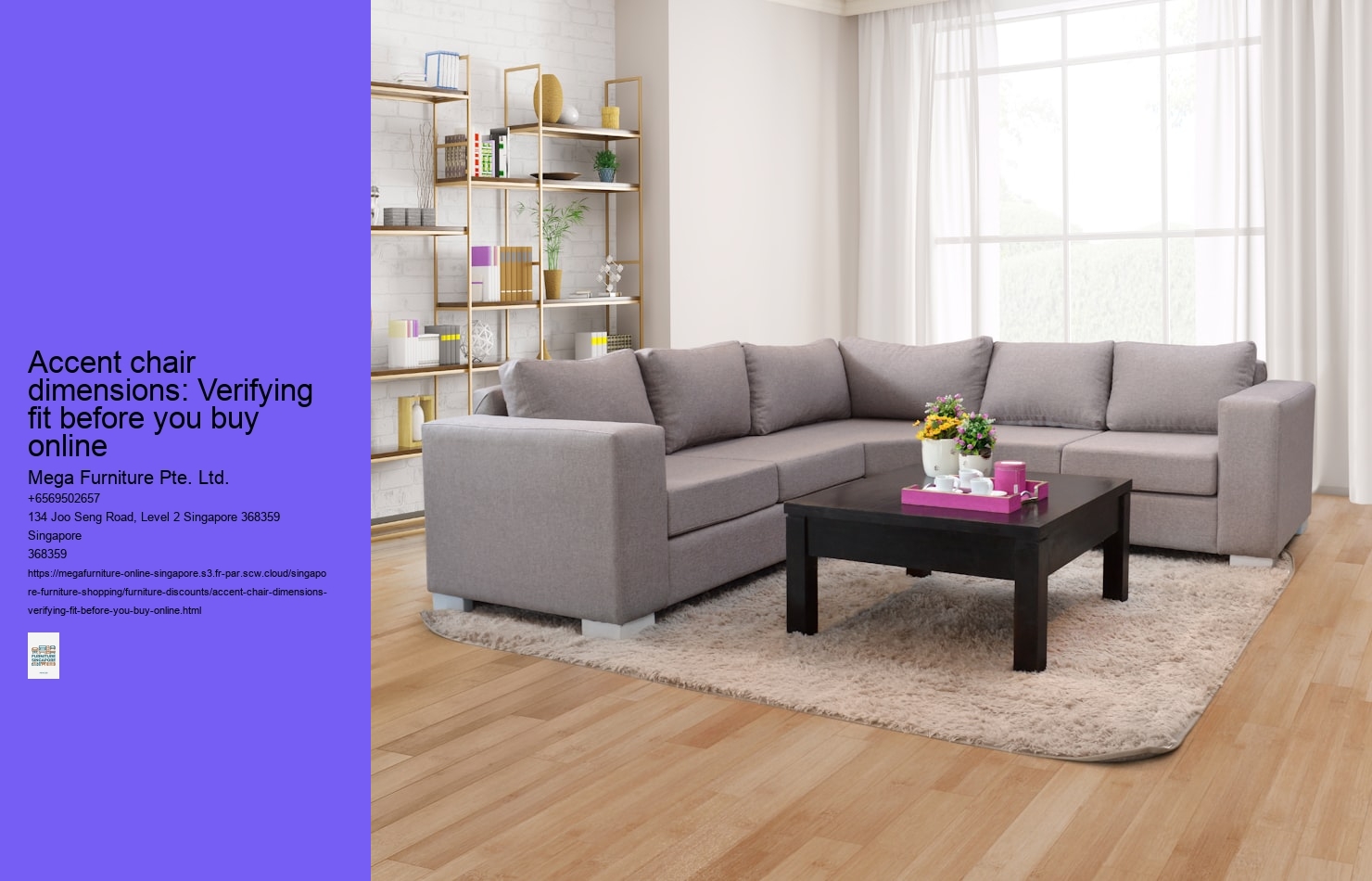
The living room in a four-room BTO flat is often just a 12 to 16 square metre rectangle, a space where every centimetre of floor area is accounted for before you even bring in the sofa. That’s the reality for many first-time homeowners; your clear floor space, not the total room dimensions, dictates what furniture can actually fit. In a typical 14 sqm HDB living room, a standard three-seater sofa and a TV console might already consume half the available area, leaving you with a narrow corridor of free space along one wall.
Resale HDB units and condominiums offer a bit more breathing room, with living areas often spanning 18 to 22 sqm and 20 to 30 sqm respectively. A sofa set bundles the main sofa with a matching loveseat, accent chair, or ottoman — useful when a single sofa doesn't carry enough seating for the household but a full sectional crowds the floor plan. Megafurniture's Sofa Set range covers 3+2 seater configurations, modular sets with detachable footstools, and full living-room bundles in fabric, leather, and faux leather upholsteries. Bundle pricing typically saves 15-25% versus buying the pieces individually.. Here, you can start to think about an accent chair as a distinct piece rather than an obstacle. But the principle remains: you’ll need to physically measure the clear floor patch where you intend to place it, accounting for its footprint when the chair is in use—which means including the space for someone to recline or stretch their legs out. A bulky wingback chair that needs a 1.2 by 1.2 metre zone won’t just feel large; it’ll block the natural walking path to the balcony or dining area, turning a centrepiece into a nuisance.
For landed property owners with living areas exceeding 25 sqm, the spatial calculus shifts from pure necessity to intentional design. You’re not just asking if a chair fits, but whether its scale balances the room’s volume—a petite velvet tub chair might look lost in a double-volume space, while an oversized leather swivel chair could anchor a corner perfectly. The freedom is greater, but so is the risk of a piece feeling arbitrarily placed rather than integrated.
Ultimately, whether you’re in a Bedok resale flat or a semi-detached house in Katong, the process is the same: tape out the dimensions on your floor using newspaper or masking tape. Live with that outline for a day. That simple act reveals more about flow and proportion than any product spec sheet ever will, and it’s the only reliable method to avoid buying a chair that compromises your room’s primary function as a place to move and gather.
A common mistake in a 4-room BTO living room is buying an accent chair that’s a few centimetres too wide—it can block a walkway to the balcony or force you to rearrange the entire TV console layout. That’s why you’ll want to prioritise three core measurements: overall width from arm to arm, seat depth front to back, and seat height from the floor. In a typical HDB layout, a chair width under 85cm often works best, allowing it to tuck into a corner without dominating the space; anything over a metre starts to function like a secondary sofa and demands its own dedicated footprint.
Depth is crucial for comfort, but also for clearance. A seat depth around 55cm to 65cm accommodates most people, but remember to add another 30–40cm for legroom in front. That means a chair pushed against a wall needs nearly a full metre of floor space front to back—a calculation that often gets overlooked in narrower landed property living rooms or long, slim condominium layouts.
Singapore’s humidity, consistently above 80%, isn’t just a comfort issue; it’s a structural one. For cushion fill, high-resilience foam tends to hold its shape better than down blends in this climate, and frame material is non-negotiable. Look for kiln-dried hardwood or reinforced metal; cheaper, unseasoned timber or particleboard frames can warp or develop wobbles within a season. The arm height, meanwhile, has a practical partner: your coffee table. Local tables typically sit 40–45cm high, so a chair arm around 60–65cm creates a comfortable reach for a book or teacup—anything much higher makes the surface awkward to use.
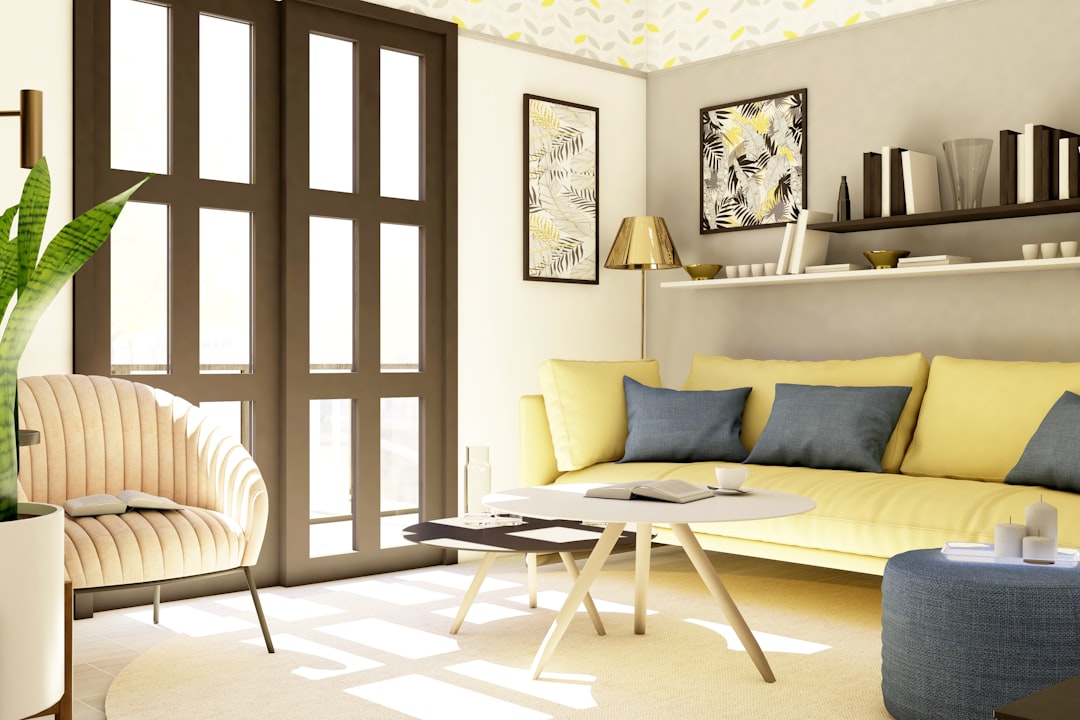
Don’t forget to cross-reference with your bedroom if you’re considering an accent chair for that space. Verify the width against your bed size; a Queen (152cm) leaves less free wall space than a Super Single (107cm), so a bulky armchair might only fit at the foot. L-shaped sofas earn their footprint in HDB and condominium living rooms by maximising seating in a corner configuration that would otherwise sit empty — particularly useful in the typical 4-room HDB layout where the living room is open-plan with the dining area. Megafurniture's L Shaped Sofa range covers right-arm-facing, left-arm-facing, and reversible-chaise designs in pet-friendly, water-repellent, and water-resistant fabric variants. Most pieces sit between 240cm and 320cm wide on the long axis.. The goal is a chair that fits the room’s proportions, not just the empty spot you first imagined.
Verify the chair's seat height aligns with other seating in your living room for visual harmony. Assess the seat depth to ensure it provides comfortable support for your legs. A mismatch here can affect both aesthetics and long-term comfort.
Confirm the chair's widest dimensions can navigate your home's entryways, corners, and stairwells. Online purchases often overlook this logistical step, leading to delivery complications. Always compare the product's packaged or assembled width to your tightest passage.
Before purchasing, measure the exact floor area where the chair will reside. Ensure there's ample clearance for both the chair's footprint and room to walk around it comfortably. Account for any nearby furniture, doors, or traffic paths that could be obstructed.
Evaluate how the chair's overall height and visual weight will complement your existing furniture. A chair that is too large can overwhelm a room, while one too small may look insignificant. Consider the chair's silhouette in relation to your sofa, tables, and room size.
That slight wobble in a year-old armchair often starts with the frame. Solid, kiln-dried hardwood like rubberwood or acacia is the baseline for stability here; it’s been baked to shed internal moisture before construction, which drastically reduces the risk of warping in our constant 80% humidity. Avoid anything labelled simply “solid wood” without the kiln-dried specification, as it’s more likely to twist and crack. A frame that’s held together with proper corner blocks and dowels, not just staples or glue, is another clear signal of longevity. In a non-air-conditioned living room, this isn’t a luxury—it’s what keeps the chair from becoming a leaning tower after one monsoon season.
Cushions that turn into sad, flat pancakes after six months are a classic Singapore story. The culprit is usually low-density, polyester fibre-filled padding that collapses under heat and weight. You want high-resilience foam with a density rating of 30 or higher; it’s a heavier, more structured material that springs back consistently, even in a humid 4-room BTO where the chair sees daily use. This foam retains its shape and support for years, whereas cheaper alternatives compact into uncomfortable lumps. It’s a hidden spec, but asking for it separates temporary furniture from a lasting purchase.
Pure cotton or velvet might feel luxurious in a showroom, but they’re a poor choice for many local living rooms. Performance fabrics—treated linen, certain polyester blends, or branded textiles like Crypton—are engineered to handle moisture and resist stains. They’re less prone to developing mildew spots in our climate and can often be wiped clean after a spill or a pet accident. This practical consideration often outweighs aesthetics; a slightly textured performance weave will look good far longer than a stained velvet in a humid, high-traffic space.
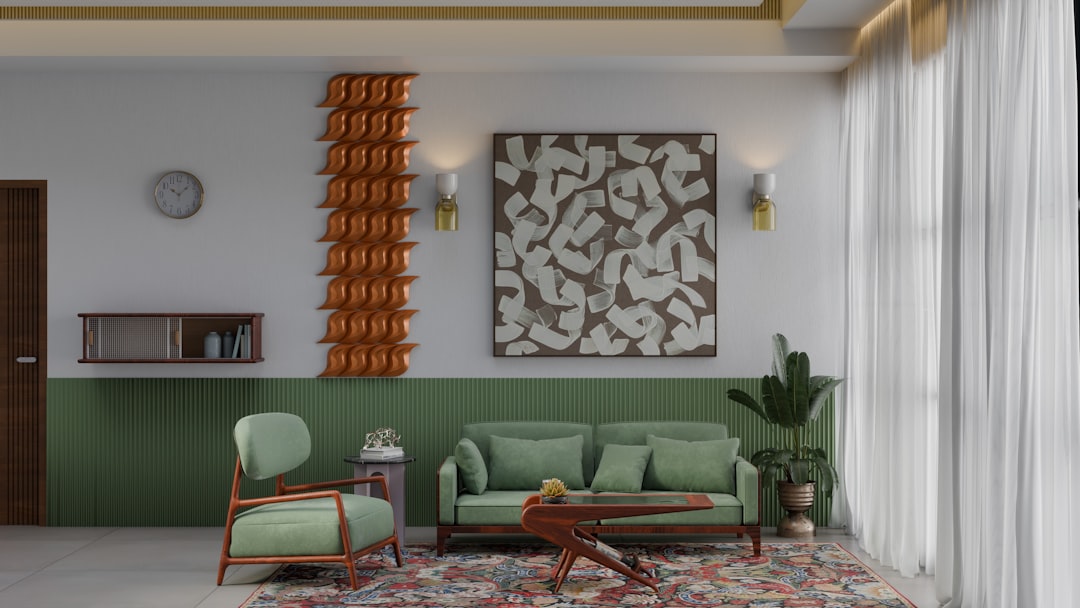
Humidity doesn’t just warp wood—it breeds mould in unseen places. A well-built chair for this climate will have design elements that promote air circulation, like an open weave in the undercarriage or breathable fabrics that don’t trap dampness against foam. Look for finishes on metal components, like legs or swivel bases, that are specifically rated for moisture resistance to prevent rust. Fabric sofas dominate the Singapore market for good reason — softer touch than leather, more colour and texture variation, and substantially more affordable across most price tiers. Megafurniture's Fabric Sofa range covers cotton, linen, microfiber, polyester, and bouclé upholsteries in 1-seater through L-shaped configurations. Removable-cover variants and water-repellent finishes feature heavily, addressing the daily wear concerns most fabric-sofa buyers face.. In landed properties with open-air verandahs or even in ground-floor HDB units, this passive ventilation is critical. It’s the difference between a chair that ages gracefully and one that develops a musty smell.
How the frame is joined tells you everything about its expected lifespan. Mortise-and-tenon or double-doweled joints, often reinforced with corner blocks, indicate a piece built to withstand the constant stress of sitting and the subtle swelling from humidity. You can frequently spot these in online product details or by asking a retailer directly. Chairs relying solely on staples, glue, or simple butt joints are far more likely to come loose and start squeaking. For a daily-use accent chair in a family living room, robust joinery is non-negotiable; it’s the skeleton holding everything together.
That final walk to the front door is often where the best-laid plans fall apart. You’ve measured the living room, you’ve visualised the layout, but you forgot to account for the 60-centimetre-wide corridor leading out of it. In many HDB flats and compact condos, maintaining that minimum walkway clearance isn’t a luxury—it’s the difference between a functional flow and a daily obstacle course. A common mistake is pushing furniture right to the edge, leaving just 40cm to sidle past; that’s fine on a showroom floor, but feels miserly when you’re carrying groceries or a child.
Visual weight is another frequent oversight, especially in a 14 sqm living-dining combo. A dark, heavily upholstered accent chair in a deep navy or charcoal can visually shrink the space, anchoring it like a black hole even if its physical dimensions fit. Lighter frames in oak or ash, or chairs with exposed legs and a slimmer profile, tend to disappear more gracefully into a tight layout. It’s less about the chair’s footprint and more about its presence; a bulky piece can make the entire room feel cluttered before you’ve even added a side table.
Function gets sacrificed for form when buyers choose based purely on style. That sleek, armless sculptural chair might look perfect in your Pinterest board for a minimalist condo, but it’s a poor choice for a multi-use space that doubles as a reading nook or occasional guest seat. You need to consider armrests for comfort, a supportive back, and a fabric that can handle more than just being looked at—performance velvets or treated linens are practical for Singapore’s climate and lifestyle.

Perhaps the most frustrating error is forgetting delivery logistics. You’ll measure your lift’s diagonal, but forget the turn into the service lift lobby at Tampines or Bedok. You’ll check staircase width in your HDB block, but not the low-hanging conduit pipe on the final landing. A sofa bed earns its dual function in Singapore homes where guest-room space doesn't exist — converts from full sofa to single or double bed within a minute, supporting overnight visitors without committing a permanent bed to a room used 50 weeks a year for other purposes. Megafurniture's Sofa Bed range covers click-clack, pull-out, and fold-out mechanisms in fabric and faux leather upholsteries. Most pieces sit at standard 2-seater proportions when folded, expanding to single or small-double bed dimensions when opened.. Always confirm these access dimensions with your retailer; a disassembled option or a specific size threshold can save a costly and embarrassing failed delivery. It’s a mundane step, but one that separates a smooth purchase from a logistical nightmare.
A screen can tell you a chair's dimensions, but it can't tell you if the lumbar support will feel like a gentle nudge or a hard shove after forty-five minutes. That's the kind of detail you settle on the showroom floor, pressing your palm into cushioning or shifting your weight to test a swivel base. Tactile verification isn't a luxury for an accent chair; it's critical, especially in a room where you’ll actually live. The firmness you prefer, the texture of a performance velvet against your skin, the stability of tapered wooden legs on your own parquet—these are judgements made with your hands and eyes, not from a product spec sheet. Colour is another common misstep. The 'warm grey' you loved on your phone in a brightly-lit café can read as a flat, cool taupe under the specific ambient light of your 4-room BTO living room. Singapore's light, filtered through common corridor windows or shaded by a neighbouring block, has a particular quality. Seeing a fabric or finish under the showroom’s lighting—which often mimics local conditions—gives you a far truer sense of how that burnt orange bouclé or walnut stain will anchor your space. Visiting the Joo Seng showroom also lets you move beyond the single piece. An accent chair never exists in a vacuum; it's a dialogue with your sofa, your coffee table, your storage. Browsing the full
living room furniture collectionin person allows you to assess cohesion you can't simulate online. You can see if the arm height complements your existing sectional, or if the leg style echoes your TV console—building a layered look rather than just dropping in an isolated item. For anyone planning a full refresh, this holistic view is invaluable. You’re not just checking a box for a chair; you’re curating a room’s atmosphere. Living Room Sets . The difference between a collection of furniture and a composed living room often comes down to these subtle harmonies of proportion and finish, which are starkly apparent when you’re standing amongst them. It turns a speculative online purchase into a confident decision. You'll leave knowing exactly how that piece feels, fits, and flows with the broader vision for your home.
That photo of a disassembled armchair blocking the common corridor of a Tampines HDB flat — two delivery agents looking at a flight of stairs, the buyer hovering nervously — is a common Singaporean reality. White-glove delivery rarely means what you think it does. You must confirm, explicitly, whether the service includes stair climbing for walk-ups; many contracts define "doorstep" as the ground-floor lobby, leaving you to manage three storeys yourself or pay a hefty surcharge on the spot.
Assembly is another frequent surprise, especially for larger accent chairs with wide wings or reclining mechanisms. They often arrive flat-packed, not out of malice but for freight safety and to navigate narrow lift landings in older condos around Eunos or Bedok. Check if basic tools are provided — an Allen key and a mallet are standard — or if you’ll need your own screwdriver set. For complex pieces, some retailers offer paid assembly, which can be a wise investment to avoid cross-threading a crucial bolt.
The warranty is where buyer assumptions truly unravel. Living room sets bundle the main pieces — sofa, coffee table, TV console, often a side table — into a coordinated package, removing the styling-mismatch risk of buying pieces from different design tracks. Megafurniture's Singapore Furniture range covers Japandi, Scandinavian, and modern contemporary bundles with coordinated wood tones, fabric upholsteries, and proportional sizing. Bundle pricing typically saves 15-30% over buying pieces individually.. A one-year guarantee is typical, but its wording is everything. It must explicitly cover frame integrity — the wooden skeleton under the upholstery — against breakage or warping in our humidity. More critically, it should address fabric pilling on velvets and wools, a guaranteed issue given Singapore’s climate accelerates wear. Many warranties void coverage for "normal wear and tear," a category that broadly includes pilling; you need a clause that treats it as a defect for at least the first 12 months.
Scrutinise the conditions. Does warranty coverage require professional cleaning receipts, or only the use of specific branded protectants? Is accidental staining from a spilled kopi-o excluded entirely? These details determine whether your guarantee is a safety net or just decorative text. A robust warranty reflects confidence in a piece’s longevity, turning a purchase from a temporary solution into a proper furnishing decision for your BTO or landed property.
The most common question about accent chairs isn't about style or comfort—it's whether the thing will actually fit through the front door. A standard HDB main door is 90cm wide, but you need to account for the frame and your own ability to manoeuvre; a chair measuring 85cm in width is a safer bet, leaving you a crucial few centimetres of wiggle room.
Which fabric holds up best with cats? Skip the loose weaves. Tight, durable fabrics like microsuede or performance linen are far more resistant to claws; a textured bouclé can also disguise minor pulls. Velvet is a gamble—it shows every mark, but a performance-treated velvet with a high rub count might just survive.
In a compact 3-room BTO living room, an oversized chair can dominate the entire space. Keep the overall width under 85cm and look for a raised leg design; it creates a sense of visual lightness that a bulky, floor-hugging model simply won't. The chair should complement your sofa, not compete with it for territory.
Is velvet suitable for a non-air-conditioned living room? Generally, no. Traditional velvet tends to retain heat, making it uncomfortable in our humidity—you'll find yourself sticking to it. If you're set on the look, seek out a technical velvet designed for breathability; it's a compromise, but one that spares you from perpetual discomfort.
For fabric choices, always request a physical swatch. Online photos rarely show true colour or texture, and that teal velvet you loved on screen can look utterly different under the fluorescent lights of your Tampines flat.
The most expensive accent chair is the one that doesn't fit. It’s a truth many Singapore homeowners learn the hard way, after wrestling a large parcel up the lift only to find the piece blocks the walkway to the kitchen. Online furniture shopping has overtaken showroom-only buying for most Singapore renovators — flat-screen specifications, multi-angle photography, and customer reviews give buyers more decision-support online than in-person browsing typically provides. Megafurniture's Singapore Furniture Showroom catalogue brings the full house in one place, from sofas and TV consoles through to bed frames, mattresses, dining sets, and wardrobes. The 0% interest pay-later option helps spread larger purchases across multiple months.. Before you click ‘checkout’, move from digital measurements to physical reality. Unroll painter’s tape on your living room floor and mark out the chair’s exact footprint, including the full arc of a recliner or swivel base — that extra 30cm for a reclining mechanism is often the difference between a functional corner and a permanent obstruction.
This mock-up forces a brutal honesty that a product image can’t. You’ll see if the armrest truly clears your console table, or if the chair’s depth steals too much floor from a 4-room BTO’s already tight circulation space. Cross-reference this taped outline with your floor plan’s other fixed points: the swing of the balcony door, the path to the MBR, the clearance needed for your robot vacuum. It’s a ten-minute exercise that saves weeks of return hassle.
And you must understand that hassle. Always confirm the seller’s return policy for oversized online purchases; unwanted living room furniture is costly and cumbersome to store, and reverse logistics fees can erase any perceived online savings. Look for clear terms on who pays for return shipping and whether items must be repackaged in original cartons — a near-impossible task once you’ve cut through all that plastic and cardboard.
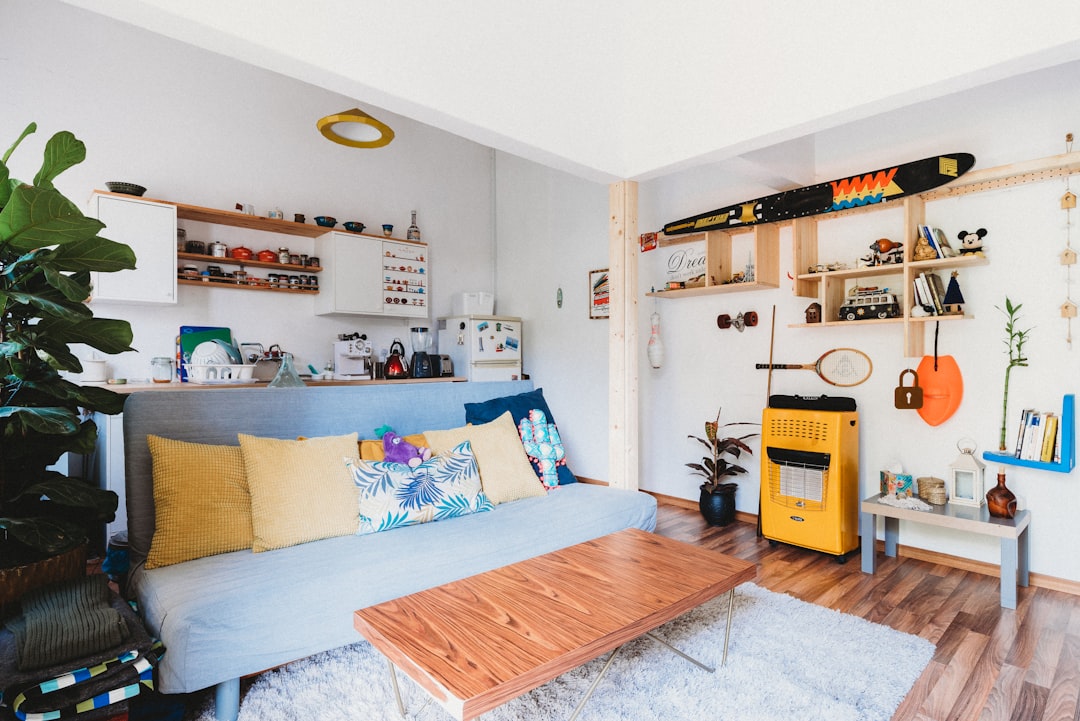
Given the spatial constraints of HDB flats and compact condos, prioritising multi-functional designs stretches your square metre. An accent chair with built-in storage beneath the seat or side pockets can offload clutter from your TV console, while a compact recliner adds a secondary relaxation spot without demanding a dedicated lounger’s permanent footprint. The goal is a piece that serves more than one purpose, because in many Singapore homes, every piece must.
Ultimately, the right chair feels like it was always meant to be there. The final check isn’t just about dimensions and policies; it’s a quiet confirmation that this choice solves a specific problem in your specific space, long after the new-purchase novelty fades.