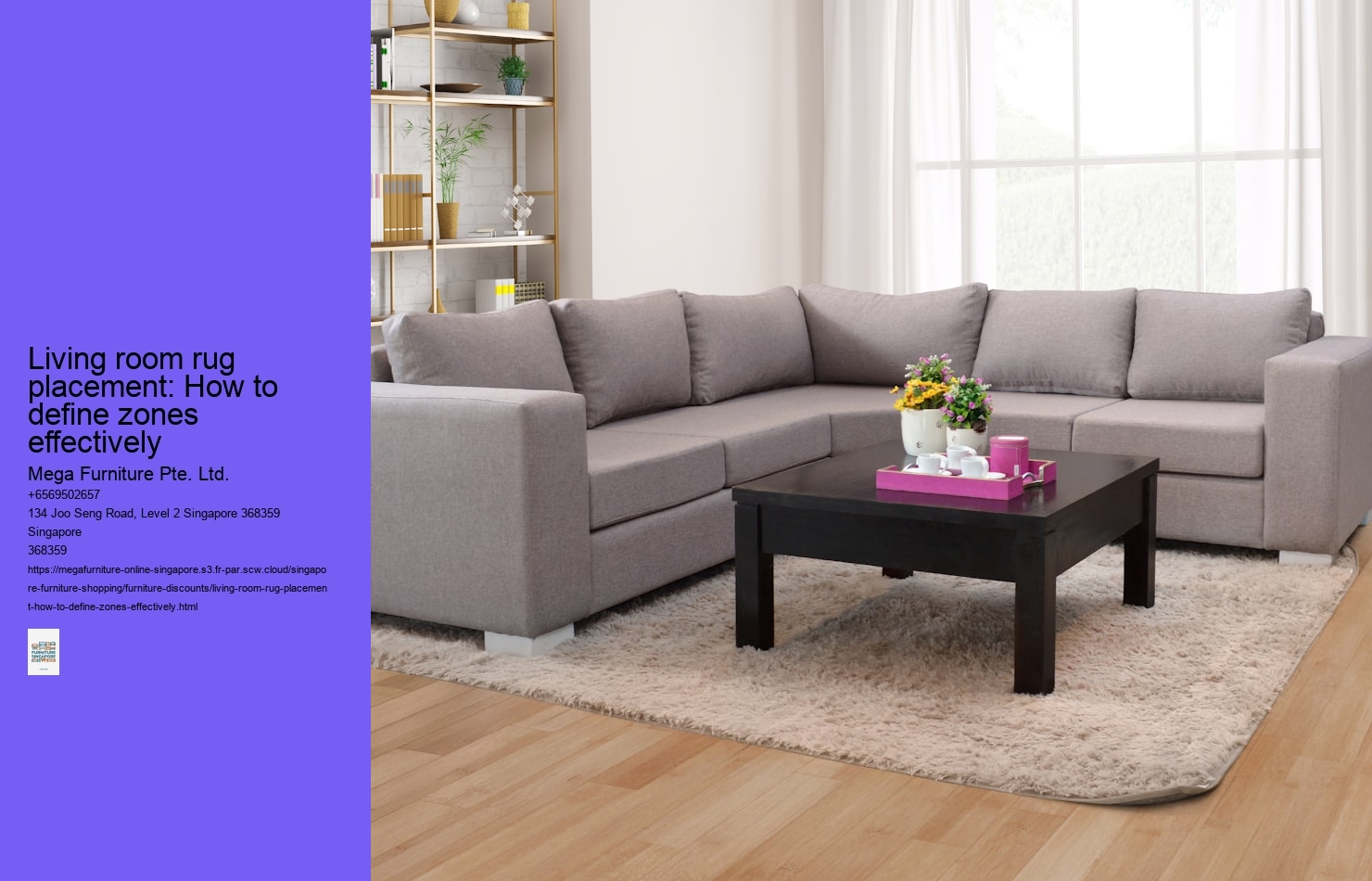
The difference between a 4-room BTO’s 12 sqm living room and a landed terrace’s 24 sqm space isn’t just about square footage—it’s a complete shift in design philosophy. In the former, a single rug often *is* the room’s entire flooring solution, a visual anchor that must unify every function on a compact floorplate. You’ll typically see a 2m by 3m piece attempting to corral a two-seater sofa, a coffee table, and maybe an armchair into one cohesive ‘zone’, because there’s simply no physical room for separate areas. It’s a careful balancing act; the rug defines the primary seating but can’t overwhelm the narrow walkways to the kitchen or main door.
Move to a landed property, and that constraint evaporates. Here, the challenge is intentional division. A sprawling 24 sqm floorplan can feel cavernous without deliberate organisation, so rugs become tools for creating intimate pockets within the expanse. A large 3m by 4m rug under a U-shaped sectional defines the primary media and conversation zone, while a separate, smaller runner or vintage piece might anchor a reading nook by the window or a piano corner. The luxury is in separation—the dining area six feet away gets its own distinct runner or rectangular mat, creating a clear visual and functional boundary without walls.
Material choices naturally follow this scale. For the high-traffic, multi-purpose HDB zone, a low-pile, stain-resistant synthetic like polypropylene is a pragmatic favourite; it’s easy to clean after meals that inevitably migrate from the dining table and can withstand the daily shuffle from the main door. In a landed home with dedicated zones, you might indulge in a plush wool or silk-blend piece for the main seating area, where foot traffic is softer and the priority shifts toward texture and comfort underfoot during long evenings.
Ultimately, your rug’s job is to answer the room’s core question. In a compact BTO, it asks: “How do I make this single space feel whole and intentional?” In a sprawling terrace, it asks: “Where should people naturally gather, and how do I make that gathering feel inviting?” Getting that intention right—whether through one all-encompassing anchor or a series of deliberate floor drawings—is what prevents a large room from feeling empty or a small one from feeling cluttered.
That persistent damp smell in many Singapore homes isn't just the air—it’s often the rug. Natural fibres like wool or jute, while luxurious, act as sponges in 80% humidity; they trap moisture, develop a musty odour, and become a banquet for mould. Synthetic fibres, particularly polypropylene and polyester, are the pragmatic choice here—they’re inherently resistant to moisture and stains, which means they won’t harbour that tell-tale scent after a week of rain. Pet ownership compounds the issue. Animal accidents seep deep into natural fibres, locking in odours that regular cleaning won’t fully remove, and claws can snag and pull loops in a wool pile. A short, dense synthetic pile, however, simplifies the daily chore of pet hair removal; a quick vacuum or a pass with a rubber broom typically clears it, and most spills can be blotted up without leaving a permanent mark. Don’t overlook the rug pad. Laying a rug directly on polished concrete or vinyl flooring in a Tampines condo blocks air circulation, creating a damp microclimate underneath. A quality, breathable pad elevates the rug, allowing air to flow and preventing moisture buildup that can damage both the rug and your floor finish. It’s an extra step, but it’s what separates a temporary solution from a lasting one. Material choice, then, becomes a trade-off between sensory appeal and practical resilience. You might love the texture of a natural fibre, but in a household with a humidifier running and a dog sprawled in the centre, that’s a commitment to constant maintenance. The synthetic alternative offers a different kind of comfort—it’s the assurance that your living room won’t announce the weather, or your pet’s latest mischief, to every guest. For those comparing options, the selection at
Megafurniture’s collectionincludes a range of these performance-oriented synthetics, often with clear specifications on pile height and material composition.
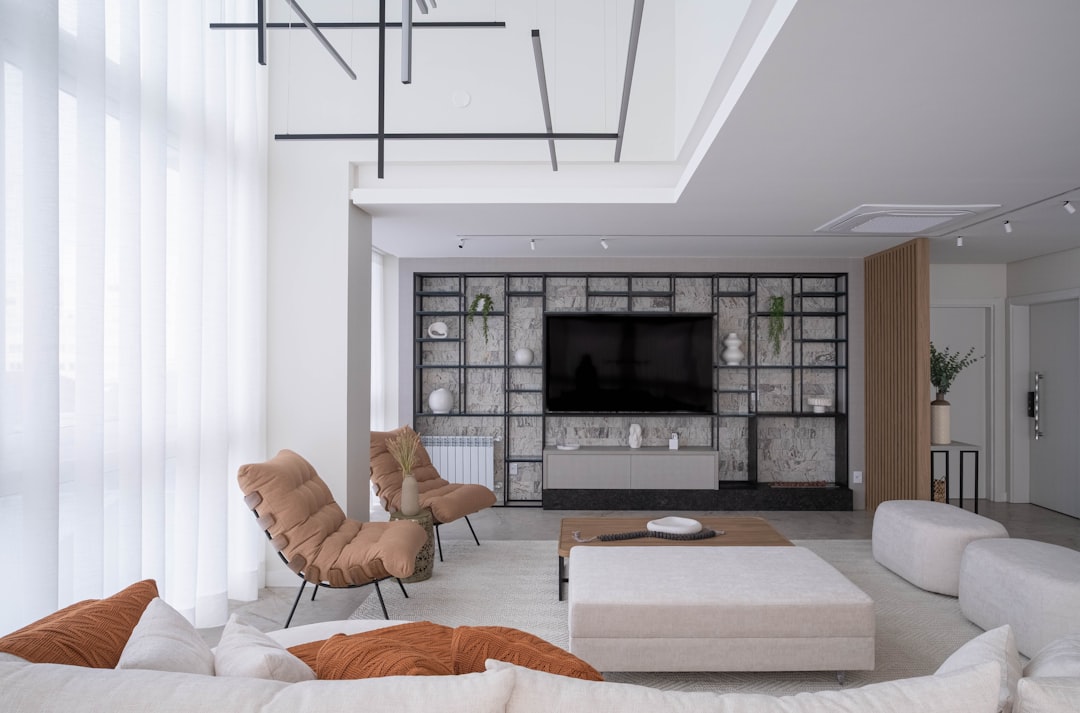
In many four-room BTO living rooms, you'll see a rug that looks like a postage stamp under the sofa. The buyer typically wanted to save a few hundred dollars or misjudged the scale from a showroom photo. This undersizing mistake completely defeats the rug's primary function, which is to define the seating zone visually and physically. A rug must anchor the front legs of the key furniture pieces to create a cohesive island. If your sofa's front legs hover on the floorboards, the space feels disconnected and the rug becomes merely decorative. That 2.4m by 3m minimum for a standard three-seater isn't a luxury suggestion—it's the baseline for making the room feel organised.
Think of your rug as the foundation for your conversation area. The rule is straightforward: the sofa's front legs, the entire coffee table, and at least the front legs of any side chairs should sit on the textile. This creates a unified platform that grounds the grouping, especially in open-plan HDB layouts where the living area bleeds into the dining space. A floating coffee table on bare tiles breaks that visual connection. In practice, that means measuring your furniture footprint first, then adding at least 30 to 45 centimetres on all sides before you even look at rug sizes.
Square rugs are a frequent misstep in Singapore's long, narrow living rooms. They often force an awkward alignment, leaving odd gaps of floor along one length of the space or cramping the furniture arrangement into a tight cluster. Most HDB and condo layouts are rectangular, favouring a rug that mirrors that proportion to extend the sense of width. A well-proportioned rectangle can run under the sofa and stretch toward the media console, effectively elongating the zone. It’s a subtle trick that makes a 4-metre wide room feel just a bit more generous.
Never buy a rug based on room dimensions alone. Tape out the exact footprint on your floor using masking tape or newspaper, arranging it with your existing or planned furniture layout. You'll immediately see if a 2.7m by 3.6m rug swallows the walking path to the balcony or if a 2m by 3m leaves your armchair stranded. This step is crucial for landed property living rooms too, where scale can be even more deceptive. That half-hour of planning prevents the all-too-common realisation that your beautiful new purchase defines the wrong part of the room entirely.
The right rug size is your most effective tool for creating distinct areas without building walls. In a combined living-dining space, a large rug under the seating group signals its purpose, separating it from the dining table zone which might have a different floor treatment or a smaller mat. This visual cue is more powerful than any room divider in a compact space. It tells you where to sit, where to walk, and where the social centre of the room lies. Get the size wrong, and that definition collapses back into a single, cluttered multipurpose area.
The rug you pick will likely be the most trafficked piece of fabric in your home, enduring everything from dropped curry puffs to a child's indoor football. It’s a long-term investment that reveals its true quality—or lack thereof—only after months of daily use. To avoid that sinking feeling of pilling wool or fading colour, you need to decode the physical signals before you buy.
Start with the numbers on the label. A high stitch density, typically over 200,000 knots per square metre, is the clearest indicator of durability; it means the fibres are packed tight, resisting dirt and flattening underfoot. Check the edges, too—they should be tightly bound with a clean, rolled finish, not serged or left raw, which is a fast track to fraying in a 4-room BTO living room. And always confirm the dye-lot number is consistent across all panels; mismatched lots can create subtle but permanent colour bands in your rug, a flaw that’s glaringly obvious under Singapore’s bright afternoon light.
Your budget directly dictates which materials make practical sense. Under $800, you’re firmly in the realm of high-performance synthetics like polypropylene or polyester. These are workhorses—they resist stains, fade less in sun-drenched spaces, and can handle the constant back-and-forth from a Eunos MRT station entryway. They won’t have the plush feel of wool, but they’ll look presentable for years in a high-traffic condo hallway.
Once you cross the $800 threshold and move toward $2,500, natural fibres and blends enter the picture. Wool-nylon blends, for instance, offer a softer handfeel and richer depth of colour while maintaining good resilience. This is the sensible zone for a landed property with an open-plan living area, where the rug needs to anchor a larger space and withstand heavier, more frequent movement from both family and guests. You’re paying for material that ages gracefully, developing a patina rather than just wearing out.
Beyond $2,500, you’re looking at pure wool or silk blends, which are luxuriously soft but demand a gentler lifestyle—they’re better suited for a formal seating area in a low-traffic corner, not under the dining table. For most Singapore homes, that middle ground between $1,200 and $2,400 often hits the sweet spot, offering a tangible upgrade in material without committing to heirloom-level care.
Use rug placement to define clear pathways for walking through the living room. Leave a consistent border of flooring exposed around the rug's perimeter to establish these lanes. This prevents the rug from feeling like an obstacle and improves flow. It effectively separates the functional walking zone from your furnished relaxation areas.
Place the largest rug so all front legs of your primary sofa and chairs rest upon it. This physically connects the core seating pieces into a unified conversation zone. It creates a visual anchor that grounds the furniture arrangement. Ensure the rug extends beyond the furniture grouping for balance.
Employ smaller, distinct rugs to delineate specific activity areas within a large room. A plush rug under a reading chair and lamp defines a cozy nook, separate from the main seating. A durable flat-weave rug can anchor a workspace or play area. This layered approach creates multiple functional zones without permanent walls.
In many new BTOs, the living-dining space is just a large rectangle—function is left entirely to furniture. That’s where zoning logic comes in, a deliberate arrangement that organises activity without a single wall. It’s not about blocking space, but about creating subtle, visual cues that your brain reads as separate rooms. Start with a large, anchoring rug, ideally around 3 metres by 4 metres, to visually merge the living and dining zones into one cohesive area. Centre it under your primary seating arrangement; this defines the conversation zone. For a media-focused layout, shift that rug off-centre towards the TV console—your sofa and armchairs follow, pulling the focus toward entertainment. The floor space left bare between zones becomes a natural walkway, a sort of negative-space corridor that keeps circulation clear. Distinct but complementary runners can then delineate specific pathways or edges. A runner leading from the main door to the kitchen entry, for instance, organises the flow of traffic without interrupting the open sightlines. Another placed parallel to a dining table can subtly cordon off that area for meals. The key is cohesion—choose a colour or texture that appears in your main rug, ensuring the runners feel like deliberate extensions rather than afterthoughts. This approach turns an ambiguous floor plan into a series of purposeful moments. A low-profile coffee table centred on the rug invites gathering; a sideboard placed just beyond its edge signals a transition to dining. It’s a method that works equally well in a compact 4-room HDB or a larger condo living area, proving you don’t need partitions to create a sense of order. For those piecing together their first living room, this spatial strategy is as crucial as selecting the furniture itself—a principle you can explore further while browsing
complementary pieces like rugs and consolesto execute the plan.
The difference between a rug that anchors a living room and one that simply collects dust often comes down to a single, unglamorous factor: texture. You can spend weeks comparing colours online, but a screen can't tell you how a loop pile will feel under bare feet in a humid Singapore evening, or whether that beige you loved will read as grey under the cool LED lighting of your 4-room BDBSS flat. This is where pixel-based decisions fall apart. Online images are mastered for brightness and contrast, not accuracy; the 'warm taupe' rug you order might arrive looking distinctly pink under the relentless afternoon sun filtering through your Bedok condo's west-facing window. Local humidity, which hovers around 80% for much of the year, also plays a subtle but decisive role—some natural fibres can feel unpleasantly damp, while certain synthetic blends develop a static cling that's irritating in an air-conditioned space. You're not just choosing a colour, you're choosing how a material interacts with a specific, challenging climate. This makes tactile verification non-negotiable. At Megafurniture's Joo Seng and Tampines showrooms, you can place sample swatches directly against your existing sofa fabric or wall colour, and judge pile height and density with your own hands. It’s the only reliable way to compare a flat-weave jute’s roughness against a plush polyester velvet, or to see if a rug’s pattern has the physical depth to define your seating zone from your dining area in an open-plan layout. You'll immediately know if a texture is a welcoming landing spot for children or a practical, low-maintenance surface for high-traffic areas near the door. The showroom environment allows for direct comparisons under lighting conditions that mimic many Singaporean homes—bright, neutral, and often artificial—revealing nuances that product photography deliberately smoothes over. It turns an abstract specification into a concrete sensory experience, preventing the costly mistake of a rug that looks right in your cart but feels wrong in your centre. For a purchase of this scale and visual impact, that physical confirmation is invaluable; you can
browse the optionsonline, but the final choice should happen in person.
A rolled 4-metre rug won't fit into a 1980s HDB lift—that's the kind of logistical detail that can turn delivery day into a costly headache. Always confirm the lift's landing dimensions with your retailer before committing; many older blocks have lifts that max out around 2.1m in height, which forces a manual haul up the staircase for an extra fee. It's a common oversight for BTO upgraders moving into a mature estate, where the building's age isn't always front of mind during an online purchase.
Assembly itself is typically straightforward—unroll, position, and let the fibres settle over a few days. The real consideration is the warranty, specifically around stain resistance. Don't just accept a generic "stain-resistant" label; ask for the clause in writing that details what constitutes a stain, the approved cleaning methods, and whether accidental spills from coffee or curry are covered. A proper performance warranty from a fabric brand like Crypton can be more meaningful than a retailer's blanket promise.
Lead times also warrant a specific query, especially if you're coordinating a full living room refresh around Chinese New Year or Deepavali. Production and shipping schedules slow considerably during these peak festive seasons, so a rug quoted for "3–4 week delivery" in October could easily stretch to eight weeks if ordered in December. Plan your purchase timeline backwards from when you need the item installed, not from when you start browsing.
For most homeowners, the warranty's fine print and the delivery logistics are far more impactful than the assembly. A rug that arrives easily but stains permanently from a single spilled teh tarik is a worse outcome than one that requires a bit of muscle to get upstairs. It's worth cross-referencing the retailer's stated warranty terms against their collection on the ground; sometimes the higher-tier products in a range come with substantiated, longer coverage. You can review the specifics for various materials when you browse the options at Megafurniture's collection.
A common sight in Singaporean homes—the rug pulled halfway under the three-seater, with two front legs perched on the fringe and the back legs anchored on polished tiles. It’s a practical compromise, born from trying to anchor a seating area without swallowing a 3x4 metre rug whole. For most HDB layouts, that partial tuck is the smarter play: it defines the zone visually, keeps the rug size (and cost) manageable, and still stops the sofa from drifting. Go for a full-under placement only if you’ve got a generous 4-room or 5-room BTO living area—anything less, and you’ll just be hiding expensive wool under your IKEA Kivik.
Aircon drippage is the silent killer of good rugs, leaving a dark, damp patch that invites mould in our humidity. The solution isn’t just a thicker pad; it’s about rerouting the condensate line properly. If you’re stuck with an overhead unit that drips, consider a slim, indoor-grade vinyl mat placed discreetly under the rug in that specific spot—it’s a barrier, not a cure, but it’ll buy you time between servicing calls.
Bouncy office chair casters on a high-pile rug feel like navigating a marsh. You can swap the casters for larger, softer rollerblade-style wheels, which distribute weight better, or lay a rigid plastic chair mat underneath the rug itself. The latter creates a firm, hidden layer; just ensure the rug lies completely flat over it to avoid a tripping hazard. For a simpler fix, a very low-pile, flat-weave rug in the study zone won’t snag casters at all.
Defining zones in a long, narrow condo living-dining space—common in projects like those in Paya Lebar or Eunos—requires a visual break without a physical room divider. Use two rugs: a larger, darker one under the sofa grouping to ground the living area, and a separate, contrasting runner or smaller rug under the dining set. Leave a clear strip of flooring between them; that deliberate gap of bare polished concrete or homogeneous tiles acts as a subtle hallway, organising the flow without closing anything in. It’s a trick that makes a 30 sqm space feel purposefully arranged, not just stuffed.
The rug you loved under showroom LEDs can look flat and grey in a 4-room BTO’s afternoon glare—a common misstep that turns a centrepiece into a compromise. Final measurements aren’t just about centimetres; they’re about how light, space, and daily movement will live with your choice long after the novelty fades. Before confirming any order, take the sequence seriously.
Start by taping the proposed rug outline on your floor with masking tape. This reveals the actual footprint in your space, forcing you to confront whether that 2.4m by 3.4m rectangle truly anchors your seating group or just floats awkwardly in the centre of the room. It’s the only way to verify critical clearances: ensure there’s at least 400mm for swing doors to clear without catching the pile, and that cabinet doors or TV console drawers can open fully. In many HDB layouts, losing just 50mm of access can render a storage unit frustratingly half-functional.
Next, scrutinise your colour swatch under both daylight and your primary evening lighting. Singapore’s strong north-south light can bleach out warm tones, while the cool white LEDs favoured in many condos can drain the life from a grey or beige rug, making it look clinical. Observe it at 3pm and again at 8pm; the colour should hold its character, not disappear. This is where a performance fabric with built-in texture often wins over a flat, solid colour—it plays with light instead of fighting it.
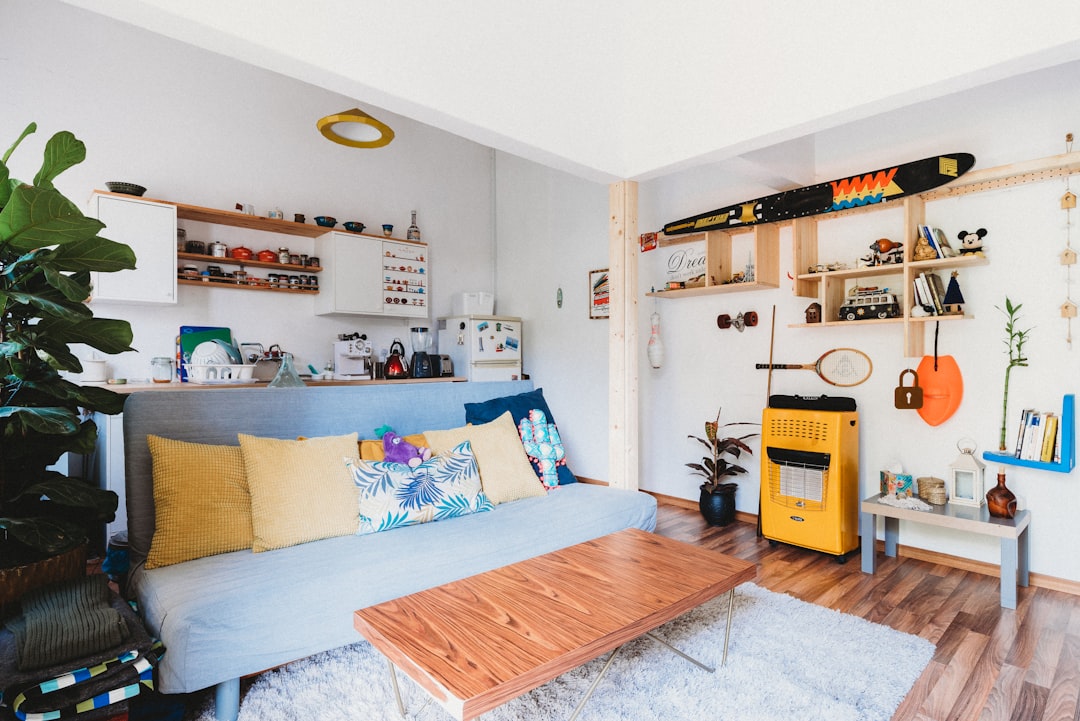
Finally, re-finalise your budget with every last cost included. The sticker price is rarely the final price; factor in delivery fees to your neighbourhood (which can add $80 to $200 for oversized items), any mandatory underpad for hard floors (a worthwhile $40–$120 investment that prevents slip and extends pile life), and potential old rug removal. A rug budgeted at $1,200 can easily become $1,600 all-in. Once that total aligns, your decision moves from speculative to concrete. You can then browse the options with clear parameters.