Forget the idea of an accent chair as a mere decorative object. In Singapore’s living rooms, its function is ruthlessly specific, and that function dictates its form. In a typical 4-room BTO flat, an accent chair often replaces a second sofa—it’s primary seating for a household member, or the dedicated spot for TV viewing. In a landed property, it might complement an existing sofa set, serving as a reading nook in a bay window or occasional guest seating. You start with the purpose, not the Pinterest mood board.
That purpose narrows the field immediately. A chair for daily reading in a 12 sqm study needs proper lumbar support and armrests; a sleek sculptural piece for occasional guests in a condo lounge can prioritise form. The dimensions follow—a compact swivel chair for a media corner in a Tampines condo, a wider wingback for a landed home’s library area. Material choices are then practical: performance velvet or bouclé for a chair that will see daily use, linen blends for a more decorative statement piece in a low-traffic area.
This principle cuts through the noise. It means you won’t buy a deep, low-slung armchair for a senior family member who needs to get up easily. It also means you can justify a higher budget for a chair that serves as a daily retreat, investing in solid hardwood frames and quality upholstery. For a piece used twice a year, you might prioritise a striking silhouette over durability. The chair’s role in the room’s ecosystem—how it relates to the sofa, the coffee table, the traffic flow—is its first and most important design constraint.
Consider the common HDB scenario where the accent chair is the primary seat for one person. It needs to be comfortable for hours, oriented toward the television, and likely include a side table for a drink. That’s a different piece altogether from the accent chair placed near the entrance of a Sentosa Cove villa, which exists largely as a visual welcome. Function defines form, and in Singapore’s varied spaces, that function is rarely just “to look nice.” You can explore a range of options built around these needs at Megafurniture’s collection.
" width="100%" height="480">Accent chair styles: Finding the perfect fit for your condo designA common mistake in Singapore living rooms is treating a floor plan like a mood board. You can adore a deep, tufted accent chair in a showroom, but a 12 sqm HDB living room won't adore it back once the three-seater sofa and TV console are in place. The arithmetic here is unforgiving; you must map the clear floor area first. Start with your non-negotiables. Measure the footprint of your sofa and TV console, then draw the remaining space—literally, with tape on the floor. Standard accent chair footprints range from a compact 80cm by 80cm to a more substantial 120cm by 100cm. That’s the chair’s own claim. Then you must budget for a 60cm clearance around it for walkways, a non-negotiable buffer in many homes to prevent the room feeling like an obstacle course. This discipline rules out certain styles immediately. A large wingback or a swivel recliner often demands more real estate than a typical HDB or condo layout can spare after core furniture is placed. In many four-room BTO layouts, the space between sofa and console table is the only logical spot, and it’s often narrower than you think. Opting for a slimmer profile chair in a bold fabric or colour can deliver the visual punch without the spatial shove. It’s a trade-off between presence and practicality. A petite bouclé chair might feel like a concession on paper, but in a tightly organised room, it becomes a considered accent rather than a bulky afterthought. You’re not just choosing a chair; you’re allocating precious square metres. For a clear view of what fits, browsing a comprehensive
living room furniture collectionwith dimensions filter is a practical first step—it quickly shows you what ‘compact’ and ‘standard’ actually mean on your floor.
For maximizing utility in limited square footage, consider accent chairs with built-in storage or that convert into a small lounger. Swivel or slim-arm models offer flexibility and ease of movement in tight quarters. Choosing a lighter-scale frame ensures the chair provides extra seating without dominating the entire room.
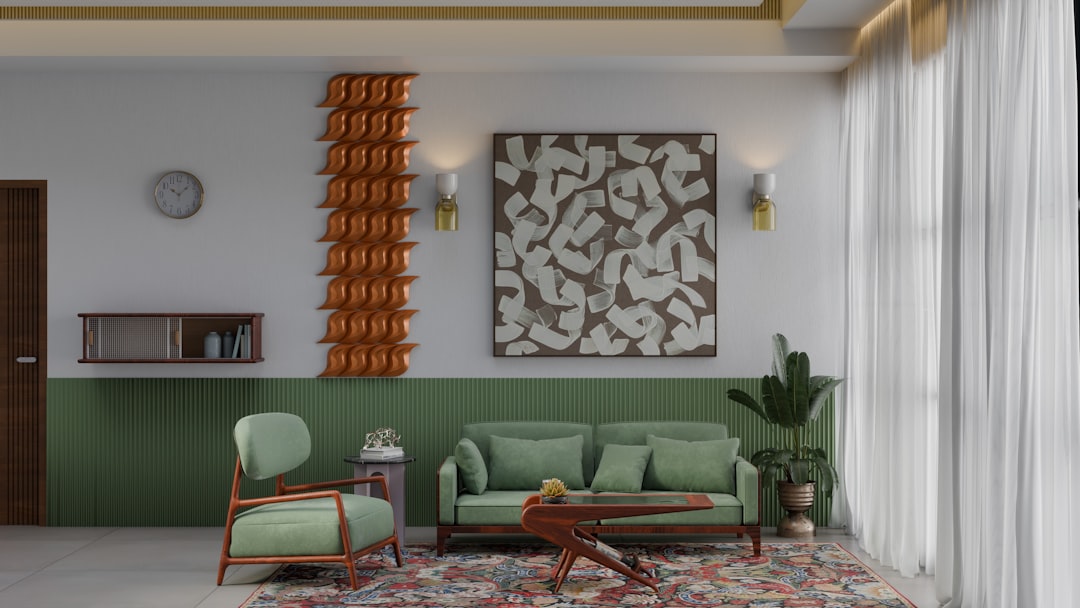
A sculptural accent chair serves as a functional art piece, instantly defining your living area. These designs often incorporate unique curves, avant-garde shapes, or vibrant, textured upholstery. This approach allows you to inject major personality into a compact condo space with just a single, well-chosen furniture item.
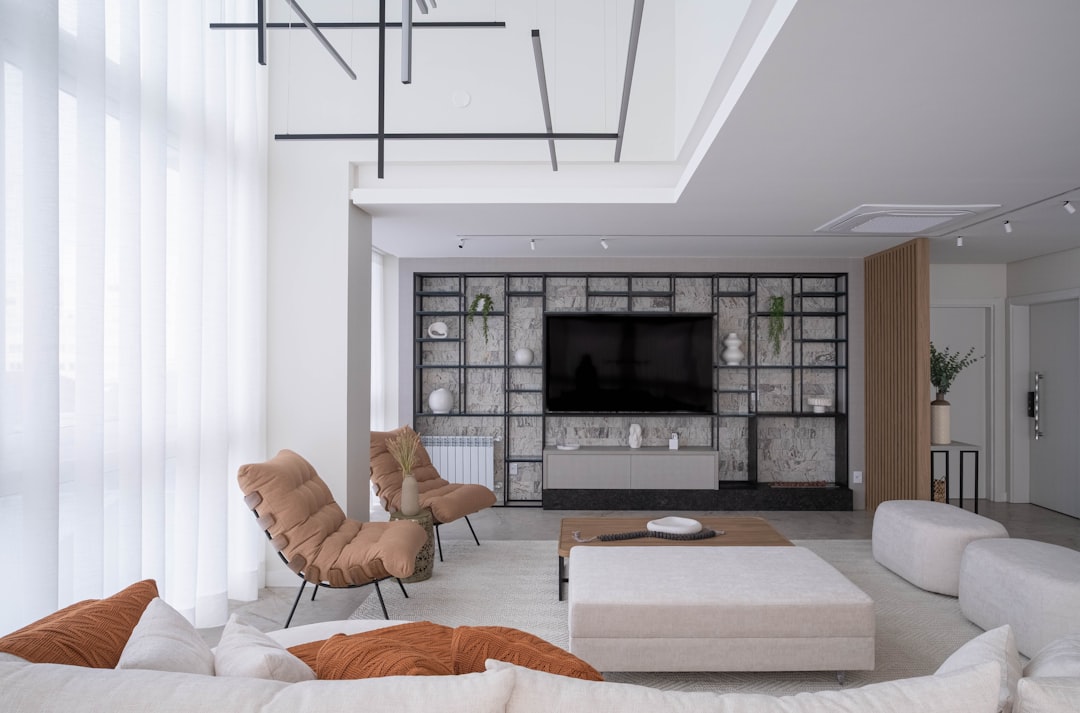
These chairs are ideal for condo living with their clean lines and uncluttered silhouettes. They often feature solid, neutral fabrics or smooth leather to enhance a sense of spaciousness. Look for designs with tapered legs and geometric forms to complement a contemporary layout without overwhelming the room.
Singapore's humidity warps solid wood that hasn't been properly prepared. An accent chair with a kiln-dried hardwood frame, however, will hold its shape in a non-air-conditioned living room. You'll find rubberwood is a common, stable choice for this climate. Avoid any frames labelled simply as 'solid wood' without that kiln-dried specification; they're a gamble that rarely pays off after a few monsoon seasons. That initial creak you hear in the showroom will become a permanent groan in your flat.
Cotton and linen, while breathable, can become mould canvases in damp corners. Performance fabrics—like treated velvet or Crypton—actively repel moisture and resist staining from spills. These textiles are woven with a tighter barrier, so a splash of kopi-O won't immediately soak in. They're worth the premium in a household where the aircon isn't running 24/7. The difference is visible: a standard fabric will develop a faint musty smell, while a performance one won't.
Full-grain leather ages beautifully but demands consistent conditioning here. Without it, the material dries out, cracks, and loses its supple character in our constant 80% RH. Plan for a light conditioning every six to eight months, not just once a decade. Avoid aniline or ultra-matte finishes if your household is active; they show every water ring and scuff. A protected, semi-aniline finish offers that rich look with far more practical durability for daily use.
Cat claws will find a loose weave or a textured bouclé irresistible. Opt for a tight, smooth performance velvet or a synthetic blend that offers little purchase for scratching. Metal legs, preferably with a powder-coated finish, survive feline attention far better than tapered wood ones. It's a practical trade-off: you might sacrifice a certain aesthetic for a chair that doesn't look shredded in a year. The choice often comes down to whether you're prioritising the chair's look or its longevity.
Beyond wood, consider powder-coated metal or engineered composites for the chair's skeleton. These materials are inherently immune to humidity-induced swelling and insect damage. A metal frame with a good, thick coating won't rust in our environment, offering a clean, industrial look that suits many condo interiors. It's a straightforward solution—you eliminate the core weakness of organic materials. For a truly low-maintenance piece in a busy home, this is often the most logical starting point.
The accent chair arrives in its flat-pack glory, buyer beaming with anticipation, only for reality to hit during assembly. It blocks the balcony door in a Tampines condo, or it turns a narrow 4-room BTO living room into an obstacle course. This moment of spatial regret is almost a rite of passage, and it typically stems from three common oversights.
First, there’s the powerful pull of aesthetics. A sculptural bouclé armchair or a mid-century teak frame can be irresistible on a showroom floor, its visual appeal completely overriding practical considerations. You’ll fall for its curves and colour, forgetting that a chair is a three-dimensional object that must occupy physical space and serve a human body, not just a camera lens. That beautiful silhouette often comes with a footprint far larger than it appears in a curated Instagram grid.
Ignoring seat height relative to your existing sofa is another frequent stumble. You might find a perfect low-slung accent chair, but when paired with a standard 45cm-high sofa, conversation becomes a neck-craning affair. The ideal companion piece should create a cohesive seating plane; a mismatch disrupts the room’s flow and makes the arrangement feel awkward, not intentional. It’s a detail that seems minor on a spec sheet but is glaringly obvious in your 3.5-metre wide living area.
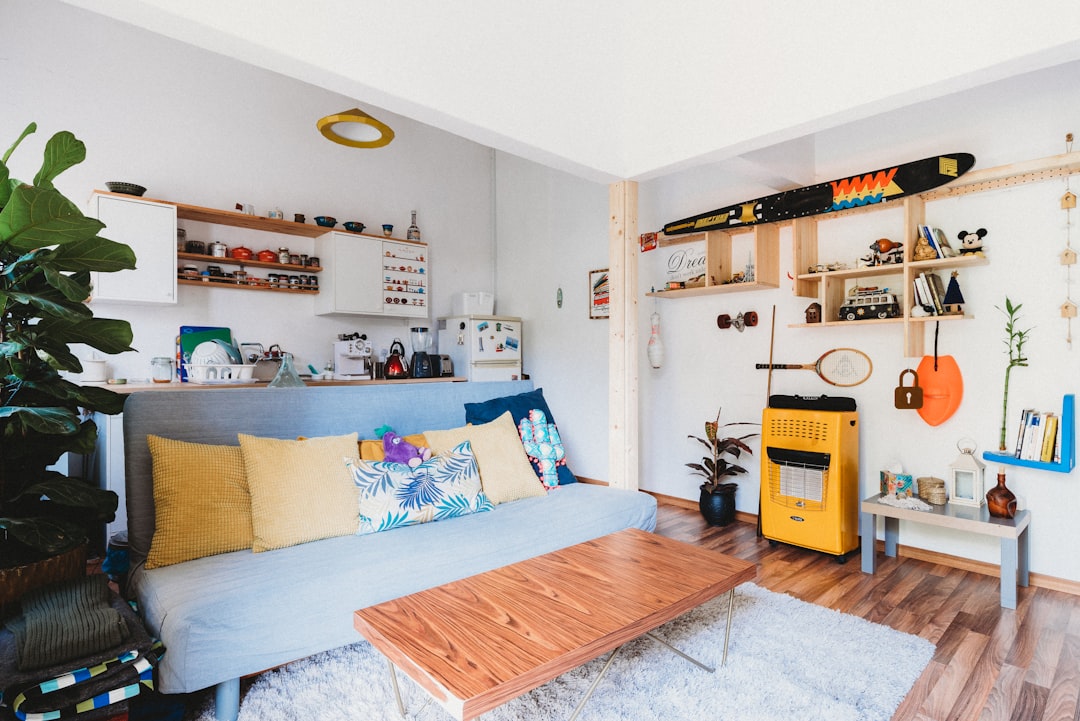
Finally, neglecting the storage footprint is where logistics fail. In many Singapore homes, the path from the main door to the common bedroom, or the clearance around a console table, is a precise corridor. A new chair shouldn’t demand you permanently sidestep or reorganise your entire storage routine. Before committing, tape out the chair’s dimensions on your floor with masking tape, then walk the room’s daily routes—to the balcony, the kitchen, the TV console. That’s the only reliable way to visualise whether that statement piece will become a beloved feature or just a very expensive tripping hazard.
A photograph of an accent chair can make it look compact and manageable, but that's often just a trick of the lens and staging. You'll only understand its true volume when you see it sitting on a showroom floor—suddenly, that elegant silhouette might feel like it's swallowing the space a 4-room BDB living room can actually spare. It’s a common misjudgement; online dimensions are just numbers until you physically walk around the piece and gauge how much air it really occupies. This tactile verification is crucial for ergonomics, which photos completely ignore. You need to sit in the chair to test its seat depth—too shallow and it’s perching, too deep and your back loses support. Check the back angle; a recline that looks relaxing online might strain your shoulders after ten minutes. Armrest height matters, too, especially if you plan to use a side table. These are details you can’t spec-sheet your way into getting right. Colour is another variable that digital screens routinely get wrong. A fabric labelled ‘charcoal’ online might read as warm taupe under Singapore’s intense, equatorial light, or a ‘neutral beige’ could pull unexpectedly green in a north-facing condo living room. Assessing material swatches under the actual lighting conditions of a showroom, which mimics our local environment, prevents a costly mismatch with your existing walls and flooring. Some retailers understand this need for context. Megafurniture’s Joo Seng and Tampines showrooms, for instance, display chairs in room-like settings, letting you visualise how a wingback fits beside a TV console or how a low-profile slipper chair works with a bay window. It’s the easiest way to confirm fit against your own floor plan before committing—you’re not just buying a chair, you’re assessing a new relationship between objects in a limited space. For a practical next step, you can
browse their living room collectionto shortlist pieces worth measuring in person. Ultimately, an accent chair is a spatial negotiation. The showroom visit settles it.
Singapore delivery isn’t just about the truck arriving at your void deck. For many HDB and condo buyers, the real test is whether the service includes stair climbing to the 12th floor when the lift is under maintenance — a common enough weekend scenario in estates from Bedok to Tampines. Always clarify this before confirming an order; some retailers include it as standard, while others charge a fee per floor or only cover the first few storeys. Self-assembly chairs, often shipped flat-packed, demand a quick tool check. You’ll typically need a cross-head screwdriver and an Allen key, but some designs require a rubber mallet or a second pair of hands to lock the frame joints securely. Pre-assembled units, conversely, present a different logistical hurdle: verifying your corridor width. A 90cm-wide chair might fit in your 4-room BTO living room, but it won’t clear the 75cm turn at the common corridor outside. Measuring the narrowest point along the delivery path avoids a frustrating, costly return. Warranties here should be read with a focus on the mechanical points of failure. A robust five-year warranty on the frame integrity and joint mechanisms is what protects your investment from the daily wear of use. Fabric warranties, however, are typically shorter — often one to three years — and usually cover manufacturing defects, not the inevitable fading from sunlight or stains from daily life. That distinction matters for a piece that’s a favourite spot in the living room. For a comprehensive look at options that factor in these local specifics, from delivery terms to warranty structures, you can browse the
accent chair collection. It’s a practical step, because the perfect chair isn’t just about style; it’s about whether it can actually get through your front door and last for the next half-decade.
Search histories don't lie. Behind the queries about accent chairs are real anxieties about space, sweat, and mould — Singapore's perennial furnishing trifecta.
Can an accent chair replace a sofa in a 4-room HDB? It's a tight squeeze, but possible if you're ruthless about other furniture. A standard two-seater sofa is around 160cm wide; a generous accent chair is under 100cm. The swap only works for households that don't entertain large groups, freeing up crucial floor space for a play area or a larger dining set. You'll gain square footage, but lose the communal lounging spot — a trade-off many young couples in BTOs are willing to make.
Which material is best for sweat-prone Singapore? Performance fabrics are the clear favourite. Crypton or similar spill-resistant, antimicrobial textiles handle humidity far better than standard linen or cotton; synthetic velvet with a stain-resistant treatment is another robust choice for daily use. Avoid full-grain leather in non-air-conditioned spaces — it'll stick to your skin and show wear patterns faster. The goal is a fabric that feels cool to the touch and won't degrade in our constant 80% humidity.
How do you clean mould from a chair cushion? Act fast. For surface mildew, a solution of white vinegar and water applied with a soft brush can work, but deep cushion mould is often a losing battle. If it's penetrated the foam core, professional cleaning is needed — and even that isn't always successful. Prevention is simpler: choose chairs with removable, washable covers, and never push upholstered furniture directly against a damp external wall in older flats.
Is a recliner accent chair viable for a condo? Only if you measure the arc. A recliner needs a clear 60 to 90cm in front of it to fully extend, which can dominate a modest living room. Look for compact, wall-hugger models if you're set on the function; otherwise, a standard swivel chair offers movement without the spatial commitment. In many 900 sq ft condos, that reclaimed floor area is better used for circulation.
The decision matrix should be settled before you even look at the payment page. Function fulfilled, dimensions verified, material suitability confirmed, maintenance understood—these four boxes must all be ticked. It sounds procedural, but skipping one is how you end up with a velvet chair that can’t survive a toddler’s snack time or a sculptural piece that blocks the walkway to your Punggol BTO balcony.
Cross-check that matrix against your actual life. For a household with children or pets, that linen bouclé you love is a sentimental choice, not a practical one; a performance fabric with a high Martindale rub count is closer to a necessity. If you host friends monthly, consider how easily the cushion covers remove for a wash, or if the rubberwood frame can take the occasional accidental knock. These aren’t abstract lifestyle categories—they’re the specific forces that will wear down your furniture.
Then, align the delivery date with your renovation schedule with military precision. There’s no point securing a perfect, mustard-yellow accent chair if it’s arriving six weeks before your flooring is finished, destined to gather dust in a corner of your half-painted living room. Confirm the lead time, and if it’s a flat “two to four weeks,” plan for the latter.
Proceed only when all four criteria are met. If there’s a mismatch—the dimensions are perfect but the maintenance for the full-grain leather seems overwhelming, or the delivery window is a vague promise—that’s your signal to pause. Revisit the showroom, physically or online, with your clarified non-negotiables. The right piece for a long-term living room isn’t about compromise; it’s about a checklist that leaves no room for regret.