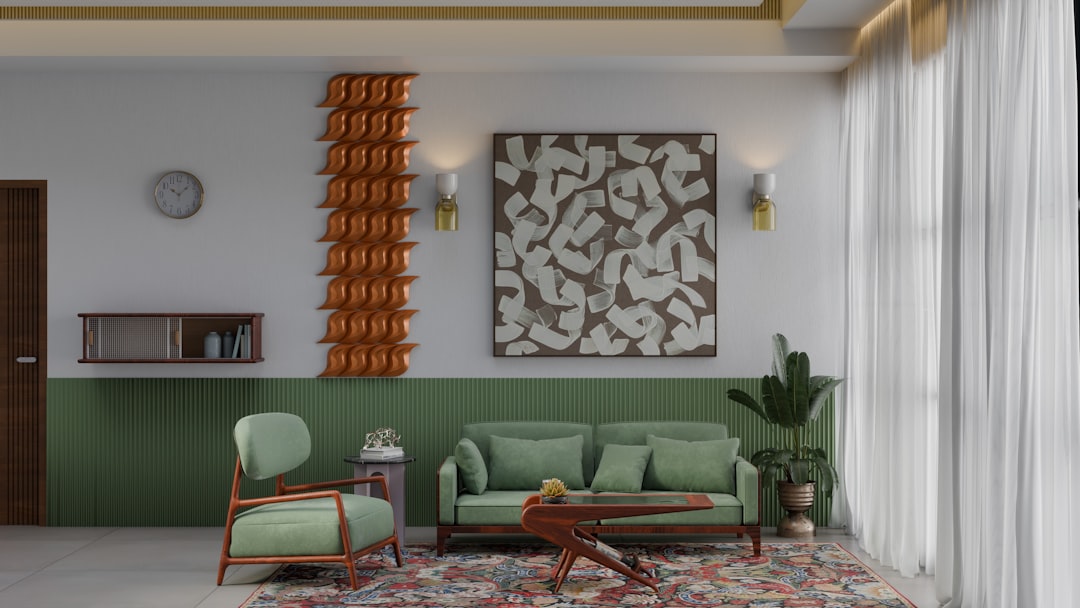
In many HDB living rooms, a side table’s first real test isn't a spilled drink but the relentless, unseen moisture that builds up overnight. That constant 80% humidity and year-round heat don’t just feel uncomfortable; they actively dismantle materials that would be fine in a temperate climate. Solid wood, for all its appeal, is particularly vulnerable—untreated planks will warp and twist, leaving gaps where none existed. Engineered wood fares little better, as its layered construction tends to swell at the edges, causing veneers to peel and laminate to bubble. In a compact 12 sqm living area, where every piece bears the brunt of environmental stress, these failures aren't just aesthetic flaws; they're functional breakdowns.
Your best defence is to select materials engineered for the conditions. Treated teak, with its natural oils, resists moisture admirably, though its cost reflects that durability. Powder-coated metal is a robust and often more affordable choice; the coating provides a barrier against rust, and its clean lines suit many contemporary schemes. For the most predictable performance, however, look to high-pressure laminates specifically marketed as moisture-resistant. These synthetic surfaces won't absorb ambient dampness, making them a pragmatic favourite for flats near the coast in Bedok or Marine Parade.
The choice becomes even more critical when you consider how these pieces are used. A side table in a central HDB layout might hold a dehumidifier one day and a potted orchid the next—it’s a piece that quietly shoulders diverse burdens. Opting for a material that can handle both the micro-climate of a plant saucer and the general dampness means you won't be replacing it in three years. It’s a small but telling detail of thoughtful furnishing.
Ultimately, matching your aesthetic is secondary to ensuring the piece can survive your environment. A beautiful rattan accent might look perfect in a Tampines condominium, but if it’s not properly sealed, it’ll become brittle and discoloured within a season. The goal is to find that intersection where suitable materials meet your design vision, so the table remains a useful centrepiece, not a cautionary tale about Singapore's weather. You can explore a range of options built for local conditions, from coated metals to treated woods, in Megafurniture's collection of living room furniture.
The wrong side table material in a 4-room BTO can make your entire living room feel slightly off—like a mismatched tile in an otherwise perfect floor. It’s not about the piece itself, but how its finish interacts with your existing palette; in compact spaces, every texture is part of a single visual sentence. Get it right, and the room feels intentionally curated. Get it wrong, and you’ve introduced a visual stutter.
For the light, airy Scandi aesthetic common in many newer HDBs, pale oak or ash is the reliable choice. Its natural grain and warm blonde tones reflect light around a 12 sqm living area, complementing white walls and light grey flooring without demanding attention. A black metal frame or a dark walnut top in that same space, however, becomes an immediate focal point—it disrupts the gentle flow that makes these rooms feel larger than they are.
Industrial lofts in converted condos around Tanah Merah or Tiong Bahru demand a different approach. Here, black powder-coated metal or reclaimed teak with visible bolt details doesn’t just fit in; it reinforces the raw, utilitarian narrative. The material’s coolness plays against exposed brick or concrete-effect walls, and its visual weight grounds the space, preventing lighter pieces from seeming to float aimlessly.
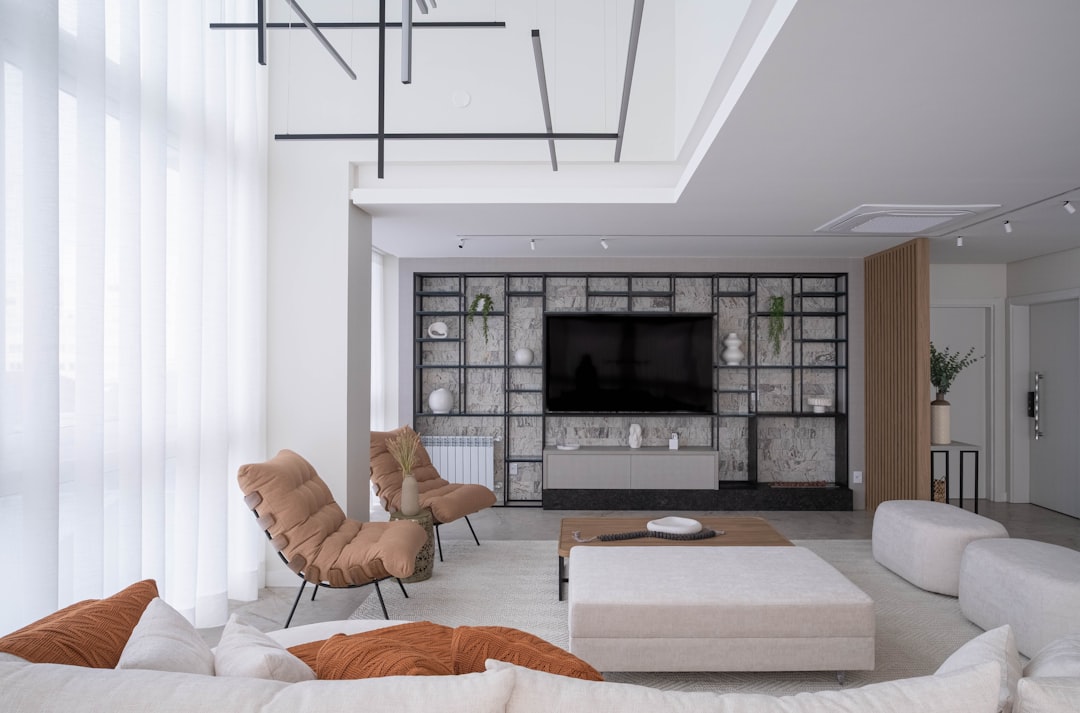
Minimalist condos, with their emphasis on seamless surfaces and monochromatic schemes, often benefit from high-gloss laminate or lacquered MDF. In a living room with a statement marble TV console, a side table in a matching high-gloss white creates a continuous plane, making the entire wall feel organised. Matte finishes can look dull in these settings, while raw wood can feel unexpectedly rustic.
Ultimately, your material choice dictates room cohesion more than the table’s shape or size. Think of it as matching the hardware finish throughout your kitchen—consistency is what makes a small space feel deliberate, not cramped.
You'll find staples and glue under many affordable pieces, but proper joinery — dovetails, mortise-and-tenon, or at least solid dowels — is the real mark. A quick test involves opening a drawer and inspecting its corners; flimsy butt joints with visible staples won't last a year in a humid flat. That side table you're eyeing for your BTO living room should feel like a single, coherent object, not a kit of parts. Ignore the sales talk about "solid construction" and physically check how the legs attach to the apron or how the shelf supports are fitted. It's a ten-second check that reveals more about longevity than any product description.
Engineered wood with a veneer finish is common, but poorly applied veneer will bubble and peel in Singapore's climate. Run your hand along the table's edge and surface transition; you shouldn't feel any ridges, gaps, or rough patches where the thin wood sheet ends. Inconsistent grain matching across different panels is another giveaway of a rushed, cost-cutting job. Look at the piece from multiple angles under the showroom lights, as shadows will catch any misaligned seams. A good veneer job should be virtually seamless, convincing the eye it's looking at solid timber.
Drawer glides are a notorious failure point, especially on TV consoles and sideboards that see daily use. Open and close every drawer fully; they should move smoothly without wobbling, sticking, or requiring a forceful shove to close. Cheap nylon runners feel gritty and often sag under minimal weight, while full-extension soft-close mechanisms are the robust standard you want. Listen for any scraping or rattling sounds during operation — a silent glide is a well-made glide. Don't just test it empty; ask if you can place a showroom book inside to feel how it handles a load.
Weight is a surprisingly reliable proxy for material density and structural integrity. Lift one corner of that coffee table or try to slide a side table slightly; a piece made from substantial particleboard or solid wood will have a reassuring heft, while hollow-feeling MDF or overly light "solid wood" frames often indicate inferior core materials. This heft translates directly to stability — a lightweight table in a family living room will shift with every bump. It's a simple, non-destructive test that bypasses marketing claims about material origins entirely.
Showroom lighting is designed to flatter, but you can use it to your advantage. Request to see the piece in a different light, or cast a shadow with your hand to reveal the true texture and any subtle finish flaws like orange peel or uneven staining. That warm grey laminate might look neutral under cool LEDs but appear starkly blue in your north-facing HDB window. This scrutiny exposes colour mismatches between components that seemed identical moments before. It's the final, essential check before you commit to a furniture package that has to live in your actual home, not a curated showroom.
That marble-topped side table looks perfect in the showroom, a sleek monolith beside a low-slung sofa. It’s a different story when it arrives in your 4m by 3.5m HDB living room, blocking the walkway to the balcony and forcing you to sidestep every time you pass. Prioritising aesthetic over dimensions is a classic error; an oversized table can make a compact space feel cluttered and impede daily movement, turning a functional piece into a permanent obstacle.
Leg clearance is another frequent oversight. Buyers measure the table’s height but forget to consider its profile relative to their existing sofa. A table with a solid apron or a lower shelf might not slide under the sofa arm at all, leaving it stranded inches away and useless for holding a drink. The ideal side table should tuck neatly within the sofa’s silhouette, creating a unified look and ensuring everything you need is within arm’s reach.
Material choices here often ignore practical life. Porous marble or travertine might suit a show flat, but in a home with pets or young children, it’s a recipe for permanent stains from water rings, paw prints, or spilled juice. These natural stones require regular sealing—a maintenance step many forget until it’s too late. For active households, a sintered stone or a laminate with a stone look offers similar visual coolness without the anxiety.
Then there’s the assumption that all ‘solid wood’ is created equal for our climate. A side table made from untreated rubberwood or pine, while structurally solid, can warp or crack in Singapore’s consistent humidity. What you want is kiln-dried, humidity-treated timber, or better yet, engineered wood which is designed for stability. It’s a specification worth checking before you commit; that beautiful teak finish won’t stay beautiful if the core material wasn’t prepared for the tropics.
A side table's online product image is almost always shot in a studio — its wood grain looks warm and consistent, its marble finish gleams under perfect lighting. You'll find that reality in your 4-room BTO flat, especially under the harsh 4000K LED strips many Singaporean builders install, can be a stark and disappointing contrast. The engineered wood veneer you thought was walnut now reads as flat brown; the solid rubberwood you worried might be too yellow actually brings a needed warmth to your grey vinyl floor. This gap between digital catalogue and lived-in space is precisely where a physical showroom visit becomes decisive. At Megafurniture's Joo Seng or Tampines locations, that verification is tactile. You can run a hand over a sintered stone top to feel if its cool, smooth surface suits your morning coffee routine, or test the heft of a solid acacia leg to gauge its stability beside a frequently bumped sofa. Crucially, you see materials under lighting conditions much closer to your own home's, which often settles the debate between a high-gloss lacquer finish and a more forgiving, matte oiled one. It's the difference between imagining a piece and knowing it. Function gets tested, too. You can open and close a drawer to check for smooth gliding action, not just admire its front panel online. You can press on a tabletop to assess wobble, or examine the joinery where a metal frame meets a wooden shelf. For engineered wood versus solid wood, you're comparing not just colour and grain, but the actual density, weight, and surface texture of each — factors that determine how a piece will age in your specific humidity and traffic patterns. That drawer you'll open daily to stash remotes needs to feel robust, not just look it. Ultimately, a showroom visit confirms suitability for your layout. You can visualise how a 60cm round side table will fit in the narrow gap between your armchair and window in your HDB living room, or whether a two-tier design will crowd the space. It turns abstract dimensions into a concrete presence. This direct engagement resolves the lingering doubt that often follows an online purchase, moving you from hesitant consideration to confident choice. You can see the full range of options at Megafurniture's
living room furniture collectionbefore making the trip.
Identify the undertone of your main living room furniture, such as your sofa frame or media console. For a cohesive look, select a side table that shares this warm, cool, or neutral wood finish. This creates a unified foundation, preventing the table from looking like an afterthought. A matching tone helps the piece blend seamlessly into your HDB's curated aesthetic.
Introduce visual interest by pairing different but harmonious materials. If your main furniture is smooth laminate, consider a side table with textured stone, woven rattan, or brushed metal. This adds a tactile layer to the room while maintaining balance. The key is to ensure the new texture feels like a natural extension of the existing material palette.
Measure the space next to your sofa or armchair where the table will reside. The table's height should be level with or slightly below the arm of the seating for easy access. Its footprint must fit comfortably without obstructing walkways in your HDB. A correctly scaled table looks built-in, enhancing both function and the room's flow.
Look beyond wood to the primary colors in your room's soft furnishings and wall paint. Choose a side table in a finish that either subtly matches an accent color or provides a tasteful contrast. For a muted scheme, a painted table in a soft hue can add depth without overwhelming. This approach ties the functional table directly into your room's overall color story.
Determine if your HDB's living room leans modern minimalist, Scandinavian, industrial, or classic. Select a side table with design lines and materials that reflect that core style language. A sleek metal-and-glass table suits a contemporary space, while a rustic wooden one fits a warm, organic theme. Consistency in style ensures every piece feels intentionally chosen.
A common BTO delivery hiccup involves a side table arriving fully assembled, only for the crew to discover it can’t make the final turn into your lift lobby. It’s a spatial puzzle specific to Singapore. For HDB flats, you’ll want to confirm the lift landing dimensions — typically around 1.2 by 1.4 metres — before ordering any piece wider than a standard door frame. Many condominiums, especially those with boutique lift lobbies, impose even tighter restrictions that can outright prohibit large, solid-wood panels or pre-assembled items. That logistical detail often dictates your assembly path more than personal preference does.
You’re essentially choosing between a crew and a flat-pack. A professional assembly team handles everything from unboxing to final placement, which is invaluable for solid wood or marble-top pieces that are heavy and require careful levelling. The DIY flat-pack route, while often more budget-friendly, demands time, a decent set of tools, and a tolerance for minor imperfections in fit. For a compact 4-room BTO living room where every centimetre counts, a pre-assembled piece ensures it’s perfectly square and stable from day one.
Warranty terms here must account for our climate. A standard one-year guarantee might cover manufacturing defects, but it’s the humidity-induced warping or joint separation that often appears in the second year. Look for coverage that explicitly protects against environmental factors for at least two years; solid rubberwood or engineered wood with proper sealing should hold up, but the warranty is your safety net. A local service network is non-negotiable for claims — you don’t want to be shipping a table back to an overseas warehouse.
That’s where retailers with a physical presence, like Megafurniture, provide a tangible advantage. Their service teams operate from centres in neighbourhoods like Joo Seng and Tampines, meaning a technician can usually assess a warranty claim for swelling or finish issues within days, not weeks. It turns a potential headache into a manageable repair. For peace of mind, always verify the service coverage area matches your estate before committing.
The north-east monsoon season tests every piece of furniture on a balcony or near a window—and teak, if properly treated, is one of the few materials that won't flinch. Its natural oils repel moisture, so a well-finished piece can handle the humidity and occasional driven rain without warping or moulding; just ensure it's genuine, plantation-grown teak with a quality sealant, not a cheaper wood merely stained to look like it. For purely indoor use in a typical 4-room BTO, that level of durability is overkill, but for that semi-sheltered space by your sliding doors, it's a logical choice.
Marble's cool touch is a genuine consideration in our climate. In an air-conditioned living room, it feels luxuriously solid, but in a naturally ventilated space, it can seem perpetually damp and chilly—a sensation some find unpleasant, especially in the early morning. The real practical issue, however, is maintenance; marble is porous and will etch if acidic spills like coffee or fruit juice aren't wiped immediately, making it a high-care option for a high-traffic area.
Glass-top tables spark anxiety for parents of toddlers, and rightly so. Tempered glass is a non-negotiable minimum for safety, as it crumbles into small, blunt pieces instead of shattering into sharp shards. Even then, the constant fingerprints and the hard, unforgiving corner at a child's forehead-level mean many families in landed properties or condos with young children simply opt for rounded wooden designs until the kids are older.
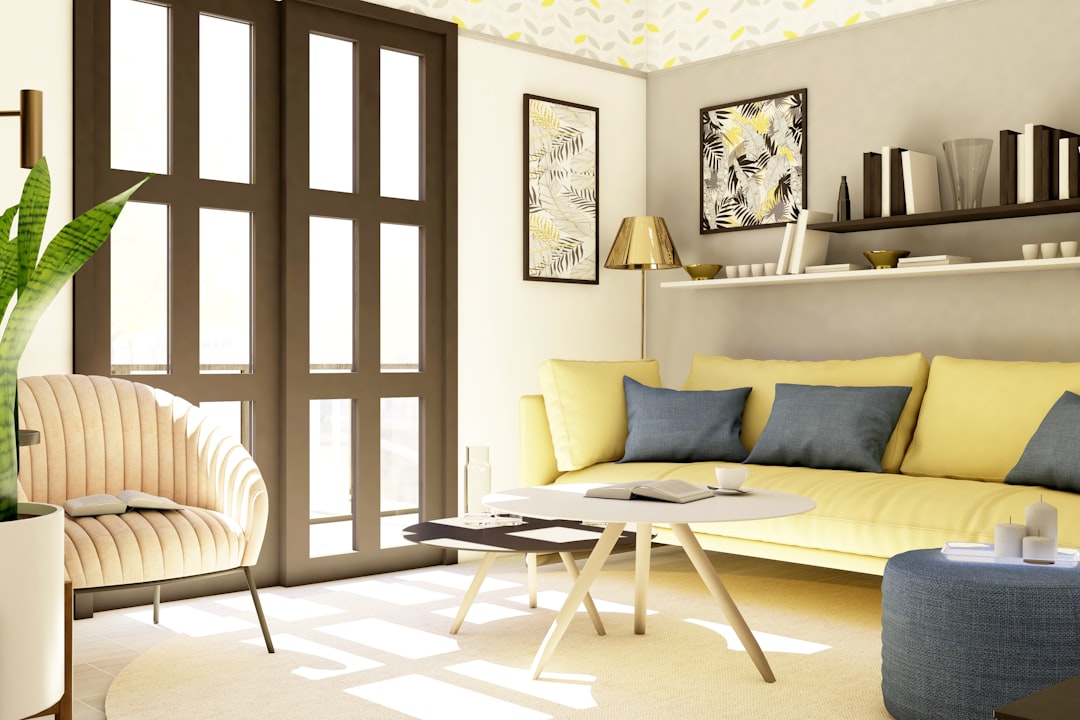
For high-dust environments—common in flats near construction in Punggol or along major roads—smooth, non-porous surfaces win. Lacquered MDF, sintered stone, or glass are easiest to wipe down with a damp cloth, while textured materials like raw wood or rattan trap dust in their grooves and require more frequent, detailed cleaning. It's a small daily trade-off that often dictates the long-term look of your space.
" width="100%" height="480">Side table material selection: matching your HDB's aesthetic (how_to)The side table that looked perfect in the showroom often feels like a bulky afterthought once it’s crammed between your sofa arm and the living room wall. Before you commit, take a tape measure to that exact spot — clearance of 50cm is comfortable, but in many 4-room BTO layouts, you’ll be negotiating with 35cm or less. That’s the difference between a graceful accent and a shin-bruising obstacle. Material choice here isn’t just about colour; it’s a pragmatic defence against Singapore’s climate. A solid teak or acacia table might carry a ten-year warranty, but verify if it explicitly covers humidity-related warping or surface mould. For sintered stone or ceramic tops, the concern shifts to condensation rings from cold glasses — a quick wipe solves it, but that’s the kind of daily maintenance you’re signing up for. Bring your wall paint swatch and a cushion fabric sample to the showroom; the laminate that looked neutral under cool LEDs can clash terribly with warm-grey walls in your north-facing flat. Plan for this piece to last a typical refresh cycle of seven to ten years, which is about how long most homeowners live with their living room scheme before the itch for change becomes undeniable. The decision ultimately balances that immediate aesthetic match — the table as a finishing touch — against long-term resilience. A marble-look laminate top paired with rubberwood legs might survive a decade of humid seasons and clumsy guests better than a more delicate, solid mango wood piece. This final check moves you from browsing to buying. You can evaluate options that meet these practical criteria in a dedicated
living room furniture collection, where dimensions and material specs are clearly listed. Then it’s just a matter of trusting your eye.