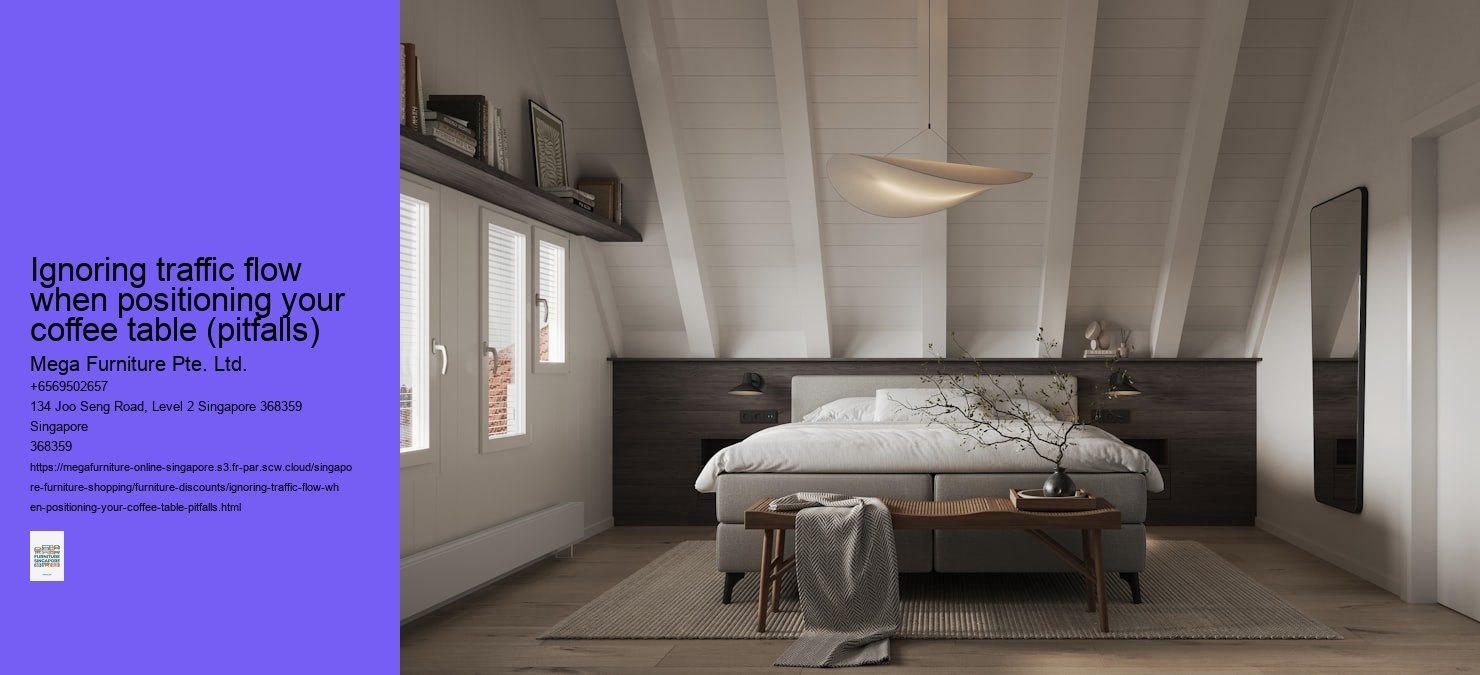
The first-time BTO owner, fresh from collecting keys in Tengah or Sengkang, often discovers their 12 sqm living room has two narrow walkways flanking a centrally-placed sofa. That’s the floorplan talking. In these homes, a standard 1.2-metre coffee table parked front-and-centre becomes an immediate obstacle course for anyone moving from the main door to the bedrooms or kitchen. You’ll find yourself performing a sideways shuffle past it twice a day. Condo layouts, particularly those in older resale units around the East Coast, enforce a different rhythm. They often feature a clear central axis from the entry to the balcony, a formal procession the interior architecture demands you respect. Plonking a large, square coffee table dead-centre on that axis doesn’t just block the flow; it visually chops the room in half.
Landed terrace homes, especially the popular intermediate units in estates like Bedok or Bishan, introduce a third dynamic. Traffic here isn't just about crossing the room; it’s about continuous flow between indoor living areas and outdoor spaces like the patio or garden. A heavy, immovable stone coffee table can sever that connection, making the living room feel like a dead-end rather than a hub. In many of these homes, the furniture placement needs to facilitate movement toward the light and air, not corral people into static seating.
This is where the coffee table’s proportions and placement become critical. For the BTO walkway, a narrower console table behind the sofa might serve better than a traditional centrepiece, keeping the lanes clear. In the condo with its central axis, two smaller, lighter occasional tables placed off to the sides can offer surface space without becoming a blockade. For landed homes, a pair of movable ottomans or a slender, elongated table running parallel to the sofa often works best—it provides utility but can be easily bypassed when the party spills outdoors.
The material choice follows function. A glass-top table can maintain sightlines in a cramped space, making it feel less cluttered. A rounded, upholstered ottoman is kinder to shins in tight quarters than a sharp-edged wooden cube. It’s a simple rule: the floorplan dictates the primary traffic routes, and your coffee table should never be a permanent roadblock on them. You can explore a range of solutions tailored to these specific spatial challenges in Megafurniture’s living room collection, where options account for the unique constraints of local home layouts.
Ultimately, that perfect marble disc you saved from Pinterest might look stunning in isolation, but in your actual four-room resale flat, it could be the thing everyone curses when they need to pass.
That solid teak coffee table you loved in the showroom at Tampines might start groaning at its joints by the end of its first rainy season. Singapore’s ambient humidity doesn’t just fog up windows—it quietly tests the structural integrity of your furniture choices, making material selection non-negotiable. Solid hardwoods like teak and rubberwood naturally resist warping and swelling, while the laminated edges on MDF or particleboard tables can bubble and peel in consistently moist air; it’s a slow, irreversible failure that often starts unnoticed beneath a vase.
Scale is the other silent killer in a compact HDB layout. For a typical 12 sqm living room, a bulky rectangular slab can dominate the entire traffic flow, forcing residents into an awkward daily shuffle. A 90cm round table often works better, offering surface area without sharp corners, or consider a set of nesting tables that can be tucked wholly away when extra floor space is needed for a yoga mat or playtime. The goal is a surface that serves the room, not one that commands it.
Lift logistics and future resale are practicalities you can’t ignore. An oversized, single-slab tabletop might not fit into the service lift of your condo, incurring hefty hoisting fees, and it will almost certainly block the narrow doorway of a future HDB flat you might sell to. Prioritise lift-friendly dimensions or designs that come in multiple assembled pieces. That monumental stone table might look impressive now, but it becomes a permanent fixture of the apartment—a major deterrent for future buyers who value flexibility.
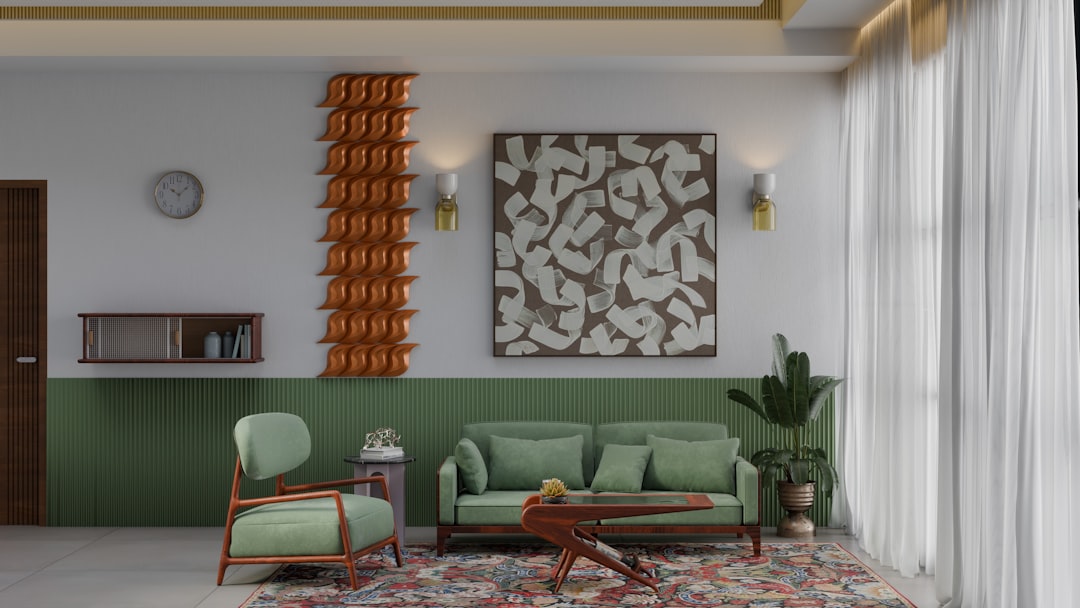
Finally, consider the finish. A high-quality, moisture-resistant lacquer or oil finish on solid wood provides a crucial barrier, while thin, sprayed-on veneers on cheaper composites will show water ring marks from condensation almost instantly. It’s a detail that separates furniture that lasts a decade from pieces that look tired after a single year of Singapore’s climate.
A marble coffee table in a Tampines condominium is a statement, but that statement shouldn't be a permanent watermark. The critical detail isn't the veining you see; it's the sealed underside you don't. Unsealed stone, especially in humid environments, absorbs moisture from the air and the floor itself, leading to a slow, permanent darkening. That condensation from a cold glass or a forgotten wet coaster will seep through microscopic pores if the top isn't properly sealed, but a sealed bottom prevents the slab from wicking moisture from below. It's a non-negotiable check for any natural stone, as the damage is irreversible and professional refinishing in Singapore is a costly, dusty affair. Ignore this, and your centrepiece becomes a constant source of regret.
Drawers in a coffee table are often an afterthought, used for remotes and odd stationery, but their movement tells you everything about the piece's longevity. Partial extension glides, where the drawer only comes out halfway, force you to dig blindly in the back, scraping knuckles and damaging contents. Full-extension, soft-close mechanisms allow you to see and access every item, but more importantly, they signal a higher-grade hardware investment from the manufacturer. This engineering translates to smoother operation for years, resisting the sag and stick common in cheaper tables subjected to Singapore's humidity cycles. It's a small feature that prevents daily frustration and indicates where else the builder didn't cut corners.
For a household with a terrier in a Bishan HDB, a coffee table's lower edges are a prime scratching post. The solution isn't avoiding wood tones but insisting on a technically advanced, scratch-resistant veneer. Modern high-pressure laminates or thick, catalyzed lacquer finishes can withstand casual claws far better than soft, oiled woods or thin, decorative paints. You want a surface that bounces back from a glancing paw swipe without leaving a permanent white scratch in the finish. It's a practical compromise that lets you keep both the aesthetic of wood and the sanity of a pet owner, avoiding the need for unsightly protective corner guards.
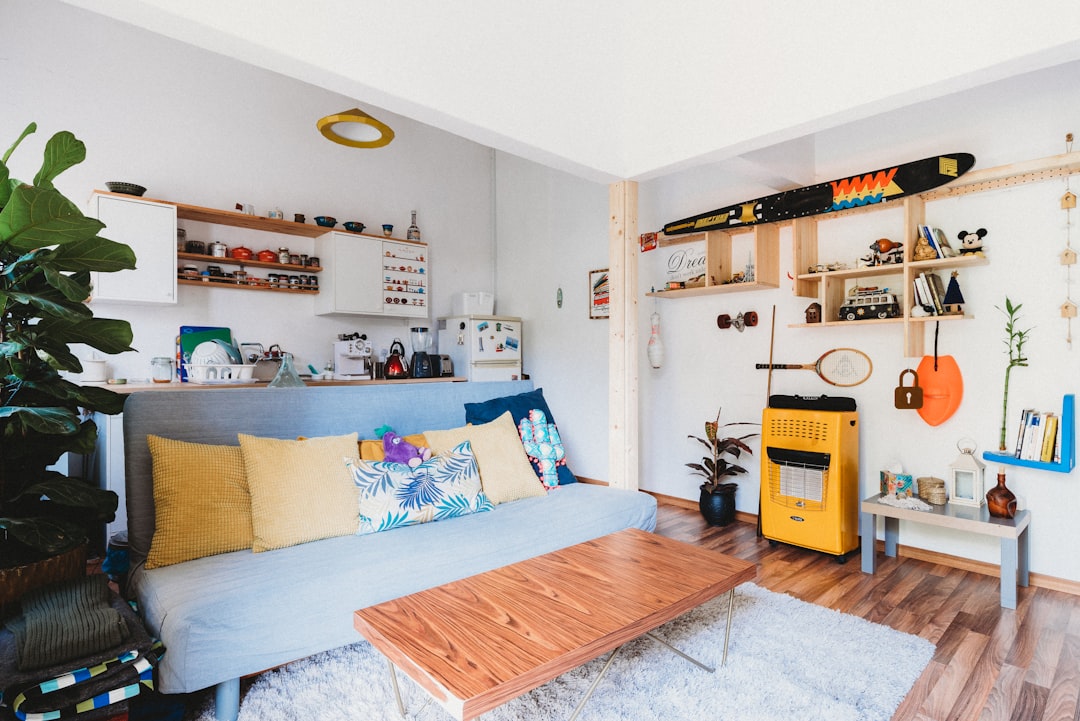
Laminated surfaces are ubiquitous for good reason, but not all laminates are created equal for a living room where iced drinks are a permanent fixture. Constant, direct condensation from glasses and tumblers can eventually seep into the seams, causing the substrate—often particle board—to swell and the laminate to lift at the edges. A quality table will use a moisture-resistant core and, crucially, tightly sealed edges with a robust, rounded bullnose or a full-wrap laminate that leaves no exposed end grain. This isn't just about spills; it's about the slow, daily assault of humidity and cold sweat from glasses that cheap furniture simply can't withstand.
Rattles and wobbles start at the joints, and in a four-room BTO, a shaky table is an audible nuisance. Look for construction that goes beyond basic corner brackets and screws into the engineered board. Traditional mortise-and-tenon joinery in solid wood is a hallmark, but well-executed dowel construction or reinforced mitre joints with internal metal brackets can be equally robust for modern designs. These joints absorb the lateral stress of people leaning or the occasional bump, preventing the gradual loosening that turns a stable piece into a teetering one. It's the hidden architecture that determines whether a table feels like a permanent fixture or temporary furniture.
That long, low coffee table you picked for its sleek profile can become a permanent blockade in a 4-room HDB. The primary door to the balcony often sits directly across from the main living area, creating an essential corridor for everything from taking out the laundry to letting guests outside for fresh air. Position your table without measuring that path, and you’ll create a daily annoyance that becomes a genuine bottleneck during festive gatherings.
You need a minimum of 90cm clearance for unimpeded flow—anything less forces a sideways shuffle. It’s a common oversight, especially with larger rectangular tables that look proportionate to the sofa but extend too far into the walkway. The result is a living room that feels perpetually cluttered, even when it’s tidy, because the main traffic route is compromised.
Consider the table’s footprint, not just its surface area. A round or oval design, typically around 100cm in diameter, often works better than a sharp-cornered rectangle in these layouts; it allows for easier navigation around its perimeter. Alternatively, look for tables with a narrower profile or a raised shelf base—the visual space underneath can make the walkway feel more open, even if the physical clearance is tight.
This isn’t just about moving past it yourself. Think about carrying a tray of drinks, a potted plant, or a bulky laundry basket. That 90cm guideline is the difference between a smooth pass and a precarious tilt that risks a spill or a scuff on your wall. It’s a practical metric that should trump pure aesthetics during your planning.
Ultimately, the best coffee table for a compact living room is one that disappears from your mind once it’s in place. You shouldn’t have to think about your route to the balcony every single time.
That console table might look perfectly stable on a shop’s concrete floor, but you won’t know if it wobbles on your own stacked tile until you give it a shove in a showroom that uses the same flooring. This is the pragmatic value of visiting a physical space like Megafurniture’s Joo Seng or Tampines showroom; it lets you test the fundamentals of stability and proportion against the exact conditions you live with. You can see if a coffee table’s leg placement catches your toe during a tight turn from the sofa, or if a TV console’s drawer glides smoothly when your floor isn’t perfectly level—common issues in many HDB flats and older condos that online images can’t reveal. The showrooms are laid out in mock-up HDB settings, which does more than just suggest a style. It forces you to confront real spatial constraints, like whether that attractive, low-slung coffee table will actually leave enough knee clearance when paired with your existing sofa, or if a media unit will overwhelm a narrow 4-room BTO living room wall. You’re gauging the true footprint of pieces designed for Singaporean dimensions, from compact console-desk hybrids that fit into a recessed balcony area to shelving units scaled for a 2.6-metre ceiling height. Material choices also come into sharp focus under showroom lighting. You can assess the grain and finish of humidity-tested engineered wood firsthand, checking for colour consistency and feeling the heft of a sintered stone tabletop. It’s one thing to read about “stain-resistant performance fabric” online and another to press a wet cloth into a velvet sample to see how it beads and dries. This tactile verification matters, especially when you’re selecting pieces that will face years of spills, sun from a west-facing window, and the general humidity that warps lesser materials. Ultimately, walking through a curated collection allows you to move past isolated product photos and visualise a coherent room. You might notice how a particular side table’s metallic finish picks up the undertones in a nearby rubberwood TV console, or how a round ottoman can soften the sightlines in a rectangular space better than a square one. It’s about building confidence in your selections before they’re delivered to your doorstep in Tampines or Bedok, ensuring each piece—from the accent chair to the storage cabinet—fits not just your style, but your life. You can explore these coordinated options in their
living room collection.
Delivery to a walk-up apartment in Toa Payoh or Joo Chiat often carries an extra fee, a reality that’s easy to miss when you’re focused on dimensions and finishes. Most retailers, including Megafurniture, will confirm this at checkout — expect a separate charge for staircase-only delivery if your block lacks a lift, or if the lift can’t accommodate a large crate. It’s a straightforward logistical cost, but one that can add a couple of hundred dollars to your final tally for a bulky coffee table or TV console.
Assembly is typically required for units with drawers or complex joinery. A simple four-legged coffee table might arrive ready to place, but anything with hidden storage or a sliding mechanism will likely need some tool work. That’s not necessarily a drawback; it’s often what allows for a more solid construction than flat-pack alternatives. You’ll just want to factor in the time, or the cost of a professional assembler if the instructions look daunting.
The standard warranty across the industry here is 12 months, covering manufacturing defects in materials and workmanship. It’s a baseline you should expect. What it won’t cover, however, is often more telling than what it will. Water marks from constant air-conditioner condensation, for instance, are almost universally excluded — a critical note for anyone placing a wooden table directly under a wall-mounted unit in a humid living room.
These practicalities aren’t glamorous, but they define the real cost and longevity of your purchase. A beautiful marble-topped table is a burden if it gets damaged on the stairs because you didn’t budget for the proper delivery team. And that 12-month clock starts ticking the day it arrives in your 4-room BTO, so inspect everything thoroughly before the crew leaves.
The most common coffee table questions aren’t about style—they’re about survival in a 4-room BTO with a toddler and a west-facing window. Buyers have the measurements, but they’re puzzling over the practical realities of daily life.
Can a coffee table fit a 3.2m by 3.5m HDB living room? Absolutely, but the size is less critical than the space you leave around it. You’ll want at least 60cm of clear walking path between the table and your sofa or TV console; a rectangular table around 100cm long and 60cm wide often works, leaving decent circulation in a room that size. An oval design can feel less obstructive in tighter quarters.
Match the table height to your 40cm high sofa by staying within 5cm, either above or below. That keeps it functional for reaching drinks without awkward stretching. For safety with children, tempered glass is the standard—it’s designed to crumble into small, granular pieces instead of sharp shards. Still, many parents in Singapore prefer the perceived solidity of a wood or sintered stone top for those early years.
Indoor humidity and direct afternoon sun demand specific material choices. Solid wood may warp if it’s too close to a window in a humid, sun-drenched flat; engineered wood with a good sealant or moisture-resistant materials like powder-coated metal fare better. Use a UV-protective film on nearby windows or position a rug underneath to shield the table’s finish from the most intense light.
This error often blocks easy access to shelves, cabinets, or other furniture, making routine tasks frustrating. You might struggle to open an adjacent storage ottoman or reach a favorite book on a nearby shelf. Necessary clearance for doors or drawers is eliminated, rendering surrounding features less useful.
Placing a coffee table directly in a main walkway forces people to navigate awkwardly around it. This constant dodging dramatically increases the risk of stubbed toes and serious falls, especially in low light. It transforms a relaxing space into an obstacle course for daily movement.
You will find yourself perpetually moving the table to vacuum, accommodate guests, or simply to walk through the room freely. This ongoing maintenance defeats the purpose of a stable, anchored furniture piece. The table becomes a nuisance you constantly manage rather than a centerpiece you enjoy.
When a table interrupts the logical flow of a room, it creates a sense of visual disorder and congestion. The space feels cramped and unintentionally cluttered, no matter how tidy the tabletop is. This disrupts the intended harmony and calm atmosphere of your living area.
A poorly positioned table can act as a barrier, cutting off easy conversation flow between seating areas. Guests may feel isolated, having to stretch or stand to reach drinks, disrupting the group's dynamic. The room's primary function for social interaction is fundamentally compromised.
Before you step into a showroom, map the room's daily paths on the floor. That clear 90-centimetre lane from the sofa to the balcony isn't a suggestion — it’s the main thoroughfare for laundry baskets, kids, and late-night snacks, and a coffee table that blocks it will become a permanent source of shin bruises. Prioritising footprint over style means accepting that a sleek, 1.2-metre marble rectangle might look stunning in a Tampines condo's showflat but will strangle movement in a typical 4-room BDB BTO living-dining space. The most elegant piece is functionally worthless if it turns a natural walkway into an obstacle course.
For BTO owners, this foresight is critical. Your layout in year one, before kids or a pet, likely won't hold in year five. Choosing lightweight, modular pieces — a pair of movable nesting tables over a single heavy slab, or a slender console on legs instead of a solid sideboard — grants you the freedom to reconfigure as life changes. A solid teak coffee table might feel like a forever piece, but it becomes an immovable anchor when you suddenly need floor space for playmats or a yoga mat.
Bring your room's precise dimensions, a tape measure, and a healthy scepticism for showroom spatial illusions. Showrooms are vast, ceilings are high, and lighting is perfect — conditions your HDB corridor unit won't replicate. That media console which looks compact under studio lights might overwhelm your actual TV wall once you account for the door swing on the right and the air-con trunking above. Don't guess; verify every critical clearance on the spot.
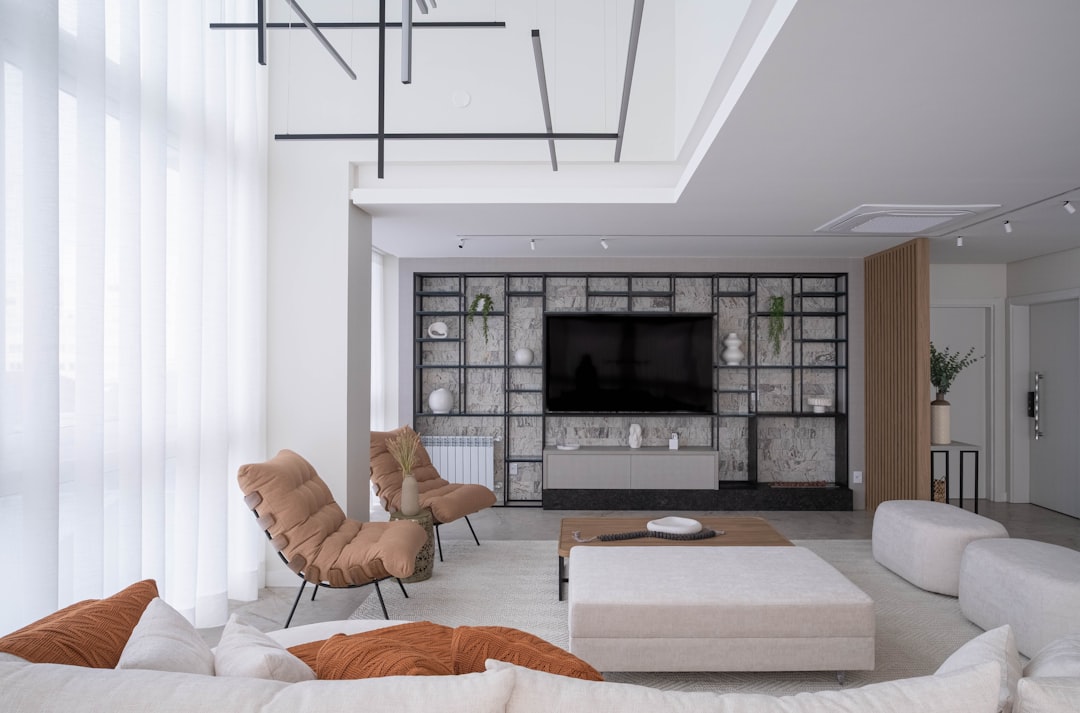
Ultimately, your furniture needs to serve the life already happening in your flat. A low, open-sided coffee table keeps a compact room feeling airy and makes vacuuming simpler — a real consideration for anyone with hardwood or vinyl floors. It’s a practical choice that quietly supports daily routines, which is far more valuable than a statement piece that demands you rearrange your life around it.