
A display cabinet that fills an entire wall in a 4-room BTO flat would look like a lonely sideboard in the cavernous living area of a Bukit Timah bungalow. That’s the fundamental spatial reality here — furniture dimensions aren’t just an aesthetic choice, but a direct function of your housing type. In a 35 sqm BTO living room, you’re likely measuring for a unit under two metres wide, perhaps a tall, narrow cabinet to maximise vertical storage without blocking walkways. Contrast that with the 70 sqm open-plan layout of a newer condo in Tanah Merah or Punggol, where a low, long console behind the sofa or a substantial, symmetrical pair of cabinets might finally feel proportionate.
Beyond square footage, material selection gets dictated by Singapore’s climate and building logistics. Humidity that regularly spikes above 80% means solid wood, unless properly sealed and acclimatised, can warp; engineered wood with a good veneer often proves more stable, while metal and glass offer a humidity-proof, if cooler, aesthetic. Then there’s the lift lobby test. For a fifth-floor walk-up in a pre-war shophouse or a landed home with tight stairwells, modular units that assemble on-site aren’t a luxury — they’re a logistical necessity that delivery crews from Megafurniture’s Joo Seng warehouse are well-versed in.
The functional role of the cabinet shifts, too. In a compact HDB layout, it often pulls double duty as a room divider or a de facto TV console, its back panel needing to look finished from both sides. In a landed property, it’s more likely a dedicated curio piece, positioned for admiration rather than space-saving. You’ll find that glass doors, while great for display, become dust magnets in homes near construction sites or major roads like those in Bedok or Tampines.
Budget naturally scales with these realities. A simple, assembled MDF unit for a BTO might run $400 to $800, while a custom-sized solid wood piece for a high-ceilinged condo easily reaches $2,000 to $3,500. That price isn’t just for materials; it’s for the engineering that ensures the doors won’t stick come monsoon season and for the delivery team that can navigate a narrow lift without leaving a scratch on the laminate.
Singapore’s humidity doesn’t just frizz hair; it swells untreated wood, leaving cabinet doors that won’t shut properly in a 4-room BTO living room. That’s why material choice here is less about aesthetic preference and more about physical defence. Engineered wood, with its cross-layered construction and a proper sealed finish, typically resists the seasonal warping that plagues solid wood panels in our climate — it’s a pragmatic first choice for a long-term display piece. Avoid solid woods like rubberwood or oak unless they’re explicitly treated for tropical conditions. An untreated solid wood cabinet might look perfect in a showroom, but after a few monsoon cycles in a landed property with high airflow, you could find yourself straightening shelves. The real signal for durability often lies in the warranty; specific brands now address Singapore’s climate directly in their coverage, which is a telling detail for buyer confidence. For narrow corridors or compact layouts common in HDB flats, where every centimetre counts, consider glass. Glass shelves and side panels maintain a sense of visual lightness, preventing a bulky unit from overwhelming a tight space. They don’t absorb moisture, and they reflect light, which can brighten a dim corner near the service yard door. Just ensure the framing is robust and the glass is tempered for safety. Ultimately, the goal is a cabinet that organises your favourite items without becoming a maintenance project itself. Look for sealed edges, robust hardware, and finishes that promise resistance to moisture. It’s a quiet investment in something that should simply work, year after year, while you focus on the objects inside it. For a curated selection of living room solutions built with these local considerations in mind, you can
browse the living room furniture collection.
In a 3-metre-wide HDB living room, a display cabinet's doors need space to breathe. Buyers often forget to account for the full arc, leaving a console table or armchair perpetually in the firing line. That elegant swing-out glass panel becomes a hazard in a narrow walkway between the sofa and the TV console. You'll want to measure the clearance from the hinge point, not just the cabinet's footprint, and consider a sliding door model for truly tight spaces. It's a simple oversight that can render a beautiful piece frustratingly impractical from day one.
Many HDB living rooms feed into a dim internal corridor, a detail easily missed in a brightly lit showroom. A dark wood cabinet placed against that wall can become a gloomy cave, obscuring your favourite ceramics or books. The solution isn't just a brighter overhead bulb—it's planning for integrated lighting within the cabinet itself. LED strips under shelves or spotlights in the canopy transform the piece into a display feature, not just storage. It's worth the extra wiring effort to avoid a shadowy corner in your otherwise well-lit space.
Choosing a rich, dark walnut finish for a north-facing living room is a classic error. These spaces, common in point-block BTO flats, receive little direct sunlight and can feel cool. A dark cabinet will absorb what little light there is, making the entire area feel smaller and more enclosed. Lighter oak or ash finishes, or even a high-gloss white, will reflect available light and keep the mood airy. It’s about working with your flat’s orientation, not fighting against it.
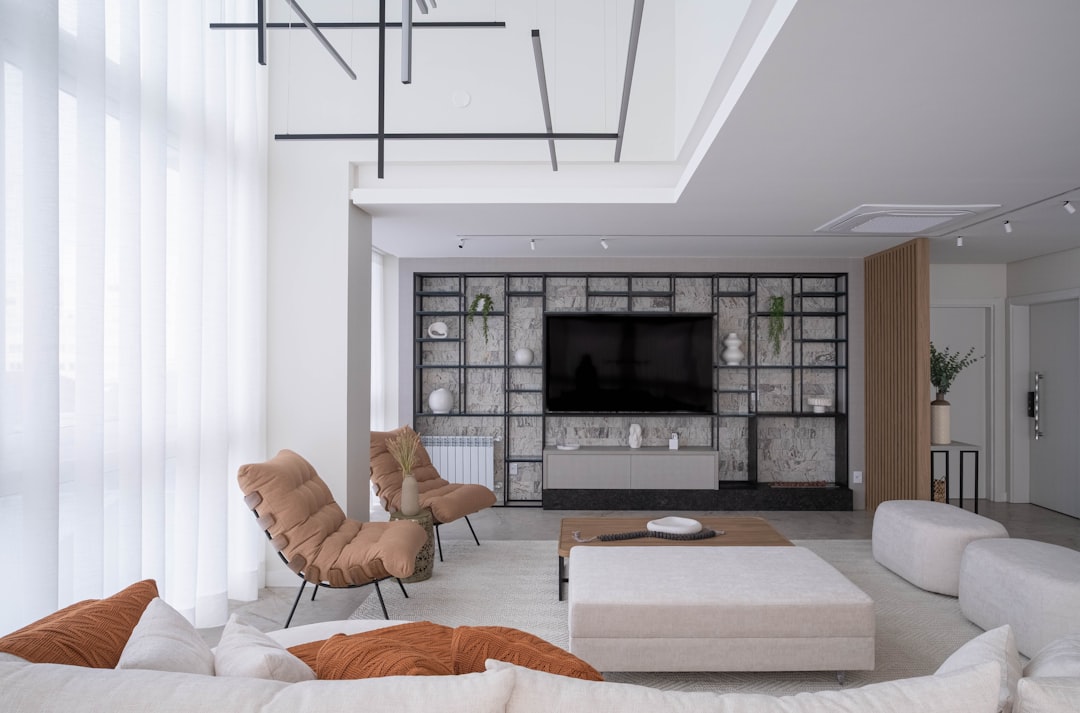
Flat-pack assembly in a 4-room BTO isn't just about following instructions; it's about physical logistics. A large display cabinet with dozens of small panels and hardware can overwhelm a single person in a cramped space. Before committing, check the assembly guide online—look for the number of steps and the weight of the largest component. Some buyers realise too late they lack the tools or a second pair of hands for a safe, straight build. Paying for professional assembly often saves a weekend and prevents costly damage.
The final mistake is measuring just once. Room dimensions aren't always perfectly square, and skirting boards can shave off crucial centimetres. You should measure the width, height, and depth at three different points: left, centre, and right of the intended placement. Don't forget to account for power points, light switches, or air-con trunking that might protrude. This triple-check takes ten minutes in the showroom but prevents the heart-sink moment when a delivery team can't even get the box through your front door.
The difference between a 1.8-metre cabinet looking grand or grotesque in a 4-metre HDB living room wall is a matter of centimetres and context. Photographs on a product page can't capture that spatial tension — the way a piece can visually shrink a room or make a walkway feel like a tightrope. That's where the physical showroom, a concept some online-first buyers now consider a relic, proves its enduring worth.
At Megafurniture's Joo Seng and Tampines locations, entire room settings are mocked up to common HDB and condo dimensions. You can walk around a fully assembled display cabinet, see how its depth interacts with a neighbouring sofa, and gauge whether its height aligns awkwardly with a window sill or air-con ledge. It’s a three-dimensional sense-check that a tape measure and a floor plan often miss. You’ll notice, for instance, how a dark wood finish in a north-facing Tampines flat might absorb too much light, or how a glossy surface reflects the afternoon glare from a Bedok block.
This hands-on verification is critical before committing to a major piece. A cabinet that seems perfectly proportioned online can arrive and instantly dominate a 12 sqm living area, making the space feel cluttered and closed-in. Conversely, a unit that appears modest on screen might provide just the right amount of storage without sacrificing the room’s sense of airiness. The showroom allows you to physically test these relationships, to stand in the intended spot and judge the visual weight for yourself.
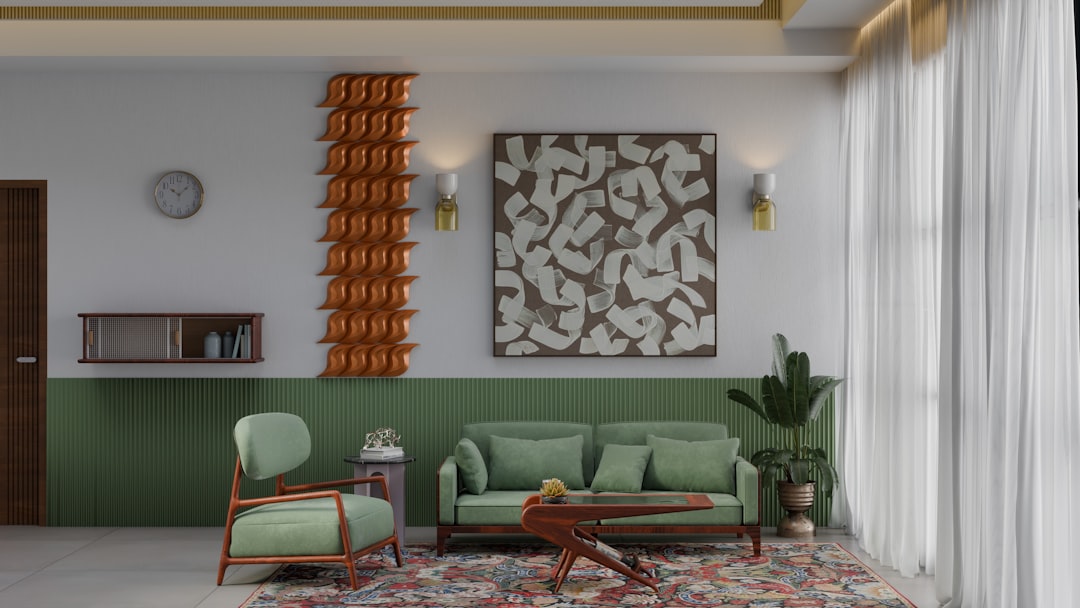
For BTO owners planning from an empty shell, or those refreshing a decade-old living room layout, this concrete spatial planning is invaluable. It moves the decision beyond material specs and price points into the realm of lived experience. You can browse Megafurniture's collection online for inspiration, but the final confirmation often happens in person, pacing out the distance between the cabinet door and your existing coffee table.
The final leg of a display cabinet's journey — from the warehouse truck to its spot against your living room wall — is where most logistical surprises happen. It's not about the cabinet itself, but the building you live in. BTO blocks often have passenger lifts with internal dimensions around 1.5 by 2.1 metres, which sounds generous until you account for the delivery trolley and the angle needed to manoeuvre a flat-packed crate. For landed properties or walk-up apartments, you'll encounter the "flight-of-stairs" clause; this standard term means delivery teams will carry items up one continuous flight of stairs from the ground floor, but charges apply for every additional level.
Singaporean delivery teams are typically assembly specialists, not interior movers. Their scope is clear: they'll uncrate, assemble, and position the unit in the room you specify. They won't, however, disassemble or remove your old furniture, nor will they shift heavy electronics or clear a cluttered pathway. That preparation is your responsibility. In a 4-room BTO living room, that means moving the existing TV console, side tables, and any area rugs well before the scheduled two-hour delivery window. A clear, unobstructed route from the front door to the final placement is non-negotiable — it's the difference between a smooth 45-minute install and a frustrating, costly stand-off in your own hallway.
Protected flooring protocols are a standard part of the service. Teams will lay down protective sheets in high-traffic areas, but it's wise to have your own rolls of corrugated cardboard or felt protectors ready for particularly valuable finishes like polished marble or engineered herringbone. The real moment of truth comes with final placement. Once assembled, a solid wood or veneered display cabinet is immensely heavy; you'll want its permanent position decided before assembly begins, as even a slight adjustment afterwards often requires a partial disassembly. That's why a dry-run with painter's tape to outline the cabinet's footprint on the floor is one of the most useful steps a buyer can take.
A display cabinet's warranty document often reads like a foreign language, until a hinge fails or a door warps in Singapore's 80% humidity. That's when the fine print on 'environmental damage' and 'structural integrity' becomes critically clear. Most warranties explicitly exclude moisture-related issues, which means a cabinet's MDF back panel swelling after a year beside a window isn't a manufacturing defect — it's your problem. The real test is joint integrity; a reliable supplier's warranty will cover the failure of dowel, cam-lock, or mortise-and-tenon joints for at least three years, acknowledging that constant opening and closing under load is the primary function, not an accident.
Responsive local servicing isn't a luxury here; it's a necessity born from long-term usage cycles and the near-impossibility of sourcing a single, proprietary glass shelf or a specific magnetic catch five years down the line. A cabinet isn't replaced every season — in many four-room BTOs or landed property living rooms, it's a 10-year fixture. You need a supplier who can dispatch a technician to your neighbourhood, whether it's Tampines or Tanah Merah, to reglue a separating mitre joint or rehang a door that's dropped a millimetre. Waiting six weeks for a part from an overseas factory simply isn't viable when the piece is central to your room's layout.
Scrutinise the after-sales process before purchase. Does the retailer offer a direct hotline or a dedicated service portal, or will you be navigating a generic e-commerce chat-bot? A reliable local operation typically provides a one-year, on-site labour warranty for adjustments and repairs, moving beyond mere parts replacement. They understand that a buyer in a compact condominium living room can't easily transport a 1.8-metre-wide cabinet back to a Joo Seng showroom for inspection.
Ultimately, the warranty's value is proven by its execution. A robust local support framework means that when a tempered glass panel develops a stress crack or a LED light strip fails, resolution is a scheduled visit away, not an unresolved email chain. This assurance transforms a display cabinet from a static purchase into a supported, long-term investment for your home.
Clear a direct path from your entryway to the intended location in your living room. Ensure there is adequate floor space for the assembly team to work and unbox the cabinet components safely. Verify the final placement area is level, clean, and free of obstructions to facilitate a seamless setup.
After setup, the team will provide a brief overview of the cabinet's features, such as adjustable shelving or lighting controls. They will review basic care guidelines for the finish and glass surfaces. This concludes the service, leaving your display cabinet ready for styling in your living room.
Skilled technicians will assemble the cabinet frame, securely install shelves, and fit any glass doors with precision. They will then move the fully constructed unit into its designated spot, using protective pads to shield your floors. The team will ensure the cabinet is perfectly level and stable for immediate use.
Our delivery team will carefully unbox your new display cabinet, inspecting all parts and glass panels before proceeding. They will lay out components in an organized manner to confirm everything is present and undamaged. This immediate check allows for any potential issues to be identified and addressed on the spot.
For anyone assembling a display cabinet in a new BTO flat, the timeline’s the first unknown. Delivery for ready-made units can be as quick as two weeks, but for custom pieces in a freshly-occupied estate like Tengah or Bidadari, factor in eight to twelve weeks — supply routes and installer availability are still settling in. Always confirm the lead time before you commit, especially if you’re coordinating with other big-ticket deliveries.
What happens if you find a scratch or a misaligned door after the installers have left? Don’t panic. Document every defect with clear photos and a video within 24 hours, then email your supplier directly; a reputable company will schedule a technician to rectify issues, often within a week. It’s a standard part of the process, not a confrontation — though it’s why you shouldn’t fully unpack and style the cabinet until you’ve given it a thorough once-over.
Adjustable shelves are non-negotiable for collectors. That standard 30cm gap might suit dinnerware, but it’s useless for a 45cm-tall Gundam model or a vintage camera collection. Look for cabinets with a solid plywood or MDF core and metal pins that allow for 5cm increments; you can then create a custom layout for your tallest pieces without wasting vertical space.
Finally, anchoring is critical in homes with young kids or energetic pets. A tall, glass-fronted unit is a major tipping hazard in a 4-room HDB’s living room. Use the provided anti-tip brackets to secure the cabinet’s frame directly into a concrete wall stud, not just the plaster. It’s a ten-minute job for an installer that most homeowners overlook — but it’s the only way to truly prevent an accident.
A typical Singapore showroom is a cavern of perfect lighting and impossible scale — you'll stand beside a 2.5-metre display cabinet that looked modest online, only to realise it would swallow an entire wall of your 4-room BDB flat. That's the moment your homework pays off, or your plan collapses. Start with three concrete figures: the exact width and height of your allocated wall, the cabinet's primary duty (curating a whisky collection requires different shelving than safeguarding Lego sets), and a firm budget that includes a 15% buffer for delivery charges to your neighbourhood, be it Bedok or Bukit Panjang. Bring photos of your space, shot from multiple corners. Use them to assess finish under the showroom's bright LEDs; that warm oak veneer you loved online might skew yellow, or a glossy lacquer could reveal a distracting grain pattern you hadn't anticipated. This is also where you'll feel the heft of a solid rubberwood frame versus engineered wood, and test the glide of glass doors — a sticking point on cheaper units that frustrates within weeks. Decide your non-negotiables before you walk in. For a narrow HDB living room, a depth under 40 centimetres might be essential to preserve walkway space, while in a humid landed home, sealed back panels to deter mould could trump aesthetic details. You'll almost always compromise: perhaps you sacrifice the internal LED lighting for a better construction, or choose a modular system over a single statement piece to navigate tight staircase landings. The goal is to leave with a shortlist of two or three models that fit your spatial, functional, and financial reality. Then you can
review the final optionswith the specific dimensions and photos in hand, asking about lead times for the finish you want. That final check against your own room’s reality is what separates a considered purchase from an expensive correction.