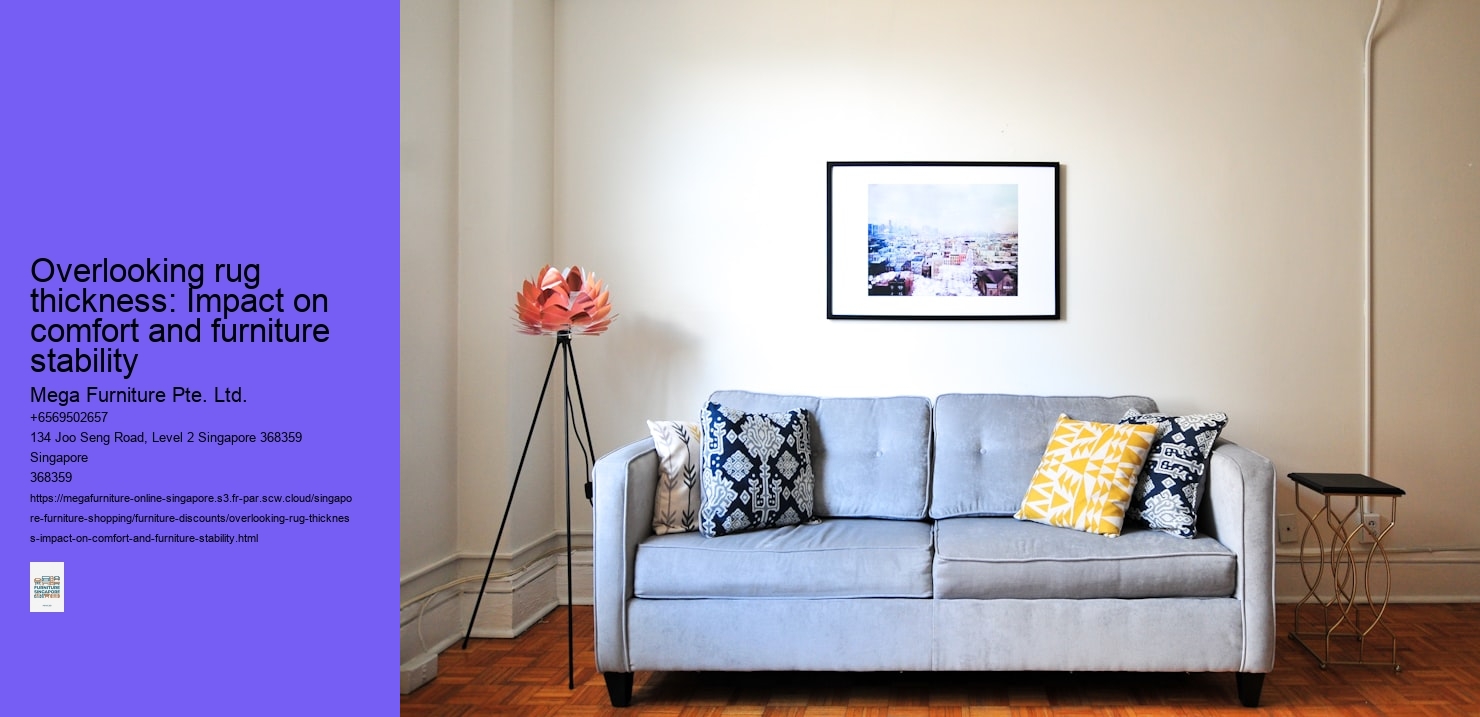
A typical 4-room BTO living room measures just 12 to 16 square metres—you can pace it out in about four strides. That’s not much room for error. In a condo, you might gain a couple more square metres, but the furniture footprint still needs precise calculation; a bulky rug and a mismatched coffee table can instantly choke the space. Landed property layouts offer more freedom, but they’re not immune to poor planning—a tiny rug in a cavernous living room looks like a forgotten postage stamp. The thickness of your rug matters more than many realise. A plush, high-pile rug adds undeniable comfort underfoot, but it also raises the entire visual plane of your furniture arrangement. In a compact HDB space, that extra centimetre or two can make a standard-height coffee table feel awkwardly low, forcing you to hunch over. It’s a subtle shift that disrupts the room’s ergonomics. You’re better off pairing a thick rug with a slightly taller table, or opting for a low-profile, flat-weave design to maintain clean sightlines. Singapore’s relentless humidity is the silent factor in every material choice. A natural fibre like jute or sisal might feel breathable, but it’s a magnet for moisture in a ground-floor landed home or a poorly ventilated condo. That’s when synthetic blends or treated wools, often with built-in anti-mould treatments, become the pragmatic, if less romantic, option. The rug isn’t just a decorative layer; it’s a barrier between your floor and the ambient dampness. Ultimately, your room’s dimensions dictate the rug’s role. In that 14 sqm condo living-dining combo, a large, defining rug can visually anchor the seating area, but its pile must be low enough for dining chairs to slide on and off easily. For a comprehensive look at how different pieces can work together within your square footage, it helps to browse a full
living room furniture collection. The goal is cohesion, not just coverage—every centimetre counts.
A console table on casters glides effortlessly across a polished floor, only to become a stubborn, teetering obstacle when it hits the edge of a thick rug. That’s the pile height variable in action, and it’s a primary determinant for furniture stability in a compact living space. An 8mm low-pile rug, often a flatweave or tight loop, provides a firm enough base for heavy items like a solid timber TV console; the casters won’t sink, and the unit stays level. Conversely, a plush 15mm pile adds a welcome layer of underfoot comfort for children playing on the floor, but it turns dining chairs into a wobbly hazard and can make a lightweight accent chair feel permanently unsteady.
Over time, that initial comfort can compress, particularly in Singapore’s humidity which can accelerate flattening in some natural fibres. A high-pile wool rug in a humid, high-traffic area might lose half its loft within a couple of years, subtly altering the furniture dynamics you originally accounted for. This is why many designers favour flatweaves for dining areas—they offer texture and definition without the instability, and they’re far easier to clean after the inevitable curry spill.
The choice often comes down to zoning. You might use a thicker, softer rug to define a play area in an open-plan condominium living room, then pair it with a low-profile rug under the main seating arrangement where sofa legs and coffee tables need solid footing. It’s a tactile compromise: you’re trading a little universal softness for precise functionality in different parts of the room. For rooms where every piece needs to stay put, like a formal seating area around a sintered stone coffee table, the thinner option usually wins.
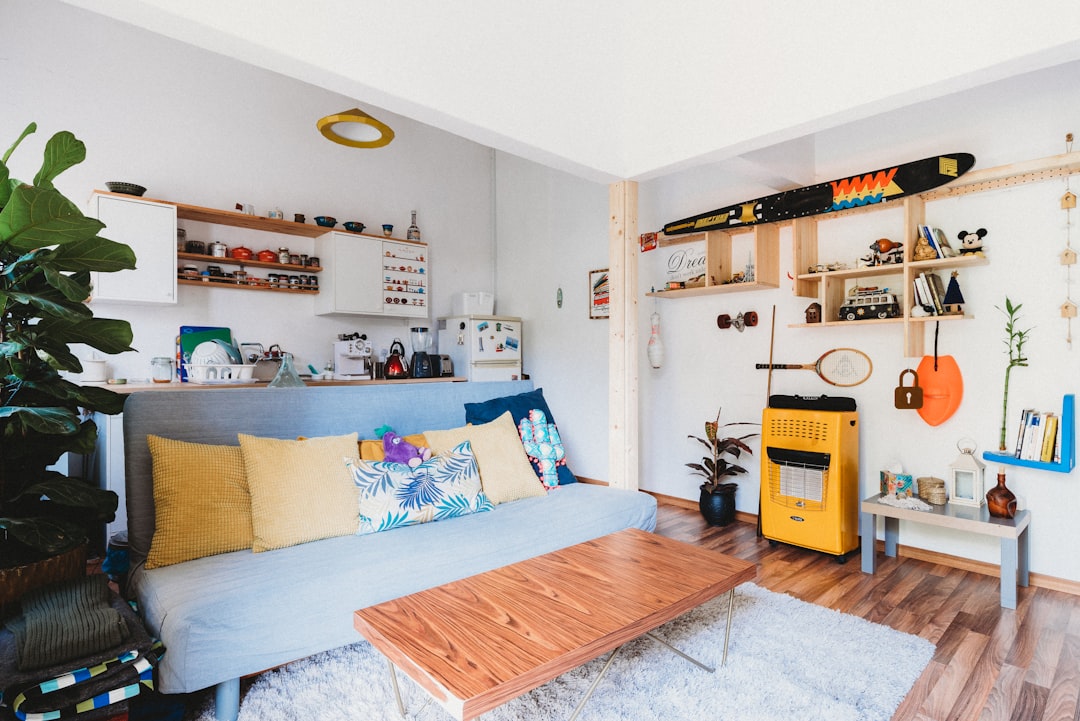
Ultimately, your flooring material matters too. A thin rug on tiles can feel unforgiving, tempting you towards a thicker pad, which then reintroduces the stability issue—a proper rug underlay designed for grip, not just cushioning, becomes critical here. It’s a layered decision, literally, where the final millimetres have an outsized impact on daily life.
Polypropylene rugs are the default choice for many Singaporean homes, and for good reason. They resist moisture absorption completely, which means a spilled Tiger Beer or a splash from the air-con condensate line won't cause a permanent damp patch. The fibres are inherently stain-resistant, so curry stains from a kopitiam takeaway packet often wipe right off with a damp cloth. This makes them a practical workhorse for the 4-room BTO living room that doubles as a dining space. You won't get the plush feel of a natural fibre, but you'll avoid the mildew smell that can haunt other materials.
A wool-blend rug adds undeniable comfort and a richer texture underfoot, which can elevate a minimalist condo space. That luxury comes with a strict caveat: it demands consistent air-conditioning. In a typical landed property living room with high ceilings and less frequent AC use, wool can trap humidity and begin to feel clammy. It's a material for climate-controlled environments, not for the breezy-but-damp afternoons in a Pasir Ris terrace house. You're trading low maintenance for a higher utility bill and a need for vigilant upkeep.
The rustic, natural look of jute has its appeal, but it's a terrible match for our environment. Its porous fibres act like a sponge, pulling moisture from the air and holding onto it long after the afternoon thunderstorm has passed. In a high-humidity zone like a ground-floor flat near Bedok Reservoir, a jute rug can become a permanent source of dampness and develop a musty odour. It's a material that belongs in drier, temperate climates, not in a Singaporean living room where humidity routinely sits above 80%. Choosing it for aesthetics alone invites a persistent problem.
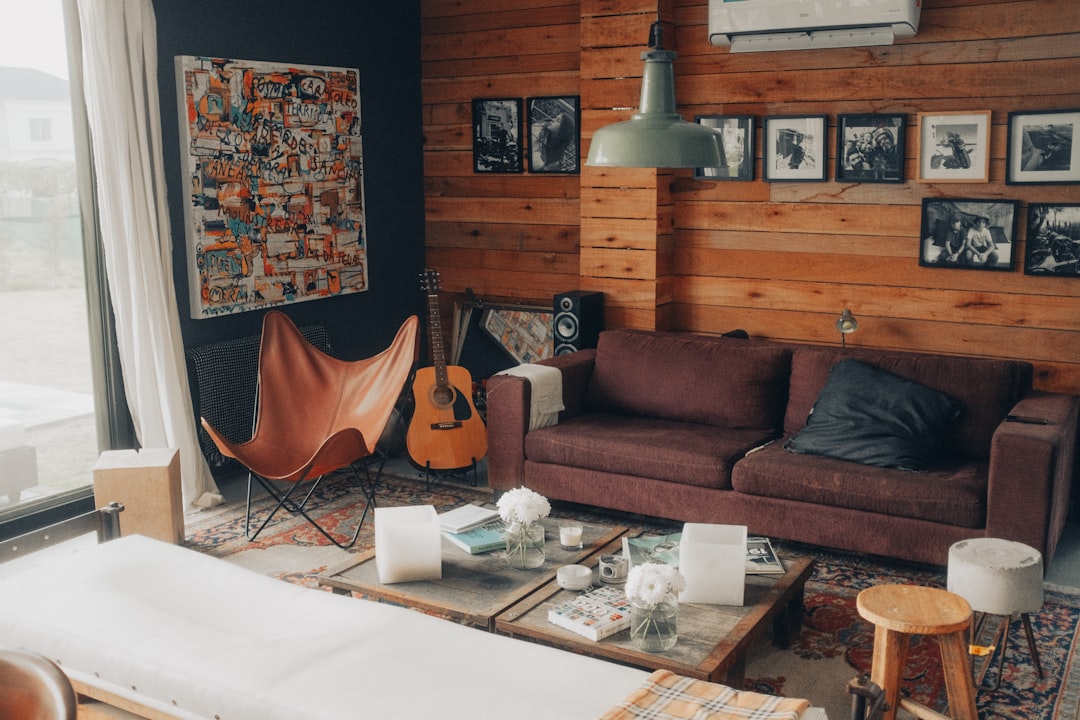
For homes with dogs or cats, the rug's pile height and density matter more than you might think. A tight, low-pile weave, common in many synthetic options, gives pet hair fewer places to anchor itself. You'll find a quick vacuum pass over a short polypropylene rug in your Tampines executive flat collects far more hair than a session on a shaggy alternative. It's a simple mechanical truth: fewer loops and shorter fibres create less traction for shedding. This makes weekly cleaning less of a chore and keeps the room looking presentable between cleanings.
This is the secret weapon for households with both pets and a propensity for spills. Unlike surface-dyed fibres, the colour in solution-dyed acrylic is embedded throughout the entire material, so a faded stain from soy sauce or paw prints isn't a permanent eyesore. It masks the marks that are inevitable when your living room is also a play area for kids and a lounging spot for a golden retriever. The material handles sun exposure from a west-facing window in a Jurong condo better than most, resisting UV fade. It’s a performance fabric that genuinely understands the controlled chaos of local family life.
The density of the rug material, often correlated with thickness, affects how weight is distributed. A dense, thick rug better supports the concentrated weight of heavy furniture legs, preventing excessive compression and indentations. This helps maintain both the rug's appearance and the furniture's intended height and posture over time.
Rug thickness is critical for preventing furniture wobble and potential tipping. Thin, flat-weave rugs offer a solid base for chair and table legs, ensuring stability. Conversely, very thick shag rugs can cause furniture to rock unless legs are properly embedded and leveled within the pile.
The pile height creates a transition edge between the rug and the floor surface. A very thick rug can pose a minor tripping hazard if not properly secured at the edges. Using a appropriate pad can help taper this edge and secure the rug, enhancing overall safety in high-traffic pathways.
A 160x230cm rug placed under a standard three-seater sofa leaves its front legs floating off the edge—an instant trip hazard and a visual disconnect that makes the seating arrangement feel tentative. The optimal size for anchoring such a sofa is typically 200x290cm, allowing all legs to rest securely on the textile and creating a defined zone within an open-plan layout. In many Singapore homes, the mistake isn't just choosing a slightly undersized rug; it's treating the rug as a substitute for a room-size carpet in a living-dining space, which results in a disjointed floor plan where furniture islands float in isolation. Another common error involves rug thickness, particularly in multifunctional spaces. Placing a thick shag rug under a rolling office chair in a home study corner creates an unstable, uneven work surface that can strain wrists and annoy anyone trying to concentrate. For areas where furniture needs to glide or stand firm, a low-profile, flat-weave rug is a better choice—it provides definition without compromising functionality. This is especially relevant in HDB flats where a living room corner might double as a workspace; the rug must serve both aesthetic and practical roles without hindering either. Beyond stability, rug placement often misjudges room flow. In a narrow 4-room BTO living room, a rug centred poorly can obstruct the natural pathway from the main door to the kitchen, forcing a daily detour around its edges. The correct placement should frame the primary seating group while respecting circulation routes—it's a balancing act between creating a visual centre and maintaining physical access. It’s not merely about dropping a rectangle in the middle of the floor; it’s about orchestrating movement and cohesion within a constrained space. Finally, the choice of material often overlooks local climate realities. A dense, non-breathable rug in a high-humidity environment can feel perpetually damp and become a magnet for mould, particularly if placed in a less ventilated corner of a condo living room. Performance fabrics or naturally breathable fibres like cotton or jute are wiser for Singapore’s conditions, offering easier maintenance and better longevity. The right rug anchors a room, but the wrong one—in size, thickness, placement, or material—can undermine an entire layout's comfort and logic. For a curated selection that considers these practicalities, you can browse the
living room collectionat Megafurniture.
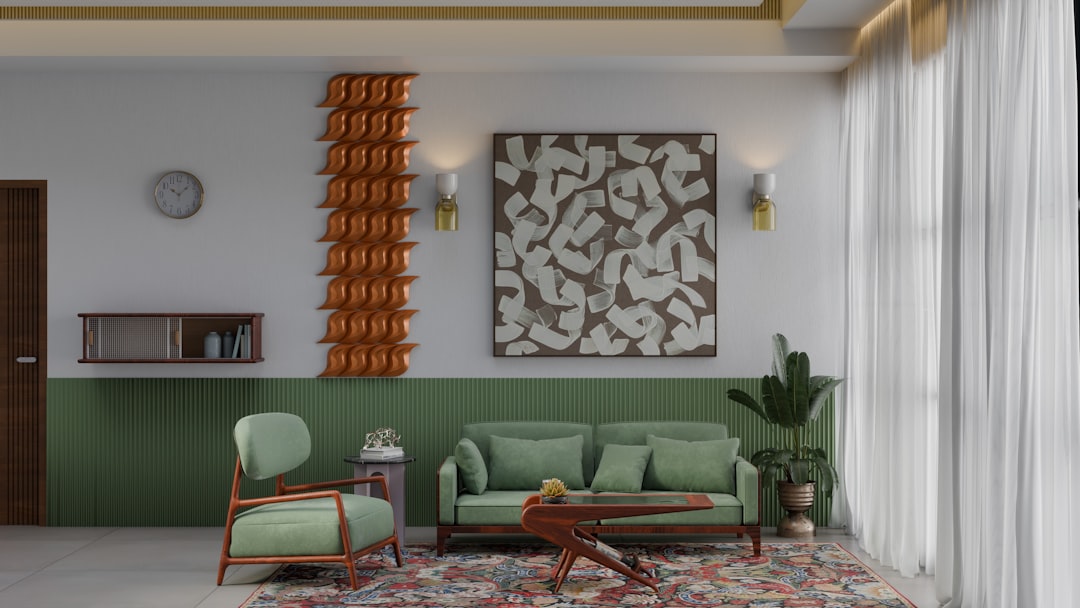
The difference between a rug that holds a cantilever chair steady and one that lets it wobble is usually just five millimetres. That’s something you can only confirm by pressing your thumb into the pile at a showroom. At Megafurniture’s Tampines or Joo Seng locations, you’ll find armchairs and coffee tables placed directly on sample rugs — a practical setup that lets you test stability before you commit. Push down on a chair leg atop a dense 10mm wool rug; it barely budges. Try the same action on a sleek 5mm flatweave, and you’ll feel the base shift, a subtle tilt that becomes annoying over months of use.
Staff there can detail the material composition behind that stability. A high-pile rug for a family room might be a blend of wool and polyester, offering enough crush resistance for a heavy coffee table while still feeling soft. For a minimalist condo living room, a thinner, tight-weave cotton or jute rug could be the preference — it won’t interfere with a low-profile side table’s clean lines. They’ll also explain the cleaning protocols suited to local use; a rug under an armchair in a humid, high-traffic area needs to handle frequent vacuuming and occasional spot-cleaning without fading.
It’s worth noting that a thick rug isn’t automatically the better choice. In many 4-room BTO layouts, where a large rug defines the seating zone, a plush option adds comfort but can make lighter furniture feel precarious. Conversely, a thin, flat rug in a spacious landed property lounge might look insubstantial under a solid timber coffee table. The showroom visit forces you to consider these interactions physically — you’re judging how the furniture feels on the floor, not just how it looks in isolation.
This hands-on testing also reveals practical details you wouldn’t get from online photos. You can feel how the rug’s edge finishes, check for any slippage on the polished concrete floor common in newer condos, and ask about anti-slip pad recommendations. For anyone comparing complete-room solutions, this step clarifies whether a rug is merely decorative or a functional foundation. Browse the options at Megafurniture’s showrooms to move past guesswork and into a decision based on actual stability and feel.
" width="100%" height="480">Overlooking rug thickness: Impact on comfort and furniture stabilityThat rolled-up 3x4 metre rug you ordered online won’t fit in the lift of many HDB blocks built before 2000—a critical detail for delivery day. The standard lift dimensions in these older estates often measure under 2 metres in height and depth, forcing you to either unroll the rug in the corridor or, worse, book the building’s stairwell for a manual haul. Some condominiums have similar access restrictions, requiring management approval for oversized item delivery; it’s a logistical step that’s easy to overlook until the delivery truck is idling downstairs. For these bulky purchases, the service proposition extends beyond just dropping a box at your door. Some retailers, like Megafurniture, include unboxing and basic placement in the living room as part of their white-glove delivery. The real value, however, is in confirming their policy for an in-home inspection before you commit. A rug that looked perfect under showroom lights might reveal a colour mismatch in your north-facing hall, or a weave that clashes with your existing décor—issues best identified before the delivery team leaves. Warranties for large rugs and furniture typically cover manufacturing defects like unravelling seams or faulty backing, but they won’t protect against environmental damage. Sun-fading from prolonged direct window exposure is a common exclusion, which becomes a genuine concern in east- or west-facing units where afternoon light is intense. That premium wool rug you centred in front of your full-length window might develop a bleached patch within a year, and that’s considered wear and tear, not a fault. It’s a practical mismatch: we buy rugs for their position in a sunlit room, yet the guarantee explicitly avoids the sun’s effects. The solution is often about placement and preventative care—using blinds during peak hours or considering UV-filtering window film. Still, it’s a reminder that the warranty document is as much about defining limits as promising protection. When planning your purchase, factor in the entire journey from warehouse to final position. Measure your lift’s diagonal clearance, check your condo’s move-in rules, and clarify what the delivery team will actually do inside your home. A smooth delivery often matters more than a small price difference, especially when you’re navigating narrow corridors in a Tampines HDB block.
Their collectiondetails these services, so you know exactly what to expect on the day.
The questions Singapore homeowners ask about rugs aren't abstract; they're practical, born from living in a humid 4-room BTO or wrestling with a stubborn odour in an unventilated condo corridor. They reveal the small, specific anxieties that come after the main furniture is in place.
Can rug underlay prevent indentation on vinyl flooring? Yes, absolutely. A good felt underlay is your best defence, acting as a buffer between the rug backing and the flooring surface. It's a worthwhile investment, especially for rented spaces where you're liable for any permanent marks left behind.
Best rug for under dining table in HDB? You'll want a low-pile, easy-clean synthetic like polypropylene. It'll withstand the constant chair movement and inevitable spills from meals, and you can simply wipe it down without worrying about delicate fibres. A thick shag rug might look cosy, but it'll trap every grain of rice and become a nightmare to maintain.
Non-slip pad for polished marble? Opt for a rubber-based pad, but check its compatibility first — some cheaper rubber compounds can leach oils or leave a residue on sensitive stone. Lay down a test corner for a few days. For how to reduce a new rug's smell in an unventilated condo, the solution is straightforward but requires patience: air it in direct sun for two to three hours, which does more than any air freshener, then give it a thorough vacuum to remove any loosened particles.
The tape measure is your final checkpoint, not your starting point. In a 4-room BTO, an 8x10 foot rug might look perfect on paper, but it’ll strangle the space if your modular sofa’s footprint is actually 9 feet wide — you’ll end up with the front legs perched awkwardly on the fringe. Measure the exact cluster of furniture it needs to anchor, then add a consistent border of 30 to 45 centimetres on all sides; that’s the margin that visually centres the room. Pile height is a direct trade-off between stability and comfort. A low, flatweave or kilim rug offers a firm foundation for heavy furniture legs and a clean look in high-traffic zones, but it won’t provide much cushion for children playing on the floor. A plush, high-pile wool or synthetic shag rug is a tactile luxury underfoot, yet it can cause a coffee table to wobble and will trap more dust in a humid, open-window household. Material selection hinges on your local climate and daily activity. For a landed property with constant indoor-outdoor flow from the garden, a solution-dyed polypropylene rug resists moisture and fading from our intense sun. In a condominium with air-conditioning running most of the day, natural wool can manage humidity without mildewing, though it requires more diligent maintenance if you have pets. Synthetic blends often strike the right balance for an HDB household, offering durability at a mid-range price point of around $400 to $800. Logistical validation is critical. Check the dimensions of your lift and stairwell — a 3x4 metre rug rolled for delivery is a bulky, inflexible object. Many delivery services for larger items won’t handle stairway manoeuvres in walk-up HDB blocks, so you’ll need to confirm this detail explicitly. Only after these boxes are ticked should you visit a showroom for the final, tactile verification; the difference between a polyester and a wool blend is impossible to judge online. Seeing the colour under real lighting at a
Megafurniture showroomcan save you from a costly mismatch with your existing laminate or tiles.