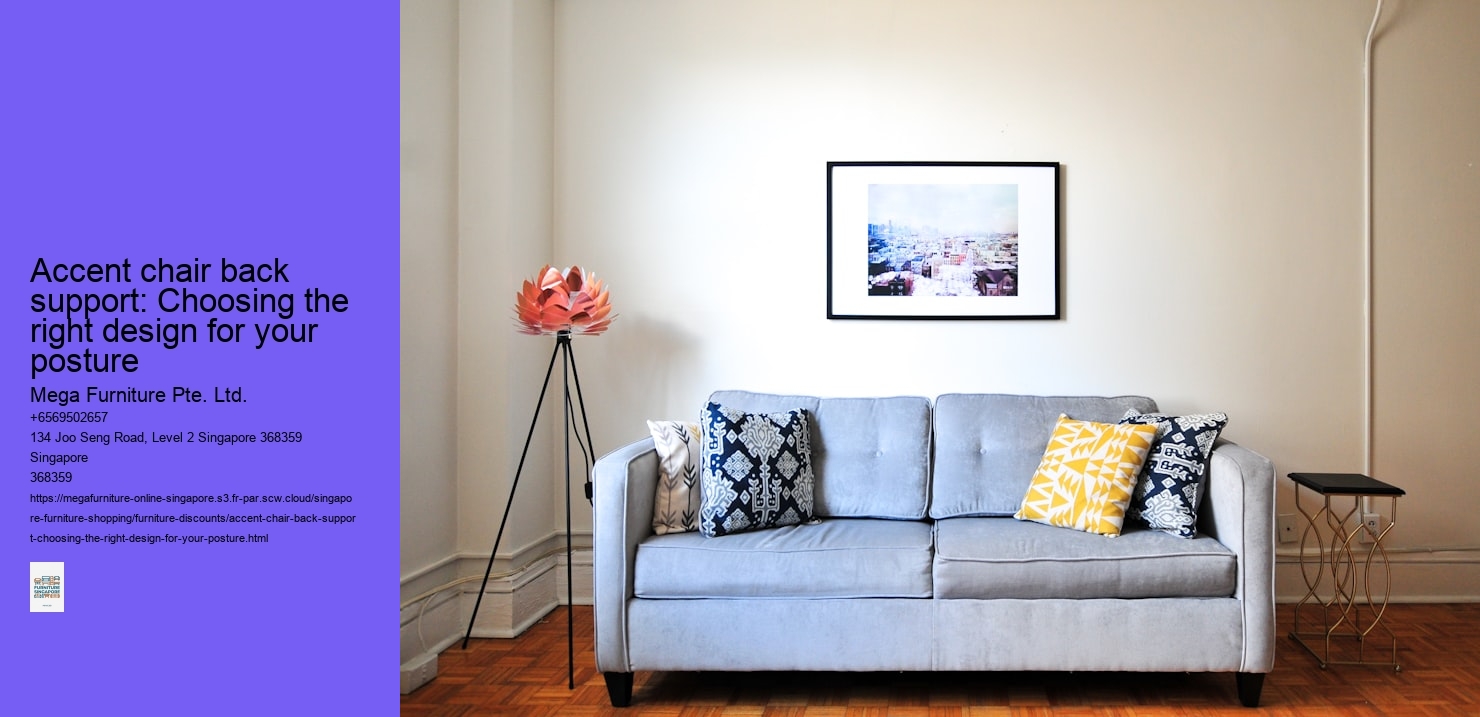
The lumbar cushion is the usual suspect, but that’s just the final piece of the puzzle. True back support in an accent chair is an engineered relationship—a precise negotiation between seat depth, backrest angle, and the unyielding rigidity of the frame. Get one element wrong, and the chair becomes a posture trap, especially in our climate where humidity is a constant, silent partner in material failure.
In many four-room BTO living rooms, you’ll see the failure point clearly: a backrest that’s started to list forward or a seat cushion that’s permanently slumped. That’s often untreated rubberwood or pine reacting to moisture, warping the frame a millimetre each month until the intended support angle is gone. The foam is another weak link; low-density polyurethane might feel plush in a showroom under air-con, but it’ll compact within a year of daily use, altering the seat depth and throwing off your entire seating posture.
The fix isn’t complicated, but it requires looking past the upholstery. A stable frame in kiln-dried hardwood or properly engineered metal is non-negotiable—it’s the skeleton. Seat depth should allow you to sit back fully with about two fingers’ space between the seat edge and the back of your knees; too deep and you slouch, too shallow and you perch. The backrest angle isn’t just about reclining; it’s about the chair meeting your spine where it is, not forcing you to conform.
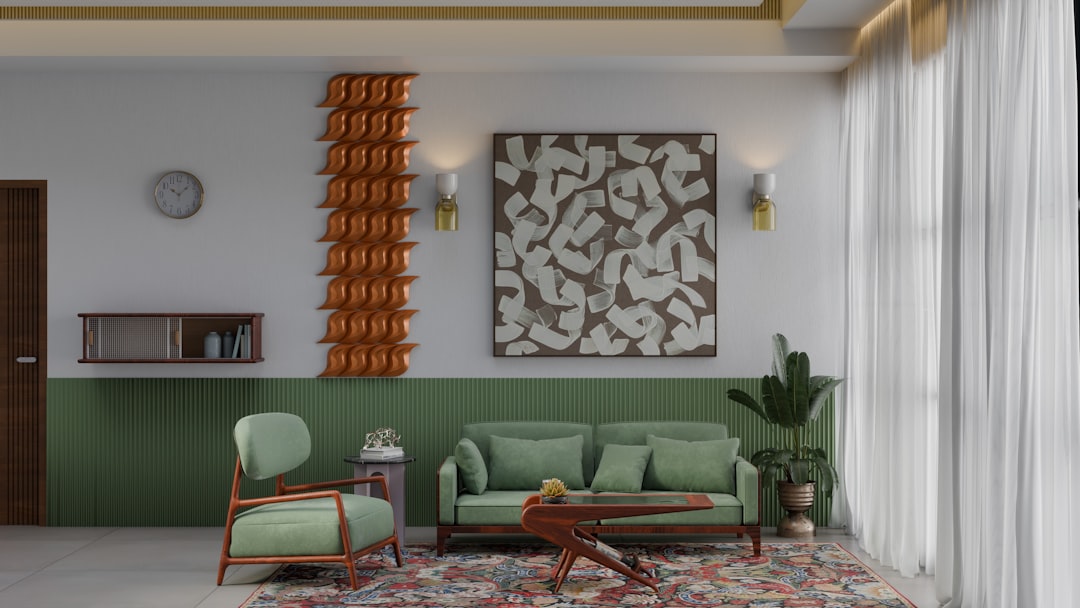
For a practical starting point, you can browse a range of living room furniture that considers these structural elements. Ultimately, a well-supported chair is one you don’t notice—it simply lets you read, talk, or unwind without that subtle, nagging need to shift position every ten minutes.
That deep-seated wingback you’ve been eyeing will likely swallow the entire corner of a 3m x 3m HDB living room, leaving just enough space for a side table and a lingering sense of regret. In Singapore’s compact floor plans, an accent chair’s posture isn’t just about lumbar support—it’s about its spatial footprint and how it negotiates the room’s existing traffic patterns. Scale, therefore, becomes your first filter. For typical BTO layouts, where the living room often funnels traffic toward the balcony door, you’ll want a compact design under 90cm in width. This ensures clear walkways remain open, preventing the room from feeling like an obstacle course every time someone needs to pass. A slimmer profile, perhaps with a higher back and narrower armrests, can still offer visual impact without the bulk; look for chairs with legs exposed at the bottom, which create a sense of lightness and floor visibility that’s crucial in tighter spaces. Material choice plays into this spatial negotiation too. A performance velvet or bouclé fabric on a compact frame adds texture without visual weight, while a dark, heavy leather on the same silhouette can feel anchoring and dense. In many open-plan condominium layouts, where the living area flows into a dining space, a chair’s scale must also consider sightlines—you don’t want it blocking the view from the sofa to the TV console or overwhelming a neighbouring console table. Ultimately, the right chair for your specific dimensions is one that claims its territory without annexing the whole room. It’s a balancing act between personal comfort and communal space, a lesson many learn only after squeezing a stately armchair into a Bedok HDB corner and realising it’s now the room’s permanent, domineering guest. For a curated selection that spans various scales, you can browse the
accent chair optionsavailable, focusing on the listed dimensions first and the aesthetics second.
Singapore’s humidity is relentless, a constant 80% that quietly dissolves furniture from the inside. A solid wood frame, properly kiln-dried, is the only reliable defence; it’s a stable anchor that won’t warp or twist after a few monsoon seasons. Untreated rattan or cane, while popular for a breezy look, becomes brittle and snaps in non-air-conditioned spaces — a common sight in landed property verandahs that get daily sun and rain. You’ll want to check for construction details like mortise and tenon joints, which hold better than screws alone in a shifting climate. A frame that fails here means the entire chair’s posture support collapses, no matter how plush the cushion feels at first.
That initial sink-in comfort is usually a trap. Low-density foam, often under 1.5, collapses into a permanent pancake within a year under daily use, offering zero lumbar support. High-resilience foam with a minimum density of 1.8 is non-negotiable; it retains its shape, resisting the heat and moisture that accelerate breakdown. In a typical 4-room BTO living room where the accent chair gets used every evening, this difference defines a five-year piece versus a one-year disappointment. Cheaper chairs often skimp here, hiding the poor foam under a nice fabric — it’s the first spec you should ask about.
Non-breathable materials like certain cheap polyesters or vinyls create a microclimate of sweat and condensation against your skin and the foam. This trapped moisture then promotes mould growth inside the cushion, a common and unpleasant discovery in humid flats. Performance fabrics like Crypton or well-woven linens allow air circulation, helping the chair dry out and stay fresh. For a chair placed near a window in an Aljunied flat, where afternoon sun raises the heat, this breathability prevents that sticky, uncomfortable feeling. It’s a feature that directly impacts daily liveability, not just long-term durability.
Engineered woods like MDF or particleboard are the silent casualties of our climate. In a non-air-conditioned living room, they absorb ambient moisture like a sponge, causing panels to swell and veneers to bubble or peel. You’ll see it first at the chair’s base or any exposed edges. This isn’t a minor cosmetic issue — it weakens structural integrity and can’t be repaired. Solid kiln-dried hardwood or properly sealed metal legs avoid this fate entirely, making them a smarter baseline for any permanent living room piece.
The weakest point in any chair isn’t the material itself, but where two materials meet. Humidity causes continuous, subtle expansion and contraction that stresses glue bonds and metal fasteners. Over time, this leads to the tell-tale wobble, the creak, and finally the loose armrest. Chairs built with reinforced corner blocks, dowelled joints, and moisture-resistant adhesives are designed for this specific stress. It’s why a well-built chair feels solid and silent when you shift in it, while a cheaper one announces every movement with a groan — that’s the sound of climate winning.
It’s easy to get charmed by a sculptural back or a vibrant bouclé in the showroom, but that's where most local purchases start to drift off course. The first misstep is selecting for aesthetics alone, then discovering the seat height is all wrong for your existing coffee table. That 45cm-tall accent chair might look perfect on the terrazzo, but it'll force you into an awkward hunch over your 40cm-high marble table every time you reach for a drink — a daily annoyance that quickly overshadows any visual appeal.
Another common oversight is neglecting the practical weight limits, especially in homes with active children or pets. A delicate, spindly-legged frame might suit a quiet condominium study, but it won't survive a weekday evening in a 4-room BTO with a toddler and a golden retriever. The structural integrity, often found in solid rubberwood or reinforced metal bases, matters far more than the fabric swatch in these scenarios.
Many also fail to properly test for stability on the specific flooring found in their homes. That elegant chair might sit perfectly level on a showroom’s flat laminate, but Singapore’s ubiquitous resale flat terrazzo is famously, subtly uneven. You need to give it a firm, realistic rock test right there in the showroom; a slight wobble on a level surface will become a pronounced, irritating tilt back in your Tampines living room. It's a simple check that most buyers, caught up in the visual, completely forget to do.
Ultimately, the showroom is a controlled environment, and your home isn't. The best purchase marries that initial aesthetic pull with a ruthless assessment of your daily reality — from your coffee table's height to your floor's imperfections. For a range built with these local considerations in mind, you can browse the options at Megafurniture's collection.
A high backrest that supports the entire spine, including the shoulders, promotes an upright posture ideal for reading or conversing. In contrast, a lower backrest offers a more relaxed, casual feel but provides less comprehensive support. Your choice should balance the desired aesthetic with the level of postural reinforcement needed for your typical living room activities.
An accent chair with a pronounced lumbar curve provides critical support to the natural inward curve of your lower spine. This design helps maintain proper alignment when seated, reducing slouching and subsequent back strain. Choosing a chair with this built-in contour is essential for long-term comfort during extended periods of sitting in your living room.
The underlying frame must be sturdy to prevent sagging, which misaligns the spine over time. Paired with a cushion of medium firmness, it offers a supportive yet comfortable seat that doesn't allow the hips to sink too deeply. This combination ensures the chair provides a stable foundation for good seated posture in your living space.
Accent chairs with a slight recline or rocking feature can actively engage your core muscles to maintain balance, promoting better posture. A gentle tilt helps shift pressure points and encourages subtle movement while seated. Selecting a chair with this dynamic support can prevent the stiffness associated with sitting completely still for long durations.
The difference between a chair that lasts a decade and one that sags in a year often comes down to the numbers — foam density and frame composition — that you can't see online. That's why a trip to a showroom like Megafurniture's in Joo Seng or Tampines is less about browsing and more about forensic testing. You're not just looking for colour; you're pressing into seat cushions to gauge firmness, rocking the frame to check for torsion, and verifying the material specs listed on the tag against the physical feel in your hands. In Singapore's humid climate, a low-density foam will compress faster, and a poorly sealed wood frame might warp — issues you can only assess in person. Many collections are marketed for 'regional use', but Singapore's conditions are specific: year-round 80% humidity, compact 4-room BTO layouts, and the relentless need for multi-functional pieces. A chair that works in a temperate climate might not fare well here. At the showroom, pay attention to the details that matter for local homes. Is the performance velvet truly resistant to moisture and stains? Does the rubberwood frame feel solid, not hollow, when you give it a firm knock? These are the tangible checks that separate marketing from reality. The showroom visit also lets you judge scale, which online images notoriously distort. An accent chair that looks modest on screen can dominate a narrow walkway in a Punggol HDB living room. Sitting in it gives you the true sense of its footprint and whether its arm height aligns with your existing sofa — that visual cohesion is critical in open-plan layouts where every piece is on permanent display. You'll quickly learn if a deep-seated design suits your posture or if a firmer, upright back is better for long evenings. Ultimately, this physical evaluation is about risk mitigation before a significant purchase. You're investing in a piece that should anchor your living room's look for years, not months. Confirming the build quality and proportions firsthand provides a level of assurance that no amount of online research can match. For a focused look at options built with these local considerations in mind, you can browse Megafurniture's
living room furniture collection.
A walk-up apartment’s charm often evaporates when you’re quoted an extra $50 to $80 per floor for delivery. That’s the reality for many pre-war flats in neighbourhoods like Tiong Bahru or Joo Chiat; you’ll need to confirm stair-climbing charges upfront, as they’re rarely included in a standard ‘free delivery’ promise. The logistics here are unforgiving—a bulky accent chair in its shipping crate is a two-person job, and those costs add up quickly before you’ve even seen the fabric.
Assembly is its own puzzle, dictated by your lift’s dimensions. For most HDB blocks, expect flat-pack delivery—the chair arrives in a long, narrow box that fits a standard lift, requiring assembly in your living room. Some retailers will send a technician to assemble it on-site, a service worth its weight in gold if you’re in a 4-room BTO with limited floor space to manoeuvre. For landed properties, the calculus shifts; brands more accustomed to dealing with bungalows in Sentosa Cove or semi-detached homes in Bukit Timah might offer in-room assembly as standard, sparing you the cardboard and the confusion.
The warranty is where your long-term comfort gets codified. Don’t just glance at the duration; scrutinise what it explicitly covers. Frame integrity is non-negotiable—the hardwood or engineered timber skeleton should be guaranteed against warping or joint failure for at least five years. More critically, look for language that addresses foam sagging beyond the first year. High-density polyurethane foam will soften, but it shouldn’t collapse into a permanent depression after 18 months; a proper warranty will define acceptable compression limits, protecting you from a shapeless seat.
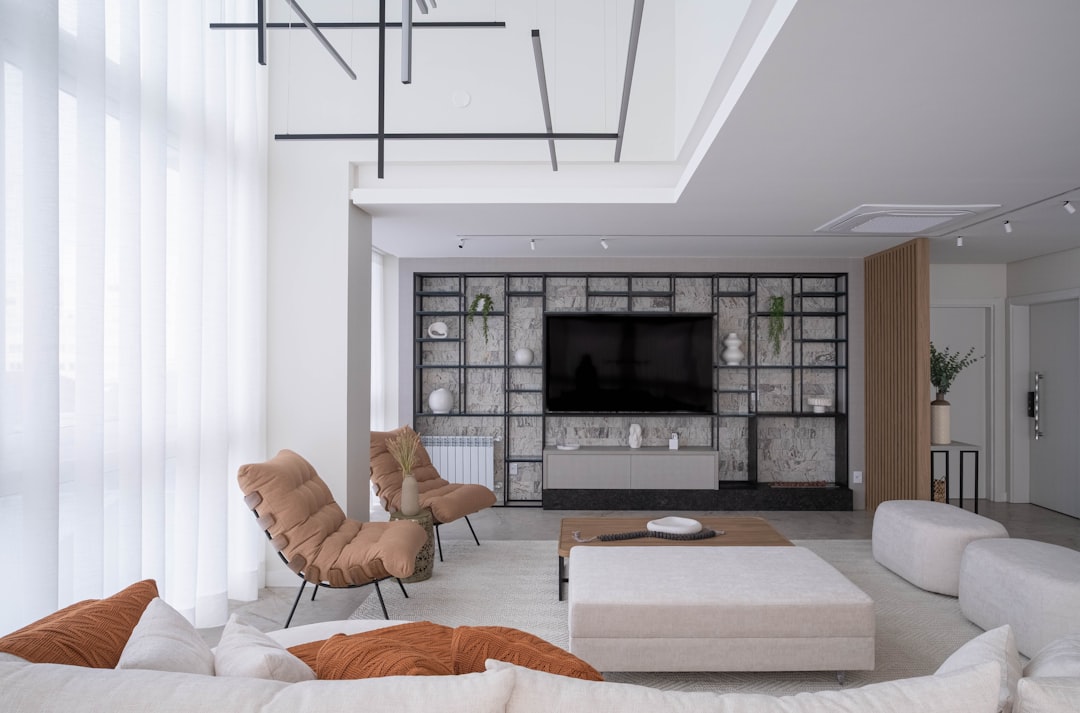
You’re investing in a piece that should last through a decade of nightly use, not just match a renovation’s colour scheme. Treat the warranty document with the same attention you’d give a property lease—it’s your only recourse when something goes wrong. Keep that paperwork filed, not tossed; a dated sales invoice is often the first thing a service centre asks for when you report a fault.
For those comparing options, the logistics and guarantees are as much a part of the product as the chair itself. It’s worth browsing the full specifications and service terms on any retailer’s site before committing.
You’ll find the same few practical hurdles popping up in every living room chat — door widths, pet claws, ageing backs, and that stubborn gap between a $300 and an $800 price tag. Can an accent chair fit through a standard HDB main door? Usually, yes. Most HDB doors are around 90cm wide, and chair frames typically measure under 80cm across at their widest point. The real trick is the turning radius in your narrow corridor; you’ll want to check the overall depth, not just the width, before committing. For homes with cats, fabric choice is everything. Crypton or similar performance fabrics are a local favourite for good reason — they resist stains, moisture, and, crucially, snagging from claws. A tight-weave performance velvet or synthetic bouclé often holds up better than a loose linen or standard cotton blend. Is a particular chair suitable for an elderly parent’s posture? Look beyond the back support to seat height. A chair that’s too low, common in many low-slung modern designs, can be a struggle to get out of. A seat height around 45cm to 50cm, with firm lumbar support and sturdy armrests to push off from, makes a tangible difference in daily comfort and independence. So what separates a $300 chair from an $800 one? It’s in the layers you can’t see. The cheaper model likely uses a simpler frame, basic foam padding, and a standard fabric that won’t withstand years of use. The $800 chair typically features a reinforced hardwood frame, high-resilience foam or down blend cushions, and a commercial-grade fabric — it’s built for the next decade, not just the next season. For those weighing these long-term investments, browsing a comprehensive
living room furniture collectionlets you compare these construction details side-by-side.
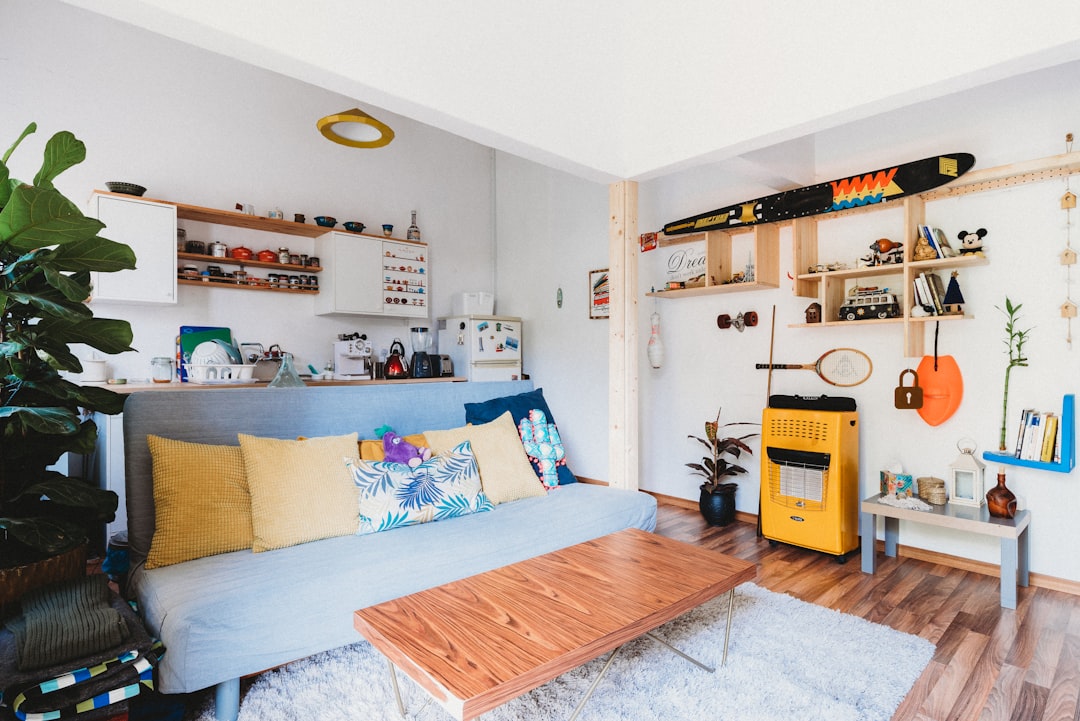
That final scroll through saved photos and showroom notes often misses the crucial step: the chair isn't just for the room, it’s for the life happening in it. Cross-reference your floor plan against the chair’s true footprint—including the arc of a fully reclined back or the sprawl of an ottoman—in your actual space. A generously proportioned wingback might dominate a 4-room BTO living room, leaving a coffee table perpetually nudged aside, while a compact slipper chair could vanish awkwardly in a landed property’s high-ceilinged void deck area.
Your household’s rhythm dictates the fabric choice as much as any colour preference. For a family with young children or pets in a Tampines executive flat, a performance velvet or treated linen that can handle impromptu snacks and muddy paws isn’t a luxury, it’s a practical necessity. Budget not just for the chair itself, but for the potential professional upholstery cleaning it will require in two or three years; that intricate bouclé or light-coloured linen might add several hundred dollars to the long-term cost.
Prioritise structural transparency from the retailer above all. A chair is a posture tool, not merely decor. Ask directly about the frame material—solid rubberwood or kiln-dried hardwood are non-negotiable for our humidity—and the suspension system. You’re looking for clear details on eight-way hand-tied springs or a high-resilience foam core, not just marketing jargon about "premium comfort". If a salesperson can’t—or won’t—explain the construction beneath the trendy cushioning, that’s a red flag.
This final check separates a considered purchase from an impulsive one. It forces you to reconcile the chair’s aesthetic with its daily function, ensuring the piece supports your posture and your lifestyle for the long term, not just until the next design trend cycles through. For a comprehensive range that details such construction elements, you can browse the living room collection at Megafurniture.