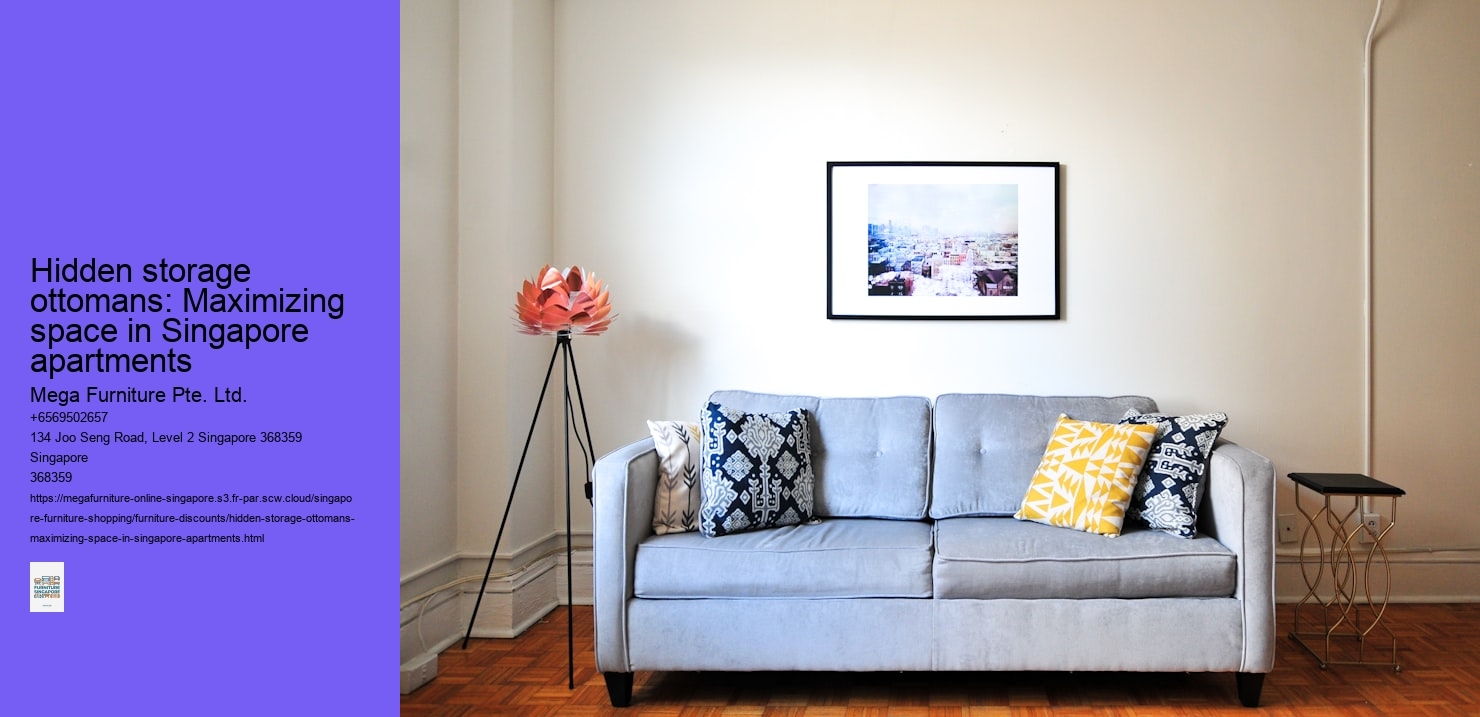
The typical 12 sqm living room in a newer BTO flat leaves about a 1.8-metre walking corridor once you’ve squeezed in a two-seater sofa and a TV console — that’s the exact footprint of a standard ottoman. In these spaces, a storage ottoman can’t just be an afterthought; it becomes your primary coffee table, extra seating for two, and the sole repository for board games or spare linens. You’ll find buyers measuring their walkway clearance with a tape measure, because a piece that’s just 10 centimetres too deep means you’re shimmying sideways past it every day.
Over in a 20 sqm condo layout, the arithmetic shifts. There’s often space for a dedicated coffee table, so the ottoman transitions into a more flexible accent piece — it might anchor a reading corner by an armchair or sit at the foot of a sofa as a footrest. The extra floor area allows for larger, statement units, perhaps 1.2 metres wide, that can double as a bench during larger gatherings. The constraint here isn’t sheer space, but flow; an oversized piece in an open-plan condo can visually chop the living area from the dining zone, making both feel smaller.
Landed property owners face a different spatial puzzle altogether. Their living rooms are larger, but these homes often have transitional spaces — that wide hallway between the living area and the kitchen, or the empty bay window in a study — that beg for a functional anchor. A long, low storage ottoman in a hallway provides a spot to put on shoes and hides seasonal items; a pair of smaller cubes in a bay window creates instant, tidy seating. The need isn’t for space-saving, but for intelligent space definition and abundant, dispersed storage.
When sizing a storage unit, match it to your room’s real dimensions, not its aspirations. For a 3.5 by 3.5 metre HDB room, a 90cm square ottoman is a dominant centrepiece, while an 80cm diameter round one might preserve a better sense of movement. Condo dwellers with 4 by 5 metre layouts can comfortably accommodate rectangular units up to 1.4 metres long. It’s a simple rule that’s often ignored: pull out the tape measure before you fall for the product photo. You can browse a range of sizes and profiles suited to these local floorplans in Megafurniture’s living room collection.
In Singapore’s 80% humidity, the wrong ottoman fabric can start to smell like a wet towel within a month. That’s why material resistance isn’t just about spills; it’s about fighting mould at the microscopic level, especially in ground-floor units or older HDB blocks where airflow is limited. Performance fabrics like Crypton or treated polyesters are essential here—they’re engineered to resist moisture penetration, which stops the mould spores from getting a foothold in the first place.
Frame construction matters just as much. In a humid flat, solid wood can warp over seasons of expansion and contraction; engineered wood, with its cross-layered core, offers far more dimensional stability. It’s a trade-off—some buyers prefer the heft of solid timber—but for a piece that will live in a compact, potentially damp space, the engineered option typically proves more reliable long-term. You’ll find this stability is a standard feature in many designs built for local conditions.
Weight is a critical, often overlooked, factor for compact homes. An ottoman that’s too heavy becomes a permanent fixture in a 4-room BTO living room, defeating its purpose as a flexible piece you can shift for cleaning or guests. Look for a design that balances sturdy construction with manageable heft—something you can reposition with one hand while holding a vacuum with the other. Lightweight frames, often made from kiln-dried rubberwood or aluminium, make this daily practicality possible.
And then there are pets. A fabric might survive humidity, but can it withstand claws? Durability tests for pet-friendly fabrics go beyond simple scratch resistance; they assess how well the weave hides pulls and whether the colour masks faint stains. A tight, textured performance velvet or a patterned weave often fares better than a smooth linen-look, hiding the evidence of a cat’s favourite perch. It’s a practical consideration that, in many homes, becomes the deciding factor between a showroom-fresh piece and one that looks tired after a year.
Finally, consider the interior ecosystem—an ottoman shouldn’t introduce maintenance problems into a room that already battles condensation on windows. The best choices integrate seamlessly, offering storage and seating without adding to the list of things to worry about.
Integrating storage ottomans directly tackles the common challenge of limited closet space. They are ideal for organizing living room essentials like remote controls, charging cables, and hobby supplies. By keeping these items accessible yet hidden, they contribute to a more serene and spacious visual environment. This simple addition can significantly reduce surface clutter.
Storage ottomans serve as versatile seating for guests when needed, then easily tuck away. Their hollow interior is perfect for stowing board games, magazines, or electronic accessories out of sight. This adaptability is key for living rooms that must accommodate both daily life and occasional entertaining. Choosing a firm, upholstered model ensures comfort and durability.
In Singapore's compact apartments, ottomans with hidden storage offer a dual-purpose solution. These pieces provide a comfortable footrest or extra seating in the living room while discreetly concealing blankets, pillows, or seasonal items. This clever design helps maintain a tidy, uncluttered space essential for smaller homes. It effectively turns otherwise wasted space into a functional storage area.
PU leather's main appeal in Singapore is its easy wipe-down surface, which handles humidity and accidental spills far better than fabric. That's a genuine advantage in a 4-room BTO living room where a coffee or curry stain isn't a catastrophe. Over time, however, SG's constant moisture can cause the backing foam to degrade, leading to peeling or a tacky feel — a common failure point after three or four years. It's a material that prioritises short-term convenience over long-term patina, and that's a perfectly valid trade-off for a household with young kids or pets. Just don't expect it to age like the real thing; it's a workhorse, not a heirloom.
Cotton-blend fabrics breathe, which is their primary defence against the mould that can plague fully synthetic upholstery in our climate. They feel cooler to the touch on a typical Bedok afternoon, a small but noticeable comfort. The trade-off is they absorb moisture and stains more readily, so a Crypton or similar performance-treated option is wise for an ottoman that doubles as seating. Untreated, a light-coloured cotton blend on a frequently used piece will show its history quickly. For many buyers, that lived-in look is part of the charm, but it requires a tolerance for imperfection.
An ottoman that opens for storage but also gets sat on daily needs a frame built for dual stress. You're looking for solid timber battens — rubberwood or acacia are common — not just stapled particleboard. Knock on the sides; a hollow sound often signals a box that won't survive years of being used as a footrest and toy chest. In many homes, this piece becomes the de facto extra seat when relatives visit, so the joinery at the corners matters. A well-built frame should feel solidly planted, not shift or creak when you lean your weight into it.
Veneer thickness, often listed in millimetres, is a quiet indicator of quality that directly impacts durability. Paper-thin veneers, common on budget pieces, chip easily at the edges and can't be sanded for refinishing. A thicker veneer, around 0.6mm or more, can withstand the occasional scrape from a vacuum cleaner or a child's toy. It's the difference between a surface that looks tired after a year and one that holds its finish. For an ottoman that also functions as a coffee table, this isn't a minor detail — it's central to the piece surviving daily life.
The hinges and lid supports on a storage ottoman are its most mechanically stressed components. Lightweight, painted-metal hardware with visible casting seams will likely fail, leaving a lid that won't stay open or, worse, slams shut. Look for solid, smoothly operating hinges with a soft-close mechanism — it's a small feature that prevents countless pinched fingers. The finish should feel substantial, not flimsy; powder-coated steel or solid brass-plated fittings resist the rust that humidity encourages. Good hardware is something you only notice when it's absent, because the piece just works.
That ottoman you bought to swallow the kids' toys will likely be half-empty within a month. It’s a classic Singaporean miscalculation — we overestimate a storage cube’s capacity for family clutter, forgetting that a 40cm cube can’t possibly contain the sprawling chaos of art supplies, board games, and mismatched cushions that accumulate in a 4-room BTO living room. The impulse is understandable, but the reality is a piece of furniture that’s either perpetually overflowing or, worse, becomes a forgotten black hole where items go to be lost. Height is another frequent oversight. Pairing a new ottoman with an existing coffee table often creates an awkward, mismatched tier; your morning kopi cup sits either too low or comically high if the surfaces aren’t within 2-3cm of each other. You’ll want to measure your current table’s height first — a standard 45cm coffee table needs an ottoman around 42cm to function properly as a footrest or impromptu seat. Getting this wrong turns a practical centrepiece into a daily annoyance. In narrow HDB corridors, particularly those in older estates like Bedok or Tampines, door clearance is non-negotiable. A generously sized storage ottoman might fit in the living room, but it won’t get there if it can’t pivot past the main door and the sharp corner into the hallway. Buyers should measure the narrowest point on the delivery path, not just the room’s footprint; that extra centimetre on a hinged lid can be the difference between a smooth setup and a logistical headache. Then there’s the material choice, especially for enclosed storage. Neglecting ventilation for items like blankets or winter wear in our humid climate invites mildew — a musty smell that’s tough to eradicate from fabric linings. Opting for a design with discreet ventilation slats or a loosely woven cane panel, rather than a fully sealed upholstered box, is a small detail with significant consequences for protecting what you’re storing. Finally, there’s the temptation to tuck an ottoman tightly against a sofa or into a corner, which often blocks its functional purpose. If you can’t easily lift the lid or pull out a tray, the storage becomes useless. Leaving a sensible gap for access, even in a compact layout, is what transforms a bulky object into a genuinely helpful piece of
living room furniture.
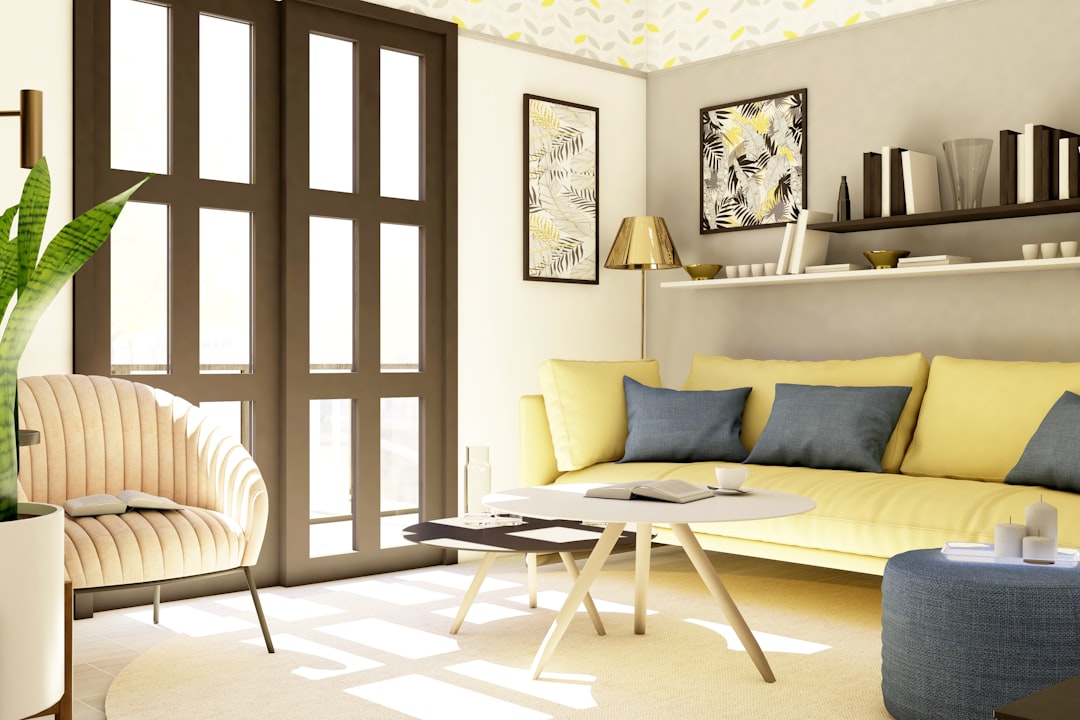
The difference between a storage ottoman that looks good in a showroom photo and one that actually works in your 4-room BTO often comes down to weight and a lid you can open with one hand while holding a phone. Online specs rarely tell you if a piece feels solid enough to stand on for changing a lightbulb, or if the hinge will pinch every time you stash a blanket. That’s why a trip to a showroom isn’t just about browsing; it’s a practical test drive for daily life. At Megafurniture’s Joo Seng or Tampines showrooms, you can assess the heft of a velvet-upholstered cube or the smooth action of a tufted lid’s soft-close mechanism firsthand. More critically, you can run your hand over the fabric—will that trendy bouclé trap humidity and feel clammy by December, or will a performance linen blend better suit the constant air-con? Seeing the exact shade of a grey under showroom lights, versus the warm LED strips in your own hallway, can prevent a costly colour mismatch. Bring your room’s measured floor plan. A 90cm-wide ottoman might look modest on a website, but placing your bag where it would actually go in your narrow walkway between sofa and TV console reveals if you’ll be stubbing a toe daily. The real value, however, lies in seeing complete arrangements. You might arrive for an ottoman but leave with a coordinated idea for a media console and an accent chair that turns a corner of your common room into a defined reading nook. This is where showroom visits shift from checking a box to visualising a solution. You’ll see how a low-profile storage cube can double as a coffee table, or how a pair of smaller poufs can offer flexible seating without dominating a compact space. It’s about understanding scale and material in three dimensions, which is impossible from a grid of thumbnails. To explore how these pieces fit into a broader scheme, browse the
living room collectiononline after your visit to cross-reference your notes. Ultimately, you’re investing time to avoid a piece that becomes a frustration—too heavy to move, a fabric that stains with a glance, a size that throws the whole room’s flow off. For something that will live in the centre of your home, that tactile confirmation is worth the trip to Tampines.
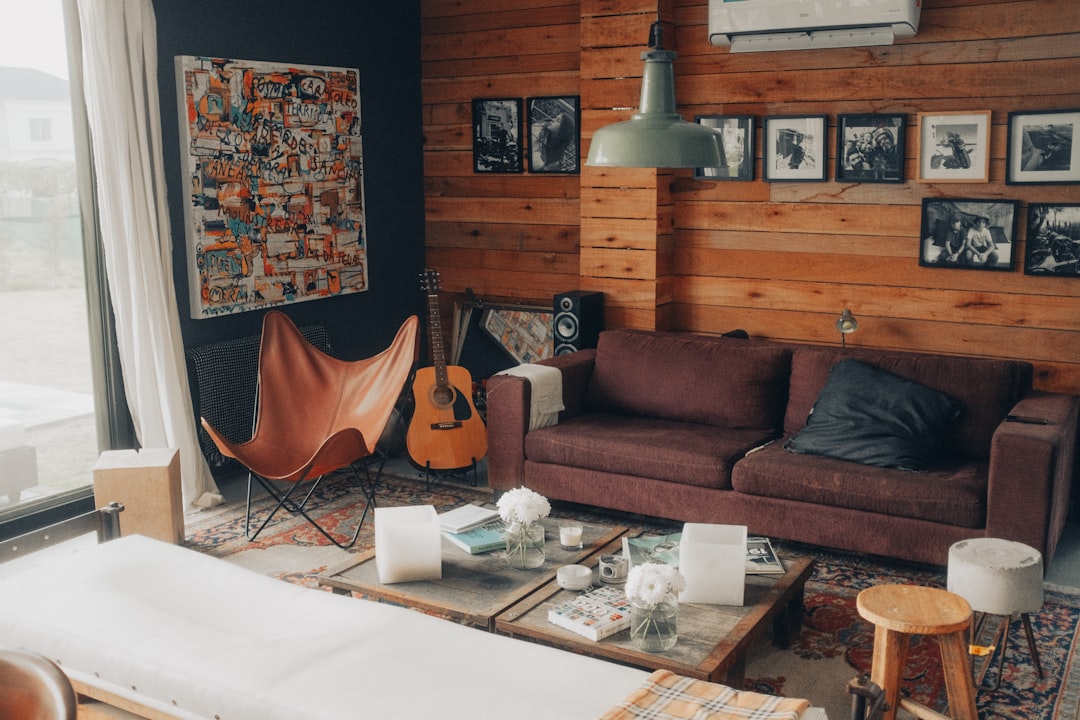
That heavy ottoman you bought online still needs to get through your HDB’s narrow lift lobby and up to your 14th-floor flat — delivery teams here navigate those constraints daily. Most local retailers, including Megafurniture, plan for it, with two-person crews the standard for getting bulky items from the lorry to your living room. They’re used to tight corners in older blocks like those in Bedok or Queenstown, but always confirm lift dimensions and loading bay access with your seller before they dispatch; a heads-up about staircase-only access can save a costly rescheduling headache.
Assembly itself is typically straightforward. For a storage ottoman, expect two people and about twenty minutes — one to hold the hollow frame steady, the other to screw in the hinged lid and any castor wheels. It’s rarely a one-person job in a 4-room BTO’s confined floor space, where you’re working around your new sofa and coffee table. The real test comes later, with Singapore’s relentless humidity.
Warranty fine print matters here. A good policy will explicitly cover mechanical faults like broken hinges or faulty hydraulic lifts for the standard one to three years. Humidity-related issues — warping in solid wood lids, mould on fabric liners, or a sluggish opening mechanism — often sit in a grey area. You’ll want written confirmation that ‘environmental factors common to the region’ are included, not excluded as ‘acts of God’ or ‘improper storage’. That fabric ottoman you love might look great in a showroom’s air-conditioning, but it’ll live in your non-air-conditioned hall; the warranty should acknowledge that reality.
For island-wide delivery, standard timelines range from three to ten working days after order confirmation, though express services might cut that to forty-eight hours for an extra fee. Delivery to central neighbourhoods like Bishan or Toa Payoh is often quicker, while trips to more distant landed estates in Pasir Ris or Lim Chu Kang can add a day. The schedule fills up fastest during the year-end festive period and the July BTO key collection waves — plan around those peaks if you can.
The best purchase is one that arrives intact, goes together easily, and is backed by a warranty that doesn’t vanish when the inevitable damp season warps the lid. It’s the unglamorous logistics that determine whether a piece becomes a favourite centrepiece or a constant irritation.
The most common ottoman question in Singapore isn’t about style — it’s whether the thing can hold a tray without wobbling when you kick your feet up. In a 3m x 3m room, every piece must multitask ruthlessly, and a storage ottoman often can replace a coffee table, provided its surface is rigid and its height matches your sofa seat. You’ll want a model with a sturdy, padded lid that doesn’t give when you set down a laptop or a few coffee mugs; a soft, tufted top might look inviting but spells disaster for your morning kopi.
Which materials best resist pet odours? Performance fabrics with stain-resistant treatments are the practical choice, as they can be wiped down and don’t absorb smells like untreated cotton or linen. Leather or leatherette is even more effective for wipeability, though it can show scratches; for many pet owners in Tampines or Bedok estates, that’s a worthwhile trade-off for a surface that doesn’t trap hair or odours.
How much weight can the lid hold? This varies wildly, from flimsy lids that sag under a throw blanket to solid-core tops that support an adult sitting. Check the product specifications for a tested weight limit — a decent ottoman for daily use should handle at least 50kg distributed across its surface, which covers most casual sitting and serving scenarios.
Is assembly required for HDB stairwell access? Almost always, unless you’re buying a small, soft-sided cube. The classic dilemma for a walk-up flat in Joo Seng or a BTO with tight lift dimensions is whether the unit comes flat-packed or requires professional assembly in your living room. Many retailers, including Megafurniture, offer both options; you’ll need to measure your stairwell corners and lift doors, then decide if you’d rather wrestle with an Allen key or pay for the white-glove service.
The perfect ottoman for your living room can be a frustrating centimetre too wide for the lift lobby. Before you get excited about velvet or rattan, start with a tape measure and a notepad. Measure the exact floor area where it’ll sit, not just the room’s dimensions — account for the coffee table’s arc and the swing of the balcony door. Then, measure every doorway, corridor pinch-point, and lift interior on the route from the truck to your flat; a 90cm-wide piece won’t fit through a 78cm HDB main door without being unpacked in the corridor. List what you actually intend to store inside. Is it just spare cushions and a few board games, or the bulky winter duvet you keep for overseas trips? That determines whether you need a simple lift-top or a deeper, compartmentalised design. For many Singapore homes, the ottoman becomes the only place for luggage — so verify the interior can swallow a 24-inch suitcase. Humidity is a constant here, so material choice isn't just about aesthetics. Prioritise solid wood frames over particleboard, and look for treated fabrics or performance velvets that resist mould. A leather or leatherette upholstery can be easier to wipe down after our frequent thunderstorms, while natural fibres like cotton canvas might develop a musty smell if placed in a less airy corner. Crucially, confirm your building’s delivery rules with the management office or condo security. Many older HDB blocks have specific lift booking procedures and narrow stairwells, while condos often restrict delivery hours to weekdays. You don’t want the delivery truck turned away at the guardhouse. Once you have these specifics — the 65cm door width, the need for mildew-resistant lining, the 2–5pm delivery window — you can finally
visit a showroomwith a shortlist that won’t lead to logistical headaches.