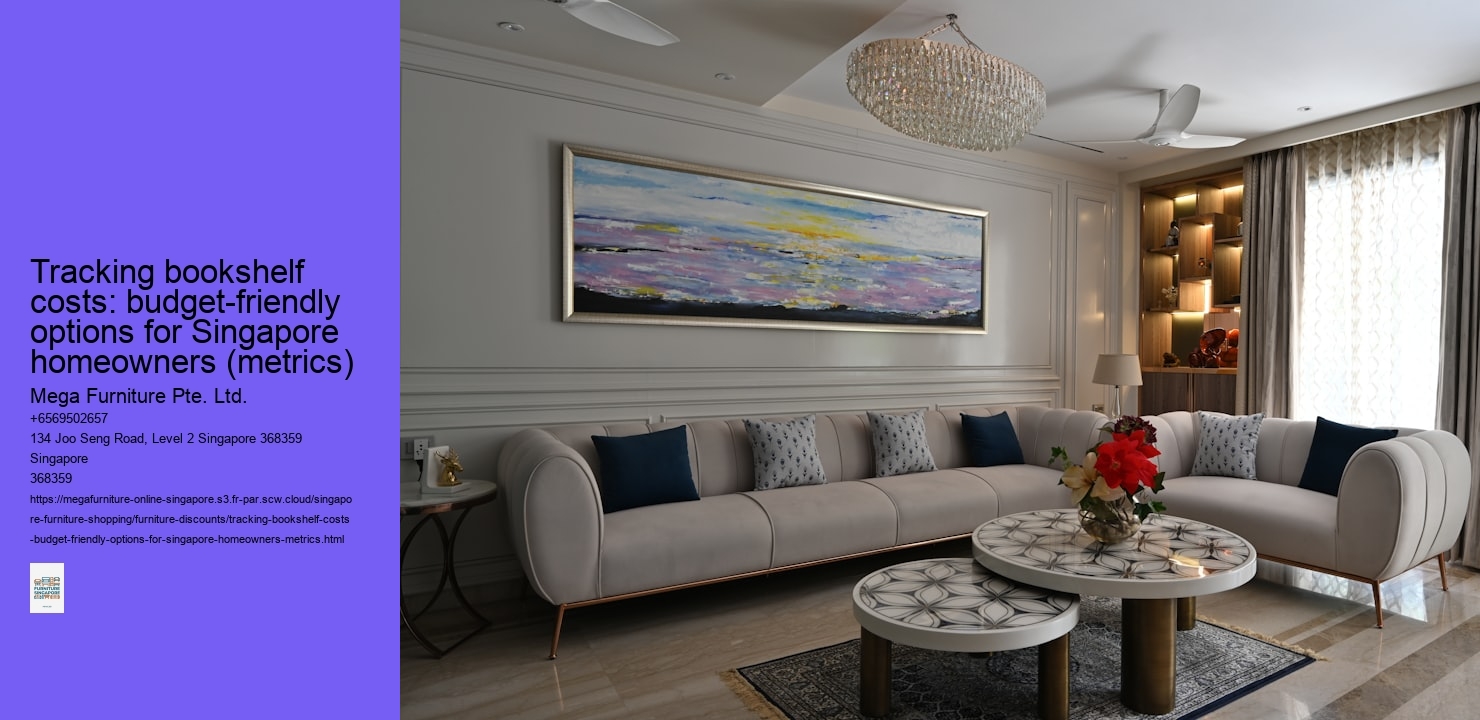
The wall space behind a typical BTO living room sofa is often just 3.6 metres — barely enough for a three-seater and a side table. Over in a landed terrace, that same stretch can easily exceed six metres, turning a simple storage need into a major architectural statement. This dimensional divide fundamentally changes what a bookshelf is for.
In a four-room BTO or resale flat, a single, floor-to-ceiling unit can dominate the entire room. The priority here is vertical scaling; you’ll want a slim, tall design that uses the 2.4-metre ceiling height without overwhelming the floor plan. Modular systems are a favourite for this reason — you can start with a few cubes for books and decor, then add more shelving or closed cabinets as your collection grows. It’s a practical response to limited square footage.
Condo living rooms offer a middle ground, with dimensions that often allow for a more deliberate furniture arrangement. Here, a bookshelf might anchor a corner or define a zone between the living and dining areas. The approach shifts from pure storage to display; think shallower depths for art objects and integrated lighting to highlight favourite pieces. You’re not just filling a wall, you’re curating a backdrop.
For landed homes, the challenge is proportion, not scarcity. A 6-metre expanse of blank wall demands either a single, substantial statement piece or a carefully composed series of units. Many buyers opt for built-in solutions that frame doorways or integrate with the room’s millwork, but freestanding modular units offer flexibility — you can create a library wall that feels intentional, not just a row of cabinets. The key is avoiding a piece that looks lost; in these spaces, undersized furniture is more glaring than an overly bold choice.
Ultimately, your property type dictates the arithmetic. It’s a simple rule: measure your available wall, subtract at least half a metre for visual breathing room, and let that number guide your search for a system that can be organised to fit.
A bookshelf that arrives crisp and square can start warping within a year, its particle board core swelling in Singapore’s relentless 80% humidity. That’s the quiet, predictable failure of materials not meant for the tropics. The real cost isn’t just the initial price tag — it’s the replacement you’ll be shopping for in 18 months. You’ll want to seek out solid hardwoods like rubberwood or acacia, which are stable and forgiving, or marine-grade plywood that’s built for wet conditions. Even a properly sealed, high-density MDF can hold up, provided the laminate or veneer forms a complete, unbroken skin without exposed edges where moisture can creep in.
Pet owners face a separate set of challenges. A cat’s favourite climbing route will quickly shred a soft pine or a thin lacquer finish, leaving a bookshelf looking ragged and worn. Consider tougher, scratch-resistant surfaces — a wire-brushed oak or a textured laminate can hide a multitude of sins. For households with young children, stability is non-negotiable; any tall, freestanding unit must be securely anchored to the wall, a simple step that prevents a tragic accident and is now a standard safety practice in many homes.
Space is the final, pressing local condition. In a typical 12 sqm HDB living-dining combo, a deep, floor-hogging bookcase can make the room feel like a corridor. The solution often lies in thinking vertically and reducing depth. Shallow-depth units, around 30cm, are perfectly adequate for most books and decorative objects while preserving precious floor area. They can be mounted high on a wall as floating shelves or specified as tall, narrow cabinets that draw the eye upward, creating a sense of storage without bulk.
For those in compact condos or the common bedrooms of a 4-room flat, a modular system that combines shelving with closed cabinets offers flexibility — you can organise display and conceal clutter within the same footprint. It’s a practical approach that acknowledges most of us own more than just coffee table books. The goal is to find a piece that doesn’t just fit the space on day one, but continues to serve as your collection of belongings inevitably grows and shifts over the years.
You can spot a cheap bookshelf from across a four-room BTO living room by its joints. Staples or basic butt joints signal a piece that'll wobble within a year under the weight of hardcovers. Dovetail or mortise-and-tenon joints, however, lock shelves and sides together with interlocking precision, resisting the racking forces that come from a full load. That's a construction method you'll find in solid wood pieces designed to last a decade or more, moving with you from your first HDB to a landed property. It's a hidden detail that speaks volumes about the overall build philosophy.
Kiln-dried timber isn't just a buzzword; it's your defence against Singapore's humidity. Air-dried wood, often used in budget options, retains moisture that'll eventually escape in your air-conditioned living room, causing boards to warp and joints to loosen. Properly kiln-dried wood has had its moisture content stabilised, meaning your shelves won't bow under a collection of National Geographic magazines. This process adds cost but prevents the seasonal creaks and gaps that plague cheaper, hastily dried lumber.
That glossy white finish on a budget shelving unit is often a thin, printed laminate veneer glued onto particleboard. The thickness matters immensely—1mm wears through to a dull chipboard edge after a few years of dusting, while 2mm or more offers a durable surface that can handle the occasional scuff from a vase. In many homes, it's the difference between a bookshelf that looks tired after five years and one that still presents well for a refresh. It's a spec you have to ask for, as it's rarely advertised on the tag.
Teak and rubberwood might both be sold as "solid wood," but their price and performance differ starkly. Teak's natural oils resist moisture and insects, making it a traditional favourite for heirloom pieces, while rubberwood is a faster-growing, more economical option that's prone to movement if not perfectly treated. Similarly, powder-coated steel offers a rust-resistant finish ideal for Singapore's climate, whereas mild iron will show orange blooms in coastal neighbourhoods like Marine Parade or East Coast within months. Recognising these inherent cost-drivers helps you parse a price tag.
A drawer that sticks or droops is a daily annoyance, and the runner is the culprit. Partial-extension runners save manufacturers a few dollars but leave the back third of a drawer awkwardly inaccessible, perfect for losing remote controls. Full-extension, or better yet, soft-close runners, allow you to see and reach every item, a small luxury that transforms a basic storage box into a functional system. It's the kind of upgrade that makes a built-in cabinet feel considered, especially in a compact living room where every centimetre of storage needs to earn its keep.
For budget-conscious Singapore homeowners, engineered wood like particleboard or MDF is a primary cost-saving option. These materials offer the look of solid wood at a significantly lower price point, ideal for built-in or freestanding units. Their affordability allows for allocating budget to other furniture pieces or customisation features within the living room.
Modular bookshelf systems provide excellent value by adapting to various room layouts and future needs. Homeowners can start with a basic configuration and add components over time, spreading out the cost. This flexibility prevents overspending on a large, fixed unit that may not fit a future home.
Opting for flat-pack, self-assembly bookshelves from major retailers eliminates labor costs, offering substantial savings. These kits are designed for easy construction with basic tools, making them accessible for most homeowners. The direct cost control and wide range of contemporary styles make this a practical metric for staying within a furniture budget.
A buyer in a third-floor walk-up apartment can order the perfect bookshelf online, pay the advertised price, and still face an extra $150 charge on delivery day — that’s the reality when elevator access fees aren’t factored into the budget. These charges, typically levied by movers for carrying items beyond a certain floor without lift service, are a common blind spot for those procuring heavier storage units. It’s a straightforward logistical cost, but one that often surprises first-time homeowners in older HDB blocks or renovated shophouse units.
Beyond delivery surprises, the physical constraints of the space itself are frequently misjudged. A dark, monolithic bookshelf in a north-facing living room, for instance, can absorb the already-limited natural light, making the entire area feel cavernous — a particular issue in many 4-room BTO layouts where the living room window faces a service yard or common corridor. Weight distribution is another silent concern; a solid wood unit loaded with books and decor can exert a concentrated load that exceeds the recommended limits for some HDB floor constructions, especially in older flats.
The most costly error, however, is purely dimensional. Failing to measure doorframes, staircase clearances, and internal corridor widths before purchase leads to scenarios where a perfectly assembled unit simply won’t enter the home. A 2.1-metre tall bookshelf might fit the room’s height, but it won’t navigate the 1.9-metre front door of a typical condo apartment or the tight turn in a spiral staircase of a landed property’s annex. That’s when buyers face the brutal choice of disassembly, professional modification, or outright refusal of delivery.
Procurement isn’t just about selecting the finish or checking the price tag; it’s a practical exercise in spatial logistics. You’ll need to consider the journey from the truck to its final position, accounting for every hinge and corner along the route. In many Singapore homes, that final 3 metres from the doorstep to the living room wall is the most expensive distance to cover.
A living room wall unit is often the most expensive single piece of furniture you'll buy — and the hardest to visualise from a product photo alone. The difference between a laminate that looks like wood and a solid rubberwood veneer is entirely in the hand; the heft of a modular cabinet system meant to hold a 65-inch television is something you need to test by leaning against it. That's where a physical showroom visit becomes non-negotiable, and Megafurniture's two large-format locations in Joo Seng and Tampines are effectively built for this kind of comparative assessment. You can walk directly from a low-profile, laminate-finish TV console suited for a compact 4-room BTO living room to a full-height, solid timber storage wall intended for a landed property's lounge. Side-by-side, the material choices become clear: which engineered wood grain feels cheap under your fingertips, which sintered stone top has a cold, substantial weight, which performance velvet on an accent chair actually repels a spill. It’s about tactile verification — you're confirming that the oak finish you liked online doesn’t carry an orange tint in your specific lighting, or that the charcoal grey melamine is a true neutral rather than leaning blue. This is particularly critical for built-in lighting options and complex modular systems. A render can make LED strip lighting look seamless, but in the showroom you'll see the actual diffusion quality and colour temperature, spotting the dreaded "dotty" effect cheaper strips produce. You can also test the ease of reconfiguring modular shelving units, feeling whether the connecting hardware is robust or flimsy; committing to a full-wall installation without this hands-on check is a gamble many homeowners regret. For a comprehensive room solution, this tactile comparison extends beyond just the storage piece. You’ll see how a specific bookshelf's depth works with the armchair you're considering, or how a console table's finish complements a coffee table from the same collection. It organises the entire decision process around physical reality, not digital imagination. You can start planning your own configuration directly on the showroom floor, browsing the full range of
living room furniture optionswith a much clearer sense of scale and substance. The trip to Tampines or Joo Seng is, for many, the step that finally narrows the choice down from a dozen possibilities to two or three viable ones. You leave with fabric swatches, finish samples, and a concrete understanding of what your budget actually buys — which often isn’t what the online gallery promised.
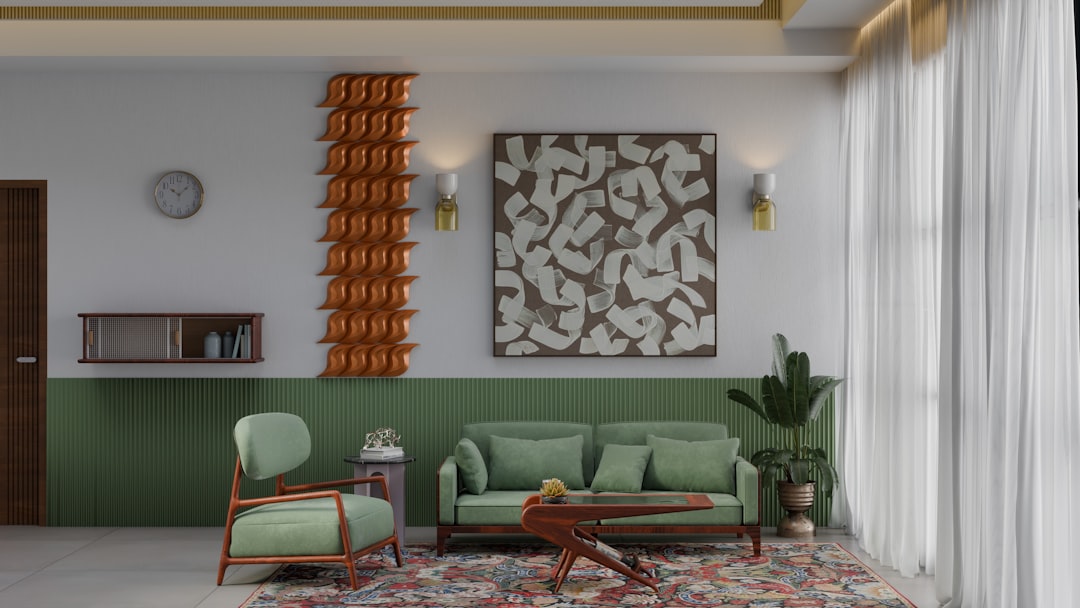
That final price you see online rarely includes the cost of getting the bookshelf into your living room and putting it together. The logistics can easily add a few hundred dollars to your total, especially if you’re navigating the quirks of Singapore’s delivery landscape.
Most retailers apply a central business district surcharge, which typically kicks in for postal codes in the Downtown Core and Marina Bay area. Two-man assembly is often a separate line item, quoted per piece; it’s a worthwhile investment for larger, solid-wood units that are simply too heavy for a single person to manoeuvre in a narrow corridor. Some companies will haul away your old furniture for disposal, but that’s another fee—check if it’s bundled or if you’ll need to book a separate karang guni service through your town council.
Warranty terms are where the fine print matters. Structural frames are usually covered for five to ten years, but humidity damage is a grey area. Many warranties explicitly exclude warping or mould caused by Singapore’s climate unless you can prove a manufacturing defect; it’s a common point of contention when a rubberwood shelf develops a bow after a particularly wet monsoon season.
Opting for a flat-pack, self-assembly model shifts the burden onto you. You’ll need a decent electric drill, a second pair of hands, and a clear afternoon—factor that time into your renovation schedule. The perceived savings can evaporate if you have to hire a handyman last-minute because the instructions are impenetrable. For a straightforward solution that includes delivery and assembly, you can browse the options for living room storage.
Ultimately, the total cost isn’t just the sticker price. It’s the delivery fee to your HDB block in Bedok, the assembly charge for that awkward corner unit, and the peace of mind from a warranty that actually covers the inevitable humidity in your east-coast flat.
The best questions about built-in bookshelves often don't appear in showrooms — they surface months later, when a wall starts to bear the weight of a reader's ambition.
Can an HDB floor hold a two-metre solid wood shelf? Loading limits for raised floors in newer BTOs are typically around 150 kg per square metre, but that's distributed weight. A floor-to-ceiling unit in teak or oak, once filled, can easily approach that; the real concern is point load from the feet. It's less about the floor failing and more about avoiding a permanent dent in the vinyl — spreading that weight with a wider plinth is a quiet, necessary upgrade.
East-west sun exposure turns unprotected shelves into faded relics. UV-resistant laminates or acrylic finishes are the practical answer for those relentless afternoon rays in Bedok or Clementi windows; they won't yellow or warp like untreated wood. For cleaning mould from shelves, prevention truly beats cure. That means a dehumidifier running in the humid months, and never placing a unit directly against a perpetually damp common bathroom wall.
Integrated lighting wiring requires early planning, a conversation with your ID during the hacking phase. Retrofit LED strips are an option, but the clean, recessed look comes from chasing the walls for concealed cables and a dedicated switch. It’s a detail that feels obvious only after you’ve lived with an extension cord running to your console table for a year.
For those weighing custom builds against ready-made units, the decision often hinges on fitting storage into an irregular niche or aligning with existing millwork.
The final stretch before a bookshelf purchase isn't about inspiration — it's arithmetic. Pull out a tape measure and a calculator. A 1.8-metre wide unit costing $900 delivers storage at $500 per linear metre; a narrower 1.2-metre option at $720 hits $600 per metre. That extra cost per metre often buys better material density or a more resilient finish, a tangible trade-off between sheer volume and built-in longevity.
Aesthetics versus durability is the perennial tension. A light oak veneer or a painted MDF finish might perfectly suit a minimalist condo's palette, but it'll show every scuff from a vacuum cleaner or a child's toy truck in a bustling household. In many homes, the choice settles on engineered wood with a robust laminate — it forgoes some warmth for a surface that wipes clean and doesn't dent when a hardback book is shoved back into place.
Your housing type dictates the logic. For a condo lobby or a landed home study, a single, floor-to-ceiling statement piece in solid rubberwood or with integrated lighting makes sense — it's a fixed installation, a permanent part of the interior architecture. The calculation is total project cost, not future flexibility.
Contrast that with a growing family in a 4-room HDB resale flat, where floor plans are tight and needs change yearly. Here, modular systems win. You can start with three units along a wall in the living room, then add a fourth for a child's school years, or reconfigure them into an L-shape if you rearrange the TV console. The initial cost per linear metre might be higher, but you're buying adaptability; you're not stuck with a monolith that becomes obsolete when the room's function shifts. Browse the options for storage that can evolve with your household.