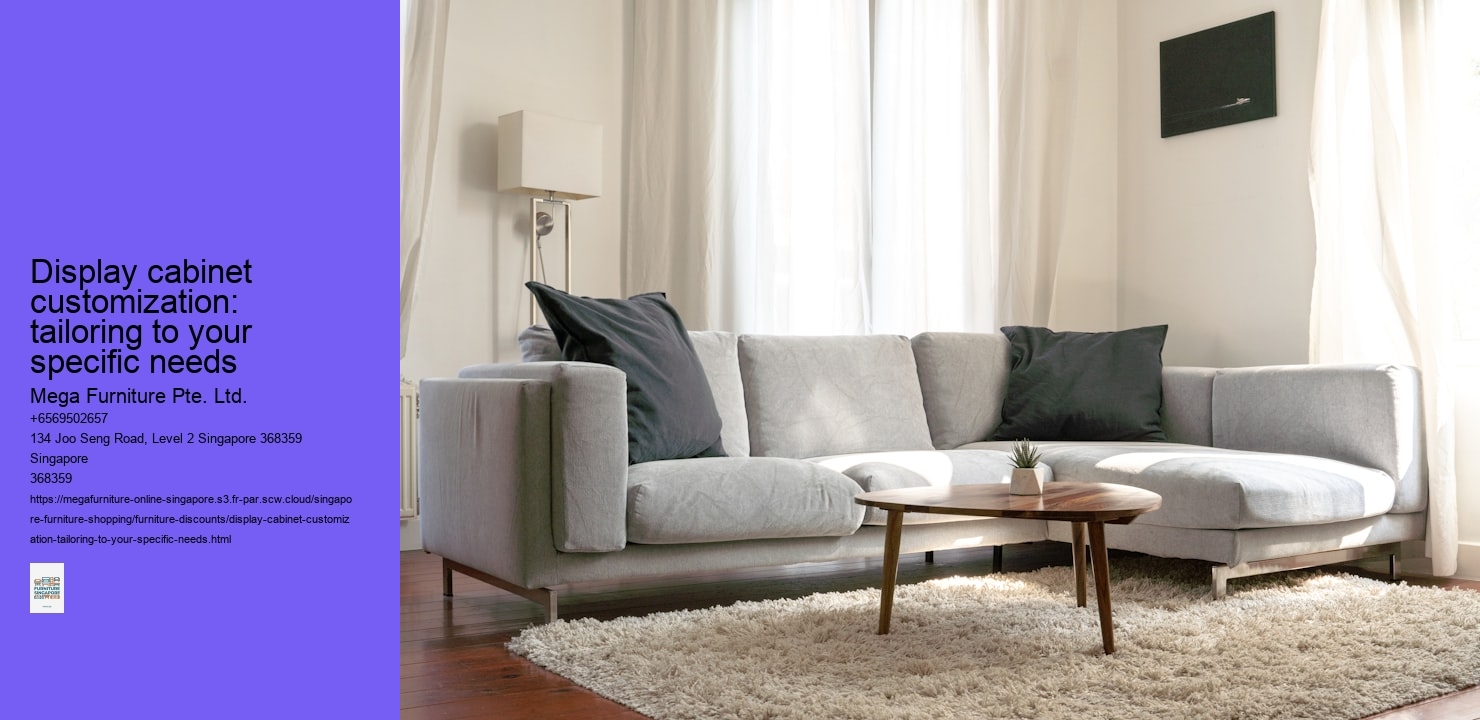
The display cabinet in a 4-room BTO living room often gets wedged between the main door and the television console—a compromise born from a 4m x 3m floor plan that leaves little room for ceremony. In these spaces, verticality is your primary tool. You’ll want a unit that climbs toward the ceiling, its upper shelves perhaps glass-fronted to avoid a heavy feel, its base a closed cabinet for stashing board games and cables. Traffic flow dictates everything; a cabinet that’s too deep will turn a main walkway into a bottleneck.
Move to a landed property, and the constraints shift from space to proportion. A long corridor or a double-volume wall demands a piece with substantial presence—a low, wide credenza that anchors the room, or a tall, statement cabinet that balances the airiness above it. Here, material choice becomes less about maximising space and more about enduring the climate. Solid teak or acacia can handle our 80% humidity with grace, developing a patina over decades, while engineered wood like MDF requires a flawless laminate seal to avoid swelling at the edges over time.
For many homeowners in older flats, the living room is a multi-channel hub. A display cabinet might need to house a collection of whisky tumblers while also concealing a router and a toddler’s art supplies. The solution is often a hybrid: open shelving for display, integrated drawers for organisation, and sturdy cabinet doors that hide the clutter. It’s a piece of furniture doing three jobs at once, which is the reality for most Singaporean living rooms.
Budget, naturally, scales with these ambitions. A custom, floor-to-ceiling built-in for a condominium niche might run from $1,200 to $2,400, depending on materials and hardware. For that, you’re buying specificity—every millimetre accounted for, a finish that matches your existing millwork, and the quiet satisfaction of a perfect fit. It’s a different proposition entirely from selecting a standalone unit, where you’re working within fixed dimensions but gaining flexibility for your next move.
Singapore’s humidity doesn’t just frizz hair—it quietly warps cabinet doors. That faint, musty scent in an older flat’s living room often comes from chipboard cores expanding inside furniture that looked fine at delivery. Plywood, with its cross-grained layers, resists this swelling far better; it’s a core material worth asking about, especially for a piece meant to last a decade in a non-air-conditioned space. Sealed edges are non-negotiable, a physical barrier against moisture wicking into the raw cut sides of shelves or panels. Teak and acacia have earned their local reputation for a reason. These hardwoods contain natural oils that tolerate the damp, making them sensible choices for solid wood frames or legs, even if you’re not going for a full tropical aesthetic. Veneers, however, are a different story. A poorly bonded veneer will bubble or peel at the first sign of real moisture—a common disappointment with cheaper imports not tested for our climate. The bond should be invisible and seamless; run your hand across a surface, and you shouldn’t feel any ridges or soft spots. Weight tells a story material tags sometimes omit. Pick up a corner of a display cabinet. If it feels suspiciously light for its size, you’re likely looking at hollow construction—thin panels over a cardboard honeycomb interior. That’s fine for a temporary bookshelf, but it won’t provide the stable, vibration-free foundation needed for delicate collectibles or a decent sound system. Density correlates with durability; a heavier piece typically indicates solid timber, thicker plywood, or properly engineered particleboard. It’s a practical approach: ignore the finish for a moment and interrogate the substrate. Open the doors, feel the inside surfaces of shelves, inspect the back panel. In many four-room BTO layouts, where the living room absorbs daily traffic and seasonal humidity swings, these hidden material choices determine whether a cabinet remains a centrepiece or becomes a regret. For homeowners comparing options, this focus on core construction cuts through the marketing noise. You can explore a range built for local conditions in Megafurniture’s
living room furniture collection, where specifications like plywood cores and sealed edges are clearly noted. That initial heft when the delivery team brings it in—that’s the first real quality signal you’ll get.
Buyers often stand in their empty living room and imagine a grand, floor-to-ceiling display cabinet flanking the main door. It’s a classic misjudgement. The visual space you perceive when the room is bare shrinks dramatically once you add a sofa, a side table, and a rug. That planned centrepiece can end up jutting into the walkway, forcing a daily shuffle past its sharp corner. In a typical 4-room BTO layout, the wall next to the entrance is usually reserved for a slim console or shoe cabinet, not a deep display unit.
Forgetting to measure the widest corridor corner is a delivery-day disaster waiting to happen. Assembled cabinets are often manoeuvred horizontally, and that final ninety-degree turn into the flat is the tightest squeeze. You’ll need to account for the diagonal depth of the piece as it’s tilted, not just its height and width. A common fail point is the lift lobby in older HDB blocks, where the turn from the common corridor is even narrower. It’s a bitter lesson learned only when movers are stuck outside your door, demanding extra fees for a complex staircase carry.
Choosing a dark walnut or espresso finish for a north-facing living room is a frequent regret. These rooms receive cool, indirect light for most of the day, which can make rich wood tones appear dull and flat rather than warm and inviting. The cabinet becomes a dark void in the corner, swallowing what little natural light there is. Lighter oak or ash finishes, or even a painted white finish, work better to bounce available light around the space. It’s a simple rule of thumb that many ignore in the showroom’s perfect lighting.
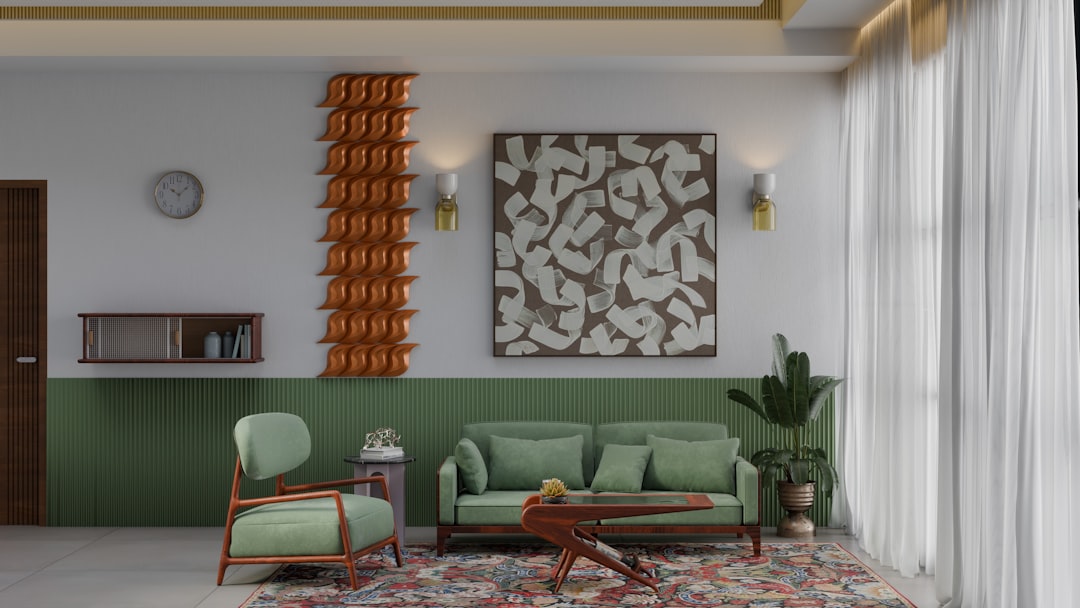
Ignoring built-in lighting turns a curated display into a cluttered shadow box. Your favourite ceramics or travel souvenirs lose all definition when lit only by the room’s overhead lamp. Integrated LED strips or puck lights are essential for creating focal points and adding depth to the shelves. They transform the cabinet from mere storage into an architectural feature after dusk. The extra wiring or battery consideration feels like a hassle during purchase, but it’s the single biggest upgrade for actual daily enjoyment.
A final, subtle error is selecting a cabinet that’s out of proportion with the room’s other furnishings. A massive, ornate display piece can dwarf a modest modular sofa, making the whole arrangement look awkward and top-heavy. Conversely, a tiny, spindly cabinet gets lost against the blank wall of a landed property living room. The scale needs to converse with your existing seating and surfaces; it shouldn’t shout them down or whisper meekly from the corner. Getting this balance wrong is why some rooms feel perpetually unsettled, even after everything is finally in place.
A display cabinet’s online image rarely tells the full story. The subtle sheen of a lacquer finish, the precise alignment of mitred corners, the reassuring weight of a solid timber door — these are qualities you can only assess in person. That’s where a showroom visit becomes essential, and Megafurniture’s Joo Seng outlet is built for this kind of tactile inspection. You can run a hand over the surfaces to feel for inconsistencies, open and close every drawer to test the glide mechanism, and repeatedly swing a cabinet door to check the hinge’s durability. It’s a process that quickly separates pieces that merely look good online from those that will hold up to daily use in a busy household. Seeing these units at full scale, arranged in room-like vignettes, provides a sense of proportion that a dimension table cannot. A cabinet that seems modest on screen can dominate a compact space; another might offer surprising storage capacity. For those furnishing a 4-room BTO living room or a condo’s limited common area, this spatial clarity is invaluable. You’ll see how a glass-fronted display case can create a visual break in an open-plan layout without blocking light, or how a low, wide sideboard might anchor a seating area better than a tall, narrow unit. The Tampines outlet, meanwhile, offers specific inspiration for tighter configurations common in newer Executive Condos and compact condos. Its displays often demonstrate how to layer furniture — placing a console table behind a sofa, for instance, or using a shallow-depth display shelf as a room divider. For a homeowner puzzling over a 3.5-metre wall between two doorways, seeing a potential solution staged in three dimensions can crystallise a layout decision that felt abstract on paper. Ultimately, committing to a significant piece of living room furniture, especially a customisable one, benefits from this physical verification. It’s the difference between hoping a finish matches your existing wood tones and knowing it does, or between guessing a drawer will hold your dinnerware and confirming it slides smoothly even when fully loaded. You can explore the possibilities for your own space within Megafurniture’s
living room collectionafter grounding your expectations in the tangible reality of the showroom floor.
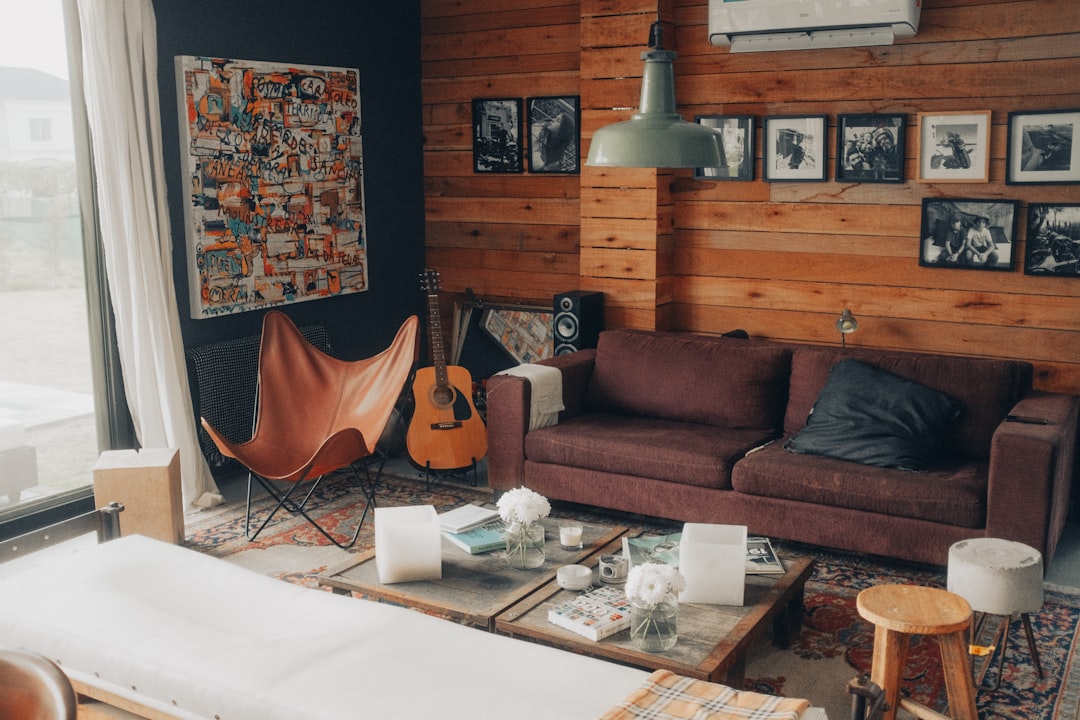
The delivery truck arrives, but your three-door display cabinet stays on the pavement — that last flight of stairs to your walk-up apartment in Tiong Bahru or Joo Chiat wasn't in the quoted fee. Stair climb charges are still a standard, if sometimes hidden, line item for many furniture deliveries across Singapore. For a large, solid wood unit, you might budget an additional $80 to $150 for a third-floor walk-up; confirm this with your retailer before payment, as the crew won't proceed without settling it. It's a practical cost for the labour, but it can sour the delivery day if you're caught unaware.
Flat-pack assembly, while a common way to reduce delivery complexity, introduces its own risks. Self-assembling a complex cabinet with glass shelves and lighting can easily void its warranty if a misaligned connector compromises the structure. Professional assembly, while an added cost, ensures the piece meets the manufacturer's specifications for weight distribution and stability — critical for a tall unit in a space-constrained HDB living room. It's the difference between a cabinet that lasts a decade and one that develops a persistent, worrying lean after six months.
The warranty itself is your clearest signal of material confidence. A ten-year frame warranty, typically offered on solid rubberwood or engineered wood cabinets, suggests the maker trusts the joinery and core materials to endure Singapore's humidity cycles. Scrutinise what's covered: the frame and structural components should be included, while glass, lighting elements, and mechanical hardware like soft-close hinges often have shorter, separate terms of two to five years.
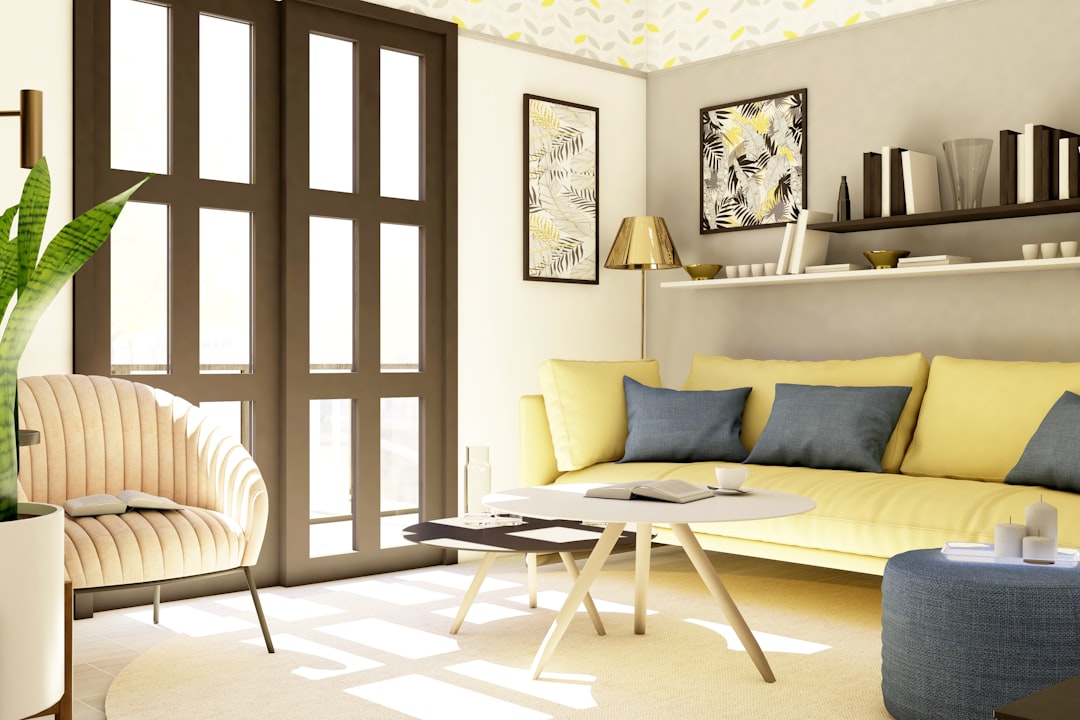
That long warranty isn't a promise of perfection, but it does shift the burden of proof. If a cabinet door sags or a shelf bracket fails in year eight, you have a legitimate claim, provided you followed the care instructions and used professional assembly. It's a quiet guarantee that the piece was built for the long term, not just styled for a quick sale. For BTO owners planning their first living room, this foresight is often more valuable than a slight upfront discount.
Enhance your displayed items with customizable LED lighting strips installed within the cabinet's framework. You can select from warm to cool light temperatures and choose between spotlighting specific shelves or creating a uniform ambient glow. This feature turns your cabinet into a dramatic focal point, beautifully illuminating collectibles and artwork day or night.
Tailor your cabinet with practical additions like soft-close hinges, lockable glass doors, or discreet cable management channels for electronics. Incorporate specialized storage such as wine glass racks, deep drawers for linens, or a dedicated media compartment. These bespoke features ensure the unit not only displays but also actively serves your daily living room activities.
Choose from a curated selection of premium woods, laminates, or lacquered finishes to match your existing living room furniture aesthetic. Options include warm oak, sleek high-gloss white, or rich walnut veneers to complement your decor style. This personalization creates a cohesive look, making the display cabinet a natural extension of your room's design narrative.
The most common questions about display cabinets here aren't about style—they're about survival. Humidity, lift logistics, and child safety dominate the conversation, turning what should be a decorative choice into a series of practical puzzles.
Can it withstand monsoon humidity? That’s the first hurdle. A cabinet with sealed edges, a proper lacquer finish, and climate-suitable wood like solid rubberwood or treated oak won’t warp or develop mould. It’s a non-negotiable; you’ll see the failure in a single wet season if the construction isn’t right.
Will it fit the HDB lift? Most flat-pack boxes are designed for exactly that, but you still need to check the dimensions against your building’s lift and corridor. The real integration challenge is visual: matching a new cabinet’s leg height and depth to your existing TV console creates a unified storage wall, rather than a collection of mismatched blocks.
Is the glass safe for young children? Tempered glass is a must—it crumbles instead of shattering into shards. Adding clear anti-slip pads under decorative objects adds another layer of security against curious hands. In many homes, the lower shelves simply become home to heavier, less fragile items, turning potential hazard into robust display.
And while customisation is an option, the standard depths and widths from a retailer’s collection often solve the spatial equation for a 4-room BTO living room. You just need to know which questions to ask first.
The most common mistake is measuring the cabinet, not the wall. A 180cm-wide cabinet won't fit a 180cm recess; you'll lose 10cm for ventilation at the back, and that's before accounting for skirting boards. Grab a tape measure, note the exact width and height of your allocated space, then subtract that 10cm buffer. In many HDB living rooms, that leaves you with a realistic width of around 220cm to 250cm for a full-wall unit — a figure that immediately narrows down your search.
That space dictates your storage philosophy. Open display versus closed storage isn't just an aesthetic choice; it's a maintenance contract. Glass doors are a practical shield in Singapore's humid, dust-prone environment — ideal for delicate ceramics, camera gear, or that prized Lego set you don't want to clean weekly. Conversely, daily-use items like board games, remotes, or children's toys belong in accessible drawers or lower cabinets; if you need it every day, you shouldn't be fumbling with a key or a fiddly latch.
Confirming household needs means being brutally honest about what you actually own. A couple in a Tampines condominium might need a cabinet primarily for barware and books, while a family in a 4-room BTO likely requires mixed storage for display and toy containment. The internal configuration is where customization pays off: adjustable shelves for tall vases, deeper drawers for photo albums, or a dedicated compartment for a gaming console with cable management cut-outs.
Finally, set a firm budget that includes delivery and, if needed, installation. In Singapore, delivery fees can add $80 to $200 depending on location and item size, a cost often forgotten in the showroom. A total budget of $1,200 to $2,400 typically covers a well-constructed, mid-sized display cabinet with these services included. Walk in with your dimensions, storage plan, and final number; it turns a browsing trip into a decisive purchase.