
The 75 sqm BTO open-plan living area isn’t just a space constraint; it’s a directive. Every piece must multitask, and a bookshelf often becomes the room’s structural anchor, dividing dining zone from sofa without blocking light. Finish choices here tilt toward lighter oak laminates or whitewashed wood—they reflect what little afternoon sun filters into a north-south corridor block, and they won’t visually shrink the 3.5-metre width. Humidity’s a quiet factor, too; that same open layout means air-conditioning’s cool reach is limited, so engineered wood with a good sealed edge often outlasts solid timber that might warp near the service yard doorway.
Step into a 120 sqm condo unit in District 15, and the calculus shifts. You’ve likely got a dedicated wall for a feature piece, maybe between full-height windows facing Bedok Reservoir. Here, the finish can carry more visual weight—a dark walnut veneer or a charcoal laminate makes a deliberate statement against off-white walls. Sunlight exposure is direct but managed; that western sun blazing through the glass demands UV-resistant coatings unless you want your book spines faded in a year. Condo layouts often allow for deeper shelves, too, which can handle the heft of a darker, more substantial material.
Landed property formal lounges operate on a different scale entirely. A semi-detached house in Serangoon Gardens might dedicate a 25 sqm room purely for display, where the bookshelf is less about storage and more about composition with existing teak panelling or marble accents. Humidity isn’t uniform—the sunroom annex might be muggy, while the interior lounge stays bone-dry from constant air-con. You’ll see more full solid wood constructions here, like oak or even reclaimed chengal, because the budget and space allow for material that breathes and moves with the seasons.
That variation in environment dictates your maintenance reality. A laminated shelf in a humid, enclosed HDB corner needs regular wiping to prevent mould spots, while a solid wood piece in a landed home’s dry interior might just need an annual polish. It’s less about the price tag and more about matching the material’s temperament to your home’s microclimate. For many, the safest pivot is toward modern laminates that mimic wood grain convincingly; they’re indifferent to the weather, and they let you prioritise form over a constant fight against nature.
The finish, then, isn’t merely an aesthetic choice—it’s a response to your home’s specific physics. A high-gloss white might bounce light beautifully in a dim central corridor unit, but it’d be glaring in a sun-drenched bungalow lounge. Start by observing the light and feel of the wall where the shelf will live for a full day; you’ll notice the damp patches, the sun tracks, the way the space actually breathes. That tells you more than any swatch can.
The glossy white bookshelf that looked flawless in the showroom at Suntec will start to cloud and swell within a year in a ground-floor Bukit Timah terrace house. Singapore’s persistent 80% humidity is a relentless material test, quietly warping untreated wood and delaminating low-grade particleboard. For any piece that’s meant to last, you’ll want to prioritise moisture-resistant materials; sealed solid woods like treated rubberwood or acacia, or quality laminates with tight, waterproof edging, become essential rather than optional. They’re the difference between a piece that survives the monsoon seasons and one that quietly disintegrates.
Scale is the other silent constraint, especially in a 4-room BTO living room where every centimetre counts. A tall, vertical design that climbs toward the ceiling makes far more sense than a wide, low unit that eats into precious floor space—it’s a strategy for a study nook in a Tampines HDB, turning a dead corner into functional storage without congestion. The footprint is minimal, but the utility is maximised.
Then there’s the reality of daily living. That sleek, high-gloss laminate finish might promise a modern centrepiece, but it’s a magnet for fine scratches from pet claws or the determined grip of toddler hands. In many homes, a matte or textured finish, or even a wood veneer with a satin seal, will wear its age more gracefully, absorbing minor scuffs into its character rather than highlighting them. It’s a practical concession that often leads to a more relaxed, lived-in aesthetic anyway.
Finally, consider the microclimate of the specific spot. A shelf placed directly against an exterior wall in an older Pasir Ris flat may experience more dampness than one on an internal partition, suggesting a need for a finish with a fully sealed back panel. It’s these local conditions—the afternoon sun streaming into your Bedok living room, the salt air near Marine Parade—that should have the final say in your selection, steering you toward resilience over pure, and often fragile, appearance.
Tap the side panels of any bookshelf you're considering; a hollow, papery sound usually means particleboard or MDF. That's a genuine concern for a long-term piece in a humid climate, where moisture can cause these engineered cores to swell over time. Solid wood frames, often rubberwood or acacia in many local collections, offer far greater stability and heft. They won't degrade in the same way, ensuring the shelf's structure remains true even after years in a non-air-conditioned living room. While more expensive, that solidity translates to a longer lifespan, making it a sensible investment for a BTO owner planning a decade ahead.
Run your fingers along every exposed edge, especially near the bottom and back where flaws are often hidden. A quality wood veneer should feel completely smooth and seamless, bonded perfectly to the substrate beneath it. Any roughness, bubbling, or a visible line where the veneer might be starting to lift is a major red flag. In Singapore's humidity, that tiny gap is an invitation for moisture to seep in, leading to peeling that you can't easily fix. It's a detail many overlook in the showroom, only to regret it six months later in their Tampines flat.
For laminate finishes, which are incredibly practical in many homes, the critical test is at the seams and corners. Press firmly on these joints; they should feel tight, flush, and impossible to catch a fingernail on. A poorly applied laminate will have slight ridges or, worse, visible gaps where the material meets. Those gaps aren't just unsightly—they'll collect dust and grime, becoming impossible to clean properly. A well-sealed, seamless laminate surface, however, can withstand the occasional damp cloth and years of use while still looking crisp.
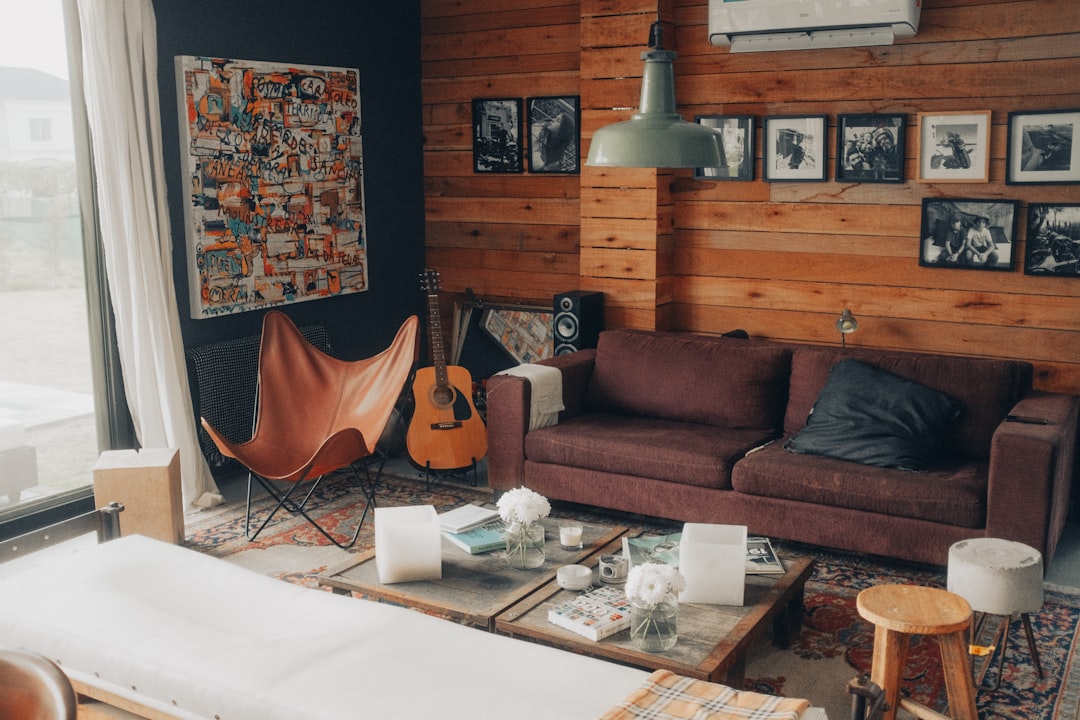
Don't be shy about testing the weight of a display unit. A surprisingly light bookshelf often indicates thinner materials and less robust construction, which can lead to wobbliness once fully loaded with books and decor. Good stability, crucial for safety in a family living room, comes from substantial materials and proper joinery. That physical heft is a tangible signal of durability, suggesting the piece will stand solidly on your ceramic tile or parquet without needing to be anchored to the wall. It's a simple, old-school metric that rarely lies.
The true test for any material in our context isn't just the showroom floor, but how it handles constant moisture in the air. Solid woods and high-pressure laminates are champions here, as they're less prone to warping or expanding compared to cheaper, porous boards. You'll want to avoid any finish that feels thin or plasticky, as those can crack or discolour over time. A piece that feels substantial and well-finished from the inside out is engineered for this environment, not just copied from a catalogue designed for a temperate climate.
Start by identifying the dominant colors in your living room, such as those found on your walls, large furniture pieces, and area rugs. Look for undertones in these colors, like warm woods or cool grays, to guide your finish selection. Choosing a bookshelf finish that complements these existing hues creates a cohesive and intentional look.
Pay attention to the materials already present, such as metal lamp bases, a leather sofa, or woven textiles. Select a bookshelf finish that either matches this material family or provides a pleasing textural contrast, like a matte finish against glossy surfaces. This layer of detail ensures your new piece feels integrated rather than突兀.
Determine if your decor leans modern, traditional, rustic, or eclectic. A sleek lacquer finish suits contemporary spaces, while a wood grain with visible character aligns with farmhouse or traditional styles. Matching the finish's style to your room's overarching theme guarantees the bookshelf enhances the desired atmosphere.
A dark walnut bookshelf in a north-facing HDB corridor won’t look rich and moody—it’ll just vanish. That’s the classic finish mistake: picking a colour swatch under showroom lights without imagining it in your own flat’s actual light. North-facing spaces, common in many BTO layouts, get cool, indirect light at best; a deep brown finish in a windowless hallway can read as a flat, shadowy void, making the space feel even narrower. You’re better off with a lighter oak or a whitewashed finish to bounce what little light there is back around.
Ignoring undertones is another frequent misstep, especially when matching new furniture to existing walls. A warm honey oak against popular cool grey feature walls creates a visual clash that feels unsettled, not curated. The oak can look dated or yellowish, while the grey feels sterile. It’s not about matching colours exactly, but about aligning temperature—pair cool grey walls with a finish that has grey or ash undertones, or commit to a warm scheme with beige walls and warm timber.
Then there’s the purely practical error: forgetting to measure the journey, not just the room. A tall, assembled bookshelf won’t make it up a narrow staircase or into a service lift in many older condominiums or upper-floor flats without a cargo lift. You need to measure your doorframes, stairwell landings, and even the interior lift dimensions before committing to a large piece; otherwise, you’re paying for delivery only to face an expensive return or a risky disassembly on your doorstep. It’s a logistical headache that’s entirely avoidable with a tape measure and a phone call.
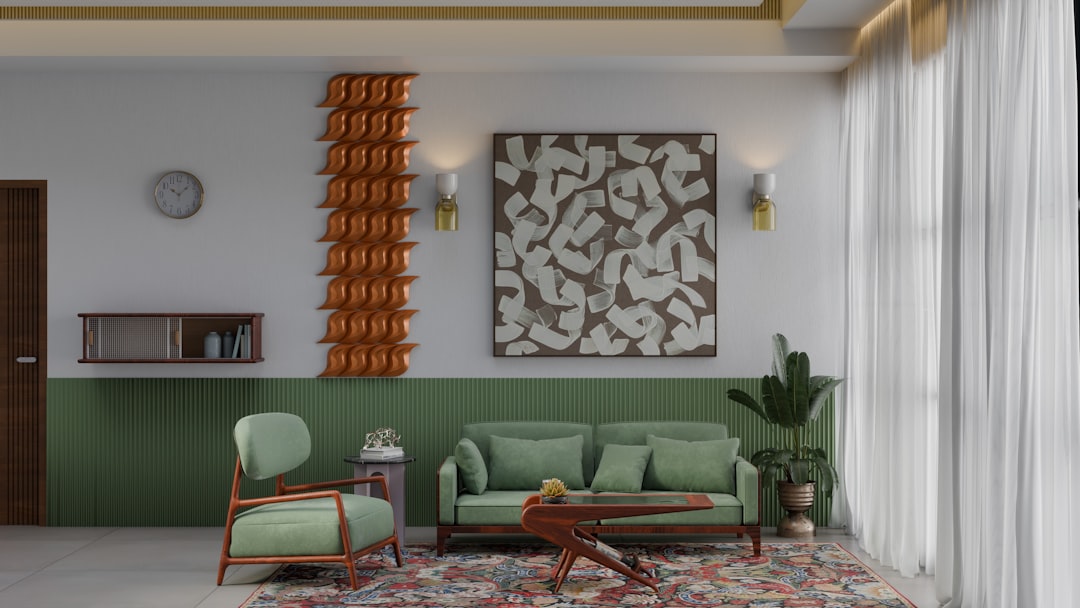
For open-plan living and dining areas, where bookshelves often act as room dividers, a monolithic dark finish can feel too heavy. In a typical 4-room BTO layout, a lighter, low-sheen finish like bleached maple or light oak helps the piece feel like part of the architecture, not a blockade. The goal is to complement the room’s flow, not interrupt it—which is why so many homeowners end up favouring finishes with a bit of grain character and minimal stain over solid, opaque colours.
A common mistake when selecting a bookshelf is choosing a finish that looks perfect under showroom lights, then turning grey or pink in the afternoon sun that floods your 4-room BDB corridor-facing window. That’s where the controlled environment at Megafurniture’s Joo Seng showroom proves its worth. You can place the same oak veneer or matte laminate sample under an LED panel, then walk it over to a daylight simulation booth to see how it shifts — a critical check for anyone trying to match existing teak or rosewood tones in a landed property living room. It’s also the only place you can properly test the hardware that defines a piece’s lifespan. Open and close a drawer two dozen times; feel for that tell-tale wobble or the smooth, full-extension glide of a steel runner. Press down on a shelf loaded with dummy books to gauge its flex. This tactile vetting matters more than any product description, especially for storage that’ll hold your vinyl collection or serve as a media console. Perhaps the most valuable exercise is visualising a built-in system against a standalone unit in your specific layout. Stand in front of a floor-to-ceiling storage configuration, then turn to a similar-sized freestanding bookcase. The difference in how they command a wall in a narrow HDB living room is stark — one offers a seamless, architectural look, while the other provides flexibility for your next move. You’ll quickly see which suits your long-term plan. Ultimately, a showroom visit transforms abstract dimensions and online swatches into a physical decision. You’re not just browsing furniture; you’re stress-testing it against Singapore’s light and your own living habits before committing. It’s a practical step that saves the hassle of returns and redecorating later. To explore the possibilities, you can browse their
living room collectiononline, but the real assessment happens in person.
Delivery day in Singapore often involves more logistics than just a truck and a handshake. For older HDB blocks, particularly those built before 1990, confirm lift access well in advance — many lack lifts that can accommodate large furniture boxes, and you’ll likely face a stair-climbing fee that can add a few hundred dollars to your final bill. Condominiums have their own rules; it’s common for some developments in areas like Katong or Newton to restrict large deliveries to specific weekday hours, like Tuesday and Thursday afternoons, to minimise disruption. Planning around these details avoids the unpleasant surprise of your new bookshelf sitting in the loading bay for a week.
Assembly services are typically included with larger furniture purchases, but it’s worth clarifying the scope. A professional team will get your unit built and levelled in your 4-room BTO living room far quicker than you could, and they’ll handle the disposal of all packaging — a genuine blessing in a neighbourhood where the recycling chute won’t take cardboard that size. Just ensure someone is home to supervise, as installers usually require a signature upon completion before they leave.
The standard warranty for living room furniture here is 12 months, covering manufacturing defects in materials and workmanship. This generally means a warped shelf or a faulty drawer runner will be addressed. You should, however, check the fine print on environmental damage; most warranties won’t cover termite infestation or moisture damage from our high humidity, which is a separate maintenance issue for the homeowner. It’s a pragmatic distinction, but one that means you’ll want to keep your rubberwood or oak bookshelf away from damp walls and plumbing lines.
For peace of mind, take clear photos of the assembled piece in good light before the installers depart, documenting its condition. That creates a clear baseline should any issues arise later. When comparing your options, verifying these logistical and support terms is as crucial as assessing the finish — a beautiful espresso-stained unit is little comfort if it’s stuck in a lorry or you’re left with a warranty claim for swelling you can’t prove.
Laminate can match a teak TV console, but it’s a specific kind of match. You’ll want a laminate finished to replicate teak’s grain and warm tone, not just a generic wood-look. The challenge is depth; real teak has a slight oiliness and variation that flat laminate can’t capture. In a living room where the console is a focal point, a close colour match from a metre away is possible, but the feel under hand light will differ. For a unified look, consider pairing it with other laminate pieces in the same finish family to create a deliberate, consistent theme rather than an exact replica. White bookshelves in high-pollution areas—think units near major roads like Eunos or industrial zones—require a finish that can be wiped down without yellowing. A matte or satin lacquer over solid wood or MDF tends to resist grime better than a raw painted finish. The key is weekly dusting with a microfibre cloth and a quarterly wipe with a diluted vinegar solution to prevent acidic deposits from etching the surface. Avoid abrasive cleaners; they’ll strip the protective layer and let pollution stain the substrate. Rattan-style finishes for landed home patio rooms are about material, not just look. Actual rattan is porous and can degrade under constant sun and humidity. A better solution for a Singapore patio is a rattan-pattern laminate or a powder-coated metal frame with synthetic weave. These withstand the moisture and UV exposure far better, retaining their shape and colour without the mould risk of natural fibres. For a true outdoor setting, look for finishes explicitly rated for exterior use. Regarding expansion under constant air-conditioning, engineered wood products like high-density MDF or laminated particle board typically expand and contract less than solid timber. The adhesive layers and uniform composition resist the humidity shifts that come with cycling the AC on and off. If you’re pairing bookshelves with an existing
TV console from the same collection, opting for the same engineered core material across both pieces minimises differential movement, keeping gaps and alignments consistent over years.
A buyer can fall in love with a bookshelf's espresso finish online, only to find it reads as flat black under the harsh downlights of a Tampines condo. That's the moment you regret not bringing your own lighting into the showroom. Your phone's torch is a brutally honest tool; sweep it across the grain to check for texture, and hold your paint swatch or fabric sample right against the surface. A cool grey laminate might clash with the warm oak of your existing TV console, a mismatch that's impossible to ignore under direct light.
Don't just assess colour—verify the timeline. Lead times for solid wood or custom-sized units can stretch to twelve weeks, a detail that becomes critical if your BTO key collection is in eight. Cross-reference the supplier's promised date against your renovation contractor's schedule and your temporary storage window; the last thing you need is a 2.4-metre shelving unit arriving before your flooring is laid. For integrated projects, this coordination is non-negotiable.
Bringing a photo of your actual room, taken from the corner where the shelf will go, provides scale that measurements alone can't. It helps visualise how a unit with closed cabinets at the bottom will anchor a space, or whether a floating design will feel lost on a long wall in a 4-room HDB layout. Showroom consultants use these references to flag practical issues—like whether a proposed depth will obstruct a walkway to the balcony.
That final verification often happens at a physical showroom, where you can test drawer glides and door hinges yourself. It's the difference between guessing and knowing. If your research points you toward a specific collection, it's worth the trip to a larger format store to see the full range in context; you can browse the living room furniture options at Megafurniture's Tampines or Joo Seng showrooms to compare several finishes side-by-side under the same light. Just remember your swatch.
" width="100%" height="480">Selecting bookshelf finishes: matching your existing living room decor (how_to)