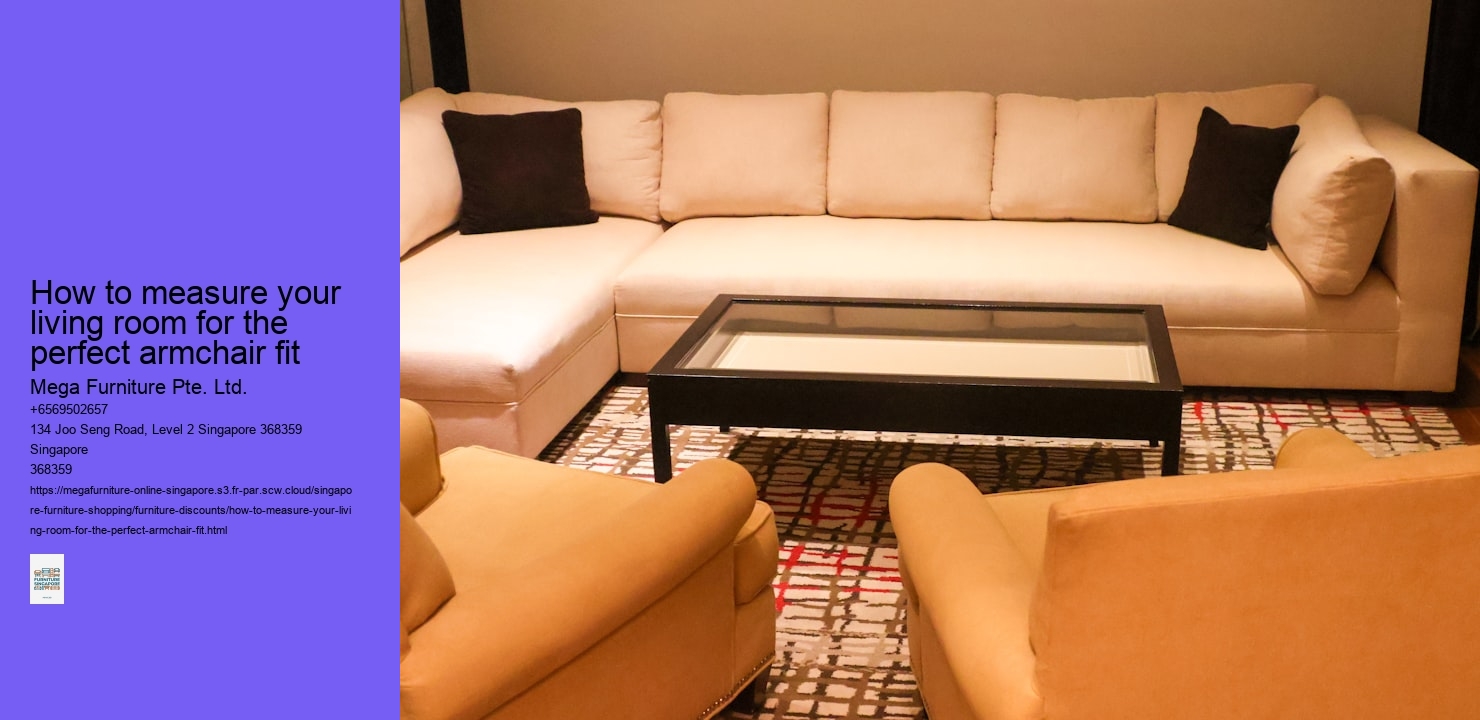
The classic four-room BTO’s living area is often a 90 sqm rectangle, but that figure is deceptive—it’s a total floor area that includes bedrooms, leaving a living room where the main wall is frequently interrupted by a bedroom door swing. In a typical resale HDB corridor layout, you’re navigating a long, narrow space where the main circulation path cuts directly through the seating zone; an armchair can’t just fit the floor area, it must leave a clear 900mm walkway so family can pass to the kitchen without squeezing sideways. Compact condominium layouts, common in projects near Eunos or Bedok, often feature open-plan living-dining areas with structural columns or balcony doors that carve into usable wall space, forcing furniture into the centre of the room.
Contrast this with the expanses of a terraced house in Katong or a semi-detached in Bukit Timah, where the living room might be a dedicated 30 sqm hall with multiple clear walls. Here, the challenge isn’t door clearance but proportion—a petite accent chair can look lost in a vast space, demanding a larger club chair or a pair arranged in conversation. The difference is one of circulation versus congregation; in tighter spaces, every piece must serve a dual purpose of seating and spatial definition.
That’s why armchair placement hinges on more than square footage. In many HDB flats, the ideal spot for a reading chair is often the corner diagonally opposite the television console, a location that must account for the arc of a swinging main door or the pull of a sliding balcony door. A chair that’s a perfect 750mm wide might still block a walkway if its depth, including the splayed legs of a mid-century modern design, extends beyond the intended footprint. It’s a spatial puzzle where the solution is a tape measure and a careful mapping of all door swings and permanent obstructions.
Material choices follow suit. Performance fabrics like Crypton or velvet make sense in compact homes where furniture is constantly brushed past, while a landed property’s formal living room might justify the care required for a full-grain leather chair. Ultimately, understanding your room’s typology—its fixed paths and immovable points—is the first step to choosing a chair that fits not just the room, but the life lived around it.
A tape measure pulled across a dry floor in a showroom is one thing; the same measurement in a Singapore living room, after an afternoon downpour, is another. You’re not just measuring for the armchair itself, but for the space it must live in—a space governed by humidity, air-con units, and the standard 2.4 metre HDB ceiling.
Start with the intended footprint, but add a 5 to 10mm expansion gap on each side for solid wood frames. That’s the non-negotiable buffer for our 80% plus humidity, which can cause a snug fit to become a destructive press against your TV console or wall. Next, get vertical: from the floor to the bottom of your window sill is a critical height, often overlooked until you realise your dream high-back chair blocks half the light and the view of the neighbourhood basketball court.
Account for the room’s existing machinery. Map the drip line from the air-con unit—a constant, slow leak that will ruin an unprotected fabric or wood finish if the chair is parked directly beneath it. Then, look up. If you have or plan to install a ceiling fan, measure its lowest arc; a tall wingback or recliner must clear that spinning plane by at least 300mm for safety and to avoid that unnerving breeze-on-the-crown sensation.
Finally, do the clearance dance around your permanent fixtures. Pull the chair out from the wall, as you would to vacuum or to adjust a floor lamp, and ensure it doesn’t clip the edge of your media console. In many 4-room BTO layouts, that often means choosing a compact accent chair over a sprawling recliner, sacrificing some sprawl for the ability to actually move around it. It’s a practical trade-off that defines most local living rooms.
A solid wood frame isn't just a preference; it's a necessity for enduring Singapore's humidity. Kiln-dried hardwood, like rubberwood or oak, has had its moisture content forcibly reduced, so it won't warp or crack when it inevitably absorbs more from our air. MDF or particleboard, especially at critical joints, will swell and crumble over a few humid seasons — a common failure point in many budget chairs. That initial creak when you sit down often signals a frame that's already fighting a losing battle. Prioritise treated solid wood; it's the unseen backbone that determines whether your chair lasts five years or fifteen.
Your fabric choice is the first line of defence against sweat, spills, and that persistent dampness. Performance linens and crypton fabrics are engineered to resist moisture and stains, making them far more practical than untreated cotton or delicate silks. They breathe better than cheap synthetic leather, which can turn a chair into a sticky, uncomfortable perch in an un-air-conditioned living room. In many landed homes or older flats where air-con isn't always running, this resistance is non-negotiable. A good performance fabric doesn't just look good — it actively manages the climate it sits in.
Eight-way hand-tied springs are the gold standard for seat suspension, creating a durable, responsive base that won't sag. This old-world technique involves knotting each spring to its neighbours in eight directions, distributing weight evenly and preventing that dreaded permanent dip. Cheaper alternatives, like drop-in units or sinuous wire springs, often fail at the ties or lose tension, leading to a noisy, uneven seat. It's a hidden detail you feel rather than see, but it defines long-term comfort. Don't just sit on a chair; ask what's holding you up.
Open the upholstery at a leg joint in any showroom; if you see a solid wooden triangle screwed and glued into the corner, that's a quality signal. These corner blocks reinforce the most stressed points of the frame, preventing joints from loosening and wobbling with daily use. Chairs without them rely solely on glue and screws, which can work loose as the wood expands and contracts. It's a simple, almost archaic piece of construction that speaks volumes about a manufacturer's commitment to durability. In a well-built chair, every stress point is anticipated and fortified.
Steer clear of materials that quietly degrade in our environment: untreated paper-backed veneers, low-density foams, and non-galvanised staples. That veneer will peel in humidity, the foam will turn to powder, and the staples will rust from within, causing fabric to pucker and tear. In a typical 4-room BTO where the living room might not be constantly cooled, these components fail first. They're cost-cutting measures that lead to a chair's premature, often inexplicable, collapse. Your living room isn't a controlled showroom; its furniture must be built for the real climate outside it.
The armchair that looked perfect in the showroom often becomes a logistical headache at the HDB lift lobby. Buyers forget to check the clearance from the service lift to their unit door—a tight 90-degree turn with a bulky, fully assembled chair can mean an expensive return before you’ve even sat down. It’s a common oversight that turns delivery day into a negotiation with movers, especially in older blocks around Bedok or Toh Guan where corridors narrow unexpectedly.
Scale is another frequent misjudgement. In a typical 4-room BTO living room of around 12 sqm, a large, high-winged armchair can dominate the entire space, blocking the walkway to the balcony and making the room feel cramped. You’ll want to leave at least 60cm for circulation paths; that plush, deep-seated model you loved might leave you sidling past it every day. A compact slipper chair or a design with exposed legs often works better, creating a sense of airiness in these compact, multi-functional spaces.
Material choices often clash with local realities. Dark grey or navy upholstery might seem practical, but in a landed home with open windows and higher dust circulation, it shows every single speck—you’ll be reaching for the lint roller weekly. Conversely, light linen in a household with cats or small dogs is a recipe for visible claw marks and stubborn fur. The solution isn’t just colour, but fabric technology: performance velvets or tight-weave chenilles that resist snagging and are easier to clean tend to outlast more delicate materials, which is why they’re a staple in many collections.
There’s a tendency to prioritise aesthetics over pet-proofing in a country where small dog and cat ownership is prevalent. That beautiful bouclé or loose-weave wool is an open invitation for claws to catch and unravel. It’s a classic post-purchase regret, realised only when the shredding begins. For households with animals, the armchair’s fabric needs to be as much a consideration as its footprint—durability often trumps a fleeting trend.
A photograph of a bouclé fabric on a website tells you nothing about how it’ll feel in Singapore’s humidity, or whether it’ll snag after a year of daily use. That’s the core problem with buying any significant living room piece sight-unseen; you’re trusting a pixel grid to communicate texture, density, and proportion. A visit to a showroom like Megafurniture’s at Joo Seng or Tampines flips that script entirely — it’s about physical verification before you commit.
You can press your hand into a cushion to gauge foam density, a critical factor for an armchair that needs to hold its shape in a high-traffic area. Run your fingers over a performance velvet to assess its breathability, or test the give in a rubberwood frame. This tactile assessment is impossible online, and it often reveals that the mid-tier fabric option feels more substantial than the pricier ‘premium’ one. You’ll know immediately if a material will be a sweat magnet or a practical choice for your east-facing living room.
Beyond materials, the showroom’s mock-up room vignettes are arguably more valuable. These staged layouts, often reflecting common 4-room BTO or compact condo dimensions, let you test how an armchair’s proportions actually work in a defined space. Can you still walk comfortably from the dining area to the balcony? Does the chair’s high back block a critical sightline to the television? Staff can then advise on customisations — perhaps a slightly shallower seat depth or a different arm style — to better suit your specific floor plan.
That human element matters. A good sales advisor has seen hundreds of real living rooms in Bedok or Punggol flats; they can point out that a swivel base, while appealing, often eats more floor space than a fixed one, or suggest a leggier design to create an illusion of space in a 12 sqm area. It’s this combination of hands-on testing and tailored advice that turns a speculative purchase into a confident one. You leave knowing the piece will fit, both physically and aesthetically, in your actual home.
" width="100%" height="480">How to measure your living room for the perfect armchair fitThe delivery truck that can't fit under your multi-storey HDB's porch is where the real logistics begin. Expect a surcharge for that—typically $30 to $80 depending on the storey and whether lift access is available—on top of the standard islandwide fee. For landed homes, the calculus shifts to whether the item can clear the front door; many buyers in older terrace houses end up coordinating via the back lane. It's a process that requires patience, a clear path from the lift lobby to your unit, and a readiness to pay for the vertical climb.
Assembly in a 4-room BTO flat usually involves two technicians working for 30 to 90 minutes, depending on the piece's complexity. They'll handle the main build while you hover, answering questions about orientation in the 12 sqm living room. You're not just buying furniture; you're orchestrating a small-scale logistics operation, where the lead time—often 4 to 12 weeks for made-to-order items—becomes critical for BTO move-in coordination. Miss that window, and you're sitting on foldable chairs for a month.
Warranties here are a tale of two climates. The perpetual humidity is a silent test for frame integrity, which reputable warranties should cover for a decade against warping or joint failure. Fabric wear and fading from our intense sun, however, are almost always considered consumable; you'll get a year, maybe two, before that's deemed normal wear and tear. It's a distinction that makes material choice—performance fabrics over standard linens—a practical, not just aesthetic, decision.
That mild surprise when the assembly team shows up exactly during the three-hour window you were given is a small victory in Singapore furnishing. It means the schedule held, the item was in the Woodlands warehouse as promised, and your living room refresh is finally underway. You can start planning where the side table will go.
The most common armchair questions from Singaporean buyers don't ask about style first—they ask about clearance widths, fabric pilling, and whether the delivery truck can even park outside their HDB lift lobby.
'Armchair for narrow HDB corridor' means you need a seat width under 80cm, ideally with arms that don't flare out. That’s because many older flats have corridors measuring just 90cm clear; you’ll need a 10cm margin to walk past without brushing the fabric every time. Look for compact accent chairs around 75cm wide, with vertical arms—the classic wingback style often fails here because its wings extend beyond the seat frame.
'Best fabric for humidity and kids' is a two-part problem. Performance fabrics like Crypton or moisture-resistant velvet handle the sweat and mildew, but you’ll want a tight weave that withstands crayons and spills. Chenille looks cosy but can snag; a good polyester-blend velvet with a stain-resistant finish often works for that 4-room BTO with young children, where the armchair sits between the play area and the dining table.
'Can fit armchair in 3-room BTO?' depends entirely on your living room’s post-renovation layout. The typical new BTO living room is around 3.6m by 3.9m; after you place a 2.1m sofa and a TV console, you’re left with a corner of about 1.2m square. An armchair under 85cm wide fits there, but you must check the depth—anything over 95cm deep might block the balcony door or aircon flow.
'Difference between condo and landed living room furniture scale' is about volume, not just floor area. A condo living room might be 4m by 5m, but with low ceilings and built-in features, it feels visually full quickly. A landed property living room often has higher ceilings and longer walls; you can use a larger-scale armchair with taller back, heavier legs, and more substantial upholstery without crowding the space. In many landed homes, the armchair becomes a proper reading chair by a window, not just an accent piece tucked beside the sofa.
Your floor plan and the online product specs should match exactly—a 95cm width is not 90cm, and that difference can block a walkway in a 4-room BTO layout. Cross-reference every dimension you recorded against the retailer’s technical sheet; the depth of an armchair often gets mismeasured, especially if you included the outward sweep of its arms. It’s a tedious step, but it prevents the single most common delivery-day surprise: a piece that simply won’t fit where you envisioned it.
Confirm the cleaning requirements for your chosen upholstery, too. A performance velvet might only need a damp cloth, while a natural linen or bouclé could require professional dry cleaning. Check if those specialised services are actually available in your neighbourhood—some estates in Woodlands or Jurong West have fewer options than Tampines or the city centre. You don’t want a $1,800 armchair ruined after one spilled curry puff because the cleaning method isn’t practical for your lifestyle.
If you’re ordering a showroom piece you sat on, verify its stock availability against your move-in or renovation completion month. Supply chains are smoother now, but popular items in colours like olive green or rust still face delays. A “two-week lead time” can easily stretch to eight if you’re coordinating with your contractor’s schedule in July, a peak period for home projects. Always get a confirmed estimated delivery date in writing before payment.
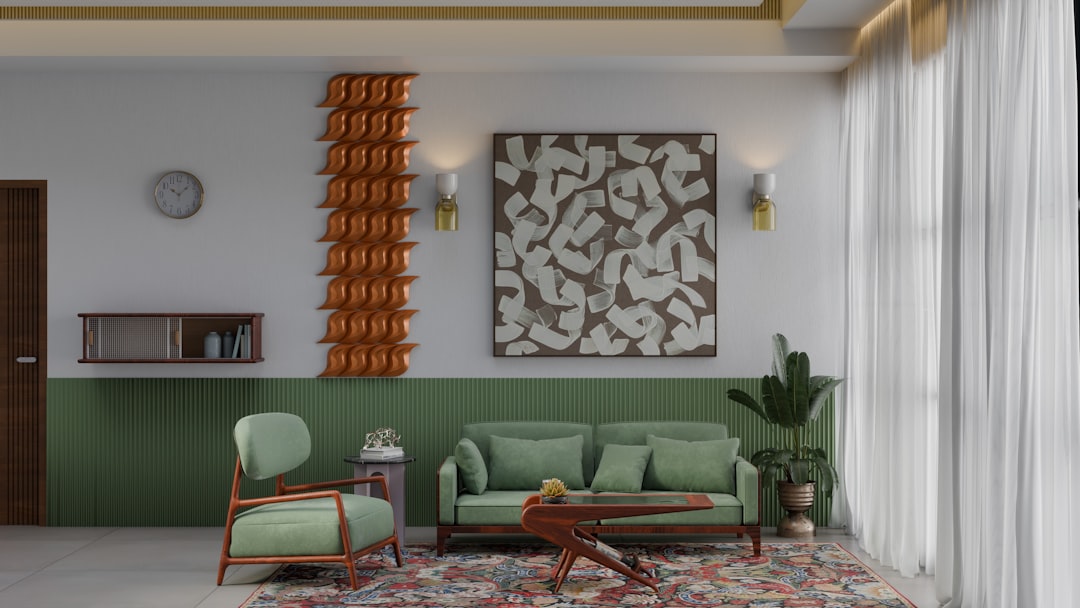
The final decision typically rests on three concrete factors: physical footprint, material longevity, and total delivered cost. That last one is crucial—factor in delivery fees to your postal sector, any assembly charges, and potential costs for removing old furniture. A $1,200 chair that costs another $150 to bring to your 12th-floor HDB flat in Bedok has a different value proposition. Weigh the chair’s daily utility against its total price; the right choice is the one that fits your space, your maintenance tolerance, and your final budget without compromise. You can explore a broad range of options to finalise your selection at Megafurniture’s collection.
Account for the armchair's full height, including any high backs or decorative top details. Verify this height against nearby shelves, windows, or art on the wall to prevent visual crowding or physical interference. Proper vertical fit ensures the chair integrates smoothly into the room's existing vertical landscape.
Compare the dimensions of your potential armchair to other large furniture pieces, like your sofa or media console. The chair should complement these existing items in scale, avoiding a look that is either dwarfed or overwhelmingly large. Visual balance within the room's layout is crucial for aesthetic harmony.
Identify and measure the main walking routes through your living room to the armchair's intended spot. Ensure there is ample clearance—typically at least 24 inches—for comfortable passage without squeezing past furniture. This guarantees the chair won't disrupt daily traffic flow or feel obstructive once installed.
Before measuring, remove any temporary items like floor plants or small stools from the area where the armchair will go. This ensures you are measuring the actual available floor space, not a cluttered approximation. A clear floor gives you the true dimensions for placement and walkability around the new chair.
Determine the primary use for the armchair, such as reading, conversation, or media viewing. Measure the space needed to support that activity, including room for a side table, lamp, or necessary reach distances. This creates a dedicated, functional nook rather than just a randomly placed piece of furniture.