
A standard three-seater sofa in Singapore typically stretches 210cm wide, which can consume an entire short wall in a 12 sqm HDB BTO living room. That leaves precious little real estate for an accompanying armchair, especially when you factor in the non-negotiable 60cm clearance for walkways that keep a narrow layout from feeling like an obstacle course. In such a space, an armchair’s footprint isn't just about its dimensions on paper; it’s about whether you can actually open its adjacent side table drawer without banging your knee on the sofa arm.
Measure your actual floor plan, not the property type. A landed property living room might be 30 sqm on paper, but if it’s a long, narrow gallery space, you’re still working with HDB-like circulation constraints. The key is to tape out the proposed furniture on your actual floor—using masking tape or newspaper—to visualise the walkways you’ll use every day. That exercise often reveals a brutal truth: a generously scaled accent chair you loved in the showroom simply won’t fit without blocking the path to the balcony or creating a frustrating pinch point.
With local sofa depths often around 95cm, placing an armchair directly opposite requires at least 150cm of free floor space to feel comfortable, a luxury many four-room flats don’t have. This pushes the chair to a perpendicular position, tucked into a corner or floating alongside the sofa, where its width and arm design become critical. A bulky, rolled-arm club chair can dominate, while a sleek, armless design or a compact slipper chair can provide that extra seat without visually—or physically—cluttering the room.
For those tighter layouts, the chair’s scale needs to converse with the sofa without competing for dominance. It’s a common misstep to pair a substantial, deep-seated sofa with an equally substantial chair; the room feels stuffed before anyone even sits down. Instead, consider a lower-profile chair or one with exposed legs, which creates a sense of air underneath and makes the floor plan feel more open. That visual trick, combined with a disciplined measurement of your actual clearance, is what separates a harmonious living room from a furnished corridor.
Natural linen, for all its breathable charm, will likely develop a faint, permanent dampness in Singapore’s climate—a texture that’s less ‘lived-in’ and more ‘never quite dried’. The same goes for standard cotton or wool blends in homes with pets; they become magnets for odour and stains. Performance fabrics aren’t just a preference here, they’re a practical necessity. Look for treated polyester blends or specifically engineered textiles like Crypton, which are designed to repel spills and resist microbial growth, making them far more forgiving in a humid, active household.
That high humidity affects more than just fabric. Solid wood legs, especially on untreated teak or oak, are a risk on wet-mop floors common in HDB and condo cleaning routines. The repeated moisture wicks up the grain, leading to warping or a darkened, blotchy finish over months. A better choice is powder-coated metal, which won’t rust if the coating is intact, or treated rubberwood—a more stable, plantation hardwood that’s often sealed for protection. It’s a small detail that prevents a chair from looking prematurely aged.
Weave density is the unsung hero for pet owners. A tight, flat weave like a performance velvet or a dense polyester bouclé offers little for claws to catch and snag. Looser weaves, such as a chunky linen-look or a chenille, present loops and gaps that are irresistible for picking. The choice is often between the tactile appeal of a natural-looking texture and the long-term preservation of the chair’s surface—in many homes with active cats or dogs, it’s a straightforward decision.
Ultimately, the armchair material in this environment works hardest when you don’t notice it. It shouldn’t feel clammy on a rainy afternoon, shouldn’t hold the scent of yesterday’s downpour, and should withstand the occasional muddy paw or spilled kopi. This shifts the priority from purely aesthetic textures toward engineered solutions; the goal is a chair that maintains its composure without demanding constant maintenance, letting the style coordination take centre stage.
" width="100%" height="480">Matching armchairs to your sofa: a style coordination guideForget about identical fabrics or colours. The primary goal is to match the visual mass of your existing sofa's silhouette. A deep-seated, overstuffed sectional with rolled arms demands a companion armchair of similar substance—think a high-back wing chair or a solid club chair. That spindly, leggery accent piece will simply look lost beside it, like a child's chair pulled up to an adult's dining table. This principle holds especially true in Singapore's compact living rooms, where every piece is in close visual conversation. Getting the scale wrong creates a jarring imbalance that even perfect colour coordination can't fix.
Cohesion doesn't mean monotony. Intentional contrast in form can be a powerful design tool, often more interesting than a perfect match. Pairing a low-profile, clean-lined modern sofa with a tall, high-back vintage-inspired armchair creates a dynamic tension that feels curated. The key is ensuring both pieces share a common language of quality or period nuance—a sleek 1960s-inspired sofa with a mid-century modern barrel chair, for instance. This approach works well in condominium units where the architecture is modern but the buyer wants to inject character. It’s a deliberate choice, not a mismatch.
Assessing heft goes beyond just physical dimensions. Consider the sofa's leg style, arm thickness, and back cushion density. A chunky, track-arm sofa on solid wooden blocks has a grounded, heavy presence. An appropriate armchair might have similarly substantial arms and a low, wide stance, even if its footprint is smaller. Conversely, a sofa on slender metal legs appears visually lighter, allowing for more variety in chair selection. In many 4-room BTO layouts, this careful assessment prevents the seating area from feeling either cluttered with heavy pieces or insubstantial.
Styles should speak to each other, even if they're from different decades. A contemporary sofa can host a classic chair, provided they share some design DNA—perhaps a similar wood tone on the legs or a complementary curve in the arm. The mistake is forcing a stiff, traditional Queen Anne chair beside a fluid, organic modern sofa with no bridging elements. In landed property living rooms with more space to play, this dialogue can be more adventurous. The journalist's observation is that most successful mixes in Singaporean homes hinge on one shared material or line, creating a subtle thread of continuity.
The room's proportions ultimately dictate what visual weight it can support. A massive, enveloping armchair that complements a large sectional might overwhelm a 12 sqm HDB living room, making it feel cramped even if the style match is perfect. Here, you might scale down the chair's substance while keeping its style family—opting for a lower back or slimmer arms. It’s a compromise, but a necessary one for liveability. The goal is a balanced composition where the armchair feels like a considered counterpart, not an afterthought that either dominates or disappears within the room's confines.
That sculptural velvet wingback chair looks stunning in the online gallery shot, framed against a minimalist white wall. In a 4-room BTO living room, however, it often becomes a monolithic obstacle that blocks the path to the balcony and swallows what little visual space you have. Over-scaling for a 'statement' piece is a common misstep; the chair's footprint needs to work in your actual floor plan, not just the curated Pinterest grid.
Ignoring seat height differentials with your existing sofa creates a surprisingly awkward social dynamic. If your sofa seat is 45cm high and your new armchair is 55cm, guests will feel perched awkwardly above the conversation, or you'll find yourself sinking into a lower seat that makes reaching for coffee a chore. The ideal pairing maintains a seat height within 5cm, ensuring a cohesive sightline and uniform comfort—a detail best confirmed with a tape measure in your own living room, not just online specifications.
Material selection often prioritises aesthetics over brutal, daily reality. Delicate bouclé or light-coloured linen might sing in a showroom, but in a household with young children or pets, they become a maintenance nightmare within weeks. For high-use family zones, performance fabrics like Crypton or treated velvets that resist stains and spills are a wiser investment; they offer texture and colour without the constant anxiety.
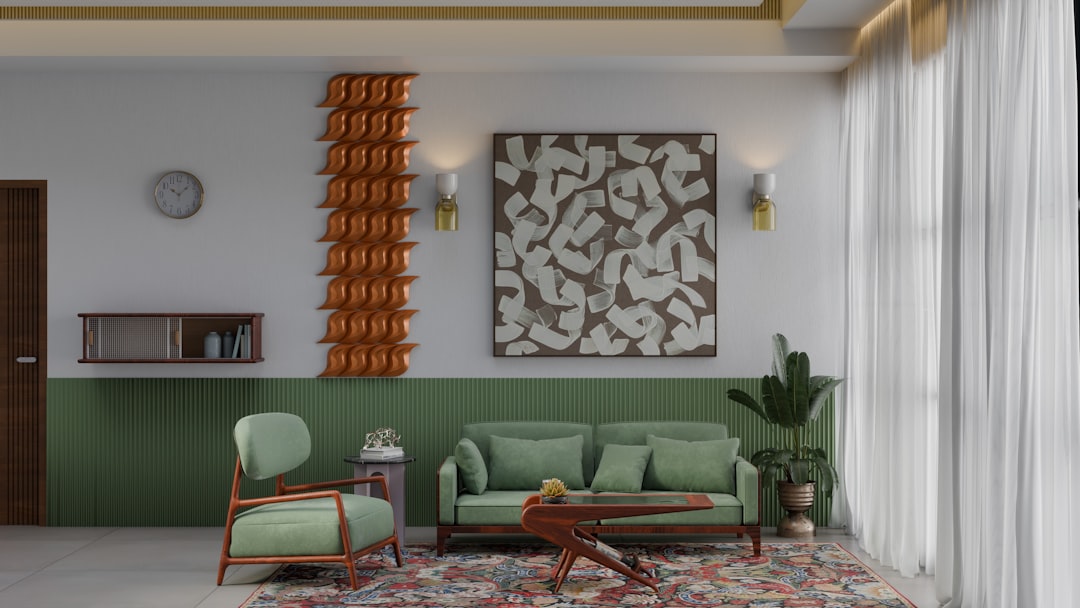
Perhaps the most persistent error is prioritising online aesthetics over in-person comfort. You can't assess seat depth, back support, or cushion firmness through a screen. A chair that looks perfect in a Tampines showroom might have an awkwardly placed lumbar curve or arms that are too high for comfortable reading. That half-hour spent sitting in it, mimicking how you'd actually use it at home, reveals more than a hundred product reviews ever could. It’s the only reliable way to avoid a beautiful, expensive mistake.
Consider the scale and size of your seating pieces to maintain visual equilibrium. A large, sectional sofa is best balanced by a substantial armchair or a pair of smaller chairs. Ensure the seat heights and depths are relatively similar to promote both a unified look and consistent comfort levels for all seating.
Achieve balance by selecting armchair upholstery that complements your sofa's color. Choose a shade from the same color family for a monochromatic scheme, or select a contrasting hue from a complementary palette for visual interest. A neutral sofa offers the perfect opportunity to introduce a bold, patterned armchair as a vibrant accent piece.
For a harmonious look, match the design era of your armchair to your sofa. A modern, clean-lined sofa pairs beautifully with a contemporary armchair featuring similar geometric shapes. Alternatively, a traditional rolled-arm sofa finds its perfect partner in a classic wingback chair, ensuring a cohesive aesthetic foundation for your living room.
The most common mistake in a living room refresh isn't choosing the wrong armchair—it’s failing to see how that chair will look beside your sofa, at noon in your Ang Mo Kio flat. Photos and fabric swatches can’t replicate the specific interplay of scale and texture under Singapore’s harsh, direct light. That’s where a showroom visit becomes non-negotiable. At Megafurniture’s Joo Seng or Tampines locations, entire room settings are assembled with sofas and armchairs grouped together; you can immediately judge if a low-slung modern chair visually dwarfs your existing three-seater, or if a patterned bouclé fabric clashes with your sofa’s linen weave in a way a single online sample would never reveal. You’re testing more than just looks. Sit down and push your palm into the seat cushion to gauge density—a chair that feels plush in the store might be too soft for nightly use in your Tampines condo. Check the armrest height against your elbow; an awkward mismatch turns a reading nook into a chore. Material claims also need physical verification. Bring your hand sanitiser, touch the performance velvet after your fingers are slightly damp, and see how it beads. Run the provided swatches between your fingers, feeling for the tightness of the weave that dictates humidity resilience in a non-air-conditioned HDB living room. You’ll notice which fabrics feel cool and which trap heat, a detail lost in a product description. Ultimately, you’re buying confidence. Seeing a complete arrangement lets you walk around it, spotting potential issues like an armchair’s depth eating into the walkway to your balcony. It turns abstract coordination doubts into concrete, solvable questions of proportion and daily living. You can
browse the collections online, but the final decision deserves this tactile reality check.
The delivery crew's polite smile often fades at the lift lobby of a 1980s HDB block. They’re mentally calculating whether that new accent chair's packaging will clear the 1.2-metre lift door — and then the tighter 90-degree turn into your stairwell. It's a common Singaporean hurdle; pre-assembled pieces guarantee instant gratification but risk a costly, frustrating return trip if they can't navigate the final corridor. Flat-pack furniture sidesteps that access drama entirely, though it trades the delivery team's muscle for your own Saturday afternoon and a lingering doubt about the tightness of every cam lock.
That trade-off extends to warranties, which typically run for one year on living room furniture. Scrutinise the fine print: a warranty covering "frame integrity" is standard, but it's the joint and mechanism coverage that really matters after months of daily use. A recliner's internal levers or a swivel chair's base bearing will face more stress than the static frame of a side table, so check if those moving parts are explicitly included. For many, that first year reveals if a retailer's after-sales service is as robust as their marketing.
Delivery policies vary significantly by retailer. Some, like Megafurniture, define specific postal code zones for free delivery, with charges applying outside them; they also publish clear policies for older estates, detailing crew assistance for stairs when lifts are unavailable or too small. It's a practical consideration that can add a few hundred dollars to your final cost if you live in a landed property or a remote condo. Always confirm these logistics before committing — an "islandwide delivery" promise often comes with asterisks concerning floor level and bulky item handling.
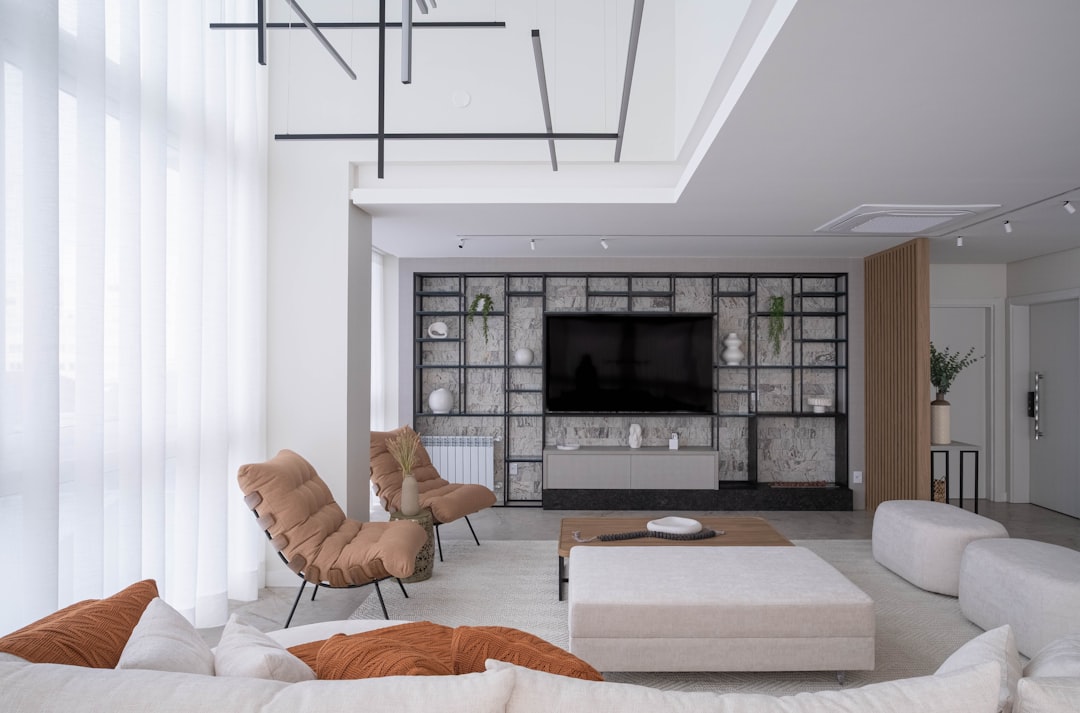
The assembly choice, then, isn't just about convenience. It's a direct response to your home's physical constraints and your own tolerance for DIY. A pre-assembled solid wood console table might be the centrepiece your renovated living room deserves, but only if it can actually reach the centre of the room.
The single armchair question plagues open-plan BTO layouts—you’ve got a three-seater sofa, but that far corner feels incomplete. In many three-room HDB flats, one statement armchair is often enough; it anchors a reading nook by the balcony door or provides flexible guest seating without cluttering the 4-by-4 metre core space. The trick is scale: a compact design with a footprint under 90cm wide and a higher seat back can visually claim its own zone without dominating the room.
Which fabrics fade least in east-west facing windows? Sunlight streaming into Tampines or Bedok units is brutal on textiles. Natural fibres like linen and cotton, while breathable, will bleach over a single season. For durability, look to solution-dyed acrylics or performance polyesters—these engineered fabrics have colour woven into the fibre itself, so fading is minimal even after years of exposure. Crypton and Sunbrella are common labels for this technology, often found on indoor-outdoor pieces that handle the humidity too.
Re-upholstery here is a tricky calculation. For a solidly built, classic frame from a local carpenter, investing $600 to $1,200 in new fabric can make sense. But for most mass-produced imported chairs, the labour and material costs often match or exceed the price of a brand new piece; it’s rarely cost-effective unless the frame has serious sentimental value.
Where to find durable, compact designs? Local showrooms in neighbourhoods like Eunos or Tampines are good for gauging scale in person, as their floor models are typically arranged in room-like settings that mimic HDB dimensions. Focus on designs with kiln-dried rubberwood frames and corner-blocked joints—these withstand Singapore’s humidity cycles better than cheaper, glued composites. For a curated range of armchairs scaled for BTO living rooms, you can browse the options at Megafurniture’s collection. Prioritise leg style too: tapered wooden legs or a visible sled base tend to make a chair look lighter in a compact space than a bulky, upholstered block sitting directly on the floor.
That showroom armchair you loved at first glance might just be a terrible guest in your actual home. The final step before committing isn't about finding a better price—it’s about methodically reconciling the fantasy with the practicalities of your space and life. Start with the tape measure and your floor plan. An armchair’s footprint isn't just its width; you need to account for the full arc of its recliner or swivel, and leave at least 60cm for clear traffic lanes around your coffee table. In a typical 4-room BTO layout, a bulky recliner can easily block the path to the balcony, turning a relaxing corner into a daily obstacle course. Cross-reference the material specifications against your household reality—a luxurious bouclé or natural linen might lose its charm in a humid, east-facing room or with a toddler around, whereas a performance velvet or treated leather will handle both the moisture and the occasional juice spill with far less drama. Comfort is a slow reveal. Don’t just perch; sit in the chair for a solid ten minutes as you would while reading or scrolling. That’s when you’ll notice if the seat depth is too shallow for your height, or if the lumbar support is positioned wrong, creating an ache rather than alleviating one. Many buyers regret prioritising a stiff, sculptural look over actual ergonomics—a chair is for sitting, not just viewing. Once you’ve verified the dimensions against your flow, the material against your climate and cleaning routine, and the comfort against a realistic duration, you’ve moved beyond impulse. Then, and only then, should you proceed to consider your delivery options and finalise the order from a curated
living room collection.