The typical Singaporean living room is a masterclass in spatial negotiation. In a 12 sqm HDB common room, an accent chair isn't just a seat — it's a major piece of real estate, often blocking a walkway or a cabinet door if you get the dimensions wrong. The functional need here is ruthless: a compact footprint, ideally with a swivel base to maximise utility from a single spot, and a low back that won't visually chop the room. BTO open-plan layouts offer a bit more breathing room, but they introduce a different constraint; the chair must anchor a distinct zone without a wall, often demanding a bolder shape or texture to define the space against the sofa.
Contrast that with a 30 sqm condo lounge, where the challenge shifts from pure survival to intentional composition. Here, the chair can afford to be a statement, but it's also expected to pull double duty — perhaps as a dedicated reading nook by a window or a conversational counterpart to a longer sofa section. The budget implications are immediate and stark. For the HDB resale flat with a narrow floor plan, you're typically looking at a $400–$800 investment in a scaled-down model, where every dollar is scrutinised for durability in a high-traffic area.
Landed property lounge areas, with their sprawling dimensions, flip the script entirely. Spatial constraints dissolve, replaced by a need for proportion and presence. A pair of chairs might frame a fireplace or face a garden view, requiring sturdier construction and premium materials like full-grain leather or performance velvet that can hold their own across a larger volume. This isn't just about filling space; it's about creating a focal point that justifies the square footage, with budgets often starting around $1,200 per piece and climbing quickly for custom orders.
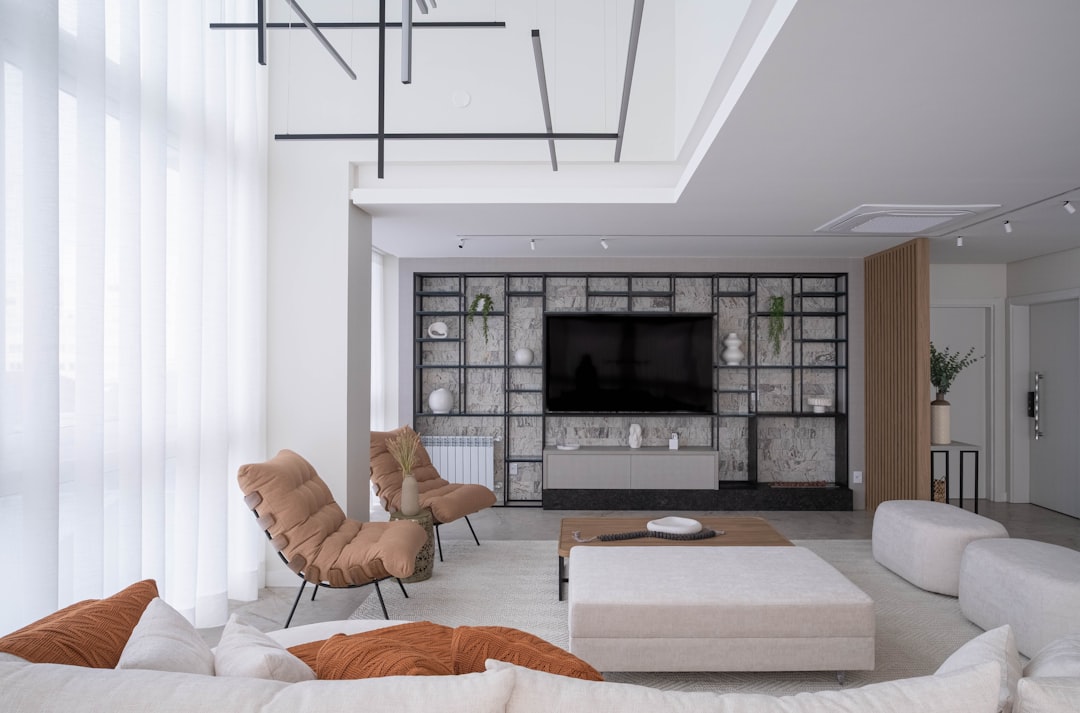
That divergence in physical need directly frames the financial conversation. You can't rationally discuss spending $2,400 on a sculptural bouclé armchair if your primary concern is whether it will fit past the main door. The chair's required function — space-definer, compact perch, or aesthetic anchor — dictates the material and construction quality you should be paying for.
Singapore’s humidity doesn’t just fade colours; it tests a chair’s integrity from the inside out. An accent piece might look perfect in a showroom, but within a year in a ground-floor Tampines flat, you could be dealing with a musty smell or a frame that’s started to soften at the joints.
For wood, the core material is the clearest signal. Solid rubberwood or kiln-dried oak frames are standard for durable pieces, offering a dense grain that resists warping. The alternative is often a particleboard or MDF core, sometimes hidden behind veneer; these materials act like sponges in our climate, swelling irreversibly and weakening structural glue. Upholstery tells a similar story. Performance fabrics with UV and stain treatments, or tightly woven linens and cotton blends, allow some breathability. Non-breathable synthetic covers, especially over low-density foam, trap moisture and become mould incubators—a common flaw in budget chairs that see little sunlight in north-facing rooms.
Leather requires specific curation here. Full-grain or top-grain leather that’s properly aniline-dyed and conditioned can develop a beautiful patina, but it needs consistent airflow and can feel uncomfortably warm. For many homes, a high-quality polyurethane or performance fabric that mimics leather’s look is the pragmatic choice, as it won’t crack or develop mildew as easily in constant 80% humidity. The cushion fill is equally critical; high-resilience, moisture-resistant foam maintains its shape, while cheaper polyester fibre filling clumps and retains odours after a few humid seasons.
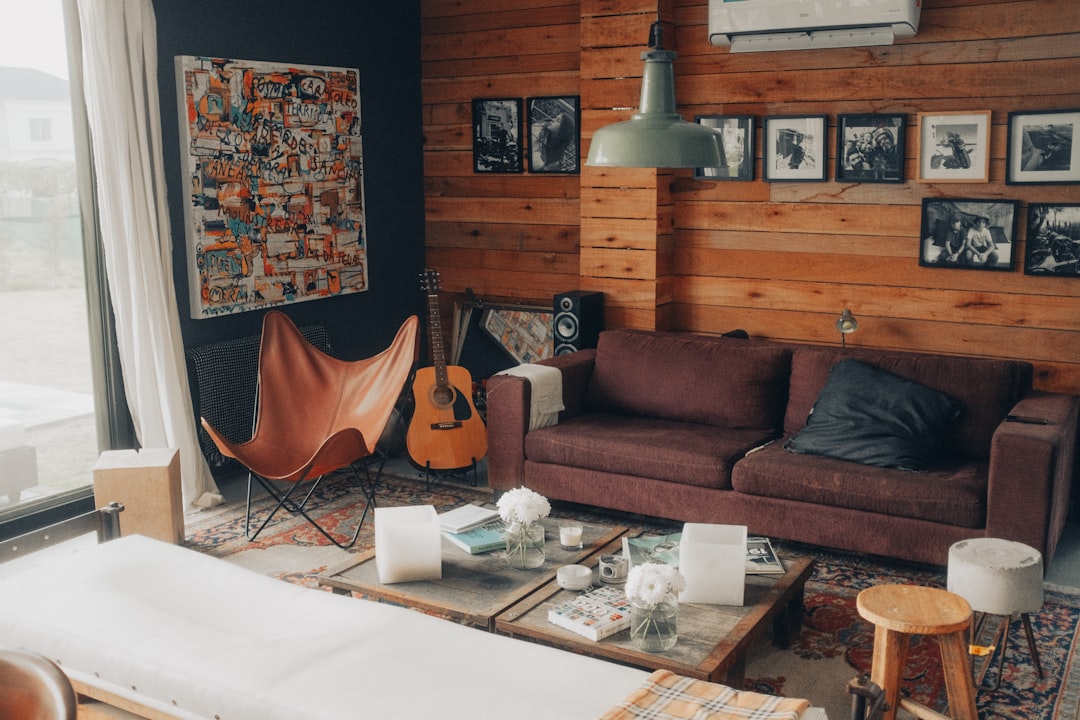
It’s about spotting where brands cut corners you can’t see. A chair with elegant brass feet might still have a particleboard seat platform, and that’s the part that will fail. Prioritise the materials that form the skeleton and skin—what touches the air and bears the weight—over purely decorative finishes. For a curated range that specifies these material details, you can browse the living room furniture collection.
In Singapore, budget accent chairs typically range from SGD 100 to SGD 300, found at value retailers like IKEA or Shopee. Mid-range options between SGD 300 to SGD 700 offer better materials and durability from stores like Castlery or HipVan. High-end designer or custom pieces start above SGD 700, prioritizing premium craftsmanship and unique designs for a long-term investment.
Consider online marketplaces for competitive pricing, but always verify seller reviews and return policies. Visit local furniture showrooms during seasonal sales, such as the Great Singapore Sale, for significant discounts on floor models. Exploring local carpentry workshops can sometimes yield a cost-effective, customized piece built to your specific size and fabric requirements.
Assess the frame material, where solid wood or metal offers greater longevity than particleboard. Examine upholstery fabric quality; performance fabrics or full-grain leather resist wear better in humid climates. Test the construction stability by checking joint reinforcements and the feel of the cushion fill, which should regain its shape quickly.
In a 4-room HDB, a single oversized accent chair can dominate the entire walkway. Buyers often choose a statement piece from a showroom floor without visualising its footprint in their own 3.5-metre living room. That grand wingback you loved in Tampines will force residents into a daily sidestep shuffle just to reach the balcony. Measure your intended space, then subtract 15 centimetres from every dimension for practical clearance. A chair that fits the room's scale is a better investment than one that fits only your initial aesthetic desire.
A light bouclé or linen-look chair is a magnet for pet hair and stains in a household with a corgi or a cat. Prioritising a trendy texture over a practical, cleanable fabric is a classic weekend regret. Performance fabrics like Crypton or treated velvets handle spills without absorbing them, a crucial feature for homes with kids or pets. The chair becomes a source of stress, not relaxation, if you're constantly guarding it. In many Singapore homes, the living room is the main play and feeding area—furnish accordingly.
For studio apartment or Soho dwellers, every piece must earn its keep. An accent chair that's just a chair is a luxury these floor plans can't afford. The smarter choice is a design with a broad, stable arm that can double as a side table for a laptop or coffee cup. Look for integrated storage, like a hollow ottoman base or a shelf beneath the seat. This dual-purpose approach is often the difference between a cluttered room and an organised one.
Placing a chair where it interrupts the natural flow from the main door to the kitchen is a common layout error. The prime spot beside the window might be exactly where your BTO's ventilation shaft door needs to swing open. Test the placement by simulating daily paths—carrying groceries, taking out the trash, vacuuming the floor. That charming corner you've earmarked might be the only logical spot for a robot vacuum's docking station. Furniture placement in compact homes is a puzzle of circulation, not just decoration.
Accent chairs in Singapore rarely sit in empty rooms; they're surrounded by life's clutter. A chair without adjacent storage forces remote controls, magazines, and chargers onto its seat or the floor. The solution is either a chair with a built-in shelf or a deliberate pairing with a slender console table behind it. In many flats, the chair effectively anchors a tiny, secondary living zone that needs its own organisational system. It’s a simple oversight that leads to a perpetually messy centre, defeating the chair's role as a visual anchor.
A photo of a velvet accent chair looks lush online, but buyer won’t know if the seat cushions are firm enough to support a 90-minute movie night until they’ve sat in it. That’s why a trip to either the Joo Seng or Tampines showroom isn’t just a nice outing — it’s a critical step for anyone spending more than $800 on a living room piece. You’ll test chair stability by leaning back and shifting weight, feel the actual texture of a linen versus a performance velvet against your skin, and judge proportions against real HDB and condo room mock-ups they’ve built on-site.
These mock-ups are the real advantage. It’s common to underestimate how a 4-room BTO living room’s 3.5-metre wall actually eats into a chair’s footprint once you factor in the TV console and a coffee table. Seeing a specific model placed within a simulated 12 sqm condo living area reveals whether its arm width or back height will visually dominate the space or sit comfortably as an accent. You can also walk around it, checking clearance for walking paths and door swings — details a floor plan diagram rarely captures.
Their range is designed for these local room sizes, and the material choices reflect Singapore’s climate. A bouclé fabric might feel cosy, but in a west-facing living room with afternoon sun, a lighter performance fabric with better heat dissipation could be a smarter long-term choice. At the showroom, you can compare the breathability of different textiles side-by-side under similar lighting conditions, which is something you can’t replicate at home.
Ultimately, a showroom visit shifts the decision from abstract dimensions and material descriptions to concrete experience. You’ll confirm if the chair’s seat depth suits your height, if the back support aligns with your spine, and whether the colour you picked online truly complements the wood tone of your existing console. It’s the final validation before committing, especially for pieces that anchor a room’s layout. For a comprehensive look at options scaled for local homes, you can browse Megafurniture’s collection in person.
The delivery crew that can’t fit your new armchair into the BTO lift at 2pm on a Tuesday has just handed you a logistics problem you didn’t need. Singapore’s delivery logistics hinge on these small, critical details — lift access timing in many HDB estates is restricted to 9am–5pm on weekdays, a window that shrinks further for oversized items requiring a goods lift booking. Flat-fee delivery, often around $60 to $120 for metro areas, simplifies budgeting compared to mileage-based models that can inflate costs for those in outlying neighbourhoods like Lim Chu Kang or Seletar; it’s a transparent cost that makes final price comparisons easier. Assembly is typically straightforward for accent chairs, but warranty terms are where the fine print matters. Structural frames on decent quality pieces should carry a 5 to 10-year warranty, a non-negotiable for a load-bearing item you’ll use daily. Fabric and finish warranties, however, often cover only manufacturing defects for 1 to 2 years — they won’t guard against sun-fading from your east-facing Tampines window or wear from a favourite pet. New BTO owners face an added layer: the defect liability period (DLP). Any damage to flooring or walls during furniture delivery and assembly should be reported to your building contractor immediately, as repairs fall under their purity for the first 12 months. It’s a compelling reason to opt for retailers offering professional, insured white-glove service, where the crew takes responsibility for in-home placement and any incidental scuffs. Warranty claims themselves are a test of a retailer’s customer service ethos. A reputable provider will typically send a technician to assess an issue in your home, rather than demanding you dismantle and return a bulky chair to a warehouse in Tuas. That in-home service, or lack thereof, often reveals more about long-term value than the warranty document itself. For a curated selection that clarifies these service terms upfront, browse the
living room collection at Megafurniture. Ultimately, the smoothest delivery experience is one you never have to think about again — the chair arrives, fits, and is covered. It’s the logistical hiccups, the unexpected $80 surcharge, or the warranty claim that goes unanswered that buyers remember for years, long after the initial price is forgotten.
The first question isn't about colour or style, but whether the thing will actually fit through the front door. It’s a uniquely Singaporean concern.
Can an accent chair fit through an HDB main door? Measure your door frame — most HDB main doors are around 90cm wide. Chair widths vary, but many contemporary designs hover around 75-85cm; the real obstacle is often the depth or an awkward armrest angle. Disassembly is key — look for chairs where the legs or back can be detached, or opt for a slimmer profile like a mid-century modern side chair. It’s worth checking the product specifications for ‘clearance width’ or ‘packaged dimensions’ before committing.
Best fabric for cats in humid weather? Leather is a surprisingly practical choice here. It resists scratches better than many weaves, and cat hair simply brushes off. For fabrics, a tightly woven performance velvet or a textured bouclé can hide minor pulls, while Crypton or similar stain-resistant treatments are lifesavers for spills in our climate. Avoid loose weaves like linen or standard cotton — they’re a magnet for claws and trap moisture.
Is a S$300 accent chair worth it? At this price, you’re looking at mass-produced, often flat-pack designs in basic materials like rubberwood and polyester-blend fabric. They can serve perfectly well in a low-traffic corner or a study nook, but don’t expect longevity in a main living area. The compromise is in the cushioning — foam density is usually lower, so it’ll lose its shape faster. For a temporary solution or a rarely used spot, it’s a viable stopgap; for a daily-use piece, investing more typically pays off.
How to style an accent chair in a minimalist BTO living room? In a clean-lined space, the chair should be a deliberate punctuation, not clutter. Choose one with a strong, simple silhouette — a single bold colour or a distinctive material like a light oak frame with a neutral linen seat. Place it opposite the sofa to create a conversation area, or use it to define a reading corner beside a bookshelf. The trick is to let it breathe; leave ample space around it and keep other accessories, like a side table and floor lamp, strictly functional.
That final spreadsheet column often triggers a panic — the one where a $1,200 accent chair suddenly demands another $300 for delivery and assembly, pushing a carefully planned room budget into the red. The real mistake isn't overspending, it's misallocating; budget for the chair itself, but forget to reserve funds for the professional who'll navigate your BTO's narrow lift lobby without scuffing the walls, and you've compromised the purchase before it's even home.
Prioritise the cost signals that verify longevity over those that merely signify style. A solid rubberwood frame under a trending bouclé fabric is a better seven-year investment than a trendy shape built from particle board. Allocate more of your $1,800 total budget to the durable materials you'll touch every day — the chair's frame, its seat cushion core, the armrest finish — and treat the current colour or texture as a replaceable layer, something a quality throw can update later.
Scale your expectations directly to your room's dimensions. A large, statement swivel chair needs a clear 1.2-metre rotation path in a 4-room HDB living room; if your space can't accommodate that movement, you're paying for a function you'll never use. Conversely, a compact apartment near Eunos might justify spending more per square foot on a single perfect armchair in performance velvet, because it's the living room's sole focal point.
Finally, weigh the invoice line items. A higher upfront cost for kiln-dried hardwood and premium cushioning often means avoiding a replacement in five years — that's a net saving over two cheaper cycles. Professional delivery and assembly isn't a luxury; it's the insurance that a complex recliner mechanism or a heavy solid wood piece arrives functional, especially for upstairs units in walk-up blocks around Joo Chiat. Budget for that service from the start, and you protect the entire investment.
Consider the chair's next decade, not just its next Instagram post. A timeless silhouette in a neutral, high-performance fabric might outlast three fleeting colour trends, making its higher initial cost a logical calculation. Your money is best spent on the unseen integrity of the piece and the expertise to install it properly, leaving you with a centrepiece that endures well into your next refresh cycle.