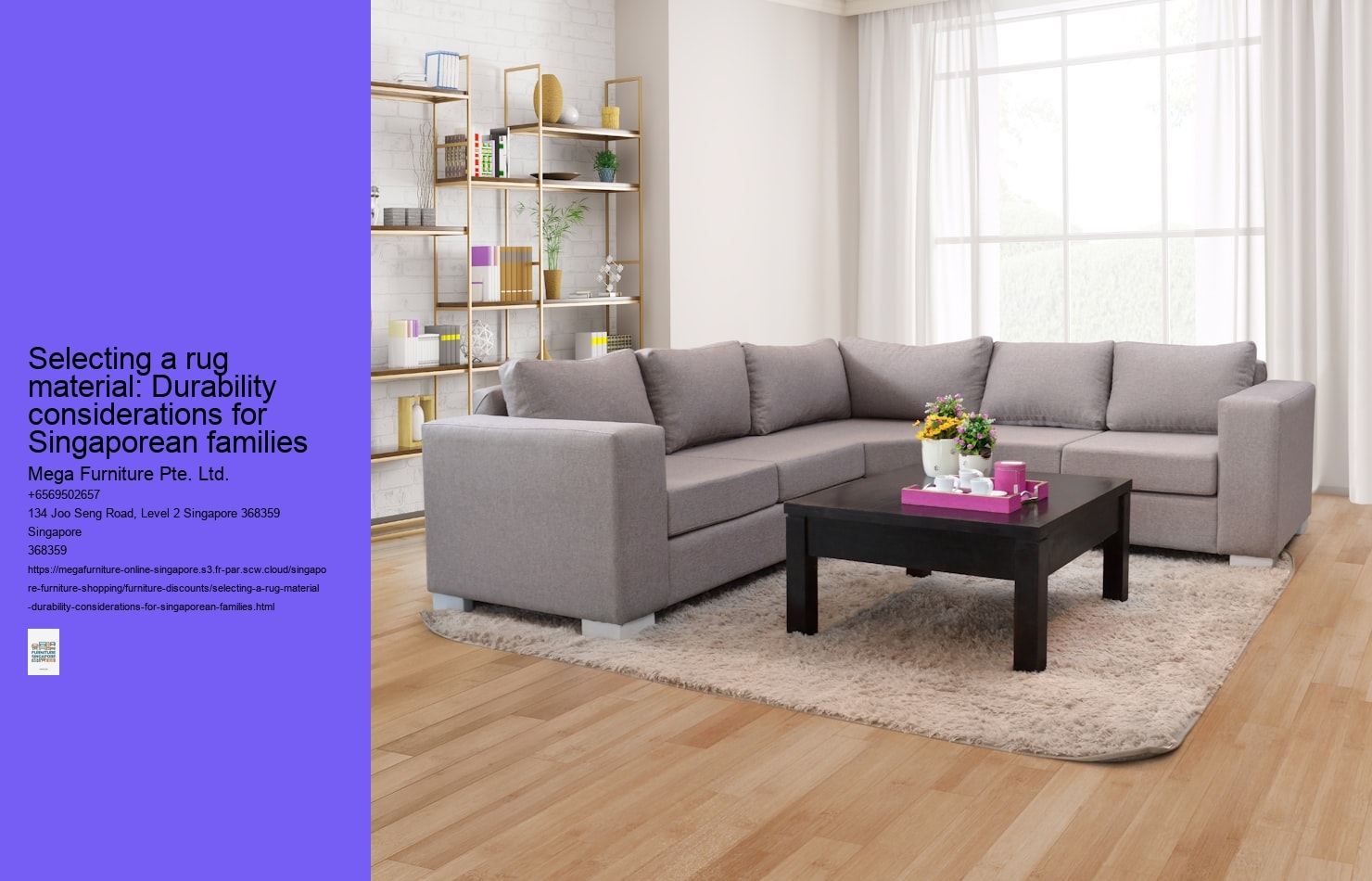
The standard 12 sqm living room in a 4-room HDB BTO is an exercise in centimetre management—your rug’s pile height can literally dictate whether a door swings open. In these spaces, a 1.6 by 2.3 metre rug is often the maximum before it starts swallowing the walking lanes to the kitchen or balcony. That’s why low-pile, flat-weave options dominate here; a shag rug in a Tampines executive apartment might look cosy, but it’ll trap every crumb and turn a modest room into a tripping hazard.
Contrast that with the 40 sqm great room of a landed property in the East Coast or Bukit Timah neighbourhoods. A rug there needs to anchor an entire conversation zone, perhaps 2.5 by 3.5 metres at minimum, or it’ll look like a misplaced bathmat floating on polished marble. The scale demands a bolder presence—a thicker wool pile or a patterned kilim that can hold its own beneath a large sectional and a pair of armchairs.
This dimensional reality makes the BTO floor plan, pinned to the fridge during the waiting period, a crucial shopping document. You’ll measure not just for the rug, but for the clearances around your intended TV console and coffee table. In many open-plan condo layouts, from a one-bedder in Tanah Merah to a three-bedder in Queenstown, the rug is the primary tool for defining the seating area without resorting to awkward room dividers.
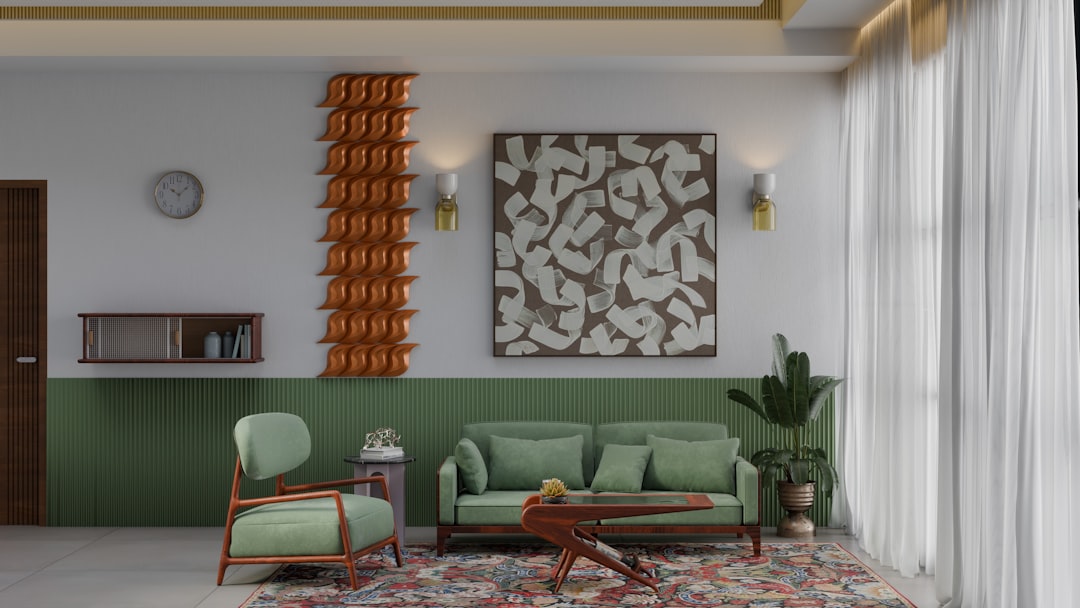
It’s a common misstep to choose a rug based on a showroom’s vast expanse. What works under the high ceilings of a Megafurniture showroom might overwhelm your actual space. The trick is to tape out the intended rug dimensions on your floor using masking tape—you’ll quickly see if a 2 by 3 metre rectangle leaves enough room for traffic flow to the balcony or if it cramps your existing sideboard.
Material choice follows this spatial logic. A durable, easy-clean polypropylene blend makes pragmatic sense for a high-traffic HDB living-dining area where meals migrate. For that grand landed property room, a hand-knotted wool or silk-blend rug becomes a justified investment in texture and acoustics, softening the echo in a voluminous space.
That splash of kopi on a new rug isn't a hypothetical in a 4-room BTO—it’s a Tuesday morning. Singapore’s climate is a sustained assault on fibres; humidity rarely dips below 80%, and that persistent dampness doesn’t just feel oppressive, it actively invites mould into natural materials. A jute or sisal rug might look crisp in a showroom, but in many landed property living rooms with less-than-perfect air circulation, it can develop a sour, musty scent within months, absorbing ambient moisture like a sponge. The material choice, then, becomes a direct response to the environmental reality, not just an aesthetic one.
Synthetic fibres, particularly polypropylene, have become the pragmatic favourite for this reason. They’re inherently hydrophobic, so spills from teh or soy sauce tend to bead on the surface, giving you those crucial extra seconds to grab a cloth. More importantly, the fibres themselves resist mould and mildew growth—a critical feature when the rug sits in a high-traffic zone between the kitchen and living area in an open-plan layout. It’s a performance-first consideration that often overrides the initial appeal of a natural weave.
For households with young children, where juice spills and playdough incidents are inevitable, easy-wash performance isn’t a luxury; it’s a non-negotiable. Many modern synthetic rugs, including some performance-oriented styles, can be hosed down on the patio or in a common corridor washing area, a practical godsend for compact living spaces without the luxury of a dedicated utility room. You’re not just buying a rug, you’re buying a maintenance routine, and in a 12 sqm HDB living room that doubles as a play space, the easiest routine wins every time.
This doesn’t mean natural fibres are entirely off the table, but they demand a specific context. A wool rug in a consistently air-conditioned condominium living room, away from direct dining zones, can fare well, offering superior comfort underfoot. But for the typical family-centric, spill-prone, and humidity-rich Singaporean home, the calculus leans heavily toward synthetics. The best rug material is often the one you don’t have to worry about, letting you focus on the living happening on top of it rather than the preservation of the thing itself. Browse the options for living room rugs that suit this practical mindset at Megafurniture’s collection.
The daily commute from Eunos MRT back to a fourth-floor flat leaves its mark. Heel strikes from work shoes, school shoes, and even slippers create distinct pressure points that relentlessly flatten a rug's pile over time. You'll see this most clearly in the 3-metre corridor from a main door to the kitchen in a typical 4-room BTO layout. Low-profile, flatweave constructions like kilims or dhurries don't have much pile to crush, so they hold their appearance where denser, plusher rugs quickly look matted and tired. It's a simple equation of physics, not poor quality.
A cat's stretch or a dog's excited pivot can ruin a loose-weave wool rug in one motion. Synthetic fibres like polypropylene or tightly woven nylon offer far more resistance to snagging and pulling. For households with active pets, the rug's surface construction matters as much as its material; a loop pile is a genuine hazard, while a dense, low-cut pile sheds claw marks more easily. You're not just buying for colour or texture, but for a fabric that can withstand sudden, sharp lateral forces.
Mapping the daily paths in your home reveals the true wear zones. In many HDB and condo layouts, the highest traffic isn't in the room's centre but along a narrow corridor from the entry to the kitchen and perhaps the balcony. That's where a runner or a strategically placed smaller rug makes more sense than a full-room piece that gets unevenly battered. Observing these patterns for a week before you buy saves you from a costly mismatch between the rug's placement and its punishment.
Density is the unsung hero of rug durability. A high knot count in a wool rug or a tightly tufted synthetic means fibres support each other, resisting compaction and soil penetration. You can check this by bending the rug to see how much backing is visible—less is better. In compact homes, this structural integrity ensures the rug withstands concentrated foot traffic without developing permanent depressions or becoming a dirt trap.
Not all fibres are created equal for Singapore's high-use corridors. Natural wool is resilient but requires care; solution-dyed acrylics and polypropylene offer formidable stain and fade resistance at a lower price point. The right choice often comes down to balancing the tactile warmth you want with the practical cleaning regime you'll actually follow. For most families, a performance-oriented synthetic is the pragmatic centrepiece that lasts the decade.
A rug’s weight tells you more than its price tag. Pick up a standard 1.5m by 2m synthetic piece from a typical box store and it’ll feel disappointingly light, like lifting a folded bedsheet; a wool rug of the same dimensions should have a substantial heft that resists your pull. That density, often measured in grams per square metre, correlates directly with durability — a denser weave withstands daily foot traffic from the school run to weekend gatherings without flattening into a tired mat within a year. Stitch count matters too, especially for patterned rugs where a higher count ensures intricate motifs won’t blur into a muddy mess after a few rounds of vacuuming.
For homes with polished marble or classic parquet floors, the backing isn’t just an extra feature — it’s the entire point of buying a rug. A quality non-slip backing, usually a rubber or latex coating, should feel firmly bonded to the rug fabric itself, not like a separate, flimsy sheet that might peel. You’ll know it’s good when you try to slide the rug across your living room floor and it stubbornly stays put, protecting both your floor’s finish and your toddler’s balance. In many landed properties with expansive, slick surfaces, this becomes non-negotiable; in a compact 4-room BTO, it’s still a sensible guard against accidental slips.
Singapore’s climate writes its own warranty demands. Look for clear terms that specifically cover sun-fading from our intense, year-round UV exposure — a rug facing an east-facing window in a Bedok condominium will get a full morning blast — and edge-ravel caused by our humidity cycles. Generic “five-year warranties” often omit these localised failures. It’s why finding a retailer with a physical service centre, like Megafurniture’s operations in Joo Seng and Tampines, adds a layer of security; you’re not shipping a frayed rug back to an overseas warehouse for assessment.
Ultimately, buyer should prioritise these tangible signals over any brand’s lifestyle imagery. A rug’s performance here hinges on its physical construction and the supplier’s ability to stand behind it in our specific environment. That local guarantee turns a purchase into a proper investment for the room.
The most common rug mistake in Singapore isn’t about colour or pattern—it’s a 4x6 foot rectangle floating uselessly in front of an L-shaped sofa. That size might fit a studio apartment’s floor plan, but in a typical 4-room BTO living room, it leaves the sofa’s footprint exposed and the seating area visually disconnected. A rug should anchor the furniture grouping; measure the entire footprint of your sofa and side tables first, then choose a rug that extends beyond those edges by at least 30 centimetres. It’s a spatial anchor, not just a decorative mat.
Sourcing presents another pitfall, particularly with the allure of thick, imported wool rugs from temperate climates. They look substantial and luxurious online, but Singapore’s humidity turns that density into a problem—these rugs can feel perpetually damp, become breeding grounds for mould in poorly ventilated corners, and are notoriously difficult to dry after a spill or professional cleaning. For many homes, a flat-weave cotton or a synthetic fibre like polypropylene offers better practical performance; they’re lighter, dry faster, and resist mildew.
Then there’s the maintenance myth: the belief that all rug materials are equally easy to clean. A spilled glass of wine on a synthetic rug might be a simple blot-and-wash situation, but that same spill on an untreated natural fibre like jute or sisal can leave a permanent stain and odour. Prioritise cleanability over a temporary aesthetic appeal, especially in households with young children or pets; a rug’s long-term appearance depends entirely on how well it survives its first major accident. Performance fabrics like Crypton for upholstery have set a new standard—rug buyers should seek similar spill-resistant, stain-release treatments.
The final error is treating the rug as a last-minute accessory rather than a core component of the living room’s layout. It dictates traffic flow, defines the conversation zone, and influences the perceived size of the room. Getting the size right first eliminates half the buyer’s regret, and focusing on material suitability for local conditions solves the other half. You can always change the colour later, but you can’t easily stretch a rug that’s too small or dry out one that’s perpetually soggy.
The difference between a rug that works and one that just lies there is often felt in the soles of your feet. Online images can’t convey the subtle give of a dense wool pile or the firm, flat resistance of a tightly woven synthetic—you need to stand on it. That’s why a trip to a showroom like Megafurniture’s Joo Seng or Tampines outlets becomes a non-negotiable step; you’re verifying the fundamental physical contract between floor and furniture. You’ll see how that warm grey you loved on screen can skew either taupe or cool under the relentless glare of Singapore’s afternoon sun, filtered through your own living room’s orientation. Their floor space accommodates the full spectrum of local needs. In one aisle, you’ll find compact, hard-wearing polypropylene rugs scaled for a 4-room BTO living area, where spill resistance and easy cleaning trump all. Walk a few metres further, and you’re confronted with expansive, hand-knotted wool pieces meant for the sprawl of a landed property’s reception room. This side-by-side comparison is invaluable—it frames your budget and space constraints in concrete terms, moving you from abstract browsing to decisive elimination. Direct contact informs a durability assessment that specs alone can’t. Run your hand against the grain to check for excessive shedding. Press a fingernail into the backing to test its grip on your specific floor type, be it polished marble or homogeneous tile. A rug that shifts even a centimetre each day is a persistent annoyance in a high-traffic area. These are the tactile checks that protect a seven-to-ten-year investment from becoming a regretted, hasty purchase made from a thumbnail on a phone screen. For many homeowners, the final decision crystallises right there on the showroom floor. You’ve felt the pile, judged the colour in a realistic setting, and tested its stability. It’s a process that transforms a decorative afterthought into a foundational piece of your living room’s
overall furniture scheme.
The delivery truck can reach your block, but your rug might not. HDB lift landing dimensions typically restrict roll diameters to around 1.2 metres; anything larger gets flagged for staircasing, which incurs an extra charge. For walk-ups, you'll need to confirm those fees upfront—they can add $50 to $150 to your final bill, depending on the floor and item weight. It's a logistical reality that turns a plush 3x4 metre wool piece into a negotiation with your mover before it even sees your living room.
Unpacking isn't just about removing plastic. A rug shipped from a drier climate needs time to acclimatise to Singapore's humidity, often needing a full 24 hours to relax and lie flat in your air-conditioned space. Don't force it; let the fibres adjust naturally to prevent stubborn curls at the corners. This is especially crucial for hand-knotted or natural fibre rugs, where a rushed unrolling can set a permanent wave.
After-sales support hinges on documentation. File your warranty card and invoice together, ideally in a dedicated folder for home purchases. A manufacturing defect—like dye bleed in a patterned piece or premature fraying on a bound edge—might only surface after months of use. Having that paperwork organised is your only leverage for a claim; a vague email about a "blue rug bought sometime last year" won't get far.
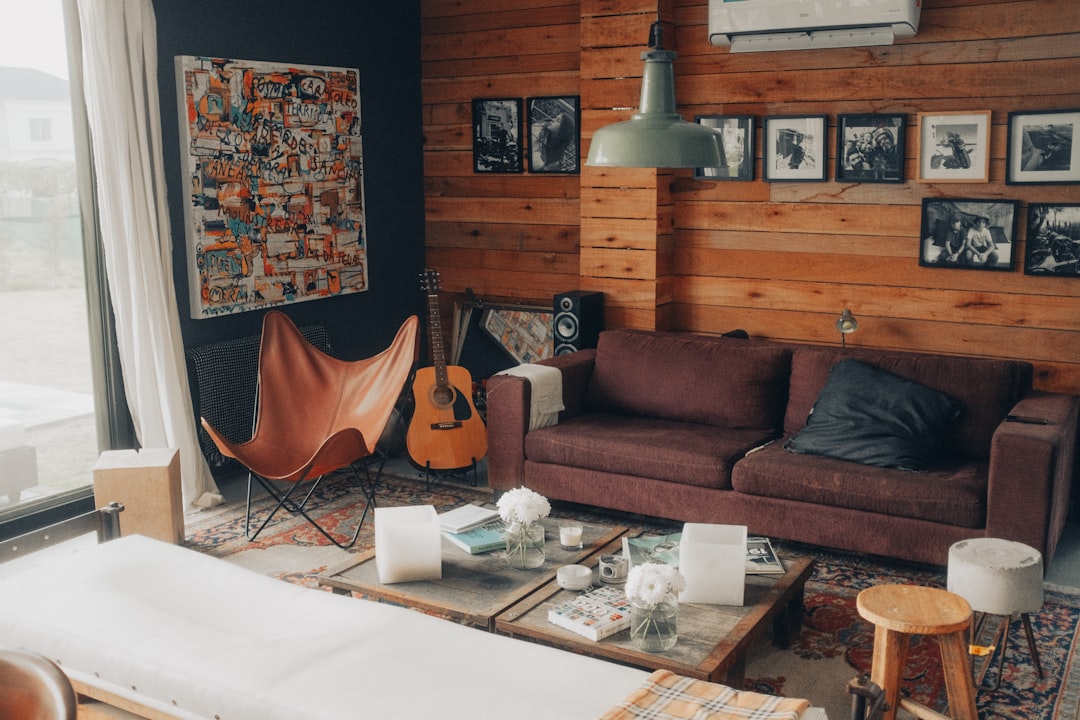
Consider the unpacking process part of the product's lifespan. A good retailer will outline these steps clearly, but the responsibility for acclimatisation and warranty safekeeping ultimately falls to you. That first day sets the tone for the next five years.
The question about tomato ketchup on polypropylene isn't just hypothetical — it’s a Tuesday night in a Tampines flat. Polypropylene handles it well; the fibre is inherently stain-resistant because it’s synthetic and non-porous. Spills like soy sauce or teh tarik typically bead up, letting you blot them away without a trace — that’s why you’ll see these rugs under many a dining table in 4-room BTOs. Natural fibres like jute or viscose, however, absorb liquids instantly; a dropped curry puff could leave a permanent oil mark.
For a standard three-seater sofa, the old decorator rule says the rug should extend 30 to 45 centimetres beyond each side. In a compact HDB living room, that often means a 200cm by 290cm size. It anchors the seating area without swallowing the floor space you need to walk to the balcony. Go smaller, say 160cm by 230cm, and only the front legs of the sofa sit on the rug — a common compromise in narrower layouts that still defines the zone.
Is viscose suitable with a toddler? Frankly, no. It’s a delicate, silk-like material made from wood pulp, and it shows every water spill and scuff mark. For families, a wool blend or a high-performance synthetic like nylon is far more forgiving. Wool naturally resists dirt and has a resilience that bounces back from play; it’s the choice for a lived-in room in a landed property where durability matters as much as look.
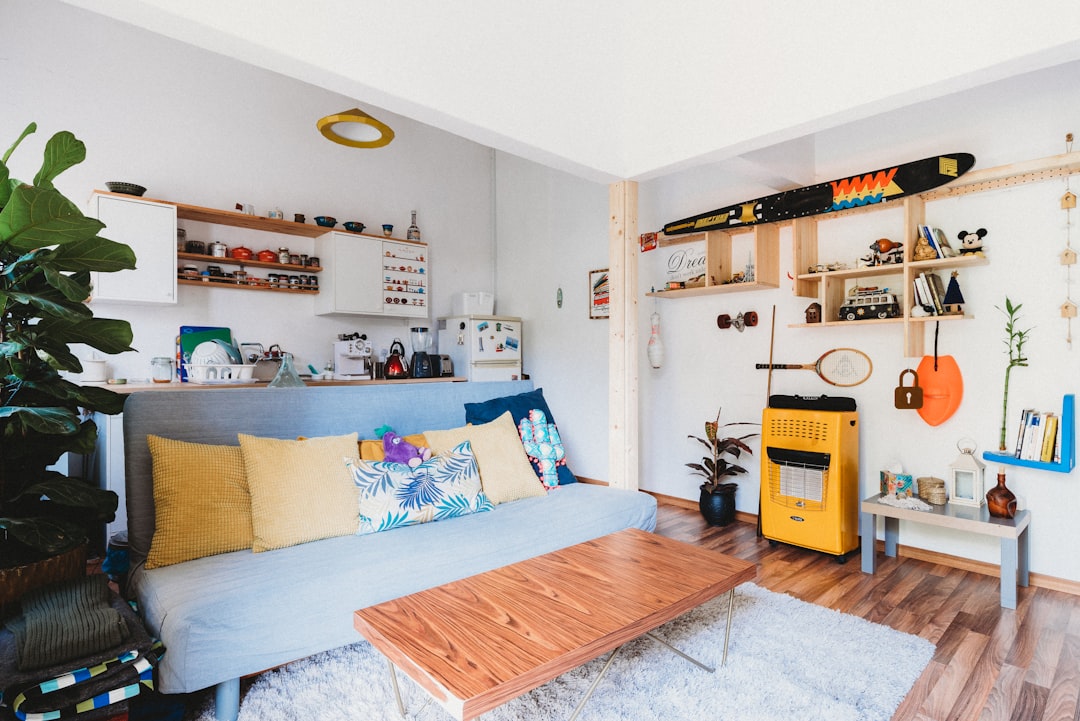
Pet-safe material that doesn’t trap fur? Low-pile, tight-weave synthetics win. A short-pile nylon or polyester rug sheds pet hair easily — a quick vacuum over its flat surface clears most of it. Avoid high-pile or shaggy rugs; they’re fur magnets. For homes with cats or dogs, a polypropylene rug in a medium, patterned tone can camouflage the occasional stray hair between cleanings, which is a small victory any pet owner in Bedok will appreciate. Browse the options for living spaces that see daily action.
For busy Singaporean families, synthetic materials like polypropylene offer exceptional durability against daily wear. They are highly resistant to stains from spills and fading from intense sunlight, common in local homes. Their robust nature makes them ideal for areas with frequent foot traffic from children and pets, ensuring longevity.
That 4x3 metre wool rug might look perfect in the showroom, but it’ll be a petri dish in a humid Pasir Ris flat with two kids and a clumsy spaniel. The final choice isn’t about a single favourite fibre; it’s a cold equation balancing your room’s measurements, your family’s next five years, and your actual tolerance for maintenance. Cross-reference those three, and the right material often declares itself.
Start with the tape measure and the climate. For a compact 4-room BTO living room open to the kitchen, high humidity and inevitable spills are a given — here, a performance synthetic like polypropylene or a solution-dyed nylon isn’t just practical, it’s a sanity preserver. These materials resist mould, shrug off stains from kopi-o or curry, and can handle the daily traffic from playground to sofa; they win on durability when the environment is against you. Conversely, a formal living room in a landed property with consistent air-conditioning and a no-shoes policy presents a controlled stage where natural fibres like wool or silk blends become viable — their texture and depth can be enjoyed without the constant threat of ambient moisture.
Project your family’s life stage forward, too. A young couple in a Clementi condo planning for children in two years should prioritise spill-proof durability now, not when the first puréed carrot hits the floor. A household with teenagers and pets needs a rug that can survive sports bags, muddy paws, and impromptu study sessions — passing aesthetic trends matter far less than the fabric’s ability to look presentable after a quick vacuum.
Build your decision matrix around clear durability signals: check the pile density and twist for crush resistance, ask for a sample to test stain release with a dab of soy sauce, and weigh the fibre’s inherent moisture resistance against your home’s average humidity. That structured approach, anchored to your specific living conditions and future plans, will steer you toward a rug that endures — long after the trend that inspired its colour has faded.