A 1.8-metre console can swallow an entire wall in a typical 3-metre-wide BTO living room, leaving no breathing room for a side table or a plant. That's the most common spatial mistake in new flats — buyers default to showroom-scale furniture without measuring their own floor plan first. HDB BTO living rooms, averaging just 12 to 14 square metres, demand a precise calibration between storage needs and spatial generosity; a console that’s 1.2 to 1.5 metres wide often provides sufficient surface without dominating the entire visual field.
Condo units frequently adopt open-plan layouts, where the living area flows into a dining space or kitchenette. Here, the console’s purpose shifts from mere TV stand to a visual anchor that defines one zone within a larger, uninterrupted volume. You’ll want a piece with a cleaner silhouette and perhaps a lower profile, something that doesn’t act as a bulky room divider but still offers discrete storage for media equipment and clutter.
Landed property living areas present the opposite challenge: anchoring a much larger space. A modest, flimsy console will look lost and trivial against a broad wall. The scale needs to increase, both in physical dimensions and visual weight — think deeper cabinets, taller shelving units, or a combination of materials like solid wood and sintered stone that can hold their own. It’s less about squeezing in storage and more about creating a substantial focal point that balances the room’s proportions.
Ultimately, the console’s scale dictates its function. In a compact BTO, it’s a space-efficient workhorse; in an open-plan condo, it’s a subtle zoning device; in a landed home, it’s an architectural statement. Before you consider style or material, tape out the intended footprint on your floor — that rectangle of masking tape is the most honest design consultant you’ll ever have.
Material choice follows naturally from that scale decision. A large console for a terrace house in Siglap might justify a solid teak investment, while a budget for a 4-room BTO in Tengah might prioritise engineered wood with a robust laminate finish for durability against Singapore’s humidity. The key is matching the furniture’s physical and visual mass to the room it’s meant to serve, not the one you saw in a magazine.
Singapore’s humidity is a slow, steady test for any piece of furniture; a TV console that looks pristine in a showroom might start showing its vulnerabilities within a year in a Pasir Ris or Bedok flat. The material choice isn’t just about aesthetics — it’s a defence against the environment. Solid wood, particularly hardwoods like teak or oak, warps less over time than particleboard or MDF, because the dense grain structure resists moisture absorption. That’s a long-term investment, though, and the price reflects it.
For many buyers in a 4-room BTO, engineered wood with a proper sealing coat presents a viable compromise. It’s more stable than raw particleboard and costs less than solid timber, but you’ll need to check the finish quality — a thick, well-applied lacquer or polyurethane seal is what keeps the core protected. Laminate finishes, those slick surfaces applied over a substrate, offer another practical layer; they resist spills and minor scratches from daily use, which is useful when the console doubles as a landing spot for drinks or remotes.
Termites are a less common but catastrophic threat, and metal legs or a full metal frame eliminate that risk entirely. It’s a detail often overlooked in favour of design, but a console with powder-coated steel feet won’t ever provide a meal for insects. Combine that with a laminate top, and you’ve got a piece that shrugs off both humidity and pests.
Failure signs are rarely sudden. You’ll typically notice swollen edges along the bottom of a drawer or door first — a slight puffiness where the laminate or veneer has lifted from the expanding core inside. Flaking veneer, where the thin wood layer starts to peel at corners, is another clear indicator the adhesive has succumbed to moisture. These are the quiet warnings that a console’s structural integrity is compromised, long before any major collapse.
Visible cracks, warping, or significant scratches on the console's surface are clear signs of deterioration. Structural instability, such as wobbling or shelves that no longer securely hold weight, compromises safety. Persistent damage from moisture or sunlight exposure can also indicate the materials are failing beyond simple repair.
In a 3-metre wide HDB living room, a console over 40 centimetres deep becomes a permanent shin hazard. That extra 10cm might promise more storage, but it steals precious walking space around your sofa set — you’ll find yourself sidestepping it daily. The standard clearance for a comfortable walkway is around 80cm, a figure that disappears quickly when you add a coffee table into the mix. Always measure from the wall to the front edge of your existing sofa before you shop; that’s the real number that matters. Many buyers forget to account for door swings or the path to the balcony, which turns a sleek piece into an obstruction.
Ignoring cable management guarantees a tangled nest of black wires behind your media setup, visible from every angle in a compact space. It’s an eyesore that makes cleaning a chore and upgrading any component a frustrating puzzle. Look for consoles with dedicated rear cable ports, internal channels, or at the very least, a raised back panel to hide the mess. A simple power strip with a long cord, fed through a designated grommet, can transform the view from the side. This is one detail that separates a temporary setup from a properly finished room.
Overlooking weight limits for AV equipment is a direct route to sagging, warped shelves. A centre channel speaker, amplifier, or gaming console can easily exceed 15 kilograms — most particleboard shelves buckle under sustained load. Check the manufacturer’s specifications for dynamic weight capacity, which is lower than the static load a shelf can hold. Reinforced shelves with solid wood or metal brackets are non-negotiable for serious home theatre components. That sleek, minimalist console won’t look so good when its middle shelf has a permanent dip.
Failing to measure your largest speaker before buying a console leaves you with equipment perched precariously on top. The standard interior shelf height is often just 25cm, while bookshelf speakers can be 35cm tall or more. You need to know the exact height, depth, and width of your primary components to verify they’ll fit inside the allotted spaces. A console that forces you to place a speaker off-centre for the sake of clearance can ruin your room’s sightlines and audio calibration. It’s a basic step that prevents last-minute returns and compromises.
Forgetting to allocate proper space for your router and modem is a classic oversight that leads to Wi-Fi dead zones. These devices need ventilation and often can’t be stuffed into a fully enclosed cabinet without overheating. An open shelf or a compartment with a mesh back panel is ideal, allowing signals to propagate while keeping the unit out of sight. Consider the need for physical access, too — you’ll likely need to reset that router more often than you think. Planning for this from the start keeps your technology functional and your living room looking organised.
The difference between a TV console that wobbles after two years and one that stays solid for a decade often comes down to how the corners meet. Dovetail joints in drawers are a quiet indicator of intent; they’re mechanically superior to staples or basic butt joints, locking together to resist the constant pull and push of daily use. Full-extension, soft-close drawer glides aren’t just a luxury — they’re a necessity for accessing the full depth of storage in a 4-room BTO living room, and they should operate in near silence. Anything less suggests the unit’s internal workings were an afterthought.
Finishes demand scrutiny under Singapore’s unforgiving light. A quick inspection in the showroom under strong, artificial daylight — or better yet, by a window — reveals what dim lighting hides. Inconsistent sheen or colour saturation, especially on large veneer panels, points directly to poor factory control during application and curing. That patchy lacquer won’t just look off; it’ll likely degrade unevenly, showing premature wear marks around handles and edges long before the rest of the piece.
Sturdiness is a physical test. Before you commit, apply firm, downward pressure on the centre of each shelf and the top surface. A well-built console, even one made from engineered wood, should feel inert and solid, with no discernible flex or audible creaking. This load capacity is critical, because that surface won’t just hold a 55-inch TV; it’ll also support media players, decorative objects, and occasionally, a toddler pulling themselves up.
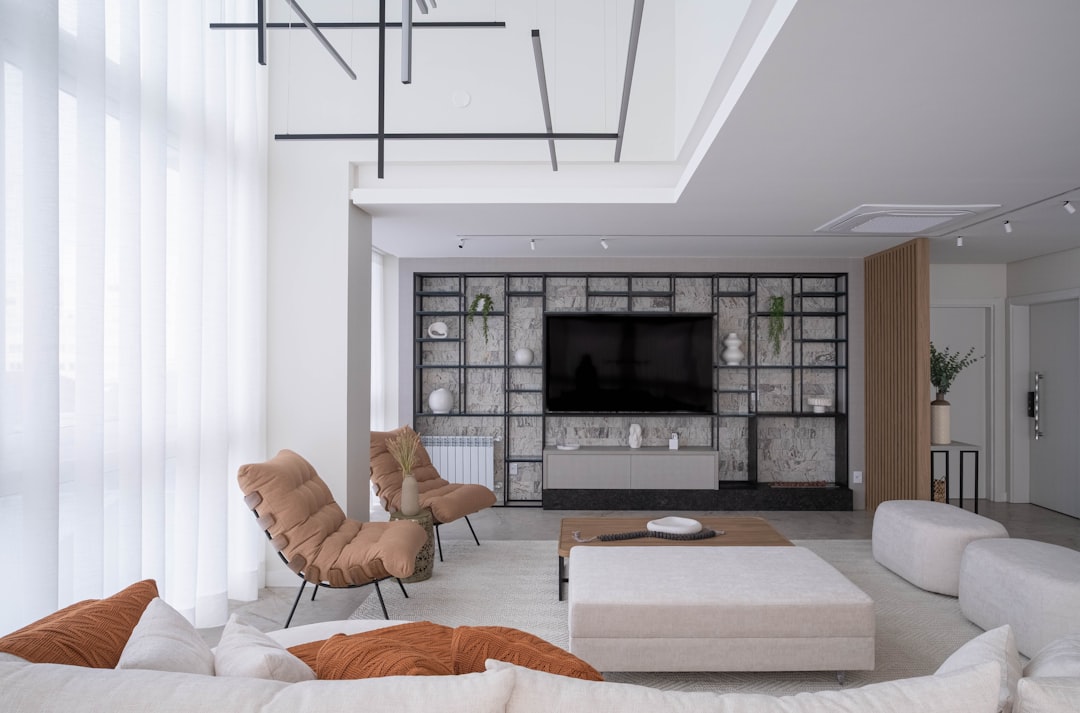
Many buyers focus on aesthetic fit first, which is understandable, but these underlying quality signals are what determine functional longevity. You can’t retro-fit better joinery or a more resilient finish. For those comparing options across different materials and budgets, these checks provide a consistent baseline — a console that passes them is built for the long term, regardless of its style.
Online images can't tell you if a drawer glides properly or if a finish feels cheap to the touch. That’s why a trip to a physical showroom, like Megafurniture’s spaces in Joo Seng or Tampines, often becomes the deciding factor for buyers stuck between options. You’re not just looking at a product page; you’re testing the action of every sliding mechanism and running a hand over the actual texture of a laminate or wood veneer. It resolves the scale doubts that plague online shopping—a two-metre console looks imposing on a screen, but in the context of a staged 4-room BTO layout, its true proportions become clear.
These showrooms are specifically organised around Singaporean spatial realities. Their ranges address HDB and condo proportions directly, so you’ll see TV consoles scaled for a narrow shophouse living room alongside wider units designed for a landed property’s entertainment wall. This direct addressing of local dimensions is crucial; a console that’s 15cm too deep can choke the walkway in a typical HDB layout, turning a simple purchase into a daily annoyance.
Assembly ease is another factor best judged in person. You can heft a shelf panel to gauge its weight, inspect the cam lock fittings, and see if the included tools look flimsy or substantial. Many shoppers have a story about a piece that looked straightforward online but arrived with incomprehensible instructions and poorly drilled pilot holes—a showroom visit lets you verify build quality before committing. It’s a form of tactile due diligence that saves weekends of frustration.
For a final verification, there’s no substitute for placing your own belongings on the shelves or opening the cabinets yourself. Does your media player fit in the designated compartment? Is the cable management hole actually where you need it? You can only answer these hyper-specific questions with the physical unit in front of you. To explore the options that warrant this hands-on inspection, browse Megafurniture’s living room collection. Ultimately, seeing a piece in its full dimension, with its finishes and functions laid bare, transforms an abstract choice into a concrete one.
The delivery crew’s arrival at your void deck is often the first real test of a furniture purchase’s logistics. In pre-1990 HDB blocks, confirm whether lift access is available or if staircase charges apply—some third-floor walk-ups can add $80 to $150 to the final bill. Many condominiums, especially those in central districts like Novena or Orchard, restrict delivery and removal to certain hours, typically a four-hour window on weekday afternoons; missing that slot means rescheduling fees or leaving your new TV console in the management office overnight.
Professional assembly isn’t just a convenience. A flat-packed console assembled on a slightly uneven HDB floor can develop a subtle lean, causing drawers to stick and doors to never quite close flush. That misalignment stresses joints over time, leading to wobbles within months. A technician with a proper level and impact driver ensures the unit is square and stable from day one, which is critical for the long, cantilevered spans of modern media units.
For the warranty, look beyond generic manufacturing defects. In Singapore’s climate, it should explicitly cover humidity-related swelling and warping for at least two years. A good policy will honour claims for doors that no longer close properly or laminated surfaces that bubble from sustained moisture exposure—common issues in north-facing living rooms or homes near coastal areas like Bedok or Pasir Ris. Keep your invoice and a photo of the serial number sticker; you’ll need them.
Finally, understand what “white-glove” service actually means. It should include unpacking in your designated room, assembly, placement, and removal of all packaging debris. Anything less leaves you hauling cardboard to the refuse chute and potentially scratching your new flooring in the process. It’s a service worth verifying before you commit.
The most telling questions about TV consoles aren’t about style—they’re about logistics, pets, and what to do with the old one. Here’s what homeowners and renters are actually asking.
Can a console fit a 65-inch TV and soundbar? Always check the width spec. A typical 65-inch TV is around 145cm wide; you’ll want a console at least that wide, with another 15-20cm to accommodate the soundbar in front of the screen without overhang. Many newer designs account for this, offering clean cable management channels for the resulting tangle of HDMI and power cords.
For homes with cats, material choice is critical. Avoid soft wood surfaces like pine or sheesham, which scratch easily. Opt for laminates, sintered stone, or lacquered MDF—their hard, smooth finishes resist claws far better. A textured veneer can also help mask minor damage, though it’s the hardness, not the texture, that provides real defence against determined pets.
Choosing a console for a BTO that won’t look dated in five years leans on a simple principle: neutral tones and clean lines. Think oak veneers, matte white, or charcoal grey in simple rectangular forms; avoid overtly rustic ‘distressed’ finishes or overly ornate hardware that quickly feels like a trend. This approach creates a flexible base layer for your living room’s evolving decor.
Finally, disposing of an old console in Singapore means planning ahead. You can’t just leave it by the rubbish chute. Schedule a bulky item removal with your town council—it’s typically free for HDB residents, but you’ll need to book a slot and get the unit downstairs to the designated collection point. For condos, check with your managing agent; there’s often a fee and specific procedures to follow.
A common mistake is assuming your chosen console will slide right in, only to find it’s a few centimetres too wide for the alcove or dwarfs your 55-inch TV. That’s why the final check starts with a tape measure—twice. Re-measure the exact wall space, accounting for skirting boards and power points, and cross-reference with the dimensions of your largest AV component. A sleek, low-profile unit might look perfect online, but if it forces your soundbar to overhang the edge, the whole setup feels awkward.
Material choice isn't just about colour matching your existing coffee table. Singapore’s humidity hovers around 80% for much of the year, which can warp solid wood that isn't properly sealed or treated. For landed properties with more open ventilation, this is less critical; in a tightly sealed condominium, it’s a genuine concern. Then there’s pet traffic. A laminate or sintered stone top will handle claws and the occasional spilled water bowl far better than a soft oak veneer that scratches if you look at it wrong.
Factor in the journey home. If your lift access is unavailable—a reality in many older HDB blocks or during servicing—budget for professional delivery with a two-man team and the necessary equipment. Hauling a solid wood console up five flights of stairs isn't a DIY project; it’s a recipe for damaged goods, a damaged wall, and a very sore back. This service can add $80 to $200 to your total, but it’s often non-negotiable.
Decide now on built-in cable management. It seems like a minor detail until you’re staring at a tangled nest of HDMI, power, and LAN cables snaking behind a unit you just assembled. An integrated rear channel or grommets turns a visual mess into a clean line; skipping it means you’ll likely be buying after-market solutions later, which rarely look as seamless.
Only then, with your confirmed measurements, material suitability, delivery plan, and cable needs settled, should you visit the showroom. You’re not going to browse aimlessly—you’re going to verify the finish in person, test the drawer glide, and see if that dark walnut looks grey under fluorescent lights. This final tactile confirmation separates a considered purchase from an impulsive one, especially when you can view key options in a curated space like Megafurniture's Tampines showroom.