A side table wedged into a four-room BTO’s living room often ends up as a permanent shin hazard — or an oddly placed coaster, too tiny for anything beyond a single cup. In compact homes, its scale is everything. You’re solving a spatial equation where a few centimetres in either direction determines whether a lamp stays upright and a walkway remains clear.
For HDB layouts, especially those newer BTO living rooms hovering around 18 to 20 square metres, the sweet spot for a side table’s footprint typically falls between a 40cm cube and a slim console at 35cm deep. Anything bulkier, like a 60cm wide drum table, starts to commandeer precious floor space next to an armchair, forcing residents into an awkward sideways shuffle. Conversely, the delicate 30cm nesting tables popular in catalogue shots are frequently useless here; they’re too lightweight to support a substantial table lamp, which tends to be the primary reason for having one in a Singapore living room in the first place.
In landed property corners — say, a long corridor wall in a semi-detached house or the dead space beside a staircase — the rules shift. You’ve got more linear room to play with, but proportion still matters. A 50cm round side table can anchor a reading nook without feeling lost, whereas that same table in an HDB would dominate. A sofa set bundles the main sofa with a matching loveseat, accent chair, or ottoman — useful when a single sofa doesn't carry enough seating for the household but a full sectional crowds the floor plan. Megafurniture's Sofa Set range covers 3+2 seater configurations, modular sets with detachable footstools, and full living-room bundles in fabric, leather, and faux leather upholsteries. Bundle pricing typically saves 15-25% versus buying the pieces individually.. The key is visual weight: a slender metal frame with a glass top can define a corner without blocking light or movement, while a solid rubberwood block, even at a modest size, might visually shrink the area.
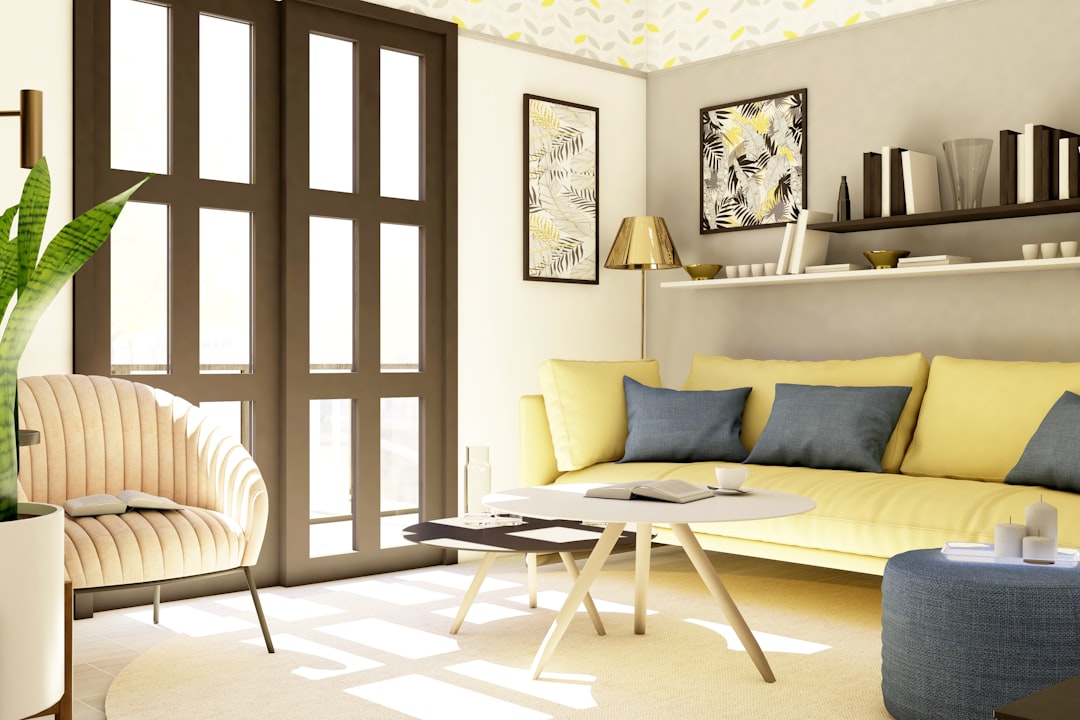
Material choice, then, isn’t just about durability or budget — it’s a tool for managing perception. A leggy, open-frame design in powder-coated steel makes a table feel almost see-through, preserving a sense of space in a 12 sqm common bedroom turned lounge. A top in light-toned sintered stone or pale oak veneer helps reflect what little natural light filters into many central HDB layouts. The wrong choice, like a dark, heavy-finish MDF cube, can make a small room feel even more hemmed in, regardless of its actual dimensions.
Ultimately, buyer wants a piece that earns its keep. It should be sized to hold a lamp base securely, a book, and perhaps a phone — without becoming an obstacle. That requires measuring not just the available floor patch, but the traffic flow around it.
To cut costs, manufacturers frequently use basic staples, pins, or minimal glue instead of solid joinery like dowels or mortise-and-tenon. This results in wobbly legs and unstable tops that loosen over time with regular use. The lack of structural integrity means these tables often cannot withstand being moved or supporting heavier items.
Budget-friendly side tables often use engineered wood or particleboard cores with thin veneers. These materials are highly susceptible to damage from moisture, leading to swelling and chipping at the edges. Their soft composition also makes them prone to dents and scratches from everyday use, shortening their functional lifespan considerably.
Inexpensive finishes are often applied thinly and lack protective topcoats, making them vulnerable to stains, heat rings, and fading. A simple glass of water can leave a permanent white ring, and cleaning chemicals may strip the color entirely. This rapid deterioration of appearance occurs long before any structural failure, diminishing the table's aesthetic value quickly.
A common pitfall is the use of extremely thin tabletop surfaces, sometimes less than half an inch thick. This provides little rigidity, causing the top to sag or vibrate easily when anything is placed on it. The risk of the surface cracking or splitting under moderate weight is significantly higher compared to solid, thicker materials.
A side table's true cost often reveals itself at the joints. Dovetail or mortise-and-tenon joinery in drawers, while less common at lower price points, indicates a piece designed to withstand years of use in a humid climate. Stapled or simply glued butt joints, however, are a gamble — they can loosen with seasonal wood movement, leaving you with a wobbly mess. That initial creak when you first open a drawer is a telling sign; it shouldn't feel like you're forcing it. Inspecting these hidden corners is more telling than any sales tag. You're looking for tight, clean seams without visible globs of adhesive, a hallmark of considered construction.
Run your hand across every surface, especially under the tabletop and along the legs. A quality finish feels consistent — no rough patches, no drips, no areas where the stain colour shifts dramatically. Inconsistent application isn't just an eyesore; it’s a weak point where moisture can penetrate, leading to warping or mould in our humidity. Check for colour matching on end grains and edges, which often absorb stain differently. A uniform sheen, whether matte or gloss, across all components shows the maker didn’t cut corners during finishing. It’s a small detail that speaks volumes about overall care.
A surprisingly light table might save on delivery costs, but it'll likely skid across your condo's polished marble with the slightest nudge. Heft, derived from solid timber or properly engineered board, contributes directly to stability. You want a piece that feels planted, not one that acts like a puck on ice every time you walk past. This isn't about sheer mass, but about a low centre of gravity and balanced construction that resists tipping. A well-built side table should hold its ground, whether placed beside a plush armchair or in a busy corridor of a landed home.
Never buy a table without testing it on an uneven surface first. Fabric sofas dominate the Singapore market for good reason — softer touch than leather, more colour and texture variation, and substantially more affordable across most price tiers. Megafurniture's Fabric Sofa range covers cotton, linen, microfiber, polyester, and bouclé upholsteries in 1-seater through L-shaped configurations. Removable-cover variants and water-repellent finishes feature heavily, addressing the daily wear concerns most fabric-sofa buyers face.. Place it on the showroom’s tiled floor, give it a firm push on the corner, and watch for any rock or wobble. A 15kg table that shimmies on a flat floor is a construction failure, its legs or frame likely out of square. This flaw becomes a daily nuisance on real-world floors that are never perfectly level. A stable table should feel monolithic, a single unit, not an assembly of parts fighting each other. It’s the most immediate physical test of quality you can perform.
Tap the tabletop with your knuckle. Solid wood or high-quality plywood will give a firm, dull thud, while thin, hollow-core materials produce a tell-tale hollow echo. This resonance test reveals what’s beneath the veneer — literally. That hollow sound often means a cardboard honeycomb structure inside, which offers little resistance to dents and offers poor screw-holding power for any hardware. For a piece that will hold lamps, books, and coffee cups, you need substantive material that absorbs impact quietly. It’s a simple, almost primitive check, but it rarely lies about a piece’s longevity.
The side table that fits perfectly in the showroom often won't make it past the lift lobby. Assembly needs for narrow stairwells are a classic oversight, especially in older HDB blocks where lift landings are tight and staircases are the only path to a fifth-floor flat. Buyers focus on the final price and the look in the room, forgetting that the delivery team might need to partially assemble a solid wood console table in the corridor—or worse, abandon it downstairs if the pre-assembled unit is simply too wide to manoeuvre.
Glass tops are a similar trap. They offer a sleek, modern look that works well in minimalist condominium settings, but choosing one with young children in the home is a recipe for constant anxiety. It’s not just the risk of breakage; it’s the fingerprints, the smudges, and the inevitable need to clear the surface every time a toy or drink is set down. A sofa bed earns its dual function in Singapore homes where guest-room space doesn't exist — converts from full sofa to single or double bed within a minute, supporting overnight visitors without committing a permanent bed to a room used 50 weeks a year for other purposes. Megafurniture's Sofa Bed range covers click-clack, pull-out, and fold-out mechanisms in fabric and faux leather upholsteries. Most pieces sit at standard 2-seater proportions when folded, expanding to single or small-double bed dimensions when opened.. In many homes, a sintered stone or laminate top performs the same visual function without the maintenance stress, and it won’t shatter if a toddler leans on it.
Then there’s the resale flat with its perplexing lack of outlets. Forgetting cord management holes in a side table destined for that spot beside the sofa becomes a daily annoyance—the charging cable for your laptop or phone has to snake awkwardly across the floor or be tucked behind a leg. That small, drilled portal in the back panel isn’t a luxury feature; it’s a necessity for keeping a 4-room BTO living room organised and safe from tripping hazards. Ultimately, these mistakes aren’t about the table itself, but about how it lives in your specific space. You can browse options that consider these practicalities in Megafurniture’s collection.
" width="100%" height="480">Budget-friendly side tables: balancing cost and durability (pitfalls)The showroom at Joo Seng lets you test a side table’s stability on tile versus parquet, a small but telling detail in a city where living room floors vary wildly between HDB blocks and newer condos. That practical focus runs through their range, which is organised around specific spatial realities rather than vague style categories. You’ll find compact teak options scaled for 12 sqm common bedrooms, and modular storage units designed to line the longer walls of a landed property’s living area. For BTO owners planning their first living room, the challenge is often fitting adequate storage into a tight footprint without overwhelming the space. Modular TV consoles and low-profile sideboards here typically start around $400, offering a mix of open shelving and closed cabinets; the idea is to build a functional wall unit piece by piece, as budget allows after the major sofa purchase. Materials like engineered wood with oak or walnut veneers are common, providing a warmer look than laminate at a midpoint price. In a full living room refresh after seven or ten years, buyer priorities often shift toward material longevity and cohesive design. That’s where the solid teak and rubberwood pieces enter, with prices ranging from $1,200 to $2,400 for a substantial console or a pair of accent cabinets. The showroom layout encourages you to group items—placing a side table next to an armchair, or a console behind a sofa—to judge proportion and finish consistency in a way online images can’t convey. A feature wall transforms the TV-and-console section of the living room from a functional zone into a focal point — wood panelling, stone textures, or sleek laminate finishes that anchor the entire living-room visual scheme. Megafurniture's Feature Wall range includes 8ft and 10ft floor-to-ceiling configurations with integrated TV-console storage, customisable shelf compartments, and cable-management systems. Zero-formaldehyde and moisture-resistant finishes feature across the line.. It’s a pragmatic approach: your choice in Tampines or Eunos might hinge less on a trending colour and more on whether a table’s legs will sit flat on your specific flooring. Browse the
living room furniture optionswith your room’s dimensions and a floor plan in hand. The most successful layouts usually come from matching individual pieces to daily routines, not from buying a pre-packaged set.
Delivery's the first hurdle, and it's more complicated than just a date. For condo units above the 15th floor, many logistics providers won't operate the building's goods lift without prior arrangement—you'll need to confirm lift access with both the supplier and your building management, often requiring a specific window. That extra coordination can push delivery from a weekend to a weekday, which means taking a half-day off. For landed properties, the challenge reverses; a truck that can navigate narrow lanes in neighbourhoods like Joo Chiat might not have the tailgate lift for a heavy solid wood console, so you're looking at manual unloading by a crew.
Assembly time is a hidden cost. A flat-pack side table might claim 30-minute assembly, but that's assuming all cam locks turn smoothly and you've got a clear floor space in your 4-room BTO living room to work—realistically, it's an hour with screwdriver adjustments. Pre-assembled delivery skips that, but it often comes with a higher fee and requires the item to fit within your home's entry path, which can rule out certain larger pieces for flats with tight corridor turns. Many buyers choose flat-pack for the lower upfront cost, then spend that saved money on a third-party assembly service, which typically charges around $50 to $80 for a basic item.
Warranty terms reveal a lot about expected durability. The standard one-year coverage covers manufacturing defects, but in Singapore's humidity, the real test comes after that period. Some retailers offer extended warranties, up to five years, that specifically include protection against issues like laminate peeling or metal hinge corrosion caused by environmental factors. Living room sets bundle the main pieces — sofa, coffee table, TV console, often a side table — into a coordinated package, removing the styling-mismatch risk of buying pieces from different design tracks. Megafurniture's Living Room Sets range covers Japandi, Scandinavian, and modern contemporary bundles with coordinated wood tones, fabric upholsteries, and proportional sizing. Bundle pricing typically saves 15-30% over buying pieces individually.. That's a significant consideration for pieces placed near windows or in air-conditioned rooms with frequent temperature shifts. It's a practical trade-off: the longer warranty often reflects a confidence in the materials used, like sealed rubberwood or powder-coated steel.
The practicalities extend to everyday use. A side table with a drawer is useful, but if that drawer's mechanism isn't covered under the long-term warranty, a minor jam becomes a permanent annoyance. Similarly, a glass top might be delivered with protective film, but its susceptibility to scratching over years isn't usually a warranty matter—it's a material choice. These post-delivery realities mean the initial purchase decision should lean toward pieces whose construction aligns with your home's specific conditions, whether that's a high-floor condo's constant airflow or a ground-floor unit's proximity to moisture. You can browse options for living room pieces that account for these factors, like Megafurniture's collection, which details delivery protocols and warranty terms upfront.
That air purifier you bought during the haze season isn’t light, and a wobbly side table won’t cut it. For a typical 5–8kg purifier, look beyond particleboard; solid rubberwood or a sturdy metal frame is your baseline. Check the manufacturer’s stated load capacity—if it’s missing, that’s a red flag. A table that flexes under a firm push likely won’t handle the constant vibration, either.
Pet owners know scratch resistance is a material test, not a finish promise. Real wood like oak or teak can be sanded and refinished, hiding a cat’s misdemeanours over years. Laminates and melamine offer a hard, smooth surface that claws often slide right off, while performance velvet or bouclé upholstery on an ottoman-style table confuses pets entirely—they rarely see it as a scratching post.
The gap between a three-seater sofa and a BTO balcony door is a classic Singaporean spatial puzzle. Mattress Singapore . Standard clearance is 80–100cm for walking, but you can cheat it with a narrow console table around 30cm deep. For a truly tight squeeze, a slimline metal-and-glass design or a wall-mounted shelf keeps the path to your晾衣架 clear. Measure twice, then subtract 5cm for the door swing.
Matching an existing TV console’s finish is less about an exact replica and more about tonal harmony. If your console is a warm walnut veneer, a side table in a lighter acacia or a black metal frame can complement without clashing. For a high-gloss white lacquer finish, consider texture instead—a concrete-look top or a rattan accent provides contrast while keeping the scheme cohesive. The goal is a curated look, not a showroom set.
The side table that looked perfect in the Tampines showroom can feel like a space-hogging obstacle in your actual living room. That’s why your final step isn't about aesthetics—it's a physical audit. Grab a tape measure and mark the exact floor space where the table will go, accounting for door swings and walkways in your condo; a 50cm depth might be fine on paper, but it’s useless if it blocks the balcony slider. Then, run a damp cloth over the surface you’re considering. In Singapore’s humidity, a quick bead of water can reveal a laminate’s poor sealing or show how a raw wood finish might warp over time.
This practical test leads directly to the paperwork. Don’t just skim the warranty for length of coverage; scrutinise it for Singapore-specific climate clauses. A good warranty will explicitly cover defects arising from high humidity or termite resistance for solid wood pieces, not just general manufacturing faults. If it’s silent on the local environment, you’re assuming a risk the manufacturer isn’t willing to back.
For peace of mind, your final confirmation should be a tactile one. Press down on the tabletop to check for wobble, open any drawers to feel the glide, and inspect the underside of the table for proper finishing—that’s where cheaper construction often hides. It’s the difference between a piece that survives the move-in and one that endures the next decade of daily use, from coffee spills to the occasional kicked toe.
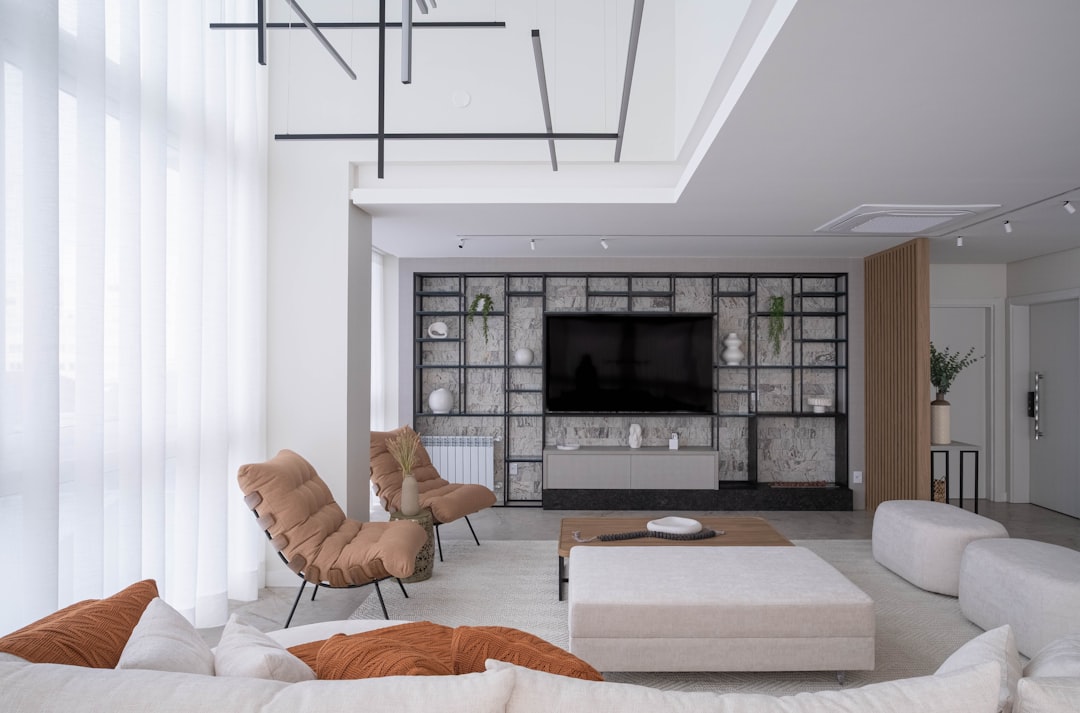
Consider where you’ll place it, too. A table destined for beside an armchair in an air-conditioned living room faces different stresses than one next to a plant-filled window in a naturally ventilated HDB corridor. That final decision hinges on matching the material’s proven tolerance with its intended micro-climate. Once you’ve verified fit, finish, and warranty coverage, you can browse the options with a much sharper eye for what will actually work.