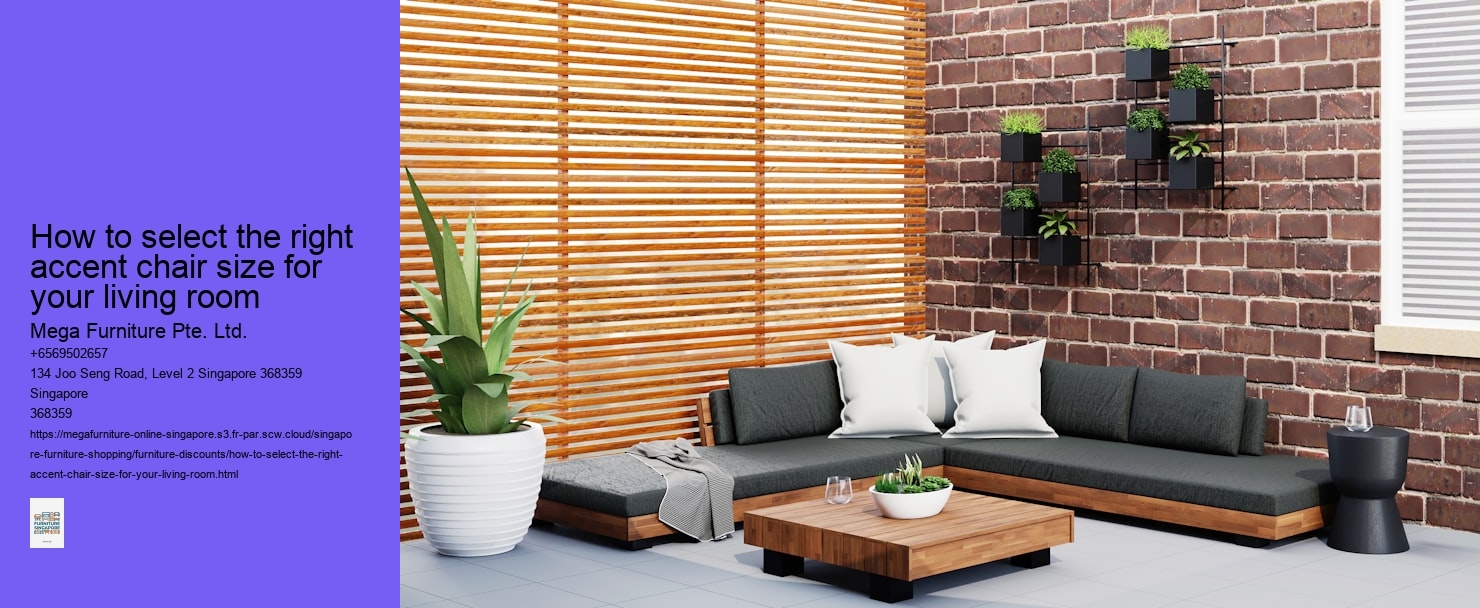
A common mistake in Singapore is buying an accent chair that fits the space on paper, but not the one you actually live in—because you forgot about the main door swinging inward or the aircon trunking that juts out 200mm. Start with painter’s tape. Lay it out on the floor to mock the footprint of every potential piece; it’s the cheapest way to avoid a delivery-day crisis.
In a typical 4-room HDB living room, say around 4m by 3.5m, you’ll need clear floor space for a 3-seater sofa first. That usually leaves a strip about 1m to 1.2m in front of it—just enough for a compact accent chair and a narrow side table, provided you maintain a minimum 600mm walkway behind it for circulation. That walkway is non-negotiable if you want to avoid a permanent shimmy past the TV console. Account for the door swing immediately; if the chair blocks the door’s arc, you’ll curse it every time you come home.
For corridor-style layouts common in older flats and some BTOs, the challenge is depth. Your console table against the long wall might only leave 800mm to 900mm to the opposite wall. An accent chair here needs a shallow profile, ideally under 750mm deep, and you’ll likely forgo a front-facing coffee table altogether. The aircon trunking running along the wall can steal another 150-250mm of usable depth, so measure from the trunking’s face, not the wall.
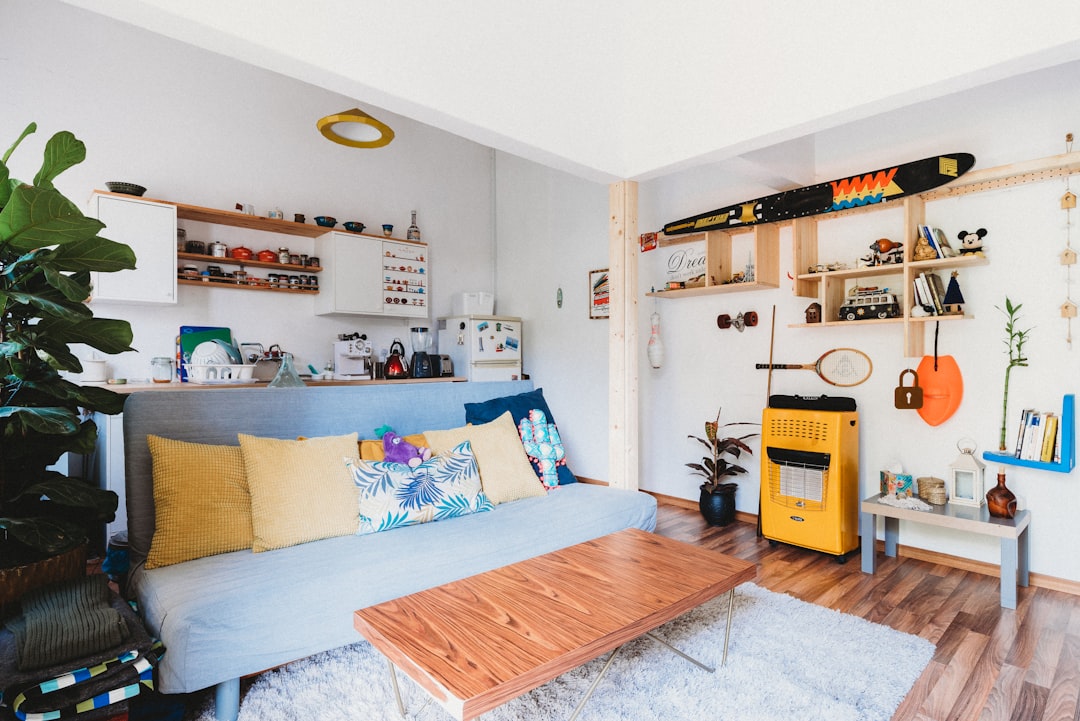
Spacious layouts, like those in landed property halls, offer more freedom but demand proportion. A distance of 2.5m to 3m from a console table to an accent chair creates a comfortable conversation zone without feeling stranded. Here, you can play with larger, statement pieces—a high-wing chair or a deep lounger—but still keep walkways around 700mm clear for service access and to prevent the space from feeling cluttered. That generous scale is what you’re paying for, so don’t undersize the furniture.
Ultimately, the tape doesn’t lie. It shows you where the natural path is, where a side table would become a hip-bruiser, and whether you can actually open that console drawer fully. It’s a tedious half-hour that saves you weeks of return hassle.
The imported 'oversized' accent chair that looks perfect in a catalogue often becomes a daily nuisance in a 12 sqm HDB living room. It's a common mismatch — that generous, 1-metre wide statement piece meant for landed property lounges ends up blocking the walkway to the balcony in a typical 4-room BTO layout. For compact spaces, you'll want to target chairs under 750mm in width. These dimensions are tailored for specific Singaporean niches: a narrow HDB study corner beside a built-in desk, or tucked into a condo bay window to create a reading spot without eating into the main circulation space. Depth matters just as critically, especially in older resale flats where corridors can be a tight 1.5m; a chair that's too deep will force you to sidle past it every time. Standard sizes, ranging from 800mm to 900mm wide, find their natural home in landed property reading nooks or more generously proportioned condo living areas. Here, the chair can serve as a proper secondary seating zone without dominating the room. The key is to measure your intended footprint against your existing traffic flow — not just the empty space. It's less about the chair's style and more about its physical claim on your floor. A buyer wants a piece that complements, not competes; that's why checking the product specifications for width and depth is the single most practical step before falling for a photograph. You can explore a range of scaled options in the
living room furniture collection, where dimensions are clearly listed. Ignore that step, and you're likely donating a very expensive obstacle to the neighbourhood charity drive next year.
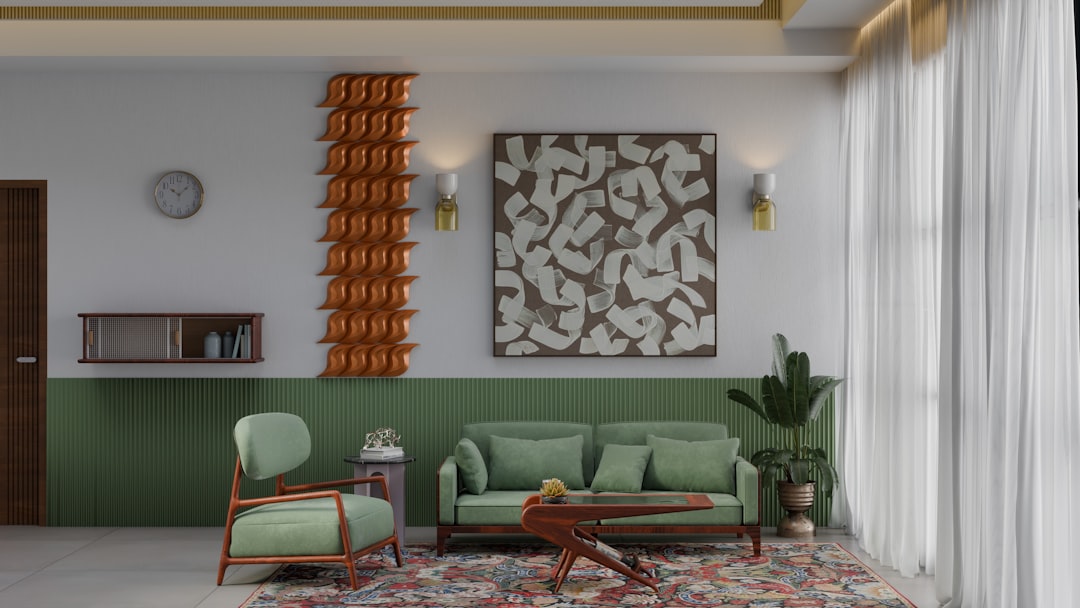
Singapore's humidity means a fabric's stated colour can be its undoing. Untreated cotton or linen will wick moisture, leading to a permanent damp patch where a pet sleeps or a person leans. That's why performance fabrics like Crypton or solution-dyed acrylic become non-negotiable in many homes; their moisture-resistant barrier and inherent stain protection handle the local climate where a decorative weave simply can't. They'll resist the mould and mildew that festers in untreated fibres, and they clean with a wipe rather than a deep, often unsuccessful, scrub. For an accent chair in a high-use spot, this choice moves from aesthetic preference to functional necessity.
A solid wood frame might sound premium, but in a non-air-conditioned living room, it's a gamble. Fluctuating humidity causes solid timber to swell and warp over months, leading to creaks, misaligned joints, and a chair that feels prematurely old. Instead, look for frames built from kiln-dried hardwood, which has had its moisture content stabilised, or engineered wood products designed to handle Singapore's specific conditions. These materials provide the structural integrity without the seasonal movement, ensuring the chair's silhouette and stability last beyond the first monsoon season.
Powder coating isn't just a buzzword; it's a baked-on polymer finish that forms a skin far tougher than conventional paint. On metal legs, especially with active pets brushing past, a simple painted finish will chip and scratch, revealing bare metal that rusts almost instantly in our humid air. Powder coating resists that abrasion and creates a barrier against moisture ingress, keeping the legs looking sharp and preventing unsightly corrosion stains on your floor. It's a small specification that makes a tangible difference in long-term appearance.
Genuine leather in a humid climate requires an active partnership, not passive ownership. Without regular conditioning—think every three to four months—the natural oils dry out, and the material becomes a breeding ground for mould spores that leave permanent spotting. This isn't a one-off treatment at purchase; it's a recurring calendar reminder to maintain the material's suppleness and protective layer. Skip that routine, and a beautiful leather accent chair can degrade rapidly, developing a patina of neglect rather than age.
When performance textiles are specified, it steers you away from problematic natural fibres by default. A solution-dyed acrylic, for instance, has its colour embedded in the polymer before it's spun into yarn, so fading from sun or cleaning is far less likely. These engineered fabrics are also typically tighter woven, making them more resistant to claws and general abrasion from pets jumping up. They represent a category where the material science has been tailored for real-life conditions, not just visual appeal in a showroom.
That low-backed accent chair looks sleek on a showroom floor, but in a 2.6-metre HDB ceiling, it can do the opposite of what you want. It draws the eye down to its empty back, emphasising the squatness of the room rather than creating lift. The real trick to visual lightness isn't just low profile; it's about silhouette and negative space—a chair with visible legs and a narrow frame often works better than a solid block, even if both are technically short.
Proportion errors compound when you start pairing pieces. A bulky, rolled-arm chair beside a leggy glass coffee table creates a visual mismatch that feels unstable, like placing a boulder on a crystal stand. Each piece fights the other instead of conversing. In many Singapore living rooms, it's wiser to balance visual weight: pair substantial upholstery with a solid wood or sintered stone table, or match a leggy chair with something equally airy.
Don't ignore the room's light, either. A north-facing room in a Bishan or Toa Payoh flat gets cool, indirect light that can turn a dark charcoal or navy velvet chair into a black hole. That rich colour you loved under showroom LEDs becomes a formless shadow in your own space, sucking the energy out of a 4-room BTO layout. Lighter neutrals or mid-tone performance fabrics often work harder in these conditions.
Then there's the purely practical miscalculation. Falling for a perfect, oversized armchair without measuring your lift's interior dimensions or your walk-up's staircase turn is a classic Singapore renter's regret. That beautiful piece might sit in the loading bay while you negotiate an extra few hundred dollars for crane service. Always check the narrowest point—doorways, lift doors, that tight corner on the stairwell landing—before committing.
It's a lesson in measured patience. The right scale isn't just about the room's floor plan; it's about the journey through the lift lobby and up the stairs, too.
There’s a particular texture to a performance velvet or the precise sink of a seat cushion that no product image can convey. For accent chairs, these physical details aren’t just about style—they’re critical for function, especially in a multi-generational home. You can’t gauge whether a seat height of 46cm is manageable for elderly parents without seeing them actually sit down, nor can you assess the lumbar support a chair offers from a spec sheet. That’s the core reason to visit a physical showroom: to test the fundamental ergonomics before committing to a piece that will be used daily.
At Megafurniture’s Joo Seng or Tampines locations, you’re not just looking at chairs in isolation. The showrooms are organised with curated vignettes that pair accent chairs with their own console tables and media units, allowing you to visualise a complete HDB layout in three dimensions. It’s one thing to imagine a bouclé armchair in your 4-room BTO living room; it’s another to see how its scale relates to a 1.8m teak TV console and a narrow hallway table. This spatial context is invaluable for avoiding a piece that overwhelms a compact space or gets lost in a high-ceilinged condominium living area.
Fabric choices also demand in-person scrutiny. Showroom lighting reveals how a charcoal linen actually reads—whether it’s a cool grey or carries warm brown undertones—and lets you check the hand of the material. Staff can pull out swatch books for alternatives and provide concrete advice on lead times for custom re-upholstery, a service that’s often essential for fitting a favourite chair into an existing colour scheme. They’ll typically know if that petrol blue velvet is a stock item or requires a 6-week order window.
The process turns abstract measurements into lived experience. You’ll notice if a chair’s arms are too high to use as a casual perch, or if its depth makes you slouch. For a full living room refresh, this tactile reconnaissance saves more trouble than any online filter. You can browse Megafurniture’s collection online for inspiration, but the final confirmation should happen on the showroom floor, where you can press the fabric and judge the firmness for yourself.
The delivery team will likely need to park at the MSCP, then carry your new armchair up three flights of stairs — that’s why confirming two-man delivery for walk-ups is non-negotiable. You’ll also want to ask about ‘white glove’ unpacking; some services will simply leave the box in your foyer, while others will remove the chair, position it, and take the packaging away, which is a genuine luxury in a 4-room BTO with limited bin chute access.
Assembly for accent chairs is typically subcontracted to third-party handyman crews, not the retailer’s own staff. It’s worth checking if a retailer like Megafurniture uses in-house teams instead; an integrated team often has better familiarity with the product and fewer communication hiccups. The difference shows in those final details — ensuring all feet sit flush on your ceramic tile or engineered wood floor, and that any reclining mechanism operates smoothly right from the start.
Warranty fine print matters immensely in our climate. It must explicitly cover humidity-related frame issues — warping or joint separation — and fabric pilling on performance velvets or bouclés for a minimum of 12 months. A vague ‘structural guarantee’ that omits moisture damage is almost useless here; you need the specific terms in writing before you commit.
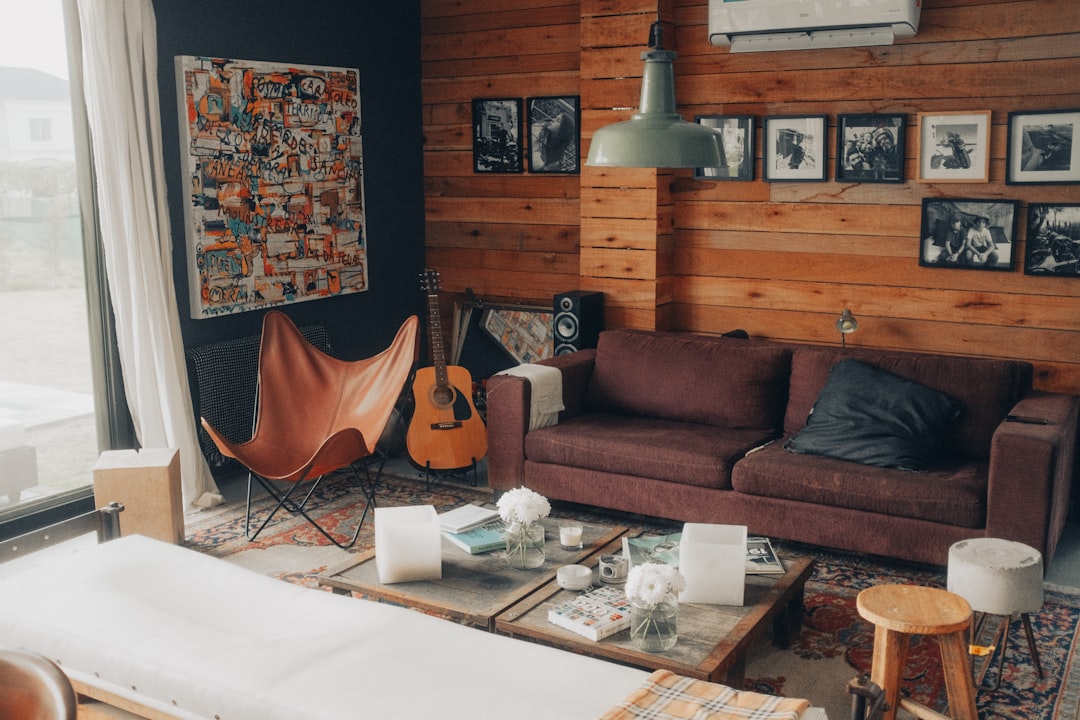
Keep the original packaging in a corner of your service yard or store room for the first seven days. It’s an eyesore, but it’s your only recourse if you discover a manufacturing flaw or shipping damage that necessitates a return. After that week, you can finally break down the box, having passed the most critical inspection period for your new living room centrepiece.
The accent chair should visually balance with your sofa and other primary pieces. A large sectional pairs best with a substantial chair, while a petite sofa needs a more compact accent piece. Proper proportion maintains a harmonious and intentional look.
Determine if the chair is for primary seating, occasional use, or purely decorative. A chair for frequent use requires deeper seats and taller backs for comfort. A stylistic piece can prioritize form but must still fit the allocated space.
Before choosing a chair, measure the intended floor area. Ensure there is at least 36 inches of clearance in front for comfortable movement. The chair's footprint should not obstruct pathways or other furniture.
The questions homeowners actually ask about chairs rarely show up in a glossy brochure. They’re practical, born from lived-in spaces—like a 2-room Flexi flat where every square foot counts.
Can an accent chair replace a sofa entirely? In most cases, no. But for a single resident, pairing a substantial armchair with a matching ottoman can function as a primary seating zone, saving crucial floor space in a 4.5 by 3-metre living area. The ottoman is key; it provides the leg support a sofa would, and it can double as impromptu side table or extra perch when needed.
How to stop that chair from scratching your marble floor? The standard small plastic feet won’t cut it. Opt for large-diameter felt pads—the wider the base, the better the weight distribution. For a narrow space behind the main door, where a chair is often more landing pad than lounger, look for a bench-style seat. A backless design or one with a very low back keeps the profile slim and avoids that perpetual feeling of clutter when you enter.
West-facing windows in older HDB blocks in Queenstown or Toa Payoh present a specific problem: relentless afternoon sun that bleaches fabrics within a season. The solution isn’t just a dark colour; it’s in the material’s construction. Solution-dyed acrylics or polyesters have the colour baked into the fibre, so they resist fading far better than printed fabrics or natural silk blends. It’s a technical specification, but it’s the difference between a chair that lasts two years and one that lasts ten.
That taped outline on the floor is a suggestion, not a promise. Before you commit, lay down the actual coffee table—a 90cm round marble piece or a 120cm rectangular oak one—directly over its footprint. The visual gap you imagined often shrinks; your accent chair’s path to the balcony might now require a sidestep past the table corner, a daily nuisance you’ll feel more than see.
For BTO owners, this is your last call before painting. A deep emerald or navy chair in a north-facing room will swallow light, making that expensive grey wall feel cooler and darker than the sample suggested. Conversely, a light bouclé or beige linen piece near a west-facing window can glare in the afternoon sun. The chair’s colour isn’t just an accent; it’s a permanent modifier of your wall colour and the room’s mood.
Don’t forget the vertical plane. Stand the chair in its spot and slowly raise the ceiling fan to its lowest point—that arc needs a solid 15cm clearance from the chair’s highest back or any decorative finial. In many 4-room BTOs with standard 2.6m ceilings, a tall wingback can turn a relaxing fan breeze into a percussive hazard.
Now, cross-reference your warranty document against Singapore’s humidity. Many standard warranties cover manufacturing defects but explicitly exclude ‘atmospheric damage’ like mould or wood warping from persistent dampness; if your flat faces Bedok’s sea breeze or sits in a humid pocket, that’s a critical clause. The final, non-negotiable step is to measure your lift one more time. A bulky chair that fits in the service lift at Tampines might not clear the tighter passenger lift in an older Eunos condo—delivery day is a poor time to discover the difference.