A typical 4-room BTO living room often measures a precise 12 to 16 square metres — you can fit a two-seater sofa, a TV console, and maybe a side table before the space starts to feel like a showroom corridor. Move to a 5-room resale flat from the 90s, and that footprint often expands to a more generous 18–22 sqm, where a full three-seater sofa and a coffee table finally become comfortable possibilities. This variance in public housing dimensions fundamentally dictates what an accent chair can be; in the tighter BTO layout, it’s often a single compact armchair that must tuck into a corner, while the resale flat might allow for a modest pair.
Condominium layouts introduce a different rhythm. Newer developments often feature open-plan living and dining areas that flow together, creating a perceived spaciousness that can still be deceptive — the actual living zone might be only slightly larger than a resale HDB’s, but without the structural walls boxing it in. This allows for more flexible, sculptural furniture placement, where an accent chair can float to define a reading nook rather than hug a perimeter. In many landed properties, the scale shifts entirely; living rooms can sprawl across 40 sqm or more, transforming an accent chair from a space-saving afterthought into a deliberate component of multiple seating clusters.
The critical constraint in HDBs, however, isn’t just floor area — it’s the dance of door swings and walkways. Placing a plush armchair beside the main door might look perfect in a plan, until you realise it blocks the door’s 90-degree arc every time someone enters. That charming chair angled toward the balcony doors can become a permanent obstacle if it encroaches on the primary path from the sofa to the kitchen. Successful placement respects these invisible traffic lanes, ensuring at least 800mm for main walkways and checking every hinge’s radius.
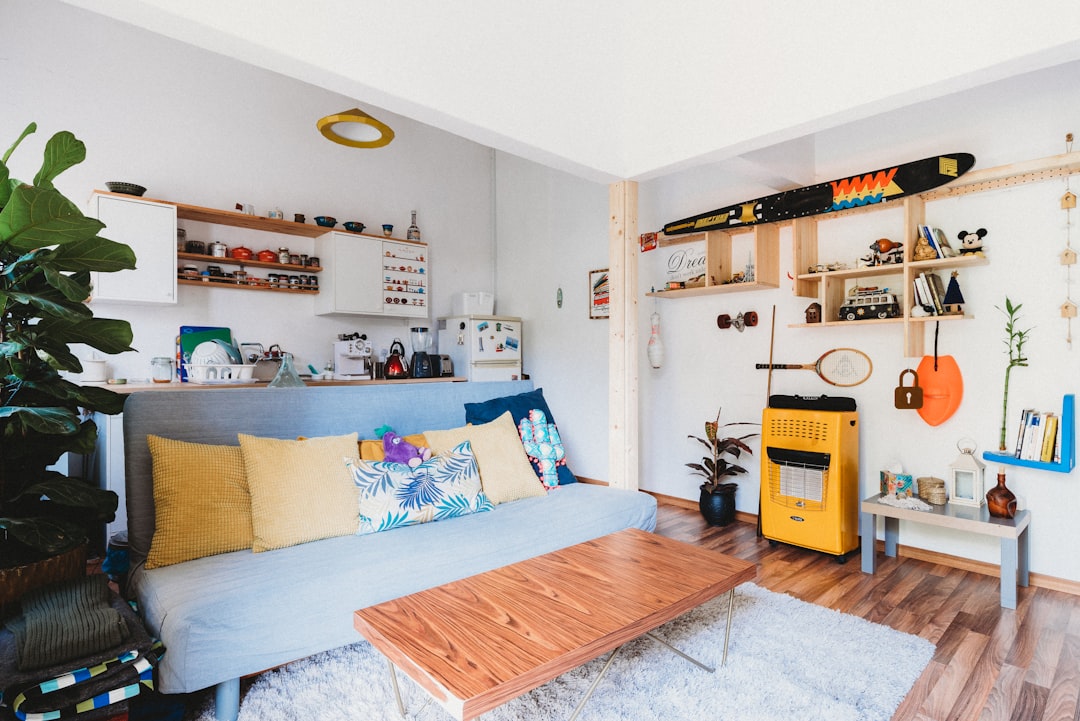
This makes low-profile chairs with a narrow depth, or even backless stools and ottomans, smarter choices for many flats built in the last decade. You’ll find more options designed for these proportions in dedicated collections for living room furniture. The goal is to add character without creating a daily obstacle course — because in a 14 sqm room, every centimetre of clearance counts.
A well-chosen accent chair can anchor a room, but the wrong one becomes a daily nuisance — a damp, musty relic after one monsoon season, or a shredded monument to your cat’s boredom. In a climate where humidity routinely hits 80%, material selection isn't just about aesthetics; it's a functional prerequisite for longevity. Start with the frame: solid wood species like rubberwood or oak, properly kiln-dried, are inherently stable, while treated metal frames offer outright immunity to moisture warping. Avoid particle board or MDF at all costs, as these engineered materials will swell and delaminate in our persistent damp, often within a single year. That resilience must extend to the upholstery, especially with pets in the mix. Performance fabrics are non-negotiable here. Look for crypton or similar high-performance textiles that are inherently stain-resistant, antimicrobial, and easy to clean with just soap and water — a lifesaver for muddy paws or spilled kopi. Leather, particularly full-grain or top-grain, is another durable contender; while it can show scratches, these often blend into a developing patina, and it wipes clean effortlessly. Delicate linens, loose-weave cottons, or standard polyesters simply won't withstand the dual assault of tropical moisture and active claws. Scale is the final, critical filter. An oversized, high-backed armchair might look stately in a showroom, but in a typical 3m by 4m HDB living room layout, it can visually swallow the space and obstruct walkways. Prioritise chairs with a compact footprint and a lower back profile; a chair seat width around 75cm to 85cm and a depth under 80cm often integrates far better than bulkier models. The visual weight matters, too — a chair with exposed legs creates a sense of airiness, while a skirted base that reaches the floor can feel heavy and imposing in a tight corner. It’s a balancing act between durability and dimensions. You’re not just picking a chair; you’re selecting a piece that must endure specific local conditions while respecting the hard limits of your floor plan. L-shaped sofas earn their footprint in HDB and condominium living rooms by maximising seating in a corner configuration that would otherwise sit empty — particularly useful in the typical 4-room HDB layout where the living room is open-plan with the dining area. Megafurniture's Fabric Sofa range covers right-arm-facing, left-arm-facing, and reversible-chaise designs in pet-friendly, water-repellent, and water-resistant fabric variants. Most pieces sit between 240cm and 320cm wide on the long axis.. For those navigating this precise calculus, browsing a dedicated
living room furniture collectionthat filters by size and material can streamline the search. The goal is a chair that feels intentional, not intrusive, and remains in good condition long after the initial novelty wears off.
You can't see it, but a chair's frame joinery is its skeleton. Dowelled or mortise-and-tenon joints are the quiet indicators of longevity, resisting the inevitable wobble from daily use in a 4-room BTO. Screw-and-glue assemblies, common in budget options, often loosen within a year on Singapore's humid concrete floors. Fabric sofas dominate the Singapore market for good reason — softer touch than leather, more colour and texture variation, and substantially more affordable across most price tiers. Megafurniture's Sofa Bed range covers cotton, linen, microfiber, polyester, and bouclé upholsteries in 1-seater through L-shaped configurations. Removable-cover variants and water-repellent finishes feature heavily, addressing the daily wear concerns most fabric-sofa buyers face.. A solid frame isn't just about stability; it’s what allows a chair to handle the occasional guest plopping down after a long day. Look for manufacturers who specify their joinery method—silence on the matter is usually a tell.
Eight-way hand-tied springs are the gold standard for seat support, a detail often reserved for higher-end pieces. They distribute weight evenly and prevent the sagging that turns a favourite reading nook into a slouch zone. Less durable alternatives, like drop-in units or webbing, can create a distinct hammock effect over time, especially under constant use. In an accent chair, this system matters less for bouncing and more for maintaining its shape and comfort for a decade. It's one of those construction elements where the old-fashioned way is still, frankly, the best.
Foam density is critical for tropical endurance. Specify high-density polyurethane foam, ideally above 1.8 pcf, to avoid the premature flattening and heat retention common in cheaper, lower-grade fills. In our climate, low-density foam breaks down faster, losing its resilience and becoming uncomfortably warm—a poor trade for a few hundred dollars in initial savings. This isn't just about comfort; it's about the material's chemical tolerance for constant humidity. A chair that feels rock-hard in a showroom might just be properly dense, destined to soften perfectly, while a plush one could be a trap.
A warranty under three years often signals a manufacturer's low confidence in their product's climate tolerance. It's a red flag, suggesting the materials and adhesives weren't selected for Singapore's persistent 80% humidity. Comprehensive coverage should explicitly include the structural frame and suspension, not just a limited list of components. Many homeowners discover their fabric stain warranty is voided by sunlight from their Bedok window—read the exclusions. Treat a short warranty period as a clear signal to look elsewhere.
Observe how the upholstery fabric is pulled and attached to the frame. Loose, wrinkled, or puckered fabric on a showroom floor indicates poor tailoring and will only worsen. Tight, smooth seams and consistent pattern matching, especially on patterned velvets or linens, show a workshop that cares about detail and longevity. This tension affects more than aesthetics; loose fabric wears and tears more quickly at stress points like the corners of seat cushions. It’s the finishing touch that separates a piece built for a decade from one built for a season.
The Jalan Besar flat's balcony is its only source of cross-breeze, yet the new L-shaped sofa now blocks the sliding door completely. A sofa bed earns its dual function in Singapore homes where guest-room space doesn't exist — converts from full sofa to single or double bed within a minute, supporting overnight visitors without committing a permanent bed to a room used 50 weeks a year for other purposes. Megafurniture's Feature Wall range covers click-clack, pull-out, and fold-out mechanisms in fabric and faux leather upholsteries. Most pieces sit at standard 2-seater proportions when folded, expanding to single or small-double bed dimensions when opened.. It's a classic Singaporean error, prioritising seating quantity over ventilation and creating a dead zone where the balcony's function shifts from usable outdoor space to a glorified plant graveyard, accessible only by awkwardly squeezing past an armrest. Buyers often fixate on the main furniture footprint and forget about the swing radius of doors and the daily paths they'll actually take.
Ignoring traffic flow to the kitchen is another frequent misstep, particularly in 4-room BTO layouts where the living room is a thoroughfare. Placing a bulky accent chair or a low coffee table in the natural walking line creates a daily obstacle course, especially when carrying hot dishes from the kitchen to the dining area. The chair that seemed perfect against a blank wall becomes a perpetual nuisance, its fabric arm constantly brushed by passing elbows.
Material choices often fall victim to Singapore's intense light. A favourite fabric armchair placed where the afternoon sun from a west-facing window hits it directly will fade alarmingly fast—within a year, that deep teal or charcoal grey can bleach to a murky, patchy shadow of its former self. Performance fabrics like Crypton or Sunbrella offer some defence, but the simpler solution is often just shifting the chair two metres to the left, out of the sun's direct path.
Even smaller pieces cause surprising disruption. Choosing a swivel chair for that cosy reading nook seems smart until its rotation arc collides with the BTO's protruding built-in shelf, leaving a permanent scuff mark on the laminate or, worse, chipping the corner. That's the sort of spatial miscalculation you only discover after delivery, when the return window has closed. It pays to map out the full movement of a piece, not just its static dimensions, before committing.
For those navigating these layout puzzles, considering furniture with a smaller spatial claim or a tailored profile can make all the difference.
The scale of a chair’s armrests in a product photo tells you nothing about how they’ll crowd the walkway in a 4-room BTO living room. That’s the central reason to visit a showroom — you’re not just looking at furniture, you’re stress-testing it against the specific constraints of Singaporean homes. At Megafurniture’s Joo Seng or Tampines locations, you can push an accent chair into a mocked-up HDB room setting to see if it still allows for a clear path to the balcony door or if it visually shrinks an already compact space. Physically assessing materials is another non-negotiable. A performance velvet might look ideal online, but you need to sit on it in a humid, air-conditioned showroom to feel if it’s cool or if it traps heat. Running your hand over a bouclé sample reveals its texture, while examining the stitching on a leather option shows its likely durability against daily use. This tactile verification matters more than any product description. Perhaps the most critical check is for assembly and finish. You’ll want to work the lever on a recliner mechanism yourself, feeling for any premature stiffness or wobble. Inspect the legs and undersides of chairs for finish quality — these are the areas that will scrape against lift walls during delivery. It’s one thing to read about ‘easy assembly’; it’s another to judge whether the bolt holes are properly reinforced or if the parts feel flimsy in your hand. For many homeowners, the final validation happens on the showroom floor, where you can visualise the complete look. Seeing how a mustard velvet chair contrasts with a grey sofa in person, or how a wooden frame’s stain matches your existing TV console, closes the gap between inspiration and reality. It turns a speculative purchase into a confirmed decision. You can explore these possibilities in their
living room collection, where the full context of each piece becomes clear.
The delivery crew will stop at the ground-floor void deck, and that's when you learn the stair-climb charge for your walk-up apartment. These fees aren't a surprise for most retailers, but you should confirm them before checkout — a third-floor walk-up might add $80 to $150, which can shift the total cost of that solid rubberwood TV console from reasonable to a stretch. Always ask if the quoted delivery includes the final ascent to your unit; some fees only cover kerbside drop-off, leaving you to haul a 40kg box up three flights.
Assembly for larger living room pieces, like a substantial media console or a wide display cabinet, typically requires two people. Retailers generally provide this, but it’s wise to verify; a single technician sent to assemble a complex item in a tight 4-room BTO layout often leads to frustration and half-finished jobs. For anything with integrated lighting or heavy glass panels, insisting on professional two-person assembly isn't being difficult — it’s the only way to ensure doors align and shelves are level from the start.
The real test of a warranty in Singapore isn't for a broken leg, but for the slow, humid creep of laminate swelling and joint failure. Many standard one-year warranties quietly exclude "environmental damage," which is precisely the persistent 80% humidity warping the edges of your MDF coffee table. You need explicit written coverage for laminate de-lamination and joint integrity in high-humidity environments; if it's not listed as covered, assume it's excluded. Scrutinise the terms for phrases like "normal household use," as some brands define that in a suspiciously dry, temperate way that doesn't match life in Bedok or Tampines.
For peace of mind that lasts beyond the first monsoon season, look for warranties that mention material defects regardless of climate. A good policy acknowledges that your living room furniture has to survive in a real Singapore home, not a showroom. It's a dry detail, but checking it can save you from the soggy disappointment of a bubbled veneer in eighteen months.
Living room sets bundle the main pieces — sofa, coffee table, TV console, often a side table — into a coordinated package, removing the styling-mismatch risk of buying pieces from different design tracks. Megafurniture's Online Furniture Store range covers Japandi, Scandinavian, and modern contemporary bundles with coordinated wood tones, fabric upholsteries, and proportional sizing. Bundle pricing typically saves 15-30% over buying pieces individually..The most common living room queries from our readers aren't about aesthetics—they’re about solving specific, daily friction points in Singapore flats. We’ve compiled the real questions homeowners are asking.
Can an accent chair replace a second sofa in a 4-room BTO? Singapore Furniture Showroom . Typically, yes, if you’re prioritising floor space over symmetrical seating. A substantial armchair, like a high-back wing or a deep-seated swivel model, often provides enough presence for a secondary seat without consuming the 1.5 to 2 metres a two-seater demands. It’s a move that creates visual breathing room in a standard 20 sqm HDB living area.
What’s the best chair type for elderly parents in a Yishun flat? Look for a chair with firm back support, sturdy armrests at the correct height to push off from, and a seat height around 45 to 50 centimetres. A solid-frame accent chair in a performance fabric is often a wiser choice than a low, sinking recliner; it’s easier to get in and out of, and the fabric handles spills from afternoon teas.
How do you protect wooden legs from a robot vacuum? Felt pads are a temporary fix that wear down quickly. Clear, screw-on silicone bumper rings are more durable, or you can opt for chairs with metal glides from the start. It’s a small detail that saves your teak or oak finishes from being permanently scuffed.
Is a backless stool practical for an Ang Mo Kio condo balcony? Only as a perch for a few minutes. For any real use—like having a coffee—a stool without back support becomes uncomfortable fast. A compact, weather-resistant bistro chair with a slatted back is a far better solution for those 6 sqm balcony spaces; it provides support and still tucks neatly under a foldable table.
The most common regret isn't about colour or fabric—it's discovering the new armchair blocks the air-con remote sensor or forces a daily sideways shuffle past the TV console. That final walk-through with a tape measure feels tedious, but it's the single step that prevents a costly, months-long irritation. Sketch it out, marking every permanent fixture: the width of that built-in shoe cabinet by the door, the exact arc of the ceiling fan's blades, the depth your existing side table already consumes. Don't just measure the floor; account for the airspace a recliner needs to tilt back without colliding with a console shelf.
This is also the moment to interrogate each piece's purpose, especially in compact layouts. In a 4-room BTO, a storage ottoman serving as a footrest, coffee table, and linen cupboard often justifies its footprint more than a purely decorative occasional chair. For a tight study corner in a Jurong West flat, a sleek, armless accent chair that tucks completely under the desk can free up crucial square metres for daytime circulation. Online furniture shopping has overtaken showroom-only buying for most Singapore renovators — flat-screen specifications, multi-angle photography, and customer reviews give buyers more decision-support online than in-person browsing typically provides. Megafurniture's Mattress Singapore catalogue brings the full house in one place, from sofas and TV consoles through to bed frames, mattresses, dining sets, and wardrobes. The 0% interest pay-later option helps spread larger purchases across multiple months.. Multipurpose function isn't a luxury; it's a spatial necessity.
Before confirming any order, validate the supplier's after-sales reality. Singapore's humidity doesn't just warp wood—it can loosen joint glue, cause subtle fabric sag, or make adjustment mechanisms stick. Ask directly about the warranty period for these climate-related issues and the actual process for a service call. Will they send a technician to your Sengkang flat to tighten bolts and re-level a wobbly base, or is it a 'return-to-warehouse' policy that leaves you with an empty corner for weeks? The answer dictates long-term peace of mind.
Ultimately, the right choice balances the immediate visual appeal with its daily physical negotiation in your specific space. It's about ensuring the new piece earns its keep, not just fills a gap.
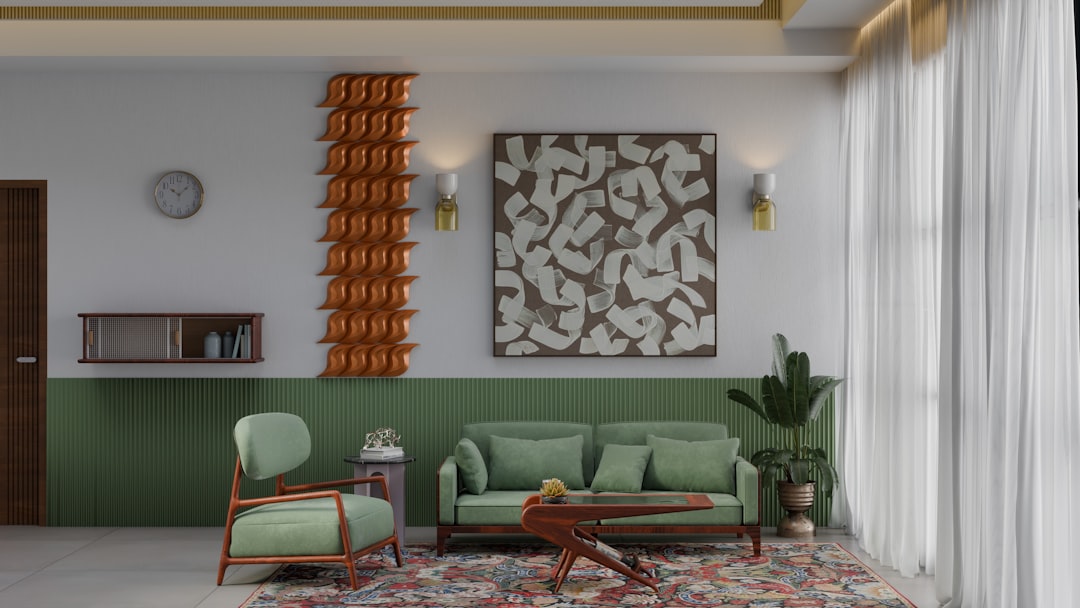
Place an accent chair perpendicular to your main sofa at one end to form an L-shaped conversation area. This layout encourages social interaction and makes efficient use of the space alongside the larger sofa. Ensure a small side table is between them to unify the grouping and provide a practical surface.
Position a pair of slim-profile accent chairs on either side of your TV console to create a balanced, symmetrical look. This placement defines a clear entertainment zone without encroaching on central walkways. It effectively utilizes often-wasted wall space beside the console, making the room feel intentionally furnished.
Tuck a single statement accent chair into an underused corner of your HDB living room to establish a cozy reading retreat. Angle it slightly towards the room's center to maintain engagement with the space. This approach maximizes floor area for primary seating while adding functional interest to a typically dead zone.