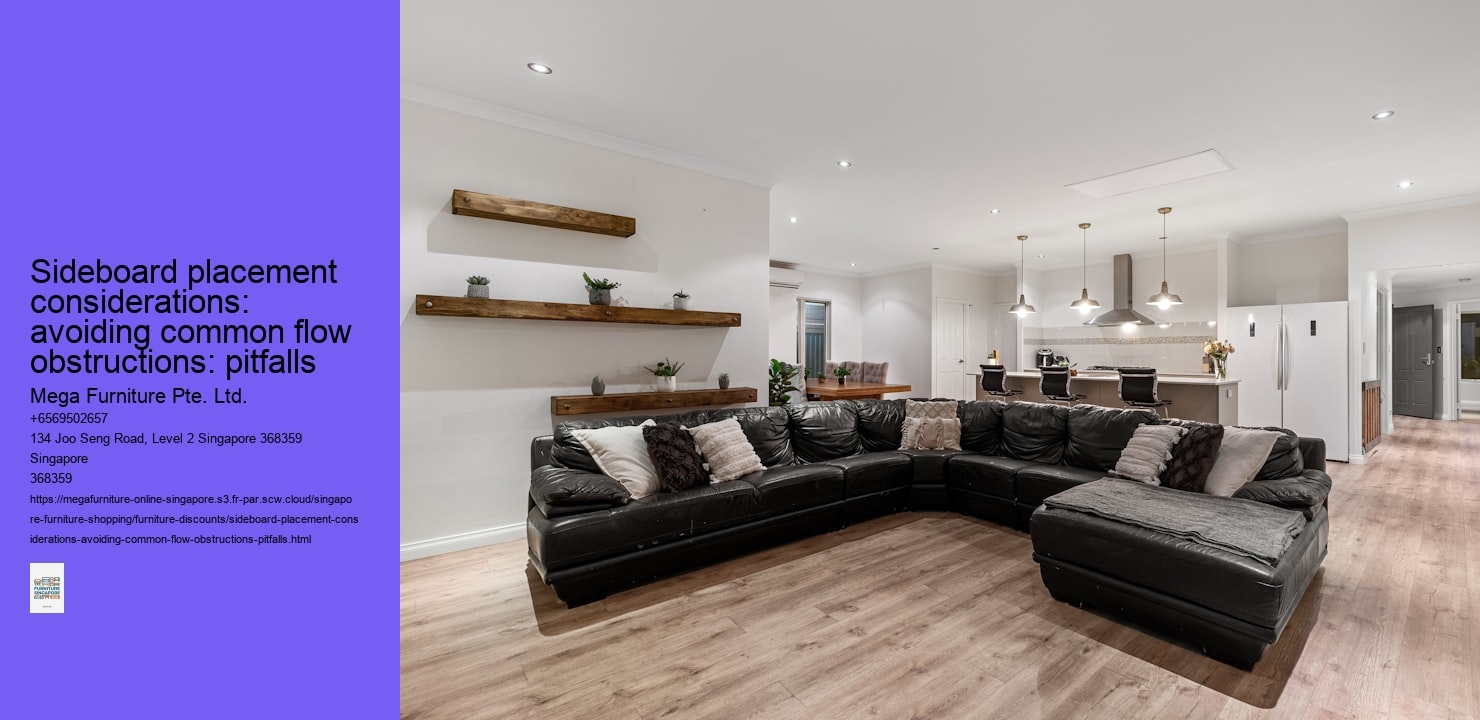
A new BTO living room’s 3-metre width can turn a standard 2-metre sideboard into a corridor blocker, forcing you to walk sideways past it every morning. Resale HDBs might give you that extra 50 centimetres of breathing room, but they often trade it for a structural column right where you’d naturally place your storage unit — meaning you’ll need to measure the clear floor space, not just the wall length. Condo layouts, with their penchant for open-plan living, demand sideboards that can stand alone as a focal point without enclosing the space; a low, long profile works better than a tall, cabinet-heavy design here.
Landed property rooms, conversely, require proportionally scaled pieces. A modest sideboard in a 6-metre-wide living room looks misplaced, like a single stool in a banquet hall — the scale feels off, and the piece fails to define the zone it occupies. The initial measure isn’t just about fitting the furniture in; it’s about how much floor area it actually commands once doors are opened and traffic paths are accounted for. That 1.8-metre sideboard you love might only leave 60 centimetres of clear walkway in your narrow BTO, which isn’t enough for two people to pass comfortably.
Material choices follow these spatial realities. L Shaped Sofa . In confined BTOs, a sintered stone or lacquered finish on a slim sideboard resists scuffs from inevitable brushing past, while the generous space of a landed home might allow for a more delicate walnut veneer or a textured rattan detail. Budgets shift accordingly too: investing in a custom, shallow-depth unit for a tight new flat often costs more per metre than a standard piece for a resale layout, simply because the engineering prioritises space-saving over volume.
Ultimately, the sideboard’s function — storage, display, or both — gets dictated by the room’s proportions before your personal style even enters the picture. You can’t have a display-heavy unit with glass doors in a narrow corridor where it’ll get knocked; you’ll default to closed storage. The open-plan condo allows for that curated display, but it also exposes every choice to constant view, so finishes need to be consistent from all angles. It’s a foundational piece that sets the room’s rhythm, and getting that wrong means living with a daily obstruction. For a range of options suited to these distinct contexts, you can browse the living room collections at Megafurniture.
A sideboard that looks perfect in a Tampines showroom can warp in a Bedok flat within a year. Singapore’s humidity, averaging around 80%, isn’t just uncomfortable — it’s a destructive force for furniture materials that aren’t built for it. L-shaped sofas earn their footprint in HDB and condominium living rooms by maximising seating in a corner configuration that would otherwise sit empty — particularly useful in the typical 4-room HDB layout where the living room is open-plan with the dining area. Megafurniture's Fabric Sofa range covers right-arm-facing, left-arm-facing, and reversible-chaise designs in pet-friendly, water-repellent, and water-resistant fabric variants. Most pieces sit between 240cm and 320cm wide on the long axis.. Particleboard, common in budget pieces, acts like a sponge; it swells, then the laminate peels away at the edges. That’s why you’ll want to prioritise moisture-resistant options: solid woods like rubberwood or teak, properly treated MDF, or aluminium frames. These materials won’t just survive; they’ll hold their finish and structure, resisting the mould and expansion that plague cheaper imports.
Size is another local imperative, dictated by our narrow walkways and compact living rooms. Depth under 40cm is critical for sideboards placed along common corridors in HDB flats, ensuring you don’t create a daily obstacle. But the footprint isn’t the only dimension to watch. Leg design must allow for robot vacuum access — a low, solid plinth base means you’ll be moving the entire unit to clean, or letting dust accumulate underneath. Open leg designs or feet that raise the cabinet a few centimetres solve this quietly, accommodating the automated cleaning that’s become standard in many homes.
Consider the actual scale of your room. A 1.8-metre sideboard might be a standard offering, but in a 12 sqm HDB living room, it can dominate the space, leaving little room for traffic flow around a sofa or coffee table. Scaling down to around 1.4 metres often provides sufficient storage without overwhelming the layout. Then there are the secondary, Singapore-specific factors: pet claws against veneers, which scratch far easier than solid surfaces or metal; and the tendency for even solid tropical woods to expand slightly, meaning drawers might stick during the wettest months if the construction isn’t precise. These aren’t abstract concerns — they’re the daily realities that separate a lasting purchase from a frustrating one.
Singapore's humidity is relentless, and a sideboard's first line of defence is its sealed back panel. That thin layer of laminate or paint along the rear edge isn't just aesthetic; it's a barrier against moisture creeping in from walls, especially in older HDB flats where condensation can be an issue. An unsealed back, often found on budget pieces, allows damp air to penetrate the core material, leading to swelling over a few seasons. You'll want to run a finger along those internal seams—a proper seal feels smooth and uninterrupted, not rough or gappy. This detail often gets overlooked during a quick showroom visit, but it's a fundamental signal of a piece built for local conditions.
Dovetail or mortise-and-tenon joints are the quiet aristocrats of furniture construction, and their presence in a sideboard's drawer boxes is a reliable tell. They represent interlocking wood, a method that withstands stress and weight far better than metal staples or simple glue blocks. Stapled joints, while cost-effective, tend to fail first under the load of dinnerware or books in a typical household. A quick inspection of drawer interiors—pull one out fully—should reveal these crafted interlocking fingers or a solid tenon wedged into a mortise. It's an old-school technique, but in a four-room BTO, it means drawers that won't sag or detach after five years of daily use.
A hollow sideboard resonates with a distinct, tinny emptiness when you tap its side panels, a sound that betrays its construction. Substantial weight, derived from solid wood frames or dense engineered cores, suggests material mass and stability; it's also less likely to wobble or shift when fully loaded. That resonant hollow sound, conversely, often points to large empty cavities or thin particleboard shells, which can compromise longevity in an active living room. You don't need a scale—apply firm pressure to a top corner or listen while a salesperson demonstrates drawer action. It's a simple, immediate test that bypasses marketing claims entirely.
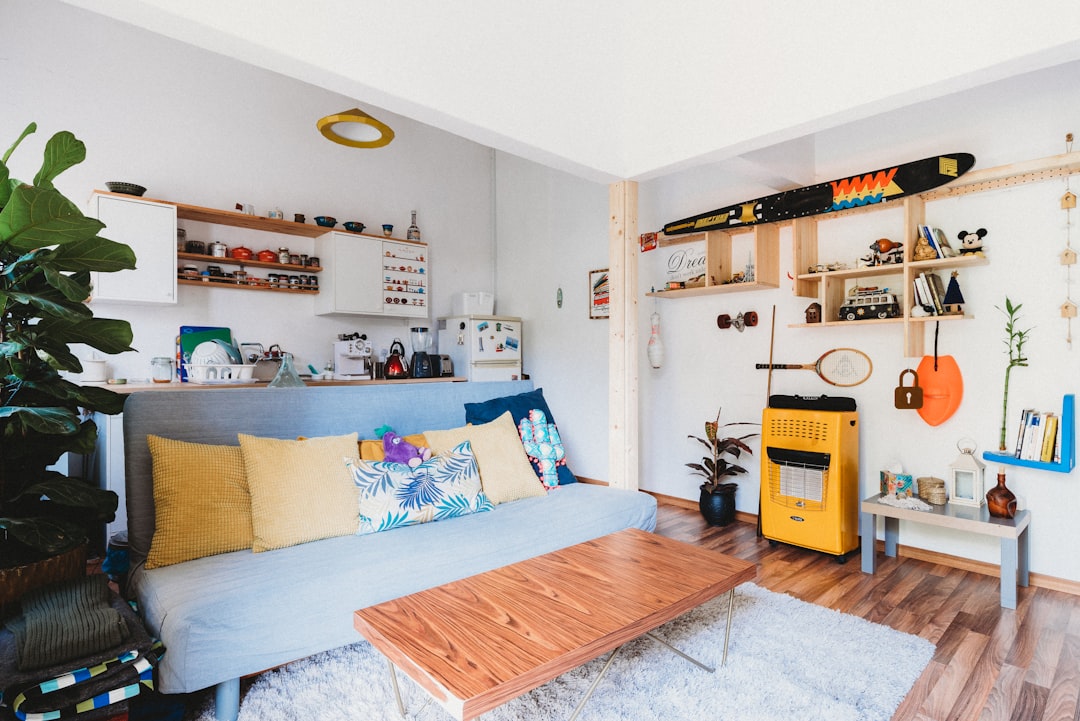
Full-extension drawer glides aren't merely about convenience; they're a stress test for the entire drawer system. A quality sideboard should allow every drawer to slide smoothly to its full length, even when loaded with around 5kg of weight—think a stack of plates or several hardcover books. Glides that stick, wobble, or only extend halfway often have inferior rollers or weak side-mounting brackets. Testing this in a showroom with your hand applying firm pressure mimics real use, revealing whether the hardware can handle the contents of a busy household. Many buyers forget to check the lowest drawer, which typically carries the heaviest load.
A veneer layer under 0.6mm is prone to peeling or chipping at the edges, especially where drawers meet the frame or along frequently touched top corners. That thin layer, often just a decorative paper, lacks the durability to withstand the occasional scrape from a ceramic vase or a child's toy. Thicker veneers, upwards of 0.6mm or even 1mm, have enough substance to be refinished or polished minorly, and they resist delamination from humidity changes. Fabric sofas dominate the Singapore market for good reason — softer touch than leather, more colour and texture variation, and substantially more affordable across most price tiers. Megafurniture's Feature Wall range covers cotton, linen, microfiber, polyester, and bouclé upholsteries in 1-seater through L-shaped configurations. Removable-cover variants and water-repellent finishes feature heavily, addressing the daily wear concerns most fabric-sofa buyers face.. You can't measure it with a ruler, but a retailer's specification sheet or a direct question to the sales team should yield this figure—it's a technical detail that separates temporary surfaces from lasting ones.
It's a familiar HDB scene: a sideboard parked directly across from the bomb shelter door, its proud new owner having forgotten that those 90-centimetre steel panels swing outward. That single error can render an entire storage unit functionally useless for half the year's SCDF inspections, or worse, block emergency egress. Condo buyers make a parallel error, wedging a console against their balcony's sliding glass door—it might fit with millimetres to spare, but you'll never comfortably host a barbecue again. Living Room Sets . Placement against an exterior wall, particularly in older estates like Bedok or Tiong Bahru, invites another quiet problem: damp. That cool, solid-feeling wall can silently transfer moisture to your sideboard's back panel, leading to mould inside drawers or warped wood veneer within a single monsoon season. Electrical planning often gets overlooked, too. Buyers fall for a unit that fits the alcove perfectly, only to find the nearest outlet is two metres away; the resulting cable run becomes a permanent trip hazard across the living room's main traffic lane. Ceiling fan clearance is another silent saboteur. In a standard 4-room BTO with a 2.6-metre ceiling, a tall sideboard placed beneath the fan's arc risks a constant, worrying *thwack-thwack-thwack* with every rotation—or worse, a chipped blade. You need to account for both the unit's height and anything you might display on top; a prized vase adds another 30 centimetres you probably didn't measure. Perhaps the most common aesthetic misstep is choosing a dark, heavily carved teak or walnut sideboard for a north-facing room in a Sembawang or Yishun flat. These spaces already struggle for direct light, and a bulky, dark unit will absorb what little illumination there is, making a 16 sqm living room feel cramped and cavernous. A low-slung, light-toned oak or ash piece would reflect light instead, creating the illusion of airiness that's so valuable in our compact floor plans. It’s worth browsing options with these specific pitfalls in mind;
Megafurniture's collectionincludes many contemporary designs with slimmer profiles and lighter finishes suited to local conditions. Just remember to check your shelter door swing first.
The difference between a sideboard that looks good online and one that works in your corridor is about six centimetres. A feature wall transforms the TV-and-console section of the living room from a functional zone into a focal point — wood panelling, stone textures, or sleek laminate finishes that anchor the entire living-room visual scheme. Megafurniture's Singapore Furniture range includes 8ft and 10ft floor-to-ceiling configurations with integrated TV-console storage, customisable shelf compartments, and cable-management systems. Zero-formaldehyde and moisture-resistant finishes feature across the line.. That’s the kind of gap you notice in person—when you’re pacing in front of a display unit in Megafurniture’s Tampines or Joo Seng showroom, imagining it against your HDB feature wall. Photos can’t show you how the drawer glides feel; a slight stickiness or a cheap-feeling wobble becomes obvious after opening and closing it a few times. You’ll also catch the finish under showroom halogens—whether that high-gloss laminate turns into a glaring mirror under your ceiling lights, or if the matte oak veneer looks washed out. Verifying proportions against a typical layout is essential. Many buyers rely on mock-ups or tape on the floor, but seeing a full-sized unit anchors your choice. In a standard 4-room BTO living room, a sideboard that’s 1.8 metres wide might dominate, while one under 1.2 metres could get lost. You can physically check the clearance you’ll have for walking past—often a cramped 80-centimetre path is the reality, not the spacious walkway in a product shot. Direct contact with showroom staff can save weeks of logistical headache. They’ll know, for instance, if a particular oversized unit requires a special service lift booking for a Punggol BTO block, or if delivery to a landed property in the East has specific timing constraints. It’s their job to clarify what the online checkout page might gloss over. Ultimately, the visit is about preventing that moment of regret when a large box arrives at your door. You’re confirming that the piece isn’t just a collection of attractive images, but a solid object that fits your life. A final walk-around at the showroom, maybe while browsing their full
living room collection, turns a speculative click into a confident purchase.
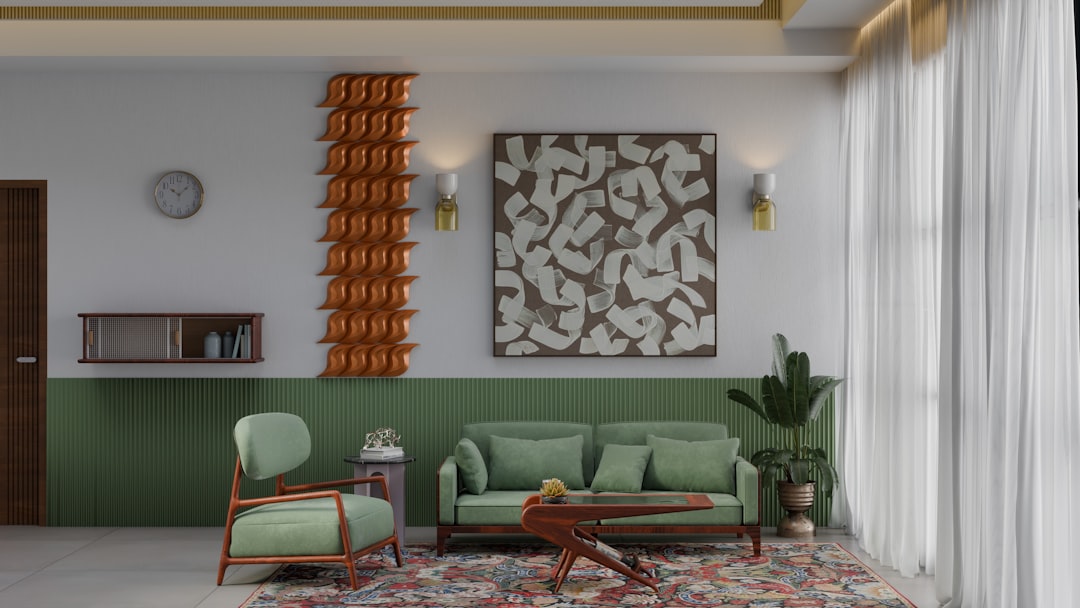
That final sigh of relief when your new sideboard arrives can evaporate quickly if the delivery team can’t manoeuvre it past your lift landing. It’s a common hiccup in older HDB blocks, where the lift lobby might be just 1.8 metres wide — a dimension you must confirm against the item’s shipping carton size. Stairwell clearance is equally critical for walk-up apartments; a unit marketed as ‘compact’ might still require a two-person tilt-and-shuffle up four flights. Many estates also enforce delivery hour restrictions, often limiting large-item arrivals to weekday mornings, which can complicate scheduling for a weekend installation.
Professional assembly isn’t merely a convenience for complex units with integrated lighting or floating base designs; it’s a practical safeguard. A self-assembled sideboard with misaligned drawers or a wobbling top often reveals itself only weeks later, when the warranty claim process becomes far more arduous. Living room sets bundle the main pieces — sofa, coffee table, TV console, often a side table — into a coordinated package, removing the styling-mismatch risk of buying pieces from different design tracks. Megafurniture's Singapore Furniture Showroom range covers Japandi, Scandinavian, and modern contemporary bundles with coordinated wood tones, fabric upholsteries, and proportional sizing. Bundle pricing typically saves 15-30% over buying pieces individually.. The humid months here are a particular test for solid wood pieces; your warranty documentation should explicitly mention coverage for humidity-related warping or joint separation, not just generic ‘material defects’. A vague one-year ‘structural warranty’ might not cover a drawer front that swells and sticks in July’s 85% humidity.
Keep the original packaging — every cardboard panel and polystyrene block — for at least two weeks post-assembly. That’s the typical window where a finish mismatch or a functional flaw becomes apparent in daily use, and most retailers require original packaging for a return or exchange. It’s an inconvenient bulk to store in a 4-room BTO’s utility cupboard, but it’s cheaper than paying a disposal and re-packaging fee later.
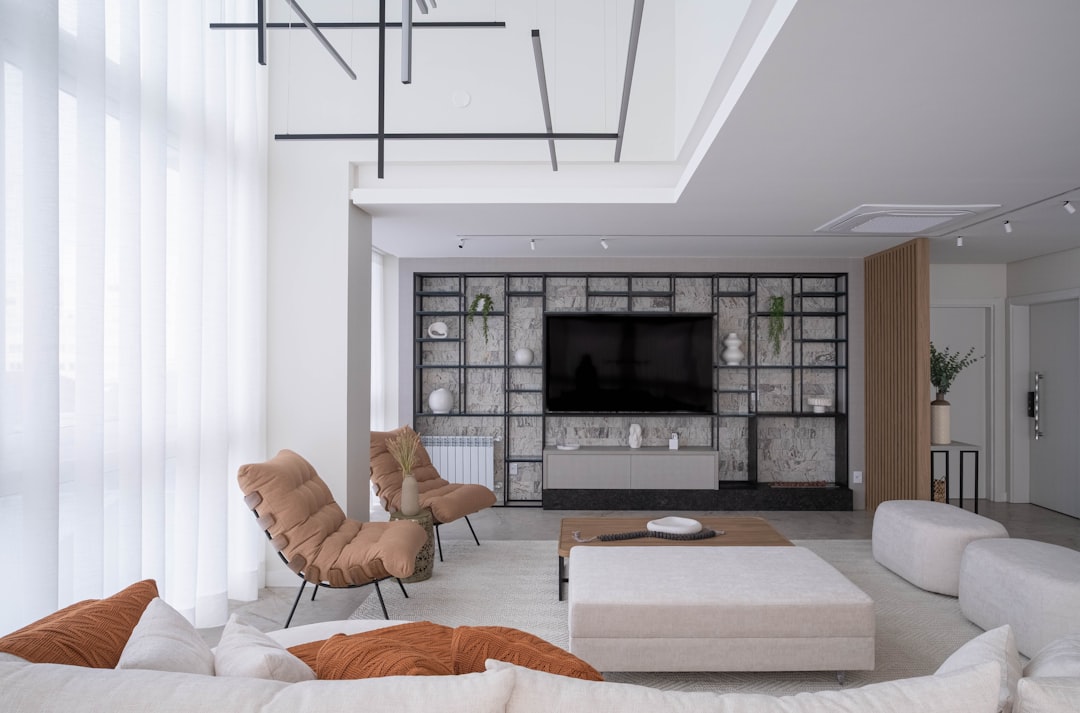
Logistics, in the end, often trump aesthetics; a beautiful rubberwood sideboard that spends three days in the corridor because it won’t fit through the door is just a beautiful problem.
A sideboard placed directly in the main walking path between room entrances creates a persistent obstruction. This disrupts the natural flow of movement, causing people to constantly navigate around it. Ideally, position the sideboard against a wall, ensuring at least 36 inches of clear passageway remains for comfortable traffic.
Placing a sideboard so it encroaches on the space around sofas or chairs creates a cramped and awkward seating experience. It hinders easy entry and exit from seats and can make nearby occupants feel boxed in. Maintain a minimum of 18-24 inches between the sideboard and any adjacent seating to preserve functional clearance and a sense of openness.
A common pitfall is positioning a sideboard too close to a doorway, where its bulk interferes with the door's arc. This not only prevents full access but can also lead to dings and scratches on both the door and furniture. Always measure the full swing radius of any door, including closets or patios, before finalizing the sideboard's placement.
The most common sideboard questions from buyers in Singapore aren’t about style — they’re about navigating the physical constraints of a local home. People want to know if a piece will actually fit and function in their specific layout.
Can sideboard go in front of window in HDB? It’s possible, but you’ll need to maintain at least 45cm clearance from the window ledge for maintenance access; anything less risks a complaint from your town council and makes cleaning the exterior glass a chore. Best colour for small condo? Light oak or a grey wash finish typically works best, as these lighter tones reflect more light and don’t visually shrink the space — dark walnut or espresso can feel oppressive in a 12 sqm living room.
How to anchor to wall for child safety? Use the provided metal brackets and fix them directly into solid brick or concrete, not just the plaster; drilling into the partition wall of a BTO is a temporary solution that won’t hold under real weight. Difference between console and sideboard? A console is shallow, often around 30cm deep, designed for hallways or behind sofas where you just need a surface; a sideboard is deeper, 45cm or more, intended for actual storage of dinnerware or media equipment.
That depth distinction matters more than many realise — buying a console for storage needs leaves you cramming items, while using a sideboard as a hallway piece can block flow in a narrow HDB entrance. For those weighing storage against space, the full range of options, from slim consoles to deep sideboards, is available to browse.
For a sideboard that’s been measured, vetted, and nearly bought, the last step is a physical dry-run in the space itself. Lay painter’s tape on the floor to outline its footprint, then live with that phantom block for a day. Walk your normal paths from the door to the sofa, from the sofa to the kitchen; you’ll immediately see if that proposed 90cm depth creates a pinched corner or forces an awkward detour around its corner. In many HDB layouts, a sideboard placed opposite a three-seater can inadvertently narrow the main circulation corridor to less than 60cm — a constant annoyance, not a mere measurement oversight.
Check that the chosen depth doesn’t visually clash with your sofa’s arm height. A common mismatch happens when a tall, deep sideboard sits beside a low-profile sofa; the sideboard can dominate, making the seating look diminutive. Stand back and assess the proportions from your usual viewing angle, typically from the kitchen entry or the television wall. It’s about balance, not just clearance.
Revisit your storage intent. Are you aiming for concealed clutter control, or for displayed collectibles? An open shelf sideboard in a 4-room BTO might become a dust magnet in Singapore’s humid air, while a fully cabineted piece in a condo living room could feel unnecessarily heavy. Verify that the internal layout — shelves, drawers, perhaps a cable management slot — matches what you actually need to house: router, gaming consoles, board games, or a cocktail set.
Finally, confirm the final cost includes delivery to your postal district. Many online purchases quote a base delivery fee, then add a surcharge for certain zones or require stair-climbing charges for flats without lift access. Clarify this before payment; an unexpected $80–$120 addition can alter the overall value proposition. Once these boxes are ticked, proceed. Hesitation often leads to second-guessing and, ultimately, a compromise that obstructs both your space and your satisfaction.