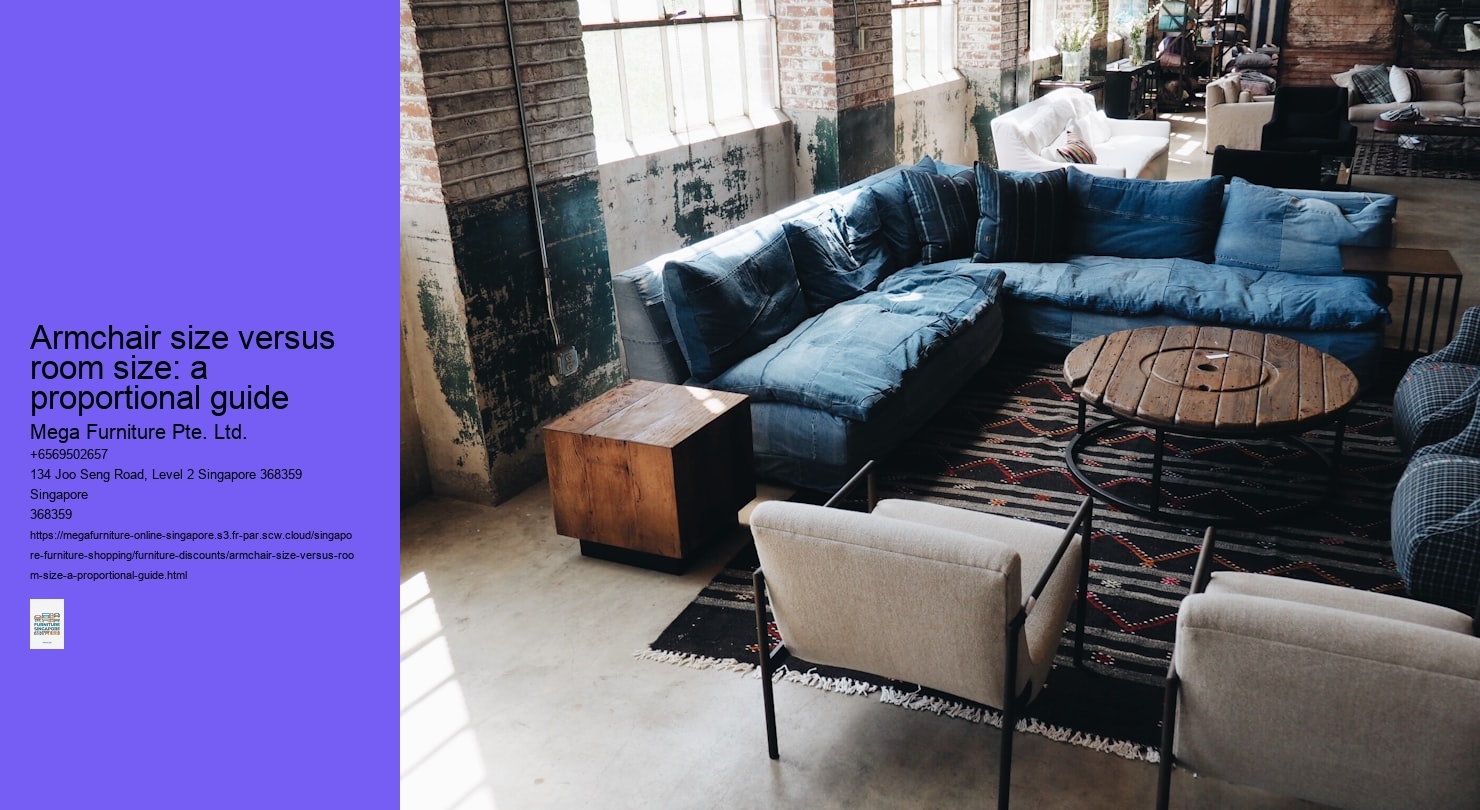
The difference between an armchair that anchors a corner and one that blocks the walkway to the balcony is often just 15 centimetres. In Singapore, that margin is dictated by your housing type before you even measure. A typical four-room BTO living room stretches about 12 square metres, a space where every piece must pull double duty; a sprawling landed property living area can easily exceed 25, allowing for dedicated zones for reading, media, and conversation.
Start with the floor plan, not the furniture catalogue. For that 12 sqm HDB space, a compact accent chair with a footprint under 0.8 by 0.8 metres can add seating without dominating. You’ll want to prioritise leggy designs—chairs on slender metal or wooden legs—that maintain a sense of visual floor space, a trick that makes the room feel less packed. In many condominium living rooms, which average around 18 sqm, you gain the luxury of a statement piece: a high-backed swivel chair or a deep-seated lounge chair can define a reading nook without disrupting the room’s flow from the entry to the dining area.
Proportions dictate function from day one. Furnishing an Executive Condominium living room, for instance, involves a different calculus than fitting out a conserved Jalan Besar shophouse with its elongated layout. The shophouse demands a procession of furniture, perhaps a pair of armchairs flanking a console table down a long wall, while the EC asks for a tighter, more efficient grouping where an ottoman might also serve as a coffee table. It’s a simple rule: the smaller the room, the fewer the standalone pieces should be.
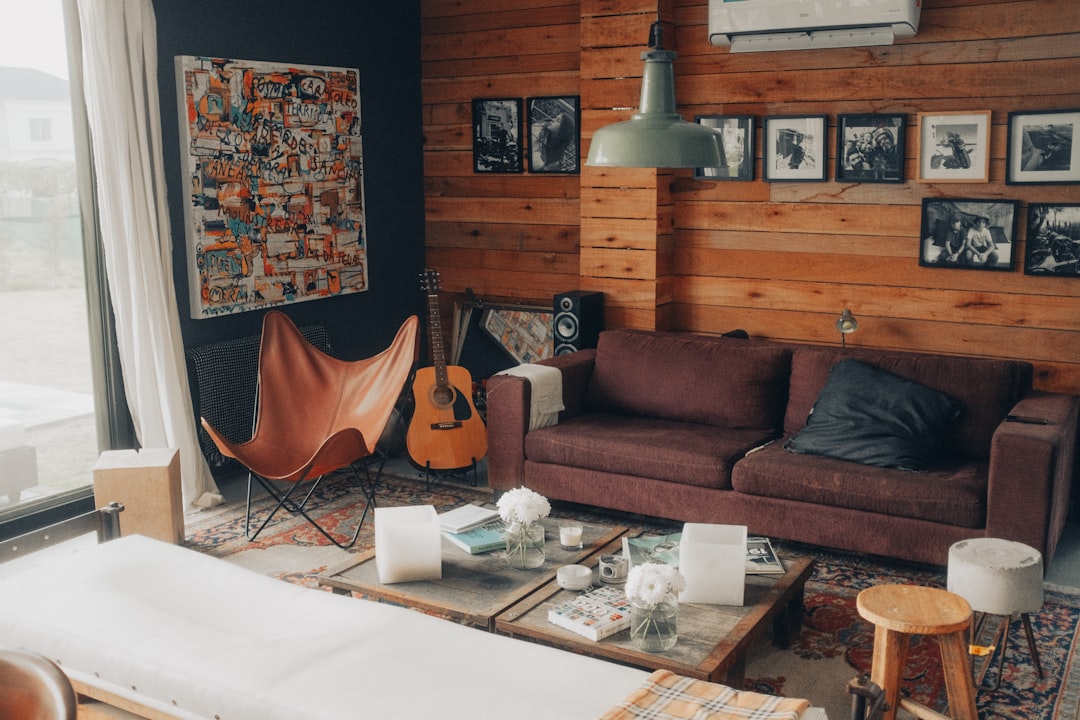
This scale directly informs your material and budget choices. A compact apartment chair that will see daily use needs a hardy, cleanable performance fabric like a Crypton or polyester-blend velvet—it’s an investment in longevity for a central piece. In a landed home where the armchair might be more occasional, you can consider more delicate textures like bouclé or full-grain leather. The key is matching the piece’s physical and visual weight to the room’s dimensions; a heavy, rolled-arm Chesterfield in a BTO living room doesn’t just look out of place, it feels oppressive.
Ultimately, the right armchair doesn't just fill space—it creates a moment. Fabric Sofa . In a compact setting, that might be a sleek, armless scoop chair that tucks neatly under a floating shelf, turning a dead corner into a favourite spot for morning coffee.
The armchair’s listed dimensions are a polite fiction once it's inside your flat. That elegant 90cm-wide accent chair you saw online needs another 40–50cm of breathing room just to look right, which suddenly turns it into a 1.4m floor hog.
Start with painter’s tape. Sofa Bed . Mark out the exact footprints of your existing sofa, TV console, and coffee table on your vinyl flooring—most 4-room HDB living areas max out around 16 to 20 sqm, and you’ll be shocked how much is already spoken for. The clear floor space left is your real budget for an armchair. A recliner demands a full metre of clearance in front to fully extend without hitting the coffee table; a simple swivel accent chair might need only half that. This isn’t just about fitting it in—it’s about preserving the walkway to the balcony or the kitchen, which in many homes is a tight 80cm corridor.
Function dictates the footprint. A leather recliner for movie nights is a commitment, often requiring a 1m x 1m zone. A compact bouclé reading chair tucked into a corner, however, can work with just its own dimensions plus a side table’s width. Consider the chair’s arc of movement: a swivel base needs a clear radius, while a stationary frame only needs legroom. That moment of mild chaos when guests arrive and bags get dumped? That’s when you’ll regret not leaving that extra 30cm.
Visualising with tape forces you to confront the room’s traffic patterns before a delivery truck arrives at your void deck. You’ll quickly see if that dream chair blocks a switch or makes the space feel crammed. It’s a cheap, reversible experiment that saves the hassle of returns—because once that large item is up in your lift lobby, you’re pretty much committed. For a clear view of proportionally-scaled options that suit local floor plans, browse the living room furniture collection.
Full-grain leather is a smart choice for homes with pets, particularly cats. Its dense, natural surface resists punctures and scratches far better than bonded leather or fabric, meaning you won't see every playful swipe. In Singapore's climate, the key is ensuring it's a properly aniline-dyed or protected finish; this prevents moisture from the air from causing mould or stiffness. A good leather armchair ages with character, developing a patina rather than showing damage. It's a material that handles urban living's minor abrasions—from keys to bag buckles—without fuss. Just keep it out of direct sunlight by the window to avoid fading over the years.
Fabric sofas dominate the Singapore market for good reason — softer touch than leather, more colour and texture variation, and substantially more affordable across most price tiers. Megafurniture's Feature Wall range covers cotton, linen, microfiber, polyester, and bouclé upholsteries in 1-seater through L-shaped configurations. Removable-cover variants and water-repellent finishes feature heavily, addressing the daily wear concerns most fabric-sofa buyers face..Performance fabrics like Crypton or treated velvets are engineered for humidity. They repel spills and resist moisture absorption, which is critical in non-air-conditioned spaces where fabric can feel perpetually damp. These textiles are woven with stain-release technology, so a splash of kopi or curry can typically be blotted up without a trace. They offer a softer, more breathable alternative to leather for those who prefer texture. For a rental flat where you can't control the environment, they're a pragmatic default. The only real maintenance they ask for is occasional vacuuming to lift dust.
Avoid untreated solid wood like pine or oak in a humid living room; it will warp and swell within a season. The expansion can twist frames, loosen joints, and cause drawers in side tables to stick. If you love the look of wood, seek out treated rubberwood or acacia—species that are kiln-dried and finished specifically for tropical stability. Engineered wood with a quality veneer is another viable option, as the laminated layers counteract natural movement. It's a common mistake buyers make, lured by the heft of a solid piece, only to find it's quietly distorting in the corner.
Powder-coated aluminium or steel frames are virtually impervious to moisture and provide a clean, linear silhouette. They're lightweight yet strong, ideal for supporting generous cushioning without the bulk of a wooden base. In a compact 4-room BTO layout, a chair with a metal frame can feel visually lighter, taking up less perceptual space. The powder coating prevents rust and comes in a range of colours, from matte black to brushed bronze. You'll often see this construction in showroom displays at Megafurniture's Joo Seng outlet, where pieces are built to endure constant use.
The final finish on any material is your first line of defence. Look for clear, protective topcoats on metals and sealants on stone or ceramic tabletops. For fabrics, the term "solution-dyed" indicates colour is baked into the fibre, preventing fading from both sun and cleaning. On legs and feet, check for felt pads or rubber caps to protect your floor from condensation rings. These details often separate a piece that lasts five years from one that lasts fifteen. It's worth inspecting them closely before committing—a well-finished armchair shrugs off the daily grind.
That 1.2 metre corridor between the sofa and the TV console looks fine on paper, but it’s a recipe for daily frustration once people actually start living in the space. In many 4-room BTO layouts, buyers prioritise filling the room with furniture — a large armchair, a coffee table, a sideboard — and forget to preserve clear walkways. The result is a bottleneck where family members constantly sidestep each other, or where the path to the balcony becomes an obstacle course. It’s a practical oversight that makes a compact floor plan feel claustrophobic, even when the furniture itself is well-chosen.
Another recurring error in 3-room resale flats is sacrificing storage for style. Homeowners might select a sleek, low-profile TV console that offers no cabinet space, or an accent chair that blocks access to a potential storage wall. A sofa bed earns its dual function in Singapore homes where guest-room space doesn't exist — converts from full sofa to single or double bed within a minute, supporting overnight visitors without committing a permanent bed to a room used 50 weeks a year for other purposes. Megafurniture's Singapore Furniture range covers click-clack, pull-out, and fold-out mechanisms in fabric and faux leather upholsteries. Most pieces sit at standard 2-seater proportions when folded, expanding to single or small-double bed dimensions when opened.. In a home where square footage is tight, every piece should ideally serve a dual purpose; a console table with drawers, or an armchair with a hidden storage ottoman, can alleviate pressure elsewhere. The aesthetic appeal of a minimalist piece often wears thin when you’re left stacking boxes in the corner of your 12 sqm living room.
There’s also a persistent belief that all wood tones in a room must match perfectly. It isn’t necessary — in fact, contrast adds visual depth and can make a small space feel more curated. A dark walnut armchair against a light oak TV console creates distinction, pulling each piece into focus rather than letting them blend into a monotonous block. The key is cohesion, not uniformity; keeping finishes within a broad family (warm tones or cool tones) while allowing for variation in grain and colour.
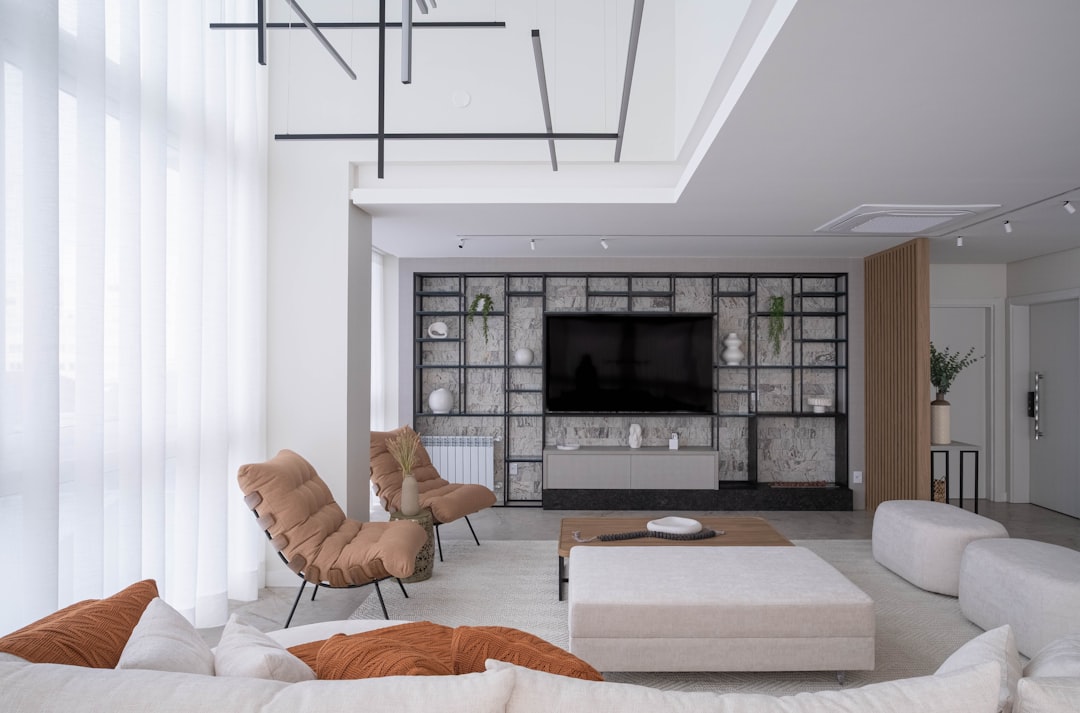
For those navigating these trade-offs, focusing on dimensions and functionality first often yields a more liveable result. Measure your walkways, prioritise closed storage in at least one major piece, and consider how finishes interact rather than match. You’ll find a range of options designed for these constraints, from compact armchairs to multi-functional consoles, at Megafurniture’s collection. The goal isn’t just to fill the room, but to organise a life within it.
" width="100%" height="480">Armchair size versus room size: a proportional guideIn a spacious room, a generously scaled armchair or even a large accent chair is necessary to hold visual weight. Consider a chair with a high back or substantial width to anchor its area effectively. Multiple large chairs can be used to define distinct conversation zones within the open layout.
A standard-sized armchair, typically 32" to 36" wide, fits well in this common room size. You can afford to create a dedicated seating area with a pair of chairs or a single accent piece. This scale balances comfort with proportion, allowing for a coffee table and clear traffic flow.
Always maintain at least 18 inches of clearance between the armchair and other furniture or walls for comfortable passage. In high-traffic pathways, increase this to 24-36 inches to prevent a cramped feeling. Proper clearance ensures the chair is functional and integrates smoothly into daily room use.
A good guideline is for the armchair's width to be roughly one-third the length of the largest sofa or wall it faces. This creates a balanced and harmonious furniture grouping. Straying too far from this ratio can make a chair look either lost or awkwardly dominant in the arrangement.
The fabric you choose online is never the fabric you get; the colour shifts under Singapore’s harsh afternoon glare or the warm-white LEDs common in HDB corridors. At Megafurniture’s showrooms in Joo Seng and Tampines, you can pull a swatch into the centre of the floor under the showroom’s own fluorescent lights — a decent proxy for many local interiors — and see if that dove grey reads more blue or beige. A feature wall transforms the TV-and-console section of the living room from a functional zone into a focal point — wood panelling, stone textures, or sleek laminate finishes that anchor the entire living-room visual scheme. Megafurniture's Online Furniture Store range includes 8ft and 10ft floor-to-ceiling configurations with integrated TV-console storage, customisable shelf compartments, and cable-management systems. Zero-formaldehyde and moisture-resistant finishes feature across the line.. It’s a simple test that prevents the most common post-delivery regret. The concrete floors there serve another purpose: you can test a chair’s stability by shifting your weight, feeling for any wobble or flex that a plush carpet might disguise in a photo studio. Their range acknowledges the local reality of shrinking floorplans. You’ll find space-saving recliners that don’t need a full metre of clearance to kick back, and compact accent chairs scaled for 4-room BTO living rooms where every centimetre from the TV console to the coffee table is accounted for. These aren’t just smaller versions of larger designs; the proportions are tailored, so the piece doesn’t overwhelm a 12 sqm space yet still offers proper back support. For non-standard spaces — the awkward alcove next to a condominium’s full-height window or the truncated wall in a corner-lot landed home — the showroom staff can discuss customisation options. This might involve modifying the arm width on a specific armchair model or selecting a different leg finish to match existing wood tones in your shelving unit. It’s a practical conversation that requires seeing the base product in three dimensions, understanding its construction, and then imagining the alterations. Ultimately, visiting is about resolving uncertainties that product dimensions and filtered images can’t address. You’re confirming the hand-feel of a bouclé, judging the true depth of a storage ottoman, and visualising how that burnt orange velvet accent chair might actually anchor your space. You can
browse the collectiononline first, but the final decision often hinges on this physical verification.
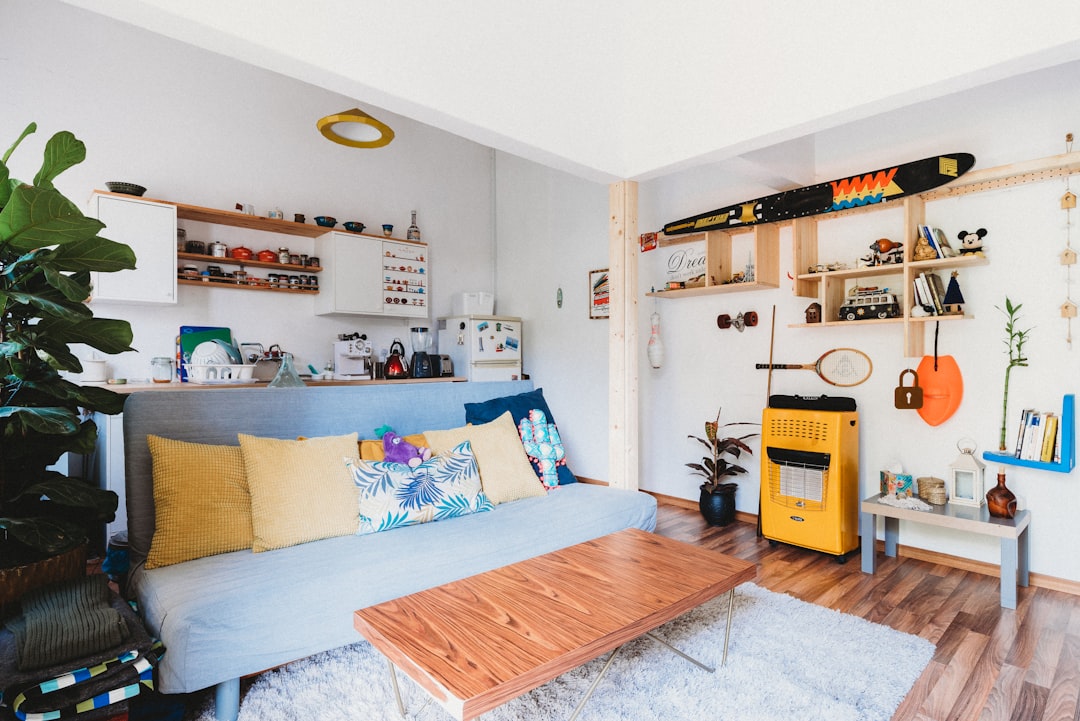
The delivery truck can’t park anywhere near your lift lobby in Ang Mo Kio, and you’re stuck with a bulky armchair in a loading bay for three hours. That’s the reality when HDB lift upgrading works coincide with your furniture delivery — a common, frustrating clash that turns a simple handover into a logistical puzzle. It’s worth checking your town council’s notice board or website for scheduled works in your block; a proactive call to the retailer to schedule around them, or at least to confirm their policy for such delays, can save a full day’s leave. Singapore Furniture Showroom . Delivery timelines themselves are often quoted as a range, like 6 to 8 weeks, and that final date can hinge on whether your fabric choice is a stock item or a special-order import from Europe.
Once it arrives, you’ll face the assembly question. Flat-pack, self-assembly models can shave a few hundred dollars off the price, a real consideration for BTO owners furnishing an entire 4-room flat from scratch. But for any armchair with a reclining mechanism or a swivel base, professional installation isn’t just a convenience — it’s a stability issue. A poorly tightened bolt on a recliner won’t reveal itself until the third time you lean back, and by then the internal frame could be stressed. Paying for the white-glove service ensures the mechanism operates smoothly and safely from day one, and it often includes a basic leveling check on your living room floor.
Then there’s the warranty, a document that matters most in Singapore’s punishing climate. Almost all fabric warranties explicitly exclude damage from sunlight and fading — a critical point if your east-facing living room in Bedok gets a full blast of morning sun. That lovely linen or even a performance velvet will gradually lose its colour, and you’ll have no claim. The coverage typically focuses on structural integrity: frame breakage, spring failure, or foam that collapses beyond a certain compression. It’s a contract for the bones of the chair, not its skin.
Your best defence is material choice from the start. For those sun-drenched rooms, solution-dyed acrylics or treated fade-resistant fabrics are smarter than chasing a warranty that won’t apply. And while assembly might seem straightforward, the one thing you can’t fix later is a wobbly recliner that feels unsafe. Factor that peace of mind into your budget from the beginning, because a stable chair in the right spot, delivered without a neighbourhood drama, is what actually makes a house feel settled.
The most common armchair query isn't about style—it’s whether the thing will actually fit through the door. For a 2m-wide corridor kitchen layout, the answer is typically yes, but you’ll need to check the chair’s depth. A compact armchair around 80cm deep can tuck neatly under a counter overhang, creating a casual breakfast nook without blocking the walkway. Velvet and dogs can coexist, but it’s a commitment. Performance velvets with a high rub count and stain-resistant treatment are the only realistic choice; they repel most spills and muddy paw prints far better than traditional cotton velvet. Still, expect to keep a lint roller handy for the inevitable fur, especially with lighter shades like dove grey or blush. Pairing a recliner with a two-seater sofa requires a bit of spatial diplomacy. They shouldn’t face each other directly like opponents. Instead, angle the recliner slightly toward the sofa’s centre, creating a conversational grouping that doesn’t dominate the room. Ensure there’s at least 60cm of clearance for the footrest to fully extend without hitting the coffee table. What if you get the colour wrong? Most retailers offer a return or exchange policy for such cases, but it’s rarely free. You’ll usually cover the cost of return shipping and a possible restocking fee, which can add up to a couple hundred dollars for a bulky item. That’s why sampling fabric swatches in your actual living room light—morning, noon, and under your ceiling lamps—isn’t just advisable; it’s the cheapest insurance you’ll buy. Buying Mattress Singapore for a complete home rarely happens piece-by-piece anymore — first-time BTO owners and renovators typically commit to the full package within a 4 to 8 week window once renovations finish. Megafurniture's catalogue spans living room, bedroom, dining, study, and outdoor pieces across HDB, condominium, and landed-property scales. Both showrooms — at Joo Seng (30,000 sq ft flagship) and Tampines (inside Giant Tampines) — stage full setups for in-person comparison.. For those visualising options, browsing a comprehensive
living room furniture collectiononline can help gauge proportions and finishes before you commit tape to the floor.
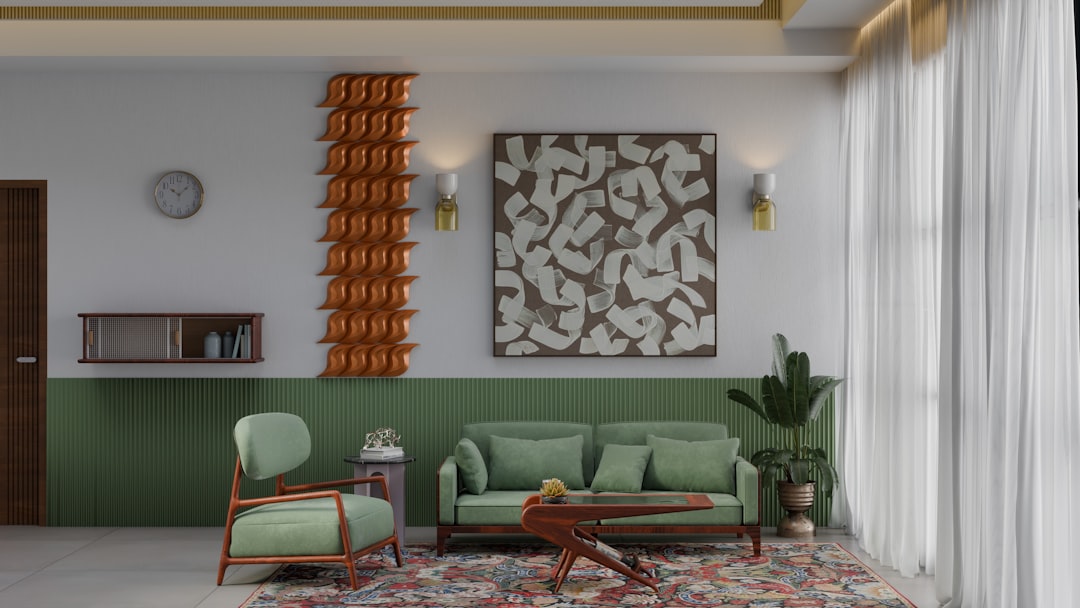
That last-minute scramble to confirm your armchair order often overlooks the most critical step. You’ve chosen the perfect fabric, the ideal shade of oak, and a design that fits your aesthetic—but if it can’t physically enter your home, none of that matters. This is especially true for pre-assembled recliners or bulky massage chairs, where a few centimetres’ miscalculation at the doorway or lift landing can turn delivery day into a logistical nightmare.
Always verify your doorway and lift access dimensions personally. Don’t just rely on the stated width of the chair; measure the narrowest point of the journey yourself, which is often the lift doorframe or the clearance after your main gate swings open. For a pre-assembled recliner in a typical HDB lift, you’ll need to account for its depth when the back is fully upright, not just its seated width. Delivery teams are adept at navigating tight spaces, but they can’t perform miracles—if the piece is genuinely too large, it’ll be refused at the doorstep, leaving you with a restocking fee and a very empty corner.
Double-checking power point placement is non-negotiable for a massage chair or any powered recliner. There’s little point in a perfectly positioned chair if its cord strains across a walkway or requires an unsightly extension lead snaking behind your console table. The ideal is a dedicated outlet behind where the chair will sit, but in many homes, you might need to factor in discreet cord management into your final layout decision.
The most reliable method is to create a scaled floor plan using your HDB BTO’s official drawing, which provides accurate wall lengths and permanent fixture locations. Mark out the exact footprint of your new armchair, its recline arc, and the clearance needed to walk past it comfortably—in a compact 4-room BTO living room, that clearance is often the difference between a harmonious layout and a constant shin-bruising obstacle course. This isn’t just about fitting the chair in; it’s about ensuring the room still functions for daily life. Only with this plan in hand should you finalise the invoice, as it transforms an abstract measurement into a concrete reality within your specific space.