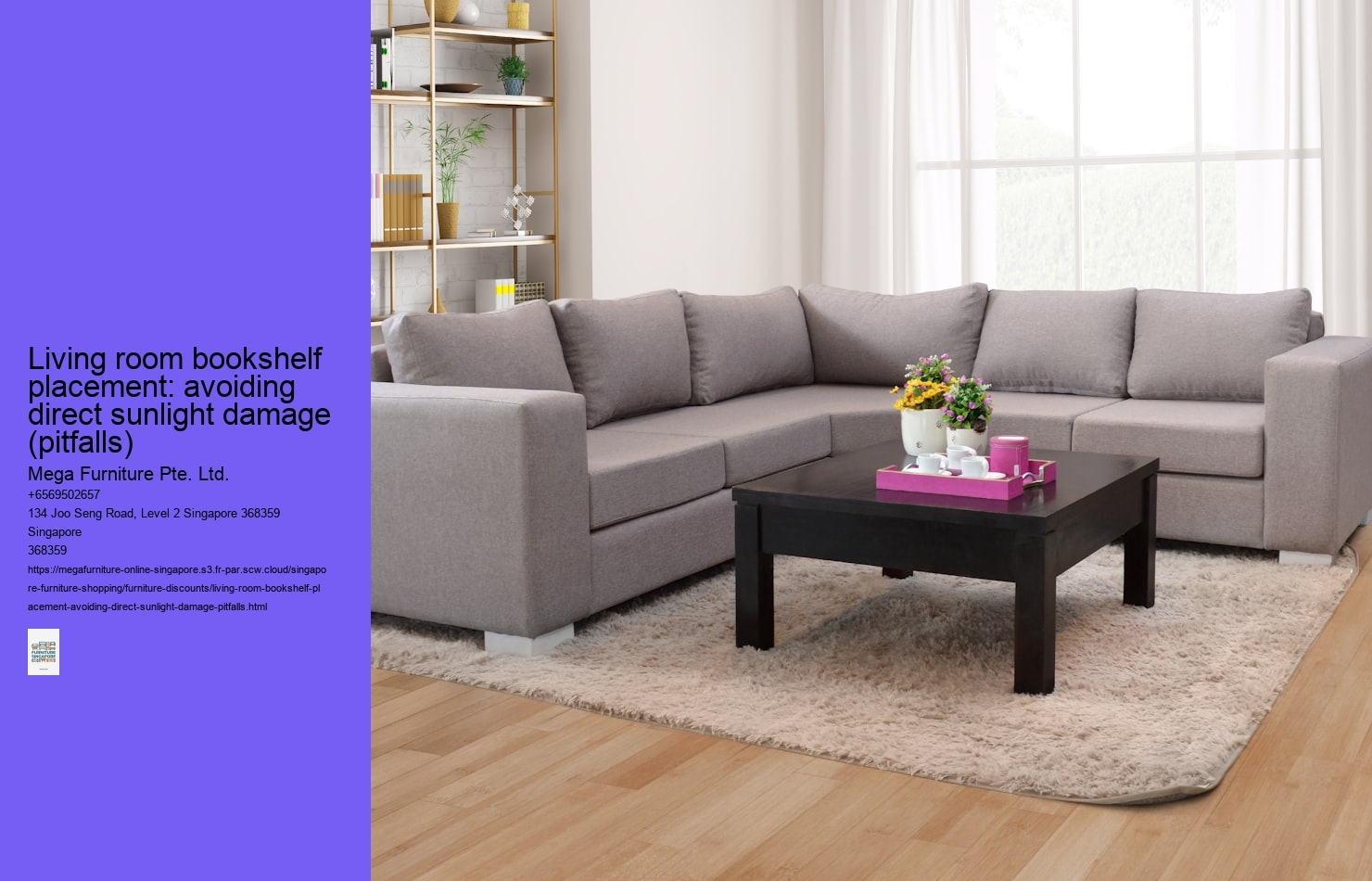
The faded spines and peeling laminates on a bookshelf aren't always a sign of age; often, they're a map of the sun's path across your living room. Singapore's equatorial light delivers a continuous, high-UV assault that bleaches colours and warps materials far quicker than in temperate climates. It isn't just direct rays through an east-facing window—reflected glare from a neighbouring condo's glass facade or a parked car's white panel can bounce into many HDB blocks, turning an interior wall into a secondary heat source.
Ambient heat, often overlooked, accelerates the problem. A laminate sheet might warp, but the real failure point is usually the adhesive underneath, which softens and releases under sustained warmth. This means a bookshelf positioned near a window receiving indirect glare all afternoon can experience adhesive failure along its seams years before a similar piece in a shaded corner. Early-stage furnishing decisions must account for this environmental reality; selecting a bookshelf isn't just about dimensions and style, but about its material's resilience to a specific, localised threat.
For many homeowners, the solution starts with placement. Analysing light patterns throughout the day, especially during the peak intensity hours from 11am to 3pm, is crucial. A shelf destined for a spot catching that afternoon glare might warrant a material upgrade—solid wood or metal frames typically outperform laminated particleboard in these conditions. It's a trade-off: a cheaper unit might fit the budget now, but replacing it in five years due to sun damage becomes a hidden cost.
Ultimately, treating sunlight as a structural adversary, not just a decorative element, shifts the entire planning process. You'll start looking at your living room layout with a different eye, weighing the long-term integrity of your storage against the immediate appeal of a bright, airy space.
Sustained sunlight generates intense heat that can warp wooden shelves and damage book bindings. The heat dries out materials, causing paper to become brittle and glue in bindings to fail. This thermal stress can also cause veneers to peel and laminates to separate from their substrate.
Direct sunlight contains ultraviolet rays that break down the chemical bonds in dyes and pigments. This causes book spines, decorative objects, and wood finishes to fade and discolor over time. Placing a bookshelf opposite or adjacent to a sunny window significantly accelerates this irreversible damage.
Position bookshelves on north-facing walls or in interior walls away from windows. Utilize curtains, blinds, or UV-filtering window film to diffuse and block harmful rays. Consider the sun's daily and seasonal path in your room when choosing a permanent placement for your shelving unit.
Sunlight creates harsh glare on shelves, making it difficult to see titles and appreciate displayed items. This reflective light detracts from the aesthetic appeal and intended ambiance of your living room. It can also create hot spots that make certain areas of the shelf unsuitable for sensitive materials.
The afternoon sun in a west-facing HDB living room can bleach a bookshelf’s finish in under a year, turning that warm oak veneer into a pale, washed-out shadow of itself. This is the defining light challenge for many Singapore homes, and it splits neatly along housing types. In a typical 4-room BTO with a north-south layout, you’ll get softer, diffused light that’s gentler on wood and fabrics throughout the day; the problem isn’t intensity but a potential lack of it, which can make a dark-stained bookshelf feel oppressive in a corner.
Corner units in condominiums, like those in Tampines or Bedok, offer cross-illumination from two facades. That flood of light is a selling point, but it creates a zone of intense exposure along the diagonal path of the sun—your bookshelf placement needs to dodge that moving spotlight. It’s less about a single bad wall and more about mapping where those beams land at 3 p.m. versus 5 p.m.; a console placed for morning light might be baking by late afternoon.
Landed properties with full-height windows present a different scale of challenge. The light volume is immense and can cause rapid thermal expansion in solid wood, leading to warping or joint separation over time. Here, the analysis isn’t just about sun path but also about internal reflections off polished floors, which can throw unexpected UV onto a piece you thought was safely in shadow.
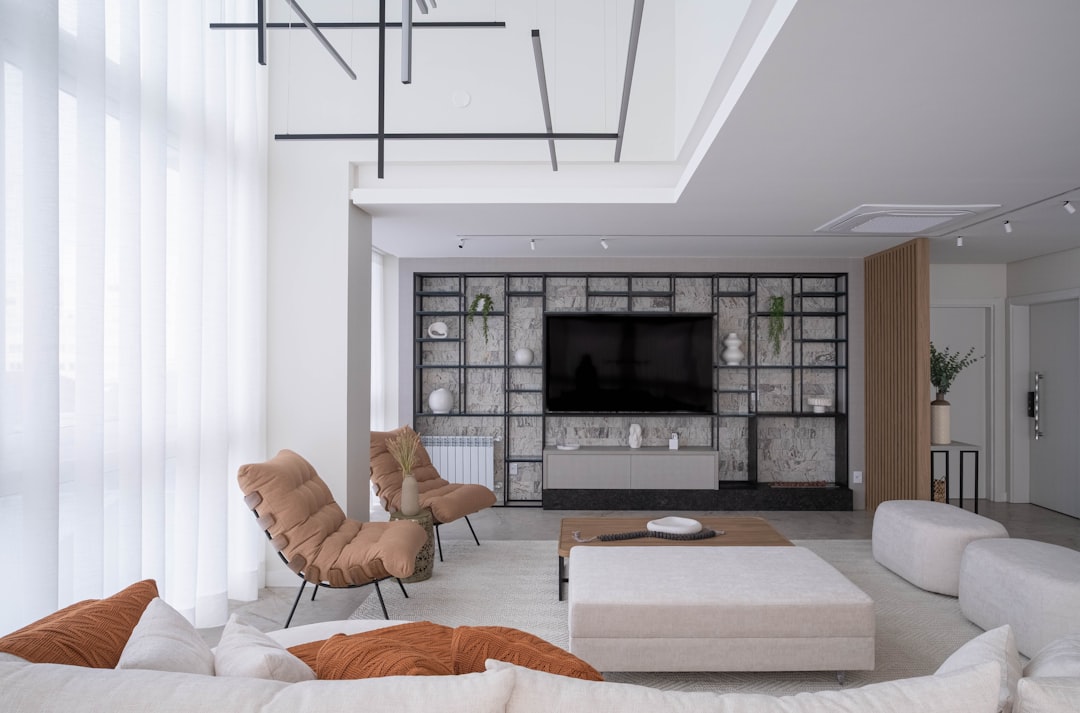
For the buyer, this means a sun audit is non-negotiable before any furniture delivery. You must observe your specific 5-room flat’s light patterns across several days, noting where the harsh glare falls and where the room stays in cool shadow. That west-facing wall might be perfect for a media console in a matte laminate finish, but it’s a death sentence for your cherished book collection or that heirloom display cabinet you’ve been eyeing.
Material choice becomes a direct function of this exposure. Sun-drenched spots demand engineered woods with UV-resistant laminates or performance finishes, while low-light areas in north-facing rooms can handle darker, solid timbers without the risk of heat damage.
That teak console in a landed property's sunroom might look pristine after five years, while a rubberwood one in the same spot often shows warping within two. The difference is oil content and density—teak naturally resists moisture ingress, which is critical for our 80%+ humidity. Rubberwood, though stable for indoor use, simply can't compete when placed against a full-height window in a Pasir Ris condo. You're paying for cellular structure, not just a name. It's a material that handles the climate's constant assault without demanding much from you.
For engineered wood bookshelves, the protective top layer is everything. A UV-inhibiting laminate isn't just a cosmetic finish; it's a shield that filters out the most damaging wavelengths of sunlight. Without it, the substrate beneath can discolour or degrade, even if the room itself feels cool. This technology is particularly key for east-facing living rooms in BTO flats, where morning sun is intense and direct. Look for specifications mentioning UV filters or fade resistance—it’s a non-negotiable for longevity here.
Thin wood veneers glued onto MDF are a predictable failure point for sun-exposed furniture. The adhesive breaks down under sustained heat and humidity, leading to telltale bubbling or peeling along the edges. This blistering is especially common on horizontal surfaces, like the top of a low display cabinet parked by a window. Once it starts, there's no real fix. In our climate, that beautiful walnut finish is often just a fragile skin over a vulnerable core.
Metal frames, common in industrial-style shelving units, need a robust finish. Powder coating provides it, creating a hard, continuous shell that's far more resistant to chips and rust than standard paint. The electrostatic application process ensures even coverage, which is vital for protecting corners and weld points from our salty, humid air. A well-coated frame in a Tampines ground-floor apartment will outlast a painted one significantly. It’s a detail that separates a temporary piece from a permanent one.
Injection-moulded plastic components—think drawer runners, shelf pins, or decorative caps—are often the first to fail. Over time, prolonged exposure to heat and UV radiation can make them brittle, causing them to crack or snap under normal load. Inspect these parts carefully; a brittle plastic clip holding a shelf bracket will give way long before the wood itself does. It’s a subtle point of inspection that many buyers miss, only to discover the flaw years later when rearranging their setup.
That instinct to push the shelving unit flush against the sun-facing window wall—it’s a classic Singaporean space-saving move, but it’s a long-term gamble with your belongings. You’ll gain a few precious centimetres in a 4-room BTO living room, certainly, but you’re also signing up for a daily dose of intense UV exposure that doesn’t play favourites. The shelf itself might endure for years, but the items you’re displaying won’t be so lucky.
Dark wood finishes, like walnut or wenge, are a particularly stark example. They look rich and sophisticated against a feature wall, but under direct sunlight, they develop faint, pale lines of fade with a cruelty that lighter oak or ash would never show. It’s a gradual process, often only noticed when you shift a book or a decorative object after six months, revealing the original, richer colour underneath like a ghost. In high-floor condos with panoramic views, the problem intensifies with seasonal sun angle shifts—the low afternoon glare in December might miss the shelf entirely, but by June it’s baking the same spot for hours.
This isn't just about aesthetics. The real cost is in the degradation of what you’re storing. Book spines bleach and become brittle, vinyl records warp in their sleeves, and cherished photo prints behind glass can fade into ghosts within a couple of years. The shelf is just the frame; the collection is the art. Overlooking protection is a common oversight, especially when you’re focused on maximising floor space in a compact layout.
Simple mitigations exist, of course. Sheer curtains diffuse the harshest rays, while UV-filtering window film is a more permanent, if pricier, solution for east or west-facing exposures in neighbourhoods like Bedok or Tampines. Alternatively, you could simply choose a different wall—the one perpendicular to the window often offers the same spatial efficiency without the solar punishment. It’s a trade-off between immediate spatial logic and long-term preservation, and in many homes, the latter deserves more weight in the decision.
" width="100%" height="480">Living room bookshelf placement: avoiding direct sunlight damage (pitfalls)The afternoon sun streaming through a west-facing window can bleach a bookshelf’s finish in a single season, turning rich walnut into a washed-out beige. That’s why mitigation starts before you even position the furniture. For HDB windows, applying UV-blocking film is a cost-effective first line of defence; a professional installation for a standard living room window typically runs from $200 to $400, a fraction of the cost to replace a sun-damaged shelving unit. It won’t stop all heat, but it filters the most damaging rays without compromising your view.
Light diffusion is the next layer. Hanging sheer curtains—linen or a light polyester blend—softens harsh direct light into a general ambient glow. This is particularly useful in compact 85 sqm resale flats where window placement might be unavoidable, as the sheers prevent sharp, concentrated beams from falling directly on your books or display pieces. It’s a simple, renter-friendly solution that adds texture to the room without the bulk of blackout drapes.
Strategic distance is non-negotiable for new condos with floor-to-ceiling glass. Maintain a buffer zone of at least 1.5 to 2 metres between those expansive windows and any wooden furniture. In many living room layouts, this simply means your bookshelf belongs on an interior wall, not the glamorous glass one. If you’re determined to use that bright alcove, you’re committing to a piece made for it—think sintered stone or metal frames, not solid timber.
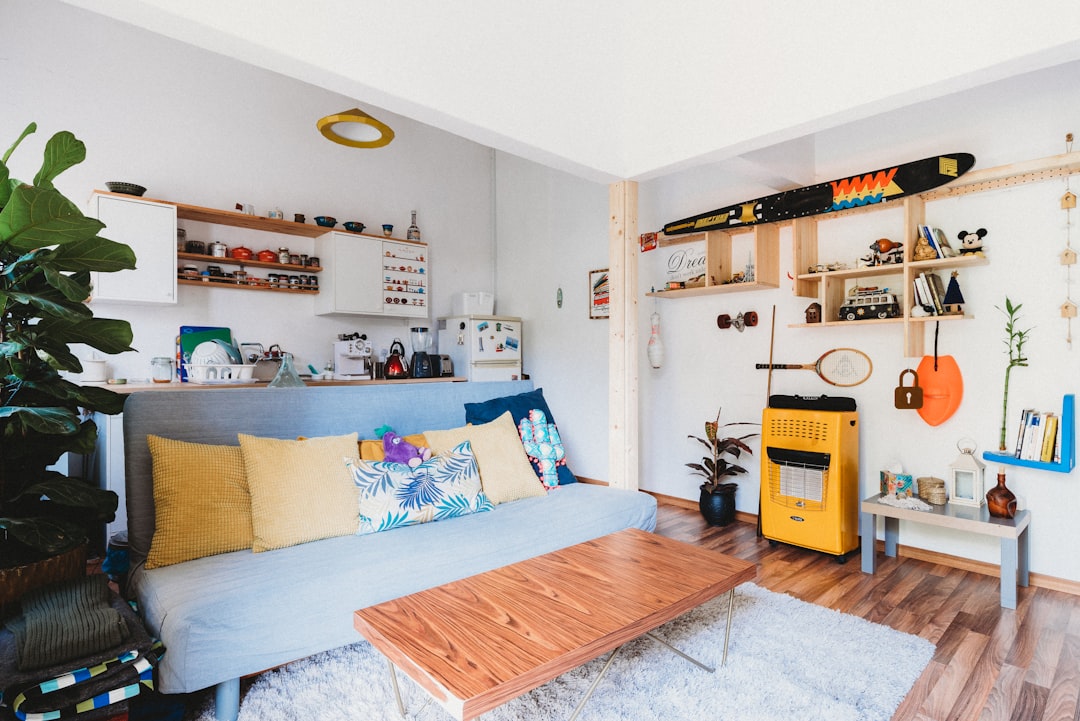
For tighter spaces where every centimetre counts, creating shadow zones through clever placement becomes the goal. Angling a tall, narrow bookshelf in a corner can shield its contents, while a room divider placed strategically can cast a protective shadow across a cherished collection. It’s a spatial puzzle, but solving it means your favourite novels won’t fade alongside the afternoon light.
The difference between a laminate that holds its colour and one that yellows in a year is often impossible to see on a screen. At Megafurniture's Joo Seng and Tampines showrooms, bookshelves are displayed in full room settings under simulated local daylight—you can literally watch how different finishes react to the same light that floods your east-west facing window. It turns abstract warnings about UV damage into a tangible comparison; you can touch a warm oak veneer and a cool grey laminate placed side-by-side, feeling their texture while seeing how the light plays off each surface. This matters because a bookshelf isn't just a storage unit; it's a long-term backdrop to your daily life. Staff there are accustomed to the specific puzzles of local layouts. You can describe your 12 sqm HDB living room wall, or the awkward corner in your 4-room BTO, and they’ll advise on modular configurations that actually fit—assessing scale against real-world dimensions helps you avoid buying a unit that overwhelms the space. It’s one thing to know a shelf is two metres wide, another to stand next to it and visualise it holding your collection. The real test is material choice under stress. You’ll see how some laminates resist glare better than others, a crucial factor for units placed opposite a balcony door. They can show you engineered wood options that balance cost with stability, which is often the smarter play for sun-drenched rooms than solid wood that might warp. It’s a practical education in finish durability, delivered not through a spec sheet but through direct observation. Ultimately, visiting lets you move beyond catalogue images and confirm your choices against the physical realities of Singaporean light and space. You leave with a much clearer sense of how a piece will perform in your actual home, not just how it looks in isolation. For a considered purchase like living room storage, that confidence is worth the trip to a showroom where you can
browse the optionsin person.
A flat-pack bookshelf arriving at your HDB lift lobby is the first real test of your purchase. Delivery crews are adept, but you’ll want to confirm they can handle the long, awkward panels typical of a 180cm or 210cm unit, especially in older blocks with narrow lift landings or tight corridor turns. It’s a logistical snag that can leave you hauling pieces up seven flights yourself, which is why verifying dimensions with the supplier beforehand isn’t just pedantic — it’s practical.
Self-assembly, while common for budget-friendly options, carries a subtle risk in our climate. A slightly misaligned cam lock or a shelf pin not fully seated might not matter at first, but over months of Singapore’s humidity shifts, that minor stress can warp the particleboard or cause the entire structure to lean. The resulting uneven load distribution is what leads to that familiar sag in the centre shelf, a flaw that’s often blamed on the books but really starts with the assembly.
This is where warranty fine print becomes essential. Many suppliers explicitly classify sun damage or colour fading as ‘environmental wear and tear’, a category that’s almost never covered. That rich walnut veneer on your new display unit can bleach to a dull tan after a year in a west-facing Tampines living room, and you’ll likely be told it’s a maintenance issue, not a manufacturing defect. The distinction is crucial — a warranty might promise ten years against laminate peeling, but it won’t protect against the sun’s relentless bleaching.
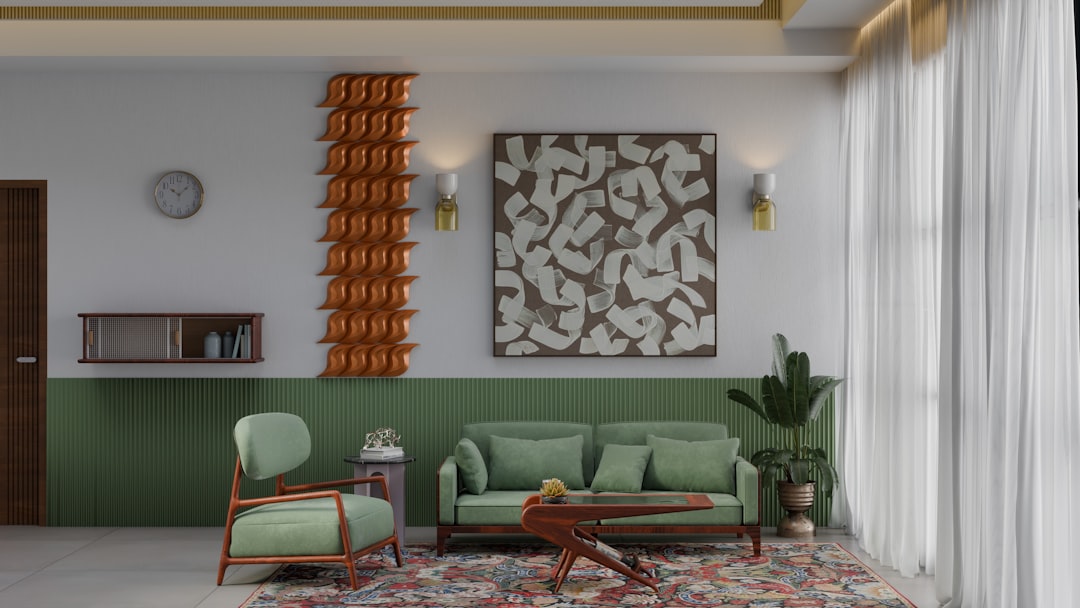
For those seeking a more streamlined process, some retailers offer professional assembly as a paid add-on. It’s an extra cost, but it transfers the risk of misalignment and ensures the unit is structurally sound from day one. Checking what’s included in delivery — whether it’s just curb-side drop-off or full room-of-choice placement — can save considerable hassle in a compact 4-room BTO layout. Ultimately, the smoothest path to a stable bookshelf involves planning for its entire journey, from the lorry liftgate to its final position against your wall.
The questions we get from readers about bookshelves aren’t about style first — they’re about survival in Singapore’s specific environment. Homeowners here instinctively understand that a wrong placement can ruin a purchase in a single season.
Will blackout curtains alone protect my bookshelf? Not entirely. While they block the most damaging direct rays, Singapore’s ambient heat and humidity seep in regardless. A bookshelf pressed against a full-height window, even with curtains, will still experience temperature spikes that can warp wood and fade spines over time. You’re better off placing the unit on a perpendicular wall, using the curtains as a secondary defence rather than the primary one.
Can I put a bookshelf on a balcony with sliding doors? It’s a common temptation for extra storage in a 4-room BTO, but it’s a compromise. The constant thermal shock from air-conditioned living room to humid balcony stresses joinery, and monsoon-driven rain finds a way in. If you must, choose a fully sealed, marine-grade finish — and even then, expect to treat it as semi-expendable furniture.
Is acacia wood better than oak for east-facing windows? For the relentless morning sun, yes, typically. Acacia’s inherent density and oily nature offer slightly better resistance to drying and fading than many European oaks. The real solution, however, is to avoid the direct line of fire altogether; anchor the shelf to a north or south-facing wall where light is consistent but less aggressive.
How to anchor a tall shelf in a condo with marble flooring? You can’t drill? That’s the real constraint in many leased units or homes with expensive flooring. A low-profile, weighted metal base plate that the shelf sits on is often more effective than superficial brackets — it lowers the centre of gravity dramatically. For a permanent install, a professional can often drill into the grout line with a diamond tip, minimising visible damage to the marble tile itself.
The bookshelf that looks perfect in a Tampines showroom can warp within a year in a west-facing Bedok living room. That’s why your final step isn’t about style—it’s about mapping your room’s specific light conditions over three days. Note the intensity and duration of direct sun on the intended spot; a shelf in an east-facing window gets a harsh morning blast, while a north-facing corner in many HDB flats might only see indirect, diffused light all day. This log dictates your material choice far more reliably than any catalogue image.
Choose your build based on that exposure level. For high-light areas, solid wood like rubberwood or teak, properly sealed, will typically fare better than veneers or laminates that can bubble under relentless heat. If your log shows intense afternoon sun, you’re not just buying furniture—you’re budgeting for protective window treatments, too. A quality roller blind or film isn’t an accessory; it’s a necessary shield for your investment.
Then, visit the showroom armed with your room’s exact dimensions and orientation. Test the unit’s stability on the showroom floor; give it a firm push and listen for creaks. Inspect the finish under the store’s bright lights—any colour mismatch or grain inconsistency will be magnified at home. This is where a retailer’s range, like Megafurniture’s collection, allows you to compare heft and construction side-by-side.
Finally, prioritise the warranty fine print over the sales pitch. What exactly does “limited lifetime warranty” cover—structural frame, or surface finish? Sun damage is almost always excluded, which circles back to your own preventative measures. A clear warranty from the outset often signals a manufacturer that trusts its own joinery.