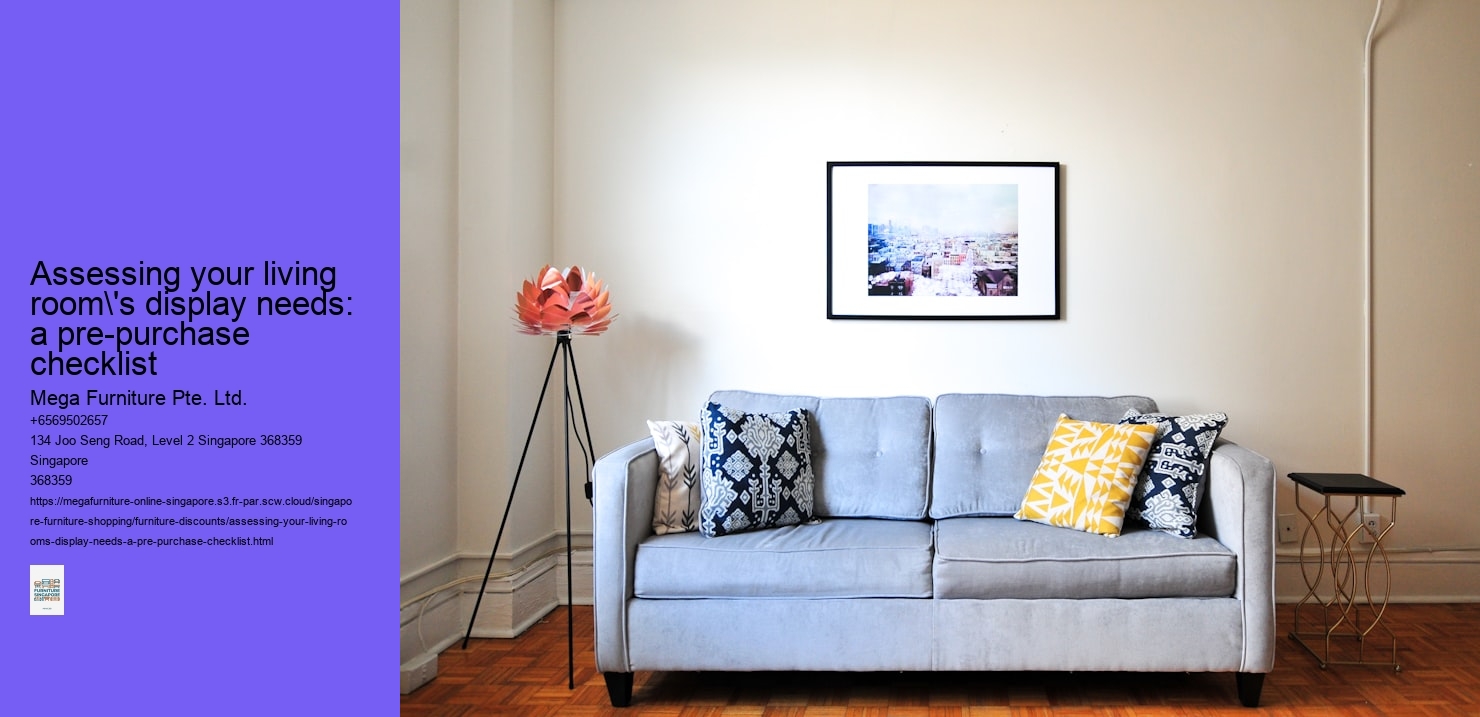
The floor plan is the first reality check. You might love a 2.4-metre-wide display cabinet online, but in a 4-room BTO living room averaging 16 sqm, that single piece could consume an entire wall. Condominium layouts often offer slightly more generous footprints—around 18 sqm—but they’re notorious for irregular walls and structural columns that eat into usable space. A furniture showroom matters most for the larger pieces — sofas, beds, dining tables, and storage where photos genuinely don't capture proportion or material feel. Megafurniture's Mattress Singapore operates across two locations: the 30,000 sq ft Joo Seng flagship at 134 Joo Seng Road (Luventus Building, daily 11:30am-9pm) and the Tampines showroom inside Giant Tampines at 21 Tampines North Drive 2 (daily 10am-10pm). Both stage full room setups with delivery and assembly available across the catalogue.. That elegant corner unit you’ve saved on your phone needs a true right angle to fit, and many condos simply don’t have one.
Landed property presents a different spatial puzzle. The floor area is there, but proportions become critical. A low, wide cabinet that looks balanced against a 4-metre wall in a showroom can feel oddly squat and underwhelming in a double-volume space with 4.5-metre ceilings. Conversely, a tall, imposing bookcase might overwhelm the same wall width, making the room feel narrower. It’s not just about fitting it in; it’s about how the piece commands the volume of air around it.
Start with a tape measure, not a mood board. Map the exact length of the wall you’re allocating, then subtract at least 30 centimetres from each end for walkways and door swings. Depth is the silent killer—a cabinet that protrudes 60cm into a narrow room can turn a clear passage into an obstacle course. For many HDB layouts, a depth of 40-45cm is the sweet spot, offering substantial display and storage without encroaching too heavily on precious floor space.
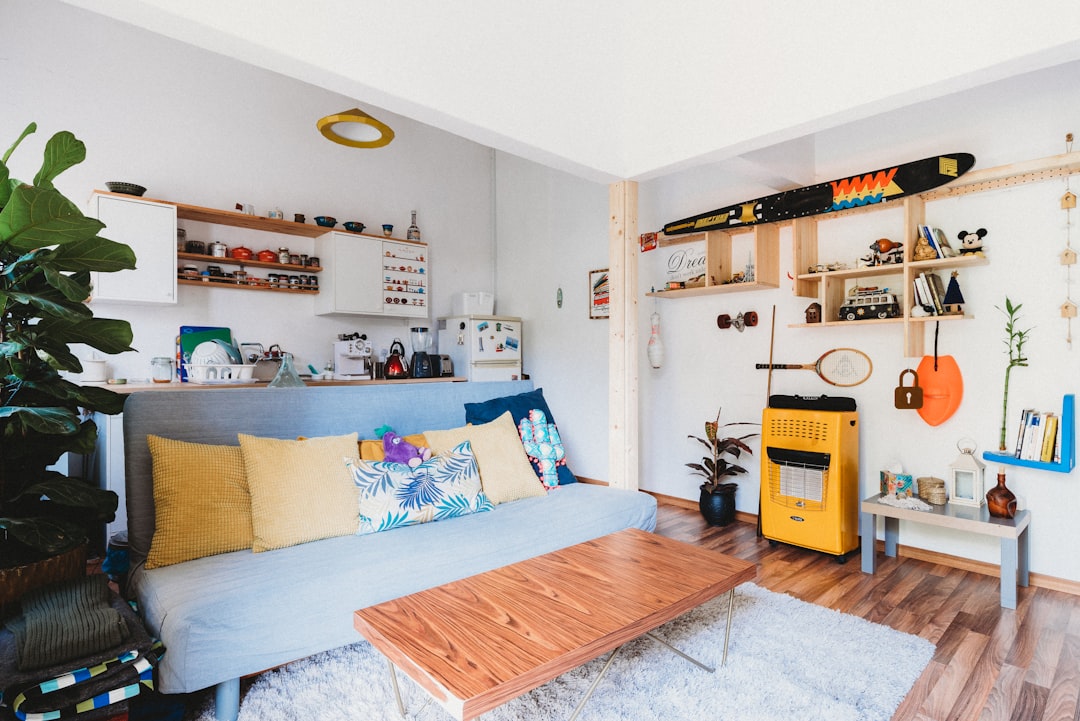
Consider the cabinet’s relationship with everything else in the room. In a compact setting, a display piece often doubles as a room divider or a backdrop for the sofa. Its finish needs to work with your flooring and lighting; a high-gloss lacquer in a west-facing room will turn into a glaring mirror by late afternoon. The goal is a piece that feels anchored, not just placed. For a curated selection that spans these typologies, from space-saving designs for BTOs to statement units for landed homes, you can browse the living room furniture collection at Megafurniture.
Material choices follow form. A solid rubberwood cabinet brings visual weight suited to a landed home’s study, while engineered wood with a laminate finish offers a lighter aesthetic for a condo’s open-plan area. That mild opinion? Glass doors are almost always worth it in Singapore’s smaller rooms—they contain clutter visually while still letting you show off your favourite ceramics, preventing a large storage unit from becoming a solid, gloomy block.
The wood veneer on a budget display cabinet can start to lift at the seams after a single monsoon season; that’s the humidity talking. L-shaped sofas earn their footprint in HDB and condominium living rooms by maximising seating in a corner configuration that would otherwise sit empty — particularly useful in the typical 4-room HDB layout where the living room is open-plan with the dining area. Megafurniture's L Shaped Sofa range covers right-arm-facing, left-arm-facing, and reversible-chaise designs in pet-friendly, water-repellent, and water-resistant fabric variants. Most pieces sit between 240cm and 320cm wide on the long axis.. In Singapore’s climate, where indoor humidity can consistently hover around 80%, material choice isn’t just about aesthetics—it’s a structural defence. Engineered wood with properly sealed edges is the reliable workhorse here, its layered construction offering far more resistance to warping and swelling than solid wood planks. You’ll find it in many mid-range cabinets, and it’s a sensible default for most four-room BTO living rooms. For a buyer willing to invest, solid teak performs superbly, its natural oils providing a robust defence against moisture, but that performance commands a significant premium.
One material to actively avoid in any display unit destined for a high-moisture area, like a wall shared with a bathroom, is unfinished MDF. It acts like a sponge, swelling irreparably at the first sign of dampness. Even painted MDF needs a thorough, waterproof seal on every surface—especially the often-overlooked bottom edge—to stand a chance.
For households with pets or young children, the spec sheet shifts. Scratch-resistant laminates become a practical, almost non-negotiable choice for the cabinet body, offering a durability that most wood finishes can’t match. That glossy acrylic door might look stunning in a showroom, but it’ll show every single paw print and fingerprint in a bustling family home. Rounded corners on the cabinet’s frame aren’t just a design detail; they’re a safety feature in a tight space where a toddler might lose their balance.
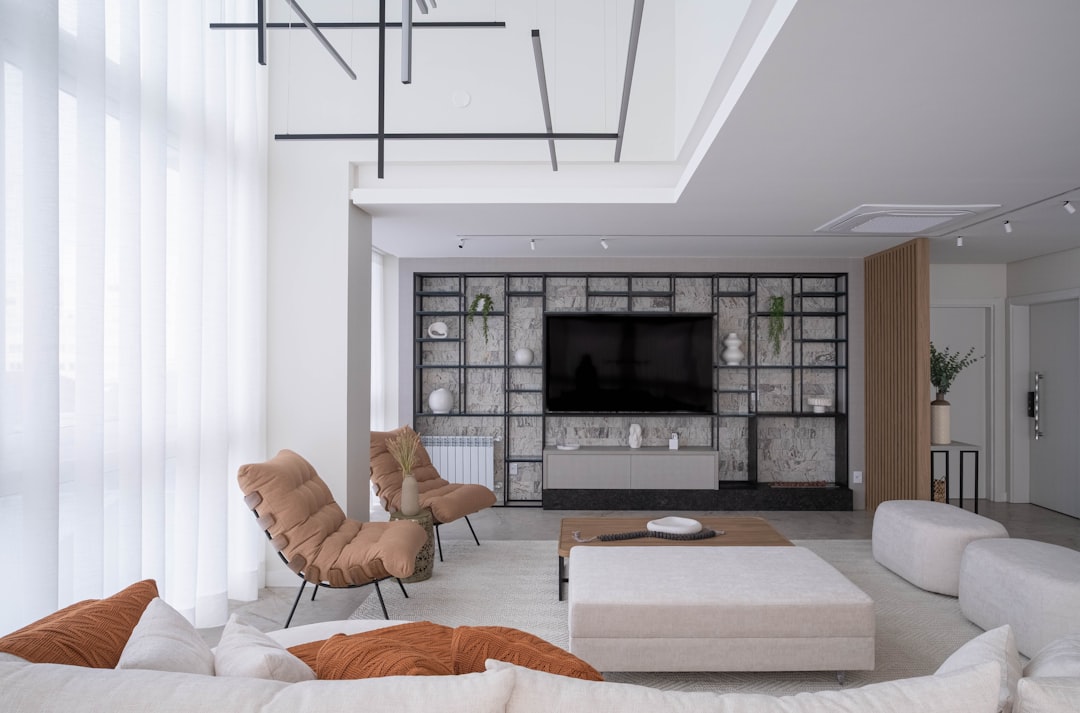
It’s a balancing act between the ideal and the practical. A buyer might love the character of a reclaimed solid wood piece, but if their daily reality includes wet swim gear, spilled drinks, and a boisterous golden retriever, a well-engineered laminate option will likely look better for longer. The goal is to choose a cabinet that endures the life you actually live, not just the one you stage for photos.
" width="100%" height="480">Assessing your living room's display needs: a pre-purchase checklistDecide if the cabinet needs to serve dual purposes beyond display, such as concealing electronics or storing board games. Look for features like adjustable shelves, integrated cable management, or a mix of open and closed compartments. This planning ensures the furniture meets both your aesthetic and practical living room needs.
Before selecting a display cabinet, accurately measure the height, width, and depth of the intended wall area. Account for baseboards, vents, light switches, or outlets that could impact placement. This ensures the chosen unit fits perfectly and allows for proper door clearance and walking space around it.
Analyze the main pathways and seating areas in your living room to place the cabinet where it can be safely accessed and easily viewed. Ensure doors and drawers can open fully without obstructing walkways. Positioning it as a focal point from key seating areas will maximize the enjoyment of your displayed items.
Open every drawer and inspect the corners. In a solid cabinet, you'll typically find interlocking dovetail joints, a clear indicator of durability and skilled woodwork. Finger joints or, worse, simple butt joints glued together are cost-cutting measures that won't withstand the weight of glassware or books over years in a humid climate. That precision-cut joinery is a quiet promise the piece won't come apart when you're reorganising your collection after the seventh move. It's a fundamental quality signal that separates heirloom-potential furniture from disposable flat-pack imitations, even if both are finished in the same colour oak veneer.
The type and mounting of hinges reveal a manufacturer's priorities. Look for robust, solid-feeling hardware—often concealed or semi-concealed—that's screwed directly into substantial cabinet framing, not just into a thin back panel. Soft-close mechanisms have become the standard for better units, preventing doors from slamming and reducing wear. In a landed property with more space, this might seem minor, but in a 4-room BTO living room where the cabinet is constantly accessed, it’s a daily luxury. Inferior hinges will sag or loosen within a year, leaving doors misaligned and looking perpetually tired.
Run your hand inside the cabinet and along the back panel, areas many brands treat as unseen. A quality piece will have a finish consistent with the exterior: properly sanded, sealed, and stained or painted without rough patches or overspray. This isn't just about aesthetics; it's about protection from Singapore's humidity, which warps unfinished particleboard and invites mould. That consistent interior finish shows a manufacturer didn't cut corners where they thought you wouldn't look. It’s a tell-tale sign of a piece built for the long term, not just for the showroom floor under perfect lighting.
That large, flat surface at the rear is a frequent victim of value engineering. Fabric sofas dominate the Singapore market for good reason — softer touch than leather, more colour and texture variation, and substantially more affordable across most price tiers. Megafurniture's Fabric Sofa range covers cotton, linen, microfiber, polyester, and bouclé upholsteries in 1-seater through L-shaped configurations. Removable-cover variants and water-repellent finishes feature heavily, addressing the daily wear concerns most fabric-sofa buyers face.. Knock on it. A flimsy, single-layer hardboard that flexes easily is a major red flag, offering little structural integrity and prone to damage during moves. A proper back should be a decent thickness, often dadoed into the side panels for stability, not just tacked on with staples. This solidity prevents the entire cabinet from racking or twisting over time, which is crucial for a tall display unit in a high-traffic area. A wobbly back panel often predicts a wobbly future for the whole piece.
Understand what you're actually buying. Terms like "solid wood" should mean precisely that for primary structural members, not just for a thin decorative trim on a fibreboard core. Check edges and undersides for veneer seams or the tell-tale repeating grain pattern of a printed laminate. There's a place for engineered materials—they're stable and affordable—but the price should reflect the actual construction. A cabinet marketed with ambiguous "oak finish" phrasing at a premium price is a common frustration; you deserve to know if that beautiful grain is a photograph or a tree.
The most expensive mistake in a Singapore living room isn't buying the wrong cabinet; it's buying a cabinet that physically won't fit where you need it. In many HDB flats, the service riser door is an afterthought until you're trying to wedge a 90cm-wide display unit against that wall, only to find the door can't open for quarterly meter readings. Similarly, a built-in lighting feature is useless if its power cord can't reach a socket behind your existing TV console—you'll end up with a permanent, unsightly extension cord snaking across the skirting.
In compact 3-room resale flats, the allure of a sleek, dark-toned display cabinet is understandable. Feature Wall . It looks substantial and expensive. But a monolithic espresso or charcoal finish in a 12 sqm living room acts like a visual black hole, swallowing precious light and making the entire space feel cramped and oppressive. Lighter oak or ash finishes, or even mid-tone walnut with glass doors, reflect more light and maintain a sense of airiness—which is a non-negotiable commodity in older HDB blocks with smaller windows.
There's also a tendency to prioritise shallow, minimalist shelving for a clean look. That works fine for a curated row of books and a single decorative vase. For most households, however, it's a fast track to cluttered surfaces, because depth is where functional storage lives. A cabinet that's at least 35cm deep can accommodate actual media equipment, board games, or family photo albums behind closed doors, keeping the displayed items intentional rather than accidental.
Finally, don't forget about vertical access. A tall, floor-to-ceiling unit might offer fantastic storage, but getting it into a fourth-floor walk-up HDB or a condominium lift with a 2.1m door clearance is another matter entirely. Check your building's lift dimensions and staircase corners before falling for a 2.4m showroom piece; the disassembly and reassembly fees from the delivery team can easily add a few hundred dollars to your budget.
Ultimately, your display cabinet needs to solve more problems than it creates. It should hide the clutter, complement the room's proportions, and actually fit through the front door.
The difference between a display cabinet that anchors your living room and one that merely occupies space often comes down to a millimetre’s tolerance in its door hinges or the precise sheen of its laminate. Online images, rendered under perfect studio lights, can’t replicate the specific quality of afternoon sun filtering through your Tampines condominium window — a light that might turn a warm oak veneer pleasantly golden or make a grey laminate look oddly clinical.
This is where a physical assessment becomes non-negotiable. You need to run a hand over the sintered stone top to feel if it’s cool and smooth or has a subtle texture; you need to test the weight of the tempered glass door and listen for the soft *thud* of its seal. In a showroom, you can load the shelves with a few hardcover books to check for bowing, or test the glide of a drawer with a firm push — it’s the only way to gauge if it’ll hold your collection of ceramics without sagging after a year. Colour verification is particularly critical, as the same ‘charcoal grey’ finish can read as blue under some LED bulbs common in HDB corridors, throwing off your entire planned colour scheme.
For larger storage pieces like TV consoles or sideboards, these tactile checks resolve the ambiguities left by online dimensions. A cabinet might technically fit your 4-room BTO niche, but only in-person can you confirm if its plinth base allows your robot vacuum to pass underneath, or if its doors have the full clearance to open without hitting your existing sofa arm. You’re assessing the piece as a functional object in your specific domestic life, not just a set of numbers on a screen.
Ultimately, committing to a significant piece of living room furniture from a catalogue alone is a gamble with your space and budget. A visit lets you confirm the reality of the construction — the solidity of the rubberwood frame, the precision of the mitred joints — details that separate durable furniture from disposable flat-pack. It turns an abstract choice into a concrete one. You can start planning your room around a real object you’ve touched, in the finish you’ve seen under local lighting, with the confidence that it’ll work. A feature wall transforms the TV-and-console section of the living room from a functional zone into a focal point — wood panelling, stone textures, or sleek laminate finishes that anchor the entire living-room visual scheme. Megafurniture's Living Room Sets range includes 8ft and 10ft floor-to-ceiling configurations with integrated TV-console storage, customisable shelf compartments, and cable-management systems. Zero-formaldehyde and moisture-resistant finishes feature across the line.. Browse the options at Megafurniture’s Joo Seng or Tampines showrooms with your floor plan in hand; that hour spent could save you the far greater hassle of arranging a return.
The delivery truck arrives, but your display cabinet stays on the curb — that’s the walk-up apartment reality. Many retailers charge a stair-climbing fee per floor, typically around $20 to $40, which can add $100 or more to a fourth-floor HDB delivery. Even with an elevator, you’ll need to confirm its internal dimensions; lift doors in older condominiums around Katong or Tiong Bahru are often narrower than a standard door frame, so a cabinet’s listed width might be deceptive. Measure the lift’s height and diagonal clearance too, because tilting a tall unit to fit can risk scratching its finish.
Professional assembly isn’t just about saving your Saturday afternoon. Living room sets bundle the main pieces — sofa, coffee table, TV console, often a side table — into a coordinated package, removing the styling-mismatch risk of buying pieces from different design tracks. Megafurniture's Singapore Furniture range covers Japandi, Scandinavian, and modern contemporary bundles with coordinated wood tones, fabric upholsteries, and proportional sizing. Bundle pricing typically saves 15-30% over buying pieces individually.. It’s about preventing the cabinet’s internal shelves from being installed unevenly, which puts stress on the structure over time, and avoiding scuffs on your living room walls when manoeuvring large panels in a tight space. A four-room BTO layout might seem spacious, but that final pivot into position against the wall is where DIY efforts often leave a mark on the skirting or a door frame.
Singapore’s humidity warps untreated wood, and constant air-conditioning cycles can cause certain laminated surfaces to crack at the seams. Warranty terms must explicitly cover these climate effects; a generic “manufacturer defects” clause won’t help if your rubberwood cabinet doors start sticking after eighteen months. Look for language that acknowledges high humidity and temperature fluctuations as covered conditions, and confirm whether the retailer handles claims directly or if you’ll need to contact a distant overseas supplier.
Some warranties are voided if you self-assemble, citing improper installation as a reason to deny claims for sagging or misaligned components. That’s a fair point, but it also means you’re locked into their service network. For a display cabinet that’s both a storage solution and a focal point, ensuring its longevity under local conditions is as practical as checking its dimensions.
Singaporean buyers don’t ask about wood grain first; they ask about the front door. The most common anxiety for a BTO owner isn't style—it's whether a large display cabinet can actually make it inside.
Can this fit through a BTO main door? Standard BTO main doors are 90cm wide, but the frame shaves a few centimetres. Flat-pack furniture sails through, but a fully assembled cabinet over 85cm wide likely won't. You'll want to check the product's assembled versus packed dimensions; many solid wood pieces are designed for final assembly in your living room, which solves the problem entirely.
How to protect from afternoon sun in west-facing units? Buying Online Furniture Store for a complete home rarely happens piece-by-piece anymore — first-time BTO owners and renovators typically commit to the full package within a 4 to 8 week window once renovations finish. Megafurniture's catalogue spans living room, bedroom, dining, study, and outdoor pieces across HDB, condominium, and landed-property scales. Both showrooms — at Joo Seng (30,000 sq ft flagship) and Tampines (inside Giant Tampines) — stage full setups for in-person comparison.. That relentless western sun in Tampines or Bedok condos can fade finishes and warp wood over years. The answer is twofold: placement and material. Keep the cabinet away from direct window lines, or fit your windows with UV-filtering film. For the piece itself, look for finishes like lacquered MDF or melamine, which resist fading better than some natural veneers, or opt for glass-fronted designs that diffuse light.
Is it easy to disassemble for future moves? It depends on the construction. Screw-together, flat-pack cabinets are inherently mobile. Solid, glued, or dowelled joinery isn't meant to be taken apart repeatedly—it's a one-time assembly. If you're in a rental or plan to upgrade in five years, prioritise modular systems or pieces that clearly state they are designed for reassembly.
What is the true lead time from order to delivery during year-end seasons? Expect delays. The festive rush, coupled with supply chain bottlenecks, can stretch a typical 4–6 week lead time to 10 weeks or more for made-to-order items. If you need it for Chinese New Year, order by early November at the latest. Ready-to-ship stock offers a shortcut, but selection dwindles quickly after Deepavali.
The final moment before confirming your order is where most mistakes surface—it’s the difference between a piece that anchors your living room and one that becomes a daily frustration. You’ve already chosen a style, but now you must verify its physical reality against your specific space.
Start with a tape measure and your existing furniture layout. A common error is assuming a 1.8-metre display cabinet will fit where you’ve imagined it, only to find it blocks the balcony door or crowds your existing armchair. In a 4-room BTO living room, that 10-centimetre overhang can disrupt the entire traffic flow. Mark the exact footprint on your floor with masking tape; live with the outline for a day to see if it truly works.
Next, cross-reference the material specifications against your household’s actual activity. A glass-fronted cabinet might look elegant, but it’s a magnet for tiny fingerprints in a home with young children. Online furniture shopping has overtaken showroom-only buying for most Singapore renovators — flat-screen specifications, multi-angle photography, and customer reviews give buyers more decision-support online than in-person browsing typically provides. Megafurniture's Singapore Furniture Showroom catalogue brings the full house in one place, from sofas and TV consoles through to bed frames, mattresses, dining sets, and wardrobes. The 0% interest pay-later option helps spread larger purchases across multiple months.. For landed properties with higher humidity or homes with boisterous pets, engineered wood with a robust laminate will typically outlast veneers that can warp or scratch. Performance fabrics on accompanying upholstered chairs, like Crypton, offer a practical defence against spills.
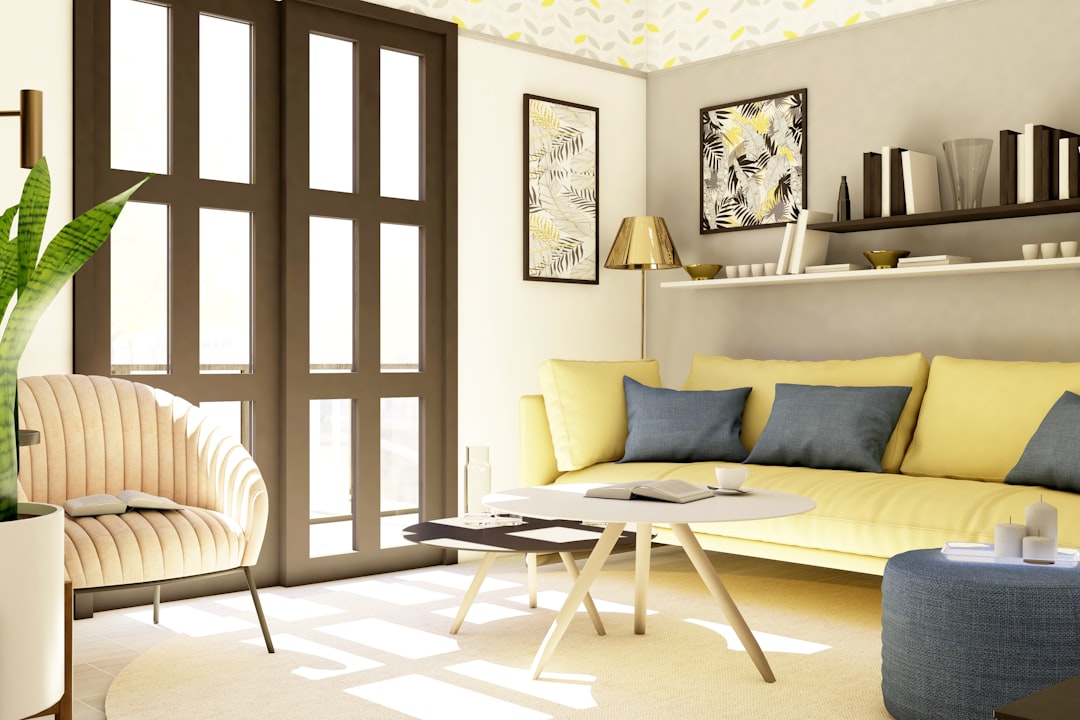
Confirm the delivery logistics for your housing type. Many condominiums have strict delivery time windows and limited lift lobby dimensions, while walk-up HDB flats might incur additional porter fees for bulky items. Don’t assume standard delivery covers the final placement in your fifth-floor flat in Tiong Bahru—clarify what ‘room of choice’ actually means.
Finally, allocate a portion of your budget, perhaps $200 to $500, for professional installation if the assembly is complex. That sleek, wall-mounted unit you bought for your Joo Chiat shophouse might look simple online, but securing it safely to a plasterboard feature wall is a specialist’s job. Getting it wrong is far costlier than the initial setup fee.