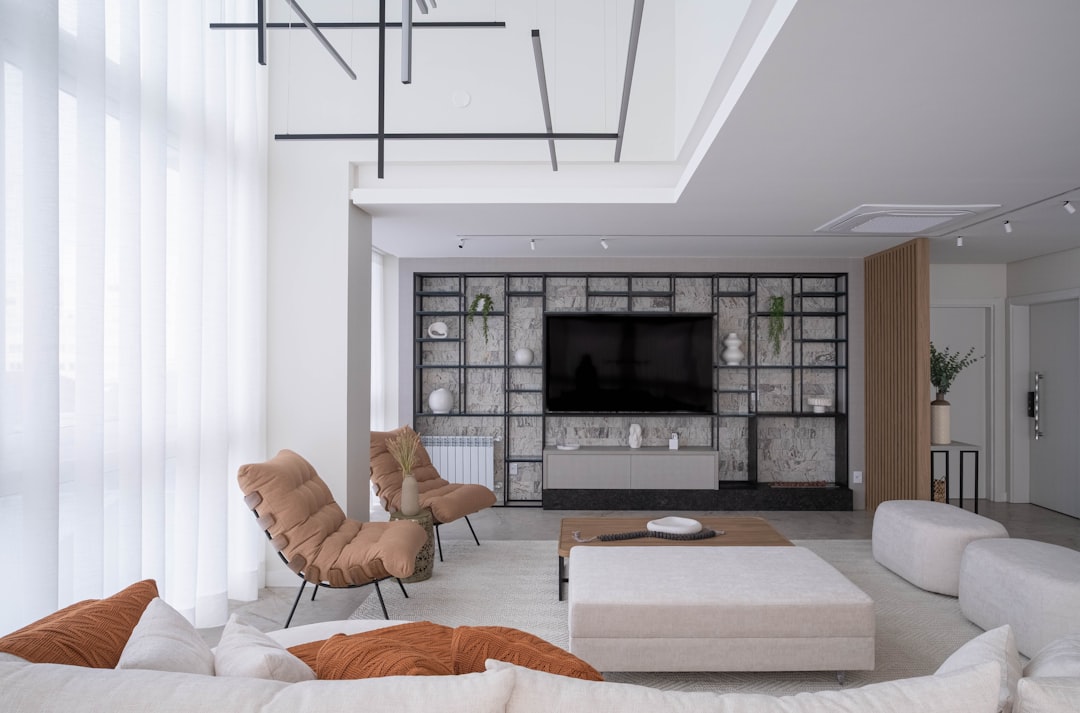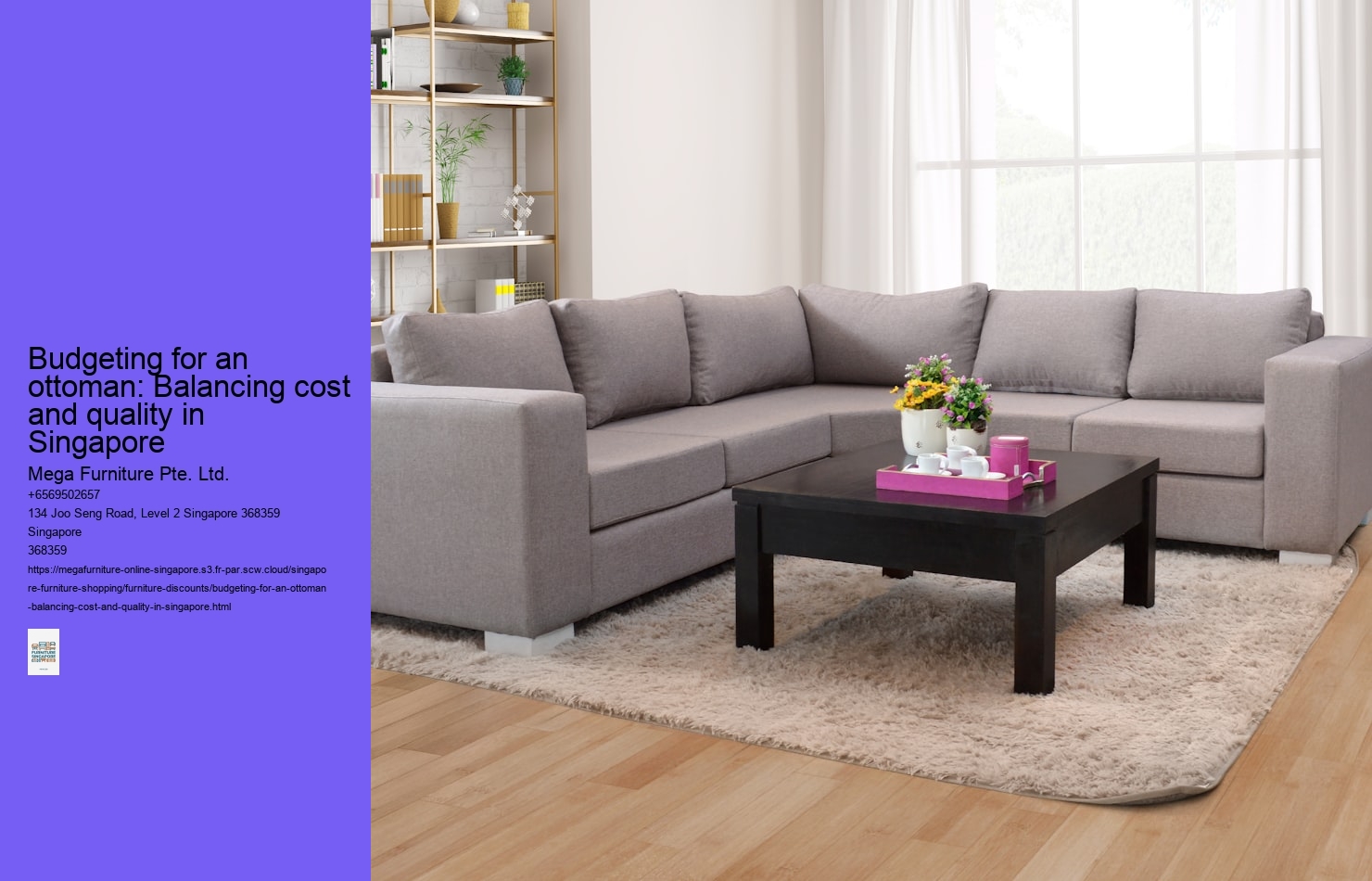
In many 40 to 80 sqm HDB layouts, the walkway from the main door to the kitchen cuts directly through the living room's centre. That central thoroughfare kills any hope for a conventional coffee table—which is precisely where a lightweight, mobile ottoman earns its keep. It can be pulled close for movie night, then tucked flush against the sofa leg the next morning to clear the path for groceries and school bags. This isn't just about saving space; it's about choreographing movement in a home where every square metre serves three functions.
Beyond a footrest, its role expands into supplemental seating during gatherings—a critical function when your living-dining merge lacks walls to define separate zones. A pair of compact, square ottomans can slide out to accommodate extra guests for festive dinners, then double as impromptu side tables for drinks when pushed under a console. The trick is in the proportions: an ottoman for this purpose should be roughly the height of your sofa seat, typically 40 to 45 centimetres, and its width shouldn't exceed two-thirds of your sofa's length. Anything larger becomes a permanent island you'll perpetually navigate around.
Storage becomes non-negotiable in these compact floor plans. A lift-top model with a hollow interior solves the visual clutter of throw blankets, board games, or that week's magazines, items that would otherwise colonise limited surface area on a TV console. Opt for a fabric-covered version over hard materials like wood or rattan; it's softer on shins in tight quarters and muffles sound when the lid closes. Just remember that the storage compartment's usability hinges entirely on what's around it—if you need to shift a floor lamp and an armchair just to open the lid, you won't.
Choosing one that serves as a coffee table alternative requires a flat, stable top. Look for a tray-style design or a firm, upholstered surface that won't deform under the weight of a tea tray and a few books. In practice, this means forgoing the plush, pillow-like models in favour of structured builds with a solid core—though that often means a slight trade-off in sink-in comfort. It's a pragmatic compromise for gaining a clear surface in a living room that also needs to function as a hallway.
That half-spilled kopi-o on the floor isn’t the real threat — it’s the 80% humidity waiting to seep into the seams, and the cat treating your new ottoman like its favourite scratching post. In a Singapore living room, material selection isn’t just about aesthetics; it’s a defence strategy against the local climate and domestic life.
Performance fabrics like Crypton or tightly-woven microfibers should be your first port of call. They’re engineered to repel moisture and stains, meaning a spilled teh tarik typically beads up for an easy wipe-down instead of sinking in. Velvet, while plush, can trap humidity and show every claw mark or water spot in a stark, permanent way. The choice here is pragmatic: a fabric that looks consistent in your Bedok HDB’s afternoon light, not one that develops a patchy, darkened sheen where the aircon doesn’t quite reach.
For the frame and base, solid wood or high-density fibreboard (HDF) will hold up where cheap, low-density particle board swells. You can often feel the difference — a solid piece has a dense, substantial heft, while particle board feels hollow and lightweight. Over a few monsoon seasons, that cheap board in a humid corner can literally crumble, its laminated veneer peeling away like a bad sunburn. It’s a slow-motion failure you won’t notice until you try to move the piece and a leg gives way.
The true test comes during the annual deep clean. A smooth, non-porous performance fabric wipes clean with a damp cloth; a textured fabric might hide a stain but then harbour the smell of last month’s curry puff. And while no material is completely cat-proof, a tight weave offers less purchase for determined claws than a loose, looped one. You’re not just buying a piece to rest your feet — you’re choosing how much maintenance you’ll be doing every Saturday morning for the next five years.
A solid wood frame is the single best predictor of an ottoman's lifespan in a humid climate. You'll want kiln-dried hardwood like rubberwood or acacia, which has been baked to expel moisture and prevent warping in our 80% humidity. Cheap particleboard or MDF frames swell and soften over time, especially if placed near a window or air-con unit. That initial creak when you sit is usually the first sign of a frame that won't last a decade. Insist on seeing the construction details or asking the sales staff directly—if they can't answer, walk away.
Check how the corners are joined; this is where cheap furniture fails first. Proper dovetail or mortise-and-tenon joints, glued and screwed, create a locked structure that handles years of shifting weight. Simple butt joints held only by staples or weak corner brackets will work themselves loose within a couple of years. In a typical 4-room BTO living room, an ottoman often doubles as impromptu seating or a footrest for guests, stressing these points. A well-made joint feels rigid and silent, with no lateral play when you push on it.
That attractive faux-leather ottoman for S$150 is a calculated short-term purchase. The bonded material will almost certainly begin peeling or cracking within 18 months, accelerated by air-conditioning and sunlight from a balcony door. For longevity, look to performance fabrics like Crypton or Sunbrella, which resist stains and fading, or consider genuine top-grain leather that ages with character. The fabric choice directly dictates maintenance; a light bouclé in a household with young children or pets is a recipe for constant stress. It's a simple trade-off: pay more upfront for durability, or budget for a replacement much sooner.
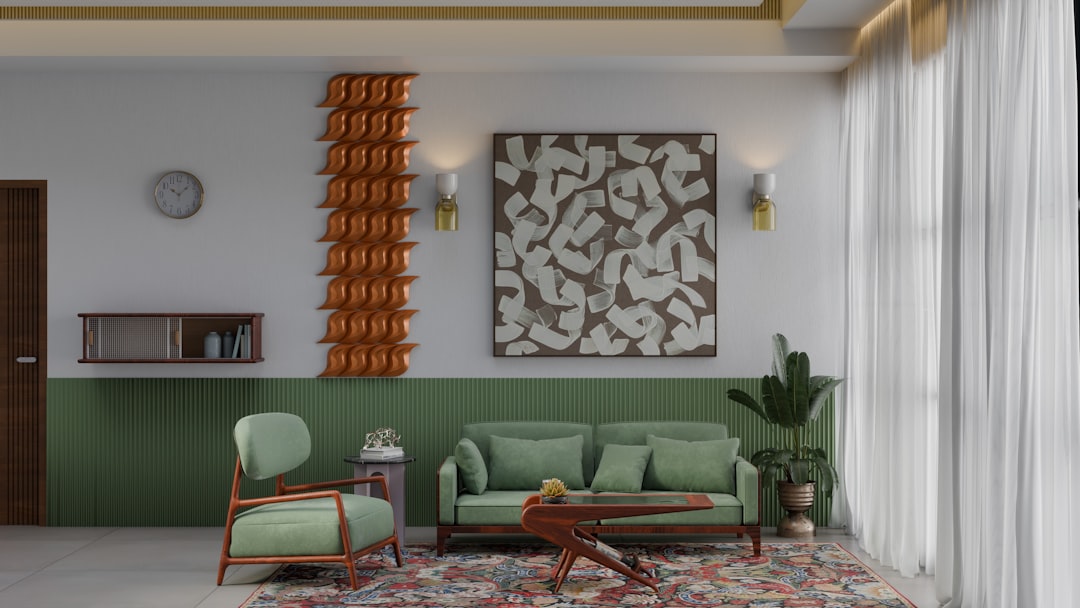
In Singapore's market, an ottoman priced between S$150 and S$350 typically signals mass-produced construction with engineered wood and basic upholstery. You're paying for the style and immediate function, not decades of service. Move into the S$400 to S$600 range, and you should expect solid hardwood frames, better jointing, and upgraded, resilient fabrics. Ottomans above S$800 are often bespoke pieces or use premium materials like full-grain leather and hand-tied springs—overkill for many, but justifiable for a landed property lounge meant to last generations. These brackets aren't arbitrary; they map directly to material costs and labour.
Align your budget with how long you realistically plan to keep the piece. A S$200 ottoman might serve a renter in a Clementi condo perfectly well for a two-year stint. For a homeowner in a Tampines executive flat, investing S$500+ for a piece that will last 10-15 years makes financial and sustainability sense. The disappointment comes when buyers expect a S$250 purchase to hold up like a heirloom through multiple house moves. Consider it cost-per-year: a S$600 ottoman used daily for twelve years works out to about 14 cents a day, a far better value than a cheap one replaced twice in the same period.
A common mistake in Singapore showrooms is selecting furniture scaled for a landed property’s living room and then trying to fit it into a 12 sqm HDB space. You'll see a generously proportioned ottoman that looked elegant online, but once it arrives in your Ang Mo Kio flat, it consumes half the walking path between your sofa and TV console. The online image, shot in a vast, minimalist studio, never conveyed that the piece’s 90cm width would block your balcony door. That mismatch between digital presentation and actual room proportions is a recurring headache; buyers forget that a showroom’s spacious layout is a sales tool, not a replica of their 4-room BTO.
Ignoring storage needs in compact homes is another frequent oversight. An ottoman might be chosen purely for its looks—a sleek, button-tufted design in a favourite velvet colour—but in many HDB flats, that piece becomes the only available surface for extra blankets, board games, or charging cables. Prioritising aesthetics over a cleanable fabric or functional storage compartment means you’ll soon have a beautiful centrepiece buried under daily clutter. For living rooms that also double as a play area or home office, a hollow, non-storage ottoman is essentially a wasted cubic metre.
Then there’s the material choice, where looks triumph over practicality. A light bouclé or a pure white linen might coordinate perfectly with your envisioned Scandinavian theme, but in a household with young children or pets, that fabric becomes a maintenance project. Performance textiles like Crypton, which resist stains and are easier to wipe down, often get dismissed because their visual texture seems less luxurious in the showroom lighting. That’s a trade-off you’ll regret during the first rainy season when the kids track in dampness from the neighbourhood playground.
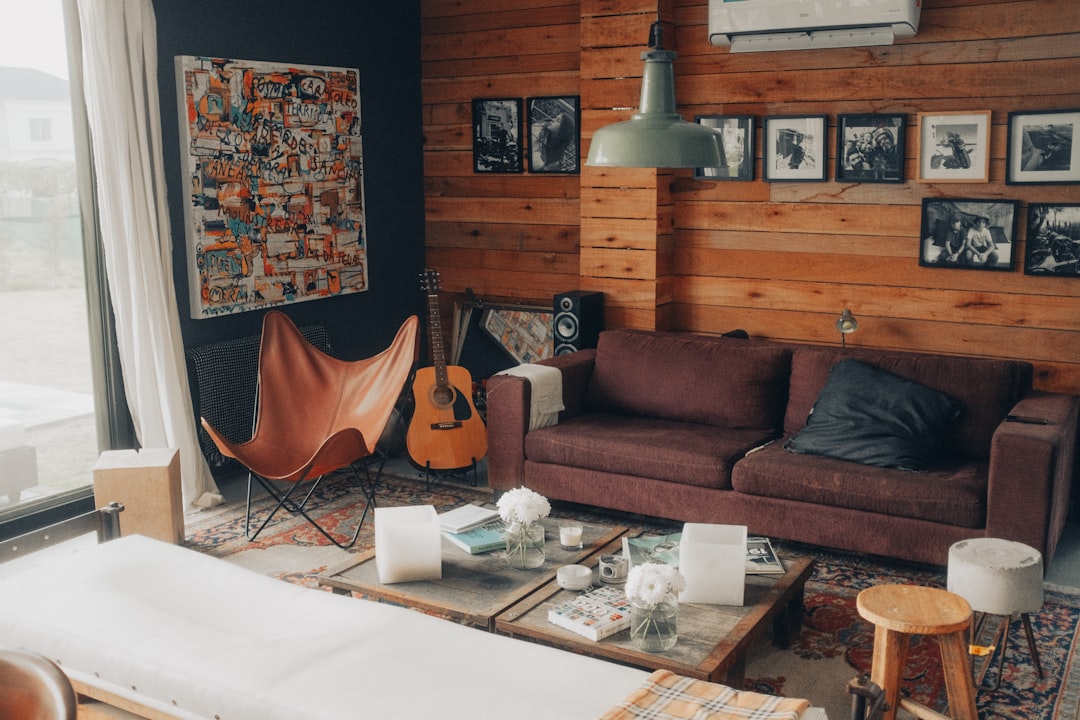
The final error is a budgetary one: allocating funds for a statement piece while neglecting the ancillary costs of matching it to your existing layout. You might spend $1,200 on a solid rubberwood ottoman, only to realise you need a new, smaller coffee table and a different rug arrangement to make the room feel organised. Visiting a physical showroom to test proportions against your own floor plan, perhaps at Megafurniture’s Tampines outlet, can prevent these costly mismatches. It’s there you’ll see how a 70cm-wide model actually leaves space for a side table, whereas the 90cm version you liked online would force a complete furniture rethink.
A well-chosen ottoman can anchor a living room, but its true quality often hides in the details a screen can’t convey. The difference between a piece that feels substantial and one that feels cheap usually comes down to cushion density and the silent operation of a storage hinge—things you can only judge with your hands and your weight. That’s precisely why a trip to a physical showroom, like Megafurniture’s Joo Seng location, remains a crucial step for any buyer serious about committing to a piece they’ll live with for a decade. Online renderings of performance velvets or linen blends are helpful for colour direction, but they can’t communicate the actual hand-feel or nap of a fabric. Seeing a swatch under showroom lighting, and rubbing it to test for pilling or checking its resistance to a faint watermark, provides a tactile reassurance that’s impossible to get from a product page. You’ll also verify if that grey is a cool charcoal or a warm taupe, a distinction that makes or breaks cohesion with your existing rug or curtains in a 4-room BTO living room. Proportion is another critical factor that demands an in-person visit. An ottoman that looks perfectly scaled in a studio mock-up can overwhelm a narrow walkway in a terrace house or appear lost beside a large sectional. At the showroom, you can physically walk around the piece, gauge its height against your knee, and test if it truly doubles as a coffee table surface. It’s the best way to avoid the common regret of a piece that fits the room’s dimensions on paper but disrupts its flow in reality. Finally, you get to assess the complete ecosystem of living room pieces. You might find that the ottoman you liked online pairs unexpectedly well with a specific console table or armchair from the same range, creating a cohesive look that’s harder to curate virtually. It allows you to test the mechanics of lift-top storage or the firmness of the upholstered seat before you finalise your budget. For a considered purchase, this hands-on verification is simply prudent—you’re not just buying furniture, you’re confirming a long-term fit for your home. You can explore the full scope of options and plan your visit to the
Joo Seng showroomto put those crucial details to the test.
The ottoman arrives in its flat-pack box, but the HDB lift lobby doesn’t — a common snag in older blocks around Bedok or Toa Payoh where landing dimensions can be under 1.2 metres. That final leg from the lorry to your 4-room BTO’s front door becomes a negotiation with corridors and tight corners, a logistical reality that dictates whether your piece needs to be fully assembled off-site or broken down into smaller modules. Lead times reflect this complexity; for a BTO move-in, you’re typically looking at four to eight weeks from order to delivery, a window that accounts for both sea freight schedules and the local installer’s calendar.
Assembly itself splits into two distinct camps. Flat-pack DIY, favoured for its lower cost and immediate gratification, demands a clear afternoon, a decent Allen key, and patience — it’s a test of a new homeowner’s resolve before they’ve even hung their curtains. White-glove service, conversely, brings a team who’ll navigate the lift landing, unpack, assemble, and position the piece, often removing all packaging debris. The choice often hinges on the item’s complexity; a simple cube ottoman is a straightforward DIY project, while a large storage ottoman with a hydraulic lift mechanism benefits from a professional’s touch to ensure hinges align and won’t sag under weight.
Warranty terms are where the fine print truly matters. Fabric warranties, for instance, often cover manufacturing defects like seam splitting but explicitly exclude ‘normal wear and tear’ — which, in a household with kids or pets, becomes the primary point of failure. Structural warranties on frames and legs are more straightforward but typically last only one to three years for mid-range pieces. You’ll want to check if the warranty is prorated, what proof of purchase is required, and whether labour for repairs is included or billed separately.
It’s a process that rewards a measure of scepticism. The most common post-purchase letdown isn’t the furniture itself, but discovering that ‘home delivery’ ends at the void deck or that a two-year fabric warranty voids itself if you’ve ever used a non-approved cleaning spray. Scrutinising these logistics details upfront saves considerable hassle later, turning a stressful delivery day into a simple, scheduled event. For a comprehensive look at pieces that suit local constraints, you can browse the living room furniture options at Megafurniture.
The most common ottoman question in Singapore isn't about colour—it's whether the thing will even fit through the bedroom door of a typical BTO. That’s where planning starts, not ends.
Ottoman or coffee table for a small HDB living room? An ottoman often pulls double duty better, especially one with a tray top that converts to a stable surface for drinks. In a 4-room BTO layout, where floor space is a tight commodity, a soft-edged ottoman is kinder to shins during midnight kitchen runs and provides extra seating when needed. A rigid coffee table just can't do that.
Best fabric for kids and humid weather? Skip light linens and loose weaves; they’re magnets for sticky fingers and mould. Performance fabrics are the practical choice here—look for solution-dyed acrylics or treated polyesters that repel spills and resist moisture. A dark, patterned velvet or a sturdy Crypton fabric can handle juice-box explosions and still look presentable for years.
Where to buy besides the obvious flat-pack giant? Local multi-brand showrooms and specialised furniture stores offer a wider range of designs, from minimalist leather cubes to oversized tufted benches. You’ll typically find more durable hardwoods and higher-density foams here, with prices reflecting that jump in material quality. For a consolidated view of styles, browsing a larger retailer's collection online can help narrow your preferences before you visit a showroom.
Can it fit through a BDB bedroom door? Measure the door frame, not the door—most BDB bedroom doors have an opening around 75cm to 80cm wide after the door is open. Then, look for ottomans with a removable base or consider a design that’s slightly flexible, like a leather pouf; a rigid, 90cm-wide storage ottoman won't make the turn. If you're set on a large piece, verify the seller offers assembly in the room itself.
In Singapore's humid climate, material choice is a primary cost driver for ottomans. Budget fabrics like polyester may save upfront but can degrade faster, while premium options like genuine leather or performance fabric offer superior durability. Investing in a quality, breathable material often provides better long-term value by resisting mould and wear.
The most expensive ottoman in Singapore is the one that arrives at your 4-room BTO and immediately looks wrong — too large for the narrow walkway to the balcony, or too formal against your low-slung sectional. That's a common result of skipping the final checks before you commit. Start by measuring your space, not once but twice. Mark the proposed footprint on your floor with masking tape, then live with it for a day. Can you still open the balcony door fully? Does it block the air-con flow? For many HDB layouts, a 90cm diameter round ottoman works where a 120cm square one creates a bottleneck. Next, define its primary duty. Is it strictly a footrest for your armchair, a coffee table substitute that needs a sturdy, spill-proof top, or hidden storage for bulky living room clutter? That single decision filters your options on material, construction, and budget. Set a realistic budget, then add a 15 to 20 percent buffer. The base figure might cover a simple upholstered cube, but the buffer accounts for the upgrade to a performance fabric that repels coffee spills, or for delivery charges to an upper-floor unit in a walk-up apartment block. This buffer also lets you consider longevity; a rubberwood frame with proper corner-blocking will outlast stapled particleboard, especially in our humidity. Schedule showroom visits with your shortlist and measurements in hand. Seeing a taupe bouclé in person versus on a screen is critical — the colour can read more pink or grey under your specific lighting. Sit on it, test the storage lid's weight, check the stitching. Avoid buying on impulse during a weekend mall trip; this is a piece you'll use daily, and possibly for a decade. A deliberate pause between seeing it and ordering it often saves you from a costly mismatch. You can then
review your final choices onlinewith the confidence that comes from having done the groundwork.