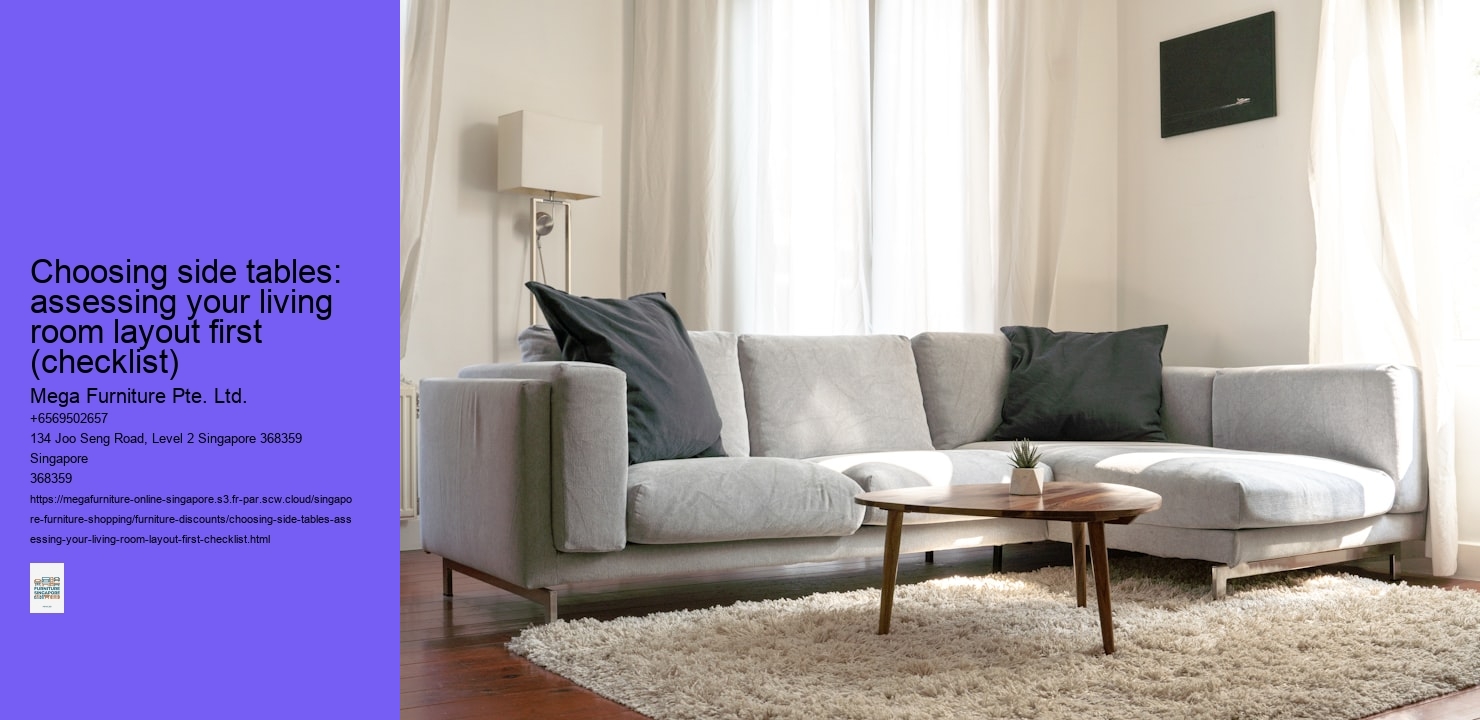
The BTO owner who buys a side table for its sculptural silhouette often finds it repurposed as a charging-station-cum-snack-holder within a month. That’s because Singaporean floor plans dictate utility long before aesthetics ever get a look-in. In a new open-plan BTO, where the living area bleeds into the dining space, a side table isn’t just an accent—it’s a critical multi-function surface that must hold a reading lamp, your phone, a drink, and perhaps even a laptop during a quick work session. Conversely, in a resale flat with a classic corridor layout, that same table becomes a spatial hazard; you’ll need something narrow, perhaps a slim console or a wall-mounted ledge, that prioritises clear passage over surface area.
Start by itemising your actual uses against your specific floor plan. For the remote control and drink coasters, any surface will do, but the reading lamp demands stable height and a nearby power outlet, which often anchors the table to a particular corner. The ambitious idea of a pet bed underneath? That requires an open, elevated design, something you’ll only find with certain styles of nesting or tiered tables. A condo’s signature bay window, meanwhile, creates a de facto side table zone that’s both a blessing and a constraint—its odd depth and built-in seating mean you’ll need a piece that complements, rather than competes with, the architecture.
In many homes, the intended function shifts with the time of day. A side table beside the sofa might host a teacup in the afternoon, a tablet for streaming by evening, and a stack of magazines by morning. That’s why a simple, sturdy top and easy-to-clean material like sintered stone or sealed wood often outperform more delicate, ornate designs. It’s less about finding a perfect table and more about matching a table’s capacity for chaos to the predictable traffic patterns of your living room.
" width="100%" height="480">Choosing side tables: assessing your living room layout first (checklist)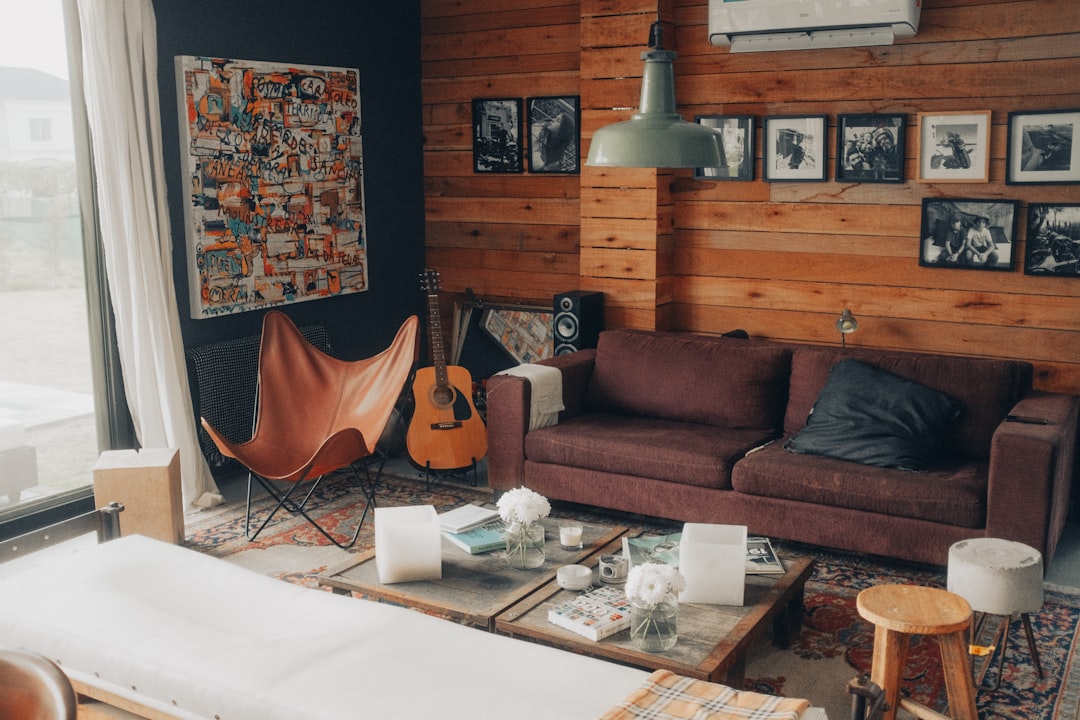
Teak’s natural oils resist moisture, making it a stalwart choice for humid environments where condensation forms on windows. In a non-air-conditioned living room, a teak side table won’t warp or swell like cheaper woods. Its density also withstands high use—scrapes from toys, bumps from vacuum cleaners, the constant shuffle of remotes and drinks. The grain darkens gracefully over years, moving from a honey colour to a richer patina. Maintenance is minimal; a simple wipe-down keeps it looking centre-stage, even in a bustling family home.
Rubberwood, once properly kiln-dried and sealed, offers a cost-effective stability against Singapore’s damp climate. The treatment process locks out humidity, preventing the spongy feel that untreated wood develops in a 80% RH environment. It’s a common core material for many durable pieces, holding up to daily knocks in a high-traffic area like an HDB living room corner. The finish is key—look for a full lacquer or polyurethane coating, not a simple wax. Over time, it maintains its shape and function, a practical choice for budget-conscious buyers who still want longevity.
Untreated medium-density fibreboard is a sponge for moisture; in a humid home, it will literally swell at the edges and corners. That swollen joint then becomes a weak point, crumbling under the weight of a vase or a child’s leaning hand. In spaces without constant dehumidification, like many landed property living rooms with open ventilation, MDF’s lifespan shrinks to a few years. Even painted MDF can bubble as the substrate beneath expands. Opt for engineered wood with a waterproof laminate or solid timber for any piece destined for a high-use, high-humidity zone.
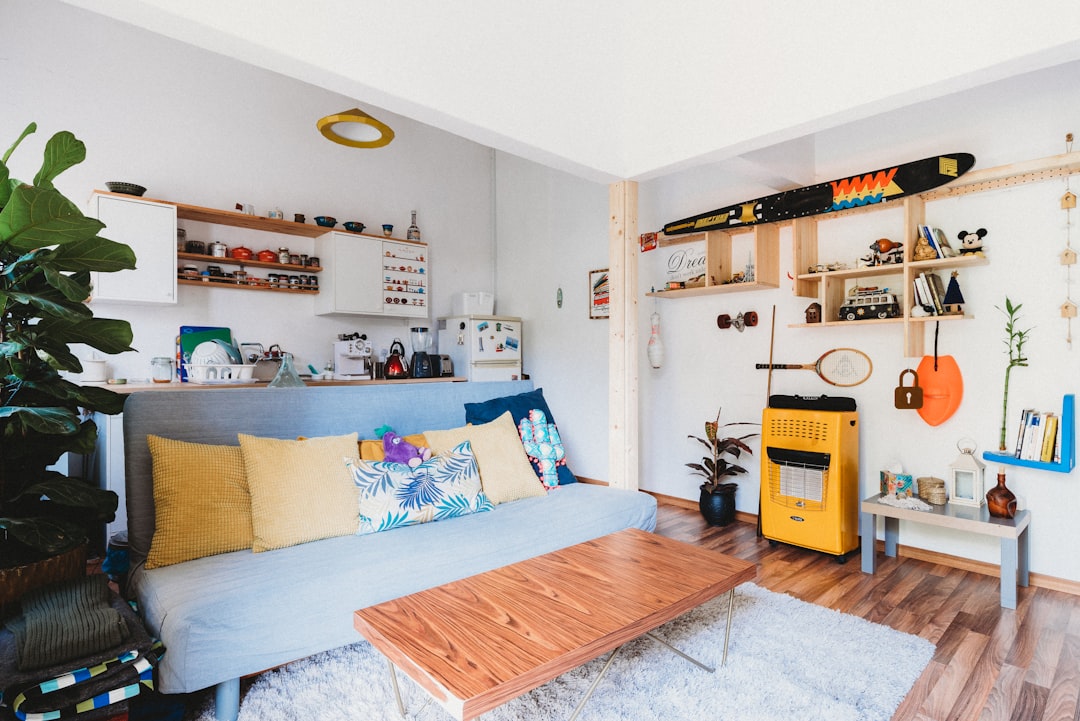
A tempered glass tabletop solves two problems: it’s impervious to liquid spills, and it’s trivial to clean after sticky snacks or pet accidents. The transparency also maintains a sense of space in tight layouts, like a Tampines condo living room where every surface feels crowded. Safety is paramount—ensure the glass is thick, tempered, and has rounded edges to prevent sharp corners. It pairs well with any base material, from metal to wood, creating a hybrid piece that’s both durable and visually light. Just be mindful of fingerprints and the occasional loud clink from hard-placed objects.
This isn’t just a stylistic detail; it’s a functional necessity for navigating tight spaces and preventing injuries. In a typical 4-room BTO layout, the side table often sits at a stairwell landing or a narrow corridor junction. A sharp corner becomes a hip-bruising obstacle during nightly movement, or a head-risk for small children. The rounded profile also reduces the chance of fabric snags when moving past with laundry or a backpack. It’s a subtle design choice that materially improves the safety and flow of a high-use home, especially where space is organised tightly.
The most common side table mistake in a Singapore living room isn't about colour or material—it’s about size. You’ll see it in showflats and on renovation Pinterest boards: a pair of oversized, heavy-topped nestling tables parked beside a three-seater sofa in a 12 sqm HDB living room. They don’t just eat up precious floor space; they visually anchor the entire seating area, making the room feel cramped and the sofa look undersized. It’s a classic case of showroom scale failing to translate to actual flat dimensions.
Proportion is just as critical. The functional height of a side table should align with the sofa’s armrest; that way, a drink or book can be reached without awkward stretching or hunching. A table that’s too low becomes a decorative afterthought, while one that’s too high feels like a barrier. This mismatch is especially jarring when you pair a chunky marble-topped table, with its substantial base and visual weight, against the slim, tapered legs of a Scandinavian-style sofa. The result isn’t eclectic—it’s just imbalanced, as if two different design conversations are happening at once.
These errors often stem from buying pieces in isolation, without considering the room’s overall composition. A buyer might fall for a striking marble table in a vast showroom, but in their own 4-room BTO layout, that same table can dominate the sightlines. The goal is harmony, not statement; the side table should complement the primary seating, not compete with it. For most local interiors, a table with a slimmer profile—perhaps in a lighter material like stained rubberwood or even metal—integrates more gracefully.
Material choice plays into this visual weight. A solid teak or sintered stone top demands a certain presence, which is fine if your sofa has the heft to match. But for the airy, light-filled schemes popular in many condominiums, a glass top or an open shelf design can provide surface area without the bulk. It’s about matching the piece’s physical and visual density to the room’s existing furniture and intended atmosphere.
Ultimately, the best side table is the one you don’t notice until you need it. It should slide neatly into the space beside your armchair, hold a lamp at the correct reading height, and leave enough room to walk past. Getting the scale and proportion right turns a purchased object into a functional part of your living room’s ecosystem, rather than an obstacle you’re constantly navigating around.
The floor in the Joo Seng showroom isn't perfectly level — it's intentionally uneven, mimicking the slight tile discrepancies common in older HDB flats. That's a practical test for side table stability you can't replicate online. You can't just wobble a table on your own flat laminate; you need to see how it stands on the imperfect surface it'll actually occupy.
Mixed lighting is another reason to visit. The showroom blends LED track lights with natural daylight from its windows, approximating the hybrid conditions in many Singapore homes. This lets you assess a finish's true colour and sheen — whether a walnut veneer looks rich or a white lacquer appears clinical under both light sources. It's a detail that separates a cohesive look from a piece that feels out of place.
Material selection becomes tangible there. You can compare the humidity resistance of rubberwood against engineered oak, or feel the weight difference between a sintered stone top and a glass one. The showroom layout itself is designed to replicate typical living room dimensions, from a compact 4-room BTO layout to a more spacious condo configuration. That visual context helps you gauge if a 50cm round table overwhelms a corner or if a slim console fits neatly behind your sofa.
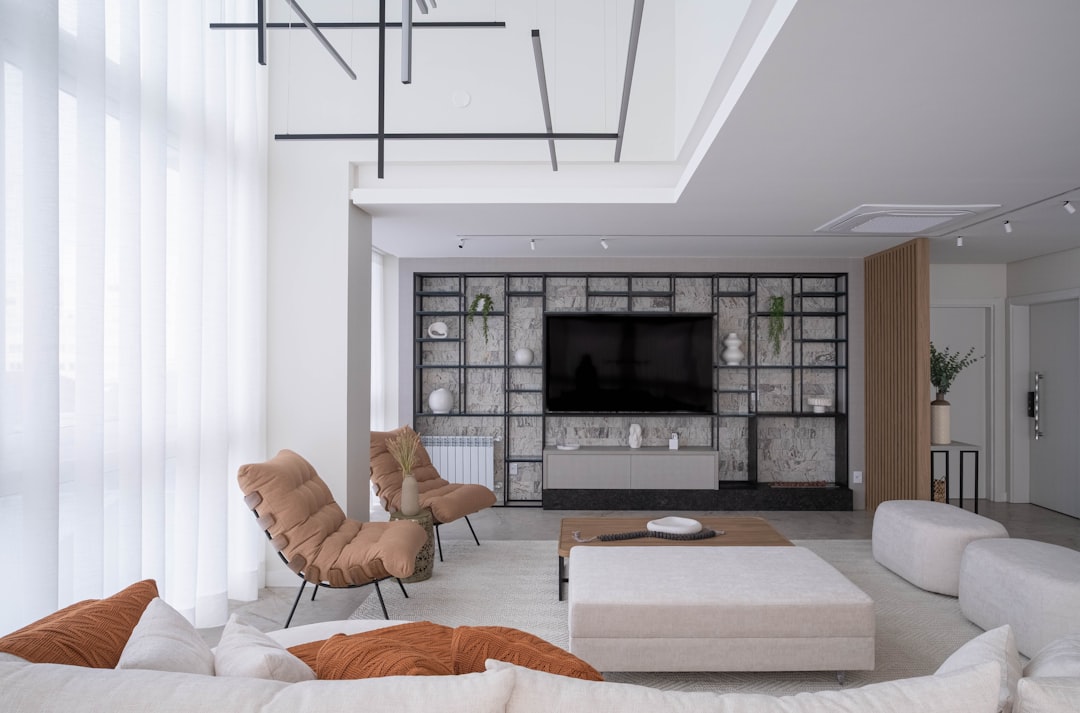
Ultimately, buying a side table from a photo risks a mismatch in scale or tone. Seeing pieces within a simulated living environment, subjected to real-world tests of light and stability, provides a confidence that specs alone can't offer. You can browse the full range of living room surfaces at Megafurniture's collection, but the value lies in visiting to confirm your choices.
Before selecting a side table, measure the clear walking paths around your primary seating. Ensure there is enough space to move comfortably without bumping into furniture. This prevents a cramped feeling and maintains a functional traffic flow in the room.
Look for potential conflicts with other room features like radiators, vents, or electrical outlets. A side table should not block essential functions or safety elements. This assessment helps you avoid layouts that are impractical or hazardous.
Identify the exact placement of your sofa, armchairs, and chaise lounges. Each major seating piece typically needs its own accessible surface nearby. This mapping determines how many tables you need and their ideal general locations.
Consider the visual weight and footprint of your existing furniture. A side table should complement, not overwhelm, the adjacent seating. This final step ensures your choice balances the space aesthetically and feels intentionally placed.
Delivery teams will often find themselves measuring a box against the lift landing width before they even unload the van — a standard 80cm HDB lift door means anything wider than that, especially in a flat-pack format, likely won’t fit. You’ll need to check the assembled dimensions of your chosen piece, not just its box size, and confirm the supplier offers a two-person carry-up service for condos or landed homes with tight staircases. That’s not just a courtesy; it’s a necessity for anything heavier than a small side table, particularly in a terraced house where the staircase turn can be unforgiving.
Assembly itself is typically straightforward for side tables, but landed property staircases introduce a specific risk. Even if the box fits through the front gate, manoeuvring a pre-assembled console table up a narrow flight often requires two people to pivot and tilt it safely — a solo delivery agent simply can’t manage the physics. Confirm this service is included in your quote; otherwise, you might be left with a large box at the bottom of your stairs and an unexpected afternoon of DIY.
Warranties in Singapore’s climate need to address humidity head-on. A standard 12-month warranty should explicitly cover laminate peeling or veneer lifting, which isn’t just about poor adhesion but about the wood substrate swelling in our consistent 80% relative humidity. Look for clauses that mention “high humidity environments” or “tropical conditions”; a generic “manufacturer defects” coverage often excludes this very localised failure.
Before the delivery team arrives, take five minutes to photograph your existing floors, particularly if you’ve got polished marble or engineered wood in the living room. Their trolleys and protective gear are designed for general use, not for your specific finish, and documenting the state of the floor beforehand is the only straightforward way to resolve any subsequent dispute about scratches or dents. It’s a low-effort habit that saves considerable frustration later.
One often overlooked detail is the delivery team’s access to your parking lot or loading bay — in many condos around Tanah Merah or Bedok, the loading zone is time-restricted or requires a permit from the management office. Schedule your delivery slot with that in mind; a 30-minute window for unloading can evaporate if the driver has to circle looking for a legal spot.
Paw prints are a finishing touch nobody wants. For dog owners, the practical choice around a living room sofa is a side table with a stain-resistant melamine top — it’s a laminate surface that won’t darken or stain from repeated water bowl splashes or the occasional wipedown with a wet cloth. This saves you from the patina of pet life that etched glass or unsealed wood might acquire over a year. For renters, especially those in condos with frequent moves between neighbourhoods like Paya Lebar and Jurong West, a lightweight acrylic table makes sense; it’s easy to lift into a van, doesn’t scratch easily during transport, and its transparency can visually lighten a compact 4-room layout.
Delays in BTO sofa deliveries, now common, leave a gap beside your empty sofa frame. A temporary stool, something basic and inexpensive, can serve as a placeholder for books or a coffee cup for those six months. It’s a functional stopgap that prevents you from buying a permanent side table before you’ve even experienced how you’ll use the space with the final sofa in place. That’s the sort of interim planning that keeps a new living room feeling organised.
Cleaning smoked glass near a kitchen exposure requires a specific routine. In many open-plan layouts, the table will collect a fine layer of cooking residue and dust. A weekly wipe with a microfibre cloth and a vinegar-water solution typically keeps the smoked finish clear without streaking; avoid abrasive cleaners that might scratch the tinted surface. It’s a small maintenance habit, but one that preserves the intended moody aesthetic of the piece against the practical reality of a Singapore home.
For those consolidating their search, browsing side table options alongside other living room surfaces can streamline the process.
The side table that looked perfect online can be a logistical headache the moment it arrives at your lift lobby. That final check isn't about style—it’s a series of practical defences against the specific realities of Singaporean homes.
Before you click ‘buy’, physically test its stability. Place both hands on the surface and lean your weight onto it; if you’re considering a lamp or a stack of books, that’s the force it needs to handle without wobbling. Think ahead, too—does the design allow for discreet cable management if you decide to add a smart lamp later? A small, pre-drilled grommet hole in the back can save you from trailing wires across your living room floor.
Measurements go beyond the table’s dimensions. In many older HDB flats and condos, floor grates for air-conditioning condensate lines are fixed in place, and a poorly placed table leg that sits directly over one is a nuisance you’ll curse every cleaning day. Align the leg placement with your room’s permanent fixtures. More critically, confirm the retailer’s return policy for items that cannot fit through your resale flat’s door frames—some doorways, especially after gate installation, narrow to under 80cm, turning a simple delivery into an expensive lesson.
That last point is non-negotiable. A generous return window is the only safety net for a piece you can’t physically test in your own space. It turns a risky purchase into a calculated one. You can browse a wide selection of living room furniture, including side tables with clear dimension guides, to start your planning.