In many newer BTO flats, the living room is a precise rectangle of 12 to 15 square metres — you can almost measure it in sofa lengths. Condo layouts, meanwhile, often force an L-shaped flow or a narrow corridor effect, where furniture placement becomes a puzzle of circulation paths and dead corners. The result is that a sideboard can't just be an afterthought; it's a key piece that defines the room's traffic and sightlines.
Ambiance here depends on a delicate interplay. You've got the existing overhead lighting point, typically centred in the room, and the sideboard's placement against a feature wall. The fixture you choose — a sculptural arc lamp, a pair of adjustable track heads, or a simple flush mount — must bridge that gap. It’s about creating a pool of light that highlights your display without casting the seating area into shadow or glaring off the television screen.
This relationship is easiest to grasp in person. At large showrooms in neighbourhoods like Joo Seng or Tampines, you can see how different sideboard profiles and lighting styles work within mocked-up room sets that mirror local dimensions. They demonstrate, for instance, how a low-profile, wall-hung console opens up a narrow space, while a statement floor lamp needs the breathing room of a deeper living room to avoid feeling intrusive.
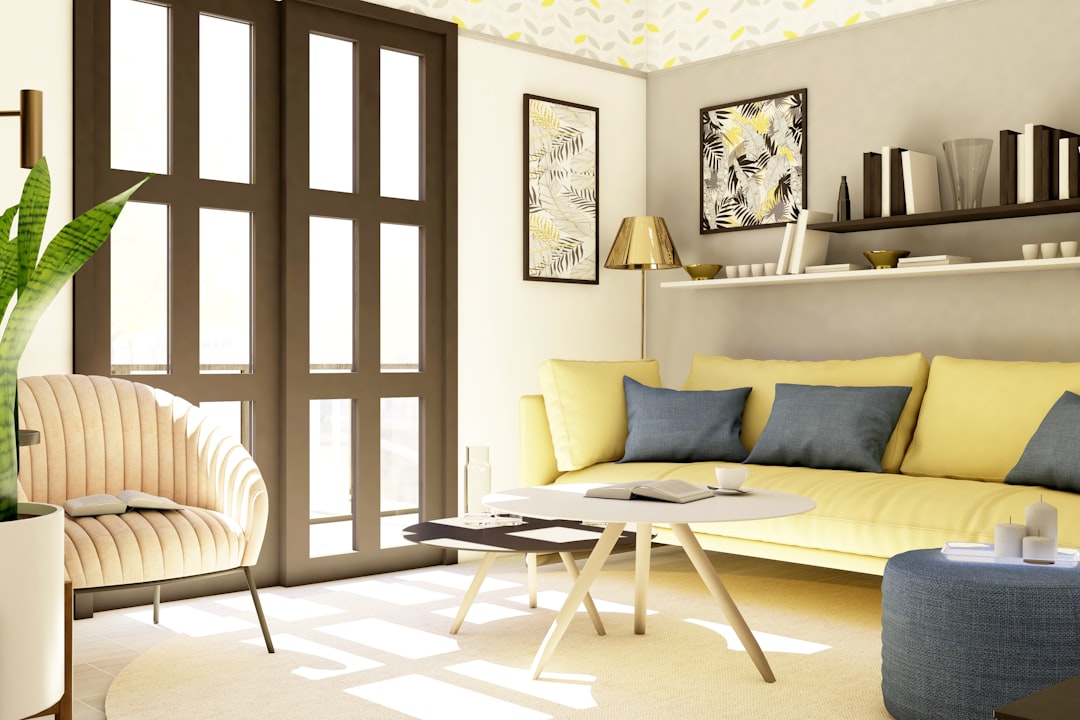
Your constraints are your guide. A BTO’s standard 3.5-metre wall might only accommodate a 1.8-metre sideboard before it starts boxing in the doorway. In an L-shaped condo layout, that sideboard often anchors the shorter leg of the 'L', becoming a visual terminus that needs its own dedicated lighting scheme. Overhead points are rarely where you’d want them, which is why many homeowners end up running a discreet trunking for a plug-in pendant or opting for a plug-and-play floor lamp that requires no rewiring.
Material choices follow from these spatial realities. A glossy lacquer finish will bounce light around a dim corner, while a textured oak or a matte laminate absorbs it for a calmer feel. The goal isn't to fight the floor plan, but to use lighting and furniture proportion to organise the space you actually have.
In many Singapore homes, that persistent dampness isn't just a smell—it's a corrosive force that quietly degrades light fixtures, leaving them spotted with mould or flickering with electrical faults. Humidity hovering around 80% dictates a strict specification: you need sealed, IP-rated fixtures. For task lighting around a sideboard, that typically means IP65-rated LED strips or fully sealed puck lights; the goal is to prevent moisture ingress at every seam and joint. Look for fixtures with mould-resistant powder-coat finishes, as these add a crucial protective layer against the spores that thrive in our climate. Space is the other relentless constraint. A 12 sqm HDB common bedroom or a compact 4-room BTO living room simply can’t afford floor clutter. Here, the adjustable swing-arm wall lamp becomes a hero—it arcs out from the wall to cast light exactly where you need it over a display, then tucks back flat when not in use, reclaiming the precious floor real estate. It’s a far more elegant solution than a table lamp that monopolises your sideboard’s surface, forcing you to choose between illumination and displaying your favourite objects. The choice then becomes one of integration. Do you opt for a sideboard with built-in, wired lighting, or do you add your own fixtures later? An integrated system offers a cleaner, custom look, with lighting designed specifically for the unit’s proportions and shelves. The trade-off is permanence and potentially higher upfront cost. The add-on route, using plug-in or battery-operated LED strips and clip-on spots, provides flexibility—you can change your mind, or take the lights with you to your next home. It’s a classic debate between a seamless finish and adaptable control. You can weigh this exact decision by examining the spectrum of solutions in Megafurniture’s
living room furniture collection, where some sideboards feature pre-installed ambient lighting and others present a blank canvas. The integrated models are compelling for a set-and-forget approach, especially in humid areas where DIY electrical work can be risky. But for renters or serial rearrangers, a quality sideboard paired with a couple of well-chosen, moisture-resistant add-ons might just be the more pragmatic centrepiece.
Rubberwood frames are common in SG market sideboards because they handle humidity shifts without warping; a solid timber carcass signals a piece built to last decades in a tropical climate. Veneer finishes on MDF or particleboard cores are acceptable for cost control, but the quality signal comes from sealed edges that prevent moisture ingress and delamination. You'll find this construction in many mid-range units priced between S$1,200 to S$2,400, often specified for their warranty coverage against material defects. It's a tangible difference from all-MDF boxes that might show stress in a Pasir Ris flat after a few monsoon seasons.
The lacquer or laminate finish isn't just about colour—it's a primary barrier against spills and daily abrasion in a busy living room. A high-quality signal is a uniform, deeply saturated finish without cloudy patches, applied over a properly sanded substrate to avoid future bubbling. Cheaper units might show thin coverage at corners or on drawer fronts, which degrades faster under the glare of display lighting. You check this by examining the piece in a showroom's light, not just online gallery images.
Dovetail or mortise-and-tenon joints in drawer boxes are a clear signal of intended longevity, compared to stapled or glued butt joints that fail with heavy use. These mechanical joints allow the structure to bear weight and resist the racking forces that occur when a drawer is yanked open. In sideboards storing dinnerware or tech, this construction detail prevents sagging and ensures smooth operation years later. It's a feature typically highlighted in product specifications for those who read beyond the main images.
Integrated cable management channels are now a baseline expectation for sideboards meant to house media equipment; they're the hidden infrastructure for a clean, ambient display. A quality signal is a channel system that's actually accessible and wide enough for a standard power brick, not just a shallow groove that forces cables to pinch. This feature turns a static storage piece into a functional hub in a Tampines living room, organising cords for LED strips or the television. Poor execution here means you'll have a tangled mess behind the unit within weeks.
Warranty documents and material spec sheets are where the retailer's confidence in their product becomes evident; a five-year coverage on structural frames suggests tested durability. Brands that list core materials like "solid rubberwood stiles" or "MDF core with ABC laminate" provide a factual basis for comparison, unlike vague terms like "wood construction". This transparency allows you to assess if the piece's quality matches its price point for your neighbourhood. It's the final, critical signal before committing to a piece that should anchor your living room for a decade.
A buyer will measure a two-metre sideboard perfectly, then order four pendant lights for it—that's a classic error. Over-lighting is common; the visual noise from too many fixtures drowns the display, and in many landed property living rooms, the combined wattage from pendants, cove lighting, and track heads can trip a circuit. You need to consider the total load, not just the aesthetic spacing. Another misstep is selecting standalone lamps without a clearance test. A sleek, tall arc lamp looks stunning in isolation, but its sweep often lands right where someone’s head would rest on a three-seater sofa. That’s a hazard in a compact 4-room BTO layout, and an irritation in a spacious condominium where furniture placement should feel intentional, not accidental. These aren't just planning oversights; they're failures of spatial imagination. Online renders can't convey the true bulk of a solid rubberwood console or how a linen shade diffuses light across a sintered stone top. You're left guessing at scale and relationship, which leads to returns, adaptors, and that permanent off-centre look. Visiting a showroom resolves this through simple physical juxtaposition. You can push a sample lamp base next to a sideboard to judge proportion, or trace the arc of a light over a sectional to verify clearance. It turns abstract dimensions into lived experience—you'll see why a 400mm depth works for a narrow HDB walkway while a 600mm one doesn't. That’s why a trip to browse the
options in personoften saves more than just delivery fees. It prevents the frustration of a perfectly good lamp that simply can't live where you planned.
Place a pair of matching table lamps at each end of the sideboard for balanced, traditional illumination. The lamps provide both ambient room lighting and direct light for surface activities, while their bases and shades contribute to the room's decor style. Ensure the lamp scale is proportionate to the furniture's size to avoid a top-heavy appearance. This approach offers versatility and easy access for turning lights on and off.
Install flexible LED strips beneath the sideboard's top overhang or inside open shelving. This creates a soft, downward glow that illuminates the floor and highlights the furniture's silhouette. Choose dimmable, color-adjustable strips to shift ambiance from bright task lighting to warm, relaxing hues. This modern solution keeps wiring discreetly hidden for a clean, integrated look.
For sideboards with glass doors or open compartments, install tiny, recessed puck lights inside the upper shelf. This internal lighting makes displayed china, glassware, or books glow from within, turning storage into a featured display. Use low-voltage LED pucks to minimize heat and energy use. The effect adds depth and highlights prized possessions without illuminating the entire room.
Mount small, adjustable picture lights on the wall above the sideboard to artfully illuminate displayed objects or artwork. These focused fixtures draw the eye to decorative collections, sculptures, or framed pieces. Opt for styles with swing arms and directional heads to precisely control the light beam. This method adds a gallery-like sophistication and prevents shadows on the wall surface.
A common mistake is to choose a sideboard based on its online dimensions, only to find its proportions feel all wrong in your actual space. The layouts at Megafurniture’s Joo Seng and Tampines showrooms are designed to replicate the precise floor plans of HDB and condo living areas, which lets you see exactly how a 1.8-metre console will dominate a narrow corridor or how a low-profile unit anchors a room without blocking the window view. You can’t get that spatial certainty from a website grid. It’s also the only reliable way to judge lighting. The integrated LEDs on a product page look uniform and bright, but their true colour temperature and intensity are revealed only when you test them against the ambient light in your own home. At the showroom, you can compare that warm white glow under simulated Singapore daylight; you’ll see if it fights with your existing downlights or if the finish, whether it’s a cool oak veneer or a dark walnut laminate, shows fingerprints or reflects too much glare. Direct comparison is the real advantage. Faced with eight to ten different models lined up, the decision shifts from abstract features to immediate fit. You’ll notice the difference in drawer glide smoothness, the practical depth of a cable management cut-out, and whether that textured sintered stone top feels premium or just cold. For a piece that often becomes the room’s functional centre, this tactile assessment prevents costly regret. You can browse their curated
living room furniture collectiononline first, but the final confirmation should happen in person. The right sideboard isn’t just about measurements—it’s about how the piece settles into your life, something a photo can’t quite capture.
The delivery truck pulls up to your HDB block, and the first question from the two-man team isn't about the sideboard—it's about the lift landing dimensions. That's the reality for many homeowners; a piece that fits perfectly in your 4-room BTO living room might not fit through the 1.8-metre-wide lift lobby door. It's a logistical checkpoint that often gets overlooked until the day of arrival. For larger items, some retailers like Megafurniture offer professional assembly with a two-person crew, which can be essential for navigating tight corners and ensuring components aren't damaged by a solo, rushed installer.
Once assembled, the warranty terms become your primary safeguard. In Singapore's climate, the integrated LED lighting in many modern sideboards faces a specific threat: humidity. The driver units that power those ambient backlights are particularly susceptible to failure when constantly exposed to the 80% relative humidity common in our unventilated spaces. A comprehensive warranty should explicitly cover these driver failures—it's not just about the wood or hinges. You'll want to verify that coverage lasts for at least two to three years, aligning with the typical lifespan of a first major furniture refresh.
That high humidity also dictates daily care. At the point of sale, request the retailer's specific instructions for maintaining finishes like lacquered MDF or rubberwood veneers in damp conditions. General advice isn't enough; you need to know if that sintered stone top can handle being wiped down daily without degrading, or if the performance velvet on accent panels requires a dehumidifier in the room. This isn't fussiness; it's preventative maintenance for a piece that might sit against a wall for a decade.
The assembly service itself should be scrutinised. A proper two-man team will bring their own tools, lay down protective sheets, and systematically check all fittings—not just bolt the legs on and leave. Watch for how they handle the unpacking; a rushed job can scratch a powder-coated steel frame or chip a laminate edge during the unwrapping. It's a brief window, but it sets the long-term condition of your investment.
Finally, consider the paperwork. Keep the delivery slip, the signed assembly checklist, and a copy of the humidity-specific care sheet filed together. When a hidden LED strip fails in eighteen months, that organised folder is what gets you a hassle-free replacement driver without a debate over environmental factors. It’s a small administrative task that pays off disproportionately, especially when dealing with integrated electrical components.
The most common sideboard lighting questions don't come from showrooms — they surface on WhatsApp groups, after someone's new LED strip flickers or a prized ceramic gets a suspiciously warm glow. Here’s what homeowners actually ask.
Can puck lights highlight display items without overheating? Modern LED puck lights, especially those with integrated dimmers, generate negligible heat; a well-installed set won't warm your porcelain or dry out that orchid arrangement. The risk comes from older halogen units or from cramming too many fixtures into a confined space — in a typical 4-room BTO living room, three to four pucks spaced 30cm apart are ample.
How to light a sideboard in a narrow condo living room? You’re balancing display against daily glare. In a corridor-like layout, say a 2.5m-wide space in a Tanah Merah condo, surface-mounted LED strips or a single, slim pendant centred over the sideboard often work better than multiple downlights. The light washes the surface without creating a tunnel of spotlights you have to walk through.
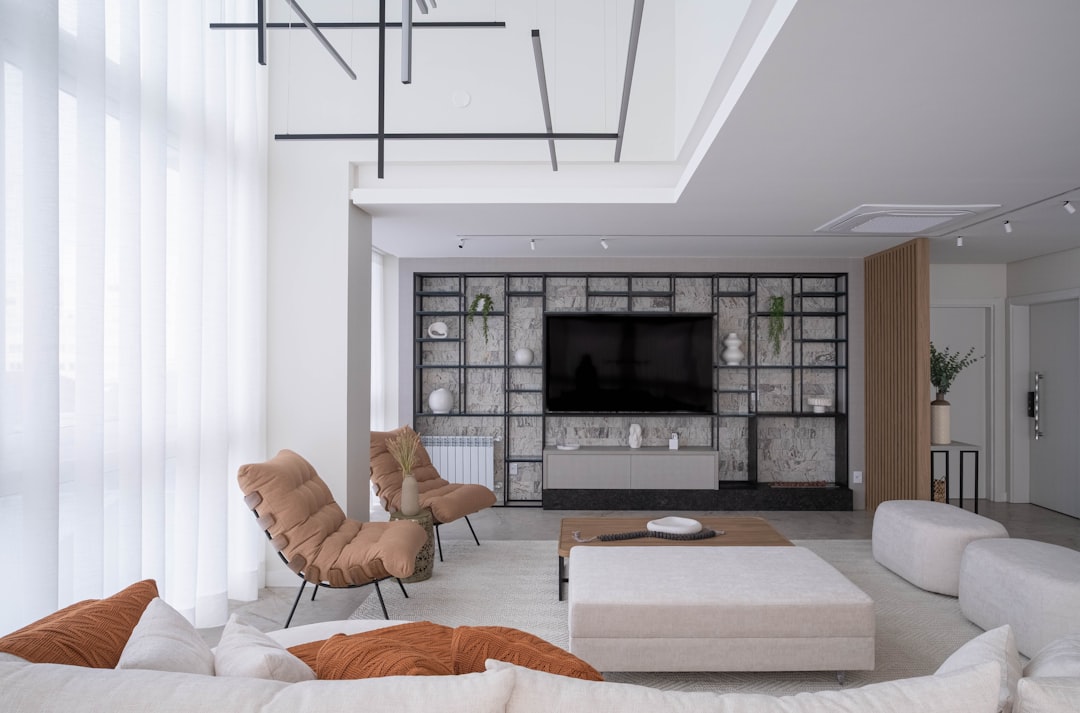
Does integrated lighting void furniture warranty? It typically does, if you drill into the carcass to install wiring after purchase. That’s why many buyers opt for sideboards with pre-drilled channels or ready-to-install kits from the retailer; check the warranty document for clauses on "unauthorized modifications," which usually cover electrical additions.
What cable length is needed for landed property layouts? For a sideboard placed against a long wall in a terrace house living room, you might need 5 to 8 metres of cable to reach a discreet power point — that’s a run from, say, the centre of the room to a corner socket. Always measure the path along the wall, not straight-line distance, and add a metre for slack.
" width="100%" height="480">Sideboard lighting options: enhancing display and ambiance: how_toThe moment you’ve settled on a sideboard style, it’s tempting to just click ‘buy’. That’s when the small, practical oversights happen — a unit that’s ten centimetres too long, or lights that trip a circuit breaker. Start by physically measuring the wall space where the sideboard will sit, accounting for door swings and walkways; then, assess the ambient light levels in your room at the time of day you use it most. Many HDB living rooms, particularly those in older blocks facing neighbouring units, get surprisingly dim by late afternoon, which changes how prominent your lighting needs to be.
Electrical capacity is a non-negotiable check. Older flats, especially those in neighbourhoods like Bedok or Clementi, might have circuits that can’t handle multiple high-wattage appliances plus new lighting. Confirm you have a spare socket on a suitable circuit, or factor in an electrician’s cost for a new spur. This decision often dictates your next choice: integrated LED strips versus add-on lamps. Integrated strips offer a cleaner, built-in look but commit you to a single lighting effect; add-on lamps are more flexible but can clutter a minimalist aesthetic.
There’s a tangible difference between seeing a material online and standing next to it. The warm glow of an LED strip on engineered oak veneer looks different than it does on a high-gloss lacquer finish, and a showroom lets you judge the diffusion and colour temperature with your own eyes. Visiting a physical showroom, like Megafurniture’s spaces in Joo Seng or Tampines, is the only reliable way to verify the material’s texture and the true quality of the lighting hardware before you commit.
It’s also about scale. A sideboard that looks modest in a vast showroom can dominate a 4-room BTO living room, while its storage capacity might feel different once you’re loading your own crockery and board games. Seeing the unit in person helps you gauge those proportions and finish details — the joinery on a rubberwood frame, the weight of a drawer glide — that photos and specs can’t convey.
Ultimately, your final checklist isn’t just about the sideboard; it’s about how it functions within the specific electrical and spatial constraints of your home. Getting those details right means the piece will work from day one, without any last-minute compromises on light or layout.