A four-room BTO’s living room is often a precise rectangle of 12 sqm; it’s a known quantity. That’s the baseline. Standard BTO layouts typically deliver living rooms between 9 and 16 sqm, which immediately rules out the oversized, eight-by-ten-foot rugs you’ll see in landed property guides. Resale HDB flats and older condos introduce more variables—awkward L-shapes, bay windows, or irregular walls that eat into your usable floor space.
Start with the room’s actual length and width, not its architectural drawing. Then subtract. You need clearances for main door swings, balcony access, and the walkway to the bedrooms—often a 90cm-wide path that can’t be obstructed. In many homes, this leaves a central floor zone of perhaps 2.5 by 3.5 metres that’s truly available for a rug and furniture grouping. An oversized rug that laps against the skirting board looks intentional in a semi-detached house; in a BTO, it just looks like you bought the wrong size.
The resulting footprint dictates everything. It defines whether a 200cm by 290cm rug will fit with a proper border of flooring showing, or if you’re limited to a 160cm round piece that just anchors the coffee table. There’s a practical logic to this subtraction method—it stops you from ordering a showroom piece that arrives and blocks every door in your flat. You’re working with the room you actually have, not the one in a catalogue.
For most Singapore living rooms, this means medium-scale rugs dominate the market. You’ll find a better selection in these dimensions anyway, as local retailers like Megafurniture stock for the common HDB and condo floorplans. The key is to measure the clear floor area after accounting for all traffic lanes; that’s your real canvas.
A rug that survives Singapore’s climate isn’t just about aesthetics—it’s a test of material chemistry. The air here carries a persistent dampness, around 80% humidity on many days, which settles into fibres alongside the fine dust from urban traffic. That combination invites mould and a general dinginess if the rug can’t handle it. Synthetic blends, particularly polypropylene and polyester, have become the default choice for practical reasons. They’re engineered to resist moisture absorption, which means they won’t harbour mould spores in a humid flat, and their surfaces are typically easy to wipe clean after a spill or from pet accidents. For a 4-room BTO living room that sees daily use, that’s a straightforward win.
Natural fibres require more consideration. Wool, for instance, offers a dense, durable pile that feels luxurious underfoot, but it’s a magnet for Singapore’s pervasive dust and demands regular vacuuming to maintain its texture. Occasional spills, from a dropped cup of kopi or a child’s juice, need prompt attention; wool stains more readily than synthetics and may require professional cleaning. It’s a material for those committed to maintenance, not for a home where the rug is simply expected to endure.
Some natural materials are best avoided in high-moisture areas altogether. Untreated jute or sisal, while popular for their rustic texture, are particularly porous. In a ground-floor condo near Bedok or a landed property with higher floor humidity, they can become damp, develop a musty smell, and even degrade over time. They belong in drier, controlled environments—perhaps an upstairs study—not in the main living space where air might not circulate as freely.
The decision often boils down to lifestyle. A household with young children or pets, or a rental flat where deep cleaning isn’t a priority, will likely find a synthetic blend more forgiving. Its colour won’t fade as quickly from sun exposure through a west-facing window, and you can often clean it with a simple damp cloth. For a quieter, adult-focused home where the rug is a centrepiece, the extra care for a wool rug might be worthwhile. That’s the trade-off: performance versus presence, with Singapore’s atmosphere as the constant judge.
In a typical 4-room BTO layout, you'll want all four sofa legs resting on the rug; it's a simple rule that visually ties the seating area together, creating a defined zone within the open-plan space. For tighter 3-room resale flats, where centimetres count, placing just the front legs on the rug is the accepted compromise — it maintains the connection without swallowing the entire floor. This leg-on-rug principle extends to your armchairs or accent seating as well, ensuring every piece in the conversation area feels grounded. Ignoring this can leave your furniture looking adrift, like islands on a sea of laminate or tile. The goal is cohesion, not coverage.
A rug shouldn't look like it's trying to replace your flooring. Leave a clear border of flooring visible around all edges, typically 30 to 45 centimetres, which frames the rug and prevents the room from feeling cramped. In many HDB living rooms, this margin is the visual breathing space that keeps the layout feeling organised and intentional. Squeezing a rug tight against the walls or under all furniture eliminates this crucial frame, making the room feel smaller and oddly proportioned. Measure your room first, then subtract that border from your rug dimensions — it's a calculation worth doing before you browse the options.
The rug's primary job in an open-plan living-dining area is to define the sitting zone, not the dining one. Placing a large rug under both sofa and dining table blurs the functional boundaries and often leads to practical issues, like spilled food on a delicate weave. Instead, let the rug anchor your lounge furniture exclusively, allowing the dining area to operate on its own hard surface — it's cleaner and psychologically separates relaxation from meal times. This clear zoning is particularly effective in narrow layouts, where every square metre needs a distinct purpose.
Choosing the right rug size isn't about the rug itself, but about the negative space it creates around your furniture. Start by sketching your sofa and key armchairs on a floor plan, then add the recommended border around that cluster; the resulting rectangle is your ideal rug size. For a common 4A BTO living room, this often lands on a 200cm by 300cm rectangle, while a compact 3-room might call for a 160cm by 230cm. Too small, and the rug becomes a useless mat; too large, and you lose the definition that makes a compact layout work.
Rules have exceptions. If your living room flows directly into a narrow corridor without a door, a slightly larger rug that bleeds into the passageway can actually soften the transition and make the entire entry feel more welcoming. Similarly, in layouts where the TV console sits opposite the sofa but off the rug, consider a long, narrow runner that connects the two zones without expanding the main rug's footprint. These are tactical deviations, not defaults — they're for solving specific spatial quirks in older HDB blocks or oddly shaped condominium units.
Start by measuring the main furniture grouping in your HDB living room. Ideally, all front legs of your sofa and armchairs should rest on the rug. This creates a unified and anchored look, making the space feel more cohesive and intentional.
Use a rug to visually separate the seating area from other zones, like a dining space or walkway. This is especially useful in open-plan HDB layouts. The rug acts as an anchor, clearly defining the primary conversation and relaxation area.
Correct placement is key for a balanced layout. For smaller setups, placing just the front legs on the rug works well. In larger arrangements, opt for a rug large enough to have all furniture legs placed completely on its surface.
Most HDB living rooms are compact, making standard rug sizes like 5x8 or 6x9 feet practical. Ensure the rug is proportionate to leave a consistent border of flooring visible around the edges. This border frames the space, preventing the room from feeling overwhelmed.
Walk into a typical 4-room BTO living room and you’ll often find a rug that’s either swallowing every last centimetre of the vinyl floor or sitting like a lonely island beneath the coffee table. That first mistake—oversizing—stems from a good intention: to maximise comfort. But leaving no floor border visually shrinks the room and can make a 3.6m by 3.6m space feel cramped. The opposite error, the ‘postage stamp’ rug, fails to anchor the furniture; front legs of sofas and armchairs should sit on it to unify the seating area.
Pile choice is equally pragmatic. Shag rugs, with their deep, plush texture, are a magnet for the fine sand and food crumbs that are part of daily life here. They’re a commitment to weekly shaking or deep vacuuming that many don’t anticipate. For most Singapore homes, a low, flat weave—like a berber or a tight sisal-blend—is far more practical. It resists trapping dust and is effortlessly cleaned with a quick pass of the vacuum, which matters in a humid climate where dust seems to regenerate overnight.
Colour and light play a subtle role too. A dark charcoal rug in a north-facing HDB common room, which often gets less direct sun, can make the space feel smaller and more enclosed. Lighter tones—beiges, light greys, or pale oatmeals—reflect what natural light there is, helping the room feel more open and airy. It’s a simple visual trick that counters the inherent constraints of our floor plans.
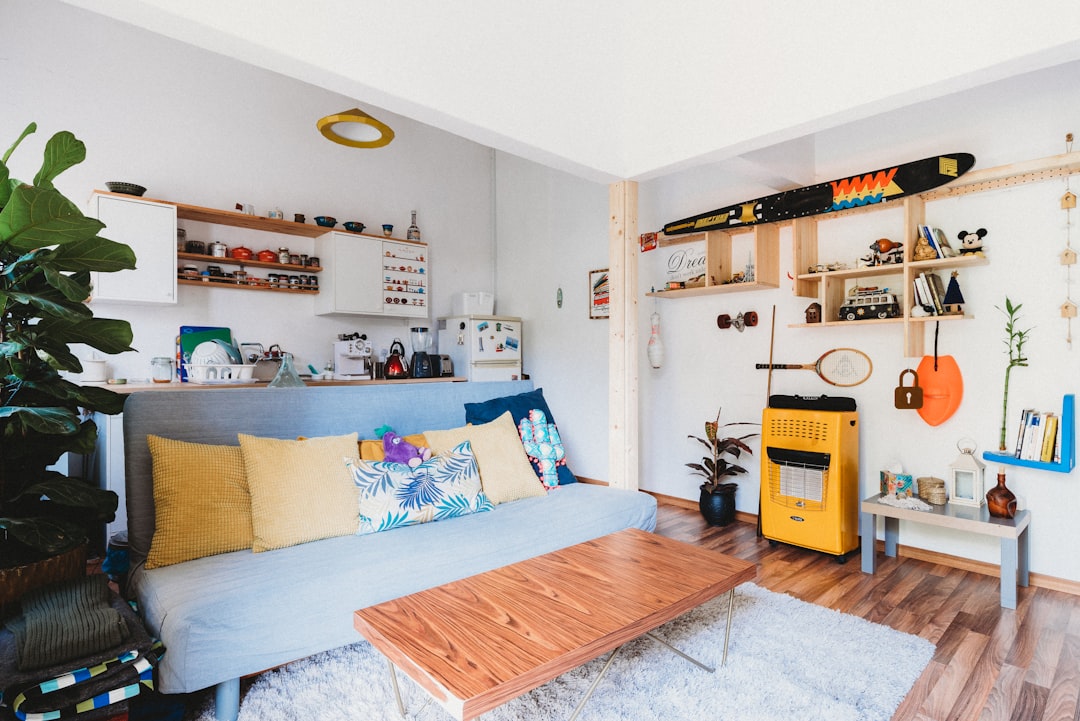
Ultimately, the right rug acts as a foundation, not just a decoration. It defines the zone, withstands the local environment, and works with the light you have. Getting those three things wrong means you’ll be noticing the flaw every day, not enjoying the comfort.
The difference between a rug that lasts five years and one that lasts fifteen often isn't visible in an online photo—it's in the pile density you can press your thumb into. At Megafurniture’s Joo Seng or Tampines showrooms, you’ll find their rug collection organised by size and material, allowing you to compare a 1.6m by 2.3m wool rug directly against a synthetic one of the same dimensions. That direct comparison is crucial for a 4-room BTO living room, where a rug’s scale relative to your sofa and TV console defines the space. Singapore’s ubiquitous LED lighting, which can make colours look cooler online, also becomes a practical test; a rug’s burgundy or olive tones under the showroom’s lights will match what you see at home. Staff there can advise on wear from specific conditions, like the humidity in a ground-floor flat or the traffic from a household with young children. They’ll typically point out that a tighter, higher-density weave in a polypropylene rug resists flattening from frequent footfall better than a looser one, even if both are labelled as ‘hard-wearing’. It’s a tangible detail that shifts the decision from aesthetic preference to a longevity calculation. Bringing your room’s dimensions and a photo of your existing furniture isn’t over-preparation—it turns a browsing trip into a focused session. You can lay a sample against a showroom sofa that’s similar in height to your own, checking how a 30cm border looks around your intended furniture arrangement. That moment often reveals whether you need the standard 2m by 3m size or should consider a slightly larger 2.4m by 3.4m to properly anchor the room. The final step is simply walking on them. A rug that feels pleasantly firm underfoot in the showroom might feel too hard in a bedroom, while one that seems plush could mat down too quickly under a dining table. This physical evaluation, coupled with specific advice on maintenance for materials like jute or viscose in our climate, closes the gap between a good choice and the right one. You can explore these options in their
living room collection, where seeing everything grouped together saves the endless scrolling that online comparisons demand.
The delivery truck can reach your void deck, but that final lift ride is the real hurdle. For larger rugs, especially those 3 by 4 metres or bigger, confirm the lift landing dimensions with your seller before you commit. It’s a specific, often overlooked step; many older HDB blocks have lifts that simply won’t accommodate a roll of that size, leaving you with a costly and awkward problem at the loading bay. In those cases, the delivery team will typically have to carry the rug up the staircase—a labour-intensive process that might incur an additional fee, so factor that into your budget from the start.
Once the rug is in your flat, standard practice involves in-home unrolling and positioning. The team will lay it out in your living room, centre it under your coffee table, and ensure it’s flat and aligned. This service is crucial, as wrestling a heavy, bulky rug into place on your own is nearly impossible in a typical 4-room BTO layout. Don’t expect them to move your existing sofa or TV console, though; you’ll want to clear the area beforehand to make their job, and your final placement, seamless.
Warranty coverage is where the fine print matters most. Scrutinise the terms for protection against edge fraying or colour fading—these aren’t minor defects but common wear issues in Singapore’s sun-drenched and high-traffic living areas. A rug facing an east-facing window in a Tampines flat will bleach over time without UV-resistant dyes, and the path from the main door to the kitchen sees relentless footfall. A robust warranty should explicitly cover such material failures for a stated period, not just manufacturing flaws.
Some retailers offer extended protection plans that address these localised concerns, which can be a sensible investment for a centrepiece item. It’s a dry but necessary document check; the vibrant rug you unbox today shouldn’t look tired and washed out after two years of Singapore living. Ask for clarification in writing if the policy language is vague.
Finally, consider the assembly of any rug with an underlay or non-slip backing. While straightforward, it’s another task that happens in your space. A good delivery team will handle this, but confirming that service is included prevents last-minute surprises.
The most revealing questions about rugs don’t come from showrooms — they come from WhatsApp groups, where a photo of a coffee stain on beige pile sparks genuine panic. Here, we address the real queries that keep homeowners up after the delivery truck leaves.
What’s the right rug size for my new 3.2-metre sofa? For a standard three-seater of that length, you’ll want a rug at least 2.4 metres wide. The front legs of the sofa should sit comfortably on it, anchoring the seating area; in a typical 4-room BTO layout, this size defines the zone without swallowing the entire floor. Go larger if you’re flanking the sofa with armchairs — a 2.7m by 3.6m rectangle can make a narrow living room feel intentionally organised.
How do I clean a coffee spill on a light-coloured polypropylene rug? Act fast. Blot, don’t rub, with a clean cloth. For polypropylene, a mild detergent mixed with warm water usually works — it’s a synthetic that resists stains well, which is precisely why it’s a favourite for households with kids or pets. Avoid harsh chemicals; they can break down the fibres over time. The real trick is choosing a rug with a busy pattern next time, as one parent in Pasir Ris noted, because it hides a multitude of sins between proper cleanings.
Can I use a rug over polished marble in my condo? You can, but you’ll need a non-slip pad designed for hard, smooth surfaces. Felt-backed or rubber mesh pads are essential — they prevent the rug from sliding and, crucially, protect the marble finish from getting scratched by the rug’s backing. In many condos with that glossy, cool marble, a rug actually adds needed warmth underfoot; just ensure the pad is breathable to avoid any potential moisture trapping.
What rug pad works best for tiles in an HDB? Look for a natural rubber pad. It provides excellent grip on ceramic or homogeneous tiles, adds a bit of cushioning, and won’t degrade or leave a sticky residue. For the quirky, often uneven flooring in some older HDB flats or BTOs, a thicker pad can also help smooth out minor imperfections. Pet owners should prioritise pads that are easy to wash or vacuum under, because fur and the occasional accident have a way of finding every corner.
That roll of masking tape in your drawer isn’t just for painting trim. Unspool it across your living room floor to map out the exact dimensions of your prospective rug—it’s the single most effective way to avoid a costly visual mismatch. A 200cm by 290cm rectangle might seem generous online, but laid out in your 4-room BTO living room, it can suddenly reveal an awkward gap behind your planned sofa or swallow the entire walking path to the balcony. This physical mock-up forces a final, honest conversation with your space before you commit.
With the footprint defined, verify your choice against the practical criteria you’ve already considered. Does the material—be it a low-pile wool blend or a synthetic polypropylene—genuinely suit your household? A plush, light-coloured rug might look stunning in a showroom, but it’s a tense addition to a home with young children or a shedding pet. Check that the size properly anchors your key furniture; in many HDB layouts, all front legs of the sofa and armchairs should sit on the rug to visually centre the seating area.
Consider colour under Singapore’s specific light. A cool grey that looked neutral under warehouse LEDs can feel stark and clinical under the bright afternoon sun streaming into your north-south facing flat. Conversely, a warm terracotta might glow beautifully in that same light, adding the exact warmth a space needs. Finally, reconcile the rug’s maintenance with your routine—a high-maintenance natural fibre that requires professional cleaning every six months is a different proposition for a busy family in Tampines versus a couple in a landed home.
This validation step turns a speculative choice into a confident one. You’re not just buying a rug; you’re confirming a key component of your living room’s foundation, ensuring it fits your actual life, not just your inspiration board.