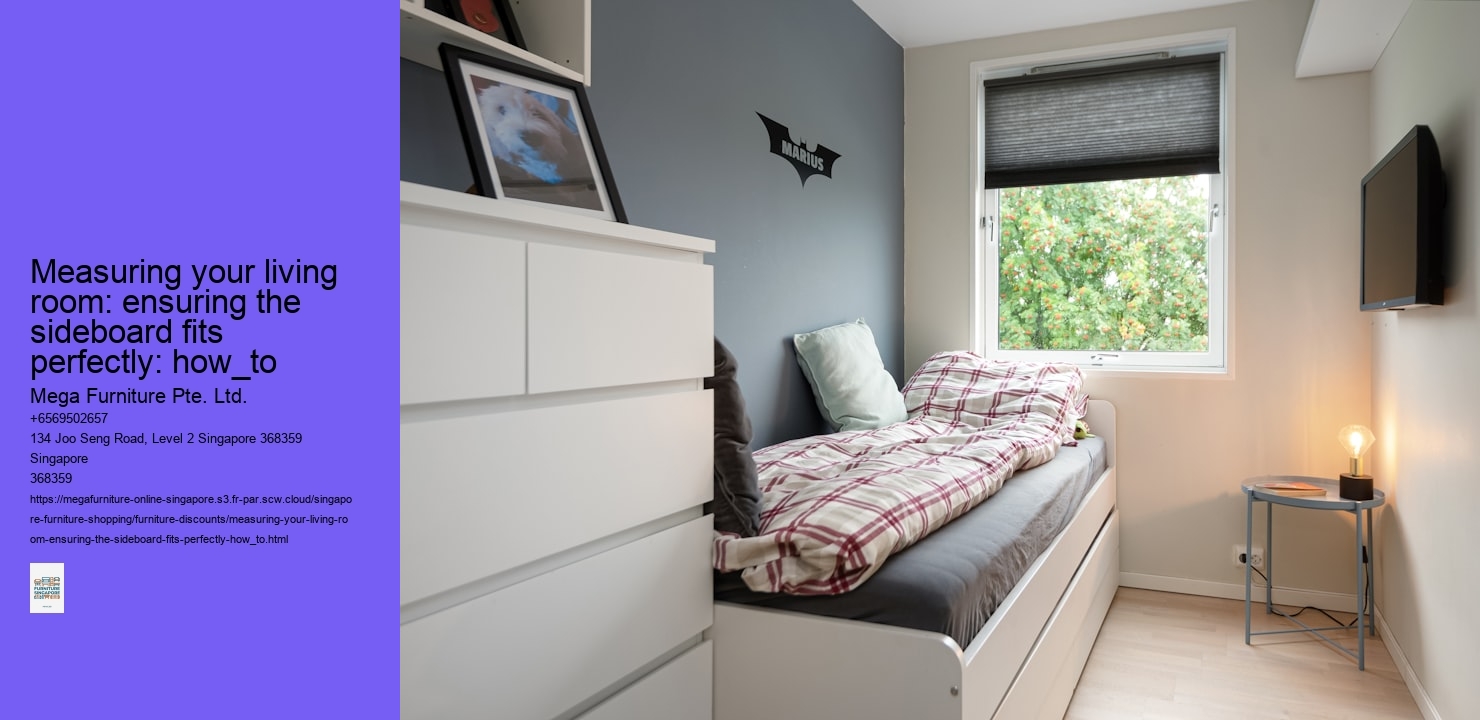
A standard sideboard from any showroom tends to be around 180cm long, which is already too wide for many HDB living room walls. That's before you account for the door swing from the master bedroom or the protrusion of the AC ledge—suddenly, your planned furniture placement becomes a geometry puzzle. Floor plans here aren't abstract; they're concrete constraints dictating every purchase. In a 4-room BTO, the living room might be just 12 sqm. You'll need to measure wall clearance after accounting for built-in features, like the recess for the TV point or the depth of a bay window. A sideboard that fits the leftover span is often closer to 140cm, a size category many mainstream collections simply don't cater to. Condo layouts offer more breathing room, perhaps 20 sqm, but even there a sprawling landed property's open-plan area demands a completely different approach—fit isn't just about length, but about proportion and visual weight in the space. The practical sequence is to measure first, then shop. Start from the longest uninterrupted wall, subtract at least 30cm for door clearance and AC ledge access, and note the exact height to avoid blocking switches or vents. That final number is your maximum dimension; anything listed as 'standard' is probably a compromise. It's why modular or customisable storage solutions gain traction, especially for those odd corners in older flats around Eunos or Bedok. Material choice follows the size decision. For a tight fit, a sleek sintered stone top on a compact rubberwood frame can feel substantial without bulk. In a larger condo or landed home, you might opt for a longer unit with full-grain leather drawers or a performance velvet finish to anchor the room. Budget scales accordingly, from around $800 for a basic solution to over $2,400 for a statement piece that fills a generous wall. Ultimately, the living room's dimensions set the rules. Ignoring them means a sideboard ends up awkwardly angled or blocking a passage—a permanent reminder that in Singapore, square metres are the true luxury. For a range that acknowledges these local realities, you can browse the
options at Megafurniture, where many pieces list precise dimensions upfront.
" width="100%" height="480">Measuring your living room: ensuring the sideboard fits perfectly: how_toThe scratch on the sideboard’s veneer isn’t from the cat’s claws, but from the humidity swelling the particleboard underneath—that’s the real lesson for Singapore’s 80% RH climate. Solid teak tolerates moisture beautifully, its oil-rich grain resisting the damp air that permeates a 4-room BTO living room; engineered wood, however, often warps over a few seasons, its laminated layers separating at the edges. For homes with pets, you’ll want to avoid soft veneers altogether—they’re too thin to withstand even casual abrasion, and they offer no protection against the underlying core’s vulnerability.
Laminate finishes, particularly those with a textured or matte surface, offer genuine scratch resistance. They’re a practical choice for a sideboard in a central neighbourhood like Bedok or Aljunied, where the unit might see daily use from both family and pets. The finish itself is a shield; it’s the substrate you need to interrogate. A laminate atop a moisture-resistant MDF core will fare better than one glued to standard particleboard, which acts like a sponge in our climate.
Consider sealed metal legs, too. Unprotected metal will develop rust spots in high humidity, a common issue for furniture placed near open windows or in landed properties with less consistent air conditioning. A powder-coated or electroplated finish prevents this, ensuring the structural supports don’t degrade from the environment alone. It’s a detail often overlooked in favour of design, but it’s one that determines whether a piece lasts seven years or fifteen.
Material choice impacts longevity more than aesthetics, a fact that becomes apparent only after the furniture is installed. You might admire the clean lines of an engineered wood console in a Tampines showroom, but the first humid season will test its seams. In many homes, the sideboard is a passive piece—it holds the TV, stores linens, and endures the ambient conditions without much intervention. That passive role demands materials that can endure on their own.
Ultimately, the buyer wants storage that doesn’t become a maintenance project. Selecting for resilience against moisture and pets means the piece will remain a functional centrepiece, not a decaying reminder of a poor choice. For a comprehensive range of living room pieces built with these considerations, you can browse the options at Megafurniture’s collection.
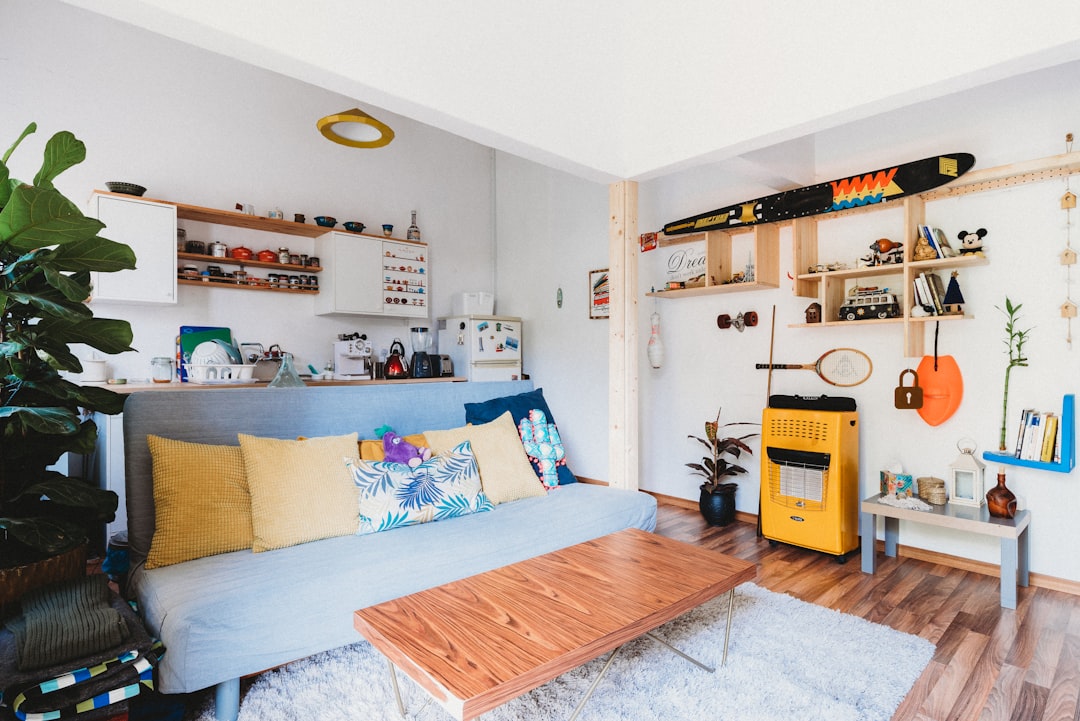
A sideboard that sags after six months, its drawers scraping against the frame every time you reach for a charger cable, is a special kind of daily annoyance. The difference often lies in the unseen details — the joinery and the glides. Start with the drawer mechanisms; smooth, full-extension glides with a solid feel are non-negotiable for daily access, and you should test them with a reasonable load, like a stack of dinner plates, to check for wobble or strain. Then examine the construction: look for solid wood or plywood panels joined with proper dovetails or mortise-and-tenon, not just stapled particleboard at the corners — that structural integrity is what withstands the humidity.
Singapore’s climate is the true test of any furniture warranty. Terms here vary wildly, so a minimum three-year coverage is a sensible baseline, but you must confirm what it actually includes. Specifically ask if protection against monsoon-season swelling or warping is part of the deal, as many warranties only cover outright breakage of moving parts, not the gradual distortion caused by our 80% humidity. It’s a distinction that becomes painfully clear when a drawer won’t close in August.
Delivery scope is another area where assumptions cost you. The standard for many retailers is lift-landing only, meaning the delivery team will place the item just inside your front door. They won’t unpack, assemble, or manoeuvre it into your preferred spot in a 4-room BTO living room — that’s typically an extra charge, so factor it into your budget and your back. For larger sideboards, especially those destined for tight spaces past a narrow corridor, this isn’t a minor detail.
Ultimately, good craftsmanship isn’t about ornamentation; it’s about things not failing quietly in your home. A well-built piece should feel inert and solid, a quiet backdrop to daily life rather than a source of it.
Use a metal tape measure for accuracy and record the exact length of the wall where the sideboard will sit. Note any permanent protrusions like air vents, baseboard heaters, or light switches that could interfere. This measurement determines the maximum allowable width for your new furniture piece.
Measure from the wall out into the room to determine how much depth you can allocate. Crucially, ensure you leave at least 36 inches of clear walkway in front of the sideboard for comfortable traffic flow. This prevents the room from feeling cramped and allows for easy drawer and door access.
Measure the height, width, and diagonal depth of all doorways, hallways, and turns the sideboard must navigate to reach its spot. Compare these to the product's dimensions, remembering that you often need to tilt the piece. This step prevents delivery day surprises where the furniture cannot physically enter the room.
The showroom’s fluorescent glow is a harsh but honest judge of colour. That warm oak veneer you loved online can skew jaundiced under the lights of a typical HDB corridor, and the navy blue laminate you thought was subtle might read as stark black. That’s why a physical inspection at the Joo Seng or Tampines showroom isn’t just advisable — it’s critical for any buyer serious about cohesion. You’re matching the piece to your existing tiles, your feature wall, that specific afternoon light from your block’s orientation; screen calibrations can’t replicate that.
Fit is the other non-negotiable. Bring a tape measure, certainly, but also bring the items you plan to store. Test the drawers of a prospective sideboard with your actual dinnerware set or board game collection. Slide them in and out fully to check for smooth glides that won’t snag on a platter edge. Many modern units for Singapore homes are designed around compact, sub-150cm widths that suit resale HDB layouts, but the interior organisation is what determines real utility. Does that sleek console have a cable management hole large enough for a multi-plug adaptor? You’ll only know by looking.
Assess the joinery and finish up close. Run a hand along the back panel and internal shelves — places often overlooked in photos. Check for consistent laminate application, with no rough edges or visible particleboard core. Door hinges should feel substantial, not tinny, and close with a soft, dampened motion. In many four-room BTO flats, furniture lives in a high-traffic zone between the dining area and balcony; it needs to withstand incidental bumps from passing family members and groceries.
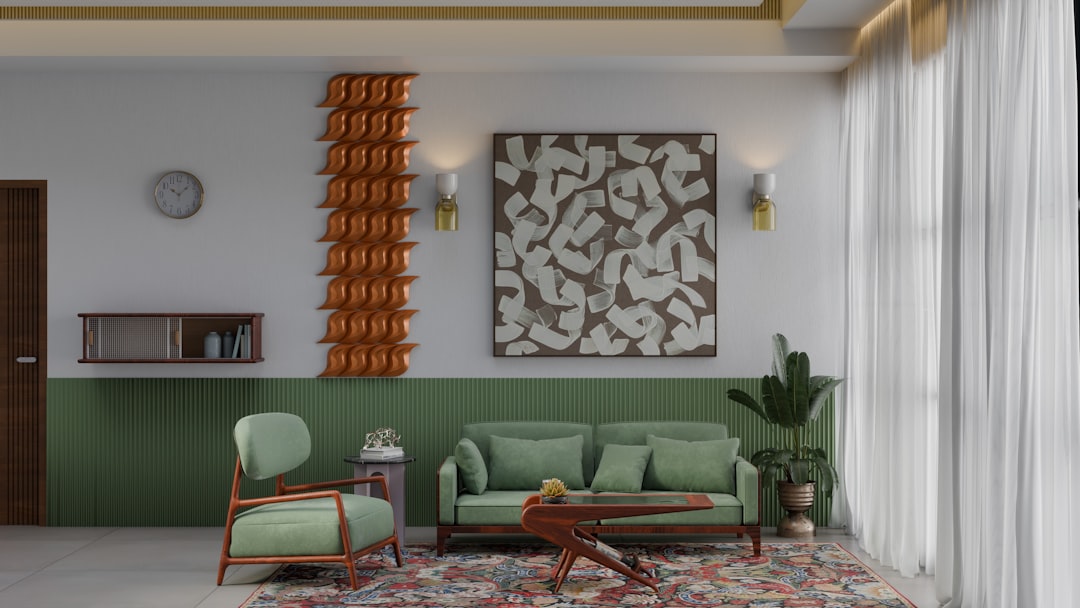
Ultimately, you’re evaluating how a static image transforms into a living room object. The heft of a drawer, the precise shade of a finish, the way a unit’s proportions command a specific wall — these are tangible details that solidify a purchase decision. For a curated look at options designed for local spaces, you can browse Megafurniture’s collection of living room furniture. Then, make the trip. Seeing a piece in person often confirms a suspicion, either of its perfect suitability or its subtle mismatch, saving you the profound hassle of a return.
It’s a classic Singaporean dilemma: a sideboard that looks perfect in a showroom ends up wedged against your bomb shelter door, or its veneer starts bubbling after a year of east-facing sun. Local conditions dictate specific questions.
How deep can a sideboard be to clear that bomb shelter wall in a new BTO? The clearance needed is typically around 80cm, so a sideboard depth of 45cm to 55cm leaves a functional walkway. Anything deeper risks creating a permanent bottleneck in the living room layout.
For units with strong morning sun exposure, material choice is critical. Teak and solid acacia handle the humidity and heat shifts well, while lacquered MDF or veneers can warp. The best approach is to treat the wood as a sacrificial layer — it’ll fade, but it shouldn’t crack.
Integrating a new sideboard with an existing TV console hinges on finish and proportion. A mismatched wood tone looks disjointed; opting for a complementary neutral, like a grey wash or a black stain, can tie the pieces together visually. Height alignment matters too — a sideboard taller than the console can make the wall feel cluttered.
Ground-floor units in landed properties, especially those older houses in Siglap or Katong with poor cross-ventilation, face a real mould risk. The solution isn’t just about material; it’s about creating air gaps. Choose a sideboard with legs, not a solid plinth base, and leave at least a 5cm gap between its back panel and the wall. That tiny channel allows air to circulate, preventing condensation from settling directly on the wood.
A sideboard that’s chosen in isolation usually looks orphaned—it’s a piece that only gains its purpose from the system around it. Your decision here hinges on the complete living room plan, not just the empty wall where you think it might fit. That means coordinating its height with your existing sofa’s back, ensuring its depth doesn’t choke the planned rug size, and checking its placement doesn’t create a traffic bottleneck in a 4-room BTO layout. Many buyers forget that a sideboard’s top surface often becomes a de facto landing zone for keys and parcels, so its location relative to the main entry path matters more than its style alone.
For refresh cycles of seven to ten years, which is typical in Singapore homes, the goal is timeless over trendy. A sideboard in a neutral oak or a simple sintered stone top will quietly anchor the room through multiple sofa and rug changes; a bold, lacquered piece in a current colour might feel dated in three. Prioritise functional storage that actually gets used—closed cabinets for board games or spare linens, open shelves for books you rotate seasonally. In many landed property living rooms, a sideboard also serves as a secondary bar or display area, so interior lighting and durable finishes become practical concerns, not just aesthetic ones.
Consider the room’s other surfaces too. If your coffee table is already a dark walnut, introducing a sideboard in a contrasting light ash can look disjointed, not curated. The rhythm of materials matters: maybe you pair a leather-upholstered sofa with a sideboard featuring metal accents, or let a textured performance velvet armchair echo the grain of a rubberwood unit. It’s about creating visual conversation, not filling a checklist. And while storage needs are paramount, the form shouldn’t fight the room’s proportions—a low, long model works under a window in a condominium with high ceilings, whereas a taller, narrower piece can define a zone in an open-plan HDB.
Ultimately, the sideboard isn’t a standalone purchase; it’s a component in a living ecosystem. Choosing one that aligns with your full refresh means you won’t be replacing it prematurely when you update other elements, and its utility will remain consistent even as decor trends shift. That alignment saves both money and the hassle of finding a new piece that fits the same physical and visual space.