
The BTO living room’s defining constraint isn’t just square footage—it’s that 3.5-metre depth from wall to window. A console that’s 60 centimetres deep can swallow a sixth of your floor plan, leaving a passageway that feels more corridor than living space. In these open-plan layouts, where the dining area bleeds into the seating zone, a slim profile around 35 to 40 centimetres becomes essential; it’s a functional shelf for the TV, not a room-dominating monolith. The shift to a landed property, with its expansive walls and greater viewing distances, introduces a different tension—that same slim unit can look lost, like a postage stamp on a blank envelope.
Scale gets further complicated in condominiums, where developers often install dramatic feature walls or full-height windows. A console must anchor that architectural statement without competing with it, which typically means prioritising width and clean lines over height. You’ll find that low-slung, horizontal designs work better here, visually grounding the entertainment zone without cluttering the vertical plane. It’s a balancing act between presence and proportion, and getting it wrong makes the entire wall feel awkwardly organised.
Material resilience is non-negotiable across all housing types, given our 80 to 90 per cent humidity. Solid rubberwood or teak, if properly sealed, can handle the moisture, but engineered wood with a subpar laminate will blister at the edges within a year. Sintered stone tops are virtually impervious and simplify cleaning, while powder-coated metal legs should be checked for a complete, even finish—any scratch becomes a rust point. Ventilation is another quiet necessity; a fully enclosed cabinet backing onto a wall in a non-air-conditioned room can become a petri dish for mould, so rear cable-management holes or raised feet aren’t just details, they’re defences.
The final consideration is often storage expectation, which directly conflicts with that need for a slim depth. Buyer wants storage for media boxes and board games, but a deep cabinet pushes the TV too far into the room. The compromise lies in vertical organisation: taller, narrower side cupboards or integrated shelving units that stack upwards rather than outwards. It’s a spatial puzzle where the solution is rarely a single, monolithic piece, but a configuration that respects the room’s fundamental proportions.
L Shaped Sofa .In many Singapore homes, the TV console sits in the corner of the living room nearest the bathroom or kitchen—that’s where the humidity hits first. Solid teak or oak, with their dense grain, resist warp better than most; a console in these woods can handle the moisture spikes from a steamy curry night without complaint. Engineered wood with a melamine laminate fares better in unventilated spaces, like those ground-floor HDB units where dampness seeps in from the car park below; the laminate seals the core, preventing the swelling that would ruin solid timber in the same spot. Avoid MDF entirely in these scenarios—it’s a sponge.
Surface finishes tell you everything about maintenance. A gloss laminate on an engineered board looks sharp in a Tampines condo, but it’ll show every fingerprint and water ring; you’ll wipe it daily. Matte laminate or a real wood veneer hides smudges better, but the veneer’s thin layer means a deep scratch reveals the cheaper core underneath. That’s the trade-off: the perfection of a gloss finish signals you’ll be cleaning it constantly, while a matte finish accepts a bit of life.
For a 4-room BTO near Bedok, where the living room opens to a balcony and gets afternoon sun, solid wood’s natural movement isn’t a flaw—it’s expected. The console might expand slightly in the humid months, then contract when the aircon runs all weekend; well-made joints accommodate this. Laminate consoles don’t move, but their rigid perfection means any structural flaw—a chip at the corner from a clumsy move—can’t be sanded away. You’re left with a permanent blemish.
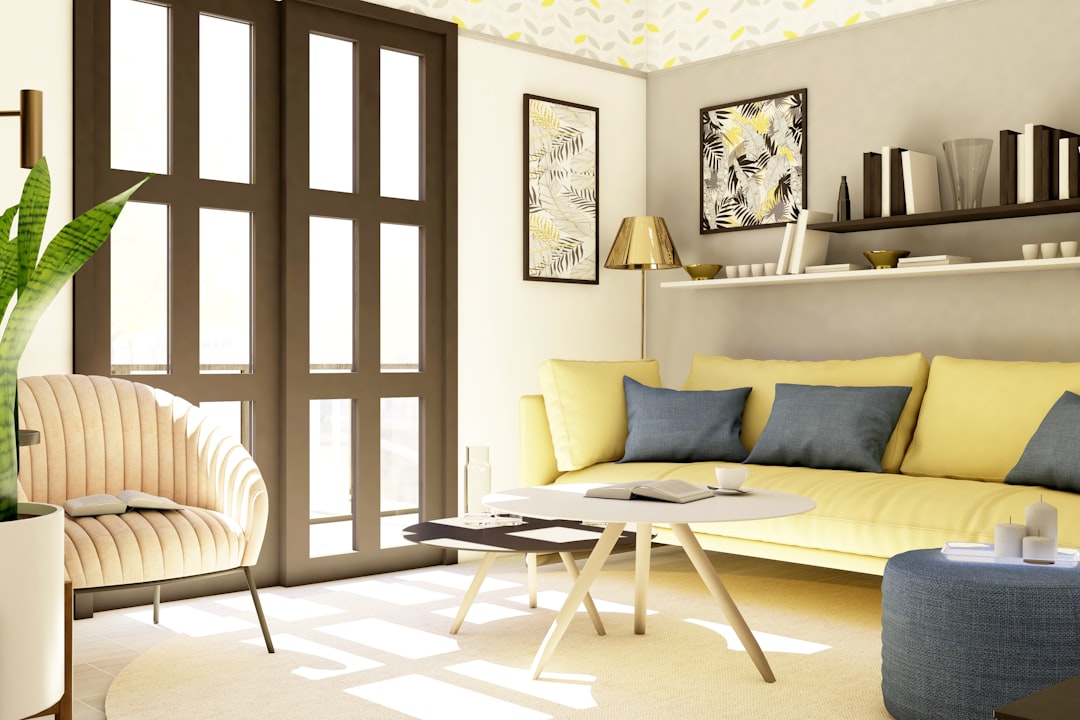
Budget often dictates the choice. A solid teak console from a retailer like Megafurniture typically starts around $1,200, while a good laminate version might be half that. But the laminate piece isn’t just a cheaper alternative; in a ground-floor unit prone to dampness, it’s arguably the more sensible material choice—it’s doing a specific job. L-shaped sofas earn their footprint in HDB and condominium living rooms by maximising seating in a corner configuration that would otherwise sit empty — particularly useful in the typical 4-room HDB layout where the living room is open-plan with the dining area. Megafurniture's Fabric Sofa range covers right-arm-facing, left-arm-facing, and reversible-chaise designs in pet-friendly, water-repellent, and water-resistant fabric variants. Most pieces sit between 240cm and 320cm wide on the long axis.. The real wood piece, meanwhile, becomes a long-term investment, something that might move with you from your HDB to a landed property later.
So you choose based on your room’s actual climate, not an ideal. A glossy laminate console in a dry, air-conditioned condominium living room can look pristine for years; the same console in a humid, ground-floor flat might only show its resilience, while a solid oak piece there becomes a maintenance project. The finish you pick, then, locks you into a cleaning routine—gloss demands weekly attention, matte lets you relax.
Anchor your space with a console featuring metal frames, reclaimed wood tops, or a distressed concrete finish. This robust piece adds character and contrasts beautifully with exposed brick or pipework accents. Its functional, utilitarian vibe suits open-plan layouts while offering ample storage for media equipment.
Choose a TV console in pale oak or ash with slender, tapered legs to align with Scandi decor. This style brings warmth and light, balancing the clean lines of your furniture with natural texture. It provides a focal point that feels airy and organized, ideal for creating a serene living room retreat.
For a sleek Singapore home, pair a low-profile, handle-less TV console in matte white or light wood. This creates a clean, uncluttered look that maximizes the sense of space in compact living rooms. The minimalist design complements polished concrete floors and monochromatic color schemes perfectly.
It's a common sight in showrooms: a buyer becomes fixated on a console with cavernous storage, only to find it consumes half their 12 sqm HDB living room. The standard walkway clearance in these spaces is around 900mm, and a unit deeper than 450mm can make the entire area feel like a corridor. That extra 100mm of depth rarely translates to usable storage—it's often just dead space behind your media boxes. Prioritising a slimmer profile, perhaps around 350mm, preserves precious floor area for movement and creates a more open visual flow. The goal is to house your AV equipment, not to build a wall.
Buyers will spend hours comparing wood grains but forget to ask where the power strip goes. The resulting tangle of HDMI and power cords behind a pristine console is a persistent eyesore in many Singaporean homes. Modern setups need dedicated rear cable channels, grommeted holes, or at least a raised back panel to hide the inevitable clutter. Fabric sofas dominate the Singapore market for good reason — softer touch than leather, more colour and texture variation, and substantially more affordable across most price tiers. Megafurniture's Feature Wall range covers cotton, linen, microfiber, polyester, and bouclé upholsteries in 1-seater through L-shaped configurations. Removable-cover variants and water-repellent finishes feature heavily, addressing the daily wear concerns most fabric-sofa buyers face.. Ignoring this turns your media centre into a daily frustration, especially when you need to plug in a new gaming console or soundbar. Planning for cables is as critical as choosing the finish.
A north-facing living room in a BTO flat gets cool, indirect light that can feel dim, particularly on overcast days. Placing a charcoal or espresso console in that space absorbs what little light there is, making the entire room feel smaller and more enclosed. Lighter oak, ash, or even a warm grey finish will reflect available light and lift the atmosphere considerably. It’s a simple rule of thumb that’s often overlooked in the showroom's perfect lighting.
The standard sofa seat height is around 450mm, and your TV console should typically sit lower to create a comfortable viewing plane. A console that rises too high forces you to crane your neck, while one that’s too low can make your television feel oddly grounded. Equally important is checking the console height against your air-con ledge or any existing built-in features—a console that awkwardly butts against a ledge looks like an afterthought. Measure your existing furniture first, don't just guess.
The console isn't a standalone sculpture; it's the anchor for your entire entertainment zone. Placing a long, horizontal unit on the shorter wall of a rectangular room can throw the entire layout off balance, making the space feel disjointed. Conversely, a compact, square console on a vast feature wall looks lost and insignificant. You're not just filling a space, you're defining a focal point—its proportions need to converse with the room's architecture. Getting this wrong is a fundamental error of scale.
Most buyers don’t realise a console looks different under showroom LEDs versus the afternoon glare off a Bedok HDB corridor. That’s the gap between a catalogue photo and a real room. Megafurniture’s showrooms in Joo Seng and Tampines tackle this by displaying their consoles in full room-sets, flanked by the sideboards or display cabinets you’d actually pair them with. You’re not just looking at an isolated piece of furniture; you’re seeing how a dark walnut finish absorbs light next to a white wall, or how the proportions of a two-metre console sit against a typical four-room BTO layout.
It’s a practical advantage for anyone trying to coordinate a living room from scratch. You can assess whether that compact media unit truly works with the complementary storage you need, or if you’ll need to size up. Living Room Sets . The lighting in these spaces is calibrated to mimic Singapore’s conditions—warmer, residential tones rather than stark retail brightness. This means the sheen on a sintered stone top or the grain in a rubberwood veneer appears as it would in your own home, reducing the risk of a finish that looks perfect online but feels all wrong when delivered.
This approach is particularly useful for BTO owners planning their first living room layout. You’re often buying several key pieces at once: the TV console, a coffee table, perhaps a sideboard for storage. Seeing them staged together helps you visualise traffic flow and spatial balance in a way individual product pages can’t. It answers the immediate, practical question of whether a console’s 45cm depth leaves enough walking space in a narrow corridor layout.
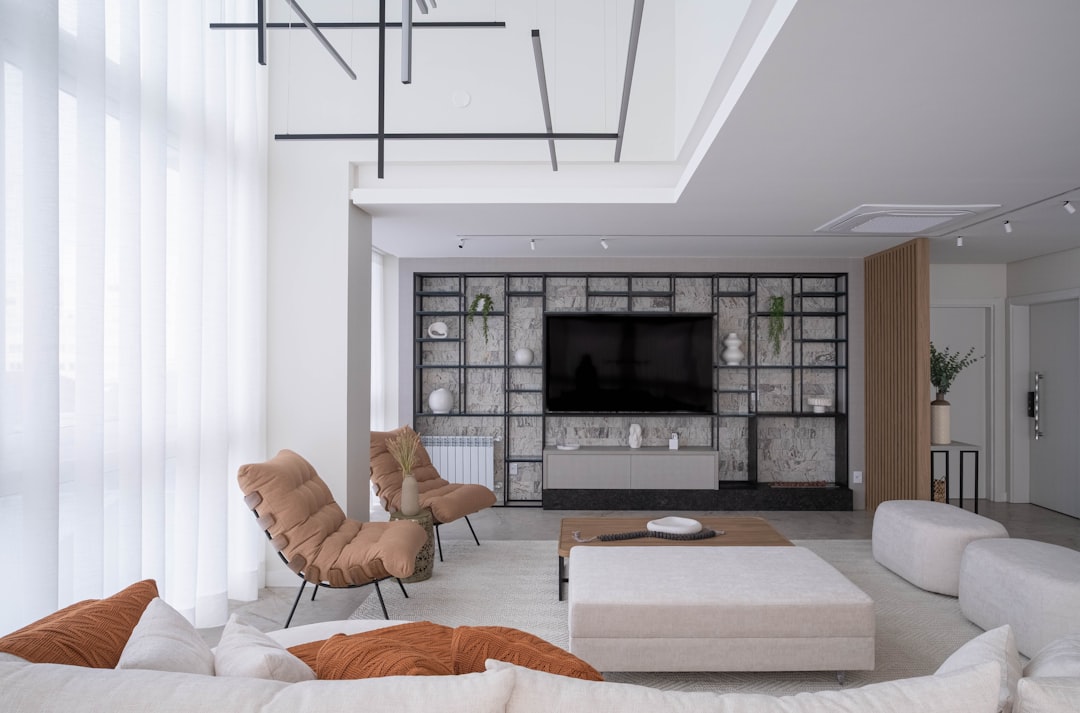
Ultimately, it’s about committing with more confidence. You’ll know if the scale is right before the delivery team arrives at your door in Tampines or Jurong. For a full view of how these pieces work in context, you can browse the living room collection online, but the real value is in walking the showroom floor. The difference between a furnished room and a cohesive one often comes down to those few inches of proportion you only notice in person.
The delivery van arrives, but the console won’t fit past the lift lobby’s fire door—it’s a common scene in older HDB blocks like those in Bedok or Tampines. Before committing to a purchase, verify stairwell access dimensions with your seller; many flats have narrow turns that a pre-assembled, 2-metre-long unit simply won’t navigate. A feature wall transforms the TV-and-console section of the living room from a functional zone into a focal point — wood panelling, stone textures, or sleek laminate finishes that anchor the entire living-room visual scheme. Megafurniture's Singapore Furniture Showroom range includes 8ft and 10ft floor-to-ceiling configurations with integrated TV-console storage, customisable shelf compartments, and cable-management systems. Zero-formaldehyde and moisture-resistant finishes feature across the line.. That’s why opting for flat-pack delivery with in-home assembly often saves the headache, though it introduces another: finding a contractor. In condos, pre-assembly avoids those extra fees, but you’ll still need to confirm the item can clear your apartment’s private lift. Once inside, assembly is straightforward if you’ve checked a few details upfront. Integrated cable ports at the rear, rather than just open shelves, keep wires organised and hidden—a small feature that makes a noticeable difference in a 4-room BTO’s living area. Adjustable legs are equally crucial for Singapore’s many uneven floors, especially in renovated HDB flats where new tiles might not sit perfectly level; they let you stabilise the console without needing shims or risking a wobble. Warranty periods for solid wood or engineered wood consoles typically run seven to ten years, which aligns neatly with the local renovation refresh cycle. It’s a practical timeframe—most homeowners reconsider their living room layout after that period, whether due to wear or a simple style update. A longer warranty often signals better material quality, like rubberwood frames over softer timbers, but it’s rarely indefinite. Consider the warranty coverage specifics: does it include accidental damage from humidity, which is frequent here, or just structural faults? That distinction matters more than the headline number. For a comprehensive selection of living room furniture options with clear delivery terms, you can browse the
living room collection. Ultimately, a smooth delivery and a reliable warranty mean the console integrates into your home without lingering doubts, letting you focus on the space itself rather than its supporting logistics.
The most common TV console questions from Singaporean buyers aren't about trends—they’re about navigating the specific realities of local flats, pets, budgets, and afternoon sun.
TV console size for 4-room HDB resale? A typical 4-room resale living room measures around 3.5 to 4 metres wide; a console between 1.8 and 2.4 metres long fits the main wall without crowding walkways. Many older resale layouts have an awkward column or a protruding service yard door, so you’ll want to leave at least 60cm clearance on each side for the vacuum cleaner and that inevitable laundry rack. Depth is just as crucial—a 40cm deep unit leaves enough room for a person to pass comfortably if your sofa placement is tight.
Pet-safe console materials? Forget glossy laminates that show every scratch; a textured wood veneer or a matte, sintered stone top handles claws better. Living room sets bundle the main pieces — sofa, coffee table, TV console, often a side table — into a coordinated package, removing the styling-mismatch risk of buying pieces from different design tracks. Megafurniture's Mattress Singapore range covers Japandi, Scandinavian, and modern contemporary bundles with coordinated wood tones, fabric upholsteries, and proportional sizing. Bundle pricing typically saves 15-30% over buying pieces individually.. For the obsessive leg-rubber, a solid rubberwood frame won’t wobble like particleboard, and metal hairpin legs are easier to clean around than a plinth base that traps fur. The real enemy is the gap behind the console; cats treat it as a secret tunnel, so a wall-hugging design or a unit that sits flush to the floor prevents that dusty, fur-ball haven.
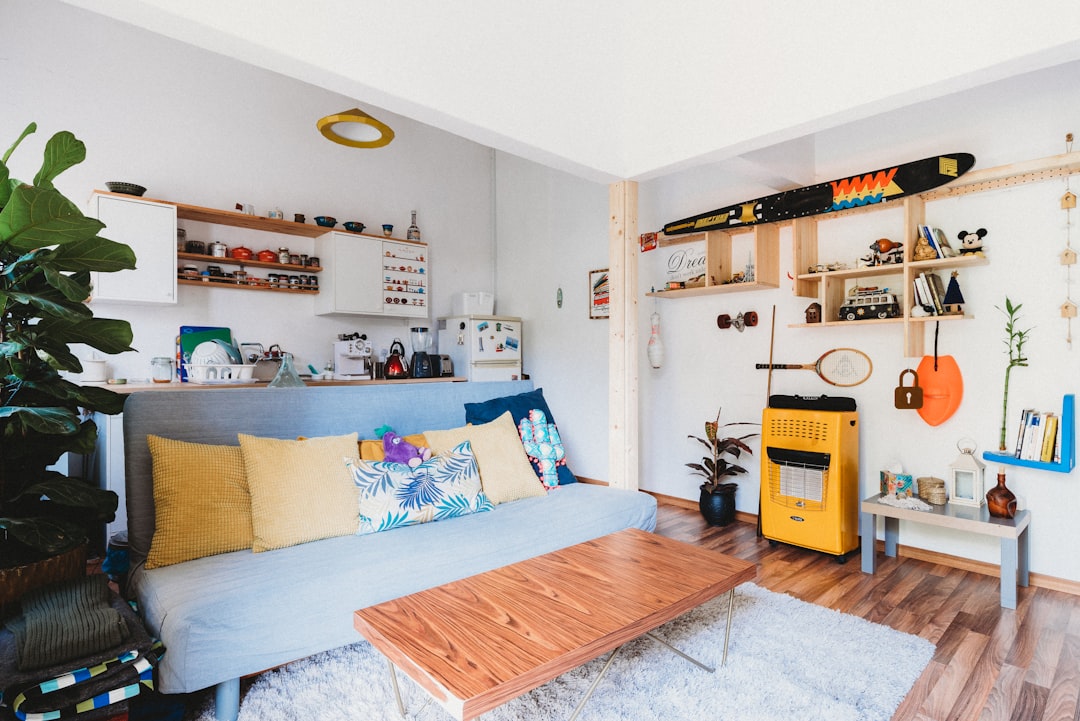
Console under $500 SG dollars? It’s possible, but you’re typically looking at compact units around 1.5 metres, often in engineered wood with a melamine finish. At this price, check the drawer glides and shelf weight limits—that’s where cheaper models feel it. A simple, open-shelf design in a neutral oak or walnut finish often offers better longevity than a fussy, multi-door unit with flimsy hardware.
Can TV console go opposite window? In many east-west facing flats, that’s the only logical wall. Direct afternoon sun will fade wood and warp veneers over time, so consider a finish like a grey-washed oak or a medium-toned walnut that shows fading less. More critical is glare on the screen itself; a console depth of at least 50cm helps position the TV far enough back to avoid the worst of it, and you might just accept that the blackout blinds will be drawn from 3 to 5pm.
The showroom’s perfect vignette can lie to you — a console that looks right under a 65-inch display might swallow your 4-room BTO's modest wall. Measure your living room depth, from the wall outwards, and then subtract at least 60 centimetres for a functional walkway. That remaining figure is your console’s true maximum depth, and ignoring it is how you end with a passage that feels like a corridor in a Tanah Merah MRT station during peak hour.
Consider what lives behind those closed doors, too. Decide now if you need a dedicated cabinet for router clutter and charging cables; an open shelf unit just displays the mess. Many buyers regret opting for pure display storage, realising too late that their Wi-Fi extender and power strip don’t match any intended decor theme.
Finish is another commitment best made at home. Hold sample swatches against your existing laminate flooring or the rug you’ve already chosen — the undertones in your grey laminate might lean warm or cool, and a mismatch is glaring under Singapore’s consistent afternoon light. A photo of your actual wall, taken in that same light, is your best defence against showroom lighting tricks. Bring it, alongside your room’s dimensions drawn on a notepad.
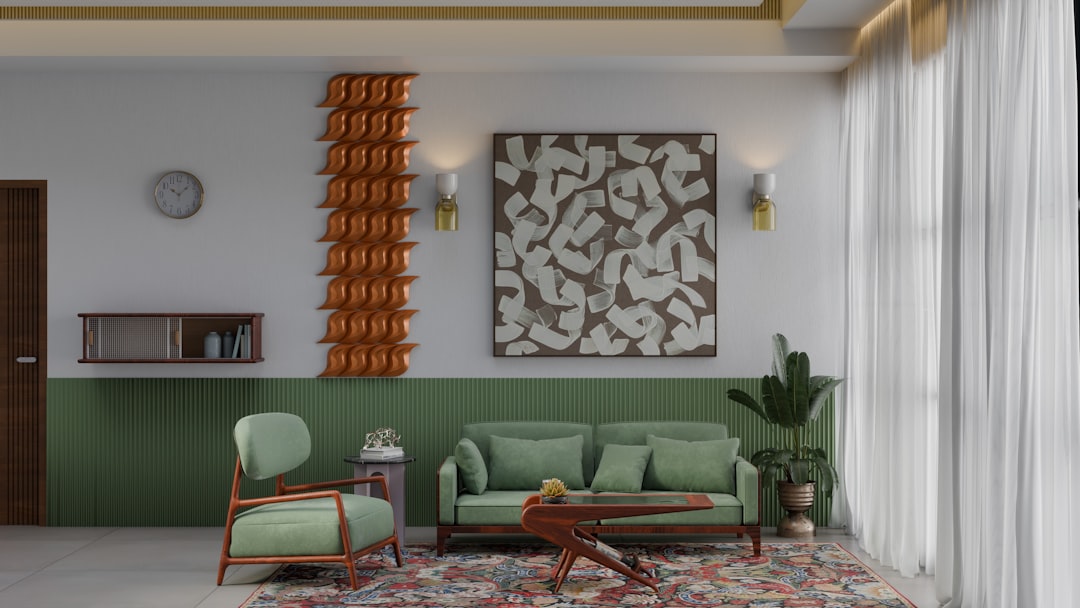
That photo does more than capture colour; it shows your skirting board profile, your power point height, and any awkward protrusions. Sales consultants can work with concrete data, not estimates. You’re not just confirming size, but visualising proportion — how a dark walnut grain will anchor your space, or if a matte white sintered stone top will bounce too much light in a west-facing room.
With your dimensions and photo in hand, you can finally assess real options. You’ll know immediately if that sleek, 2-metre console is a candidate or a fantasy, and whether its cable management grommets align with your wall plugs. It turns a browsing trip into a targeted mission.