That three-seater sofa you measured for leaves exactly 80 centimetres of walkway in your BTO living area. In many HDB flats and older condo units, the living room is a precise calculation of millimetres, not metres; a bulky ottoman can instantly turn a navigable space into an obstacle course. It’s not merely about finding a footrest—it’s about solving for storage, extra seating, and surface area without surrendering the room’s primary function of movement.
Consider the typical dimensions. A four-room BTO’s living area often sits under 20 square metres, while older estates like Bedok or Tiong Bahru might have condo living rooms closer to 16. A large, solid-cube ottoman can dominate visually and physically, making the room feel cramped the moment it’s placed. The selection process, then, starts with a tape measure—twice over—and a ruthless assessment of the footprint you can actually afford.
This constraint forces the piece to work harder. In these spaces, every item must justify its presence with multiple functions. The right ottoman becomes a hybrid: a lid lifts to reveal storage for blankets or toys; a sturdy, padded top serves as impromptu seating when friends visit; and its primary role remains a comfortable footrest for evening relaxation. It’s a single piece answering three distinct domestic needs, which is the only sensible arithmetic for compact living.
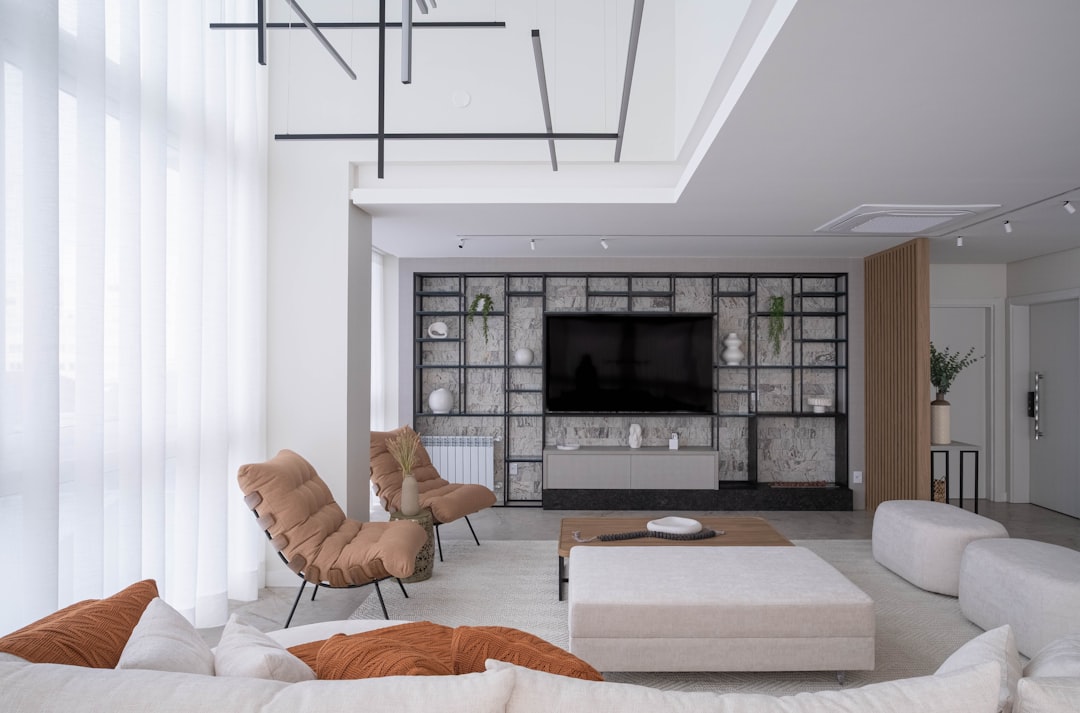
Material and construction matter just as much as size. A lightweight, hollow-storage design in performance fabric is easier to shift around than a solid rubberwood cube upholstered in heavy linen. You’ll want corners that are rounded or softened, especially in tight pathways where shins are vulnerable. The finish should also withstand the constant use it’s destined for—from feet to cups to children using it as a step.
Ultimately, the ottoman that fits isn’t an afterthought; it’s a strategic pivot point for the entire room’s layout and utility. Getting it wrong means living with a daily nuisance; getting it right means adding a versatile centrepiece that quietly organises your life. For a curated range that considers these spatial demands, you can browse the living room furniture options at Megafurniture.
The velvet ottoman you loved in the showroom is a magnet for paw prints and humidity-induced mildew within six months in a Bedok flat. Material choice here isn’t about aesthetics alone; it’s a practical defence against Singapore’s 80% humidity and the realities of pet ownership, directly dictating whether a piece lasts three years or ten.
Forget untreated fabrics in homes with dogs or high humidity. Velvet and similar plush weaves trap hair and show watermarks instantly, while genuine leather, unless meticulously conditioned, will crack and stiffen in our constant dampness. The solution lies in performance fabrics—think Crypton or Sunbrella—which are engineered with stain-resistant, moisture-repellent treatments; they’re not just for outdoor furniture anymore, and they’re becoming essential for indoor pieces that face daily wear. A treated performance velvet, for instance, can repel a spilled kopi-o and still feel soft, a minor miracle in a household with kids or a shedding corgi.
The structure matters as much as the upholstery. Cat owners know that any vertical surface is a potential scratching post, so opting for ottomans with legs made from scratch-resistant solid wood or metal is non-negotiable. Avoid delicate turned legs or soft pine. Similarly, steer clear of woven textures like bouclé or certain coarse linens; they act like Velcro for pet hair, turning a simple vacuum into a tedious picking session. A smooth, tightly woven fabric or a easy-wipe leather alternative will save you countless hours of maintenance.
This foresight extends to every component. The wrong material in a 4-room BTO’s living room becomes a recurring annoyance, a piece you’re reluctant to use because it’s always dirty or damaged. It’s worth scrutinising product specifications for terms like ‘pet-friendly’, ‘high-performance’, or ‘solution-dyed’, which often signal a fabric built for real life. Ultimately, the goal is to select a piece that feels like part of the home, not a fragile exhibit you’re constantly guarding from your own lifestyle.
That bouclé cube ottoman looks perfect in the Tampines showroom, nestled under a palm frond. It often becomes a dusty, unused obstacle in a typical 4-room BTO living room, where floor space is too precious for a piece that serves no purpose beyond its aesthetic. Buyers get seduced by a particular finish or fabric, visualising a magazine-centre vignette, and forget that furniture in a compact home must earn its keep daily. The result is a favourite decorative piece that constantly gets shifted out of the walking path, becoming a nuisance rather than a centrepiece. Prioritising visual appeal over practical utility is a fast track to buyer’s remorse, especially when you’re working with a 3.5 by 4 metre footprint. That stunning accent piece you loved in the aisle will likely become the thing you apologise for when guests trip over it.
Singaporeans are natural hoarders of seasonal items, from Chinese New Year decorations to spare bedding for guests. Many choose a solid, sealed ottoman for a clean look, completely ignoring the cavernous storage potential a lift-top model provides in a flat with minimal built-in cabinetry. You might think one console cabinet is enough, but the reality of living here means every hollow piece of furniture should be evaluated for its hidden volume. An ottoman that can swallow two bulky winter quilts or a collection of board games is transforming dead space into a functional asset. It’s a simple equation: in a compact home, any surface that doesn’t also offer containment is a missed opportunity.
An ottoman placed in front of an armchair needs a generous 45 centimetres of clearance for comfortable seating—a measurement rarely considered in the showroom’s spacious aisles. In a standard HDB layout, that required space often collides with the main traffic route to the balcony or the dining area, forcing a permanent awkward sidestep. Buyers measure the ottoman itself but fail to map the operational zone around it, leading to a living room that feels constricted and clumsy. You’ll constantly be pulling it closer or pushing it away, a minor daily friction that slowly erodes your enjoyment of the room. It’s the geometry of living, not just the furniture dimensions, that dictates comfort.
A common assumption is that any coffee table-height ottoman will double as a footrest, but that’s only true if its surface sits level with your seated knee height. Many living room sets pair sofas and chairs that are simply too high or too low for the accompanying ottoman, creating an ergonomic mismatch that strains your legs. The ideal footrest height is typically around two-thirds the seat height of your primary chair, a specific calculation that gets overlooked in the pursuit of a matching set. What you get is a beautiful table that’s uncomfortable to use as intended, or a footrest that forces you into a slumped posture. That’s the subtle difference between a showroom pairing and a functional reality in your Ang Mo Kio living room.
The brightest, most organised showroom environment is a fantasyland compared to your home, with its specific afternoon sun glare and the need to vacuum around everything. You’re evaluating furniture in a curated vacuum, not amidst the clutter of daily life—school bags, laundry baskets, a yoga mat leaning in the corner. This disconnect leads to choices that look right in isolation but fail within the complex ecosystem of a functioning household. A light-coloured linen fabric might seem serene under showroom LEDs, but it’ll show every stain from supper in a family-centric space. The best purchase accounts for the beautiful chaos of actual living, not the sterile perfection of the sales floor.
A loose-threaded tuft on a new ottoman isn't just a minor flaw—it’s a direct signal of rushed assembly that will unravel elsewhere, often within the first year of weekly use in a Tampines condo. The real test of an ottoman isn't how it looks in a showroom, but how its hidden construction handles the reality of a household: children climbing on it, guests pushing it across a rug, and the constant search for more storage in a 4-room BTO.
Start with a simple stability check. Gently push down on a front corner; if the piece rocks or feels like it wants to tip, it’s likely too light or poorly balanced for daily life. That’s a particular hazard in tighter layouts where furniture gets nudged frequently. Then, get hands-on. Run your fingers along any stitching, especially on tufted or upholstered models—loose threads or puckering fabric indicate weak tension that won’t hold. For wooden frames, joints should be solid wood, like mortise-and-tenon, or at minimum feature reinforced corner blocks screwed directly into the frame. A hollow sound when you knock on the side panel often means cheap engineered board, which splits under stress.
Drawer mechanisms matter enormously here. In many Singapore homes, an ottoman is a primary storage solution for blankets or toys, so the glides need to be robust. Opt for full-extension, soft-close runners; they allow you to see and access every centimetre at the back, which is crucial when you’re trying to maximise utility in a limited floor plan. Partial-extension drawers waste that deep storage space, and plastic runners feel gratingly cheap after a few months of use.
It’s the unseen elements that determine longevity. A well-built ottoman should feel like a single, solid unit, not a collection of parts that shift and sigh. You’re looking for quiet confidence in the construction—the kind that means it’ll still be a favourite centrepiece in your Ang Mo Kio living room a decade from now, not another bulky item awaiting disposal. For a closer look at options built with these principles, you can browse the living room furniture collection online.
Before purchasing, measure not only the intended floor space but also pathways and doorways. An ottoman that fits perfectly in your plan is useless if it cannot be moved into the room. Consider its footprint when fully extended if it converts into a sleeper or storage unit. This simple step prevents the most common and frustrating regret.
A fabric swatch under fluorescent mall lighting is a different beast entirely under the warm glow of a 4-room BTO’s downlights — that’s the kind of discovery you can’t make from a thumbnail image. Sitting on a model reveals the true comfort, or lack thereof, of an ottoman’s cushioning; you’ll immediately feel if the foam is too firm for a Sunday lounging session or if the height aligns perfectly with your existing sofa. At showrooms like Megafurniture’s Joo Seng and Tampines locations, these physical tests become a crucial part of the vetting process, turning abstract specifications into tangible experience.
Room-like settings in these spaces let buyers visualise scale, a critical step for Singaporean homes. An ottoman that looks modest online can overwhelm a narrow walkway in a condominium living room, while a petite footstool might get lost in the generous floor plan of a landed property lounge. Seeing pieces in context helps you judge if a storage ottoman’s lid clearance will foul on a low-hanging ceiling fan or if its footprint still allows for a clear path to the balcony.
Assessing the storage mechanism is another hands-on imperative. A hinged lid should open smoothly with one hand, not require a wrestling match each time you need to stash a throw blanket; drawers on castors should glide fully on both laminate and rug, without catching. You’re testing for the daily grind — whether the hardware feels sturdy enough for years of kids climbing on it or if that clever flip-top design is more cumbersome than convenient.
It’s about mitigating regret before the delivery truck arrives. Colour fidelity, tactile feedback, and spatial harmony are all judged in person, which is why a trip to a comprehensive showroom often saves more time than it costs. For those comparing options, browsing Megafurniture’s collection in person provides a consolidated view of how different pieces might co-ordinate, from a sleek leather ottoman to a textured bouclé accent chair. You leave with a concrete sense of what works for your specific space, not just a hopeful guess.
" width="100%" height="480">Avoiding common ottoman buying regrets: A homeowner's guideThe delivery van parks, you’ve got your new ottoman, and then you’re told there’s a $80 staircase charge because the lift in your 1980s HDB block is 80cm wide and your box is 85. It’s a classic Singapore moment. Before you confirm delivery, ask the retailer for the exact box dimensions and confirm lift access in your specific block—it’s not just about the lift door, but the corridor turns and landing widths that can catch you out. Staircase charges typically start around $50 per floor, and they add up fast in a walk-up apartment; that’s a cost you can plan for, not one that should surprise you on the day.
Self-assembly is often offered as a cost-saving option, and for a simple cube ottoman, it’s usually straightforward. But with more complex pieces—ottomans with hydraulic storage lids, intricate stitching, or attached back cushions—the risk of error climbs. A misaligned hinge or a cross-threaded bolt might not show up for months, until the mechanism fails under a load of winter blankets. That initial $150 you saved can quickly turn into a service call that voids your warranty if they determine it was an assembly fault.
Warranties here are typically split: a three-year structural warranty on frames and mechanisms is standard, while fabric warranties are a different beast entirely. The three-year coverage almost always excludes normal wear and tear, fading from sunlight, and stains—which, in a living room facing west towards Clementi or Bedok, is the entire point of failure. Understanding the exclusion list is more important than the warranty length itself; a ‘lifetime’ guarantee on a powder-coated metal leg is meaningless if the fabric wears through in eighteen months.
Schedule your delivery for after the major renovation dust has settled. That fine layer of gypsum and concrete powder from floor polishing is an abrasive that works its way into fabric fibres and mechanical joints, accelerating wear on moving parts and dulling finishes. A common regret is arranging delivery for the day after the contractors leave, only to find your new centrepiece needs a professional clean before it’s even been used. Let the room settle, do your own thorough clean, then bring in the final piece.
One final note on service: a warranty is only as good as the local service network that honours it. Check if the retailer uses third-party contractors or has in-house teams; the latter tend to be faster for follow-up visits, whether it’s for a squeaky hinge or a fabric issue you’ve documented from day one.
In a 12 sqm HDB study, every centimetre counts. Can an ottoman replace a coffee table? It depends entirely on surface area and stability. A large, firm-topped storage ottoman often works, giving you a spot for a laptop and a mug while hiding spare stationery inside. But buyer must check the height — many ottomans sit lower than a standard coffee table, which can strain your back during long work sessions. The real test is whether it can hold a tray steady; a wobbly, cushioned top isn’t a proper surface for your kopi.
Rattan’s suitability for balcony use is a classic Singaporean dilemma. While it brings a resort-like feel, our humidity and frequent downpours are brutal. Natural rattan will discolour and weaken if left exposed to the elements, even on a covered balcony. For longevity, look for synthetic or PE rattan weaves over a powder-coated aluminium frame — these materials resist mould and UV fading far better, turning a balcony from a decorative afterthought into a usable extension of your living space.
Spilled kopi on a fabric ottoman is a matter of when, not if. Immediate blotting with a dry cloth is crucial; never rub, as that sets the stain. For many performance fabrics, a mild detergent solution will lift it. However, on natural materials like linen or cotton, that tannin stain might become a permanent feature. It’s why households with kids often favour leather or Crypton fabric for their living room furniture — a quick wipe and you’re done, with no lingering odour.
Weight capacity is a silent spec many regret ignoring. For a household with children, where an ottoman doubles as extra seating or a fort foundation, aim for a tested capacity of at least 120kg. This typically means a solid internal frame, not just foam over plywood. Check the product description for specifics; a piece meant for light decor won’t survive a family movie night.
The ottoman that looked perfect in a Tampines showroom often feels colossal when you get it home to your 4-room BDB flat, blocking the walkway to the balcony. That final mismatch, between showroom fantasy and daily reality, is what a concrete decision protocol prevents. Start by revisiting your room plan with exact dimensions—not just the floor space, but the clearances. Tape it out on the floor if you must. Then, list the ottoman’s primary and secondary functions with brutal honesty. Is it primarily a footrest for the sofa, or is it the sole coffee table surface for a family that eats in the living room? That hierarchy dictates material choice; a coffee-table substitute needs a hard, wipeable top, not a plush fabric that will stain when someone spills kopi-o. Budget for a protective fabric spray treatment from the outset, an extra $30 to $60 that extends the life of light-coloured linen or performance velvet in a household with young children or pets. Your final step is a showroom visit, but don’t go empty-handed. Bring your floor plan and any fabric swatches from existing curtains or upholstery. Sit beside the ottoman, not just on it, to gauge its height against your sofa. Check how a storage lid mechanism feels when you’re reaching for a blanket, and note if the corners are too sharp for a tight space. This isn't about browsing; it's a tactile audit. Only then should you decide. The right piece won't just fit your room's dimensions—it'll fit the rhythm of your life in it, from movie nights to impromptu guest seating. You can then confidently browse the curated
living room furniture optionswith a precise brief, turning a potential regret into a settled, functional choice.