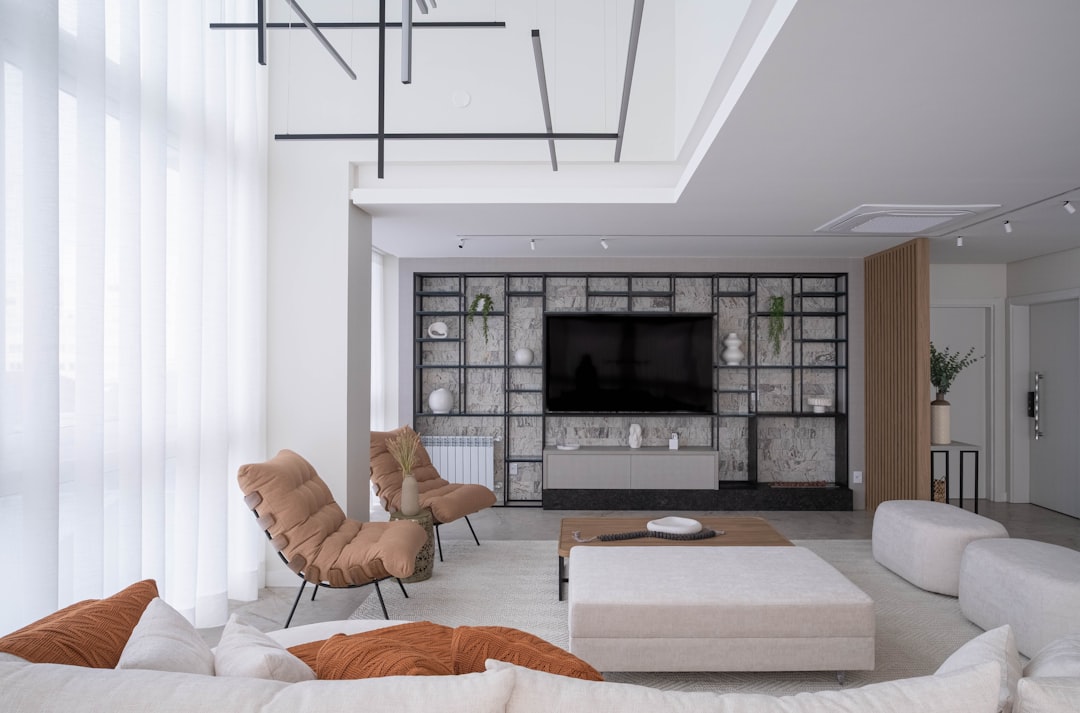
The BTO owner measures their living room wall three times before committing to a display cabinet’s width — that final 3x3 metre niche leaves no room for error. In a typical 4-room flat, your display piece often doubles as a room divider, its back visible from the dining area, so a finished rear panel isn’t a luxury — it’s a necessity. Condo layouts offer more breathing room, but feature walls are often commandeered by the television; your cabinet becomes part of a curated media wall, competing for attention with a 65-inch screen and soundbar. Landed property display halls, by contrast, are zones of pure presentation, where a standalone vitrine can anchor an entire space without also holding remote controls.
Security needs shift just as dramatically. A BTO owner typically consolidates valuables into one locked, central unit — it’s about concentrated protection in a compact, multi-use space. In a landed home, the approach is zonal; you might have a low, secure cabinet in the family area for everyday pieces and a taller, glassier statement piece in the formal living room for heirlooms. The common thread, however, is humidity. That persistent 80% ambient moisture doesn’t discriminate between postcode; it’ll fog glass, warp wood veneers, and promote mould in sealed cabinets if there’s no airflow.
Material choices follow this spatial logic. For the tight 3-metre HDB niche, a sintered stone top and powder-coated metal frame handle condensation from air-con units and resist scratches when the cabinet also serves as a side table. Condo feature walls often call for a mix — perhaps a walnut veneer body with internal LED strips to highlight collectibles without adding visual bulk. The landed property hall allows for more expressive, sometimes fragile materials: high-gloss lacquer, full-height glass panels, or even integrated dehumidifier units for climate-sensitive items.
It’s a peculiar local truth that the most serious display security in an HDB might be a simple, robust lock, because the real threat isn’t a grand heist — it’s a curious toddler or a hurried guest. Over in a semi-detached house, the considerations expand to sightlines from windows and the integration of discreet, wired alarms. Yet for all buyers, the foundational question remains: does this piece organise your space or dominate it? The answer dictates everything from its footprint to its locking mechanism.
Singapore's humidity doesn't just ruin hair; it creeps into display cabinets, fogging glass and spotting your favourite silver pieces within months. That's why our selection starts with an uncompromising seal. A proper, airtight glass door with a silicone gasket is non-negotiable—it's the primary barrier against that 80% ambient moisture. Pair it with an anti-tarnish liner, typically a treated felt or velvet, which actively absorbs sulphurous compounds; it's a small detail that prevents bronzing and tarnish on medals or cutlery without constant polishing.
The locking mechanism can't be an afterthought, either. You want a robust, integrated lock—not a flimsy cabinet hook—that engages solidly into the frame. This isn't just about security from curious hands; a positive lock ensures the door's seal remains uniformly compressed, maintaining the internal microclimate. Glass thickness matters for the same reason. Thin, wobbly panes compromise that seal and feel dangerously insubstantial; we look for tempered glass at least 5mm thick for inherent stability and safety.
Footprint is the other critical constraint. In a common 12 sqm HDB living area, a cabinet's floor space is a serious trade-off against the sofa or coffee table. The only viable answer is vertical storage. Tall, slender profiles that use height rather than width are mandatory, turning unused wall space above a sideboard into a secure display zone. This verticality also improves door stability; a taller, narrower hinge line is inherently less prone to sagging over years of use compared to a wide, low-slung design.
Consider, too, the living environment. A cabinet in a family home with pets or young children faces different stresses—a nudge from a passing shoulder, paws against the glass. The criteria here shift subtly. Door stability becomes paramount, requiring heavy-duty hinges with adjustable tension and perhaps even a soft-close function to prevent accidental slams. The base should be solid, with a low centre of gravity to resist tipping during an enthusiastic collision.
Ultimately, the right cabinet for a compact, humid home is a balancing act between a sealed environment and a sensible footprint. It's a piece of furniture that should disappear against the wall until you turn on its internal lighting, revealing a perfectly preserved collection behind silent, stable glass.
In a humid climate, laminated particleboard will eventually swell. Solid timber frames, especially from kiln-dried rubberwood or oak, resist this warping pressure far better. That subtle bow you see in a decade-old cabinet’s door is often the telltale sign of a compromised substrate. Choosing solid timber isn’t just about feel—it’s a pre-emptive defence against Singapore’s relentless moisture. That initial investment pays off in a silhouette that stays true for years, avoiding the sagging that plagues cheaper builds.
Examine the corners. Dovetail or mortise-and-tenon joints, where wood interlocks, are a clear signal of a cabinet built for assembly, not just flat-pack convenience. These traditional methods distribute weight and stress across the entire structure, preventing the wobble that starts with simple glued butt joints. In many homes, it’s the failure of these connection points that leads to a cabinet’s early retirement. Good joinery is quiet craftsmanship; you don’t notice it until it’s missing.
The brand of hinge or drawer runner matters more than its finish. Robust, branded hardware from suppliers like Blum or Hettich operates silently for tens of thousands of cycles. Check for full-extension mechanisms and soft-close features integrated into the cabinet’s design, not added as an afterthought. These components bear the daily load of access, and their failure renders even a beautiful cabinet useless. It’s a detail where cost-cutting becomes painfully obvious within a year.
A display cabinet’s lock shouldn’t look like a retrofit. High-quality builds integrate the locking mechanism seamlessly into the door’s structure or the hinge system itself. This provides far better security for your collectibles than a flimsy, surface-mounted clasp that can be jimmied open. The action should be smooth and precise, with no play in the bolt. A well-integrated lock protects your valuables and preserves the furniture’s clean aesthetic lines.
Clear, unprotected glass is a liability. For cabinets facing a window in a Tampines condominium, UV-filtering coating is essential to prevent your prized ceramics or photographs from fading. This specialised glazing filters out the most damaging rays without distorting the view of your collection. It’s a feature often overlooked in favour of cost, but its absence has irreversible consequences. That coating is the silent guardian of your display’s colour and vibrancy.
The ornate French provincial display cabinet looks stunning in the Tampines showroom, but against the clean lines of a BTO’s feature wall, it can feel like wearing a ballgown to the neighbourhood kopitiam. Singapore’s push toward minimalist HDB and condo interiors means heavily carved wood or fussy metallic filigree often clashes with the architecture; a simpler silhouette in walnut or oak, with perhaps a single brass handle, typically integrates better without sacrificing presence.
That integration hinges on accurate measurements, a step too many buyers neglect until delivery day. It’s not just the footprint in your living room—you must account for the entire delivery path. A common misstep is failing to measure the stairwell corner in a walk-up apartment or the lift lobby’s clearance in a condominium; a cabinet that fits your 4-room flat’s planned spot might be impossible to manoeuvre past the utility box on the 12th floor. The result is a costly return or, worse, a scratched piece and repainted corridor wall.
Compromise on locking mechanisms to save a few hundred dollars, and you’re prioritising price over the cabinet’s primary function: security. The flimsy, generic cam lock that comes with many budget units is a deterrent to no one. For protecting valuable collectibles, you’ll want a solid, integrated system—a centralised lock with a steel bolt or a discreet keyed latch system that secures all doors simultaneously. It’s the difference between a sealed environment and a glorified shelf.
This is especially critical for glass cabinets, where another assumption proves dangerous: that all tempered glass is equal. While the glass itself is strengthened, specifying an anti-shatter security film laminated to the panel is what prevents a forceful impact from collapsing the entire front into a cascade of dangerous cubes. Without it, you’re left with a contained but catastrophic failure. That film, often an added specification, is where true protection lies for your porcelain or vinyl figures.
The lock on a display cabinet door might look secure online, but its performance hinges on a dozen small details you can’t see in a photograph. A showroom visit lets you test the mechanism yourself — feel the latch’s engagement, check if the glass seals flush against the frame, assess whether the hinges hold the door steady without sagging. It’s a tactile security audit that’s impossible to conduct from your phone; you’ll know immediately if a piece feels robust or if it’s just a facade. That physical verification matters more for cabinets housing collectibles than for any other living room piece, because the failure point isn’t just aesthetic — it’s a potential loss.
Showroom lighting, typically a mix of warm ambient and direct spotlights, also strips away the digital filter. A walnut finish photographed under studio lights can appear richer and deeper than it really is, while a matte lacquer might look flat. Under the actual lights at Joo Seng or Tampines, you see the true grain, the real sheen, and how proportions play against your own living room’s scale. A cabinet that seems perfectly sized for a 4-room BTO’s feature wall can suddenly feel overwhelming, or conversely, too slight for a landed property’s high ceiling. That direct comparison eliminates the guesswork that leads to the most common buyer regret: the piece that just doesn’t look right in situ.
Material heft is another showroom-only metric. You can read specs about rubberwood or powder-coated steel, but you can’t gauge the density until you try to shift the unit an inch on its own plinth. A well-built cabinet has a certain inertia, a solidity that cheap MDF constructions — even when styled similarly — simply lack. This isn’t about weight alone; it’s about structural confidence, the sense that the shelves won’t bow under a set of ceramic figurines and that the base won’t wobble with a door swing. For homeowners across HDB, condo, and landed scales, that foundational stability often becomes the deciding factor.
Their range addresses these specific spatial constraints directly, with models designed for the narrow walls of a condo corridor or the expansive breadth of a terraced house living area. Seeing them grouped in the showroom allows you to move from one to the next, understanding how a 1.8-metre unit commands a space compared to a 1.2-metre companion. It organises your decision around physical evidence, not pixelated promises. You can browse the full spectrum of these purpose-built options at Megafurniture’s collection, then make a choice grounded in what you’ve actually touched and tested.
High-quality display cabinets utilize tempered safety glass, which is significantly stronger than standard glass. This material is designed to shatter into small, blunt pieces instead of dangerous shards upon impact. This inherent strength provides a critical first line of defense against accidental bumps or attempted forced entry, keeping your collectibles safely contained.
The delivery team that shows up without a trolley for your HDB’s lift landing threshold is a team you’ll be waiting on for another hour. A good local installation service knows these obstacles intimately — they’ll handle the 5cm step at your block’s lift lobby and navigate the tight 90-degree turn into a condo’s service corridor without scuffing the MDF veneer. It’s a basic competency, yet one that separates a smooth arrival from a logistical headache.
Professional assembly is non-negotiable for a display cabinet, particularly for the locking mechanisms. A collector’s unit isn’t just a shelf; its security function hinges on every cam lock and dowel aligning perfectly during the build. An amateur job can leave glass doors slightly out of square, which stresses hinges and compromises the very seal meant to keep dust and humidity away from your items. You’re not just paying for someone to turn an Allen key; you’re paying for the calibration of a protective enclosure.
Given Singapore’s typical five-year home ownership cycle, the warranty terms need explicit, written clarity. Don’t settle for vague “mechanical failure” coverage. Seek specific mention of lock failure, glass panel misting from sealant breakdown, and hinge sag under the weight of solid timber doors. These are the failures that manifest after year two, long after the delivery excitement has faded.
A robust warranty should cover parts and labour for these precise issues, not just offer a prorated credit on a future purchase. It’s a sign the manufacturer stands by the materials and joinery in our local climate. For a comprehensive look at options with detailed warranty terms, you can browse the living room furniture collection.
The real test of a cabinet’s build quality often comes around year three, when the tropical humidity has had its way with lesser materials. That’s when a clear warranty becomes more valuable than the initial sales discount.
The search terms people type into Google tell a clear story — Singaporeans aren't just looking for a pretty box to put things in; they’re looking for a vault that fits their specific domestic reality.
'Display cabinet anti-theft for HDB' often points to a need for discreet physical security. Integrated key locks on tempered glass doors are the baseline, but for serious collectors, you’ll want to ask local carpentry workshops about installing internal security film on the glass and discreet anti-pry brackets on the door hinges; it’s a modest upgrade that turns a standard unit into a significant deterrent.
Humidity damage is a constant threat here. For 'prevent humidity damage to collectibles', the cabinet itself is the first line of defence — look for units with a fully sealed back panel and tight-sealing doors. Then, it’s about the interior: silica gel canisters tucked discreetly behind shelves are fine, but for a 4-room BTO living room, a built-in, plug-in dehumidifier unit from a local electronics provider is the more reliable, set-and-forget solution.
Childproofing a glass cabinet isn't just about locks. 'Childproof glass cabinet Singapore' queries should lead you toward laminated safety glass, which holds together if impacted, and soft-close hinges that prevent tiny fingers from getting pinched. The best approach pairs that with a magnetic child lock, the kind you’d find on a kitchen cabinet, installed high on the inside of the door frame.
And for 'best lock for jewellery display', the answer depends on visibility. A simple cam lock secures the door, but for a standalone jewellery armoire, consider a digital keypad lock — it offers a clean look without keyholes and allows multiple user codes. Many furniture providers here can retrofit these upon purchase; you just have to specify the requirement upfront when discussing modifications.
" width="100%" height="480">Display cabinet security: protecting valuable collectiblesThat last walk-through of the showroom, with the cabinet looking perfect under the lights, is where most mistakes happen. The real test is back in your four-room BTO, tape measure in hand, with a mental list of what you're actually protecting. Start with the physical dimensions of the intended niche—not just width, but depth and ceiling clearance, especially in older HDB blocks where false ceilings and bulkheads eat into space. A cabinet that fits the width but leaves a 10cm gap at the back becomes a dust trap and looks awkwardly temporary.
Cross-reference this measured space against your collectible rotation plan. Static heirlooms, like inherited porcelain, demand a different security calculus than frequently accessed figurines or whisky bottles. For the former, the lock type is paramount; a discreet, integrated key lock or a high-quality cam lock is non-negotiable, whereas magnetic child locks might suffice for cabinets meant for regular enjoyment. Then, verify the stated load capacity for your specific display plans—if you intend to stack ceramic plates or heavy crystal, the glass shelves need explicit rating for that weight, not just a general figure.
Humidity-proofing is often an afterthought, but in our climate, it's a primary defence. Look for details like a proper seal on the door, not just a basic magnetic catch, and check if the backing board is sealed MDF or has a moisture-resistant coating. This prevents warping and protects sensitive items from the damp season's reach. Finally, confirm delivery route feasibility with the retailer; a cabinet that can't navigate the tight lift lobby in your Eunos HDB or the staircase in a walk-up shophouse is a costly problem. Ask for the packed dimensions, not just the assembled ones.
Factor all this against the cabinet's intended life. A unit for a growing collection in a landed property might prioritise modularity for future expansion, while a one-time display piece for a condominium's feature wall leans heavily on flawless finish and integrated lighting. Each metric shifts in priority based on whether the cabinet is a permanent installation or part of a more fluid room scheme.