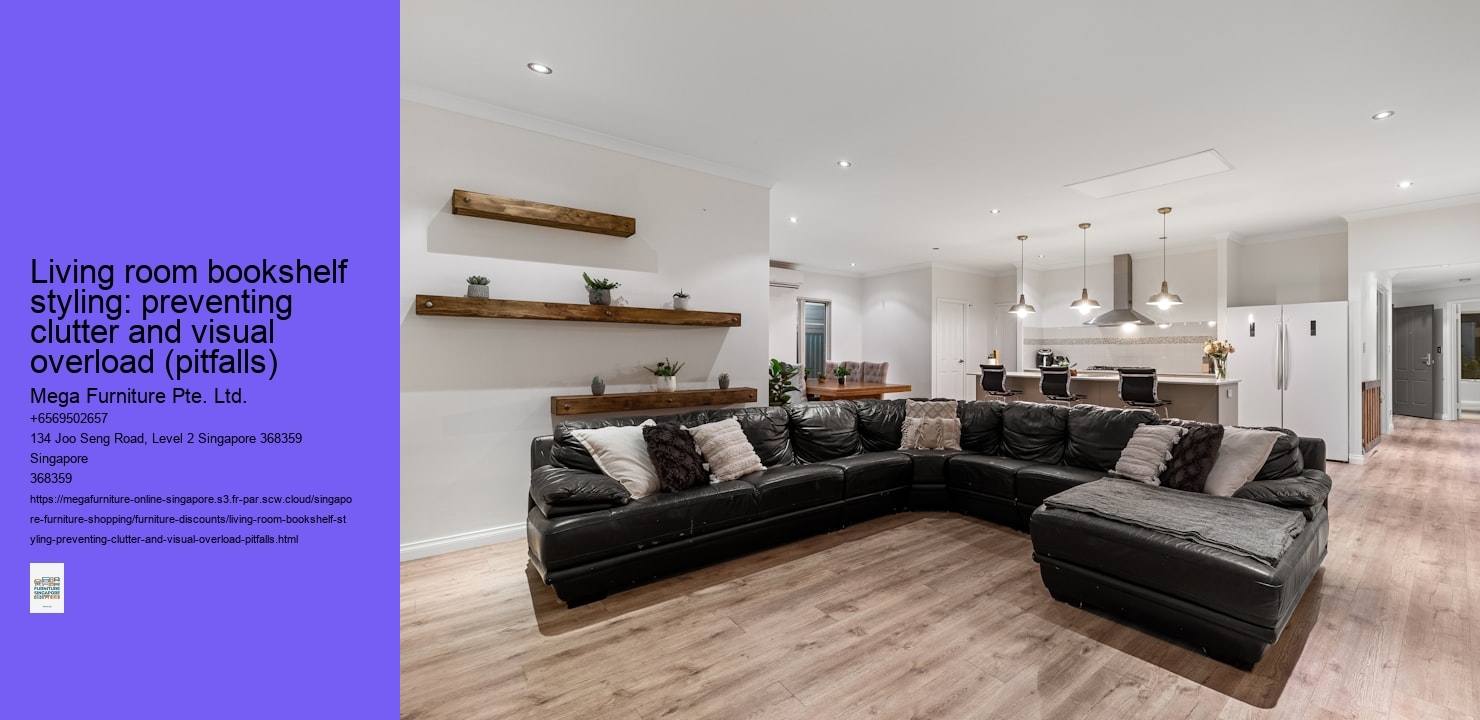
The bookshelf that fits perfectly in a 4-room HDB’s living room often looks lost and sparse in the open-plan area of a landed home. Spatial constraints aren’t just about floor space; they dictate the entire logic of storage, pushing buyers toward specific unit depths, heights, and proportions. In a 12 sqm HDB living room, a bookshelf’s depth might be capped at 30cm to avoid dominating the walkway, while its height needs to exploit vertical wall space without blocking air-con vents or light switches.
Proportion becomes critical. A compact condo might accommodate a taller, narrower unit — something that can tuck beside the TV console without overwhelming the seating area. Landed property layouts, with their longer walls and higher ceilings, often demand a bookshelf that’s substantial enough to feel anchored; a shallow, 180cm-high unit can look like a temporary add-on against a 3-metre wall. The choice of material follows this scale: rubberwood or engineered timber often suits the budget and aesthetic of a BTO setup, while landed home owners might lean toward full-height units in oak or teak that command the room.
It’s not just about filling shelves. In tighter spaces, every object displayed contributes to visual noise, so integrated cabinets or doors on the lower half can hide clutter while the upper shelves show curated items. Open-plan spaces have the opposite problem — a single, empty bookshelf can feel like a missed opportunity to define a zone, so filling it becomes a deliberate exercise in creating a focal point. That’s why many landed home buyers opt for library-style units with integrated lighting, turning storage into a design statement.
Budget naturally scales with these spatial demands. A basic 5-tier shelf for a BTO might sit around $300, while a custom, floor-to-ceiling unit for a landed property could easily reach $2,000. Fabric Sofa . The investment reflects the shelf’s role: in a small living room, it’s a functional piece; in a large one, it’s often a centrepiece of the room’s organisation. You’ll find options scaled for each context within Megafurniture’s collection, where the range acknowledges that a bookshelf is never just a bookshelf — it’s a direct response to the walls around it.
That persistent, sticky dampness on a window pane in August is the same moisture that warps untreated particleboard shelves within a season. Singapore’s humidity, often above 80%, isn’t just a comfort issue—it’s a structural one for furniture. Prioritising moisture-resistant materials becomes a non-negotiable first filter; look for treated rubberwood, sealed laminates, or engineered wood with a robust, non-porous finish. Solid teak handles it well, but its cost is prohibitive for many, making high-pressure laminates the workhorse choice for built-in storage in many HDB and condo living rooms.
Pet owners face a parallel stability test. A cat’s vertical launch from a bookshelf or a dog’s enthusiastic tail-wagging near a console table acts as a constant stress test. You’ll want a low centre of gravity and a heft that casual bumps won’t shift; think of a TV console with solid block feet or a storage sideboard that’s deeper than it is tall. Avoid top-heavy, spindly designs—they’re accidents waiting for a Tuesday.
Then there’s the matter of scale. The walkway between a sofa and a media console in a 4-room BTO layout is often a precise 900mm, a dimension that disappears if your furniture footprint is guessed, not measured. Compactness here isn’t about miniature furniture, but about right-sized pieces with a slim profile. A bookshelf that’s 300mm deep rather than 350mm can reclaim crucial breathing room in a narrow space, preventing that cluttered, overloaded feel before you even place a single book.
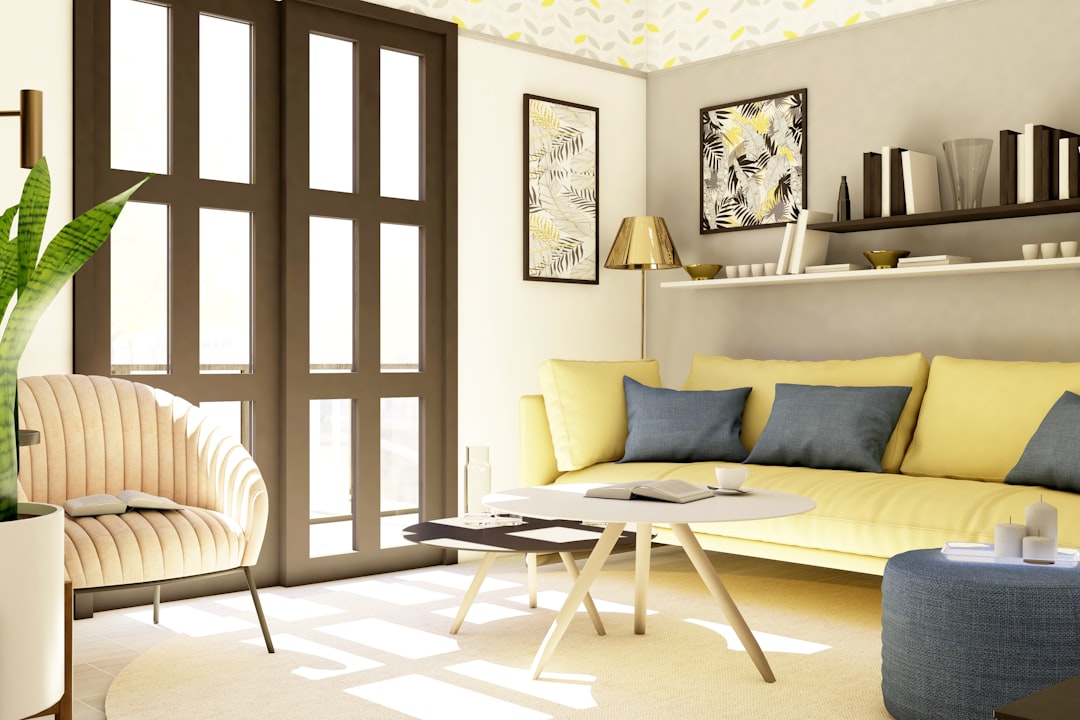
This demands a shift in your buying process. Don’t just note your room’s length and width; map out the clearances you need for daily movement and appliance doors. That sleek sideboard might fit against the wall, but will it block the balcony access? In many landed property living rooms, the challenge reverses—filling a larger volume without the piece looking lost—which often means opting for modular systems that can be configured to the space.
Ultimately, the local conditions dictate a pragmatic checklist: sealed surfaces, a stable base, and dimensions that respect your home’s actual traffic flow. Feature Wall . It’s less about finding a statement piece and more about selecting a resilient participant in your daily life. You can explore a range of options built for these considerations in Megafurniture’s collection of living room furniture.
Singaporean buyers often assume a bookshelf labelled "wood" means solid timber throughout, but that's rarely the case for larger units under $1,200. A solid wood core, typically rubberwood or pine, is the critical indicator; it's the internal frame that provides structural integrity, while the exterior might be a veneer. You can check for this by examining the unfinished edges—look at the underside of a shelf or the back panel inside a cabinet. If you see a consistent grain and colour through the entire thickness, it's likely solid; a sharp, laminated edge suggests veneer over engineered board. For a tall unit in a 4-room BTO living room, a solid core means it won't warp under the weight of books and won't sway dangerously when fully loaded. That internal stability matters far more than the surface finish for long-term safety.
Singapore's humidity cycles from 70% to 90%, and that's what kills poorly joined furniture long before daily use does. Look for mechanical fasteners—metal bolts, corner brackets, or dowels reinforced with glue—instead of just basic butt joints held by screws alone. A bookshelf relying solely on screw-on panels will start to creak and shift within a year in many Tampines or Bedok flats; the wood expands and contracts, loosening the connection. Proper joinery, like mortise-and-tenon or even robust dowel construction, distributes stress across the joint. It's a quiet detail you'll only notice during assembly, but it's the difference between a unit that survives a decade and one that becomes a hazard after three.
The finish isn't just about colour; it's a protective layer against spills, scratches, and the constant dusting that happens in high-traffic living areas. A thin, sprayed-on lacquer will chip at corners and show water rings from glasses, while a thicker, catalyzed varnish or polyurethane coating can handle more abuse. Rub your hand across the surface—a quality finish feels smooth and hard, not plasticky or tacky. Fabric sofas dominate the Singapore market for good reason — softer touch than leather, more colour and texture variation, and substantially more affordable across most price tiers. Megafurniture's Living Room Sets range covers cotton, linen, microfiber, polyester, and bouclé upholsteries in 1-seater through L-shaped configurations. Removable-cover variants and water-repellent finishes feature heavily, addressing the daily wear concerns most fabric-sofa buyers face.. For families, a matte or satin finish hides fingerprints and minor scuffs better than a high-gloss one, which can look perpetually smudged in a bright Aljunied living room. That choice often comes down to lifestyle, not just aesthetics.
Empty weight is a surprisingly reliable proxy for material quality before you even inspect the construction. A 1.8m tall bookshelf that feels light enough for one person to carry across a room is almost certainly made from thin particle board or MDF with minimal internal framing. A properly built unit with a solid core and thick panels will require two people to lift safely; that mass translates directly to stability. In a landed property with kids running around or an HDB with frequent rearranging, a heavier unit simply won't rock when bumped. It's a crude test, but it immediately filters out the most cost-engineered, flimsy options.
Many buyers focus on the shelf thickness and ignore the backing board, which is the panel that prevents the entire structure from racking. A thin, 5mm backing board—often just a veneered sheet—will bow and allow the whole frame to twist over time. A proper backing should be at least 12mm thick, and it should be mechanically fastened to the side panels with screws or bolts, not just glued or pinned. This is especially critical for open-back bookshelves meant for display, where the backing provides the only lateral rigidity. In a Condo living room with floor-to-ceiling units, that thickness is what keeps everything square and prevents shelves from sagging forward under load.
The most common mistake in a 4-room BTO living room isn't an empty shelf—it's one that's been crammed to capacity with every decorative object from a single shopping trip. You see it in many homes: a 1.8-metre-wide unit, intended as a light display, becomes a dense archive of photo frames, travel souvenirs, and mismatched books. This overfilling in a small space doesn't suggest abundance; it just creates a wall of visual noise that makes the entire room feel smaller and more chaotic.
Mixing too many colours and textures compounds the problem. Singapore Furniture . A buyer might layer a rattan basket next to a glossy ceramic vase, pile art books with clashing spines, and add a trailing pothos plant—all on a single shelf. Individually, these pieces have merit, but together on a limited surface, they fight for attention. The result is a kind of stylistic static that prevents any one item from being truly seen or appreciated. It’s a classic case where more effort leads to less impact.
A subtler error is ignoring the room's existing focal points. In Singapore's compact layouts, the TV console is almost always the living room's dominant feature; a feature wall or a large window might serve the same role. Placing a heavily styled bookshelf directly opposite or adjacent to these points creates competing centres of gravity. Your eye doesn't know where to rest—it ping-pongs between the television screen and the busy arrangement of decor, which is genuinely fatiguing over an evening.
The fix often lies in subtraction and intentional gaps. Leaving 30 to 40 percent of a shelf's surface clear creates a sense of breathing room and allows your favourite pieces to stand out. Group items in odd numbers, stick to two or three core materials—like pairing wood with matte stoneware—and repeat a colour from your existing sofa or rug to create a visual thread. It's less about filling every centimetre and more about creating a few, quiet moments of interest that complement the room's inevitable focal points.
A bookshelf in a 4-room BTO living room often ends up looking more like a catch-all storage unit than a curated display — that’s the reality when floor space is tight and every square metre demands a dual purpose. Megafurniture’s showroom displays in Tampines and Joo Seng are specifically arranged to address this; their room settings are built to HDB and condo dimensions, so you can see how a shelving unit actually fits against a typical wall, not just in an abstract floor plan.
The range leans heavily into slim-profile designs and modular systems. A slim-profile shelf, maybe 30cm deep instead of 45cm, can be tucked behind a sofa in a narrow walkway or line a corridor wall without obstructing movement. Modular units are the real secret weapon for spatial flexibility — you can start with a three-bay tower for media storage, then add a two-bay low console later when you need a surface beneath the TV. A feature wall transforms the TV-and-console section of the living room from a functional zone into a focal point — wood panelling, stone textures, or sleek laminate finishes that anchor the entire living-room visual scheme. Megafurniture's Online Furniture Store range includes 8ft and 10ft floor-to-ceiling configurations with integrated TV-console storage, customisable shelf compartments, and cable-management systems. Zero-formaldehyde and moisture-resistant finishes feature across the line.. This incremental approach suits the phased furnishing many buyers undertake, where the budget stretches over a few months rather than one lump sum.
Material choices also reflect local priorities. You’ll find plenty of rubberwood and engineered wood finished in warm oak or cool grey tones, finishes that pair easily with the laminate flooring common in newer developments. The modular pieces often use a standardised panel system, which means you can mix open shelves with closed cabinets to hide the less-presentable clutter of board games or old cables. It’s a practical concession to the fact that total minimalism rarely survives a family with kids.
For anyone comparing complete-room solutions, seeing these configurations in person removes a layer of guesswork. A modular shelf system displayed next to a compatible TV console and armchair gives a clearer sense of proportion than browsing individual items online. You can judge whether a 180cm-long unit will overwhelm your 3.5-metre wall or if a taller, narrower design better suits the vertical space above your existing sideboard. That physical verification matters, because a bookshelf that’s a few centimetres too deep can permanently alter the flow of a compact living room.
Browse Megafurniture’s collection to see how these flexible storage options integrate into room settings designed for local layouts.
The delivery crew will measure your lift before they unload, but you should know the dimensions yourself—standard HDB lifts are often 1.5 metres wide by 2.1 metres deep, a tight squeeze for a large assembled bookshelf or a wide console. For landed homes, the real challenge isn't the gate; it's the staircase turn from the porch into the living room, where a 2.4-metre unit can become permanently lodged. Confirm these access points in advance, because once a flat-pack box is opened on your driveway, returns are a logistical headache.
On-site assembly is typically included, which is a non-negotiable for most Singaporean buyers. You're not just paying for someone to twist an Allen key; you're paying for the installer to spot a warped panel or a misaligned dowel before the unit is fully built, saving weeks of back-and-forth email support. It's a straightforward service, but one that turns a daunting flat-pack project into an afternoon's observation.
Where warranties get specific—and where you should pay attention—is in coverage for humidity-related damage. Singapore's average 80% humidity is brutal on materials; solid wood shelves can warp, and laminated particle board joints can swell and weaken over time. A robust warranty won't just cover manufacturing defects; it should explicitly mention protection against warping or joint integrity failure under normal climatic conditions for a period of at least three years. Living room sets bundle the main pieces — sofa, coffee table, TV console, often a side table — into a coordinated package, removing the styling-mismatch risk of buying pieces from different design tracks. Megafurniture's Singapore Furniture Showroom range covers Japandi, Scandinavian, and modern contemporary bundles with coordinated wood tones, fabric upholsteries, and proportional sizing. Bundle pricing typically saves 15-30% over buying pieces individually.. Don't assume it's standard.
Check the fine print for exclusions related to placement, too. If your bookshelf is destined for a spot directly against a wet wall or within constant splash range of an air-con unit, that might void your coverage. The best policies acknowledge the local environment, not just the factory floor.
For a clear view of what's included, from delivery parameters to warranty terms, it's worth reviewing the detailed service commitments provided by retailers like Megafurniture. Their terms outline assembly scope and climatic coverage, giving you a concrete benchmark to compare against.
Scattering books, plants, and art randomly makes the shelf feel disorganized and busy. Instead, group similar items together, such as creating a dedicated section for art books or a cluster of ceramic pieces. This methodical grouping creates clear visual zones, directly combating the perception of clutter and overload.
Stacking items at uniform heights across all shelves creates a monotonous, flat appearance. Introduce variation by mixing tall vases, medium-height stacks of books, and low-profile objects. This layered approach adds dynamic interest and structure, which helps organize the space and avoid a cluttered, overloaded feel.
A mix of brightly colored books and decor without a cohesive palette can create a jarring, fragmented look. To prevent this visual pitfall, group items by color or introduce a neutral backdrop. This deliberate color strategy organizes the display and reduces the sense of clutter and sensory overload.
Treating the shelf back panel or wall as empty dead space misses a key styling opportunity. Painting the back panel a contrasting color or adding wallpaper can define and frame your objects. This focused background acts as a unifying canvas, making the foreground items feel curated rather than cluttered.
Resist the urge to fill every shelf with decorative items. An overcrowded bookshelf appears chaotic and diminishes the impact of individual pieces. Aim for intentional spacing, leaving some shelves partially empty to create visual breathing room. This controlled approach prevents the clutter that leads to visual overload.
The most telling questions about bookshelf styling in Singapore don't come from design magazines—they come from late-night searches in a 4-room BTO, typed between measuring the wall and worrying about the toddler. These queries reveal the real pressure points: spatial anxiety, colour paralysis, and the perennial battle against dust.
How to style a bookshelf in an HDB small living room? Verticality is your only real tool here. Opt for a unit that reaches near the ceiling; it draws the eye upward and uses often-wasted airspace. Stagger your items—a stack of books, then a single decorative object, then another stack. Leaving some shelves entirely empty isn't wasteful; it’s a visual relief that makes the room feel less packed. For colour, a condo with grey floors often feels cool, so introducing warm-toned wood like oak or walnut on the shelves adds necessary balance. If you're committed to a painted unit, a deep navy or olive green can ground the space without fighting the floor's neutral tone.
Is a bookshelf safe for toddlers in Singapore? It’s less about the shelf and more about its installation. Any tall, freestanding unit must be anchored to the wall with proper furniture straps—the IKEA tip-over kits are a famous local reference for a reason. For peace of mind, consider a lower, wider design that functions more like a bench with storage, eliminating the climb-and-topple hazard altogether. Open shelf versus closed cabinet for dust prevention is a pragmatic local debate. Open shelves in a ground-floor landed property near Pasir Ris or an older HDB will gather a fine layer of silt weekly; closed cabinets with glass or solid doors are the clear winner for maintenance. That said, a few intentionally curated open shelves satisfy the display urge while keeping the bulk of your items behind glass.
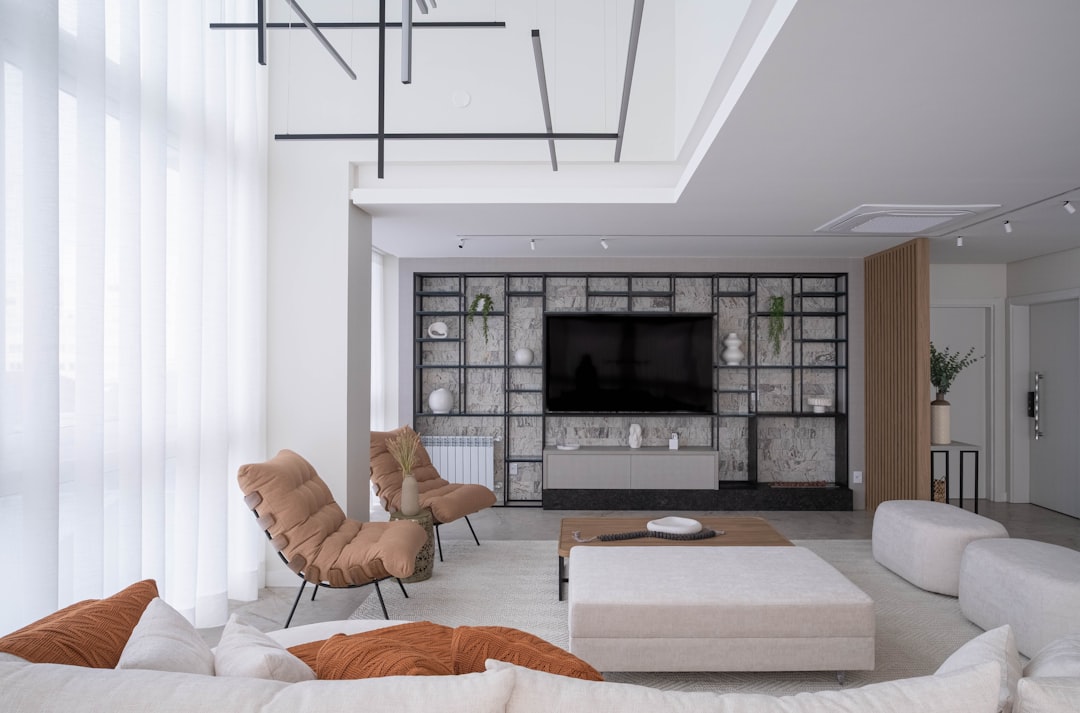
The choice often boils down to whether you see your bookshelf as a library or a landscape. One is for storage; the other is a focal point you’ll dust every Saturday.
Your living room floor plan is a lie—or at least, it’s optimistic. That neat rectangle you sketched on your phone, the one where the bookshelf fits perfectly along the wall between the window and the air-con unit, often forgets about the 15cm protrusion of the trunking or the actual swing of the balcony door. So before you head out, take a final, ruthless audit. Measure the exact linear wall space available, then subtract 10cm for breathing room; that’s your maximum shelf width. More critical is depth: a standard 30cm-deep shelf holds books and decor neatly, but if you’re eyeing a 45cm-deep storage unit for board games and photo albums, you’ll lose nearly half a metre of floor space in a 4-room BTO living room. That’s the difference between a clear walkway and a constant shimmy.
This is where you reconcile the display versus storage tug-of-war. A floor-to-ceiling glass cabinet looks striking in a Tampines condominium’s double-volume space, but in many HDB flats, it becomes a wall of visual noise. Open shelving demands constant curation—it’s a style commitment. Closed cabinets with timber or sintered stone doors hide the inevitable daily clutter, but they can feel heavy in a north-facing room with limited light. Decide your ratio: perhaps two-thirds concealed storage for living essentials, one-third open display for your favourite ceramics or a curated book collection.
Material choice isn’t just about aesthetics; it’s a practicality for your estate’s microclimate. Solid rubberwood is stable, but in a humid, ground-floor landed property near Siglap, you’ll want to check for thorough sealing against moisture. Laminated particleboard is cost-effective, but direct afternoon sun in a west-facing Bedok flat can warp shelves over time—opt for finishes with UV protection. For coastal homes near Tanah Merah, metal frames should specify powder-coated anti-rust treatment.
Finally, plan the layout to sidestep the clutter pitfall from the start. Don’t centre the shelf on the largest wall as a default. Instead, consider placing it perpendicular to your main seating, creating a visual anchor that doesn’t dominate the room. Leave intentional negative space around it; that empty wall area is what makes the arrangement feel composed, not crammed. Your goal isn’t to fill every cubicle, but to create a backdrop that lives with you, not for you.