The humidity in a fourth-floor Tampines HDB can ruin a bookshelf's wiring in under a year, if you don't plan for it. That's the first, often unspoken, rule of lighting your display items here: Singapore's built-form dictates your choices long before aesthetics enter the picture. A 20 sqm living room in a 4-room BTO, for instance, leaves no room for lateral sprawl; your lighting scheme must think vertically, using narrow, directed uplights or integrated LED strips to draw the eye up the shelves without stealing precious floor space. It's a tight, technical puzzle.
Condominium layouts present the opposite challenge. Floor-to-ceiling windows in a River Valley or Tanjong Rhu unit flood the space with light, which is glorious until you're trying to view a collection without glare. Here, your lighting needs to work *with* the ambient light, not against it. Anti-reflective glass for display cabinet doors becomes essential, and warm, adjustable spotlights can counterbalance the cool, diffuse daylight to keep your items from looking washed out.
For landed property owners in neighbourhoods like Serangoon Gardens, the issue is often scale and infrastructure. Longer cable runs from the main power source to a freestanding bookshelf are a genuine consideration, pushing solutions toward wireless, battery-operated picture lights or fixtures that can be neatly wired along skirting boards. The material of the fixture itself still matters—that 80% humidity doesn't disappear just because you have a garden.
Ultimately, your housing type sets the non-negotiable parameters. A brass picture light might look perfect in a showroom, but in many landed homes, it'll tarnish within months unless it's specifically treated for coastal climates. The most effective lighting plan starts not with a catalogue, but with a clear-eyed look at your room's dimensions, its light sources, and the consistent weather it endures.
Singapore’s humidity is a known enemy of electronics, but it’s the slow, silent condensation that ruins most bookshelf lighting. You’ll see it first as a faint haze inside the diffuser, then as flickering segments—a failure that’s almost always down to moisture ingress, not a burnt-out diode.
That’s why your first criterion should be an IP rating. Prioritise IP65-rated or fully sealed LED strip channels; the extra few dollars over basic open-backed strips buys years of reliability in our 80% average humidity. This isn’t just for bathrooms—it’s for any shelf holding ceramics or plants, where ambient moisture is higher. The construction matters, too: aluminium channels with silicone end caps typically outperform flimsy plastic housings that warp and let damp in.
Light temperature is your next tool. A 2700K warm white will enrich wood tones and leather-bound books, making a dark teak shelf feel cosier. For displaying ceramics, white marble, or glassware, a 4000K neutral white provides a cleaner, more daylight-accurate look that prevents pieces from appearing yellowed. Mixing temperatures on the same unit rarely works—it just looks like a mistake.
Finally, measure your shelf depth precisely. A common misstep is surface-mounting a light on the front edge of a deep shelf, like the 30cm-deep Billy bookcase found in many homes; this casts a harsh shadow that hides the back third of your display. The solution is recessed lighting, where the LED strip is mounted further back or under a lip to wash light forward. In a 4-room BTO, where every centimetre of display space counts, that recessed placement is what actually lets you see your favourite pieces.
Aluminium heat sinks aren't a luxury feature; they're a basic requirement for any integrated lighting in a built-in bookshelf. You'll find them in the better lighting kits, often sold separately from the shelf unit itself. That plastic housing around a cheap LED strip might look fine for a month, but in a closed carpentry environment, it traps heat and dramatically shortens the light's lifespan. The result is a dim, yellowing glow within a year, and you're left trying to pry a failed strip out of a fixed alcove. Investing in a proper aluminium-channel system is the difference between a temporary fix and a permanent installation.
Using standard ceiling downlights for shelf accenting is a classic misstep—it creates harsh pools of light and intense glare off book spines and ornaments. The beam angle is all wrong for the task, designed to illuminate a floor area from above, not graze a vertical surface from within. You want a wide, even wash of light, which typically comes from a recessed LED strip or a dedicated, shallow-profile puck light. That harsh spotlight effect might seem bright, but it actually makes the objects harder to see properly, defeating the whole purpose of display lighting.
Forgetting to plan for the transformer's location is the kind of error that only surfaces after the carpenter has sealed up the last panel. These boxy units need airflow and, crucially, they need to be reachable for replacement or troubleshooting. Burying one behind a fixed back panel in a BTO living room bookshelf guarantees a future headache when it eventually fails or overheats. A smart installer will plan a discreet but accessible cavity, perhaps within a kickboard or behind a removable plinth, ensuring the entire system remains serviceable for years.
An all-plastic housing for any lighting element is a clear signal that the product is built for a short life, not for the seven-to-ten-year refresh cycle many Singapore homeowners work to. Beyond the heat issue, these plastics become brittle in our consistent humidity, cracking and discolouring over time. You can often feel the difference in heft between a plastic-cased light bar and one with a metal body. That physical weight translates directly to durability and better heat dissipation, making it a non-negotiable point for any serious built-in application.
The core mistake is treating all "light" as the same, when shelf accenting requires a very specific type of illumination. It's about creating ambience and revealing texture, not about achieving maximum lumens. A light that's perfect for a kitchen counter will be far too clinical and direct for a living room display of ceramics and hardcover books. You're not trying to read by this light; you're trying to sculpt with it. Getting that intention right from the start steers you away from the wrong hardware and towards solutions that actually enhance the display.
" width="100%" height="480">Optimizing bookshelf lighting: highlighting your display items effectively (how_to)Direct brighter beams of light onto special collectibles, art pieces, or decorative bookends. Use adjustable spotlights or directional LEDs to create focal points and draw the eye. This strategic highlighting adds visual interest and tells a story about your most prized possessions.
As your display changes, your lighting should adapt. Install track lighting or flexible gooseneck lamps that can be easily repositioned. This allows you to perfectly highlight new acquisitions or seasonal decorations without rewiring or installing new fixtures.
Position lights to highlight the objects, not the fixtures themselves. Use discreet LED strip lights mounted under shelves or small puck lights hidden behind book stacks. This technique creates a magical, gallery-like effect where the items seem to glow from within.
Select warm white bulbs (2700K-3000K) to create a cozy, inviting atmosphere that complements wood tones and decor. Cool white light can feel sterile and is less flattering for most displayed items. The right color temperature enhances textures and colors without distorting them.
The difference between a catalogue photo and a showroom floor is the difference between imagining light and feeling its warmth. In a compact BTO layout, where every centimetre of your display cabinet matters, understanding how illumination behaves on actual finishes isn't a luxury—it's critical planning. You can’t gauge the precise beam spread of an integrated LED strip from a product description; you need to see how it falls across dark oak grain versus a white laminate surface, how it avoids glare on glass doors, and whether it truly makes your ceramics or books pop. That’s precisely why a visit to a physical showroom becomes non-negotiable. At Megafurniture’s Joo Seng and Tampines locations, for instance, their configured displays demonstrate complete lighting solutions on actual bookshelves and display cabinets. You’ll see the practical result of choosing a 3000K warm white over a 4000K neutral beam, observing how each temperature interacts with your preferred wood tone or painted finish. It’s a tangible lesson in layering ambient and accent light, something that’s notoriously difficult to visualise from an online shopping cart. For homeowners in Tampines or those near the East-West Line, this hands-on assessment resolves a common frustration. A light that looks perfect highlighting a single vase in a marketing image can often wash out an entire shelf in a narrow HDB alcove. In the showroom, you can step back, view the setup from the typical viewing angle of your own living room, and judge the visual depth it creates. Does the light create sharp, dramatic shadows or a soft, even glow? The answer dictates whether your collectibles look curated or merely stored. This exercise is particularly valuable for darker finishes, like walnut or the mentioned dark oak, which can swallow poor lighting whole. A showroom lets you confirm the fixture’s lumen output is sufficient to combat that absorption without creating hotspots. You’re not just buying furniture; you’re commissioning a backdrop for your favourite pieces. Ultimately, it’s about mitigating risk in a significant purchase. Committing to a built-in lighting scheme from an online spec sheet is a gamble with your living room’s focal point. A short trip to see these integrated solutions in three dimensions provides the confidence that your final
living room furniturearrangement will function as intended—as a properly lit, personal gallery.
A well-lit bookshelf can become the centrepiece of your living room, but the final cost and hassle often hinge on details buried in the fine print. The integrated lighting that makes your display items pop might come with a separate assembly fee, and in many cases, you’ll need to hire your own electrician to wire it up—retailers typically won’t touch mains voltage connections. It’s a hidden line item that can add a few hundred dollars to your budget, so always ask for a breakdown before committing.
Warranties are another area where specificity matters. Most furniture warranties cover structural frames for five years or more, but the integrated LED strips and, more critically, their drivers often fall under a different, shorter policy. You’ll want explicit confirmation that the warranty covers these electronic components, typically for two to three years; if it’s not written down, assume it’s not covered. The driver is the component most likely to fail, and replacing it usually means dismantling part of the unit.
Logistics get trickier with condominiums and taller, lighted display units. Delivery slots for condos are often tighter, confined to specific loading bay hours, and you’ll need to confirm lift dimensions well in advance. A 2.1-metre tall unit might just fit in a standard lift, but add packaging and you could be stuck in the loading bay with a disassembly fee. For landed properties, access is generally simpler, but narrow gateways and interior stairwells can pose their own challenges.
Ultimately, a seamless installation relies on your own due diligence. Measure your lift’s interior height and diagonal depth, account for the delivery team’s trolley, and get all service promises—especially concerning lighting assembly—in writing. It’s the unglamorous groundwork that ensures your new centrepiece arrives, fits, and stays lit for years to come.
It’s the practical, oddly specific questions that reveal how Singaporeans really live with their furniture — not the broad aesthetic guides, but the nitty-gritty of wiring, shelf depths, and colour temperatures for prized collections.
Can I install bookshelf lights myself in HDB? For low-voltage LED strips or plug-in puck lights, yes — it’s often a weekend project. The real constraint is your flat’s layout; you’ll need to route cables neatly from the nearest power point, which might mean skirting a feature wall or tucking wires behind the shelf unit itself. Hardwired installations, however, require a licensed electrician, especially if you’re tapping into an existing circuit — HDB rules are strict on this, and it’s not a DIY risk worth taking.
Best colour temperature for displaying Peranakan tiles? Aim for a warm white, around 2700K to 3000K. Cool white washes out the intricate blues and greens, while warm light enhances the earthy tones and gives the tiles a glow closer to how they’d look in a traditional shophouse. Direct the light at a shallow angle to catch the texture and glaze without creating harsh, distracting shadows on the surface.
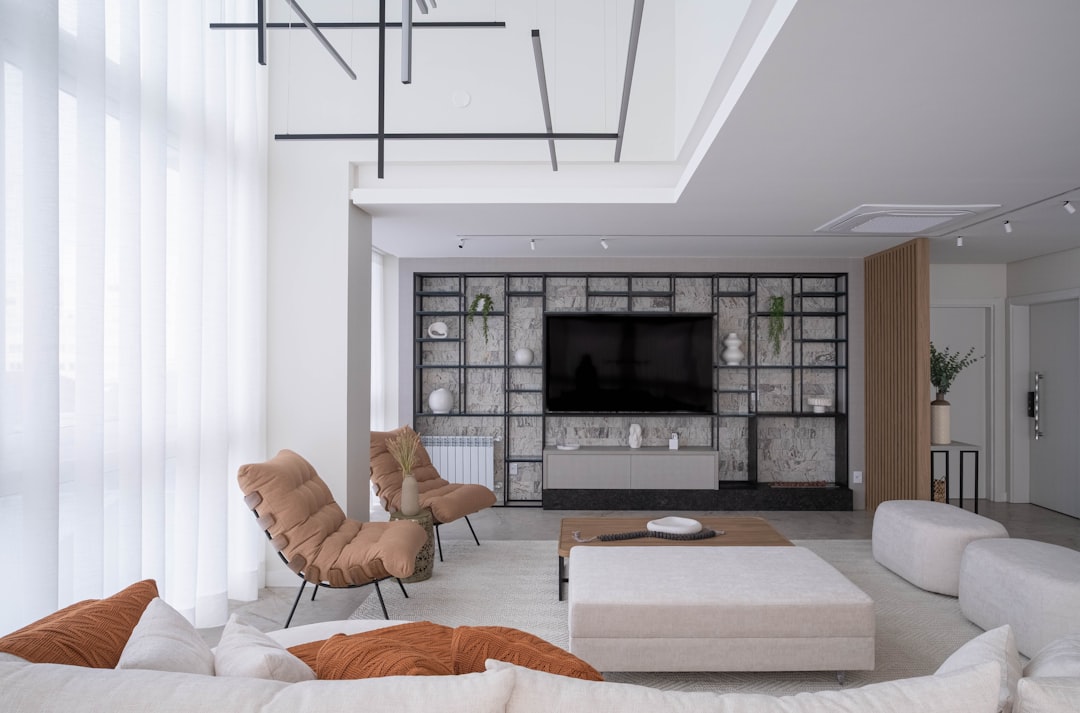
How to light a deep 45cm shelf? Standard downlights won’t reach the back. You need a linear solution: a slim LED strip mounted at the front edge of the shelf, angled slightly inward, will flood the entire depth evenly. For adjustable highlighting, consider miniature track systems or a series of low-profile spot pucks spaced about 30cm apart along that front edge — they’ll throw light deeper than you’d think.
Difference between LED strip and puck lights for manga collection? Strips provide continuous, even illumination across the entire row, which is ideal for a uniform look and avoiding dark spots between volumes. Puck lights offer more dramatic, focused pools of light; they’re better for creating visual rhythm or highlighting specific book series, but you’ll need to calculate spacing carefully to prevent a “spotty” effect. Both work, but the choice depends on whether you want the collection to glow as a block or have individual titles pop.
The most common mistake in showroom lighting is forgetting the shelf itself. You'll see a beautifully lit display, decide on a system, then realise it won't mount cleanly to your solid teak unit or that the 5cm depth leaves cables dangling over your paperbacks. Verify your bookshelf's material and exact interior depth first; a note on your phone is better than a guess.
Bring photos of what you're actually lighting. A curator's approach works here. Figurines and ceramics need focused, directional light from above or the side to cast dramatic shadows and highlight texture, while books and photo albums require even, diffused illumination across the spine to prevent glare and hot spots. Your phone's gallery holds the cheat sheet.
Your control method is a lifestyle choice, not just a switch. A basic manual toggle is reliable and cost-effective for a single, always-on accent. A dimmer offers more nuance, letting you balance display lighting with your room's ambient mood after sunset. For many in Singapore, smart home integration is the logical endgame — it allows you to tie the lights into existing voice or app routines, or set schedules that work around your peak electricity tariff periods.
Decide this before you're faced with a wall of options. It narrows the field immediately, turning a potentially overwhelming choice into a simple verification exercise. You're not just buying a light; you're commissioning a small, permanent installation for your favourite objects.
With your material specs, photos, and control preference settled, you can walk into a showroom and ask the right questions. You’ll know to check if the smart system works with your existing home hub, or if the fixture's mounting hardware is compatible with your shelf’s 18mm engineered wood panel.