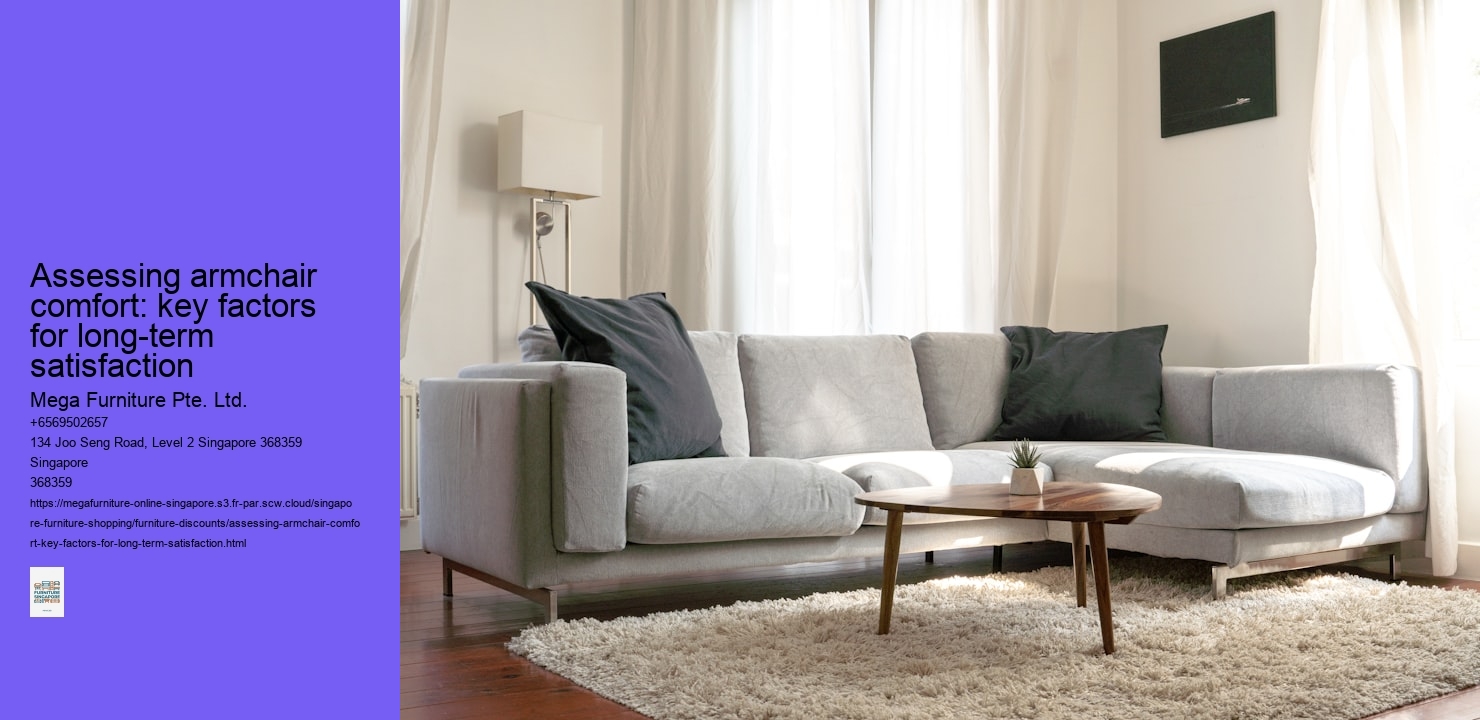
A nine-square-metre BTO common room and a twenty-five-square-metre condo hall are both called living rooms, but that’s where the similarity ends. Scale missteps here don’t just look awkward; they physically block walkways in an HDB or leave a cavernous void in a landed terrace. The armchair that fits perfectly in a Punggol BTO’s nook will get lost in a Bukit Timah semi-detached’s lounge area. You need precise dimensions, not just a tape measure against an empty wall. Humidity that regularly exceeds 80% will warp cheap MDF frames within a season, and direct afternoon sun from a west-facing window in a Clementi flat will fade even premium fabrics. Before you measure for a new armchair, factor in the existing footprint of your three-seater sofa and your coffee table—that’s your real starting point. The clearance you leave is what dictates whether a room feels organised or cluttered. Materials and construction become non-negotiable in our climate. A solid rubberwood frame with a performance velvet or treated linen upholstery will handle the moisture, while a sealed, sintered stone side table won’t stain from condensation. For sun-drenched spots, look for fade-resistant fabrics or consider a strategic placement that avoids the harshest rays; it’s a simple step that preserves colour for years. The budget conversation shifts dramatically with context, too. Spending $800 on an accent chair for a compact space makes sense if it’s a primary seat, but that same sum might only cover a supplementary piece in a larger layout. It’s less about the price per item and more about its proportional impact in the room. For those mapping out a full scheme, browsing a comprehensive
living room furniture collectioncan help visualise how pieces relate. Ultimately, your living room’s postal code—HDB, condo, or landed—sets the rules for scale. Ignoring them means buying furniture twice.
The first test of a good armchair is whether you can sit cross-legged without your knees hanging over the edge. That’s seat depth, and it’s a quick measurement that reveals more about fit than any style detail. For most Singaporean adults, a standard seat depth of around 45cm aligns well with local sizing; taller buyers should look for 48cm or more to avoid that perched-on-a-stool feeling, especially in a deep lounge chair meant for weekend afternoons. It’s a simple check—measure from the back cushion to the front edge—that prevents years of minor discomfort.
What’s inside the cushion matters just as much. Polyester batting feels plush initially but compresses into hard, flat panels after a year of nightly use. High-resilience foam, while firmer at first touch, maintains its shape and support over time; it’s the difference between a chair that sags in the centre and one that still offers proper lumbar alignment. You’re not just buying a seat, you’re buying a structure that needs to last through seven to ten years of family life, from reading sessions to post-work decompression.
Back height and armrest angle then determine the chair’s true purpose. A high, winged back with a slight recline is ideal for reading, offering neck support and a sense of enclosure. A lower back with wide, gently sloped armrests suits TV-watching, allowing for easy movement and a more social posture. Many showroom chairs feel wonderfully soft, but that initial sink-in sensation often fades faster than the foam—posture support is what prevents the lower back ache after an hour-long film.
Ultimately, comfort is a long-term calculation. A chair that feels slightly firm in a Tampines showroom might be the one that still feels right in your Ang Mo Kio living room five years later, while a cloud-like option could leave you shifting constantly. It’s about finding the balance between immediate appeal and how you’ll actually use the piece, day after day.
Full-grain leather's breathability makes it a surprisingly viable choice for a humid living room, as it won't trap heat and moisture against you. It does, however, demand a maintenance ritual that many buyers underestimate — you'll need to condition it every few months to prevent cracking. In a sun-drenched corner of a landed property or a west-facing condo window, that leather can dry out faster than you'd think. While it develops a rich patina over years, initial spills from kopi or curry need immediate attention to avoid permanent rings. It's a material for those who view furniture as a long-term investment, not a disposable item.
Engineered textiles like Crypton or Sunbrella are the pragmatic centrepiece for homes with young children or pets. These fabrics aren't just stain-resistant; they're built to repel odours and withstand the occasional claw scratch from a determined feline. The technology involves a backing layer that blocks liquids from penetrating the cushion foam beneath, a critical defence in a climate where mould is a constant threat. You'll pay a premium, but the trade-off is a chair that looks presentable for guests with only a damp cloth wipe-down. For a 4-room BTO with a boisterous toddler, it's often the only sensible choice.
Untreated cotton or linen, while breathable and often appealingly textured, is a recipe for disappointment in Singapore's dampness. The fabric absorbs ambient moisture like a sponge, leading to that unmistakable musty smell and potential mould growth within the cushion layers. Even with aggressive air-conditioning use, the constant humidity cycle during monsoon seasons will eventually take its toll. It's a material better suited for decorative cushions you can easily launder, not for the primary upholstery of a daily-use armchair. In many HDB flats without 24-hour dehumidification, you might see issues within a single year.
The unseen kiln-dried hardwood frame is what separates a chair that squeaks and rocks after 18 months from one that remains solid for a decade. Kiln-drying is non-negotiable; it forcibly removes moisture from the wood to prevent warping or splitting in our climate. Teak and acacia are local favourites for good reason — their natural oils offer inherent resistance to the humidity that can swell and ruin cheaper pine or rubberwood. A well-built frame should feel immovable when you test it in the showroom, with joints that are screwed and glued, not just stapled. This is where a significant portion of your budget should quietly go.
Singapore's specific environment dictates a short list of truly suitable materials, rendering many imported or trendy options impractical. That beautiful bouclé wool chair from a European catalogue will likely become a matted, hot mess in our heat. The real test is how a material handles the intersection of high humidity, occasional intense sun, and the inevitable household spill. It's why performance fabrics and treated hardwoods consistently outperform their more natural counterparts in long-term reviews from homeowners in neighbourhoods from Bedok to Jurong. Your material choice isn't just about aesthetics; it's a direct response to the local weather forecast.
That new armchair looked perfect in the showroom, a plush recliner promising weekend naps. Then it arrives, and its fully extended footrest blocks the entire path to the balcony door — a classic HDB miscalculation where scale on paper meets reality in a 3.5-metre-wide living room. Prioritising a statement silhouette over practical dimensions is the first stumble; an oversized recliner might dominate a landed property’s lounge, but in many narrow BTO layouts, it simply becomes a permanent obstacle. You’ll end up sidling past it for years, the promised comfort eroded by daily inconvenience.
Material choice is another frequent misstep, particularly when aesthetics trump cleanability. A light, nubby bouclé or a trendy pastel velvet might anchor your colour scheme beautifully, but it’s a poor defence against a shedding pet or humid-season humidity. In a compact space where the armchair is within constant reach, surfaces need to withstand more than just occasional use; performance fabrics with stain-resistant treatments aren’t just a luxury, they’re a necessity for maintaining a fresh look in a pet household. That beautiful chair will lose its appeal quickly once it becomes a repository for hair and the faint shadow of last week’s curry puff.
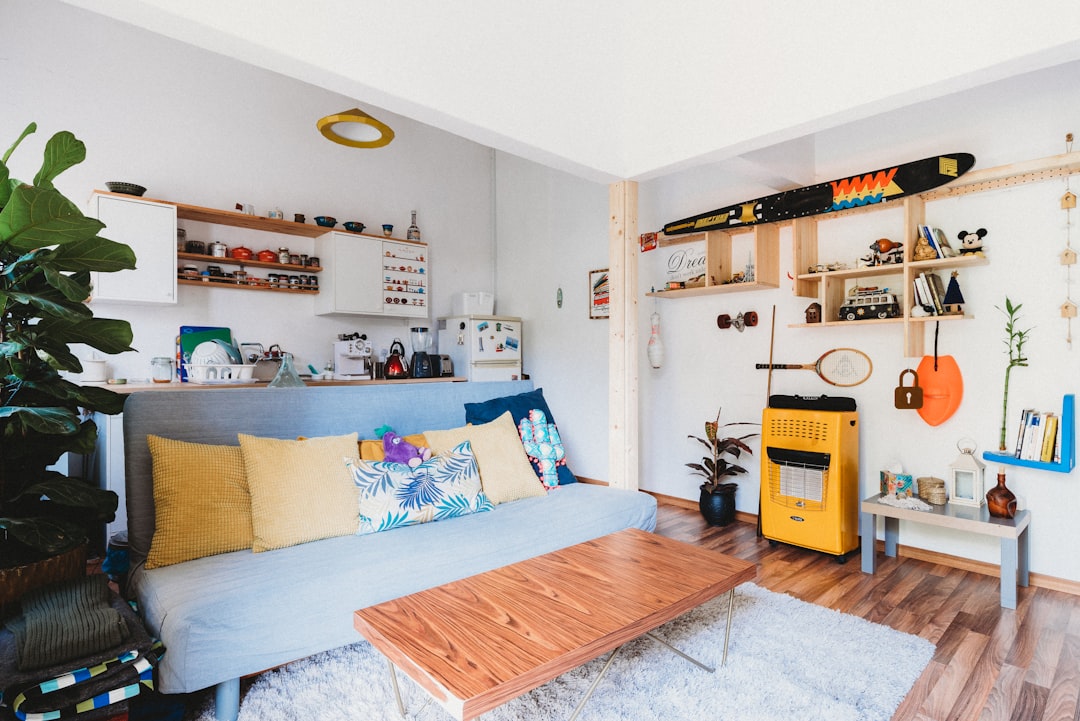
Finally, there’s the logistical oversight that can stop a delivery dead: ignoring access constraints. You might measure your doorway, but have you measured the stairwell in your walk-up apartment? A 70cm clearance is common in older blocks, and a fully assembled chair frame simply won’t pivot through. Even in newer BTOs with lifts, the internal dimensions matter — a standard lift might only accommodate pieces under 210cm in height, ruling out some tall, pre-assembled bookcases or high-backed accent chairs. Always confirm key corridor widths and lift measurements with your building management before committing; the best furniture is the kind that actually makes it into your home.
A buyer can spend hours scrolling through product galleries, but that doesn’t tell them if a bouclé armchair will scratch like wool or if a mid-century modern piece will dwarf their 3.5-metre HDB living room wall. You’ll only know by visiting the showroom — that’s where the real assessment begins, because dimensions on a screen lack spatial context and fabric swatches don’t convey the full hand-feel. At Megafurniture’s Joo Seng and Tampines locations, you can physically test cushion firmness and compare armchairs against the actual TV consoles and side tables they’re meant to accompany. This on-site testing reveals practical truths: a linen blend that looks breathable online might feel stiff and hot; a plush-looking seat cushion might lack the lumbar support needed for long movie nights. Staff there, familiar with common HDB layouts from Bedok to Jurong, can advise on clearance for walkways or whether a particular rubberwood frame will withstand Singapore’s humidity better than a cheaper engineered wood option. The showroom environment forces you to consider cohesion — something a website alone typically misses. You might love an armchair in isolation, but seeing it next to a proposed coffee table can expose a clashing leg style or an uncomfortable height mismatch. It’s one thing to measure a 90-centimetre wide chair for your BTO living room; it’s another to walk around it, gauging if it will block access to your balcony door or crowd your existing sofa. That spatial context is crucial for long-term satisfaction, especially when navigating the constraints of a 4-room flat or a compact condo layout. You’re not just buying a single piece; you’re building a room that has to function daily. For a comprehensive look at how different elements can work together, it’s worth browsing the
living room collectionwith those specific showroom insights in mind.
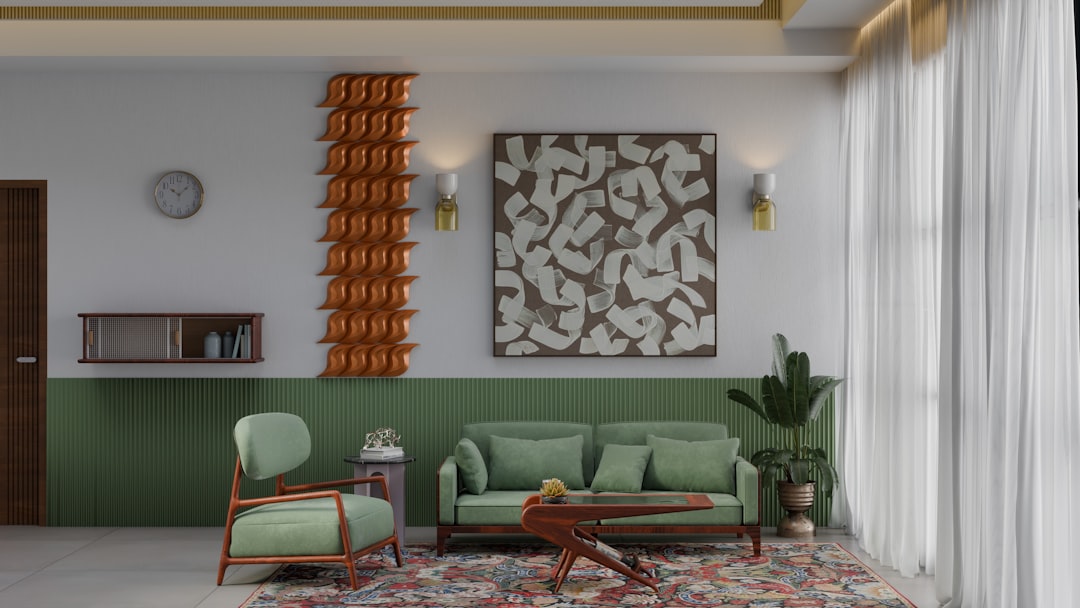
The delivery crew will call you from the void deck, which is your signal to start clearing the corridor. In Singapore, two-man delivery is standard for walk-up apartments, but that doesn’t mean they’ll haul a large armchair up five flights without a word. For BTO blocks and newer condos with centralised lift lobbies, you’ll likely need to book a two-hour slot with the building management—a task best done weeks before your furniture arrives, not the morning of. Self-assembly can save you a couple hundred dollars, a real consideration when you’re furnishing an entire 4-room BTO living room from scratch. That flat-pack box might fit neatly into your HDB lift, but the trade-off is stability; a professionally installed armchair, with its frame joints tightened and mechanisms checked on-site, won’t develop that tell-tale wobble after six months of daily use. For heavier recliners or swivel models, paying for installation is less a luxury and more an insurance policy against future headaches. Warranties here follow a clear hierarchy. A ten-year frame warranty is practically industry standard, offering long-term peace of mind for the core structure. Mechanisms—like those in a recliner—typically come with five years of coverage. The real distinctions lie in the exclusions. Fabric wear and tear from daily use isn’t covered, nor is sun damage from a chair placed in that relentless afternoon glare off Marine Parade. That fading on a navy velvet chair isn’t a defect; it’s just the Singapore sun doing what it does. Understanding these specifics before you buy means you won’t be disappointed later, and it lets you plan for maintenance—rotating cushions, using blinds—from the start. You can explore a range of options built for local conditions at
Megafurniture’s collection.
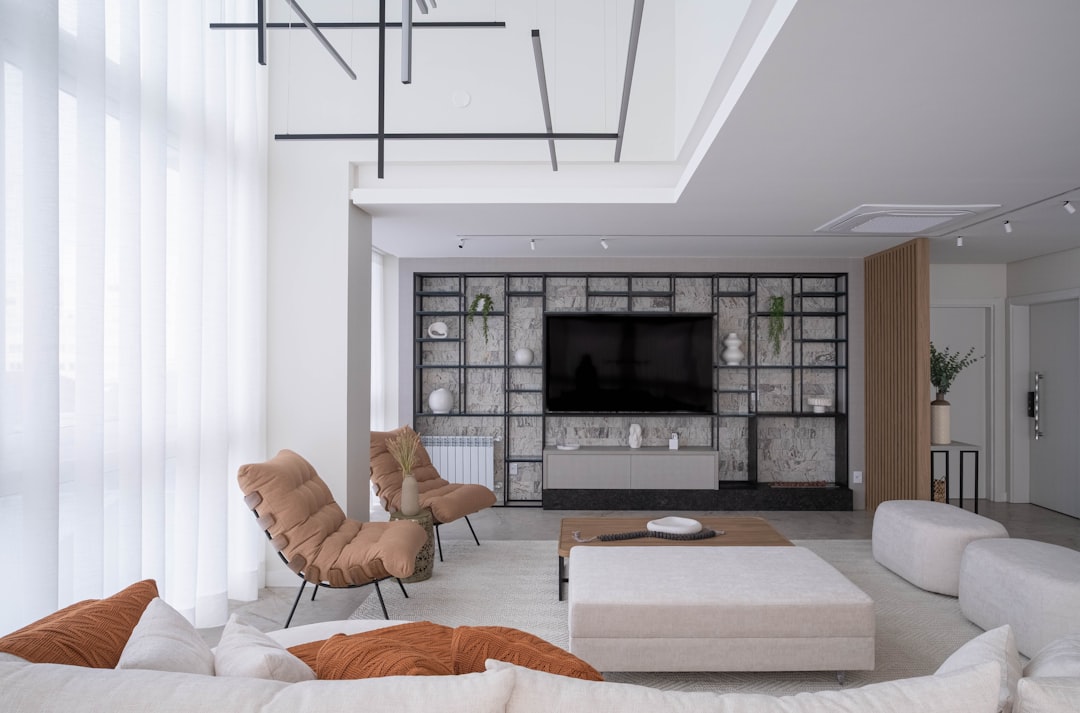
The most common armchair purchase question in Singapore isn't about style or comfort—it's whether the thing will fit through the front door. That's a practical hurdle before any aesthetic consideration even begins.
Standard BTO main doors offer a clear width of around 80cm, which means many oversized accent chairs, especially those with wide, fixed arms, simply won't make it past the threshold. Buyer should measure the chair's widest point—often the arm-to-arm span—and compare it to their own doorway's actual clearance, not the nominal size. Delivery teams frequently encounter this issue in newer estates like Tengah or Sengkang, where the excitement of a new purchase meets the immediate reality of a narrow entryway.
For fabrics in humid east-side flats facing the sea, like those in Bedok or Pasir Ris, solution-dyed acrylics are a standout choice. They resist UV degradation and moisture-driven mildew far better than standard polyester or cotton blends, maintaining colour without the musty smell that plagues lesser materials in perpetually damp conditions.
Is a swivel chair suitable for elderly parents? It can be, provided the base is low-slung and exceptionally stable—a wide, five-prong metal foot is safer than a narrow four-prong design. The swivel mechanism itself must be smooth and controlled, not loose or jerky, to prevent unexpected momentum when sitting down or getting up.
On cost, the difference between locally assembled and fully imported brands for comparable specs—a solid rubberwood frame, performance fabric, and proper cushioning—typically runs 30 to 50%. That gap reflects shipping, import duties, and brand markup, not necessarily a difference in durability for daily use in a 4-room BTO living room.
The long-term resilience of the cushioning material directly impacts comfort durability and support. High-density foam that slowly regains its shape provides lasting comfort without permanently compressing over years of use. The chosen upholstery material also affects breathability and feel, influencing overall satisfaction during prolonged sitting sessions.
Proper seat depth is critical for long-term comfort, as it determines whether your thighs are fully supported without putting pressure behind the knees. The seat height must allow your feet to rest flat on the floor, promoting healthy circulation and reducing strain on the lower back. An ideal combination ensures proper weight distribution and prevents you from sliding forward, which is essential for extended periods of sitting.
Consistent lower back support is a primary factor in preventing discomfort and fatigue over hours of use. The chair's backrest should follow the natural curve of the spine to maintain good posture without creating pressure points. High-quality cushioning in this area that retains its shape over time is crucial for lasting satisfaction and spinal health.
The best armchair for your space is often the one you can actually get through the door and live with for five years. Before you sign off, run through this final list; it’s the tedious details that prevent expensive regrets.
Measure your room twice, and then account for the swing. In a typical 4-room BTO layout, an armchair needs clearance to recline without hitting the coffee table—that’s often an extra 30 to 50 centimetres of arc you forget on a floor plan. Don’t just measure the footprint; visualise someone sitting down with a full cup of kopi in hand. Fabric choice is about more than colour. Request a sample swatch of that performance velvet or bouclé and test it yourself—a drop of chili oil or sweet, milky coffee left for ten minutes will tell you more than any sales brochure. Some stain-resistant treatments handle one but not the other, and that’s a fact you want to discover in your kitchen, not on your new chair.
It’s also wise to verify the showroom model matches what you’ll receive. Plush down-filled cushions can sometimes be substituted with a firmer, cheaper polyester blend in production, altering the entire feel. Ask directly for the fill specification listed on your invoice. Finally, time your delivery. If you’re in the midst of a renovation, schedule it for after the sanding and painting dust has settled—those fine particles embed themselves in fabric and are nearly impossible to fully remove. A week’s delay can save you a deep-clean bill.
For a final review of options that fit Singapore’s common room dimensions, you can browse the living room collection at Megafurniture. Just ensure your chosen piece has passed all these practical checks first.