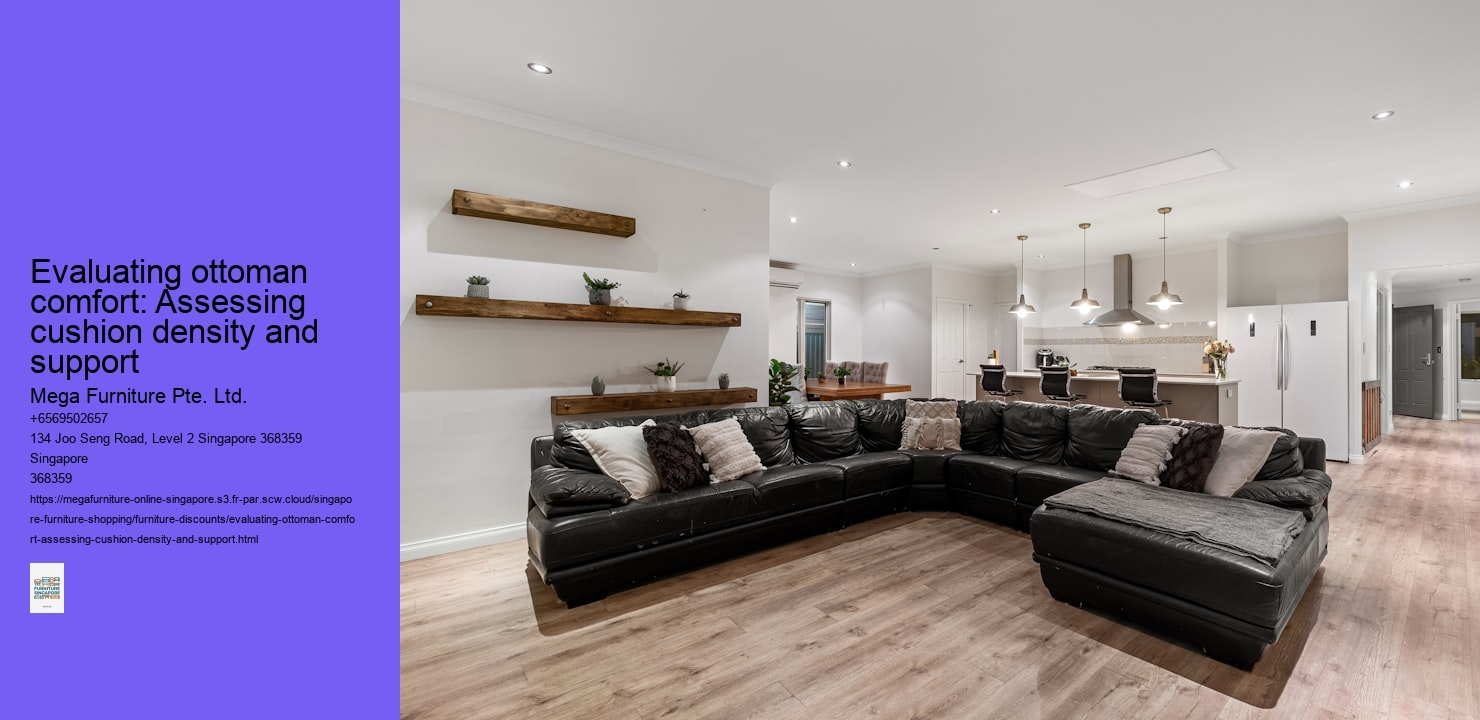
In a typical 12 sqm HDB BTO living room, every piece must justify its footprint twice over — first for its primary function, then for what it stores or enables. An ottoman here isn't just a footrest; it's often the only extra seating for festive gatherings, a makeshift coffee table for supper trays, and a hidden compartment for board games or spare cushions. That's a punishing schedule for a single piece of furniture, and its cushion density is the first thing to fail under the strain.
Contrast this with a 20 sqm condo living room, where a larger sectional might anchor the space, allowing an ottoman to serve a more dedicated role — perhaps as a plush, occasional footrest beside an armchair. In a landed property, with space to spare, an ottoman can afford to be a purely decorative accent, chosen for its bouclé texture or sculptural silhouette rather than its daily durability. The definition of comfort, then, shifts dramatically with your floor plan and household demands.
For the HDB dweller using an ottoman as a full-time footrest and frequent perch, a firmer, high-density foam core is non-negotiable. It won't sag after six months of nightly use, maintaining support that prevents backache during movie marathons. A plush, low-density cushion might feel luxurious in the showroom, but it'll quickly flatten into a disappointing pancake under constant pressure, leaving you with a shapeless cube that offers no comfort at all.
Conversely, if you're in a condo and only need occasional extra seating for guests, you can prioritise that initial cloud-like sink-in feel. A softer, plusher fill — whether down blend or a premium polyester fibre — creates an inviting, luxurious impression that's perfect for those few hours a year. The key is to match the material's resilience to the actual frequency of use; otherwise, you're paying for comfort you'll never experience or durability that's already compromised.
It's a common misstep to choose based on a single sit-test in a vast showroom. The real test is imagining that piece in your specific space, used by your specific household, every day for the next five years. That firm, supportive ottoman in the centre of a compact living room isn't just furniture — it's a strategic piece of domestic infrastructure.
A common complaint in Singaporean living rooms isn't about style, but about a sunken, misshapen ottoman cushion after just one year. That’s almost always a foam density issue, accelerated by our constant 80% humidity. Foam acts like a sponge; low-density foam absorbs atmospheric moisture, loses its spring, and collapses under regular use. For a piece that gets daily foot traffic or occasional seating, you’ll want high-resilience polyfoam with a density of at least 1.8 pounds per cubic foot (pcf). This heavier foam structure is far more resistant to moisture absorption, meaning it won’t sag into a permanent dent and will retain its supportive shape for years, even in a non-air-conditioned ground-floor landed property living room. The unseen frame matters just as much. Specify kiln-dried hardwood for the internal structure—beech or acacia are common choices that hold up well. This isn’t just about strength; the intensive kiln-drying process removes the moisture that attracts woodworm and fungal growth, a critical defence in our climate where untreated timber can quickly become compromised. A solid frame paired with high-density foam creates a foundation that won’t wobble or creak, turning an ottoman from a disposable decor item into a permanent, functional part of your living room layout. Fabric choice then becomes the final, critical layer. For homes with pets in Bukit Timah or Pasir Ris, a Crypton performance fabric is a sensible default—it resists stains, moisture, and odours inherently. In a coastal condo at Marine Parade or Sentosa, where salt air and higher humidity are factors, a performance linen or textured weave promotes better airflow over the foam core, preventing that damp, clammy feel. Conversely, avoid bonded leather entirely if your east-west facing HDB living room in Punggol or Sengkang gets strong afternoon sun; the material will crack and peel within seasons, no matter how careful you are. Ultimately, the goal is to select materials that work with Singapore’s environment, not against it. A well-specified ottoman should feel as supportive in year three as it did on day one, whether it’s parked in front of a sofa in a Tampines HDB or acting as a flexible seat in a Tanjong Pagar condo. You can explore a range of living room pieces built with these considerations at
Megafurniture’s collection, where specifications like foam density and frame material are clearly listed for comparison. It’s a practical approach that prioritises longevity over fleeting trends.
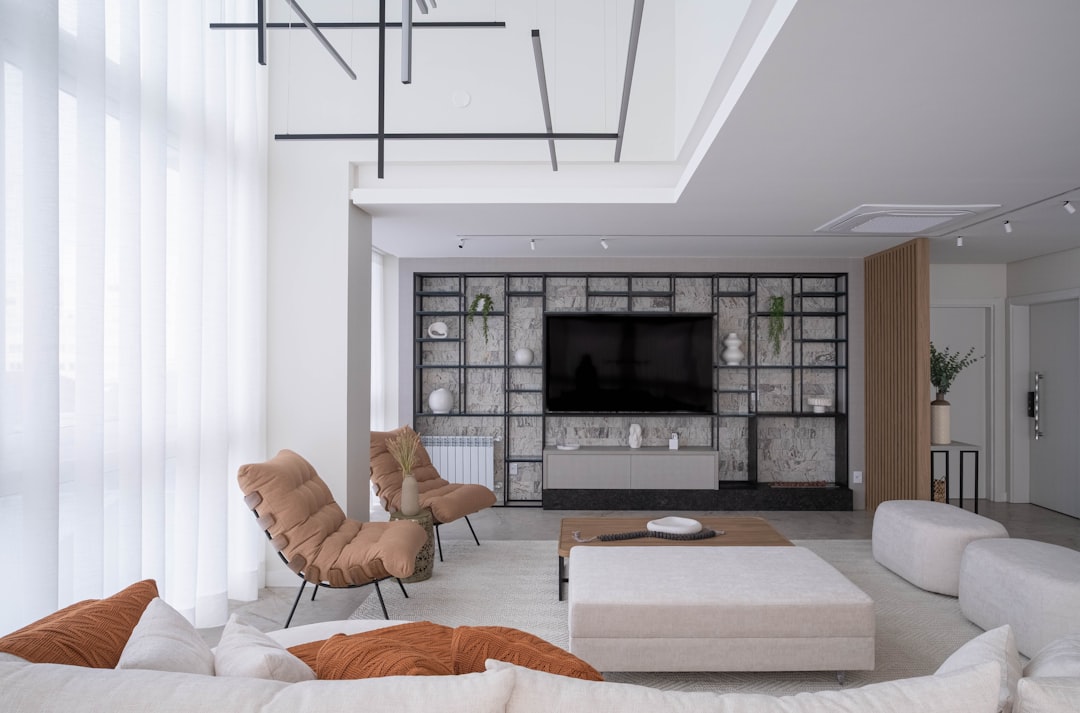
That 120cm-wide ottoman looks perfect in the showroom, but in a 3.2m-wide HDB living room, it's a corridor blocker. Buyers often forget to subtract the sofa's depth and the coffee table's footprint, leaving less than 60cm for actual movement. You'll end up with a permanent shin hazard between the sofa and the TV console, forcing a sideways shuffle that defeats the purpose of open-plan living. Measure the clear floor space you need first—typically a 90cm path is the bare minimum for comfortable flow. An ottoman over 100cm wide usually demands a landed property layout, not a typical BTO.
Choosing the wrong foam density is a direct path to a sagging, useless centrepiece within a year. A person weighing over 90kg will rapidly depress standard 1.8 density foam, creating a permanent dent that ruins both comfort and aesthetics. Higher density foam, around 2.4 or above, provides the necessary resistance for long-term support without feeling rock-hard. It's a classic case where the initial cost savings vanish when you're shopping for a replacement just 18 months later. Prioritise the foam's technical specs over the fabric colour—it’s the unseen foundation that determines longevity.
Ignoring the lid mechanism on a storage ottoman guarantees a future of frustration and possibly a repair bill. The smooth-close hydraulic hinge isn't a luxury; it's a necessity for preventing slammed lids and pinched fingers, especially in homes with children. Cheaper models with simple friction hinges or no stay-open feature become annoying obstacles when you're trying to access blankets or board games. Test the open-and-close action rigorously in the showroom, imagining doing it one-handed while holding a laundry basket. A good mechanism feels substantial and silent, not like it's grinding against itself.
Singapore's persistent dust means that light-coloured linen or rough bouclé will look grubby within weeks, no matter how often you run the air purifier. Prioritising a trendy, hard-to-clean fabric over a practical, treated one is a common regret. Performance fabrics with stain-resistant treatments or easy-wipe leathers are smarter for a piece that constantly encounters bare feet, spilled snacks, and airborne moisture. You want a material you can quickly wipe down with a damp cloth, not one that requires professional cleaning after a single incident. Style should follow from liveability in our climate, not the other way around.
An ottoman that’s taller than your sofa seat cushion creates an awkward, uneven line that visually clutters the room. The ideal height is typically level with or just slightly lower than the seat of your primary sofa, creating a seamless extension for lounging. Similarly, a tiny pouf in the centre of a large sectional looks lost and incidental, like an afterthought. Scale is everything—it’s about creating a cohesive furniture group that serves the room's function, not just filling an empty spot on the floor. Get this wrong, and the piece will always feel like it's from a different set, disrupting the room's entire harmony.
A good ottoman can vanish into a room's layout for a decade, only to prove its worth when you need an extra seat during Lunar New Year — or when you stub your toe on a rigid corner at 2 a.m. That's why a showroom visit is less about style and more about a physical audit. At Megafurniture's Joo Seng showroom, you can conduct one. Start with the Jumbo Ottoman: press down firmly on its centre and watch how slowly the foam recovers. A quick, bouncy spring-back often means lower-density padding that'll flatten within a year; a deliberate, gradual return suggests it'll hold its shape under daily use. Then, check the Tiong Bahru Storage Cube. Sit on the lid, shift your weight, and listen. Any creak from the hinge or give in the structure is a red flag for a piece that'll see constant opening and closing.
Pay close attention to the floor models, especially in a humidified space. Run a finger along the stitching on displayed items; puckering or loose threads aren't just cosmetic, they're the first point of failure where fabric will eventually tear. Look at the legs of pieces that have been on the floor for months — any warping or discolouration tells you how the materials handle Singapore's climate without the buffer of air-conditioning.
The real test is spatial. Compare the compact ottomans against the BTO living room mock-ups in the showroom. A smaller piece, like a simple padded cube, might look lost in a spacious landed property layout, but it's often the perfect flexible accent for a 4-room HDB where floor space is measured in centimetres. Can you easily pull it alongside the sofa for extra leg support, or does it block the main walkway to the kitchen? In many homes, an ottoman that's too large becomes permanent furniture you have to navigate around.
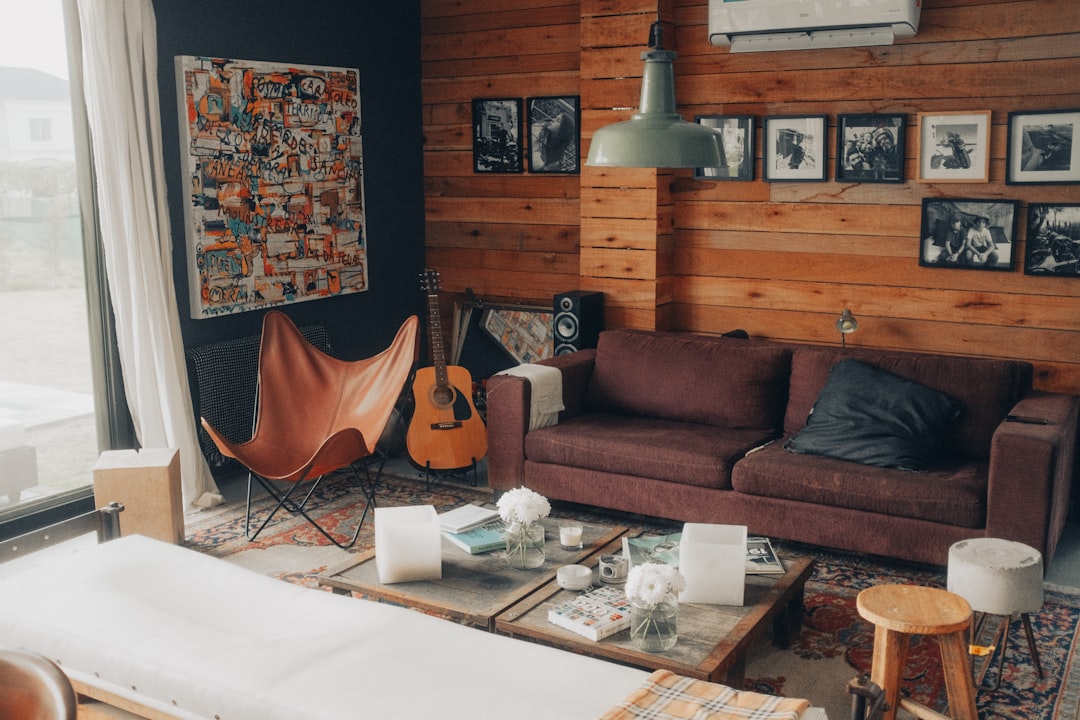
Ultimately, you're looking for a piece that serves more than one purpose. An ottoman with storage solves a real problem in flats without built-in cabinetry, while a firm, well-padded top can double as a casual coffee table for movie nights. It’s about finding that balance between a soft landing and a hard-wearing surface. For a closer look at how different models fit into a complete scheme, browse Megafurniture's living room collection, where you can gauge dimensions against your own floor plan.
That perfectly plush ottoman you’ve chosen online might not fit past your HDB’s lift door—it’s a common, frustrating reality. Delivery logistics in Singapore are sharply defined by your housing type; for HDB and condo dwellers, the critical measurement is the lift’s interior diagonal, which often dictates a maximum box size of around 180cm. For landed properties, the challenge is portage: carriers will typically quote an additional fee to move your item from the kerbside lorry into your living room, a cost that can surprise buyers in Bukit Timah or Serangoon Gardens.
Assembly is the next hurdle. Self-assembly from flat-pack suppliers saves money but introduces risk—a misaligned bolt can strip the engineered wood in a humid afternoon, leaving you with a permanently wobbly piece. Opting for a two-man professional team, like those provided by Megafurniture, mitigates that risk and ensures the item is correctly placed and levelled in your space. It’s a service worth its weight, especially for larger storage ottomans or pieces with intricate mechanisms.
Warranties here require careful scrutiny. Most will explicitly exclude cushion compression, which is inevitable in our tropical climate where high humidity breaks down foam faster than in temperate countries. A five-year guarantee on the frame’s joinery and structure is a more meaningful benchmark than fabric coverage. Read the fine print on what constitutes ‘fair wear and tear’; sagging after six months isn’t normal, but many retailers will claim it is.
Ultimately, your purchase isn’t complete until it’s functional in your home. Factor these logistical costs and service clauses into your budget from the start—that $399 ottoman can easily become a $550 project once you’ve accounted for delivery, assembly, and a worthwhile protection plan. Smart buyers organise their living room around these practicalities, not just the catalogue image.
The most common ottoman question in Singapore isn’t about colour or shape; it’s a blunt spatial calculation: can you fit one in a 10 sqm condo living room without sacrificing the coffee table? You can, but it’s a trade-off. A compact, square ottoman with a hard-top tray offers a surface for drinks, while a lower, softer pouf prioritises leg comfort over utility. In many such layouts, the ottoman becomes the primary seating supplement to the sofa — which means its cushion density needs to match daily use, not just occasional lounging.
West Coast landed homes face a different fabric dilemma. The humidity and occasional monsoon-driven spray through open windows demand more than standard polyester or cotton. Performance fabrics like Crypton or Sunbrella, which are engineered for stain and moisture resistance, become practical rather than luxurious choices here. They handle sunscreen, damp towels, or a sudden downpour with a wipe-down; a standard velvet or linen would require a more anxious relationship with the weather.
Then there’s the resale HDB query about replacing an armchair. An ottoman can’t replicate the structured back support of a proper armchair for long reading sessions, but a large, firm-backed “chesterfield” style ottoman with armrests might work for shorter periods. It’s really about frequency — if the spot is for occasional guests or putting up feet after work, the ottoman wins on versatility and space-saving.
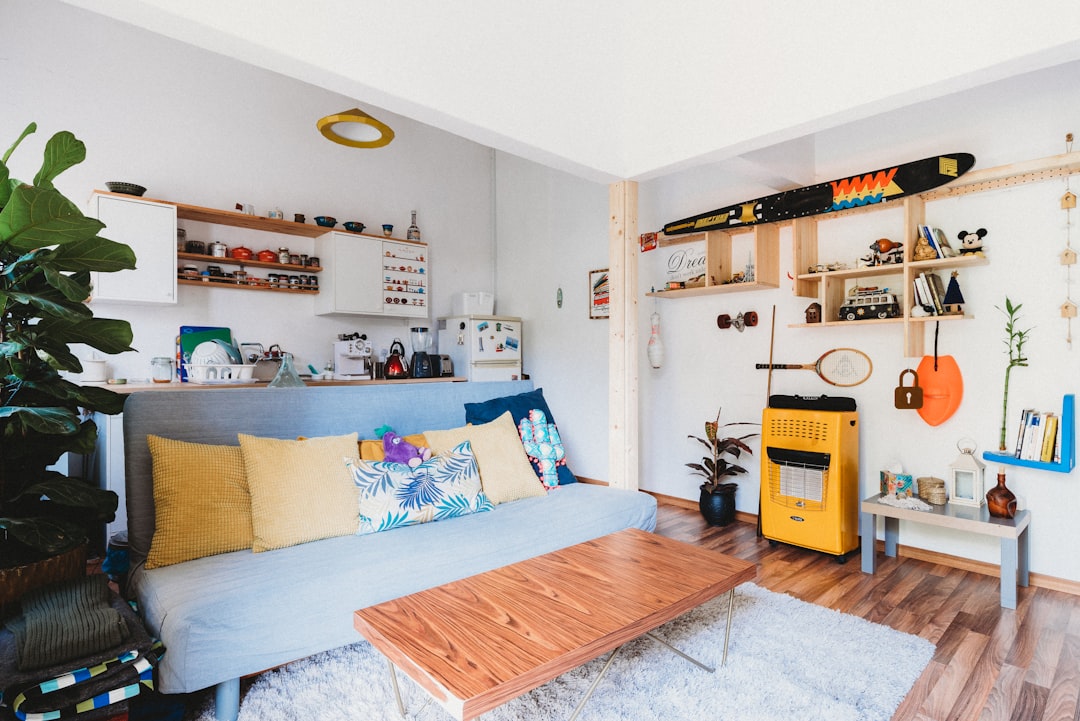
Height mismatch with an existing sectional sofa, like one from Megafurniture, is a common pitfall. An ottoman that’s too low forces an awkward stretch; one too high looks like a misplaced step. The rule is to match the sofa’s seat height, typically around 45cm, or go slightly lower for a relaxed lounging posture. It’s worth checking the specifications of your current sofa before browsing the options, because that 5cm difference is felt in the knees and the eyes every single day.
The showroom ottoman felt perfect, but that was on a polished concrete floor in a vast, air-conditioned hall — not your 4-room BDB living room with its new vinyl plank flooring. Finalising the purchase means translating that showroom impression into a real-world fit, and that requires a bit of homework before you sign the order form.
First, bring your living room floor plan, with the sofa’s exact dimensions clearly marked. An ottoman that looked modest next to a sectional in Tampines can overwhelm a compact seating area in a Pasir Ris walk-up; you’ll need to visualise the clear walking paths to the balcony or dining area. Then, put the shortlisted pieces to a proper test. If the ottoman will double as extra seating, have the household’s heaviest user sit on it for a solid ten minutes — cushion density that seems firm initially can bottom out quickly, and that’s a flaw you won’t spot with a brief perch.
Before you approve the final quote, confirm two critical details. Ensure delivery is included to your specific address, whether it’s a Bukit Panjang BTO or a walk-up apartment in Pasir Ris; some quotes default to ground-floor kerbside, leaving you to manage the stairs. Also, schedule the delivery for after your renovation is completely finished and the dust has settled — literally. Fine construction dust embeds itself into fabric upholstery like performance velvet, and you can’t just wipe it off a bouclé cover.
A good sales advisor will help you organise this timeline. They’ll typically note that coordinating with your contractor is key, as a rushed delivery that arrives before painting is done creates more headaches than it solves. Once the space is clean and ready, that’s when your chosen piece can finally become part of the room, not just an item on a receipt.
The underlying support system is crucial for overall comfort and durability. Assess whether the ottoman uses a solid platform, webbed suspension, or sinuous spring base. This foundation works in tandem with the cushioning layers to distribute weight evenly and maintain the piece's shape over many years.
A proper evaluation uses a standardized density rating, often measured in pounds per cubic foot (PCF). High-density foam, typically above 2.0 PCF, provides lasting structure and prevents premature sagging. Lower density cushions may feel plush initially but will compact quickly, failing to offer reliable long-term support for daily use.
Many quality pieces feature a layered approach combining different materials. A common configuration uses a high-density foam core for support wrapped in a softer polyfiber or down blend. This method creates a comfortable, inviting surface that retains its supportive integrity without feeling overly firm.