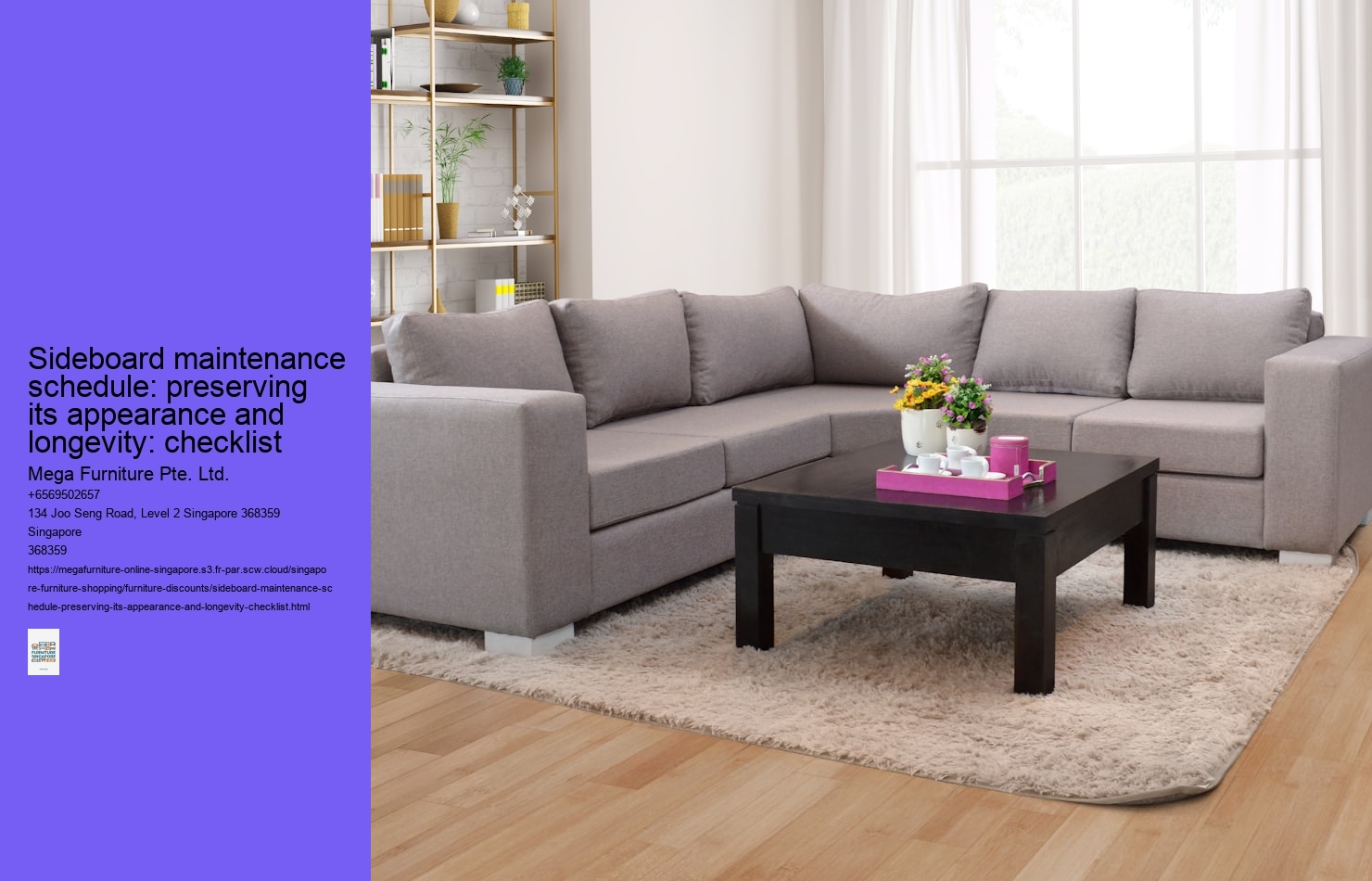
That sideboard you bought for your 4-room BTO might look fine for the first year, but Singapore’s humidity is a slow, steady war against particleboard. In many homes, especially those older flats in Bedok or Aljunied, the air can feel like a weight — and furniture that isn’t built for it will bow, swell, and eventually lose its crisp lines. Your selection criteria, then, aren't just about style; they're a defence against the climate, starting with a hard look at what sits on your floor.
Material choice is your first line of defence. Real solid woods like teak or rubberwood have a natural resilience, but they command a price premium and require more upkeep to prevent warping over decades. Engineered wood laminates, particularly those with moisture-resistant cores and sealed edges, offer a more affordable shield against 80% humidity; they’re the pragmatic choice for a family-centric home where spills are inevitable. Metal frames, often found in more industrial or mid-century modern designs, sidestep the moisture problem entirely — though they can introduce issues of condensation and noise in a quiet room.
Scale is everything in a 12 sqm HDB living room. You’ll want to measure not just the wall space, but the clear walking lanes left after accounting for your sofa and TV console; a sideboard depth beyond 45cm can start to choke a narrow room. Look for pieces with rounded, child-safe edges, not sharp corners that become hazards in tight quarters. And if you’ve got pets, consider that a laminate or lacquered finish will stand up to claw marks far better than a soft wood veneer — it’s a small detail that preserves the piece’s appearance long after the puppy phase.
Ultimately, the right piece balances this climate-ready durability with your storage needs. A sideboard with solid construction and clean lines won’t just hold your dinnerware; it’ll remain a stable, handsome anchor in your living room for years, resisting the damp that ruins lesser pieces. You can find options built with these local conditions in mind by browsing the living room furniture collection at Megafurniture, where the focus is on practical solutions for compact spaces.
You’ll find dovetail joints on premium sideboard drawers, but on less expensive pieces they’re often just a marketing photo. A proper dovetail interlocks solid wood with angled pins and tails—it resists pulling apart even after years of heavy use. Finger joints or simple glued butt joints, common in many budget pieces, can loosen in Singapore’s humidity cycles. That subtle racking when you pull a drawer open is a sign of weak joinery. For a piece destined to hold heavy dinnerware, drawer construction is the first thing to scrutinise before you even consider the finish.
A finished back panel, often overlooked, signals a manufacturer that hasn’t cut corners. Many sideboards are shoved against a wall, but an unfinished back of plywood or fibreboard can warp from air-con moisture or trap pests. A properly sealed and sanded back, ideally matching the cabinet’s exterior veneer, protects the interior and lends structural rigidity. It’s especially critical for ground-floor landed properties, where walls can transmit more ambient moisture. If the back feels rough or looks like raw particle board, consider it a durability red flag.
Consistent veneer application isn’t just about looks—it’s a barrier. A seamless, bookmatched veneer sheet across a large door panel prevents the substrate from absorbing atmospheric moisture. Cheaper pieces might patch smaller veneer sections together; those seams can eventually telegraph or peel at the edges. Run your hand along the surface and edges; you shouldn’t feel any bumps or abrupt transitions in the grain pattern. In a climate like ours, that continuous layer is what keeps the piece looking new beyond the first year.
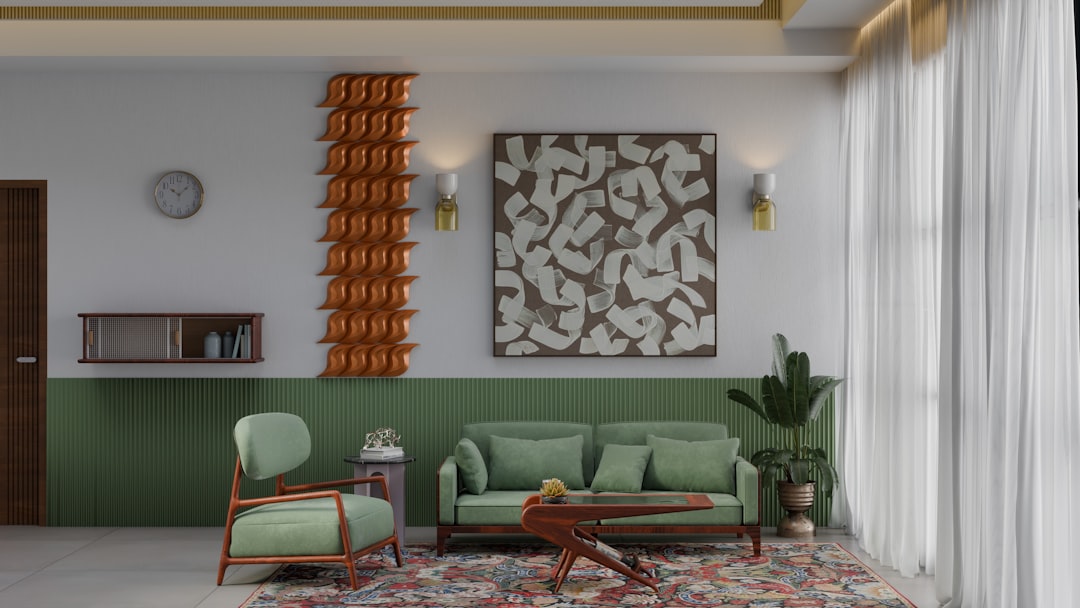
The label “teak” can mean solid plantation teak or a rubberwood core with a thin teak veneer. Solid teak has a heft and grain depth that composites lack, and it naturally resists insects and humidity. Rubberwood is stable and eco-friendly, but it’s softer and typically requires a protective lacquer to prevent stains. Price is the obvious differentiator, but also check unfinished areas like the inside of a door—solid wood shows continuous grain, while a composite reveals a stark, painted substrate. For a family sideboard facing daily use, that material choice defines its entire lifespan.
Moisture-resistant seals on all edges, especially the bottom, are non-negotiable for any installation near a kitchen or on a tiled floor. Condensation from cold floors or occasional spills will wick into unsealed edges, causing laminate to swell and wood to discolour. A proper seal isn’t just a painted line; it should be a resilient, slightly rubberised tape or a thick, painted coating you can feel. Check the underside of the cabinet and the inner edges of doors—any raw, absorbent edge is a future problem. It’s a small detail that separates furniture that survives from furniture that simply arrives.
That final walk down the corridor with your new sideboard, only to find it can’t make the last turn into the living room, is a special kind of Singaporean frustration. It’s a scale error that happens constantly in narrow 5-room HDB corridors, where a piece just 5cm too deep becomes an immovable object. The same miscalculation applies to condominium lifts — buyer forgets to check the internal dimensions against the sideboard’s packed crate size, then faces a costly and complicated hoist operation that building management may not even permit. These aren’t abstract planning failures; they’re concrete, expensive oversights measured in centimetres and delivery surcharges.
Finish choice is another common pitfall, where aesthetics trump lived reality. A high-gloss lacquer or mirrored surface might look stunning in a Tampines showroom under perfect lighting, but in a family home it becomes a daily chore. Every fingerprint from a child, every smudge from a damp glass, shows up starkly, turning a statement piece into a constant reminder of housework. For active households, a matte laminate or textured wood veneer will hide a multitude of sins while still offering visual interest.
First-time BTO owners are particularly susceptible to prioritising style over practical storage. They’ll choose a sideboard with two shallow drawers and open shelving because it looks airy and minimalist, only to realise within months they have nowhere to stash board games, spare charger cables, or that bulky router. In a compact 4-room BTO layout, every piece must earn its floor space by providing enclosed, organised storage; form should follow a very specific function. A sideboard that’s mostly for display is a luxury many first-timers can’t yet afford.
The solution is a brutally practical measuring and listing exercise before you ever browse a collection. Measure your corridor width at its narrowest point, accounting for existing shoe racks. Check your lift’s internal dimensions and stairwell clearance with the building manager. List exactly what needs to be stored inside the unit, then prioritise designs with a combination of deep drawers and adjustable shelves behind solid doors. It’s unglamorous prep work, but it’s what separates a seamless installation from a logistical headache that stains the excitement of a new home.
A sideboard’s online listing can show you its dimensions and colour, but it won’t tell you if the drawer slides feel gritty or if the laminate finish looks cheap under your living room’s afternoon glare. That’s why a physical inspection, particularly at a large showroom, is critical before you commit to a piece that’ll anchor your space for years. For many buyers in Singapore, that means planning a visit to either the Joo Seng or Tampines showrooms, where you can walk through a curated range of living room collections in a single trip.
The benefit isn’t just about seeing the furniture—it’s about testing it. You should open and close every drawer, feeling for any wobble or resistance in the mechanism; press on the tops and sides to gauge stability; and run a hand over the surfaces to assess the texture of veneers, laminates, or solid wood finishes. This hands-on check reveals build quality that photos and descriptions simply can’t convey. It also lets you judge how a specific model’s proportions, like a 180cm-wide console with a deep 45cm top, will actually fit against your feature wall or beside your television.
Visualising a piece in your specific layout is another key advantage. A 4-room BTO living room with a narrow entry might require a slimmer, taller design to avoid crowding the walkway, while a landed property’s open-plan area could accommodate a more substantial, statement piece. Seeing options side-by-side on the showroom floor helps you compare these spatial relationships instantly. You’ll also get a true sense of colour matching—whether a warm oak finish complements your existing teak flooring, or if a grey-washed veneer clashes with your beige curtains.
Ultimately, a showroom visit turns an abstract online purchase into a tangible decision. It’s the best way to avoid the common regret of a piece that looks perfect on screen but feels wrong in your home. For a comprehensive look at the available options, you can browse the living room collections at Megafurniture’s showrooms to make that final, confident choice.
That final walk-through with the delivery crew, where you’re pointing at a centimetre gap beside the door frame, is where most installation headaches in Singapore start. For HDB resale flats, you’ll need to confirm the exact width of your main door opening — not just the room’s dimensions. Many older flats have narrower frames than standard BTOs, and a sideboard that clears the living room wall might still get stuck at the threshold. Walk-up apartments add another layer: measure the staircase’s turn radius and landing clearance. A piece that fits the upstairs floor plan can be impossible to manoeuvre around that tight corner at the third-floor landing.
On-site assembly is typically included with full-service furniture purchases here, but it’s worth verifying what ‘assembly’ means. For a sideboard, it often means attaching legs, fitting drawers, and securing any back panels — all done in your living room after the main unit is positioned. You shouldn’t be left with a box of screws and an Allen key. The real test is whether the team will also help position the unit against your chosen wall, which matters more in a 4-room BTO layout where the TV console and sideboard need to align along a single, often irregular, wall surface.
Warranties split into two distinct tiers, and confusing them leads to frustration later. Structural defects — like a cabinet frame warping, drawer rails collapsing, or leg joints failing — usually fall under a five-year coverage period. Surface wear, however, including scratches on laminate finishes, fading of veneers, or wear on drawer-front lacquer, is commonly covered for just one year. That distinction reflects the expected lifespan of materials in a humid environment; the structure should hold, but the finish will naturally degrade with use.
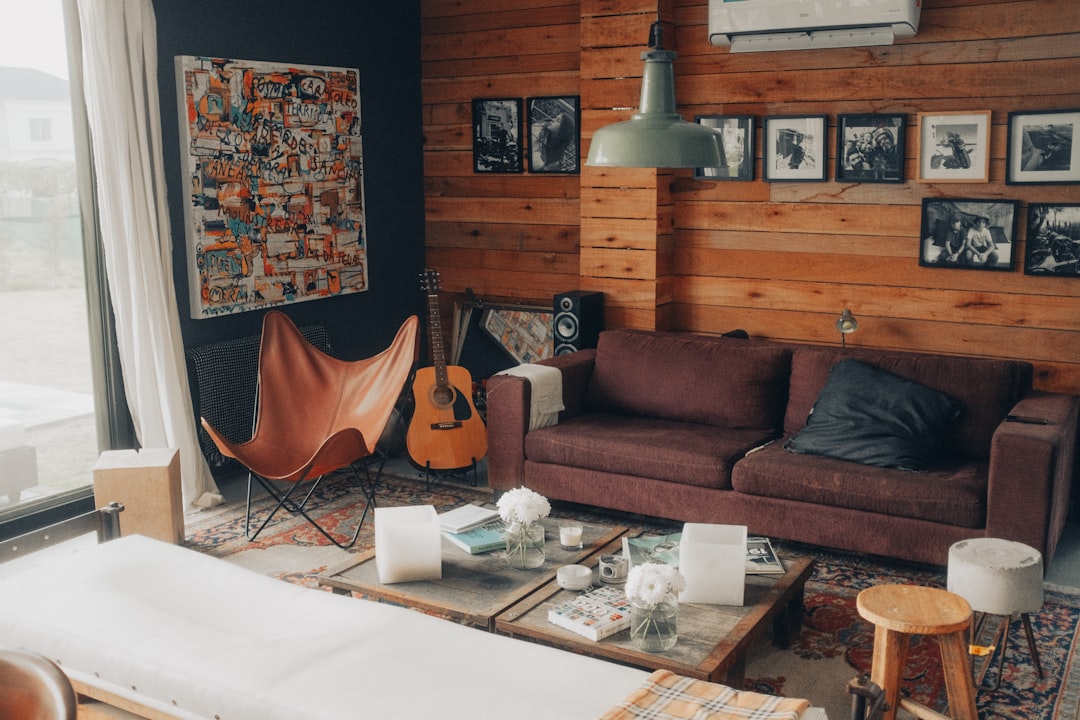
Understanding that split helps you set maintenance expectations. A sideboard in a high-traffic living-dining area will show surface marks from daily use — that’s not a defect, it’s life. But if the entire unit starts leaning because a central joint has failed, that’s a structural issue you can claim. Keep your delivery and assembly documentation; warranty claims often require proof that the unit was installed correctly by the provider’s team, not self-assembled.
Some retailers, like Megafurniture, outline these terms clearly at purchase. It’s a practice that saves arguments later — when a buyer knows a one-year finish warranty is standard, they’re less likely to complain about a faint scratch discovered after eighteen months.
Gently wipe the entire sideboard surface with a soft, dry microfiber cloth to remove dust and prevent abrasive buildup. For fingerprints or minor spills, use a damp cloth with a mild, non-abrasive cleaner specifically for furniture finishes, then dry immediately. Avoid harsh chemicals or rough scrubbing to protect the veneer, lacquer, or wood grain. This routine prevents long-term dulling and maintains the original shine.
Every three to four months, perform a thorough cleaning using a recommended furniture polish to nourish the wood and restore luster. Carefully inspect all joints, hardware, and the back panel for any signs of loosening, warping, or damage. Check the interior shelves and drawers for debris, and clean them with a soft brush to avoid scratches. This proactive maintenance addresses wear before it becomes significant, ensuring structural integrity.
Once a year, assess the sideboard's environment, ensuring it is not exposed to direct sunlight, extreme humidity, or heat sources that can cause fading or cracking. Consider applying a fresh coat of appropriate wax or polish to high-use areas like the top and drawer fronts to reinforce the protective layer. Verify that all decorative elements, such as handles or molding, are secure and free of corrosion. These annual steps are crucial for preserving the furniture's appearance and maximizing its lifespan.
The sideboard questions in Singaporean showrooms are rarely about style first; they're about solving the specific, humid, space-tight problems of local homes.
What's the best height for a sideboard under a 55-inch TV? You’ll want the centre of your TV screen around 105cm to 120cm from the floor for comfortable viewing from a typical sofa. That usually means a sideboard height between 45cm and 60cm. Measure from your seated eye level in your living room—it’s the only way to be sure.
How do I stop mould growing behind the unit? Mould is a ventilation issue. Leave a 5cm to 10cm gap between the sideboard and the wall, and don’t push it flush. In many HDB flats, that exterior wall is the coldest surface in the room, inviting condensation. A dehumidifier running a few hours a day in a Bedok ground-floor flat does more than any wipe-down schedule.
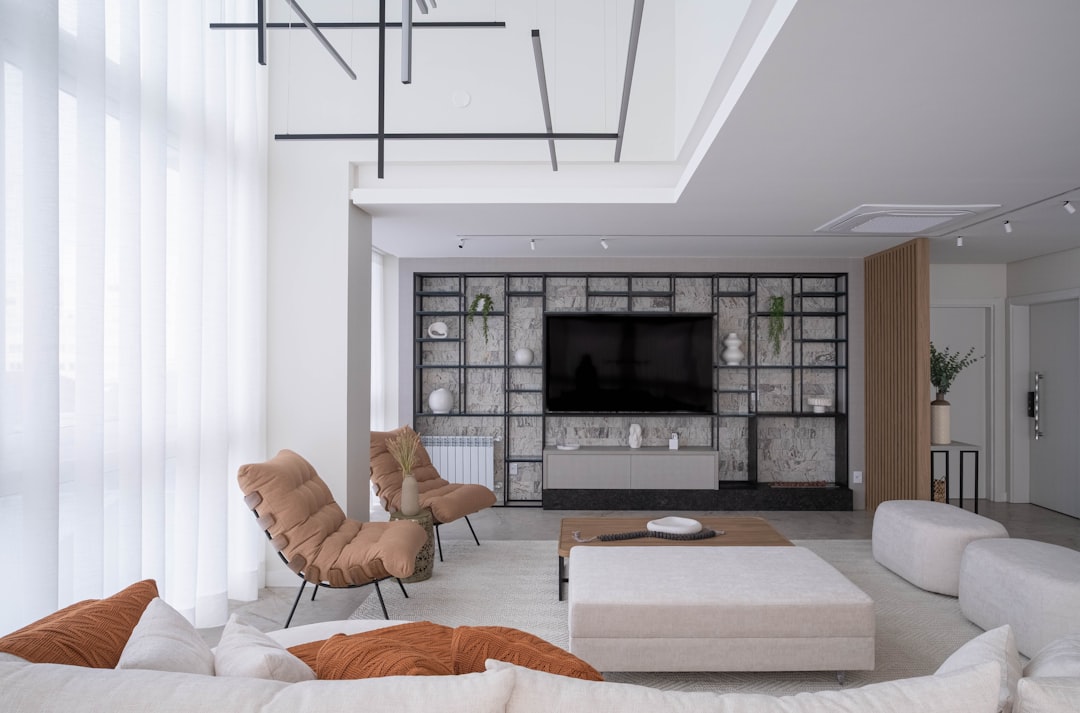
Can a sideboard work with my existing Scandinavian theme? Absolutely, but focus on material and leg shape over colour. Light oak or ash wood with tapered, slender legs maintains that airy Nordic feel; a bulky, dark-stained rubberwood unit will fight the aesthetic even if it’s technically within the same colour palette.
What's the cost difference for custom-built versus ready-made for an irregular condo wall? For a non-standard wall in a Tanjong Rhu condo, custom carpentry typically starts around $1,800 and climbs quickly based on material and finish. A ready-made sideboard might cost $600 to $1,200, but you’ll have to live with the gap behind it—a trade-off between a perfect fit and budget, where the latter often wins.
The final hurdle before a sideboard arrives often isn't about style or even cost—it's about whether it can physically get to its spot. You've measured the wall, but have you measured the journey from the truck through your lift lobby, past the main door, and around that awkward corner? A 180cm sideboard might fit perfectly against your feature wall, but if the corridor to your Tampines EC is only 80cm wide, you're stuck. That's where a final logistics checklist pays off: confirm the pathway clearance, check that humidity protection like silica gel packs is included for our climate, and realistically allocate $150 to $400 for professional movers if your block has narrow stairwells or a small service lift.
This move-in effort underscores why your purchase should match a 7–10 year refresh cycle, not just the immediate BTO staging. A sideboard that looks perfect in your empty Punggol flat might feel insubstantial once you've actually lived with books, consoles, and family clutter. Think about material longevity—solid rubberwood or veneered MDF with a robust sealant will handle years of aircon shifts and seasonal humidity better than unfinished, thin particleboard. The goal is to buy once for this chapter of home life.
Budget for the piece itself, then add a 10–15% buffer for incidentals like delivery fees, protective felt pads for flooring, or a quality furniture polish. If you're stretching for a $1,200 statement piece, finding another $180 for a white-glove service that assembles and positions it safely is usually wiser than risking a DIY disaster. For many homeowners in older HDB blocks, that service isn't a luxury; it's the only way the furniture gets upstairs.
Ultimately, a sideboard should earn its place through utility over years, not just aesthetics for a single viewing. It'll hold wedding albums, hide router cables, and survive the occasional spilled drink. Choose a finish and construction that you won't resent in half a decade, because the real cost isn't the price tag—it's the hassle of replacing something too soon.