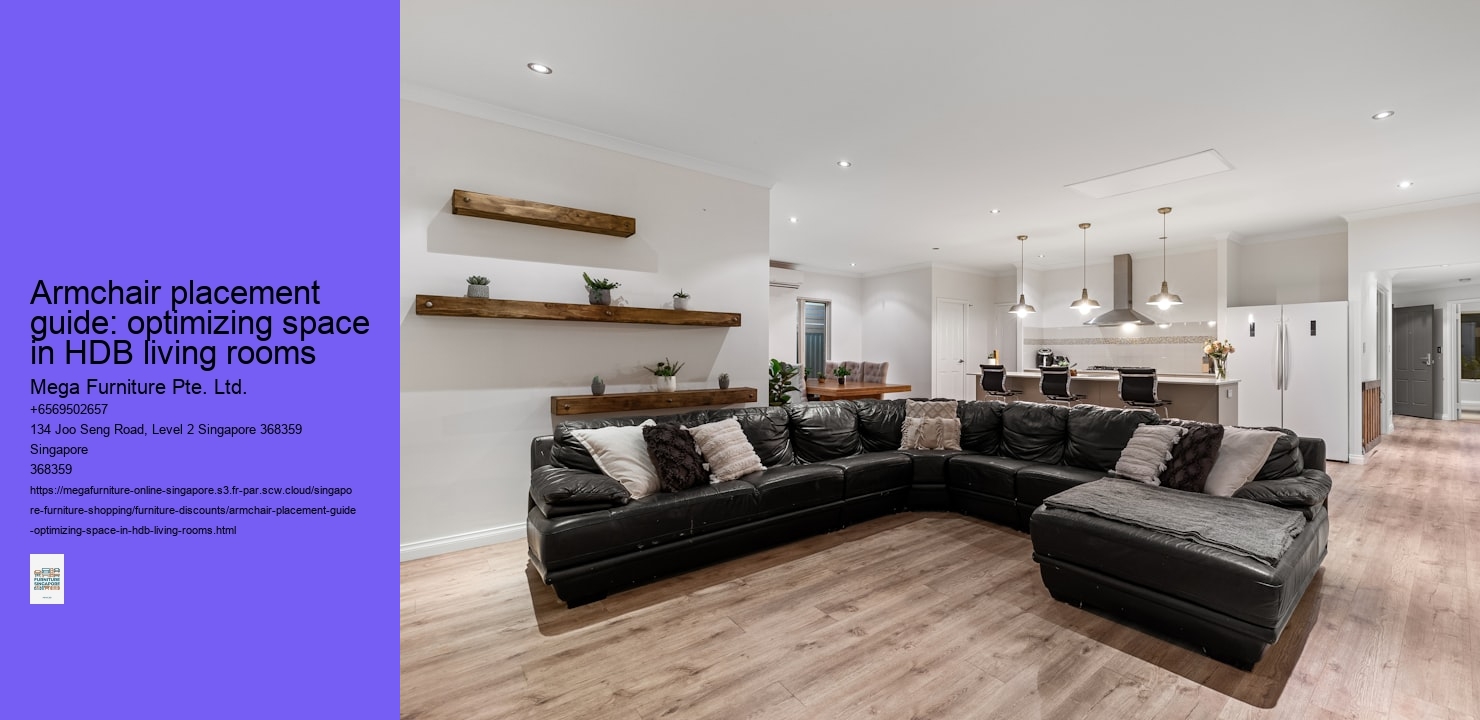
The four-room BTO living room’s typical 12 square metres leaves little margin for error. You can’t just add an armchair as an afterthought; its size, footprint, and even arm style must be decided alongside the main sofa, or you’ll end up blocking a walkway to the balcony. A compact swivel chair or a low-backed accent piece without bulky rolled arms often works here—it’s about creating a secondary perch that doesn’t dominate the space.
Move to a 99-year leasehold condo, where living areas average around 16 square metres, and your options open up. That extra floor area allows for a proper reading chair, something with a higher back and deeper seat, placed to form a conversation group with the sofa. In many of these layouts, you might even manage a pair of smaller-scale armchairs flanking a console table, defining a separate zone near the dining area without crowding the room’s centre.
Landed property layouts, with their longer walls and more generous proportions, permit a different approach entirely. Here, scale dictates the conversation—a single oversized statement chair in a rich bouclé or full-grain leather can anchor a corner, becoming a focal point rather than just supplementary seating. You’re working with breathing room that allows for experimentation; a pair of substantial wingbacks flanking a fireplace or a large ottoman that doubles as both footrest and spare seat becomes feasible, even expected.
The critical mistake is buying the chair first and hoping it fits. In an HDB, measure the clear floor space after your sofa and TV console are placed; in many flats, that leaves just 80 to 90 centimetres for a chair’s depth. A condo might accommodate a 100-centimetre deep model, while a landed home could swallow a plus-size 120-centimetre piece without a second thought. Your home’s typology sets the boundaries before you even start browsing the options.
A leather armchair can develop a faint white bloom in a Eunos flat after a single monsoon season, and that’s just the humidity’s opening act. Singapore’s 80% relative humidity warps untreated wood frames over time, causing joints to loosen and finishes to bubble. For a piece that’ll last beyond the typical seven-year refresh cycle, you’re better off with engineered wood like moisture-resistant MDF or sealed rubberwood; these materials resist expansion far better than solid, untreated timber in our climate. Pet owners know the real test isn’t the occasional muddy paw, but the daily ritual of claws against fabric. Delicate linens and loose-weave bouclés won’t survive a determined cat. Performance fabrics are the practical answer here—Crypton-treated upholstery or similar technical textiles repel spills and resist scratching, meaning you won’t be nervously watching every jump onto the favourite chair. It’s a trade-off: you might sacrifice a certain aesthetic softness, but you gain a living room that actually lives with your family. Space planning in a 4m by 3m HDB layout demands a tape measure, not just a good eye. An accent chair isn’t just its footprint; a swivel model needs a full 900mm rotation circle to function properly, which can devour precious floor area. Before committing, map out the clearances from your TV console and coffee table—you’ll want at least 600mm for a comfortable walkway, otherwise the room feels like a showroom maze. Many buyers forget to account for the arc of a recliner, only to find it permanently blocks the balcony door. Ultimately, the right armchair for a Singapore home isn’t about a fleeting trend. It’s about selecting a combination of resilient materials and scaled proportions that can withstand the local environment’s specific pressures, from airborne moisture to four-legged companions. For those weighing these practical considerations, browsing a focused
collection of living room furniturecan provide a realistic sense of what’s designed for these conditions. The goal is a chair that settles into your routine, not one that becomes a high-maintenance centrepiece you’re constantly fretting over.
In a typical HDB flat, humidity can warp cheaper softwood or laminated frames within a single monsoon season. Kiln-dried hardwood, like rubberwood or acacia, resists this sagging and warping because its moisture content is scientifically controlled during production. You’ll pay more upfront, but the frame won’t start creaking after eighteen months in your Bedok flat. That structural longevity is critical for an armchair that sees daily use, not just occasional decoration. It’s the unseen foundation that dictates whether a piece becomes a favourite or a frustration.
High-resilience foam with a density around 1.8 is the benchmark for Singapore’s climate. Lower density foam collapses quickly in the heat, leaving permanent body impressions that ruin the chair’s profile and support. This specification isn’t about luxury; it’s about the foam’s ability to rebound consistently despite constant humidity, ensuring the cushion doesn’t feel pancaked after a year. Ignore this number, and you’ll be sitting on a sling of fabric by next Chinese New Year. It’s a technical detail that separates temporary furniture from a lasting investment.
Look for fibre-wrapped, pocketed springs in seat cushions, not sinuous wire grids. The individually wrapped springs move independently, contouring to your shape without transmitting motion across the entire seat—a feature you’ll appreciate during long movie nights. More importantly, the fibre wrapping prevents the metal from squeaking and protects against rust, which is a genuine risk in our damp environment. Sinuous wire systems are cheaper and faster to install, but they often lead to a predictable, uniform sag. That initial cost saving usually translates to an earlier replacement cycle.
Avoid particle board or MDF in the base of any armchair destined for a ground-floor unit or a particularly humid space. These engineered wood products swell and disintegrate when exposed to moisture, a common issue in older estates or landed properties. A solid wood or metal base provides a crucial barrier against ground-level damp, effectively future-proofing your purchase. It’s a lesson many learn too late, after discovering a spongy, crumbling base during a routine clean. For longevity, the material under the seat is just as critical as the one you see.
The upholstery isn't just about colour; it's your first line of defence against spills, humidity, and sun exposure from that bright Tampines window. Performance fabrics, like treated linens or specific velvets, offer stain resistance and improved breathability, which helps mitigate mould growth in the foam beneath. A tight, durable weave also resists pilling and wear from frequent use, maintaining its look far longer than a simple cotton blend. This choice directly impacts maintenance—you’ll spend less time worrying about accidents and more time actually using the chair. It’s the practical finish on a well-considered structure.
Define a distinct zone for your armchair to create a functional reading or relaxation nook within your HDB living room. Position it near a light source and away from main walkways to maximize coziness without obstructing flow. This deliberate placement helps segment the open-plan space, making it feel larger and more purposefully designed.
Transform underused corners by placing a compact armchair angled toward the room's center, instantly adding seating without consuming precious floor space. Pair it with a tall, slender floor lamp and a small side table to build a complete micro-area. This approach effectively turns dead space into a valuable and inviting feature of your living area.
When pairing an armchair with your main sofa, ensure it is proportionally smaller to maintain visual balance and prevent a cluttered look in a compact HDB layout. Position it at an oblique angle to the sofa to facilitate conversation while keeping an open pathway clear. This thoughtful pairing enhances seating flexibility and makes the room feel more dynamic and spacious.
The most expensive furniture mistake in a Singapore living room isn't about price—it’s about centimetres. Buyers will meticulously measure wall lengths for a console table, then forget to account for the walkway space people actually need to move past it. That path from the main door to the kitchen, or from the sofa to the balcony, requires a minimum of 600mm clearance; anything less creates a daily bottleneck, especially in a 4-room BTO layout where every square metre is accounted for.
Another common misstep involves the relationship between an accent chair and the bomb shelter door. In the quest for a statement piece, a generously proportioned armchair in bouclé or velvet is often placed directly opposite the shelter, creating an immovable obstacle. When that reinforced door needs to open—for storage, during inspections, or in an actual emergency—you’ll be wrestling with a heavy chair instead. The solution is to treat that door swing as a permanent, invisible zone; choose a slimmer profile chair or position it well clear of the arc.
BTO floorplans also present unique challenges that generic measurements won’t catch. Structural columns, service ducts, and oddly angled walls mean the theoretical space on paper rarely matches reality. Relying solely on parallel wall measurements is a recipe for delivery-day frustration. You must take diagonal measurements from column corners to door frames, and note the precise location of air-con trunking—that 85cm deep media console might fit along the wall, but it could block the trunking access panel entirely.
Ignoring these spatial quirks leads to a living room that feels perpetually cluttered, no matter how minimalist the furniture style. A room that looks organised in a showroom setting, with its perfect sigh, often fails in a real HDB flat because the flow was an afterthought. It’s a lesson in measuring for movement, not just for furniture.
The Tampines showroom’s non-aircon area is a surprisingly useful feature — it’s where you can immediately feel if a fabric will trap heat. On a typical humid afternoon, that breathability test becomes real; performance velvets and linens feel markedly different under your palm compared to standard polyester blends. For an armchair destined for a sunny corner in a 4-room BTO, that’s a critical, tactile detail you can’t get from an online spec sheet.
Testing seat depth against local user height is another pragmatic exercise. Many imported designs are scaled for taller frames, leaving average-height Singaporeans with their feet dangling or their backs unsupported. In the showroom, you can sit properly, check if your knees are at a right angle, and see if the seat cushion’s front edge cuts into your calves — a common annoyance that turns a beautiful chair into a decorative piece.
Over at the Joo Seng showroom, the focus shifts to compact solutions for 3-room HDB layouts. Here, you’ll find armchairs with narrower footprints or lower backs that don’t visually clog a 12 sqm living area; some even tuck neatly under a console table when not in use. The staff are particularly adept at clarifying delivery lead times, which for larger items can stretch to 10 weeks — a vital logistics point for BTO owners coordinating multiple deliveries.
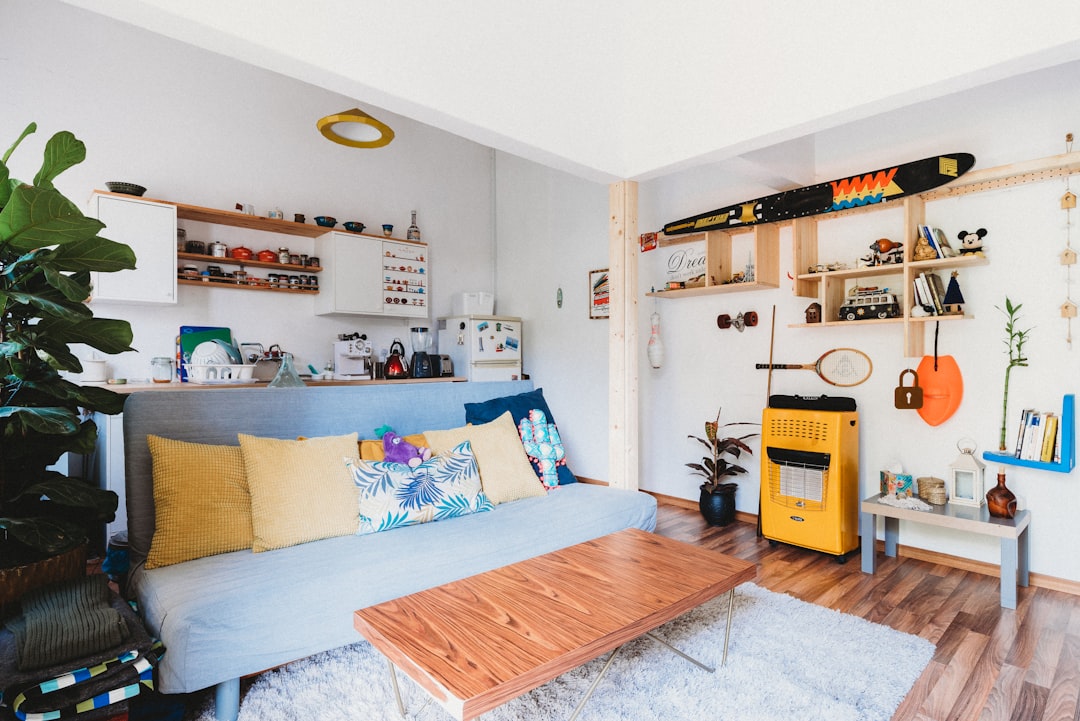
It’s a straightforward truth that showroom visits save future headaches. You’ll notice if a bouclé fabric snags easily or if a rubberwood frame feels sturdy enough for daily use by two adults. These physical checks, under conditions that mimic your own flat, provide a confidence that scrolling through product galleries simply can’t match. For a comprehensive look at space-conscious options, you can browse Megafurniture’s collection of living room furniture.
That moment of relief when the armchair arrives at your void deck often gives way to a fresh logistical headache. In Singapore’s built environment, final delivery is rarely as simple as a truck roll-up; staircase charges are a standard, if sometimes surprising, add-on for walk-up apartments, and HDB lift landing dimensions can be a hard physical limit. A bulky, pre-assembled accent chair might not make the turn into the lift lobby, which is why many suppliers now default to flat-pack delivery for larger items — it’s not just about IKEA anymore. Assembly is the next practical hurdle. While some buyers relish a DIY project, for many in a time-pressed move, professional on-site assembly is a worthwhile investment. It ensures the piece is built correctly on your actual floor, avoiding the frustration of a wobbly frame that results from a missed step in the instructions. Retailers like Megafurniture typically include this service, turning a box of components into a finished product in your living room within the hour. Warranties here need to be read for structural reality. A three-year structural warranty that specifically covers frame integrity is valuable for a frequently used armchair; it’s a promise that the joints and internal skeleton won’t fail under normal use. This is distinct from fabric wear or cushion softening, which often fall under shorter, separate terms. That long-term assurance matters when you’re investing in a centrepiece for your
living room layout. The most critical pre-purchase check, however, is often logistical. Before confirming a delivery date, verify your HDB’s specific lift booking requirements. Many town councils mandate advance booking for the use of goods lifts, with strict time windows and potential fees for oversize items. Failing to do this can leave the delivery crew — and your new furniture — stranded downstairs, incurring costly redelivery charges. It’s a mundane bit of admin that saves a significant amount of stress and money on moving day.
The most common armchair questions in Singapore don't come from design magazines — they arrive via WhatsApp photos from a friend's new flat, or in the middle of a showroom visit when buyer realises their marble floor isn't a forgiving surface.
Can two armchairs replace a three-seater sofa in a 10 sqm space? Often, yes. You'll gain floor space and visual lightness; you'll lose the uninterrupted lounging length for weekend movie sessions. The trade-off hinges on household size — a couple might find two armchairs and a small ottoman perfectly sufficient, while a family of four will immediately feel the squeeze.
How to clean velvet in SG humidity? Performance fabrics with stain-resistant treatments are the practical answer. Natural velvet in a humid, high-use room like a 4-room BTO living room is a commitment to weekly gentle brushing with a soft cloth to prevent dust embedding, and immediate blotting for any spills — regular steam cleaning becomes a necessary, if annoying, ritual.
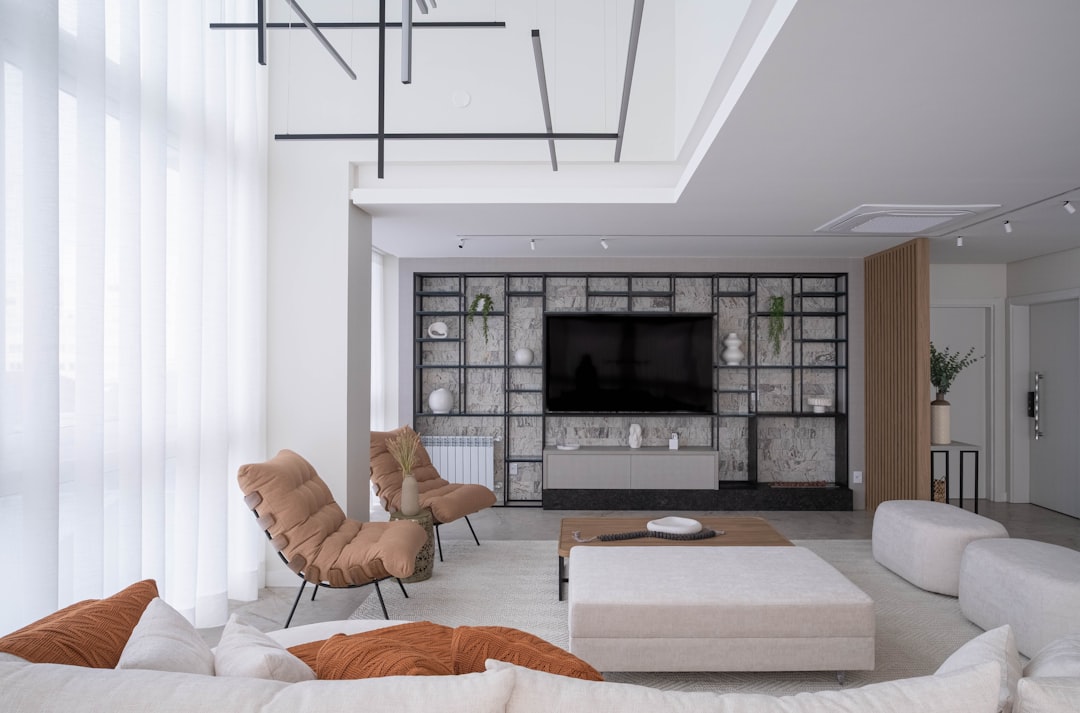
Which chair legs won't scratch marble flooring? Look for felt or rubber pads already affixed to the base. Metal or hard plastic glides, even on a beautiful solid wood frame, will inevitably leave marks. Many buyers don't check this until the first scratch appears, which is why showroom visits should include a quick flip to inspect the underside.
Is a recliner mechanism worth the space trade-off in a BTO? It's a question of frequency versus footprint. A recliner needs clearance behind it, eating into precious square metres in a typical 12 sqm living room. If you use it daily, that trade-off feels justified; if it's a once-a-week feature, the space might be better allocated to a more flexible, compact armchair that can be tucked closer to the wall.
That painter’s tape mock-up you laid out two weeks ago? It’s likely wrong now. Re-evaluate it with the actual armchair dimensions and your coffee table’s footprint included—a common 120cm round rattan table can eat up nearly a square metre of precious floor space in a 4-room BTO living room. This final dry-run often reveals that the elegant path you envisioned between furniture pieces is actually a 50cm squeeze, forcing a last-minute pivot to a slimmer console or a different chair orientation entirely.
Confirm your shortlisted fabric under the specific lighting where it’ll live. HDB’s standard LED panels cast a cool, flat light that can mute warm tones and turn a rich olive performance velvet into a drab grey. Request a larger swatch, if possible, and view it at different times of day; the afternoon sun from a Bedok block’s west-facing window will show a completely different colour character compared to evening ambient light.
The choice between one statement armchair or two compact models isn’t just aesthetic—it’s a logistical calculation for future flexibility. A single sculptural bouclé chair makes a clear design point but anchors you to a single layout. Two smaller linen accent chairs, however, can be split during gatherings or shifted to create a conversation nook, offering a versatility that many homeowners find more useful in the long run than a solitary centrepiece.
Before you finalise your list for the showroom, take a final walk-through with your phone’s camera. Photograph the taped floorplan from the main entry and from where you’d typically sit; this often highlights a crowding issue near the doorway or an awkward sightline to the TV console that wasn’t apparent from eye level. It’s a simple trick that saves the frustration of discovering a layout error only after delivery.