The electrical outlet on your living room wall dictates everything. It's the fixed point around which your entire media setup orbits, and in Singapore, its location is a direct result of your property type. A standard BTO living room might stretch 3.6 metres wall-to-wall, forcing a console to be shallow and linear; a resale HDB corridor flat could offer 4.5 metres, allowing for deeper storage units. Condo layouts, often exceeding 5 metres in width, introduce the possibility of a full media wall that integrates display and concealment.
That extra metre in a condo isn't just about grandeur—it's about utility. Where an HDB console might max out at 2.4 metres before overwhelming the space, a condo's expanse can handle a 3-metre run of cabinetry without a second thought. The difference is between a piece of furniture that holds a soundbar and a few game consoles, and one that swallows a full AV receiver, board games, and a vacuum cleaner.
Landed homes rewrite the rules entirely. Ceiling heights jump to 3.5 metres or more, which makes a standard 60cm-high console look squat and lost; you'll need taller, more substantial units to anchor the room. Viewing distances also extend, sometimes to 4 or 5 metres, which shifts the priority from squeezing in storage to creating a focal point that bridges the gap. The console becomes architectural, not just functional.
Forget sketching layouts based on floor plans. The only reliable starting point is a physical tape measure, run from that electrical point to the nearest doorway or structural column. That's the hard dimension you're working with, and it's non-negotiable—a console that's 10cm too wide can block a walkway in an HDB, while one that's too narrow in a landed property will seem like an afterthought. Planning around this single measurement prevents the most common and costly furnishing error.
That particle board console you loved online will swell like a sponge cake after a single monsoon season if it’s parked beside your full-length window. Singapore’s 80% humidity isn’t a suggestion—it’s a material selector. For any piece near a moisture source or an exterior wall, solid wood or marine-grade plywood aren’t just premium choices; they’re basic durability. Veneers over a stable ply core can work, but you’ll want to check the seal on every edge.
Consider the hidden infrastructure, too. A clean living room centrepiece is often undone by a nest of black cables snaking out for the router, media player, and soundbar. Integrated cable management, whether through dedicated rear channels or a false back panel, turns a necessary eyesore into a solved problem—especially in open-plan layouts where the console is visible from the dining area.
Physical resilience extends beyond climate. For households with cats or an energetic toddler, a softwood frame or a thin laminate finish won’t survive the first year. Look for harder timbers like rubberwood or oak, and favour rounded, bullnose corners over sharp 90-degree edges; it’s a simple detail that prevents countless shin bruises. That textured, scratch-concealing finish isn’t just for style—it’s a practical shield.
In many 4-room BTO flats, the TV console can’t just be a surface to hold a screen. It becomes primary storage for board games, toolkits, and seasonal decor, simply because there’s no other dedicated cupboard space. The most pragmatic units often combine deep drawers with at least one tall compartment, accommodating everything from standing gaming consoles to bulk packs of toilet paper bought during a sale. It’s a furniture piece that quietly shoulders multiple burdens, so its construction needs to be up to the task.
" width="100%" height="480">Quantifying storage capacity: Optimizing TV console utilityThat faint, acrid smell in a showroom isn't just newness—it's often moisture leaving cheap, green timber, and it’s a prelude to warping. In Singapore’s humidity, a TV console made from properly kiln-dried wood is non-negotiable; it’s been baked to a stable moisture content, meaning drawers won’t swell shut come monsoon season. This process prevents the internal stresses that cause panels to twist or crack, which is critical for a piece holding expensive electronics. You can’t see it, but you’ll feel it in the smooth operation of doors a year later. Insist on it for any solid wood or engineered wood core, as it’s the foundation everything else is built upon.
Glue and staples are fine for a disposable bookshelf, but they’re a poor bet for a console you’ll be moving between BTO flats. Look for dovetail or mortise-and-tenon joints in drawers and frame corners—these are mechanical locks that distribute weight and resist racking far better than simple butt joints. A dovetail joint, with its interlocking ‘fingers’, is a clear signal the maker invested time where it counts. These joints handle the constant push-pull of daily use, especially when drawers are loaded with media equipment. They’re the reason a console feels solidly planted, not just assembled.
A water-resistant finish isn't about surviving spills alone; it's about defending against the ambient moisture that seeps into every HDB corridor-facing wall. Look for terms like catalyzed lacquer or polyurethane topcoats, which create a harder, less permeable barrier than simple wax or oil. This layer protects the substrate from swelling and prevents stains from condensation rings left by glasses or plant pots. In many homes, the console sits under an air-con unit, making a resilient finish even more critical. It’s the difference between a surface that patinas and one that simply degrades.
Veneer gets a bad rap, but the problem isn't the technique—it's the miserly thickness. A 0.6mm paper-thin sheet chips if you look at it wrong and can't be refinished, while a 2mm veneer acts more like solid wood, allowing for light sanding and repair. Run your finger over an edge; if you feel a sharp, distinct lip where the veneer meets the substrate, that’s a cheap, thin layer. A thicker veneer has a softer, more rounded edge that blends seamlessly. This detail alone often separates a piece that lasts a decade from one that looks tired in three years.
Quality hides in the details you don't immediately see. Solid wood legs, even on a primarily engineered piece, provide crucial stability and weight at the corners. Full-extension drawer glides mean you can actually access the entire drawer depth, not just the front half—essential for organising remotes and cables. A finished back panel, not bare plywood, shows the maker considered the piece from all angles, which matters in open-plan layouts. These are the quiet assurances that the construction is thorough, not just surface-deep. They’re what you’re actually paying for in a mid-range budget.
The most common living room regret in Singapore isn't about colour or price—it's a console that physically blocks a door or light switch by a stubborn two centimetres. Buyers fall for a sleek, low-profile design in the showroom, then realise its total width swallows the entire feature wall in their four-room BTO. That leaves no clearance for the main door to swing open fully or, worse, buries a switch plate behind solid wood, forcing a daily contortion to turn on the ceiling fan. Ignoring future-proofing is another costly oversight. You might buy a 1.8-metre console for your new 55-inch TV, but upgrade cycles are relentless; a 65-inch screen in three years will overhang the unit, and a soundbar placed on its surface will then obscure the bottom of the display. The better calculation starts with your maximum anticipated screen size, then adds 15 to 20 centimetres of buffer on each side—this also accommodates decent bookshelf speakers if your audio needs evolve. In many north-facing HDB flats, where natural light is already scarce, choosing a dark, bulky console visually consumes the room. A matte black laminate unit in a 12 sqm living-dining space can feel like an anchor, shrinking the perceived floor area. Lighter finishes—oak veneer, light grey sintered stone, or even a white washed finish—reflect what little light there is, and opting for a design with raised legs or open shelving maintains a sense of airiness beneath. It’s a practical sequence: measure the wall, mark all obstructions, decide on your future electronics, then consider the visual weight. Storage needs are secondary to these spatial facts; you can’t organise cables in a drawer if you can’t even plug them in. For those comparing options, reviewing console dimensions against your own floor plan is the single most effective step—browse the comprehensive
living room furniture collectionwith a tape measure and your HDB layout already in hand.
The difference between a furniture piece that fits and one that simply occupies space often comes down to millimetres. In many HDB BTO layouts, that critical 3.6-metre wall demands a console length that’s precise, not approximate; a miscalculation of even five centimetres can throw off the entire room’s balance and block a doorway. Online images, rendered in studio lighting, rarely match the reality of Singapore’s east-west sun or the glow of LED downlights. A rubberwood finish that looks warm and honey-toned on screen can read as starkly orange under the afternoon glare in a Tampines flat, while a dark oak laminate might vanish into a shadowy corner in a north-facing Joo Seng condominium. You need to see the real colour, in person, to know it’s right. That’s where a showroom visit becomes non-negotiable. It’s the only way to physically test the heft of a drawer slide, to feel whether a sintered stone top has the cool, dense solidity you expect, or to confirm that the engineered wood grain has a texture you’ll enjoy touching daily. You can assess the true depth of a storage cavity—will it actually swallow your game consoles and router, or just pretend to?—and verify every published dimension against your own floor plan. Bring your tape measure and your doubts. Open every door, test every hinge, and run a hand over every surface. It’s a practical step that transforms an abstract online listing into a tangible, assessable object for your home. For anyone finalising their living room layout, this tactile verification at a Megafurniture showroom is the simplest way to bypass the most common post-delivery regret. You can start your assessment by browsing their
living room furniture collectiononline, then make the trip to see your shortlist in the flesh. The minor inconvenience of a trip to Tampines or Joo Seng pales against the major disruption of a return or exchange.
The delivery crew will measure your lift door before they bring anything up, but you should’ve already checked your HDB’s dimensions — many older blocks have lifts that only just clear 200cm, and that’s before you account for the diagonal length of a long TV console box. For landed properties, it’s almost a given there’ll be an extra charge for driveway drop-off and manual carrying; some brands will even add a fee for navigating more than one flight of stairs. That’s just the start of the logistics.
Assembly in Singapore’s humidity is its own trial. You might follow the instructions perfectly, only to find the pre-drilled holes in the engineered wood panels don’t align after the box has sat in a non-air-conditioned corridor for an afternoon. The resulting wobble isn’t always fixable, and it’s a primary reason buyers later report joint failure or doors that won’t close flush. Self-assembly can save a few hundred dollars, but it’s a gamble with your living room’s centrepiece.
That’s why the warranty terms matter more than the warranty length. A one-year guarantee that only covers surface scratches from transit is virtually useless. You need explicit coverage for structural integrity — the cabinet’s load-bearing capacity over time — and for joint and mechanism failure. A good warranty acknowledges that a TV console isn’t just a display shelf; it’s holding 20kg of electronics and getting leaned on by kids.
Lead times are the final, critical variable, especially for BTO owners working against a tight move-in schedule. A “four to six weeks” estimate can easily stretch to ten if a container shipment is held up, pushing your entire living room setup into disarray. It’s wise to order your core storage pieces, like the TV console, at least three months before your intended move-in date. You can browse a coordinated set of options at Megafurniture’s collection, but always confirm the current production timeline before paying the deposit.
Factor in a buffer for the unexpected, because the delivery van won’t fit down your narrow landed estate lane, or the assembly technician will need to reschedule during the rainy season.
The search bar doesn't lie, and Singaporean queries about TV consoles are brutally practical. They're not about trends, but about millimetre-perfect fits and surviving the local climate.
How high should a 55-inch TV be? The sweet spot is typically 40-50cm from floor to the console top. That centres the screen at seated eye level in most HDB living rooms, avoiding neck strain during a three-hour movie marathon. Measure from your intended seating spot first, though — a deep sectional sofa might need a different calculation.
Best console for an HDB bomb shelter wall? You'll want a shallow, wall-mounted unit. Depth is critical here, often needing to be under 35cm to avoid obstructing the doorway; check that the mounting brackets are robust enough for both the console and your electronics. Can it hold a PS5 and a router? That comes down to internal compartment dimensions — a PS5 requires about 39cm of depth and 26cm of height, so you need to verify those specs against the cabinet's closed doors and shelving.
Solid wood versus engineered wood for east-west sun exposure? Engineered wood, with its laminated layers and stable core, generally resists warping and cracking better under Singapore's relentless humidity and direct afternoon sun. A solid teak console might feel like a forever piece, but that same sun pouring into a Tampines living room can cause it to expand and contract more dramatically over the years.
Before you swipe that credit card, pull out the tape measure again — this time, include the skirting board. That 180cm-wide console you measured against a bare wall might actually need 190cm of clearance in your Tampines flat, where the moulding protrudes. Product specs rarely account for this, and a unit jammed against the baseboard looks perpetually awkward. The reverse is also true: a console designed to sit flush against a wall might leave a visible gap if your skirting is minimal, a common sight in newer BTOs.
Balance the storage you crave against the visual bulk it introduces. A deep, full-height cabinet solves the problem of router boxes and board game collections, but in a 4-room HDB living room, it can dominate the space. Opt for a design with recessed plinths or lighter-toned sides to reduce its footprint. Conversely, a sleek, low-profile console might look perfect in your Eunos condo, but if it only holds three media boxes, you’ll be stacking the rest on the floor within a year. Think in cubic capacity, not just length.
Finish durability isn’t about the brand name on the tag; it’s about your household’s traffic. A high-gloss lacquer might look stunning in a showroom, but in a home with young kids or a dog, it’ll show every fingerprint and scuff within months. For busy families, a textured wood veneer or a matte laminate will typically wear better and forgive more. Consider the path from the main door to the kitchen — is the console in a direct line of march with grocery bags?
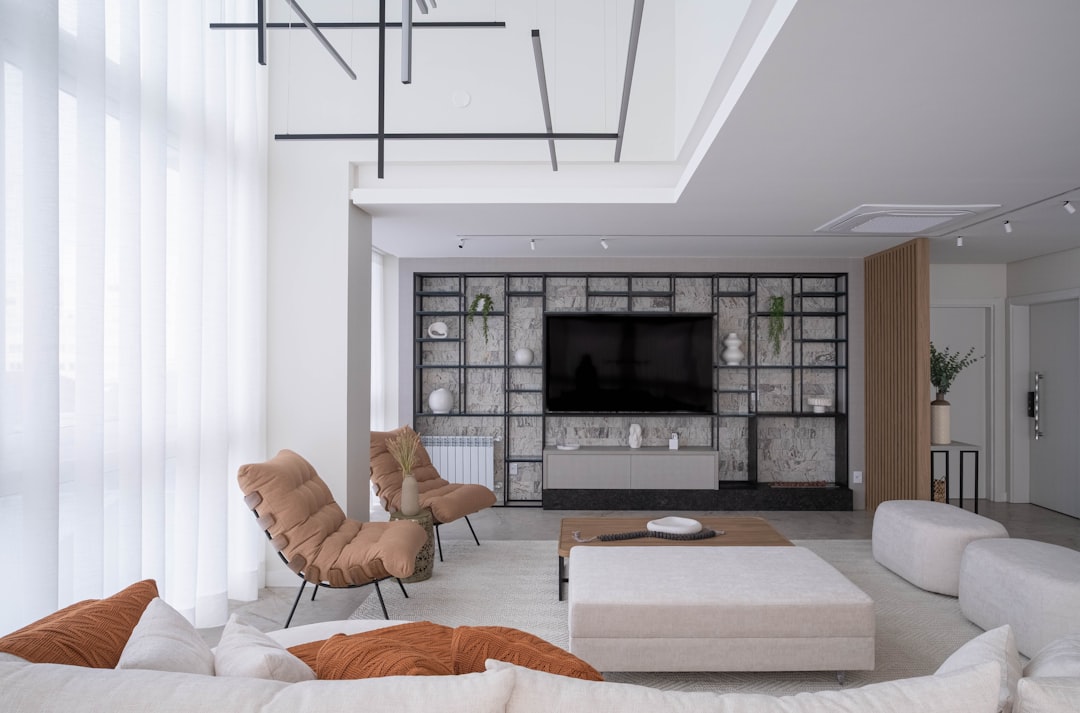
Your decision should hinge on its utility over the next seven to ten years, not just its appearance today. Will that narrow, open-shelf design still work if you upgrade to a larger TV or add a soundbar? Does the material promise to withstand Singapore’s humidity without warping? The right choice reconciles these practicalities with your style. You can explore options that balance these considerations, like those in Megafurniture’s collection of living room furniture.
Optimizing utility involves selecting consoles with modular components like adjustable shelves and removable dividers. This flexibility allows the storage layout to adapt to changing electronics, such as swapping a game console for a soundbar. It maximizes vertical space efficiency for items of varying heights. This approach transforms a static piece into a dynamic storage solution tailored to your living space.
Quantifying storage capacity begins with calculating the internal cubic footage of a TV console. This measurement accounts for the usable space within cabinets, drawers, and open shelving. By comparing this total volume to your media and accessory inventory, you can select a unit that fits your needs without excess bulk. Accurate assessment prevents under-utilization and ensures every component has a designated home.
Effective optimization requires matching console depth to both your wall space and typical stored items. A unit too shallow may not accommodate media players or routers with their cabling. Conversely, excessive depth can waste floor area and make items at the back inaccessible. Proper proportion planning ensures the furniture serves its function while maintaining a balanced room aesthetic.