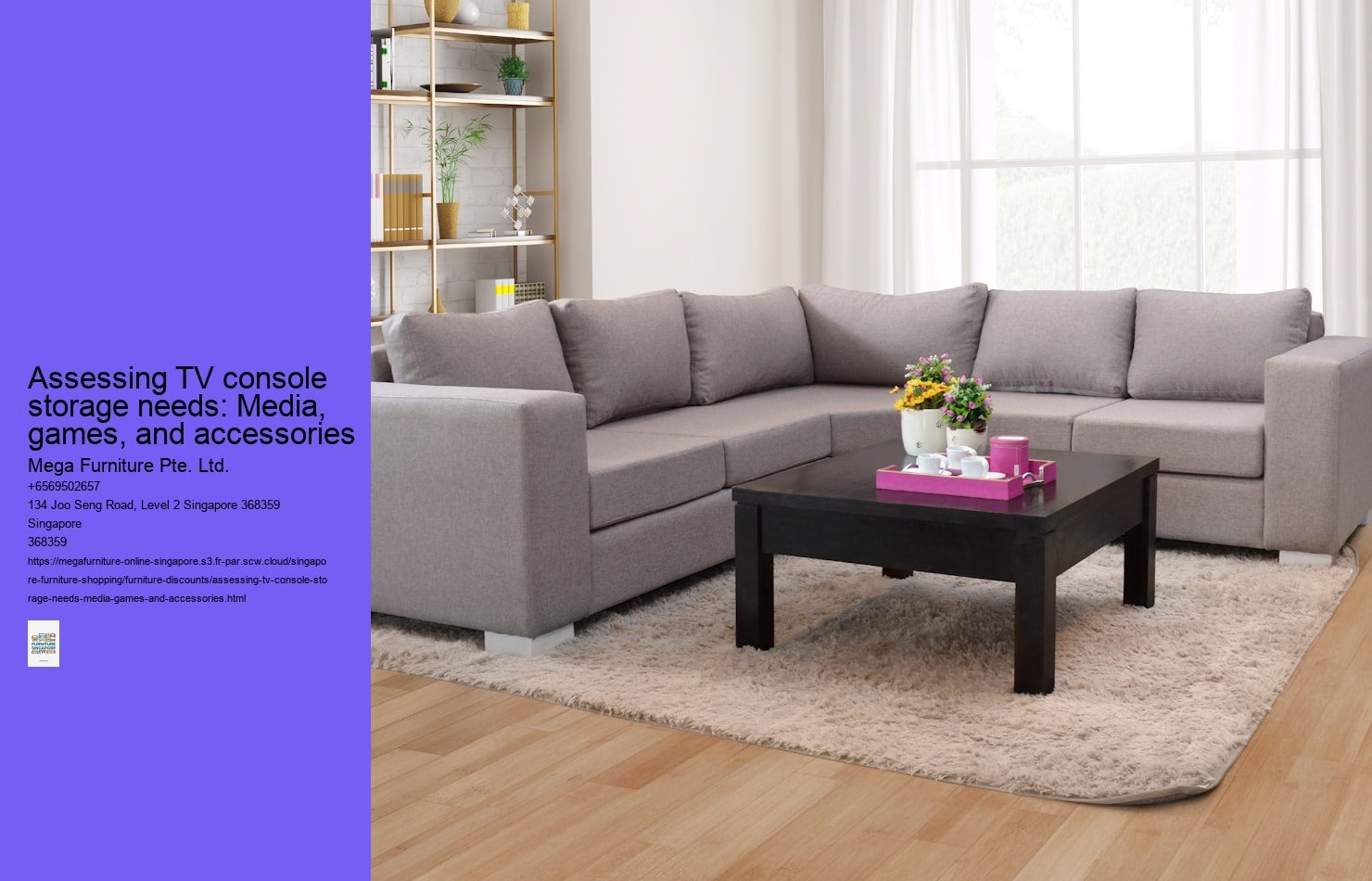
The wall behind your sofa in a 4-room BTO is often just under three metres wide — a specific figure that dictates everything. You can’t fit a standard three-seater, a side table, and a floor lamp without one piece feeling crammed against a wall or a doorway; that missing 15 centimetres is where your living room layout either breathes or suffocates. This constraint defines your storage hunt: a TV console for that same space must leave room for the AC unit’s swing, the router’s blinking lights, and maybe a plant in the corner, pushing functional storage down to about two metres of cabinetry at most.
Condo living rooms, particularly in newer two-bedroom units, trade wall length for an open-plan illusion. You might have a generous 4.5-metre span from kitchen island to media wall, but depth is the real currency here. A console that’s too deep — say, over 50 centimetres — will choke the walkway to the balcony, turning a prized feature into a daily obstacle course. The storage need pivots from sheer volume to integrated concealment; you’ll want doors that hide the game consoles and cable spaghetti, because in that fishbowl layout, every clutter is on display from the dining area.
Landed homes offer a different puzzle: vast walls that can swallow standard furniture whole. That potential media wall might stretch four or five metres, but filling it with a single monolithic unit often looks disproportionate, like a showroom misplaced in a home. The smarter play is treating it as a zone — a central console for AV gear, flanked by lower display shelves or taller cabinets that don’t compete with the ceiling height. Here, storage can be generous, but it needs to be organised; deep shelves become black holes for forgotten board games if they aren’t sectioned.
Overlook these measurements and you commit to a cycle of returns or resigned acceptance. The 2.4-metre console that looked perfect online arrives and blocks your HDB bomb shelter door. The sleek, shallow condo-friendly unit can’t fit your soundbar. It’s not just about buying furniture; it’s about buying for the specific geometry of your air space, your door swing, your lifestyle. Start with a tape measure, not a Pinterest board.
The finish on your console is the first thing to fail, but the joinery is what sends it to landfill. Singapore’s climate is a slow, steady assault on furniture; 80% humidity works into seams and softens glue, while daily life adds its own abrasions. You’re looking for a piece that can withstand both, and the material choices you make now determine whether it’s a decade-long fixture or a three-year disappointment.
Engineered wood is the common compromise, offering stability against humidity at a lower cost than solid teak. It’s less prone to warping than some solid woods, but its core can be soft — that heft you feel when pushing a drawer isn’t just about weight, it’s about density. A drawer glide on a particleboard core often feels gritty after a year of use, while one running on a solid wood or reinforced track retains its smoothness. For true longevity in an active household, solid teak remains the benchmark; its natural oils resist moisture, and its mass provides a foundation for hardware that won’t sag.
Surface resilience is another battlefield. Laminate finishes, especially those with a textured grain, can stand up to pet claws and toy collisions surprisingly well — the scratch is on the coating, not the wood beneath. But that coating is a sealed layer; if moisture gets under it at an edge or joint, the damage spreads invisibly. Metal legs in humid climates are a pragmatic choice, provided they’re properly finished; powder-coated steel fares better than basic painted metal, which can bubble and rust in the constant damp.
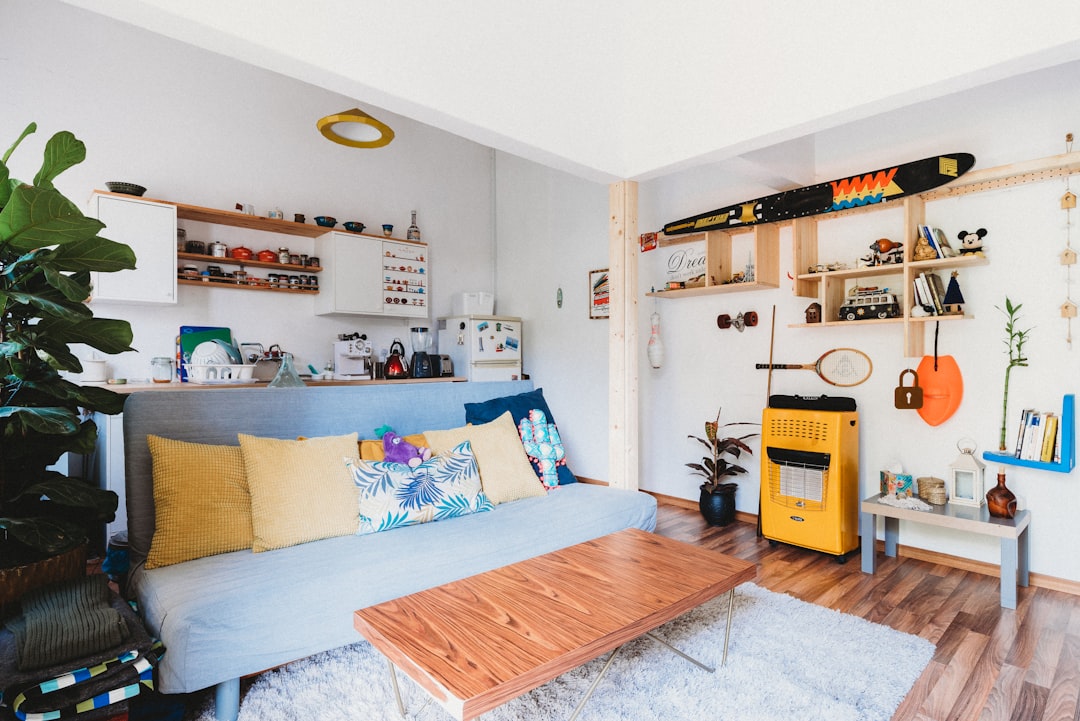
Quality signals are almost never in the marketing copy. They’re in the joinery: look for dovetail or mortise-and-tenon construction in drawers, not just staples or glue. Check that back panels are solidly attached, not merely tacked on. A console that feels rigid when you push against its sides, with no creak or flex, has a structure that will endure the shifts humidity brings. It’s that underlying architecture, often ignored at the point of sale, which decides whether a piece becomes a centrepiece or a casualty.
Start by laying everything out on the floor—it's the only way to see the true scale of your collection. A PlayStation 5 is a behemoth at around 39cm wide and 26cm deep, and that’s before you account for ventilation gaps. Soundbars, especially premium models, can push 10cm deep and over a metre long, while a standard Wi-Fi 6 router needs its own cleared shelf. Board game boxes, from Splendor’s slim case to Gloomhaven’s colossal crate, are the wildcards that turn neat shelving into a precarious Jenga tower. This mapping exercise forces you to confront the real volume you need to house, which is almost always more than you first estimate.
Chaotic wires utterly defeat a console's clean, minimalist purpose. Plan for cable management from the outset by choosing a unit with built-in cord ports, rear channels, or at least a removable back panel. You’ll need to route power bricks, HDMI 2.1 cables, ethernet lines, and speaker wires, each with different thickness and bend radius. A common mistake is allocating space for the devices but forgetting the bulky transformers that sit between them and the wall socket. Without a dedicated plan, you end up with a snarled nest that hampers airflow and turns simple maintenance into a frustrating ordeal.
In a typical 4-room BTO living room, floor space is precious, so think upwards. Taller TV consoles, or models with integrated shelving above, create room for future upgrades—perhaps a streaming device, a second game console, or a vinyl record player. This vertical space is also ideal for stacking game cases or displaying collectibles without consuming the prime real estate reserved for core components. Just ensure the overall height doesn’t obstruct your TV sightline from a low-seated sofa. It’s a simple principle: if you can’t build out, build up.
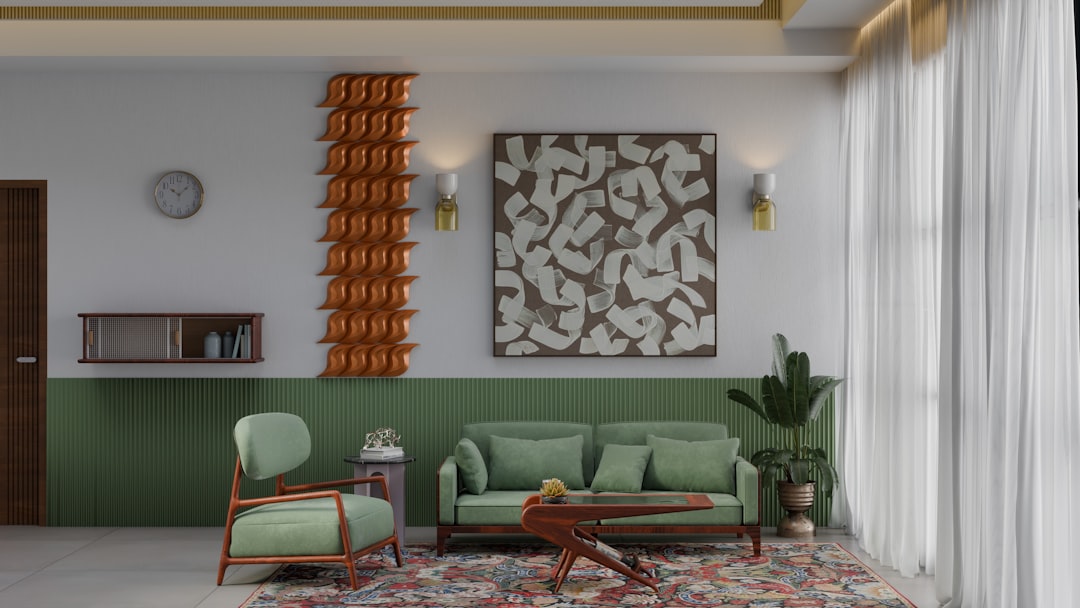
Cabinet depth is the most frequent miscalculation, as buyers focus on width and forget about projection. A unit might fit your wall perfectly but leave your soundbar hanging precariously over the front edge. Measure the deepest item, add at least 5cm for cable clearance behind it, and use that as your minimum depth requirement. This also prevents the unit from feeling overly imposing in a narrow room; a console that’s too deep for its space can make a Pasir Ris HDB living room feel cramped. That extra few centimetres of planned depth is what separates a tailored fit from a compromised one.
Consider not just storage, but access—you’ll need to reach ports for USB drives, swap game discs, and dust regularly. Deep cabinets with fixed shelves become black holes for controllers and remotes. Opt for units with adjustable shelves or full-extension drawers, which bring contents to you rather than forcing you to grope blindly. Front-facing, ventilated compartments for routers and set-top boxes are far superior to top-facing holes that collect dust. A good console design acknowledges that storage isn't a one-time loading exercise but an ongoing interaction.
The most common mistake with TV consoles isn't about the unit itself—it's forgetting the wall behind it. Buyers get a perfect 2.4-metre console for their BTO living room wall, only to find they can't plug in the soundbar or media player because the unit's back panel is flush against the wall sockets. You'll need at least a 10cm buffer, more if you're using bulky UK-style plugs, and that measurement needs to be part of your initial floor plan.
Aesthetic missteps are just as costly. Choosing a high-gloss white finish for a west-facing condominium living room in Tampines or Bedok is a classic error; the relentless afternoon sun will turn that surface into a glaring, yellowing eyesore within two years. Matte laminates or wood veneers handle the exposure better, and a dark walnut or oak tone won't show every speck of dust in the humid air. Similarly, the current trend for consoles on slender, minimalist legs often sacrifices the very storage volume a typical household needs—where do you actually put the three game consoles, router, and that tangle of cables?
For BTO owners, the delivery day surprise is a particular pain point. You've measured the lift lobby and your front door, but the final hurdle is often the internal door frame to the living room itself, which can be as narrow as 70cm in some layouts. A console that's 80cm deep simply won't pivot through, leaving you with a costly reassembly or return. The practical solution is to prioritise modular or flat-pack designs that can be brought in piecemeal, even if they lack the heft of a solid rubberwood monolith.
Ultimately, a TV console's job is to organise chaos, not just to look good empty. Before you commit, lay out every device and accessory you own on the floor—set-top box, gaming headsets, board games, remote controls. The physical footprint of that pile is your minimum required storage volume; if the console you love can't swallow that load, its sleek profile is just a liability.
Online listings can't show you how that walnut veneer shifts from chocolate to caramel under the strip lights of your HDB corridor, or whether the drawer's weight capacity is just for pamphlets and remotes. That's why a trip to a physical showroom, like Megafurniture's spaces in Joo Seng or Tampines, often becomes the deciding factor for a piece that'll sit in your living room for the next decade. You're not just confirming dimensions against your sketched floor plan; you're assessing whether the finish variation is a charming natural character or a deal-breaking inconsistency. Bring your tape measure and your phone with the photos of your space. The depth of a console that seemed perfect online might suddenly overwhelm a narrow walkway in a 4-room BTO layout, or its storage compartments might prove too shallow for your game console and soundbar. Testing drawer glide and weight capacity on the spot—loading it with catalogues or your bag—reveals construction nuances that product descriptions gloss over. Does the drawer wobble when half-extended? That's a daily annoyance you'll only discover in person. Lighting is everything. Showroom lighting, often brighter and more directional than a typical living room's, will highlight grain details and texture in a way your phone screen simply can't. You'll see if that "oak finish" has a convincing, deep grain or a flat, printed-on look; you'll feel the difference between a laminate that feels cool and slick and a solid wood surface that's warmer to the touch. This physical inspection turns a speculative buy into a confirmed choice. There's also a practical angle for Singaporeans: visiting both the Joo Seng and Tampines showrooms lets you check stock availability across their larger warehouse spaces, which can shave weeks off a renovation timeline. And while you're there, you can browse the full scope of their
living room furniture collectionto visualise how that console pairs with an armchair or a sideboard. It turns an errand into a reconnaissance mission, where the goal is to eliminate post-delivery surprises.
The delivery team will measure your lift landing before they even bring the TV console up — a standard practice that’s saved many a buyer in older HDB blocks from a logistical nightmare. Those lift lobbies are often just 1.2 metres square, a tight squeeze for a large, flat-packed crate; if your unit’s on a low floor and the item’s slim, they might just take the stairs. Always clarify old furniture disposal fees upfront, as many retailers charge around $30 to $80 for removal, a cost that can surprise you on delivery day if you haven’t planned for it.
Assembly is typically a two-person job, with the team unpacking, constructing, and positioning the console in your living room. They’ll have the right tools, and they know the quirks of assembling particle board versus solid wood frames in our humidity. Watch them work — it’s your best chance to spot any transit damage before they leave. You must document any scratches, dents, or split panels on the delivery paperwork immediately; once you sign off, it becomes much harder to claim.
The industry standard warranty is 12 months, covering manufacturing defects like faulty drawer glides, warped doors that won’t close, or veneer that peels. It won’t cover damage from improper cleaning, accidental knocks, or the inevitable wear from a PlayStation being shoved into the same cubby five times a day. Keep your invoice and the warranty card filed, not crumpled at the bottom of a drawer.
For larger consoles destined for landed property living rooms, check if the delivery vehicle can access your estate and where it can park — some roads in older neighbourhoods like Katong are simply too narrow for a lorry. That extra fifty metres from the kerb to your door might mean an additional manual handling fee. It’s a detail often overlooked until the driver calls to say they’re stuck.
The most telling questions from homeowners aren't about style trends—they're about the millimetre-level compromises of local living. These four keep coming up.
For a 65-inch TV with soundbar, you’ll need a console depth of at least 40cm. Most soundbars add 8–10cm; you want the bar to sit forward on the console, not overhang. A 45cm depth is the sweet spot, giving you space for a media player and still allowing walkway clearance in a narrow 4-room BTO layout.
Dark floor tiles in an HDB don’t doom your resale value, but they do demand a strategic palette. Warm, light woods like oak or beech laminate create contrast and lift the space; avoid grey-toned furniture that can make the whole room feel cave-like. A crisp white or off-white console is the safest bet for broad appeal, acting as a visual counterweight to the dark floor.
The material that laughs at both a toddler’s sticky hands and 85% humidity is sintered stone. It’s harder to scratch than laminate, wipes clean instantly, and doesn’t warp. Solid rubberwood with a robust lacquer finish is a decent, more affordable second choice—just expect it to show a few more battle scars over the years.
That BTO service yard door is a notorious bottleneck. Standard width is around 70cm, but the frame often eats another few centimetres. Before you commit to a large unit, measure the diagonal depth of the furniture; many a console has made it into a Punggol flat only after an anxious tilt through that doorway.
The week before your console arrives is the time for a final, ruthless audit. Pull out that inventory list you made—the one with the media player, the soundbar, the four game controllers, and the tangle of cables—and physically map it against the unit’s interior. A console with three shelves but only one power outlet at the back creates a problem you’ll curse every time you need to unplug the router.
Light exposure is a silent destroyer. That beautiful, light oak veneer in a west-facing Tampines living room with full afternoon sun won’t stay beautiful for long; it’ll fade and yellow within a couple of years, a mismatch between style and environment. For high-traffic areas in a family-centric HDB, where kids and pets brush past daily, a matte, lacquered finish or a robust laminate will typically withstand scuffs far better than a delicate, oiled walnut.
Then there’s the daily test. A console with drawers that stick when full, or doors that swing open into a walkway in your 4-room BTO layout, isn’t just annoying—it’s a design failure that actively discourages use. The right storage, with a mix of concealed compartments for clutter and open shelves for daily essentials, solves friction points you encounter every evening; the wrong choice becomes a permanent clutter magnet, compounding small frustrations for the lifespan of the piece.
This final check isn’t about second-guessing your taste, but aligning it with reality. Proceed only when you’re confident the console’s form suits your room’s light and flow, and its function directly addresses the specific pile of items currently living on your floor. That confidence is what separates a considered purchase from a lasting regret.
Begin by cataloging all your physical media, such as Blu-ray discs, DVDs, and vinyl records. Count the number of items to determine the necessary shelf space and depth required. This assessment ensures your console can accommodate your entire library without clutter.
Consider the number of gaming consoles, controllers, headsets, and charging stations you need to store. Plan for both vertical and horizontal space to house the devices and their associated cables neatly. Adequate ventilation space behind the console is also crucial for electronic components.
Account for all remote controls, streaming devices, and small gadgets like gaming cartridges. Evaluate the need for integrated drawers, open cubbies, or dedicated trays to keep these items organized and accessible. This prevents loss and maintains a clean, functional entertainment area.