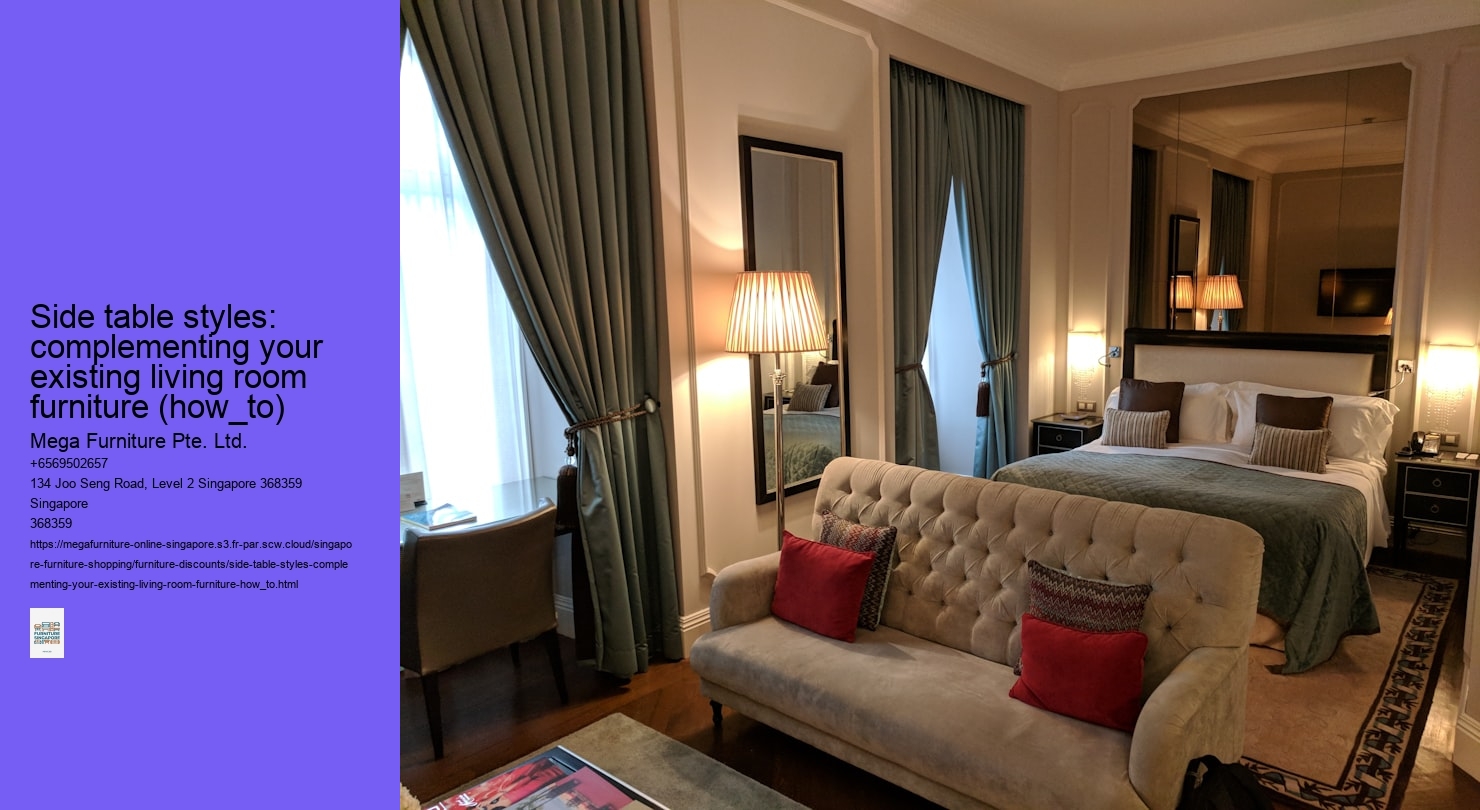
In a 4-room BTO flat, that sleek marble side table from the showroom photo often ends up blocking the walkway to the balcony. Its proportions belong to a different life. Here, the side table’s function shifts from pure aesthetics to spatial negotiation—it must offer a surface for a lamp and a phone without claiming territory needed for movement.
Scale is everything. Pair a 1.8-metre sofa with a bulky, 60-centimetre-wide side table in a 16 square metre HDB living area, and you’ll sacrifice precious floor space for a rarely used corner. The same sofa in a 35 square metre condo living room can handle that substantial piece, perhaps even a matching pair. For compact layouts, a slimmer profile around 40 centimetres, or a nesting set you can tuck away, typically works better. It’s not about the table itself, but the air and light it allows to remain around your seating.
Material choices often follow the home’s architecture. Resale flats with classic timber parquet might call for a warm rubberwood or oak side table to complement existing tones. Newer condos with polished sintered stone floors can carry glass or lacquered metal designs without feeling cold. In many landed properties, where rooms flow into one another, a side table might need to anchor a reading nook far from the main seating—its stability and finish becoming a standalone statement.
Ultimately, a side table’s success hinges on its relationship to the room’s primary pathways. In an HDB, it’s frequently a narrow sentinel beside an armchair. In a sprawling bungalow living area, it could be a central perch between two sofas. The buyer’s first question shouldn’t be about style, but about the clearance needed to reach the switch or answer the door.
The side table beside your sofa often ends up as a catch-all for half-drunk mugs and damp coasters — in Singapore’s climate, that’s a recipe for water rings and mould. Prioritise materials that laugh at 80% humidity: solid teak develops a patina but won’t warp, powder-coated metal resists surface rust, and high-pressure laminate wipes clean without swelling at the edges. Anything less, and you’ll be staring at a bubbled veneer within a year. Pet owners know the hazards of sharp corners in a cramped corridor; a rounded edge on a side table isn’t just a design choice, it’s a shin-saver. Look for softened profiles, especially if you’re navigating a narrow walkway between your sofa and TV console. It’s a small detail that prevents a lot of yelping. In many 4-room BTO layouts, the living room might only leave a 60cm gap between the armchair and the wall. That’s where integrated storage becomes non-negotiable. A side table with a drawer or a lower shelf keeps remotes and charging cables off the floor, turning dead air into functional space. It’s a simple swap that makes a 12 sqm area feel organised, not overstuffed. For truly premium floor areas, like in some compact condos, consider a nesting pair or a slim console table behind the sofa. These designs borrow vertical space you weren’t using anyway. The goal is to add surface area without claiming more of the room’s footprint — because in many Singaporean homes, that square metre is your most valuable asset. Browse options that consider these constraints at
Megafurniture’s collection, where you’ll find pieces built for local realities, not just aesthetics.
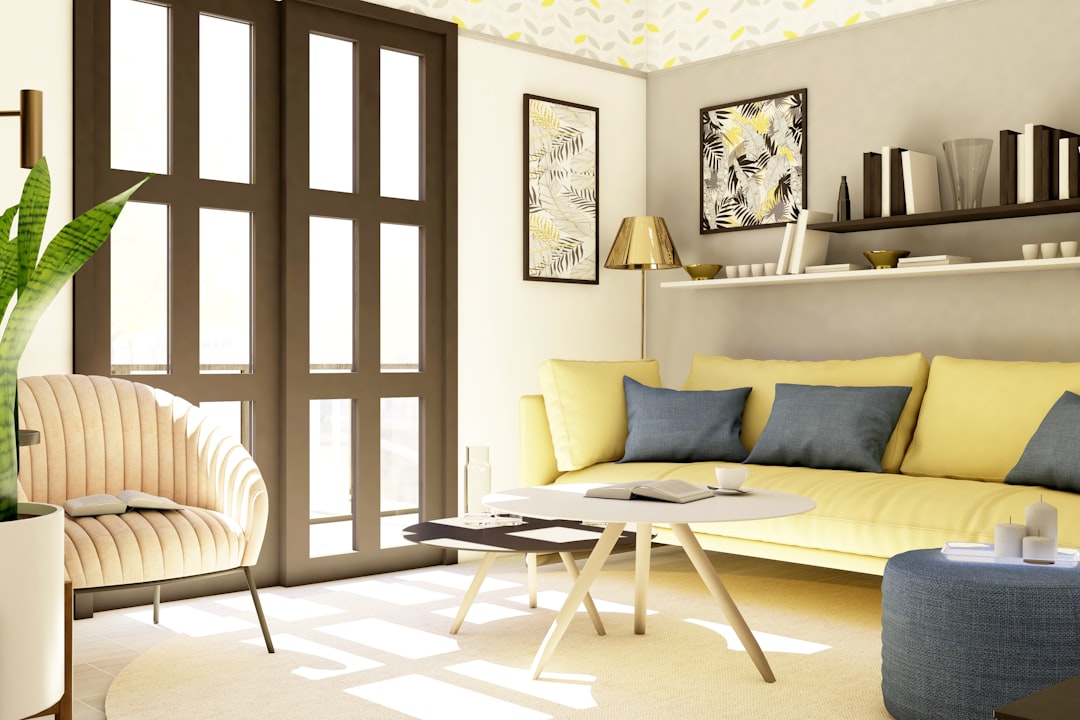
In Singapore's climate, the core material of a side table dictates its lifespan more than its style. Engineered wood, typically a particleboard or MDF core with a veneer, is cost-effective and stable for HDB living rooms. Solid timber, like rubberwood or oak, offers heft and can be refinished, but it's prone to subtle warping in our humidity. The choice often comes down to budget versus permanence — you're buying a surface for a decade, not just a look. Veneer peeling is the common failure point for engineered pieces, especially on table edges that catch elbows and cleaning cloths.
Forget the top for a moment; the weakest link is usually where the legs meet the frame. Spot-check for reinforced joints — look for metal brackets, corner blocks, or proper mortise-and-tenon construction, not just glue and staples. A wobbly side table in a 4-room BTO living room isn't just an annoyance; it's a sign the structure can't handle the load. Joints that rely solely on adhesives often fail after a few seasonal humidity cycles, long before the material itself gives out. A firm shake test in the showroom, while awkward, tells you more than any product description.
A side table that can't hold a stacked coffee table book, a lamp, and a small plant is practically useless. Aim for a stated weight capacity over 15kg, which covers a standard table lamp and a few hardcover books. Many lightweight, hollow-core tables max out around 8kg, which means they'll sag if you ever decide to use them as a temporary laptop perch. That capacity needs to be distributed, too — a table that's strong in the centre but caves at the corners won't survive life next to an armchair.
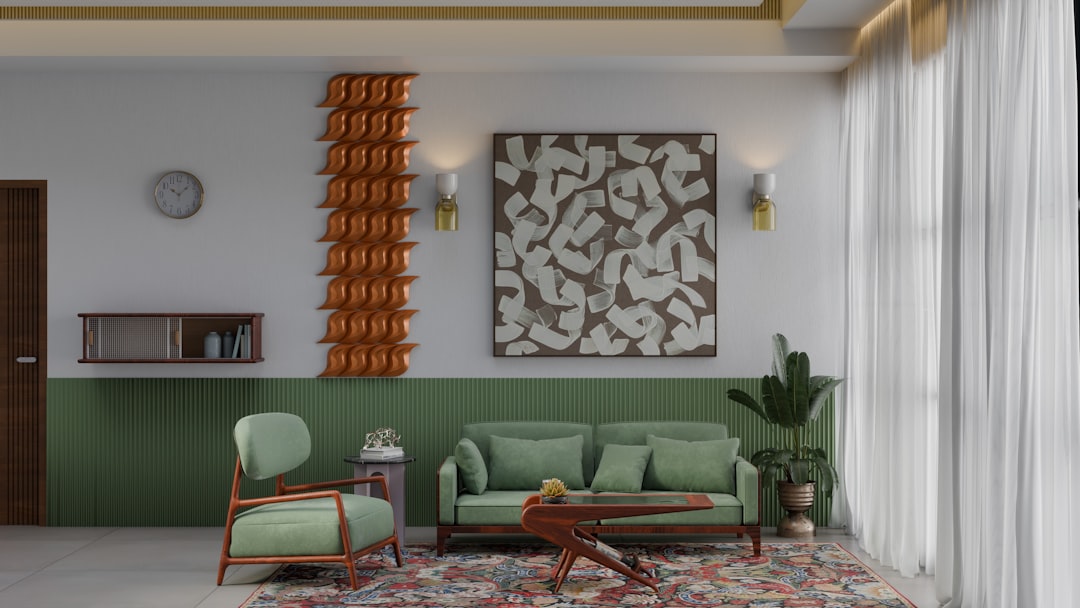
The finish is the first line of defence against moisture, not just a colour. A properly moisture-sealed top, whether lacquer, polyurethane, or a quality laminate, resists condensation rings from cold drinks and humid air. Run your hand across the surface; it should feel uniformly smooth and non-porous, with no rough patches or gaps at the edges where water can seep in. In many homes, a side table's finish fails from constant, minor exposure long before the material underneath is compromised.
Singapore's specific conditions create unique stress tests that global product specs often ignore. Check online reviews from local buyers for mentions of warping after the first rainy season or veneer bubbles appearing near air-con units. A table that's stable in a temperate warehouse might develop a slight rock on an uneven HDB tile floor or in a landed home's airy living room. It's the real-world feedback, not the lab test, that gives you the true quality signal for life here.
Integrate your side table through deliberate color choices. You can match it to a secondary color in your rug or artwork for a pulled-together feel. Alternatively, use a neutral table to bridge bold furniture pieces. Color is a powerful tool for creating visual links between items.
Select a style that supports your living room activities. For frequent guests, a table with a lower shelf offers extra display or storage space. If you need a spot for reading lamps, ensure the tabletop is sturdy and adequately sized. The style should directly serve your daily needs and habits.
Introduce a contrasting table shape to add visual interest. Pair a curved, sectional sofa with a angular, geometric table for modern dynamism. Conversely, soften a room of straight-lined furniture with a round or oval side table. This deliberate contrast prevents the arrangement from feeling flat or monotonous.
A common side table ends up wedged against the HDB corridor door, its bulk forcing a daily shuffle just to get the stroller out. It’s a classic Singaporean miscalculation — prioritising surface area over circulation in a 4-room BTO layout where every centimetre from the sofa arm to the main door is accounted for. Measure the intended spot’s width, then subtract at least 15cm for a comfortable walking path; a 40cm-deep table is often the sweet spot for keeping access clear while still holding a lamp and your phone.
Height is another frequent oversight. Buyer pairs a new side table with an existing sofa, only to find their arm strains reaching down or the tabletop sits awkwardly above the sofa arm. The ideal height typically matches the sofa arm’s top, or sits a few centimetres below it, creating a visual and functional line. That sleek, low-slung marble piece might look stunning online, but it’s useless beside a deep-seated, high-armed recliner from a decade ago.
Material choice becomes critical in East-coast flats around Bedok or Marine Parade, where salt-laden humidity can warp untreated wood and encourage mould in porous stone. Opt for sealed, non-porous surfaces like ceramic, glazed sintered stone, or treated metals that won’t trap moisture. A rustic, oil-finished teak stump might promise character, but in a humid, air-conditioned living room, it’s more likely to develop a sticky film and a musty scent within a season.
In media-heavy setups, cable management is an afterthought. That elegant side table by the recliner becomes a nest of phone chargers, laptop cables, and router wires snaking across the floor to the nearest socket. Look for designs with integrated cable ports or a concealed back panel — it’s a small detail that maintains the clean lines you initially wanted. The best side tables here aren’t just surfaces; they’re discreet organisers for the tech clutter that defines modern living.
Finally, there’s a tendency to treat side tables as standalone art pieces, forgetting they anchor a zone. A heavy, ornate table can visually sink a light, Scandi-style sofa, while a spindly metal frame gets lost beside a substantial leather sectional. The finish should converse with other elements in the room — the metallic trim on your console, the legs of your armchair — creating cohesion without demanding attention.
The decision to commit to a full living room set often hinges on two photos that don’t quite match—your phone screen and the showroom tag. You can’t judge the weight of a marble-look tabletop from a JPEG, nor feel the subtle wobble in a leg that seems perfect online. That’s where a physical visit settles things. You get to press a palm against a sintered stone console to test for cold solidity, or run a hand over a performance velvet armchair to see if the nap catches the light—and your preference—in person. Showroom lighting, typically a mix of warm ceiling spots and harsh fluorescent strips, reveals finishes that product photography can’t. A walnut veneer that looked uniformly dark in a studio shot might show dramatic grain and colour variation under the lamps at Tampines; a matte lacquer side table might glare unexpectedly, changing your entire colour scheme. It’s about confirming the tactile reality before a delivery truck arrives at your Eunos HDB. More critically, it lets you measure. Bring the dimensions of your existing three-seater sofa or that awkward alcove by the window. Place a potential side table beside it, see if the heights align for a resting drink, or if a console will truly fit beneath your 65-inch TV without crowding the space. For those planning a full refresh in a 4-room BTO, this on-site comparison prevents the common headache of pieces that are technically the right size but feel all wrong in proportion. There’s a quiet confidence that comes from physically organising a room in your head while you’re surrounded by the pieces. You’ll walk out either certain of your choice, or certain you need to keep looking—both outcomes saving more time and money than a speculative online order ever could. You can start that comparison by browsing the options for
living room furnitureto see what warrants a closer look.
A side table that can't fit through your front door is just expensive sculpture. In many newer BTO blocks, that's a real risk – the HDB lift landing is a tight 1.2 by 1.4 metres, and stairwell access can be even narrower for those ground-floor units. Delivery crews know to check these dimensions before they even load the truck, but it's smart to have your own tape measure out; a 900mm wide console table might need to be angled diagonally, and a fully assembled media unit could be a non-starter.
That's where the two-man assembly service becomes essential, not an optional extra. They'll bring the flat-pack box to your living room floor, then build it *in situ*, which sidesteps any awkward final corridor manoeuvres. You'll pay for the privilege, typically around $80 to $150 depending on the piece's complexity, but it's a cost that buys peace of mind – no scuffed door frames, no arguments over an Allen key.
Warranties for living room furniture here tend to follow a predictable, tiered pattern. You'll get a standard one-year coverage on most things, which handles manufacturing defects like faulty drawer glides or a wobbly leg that wasn't your fault. The real scrutiny should be on what happens after that year expires, particularly for materials prone to Singapore's climate. A good warranty will explicitly cover laminate swelling or peeling for at least three years, acknowledging that 75% humidity is a relentless test.
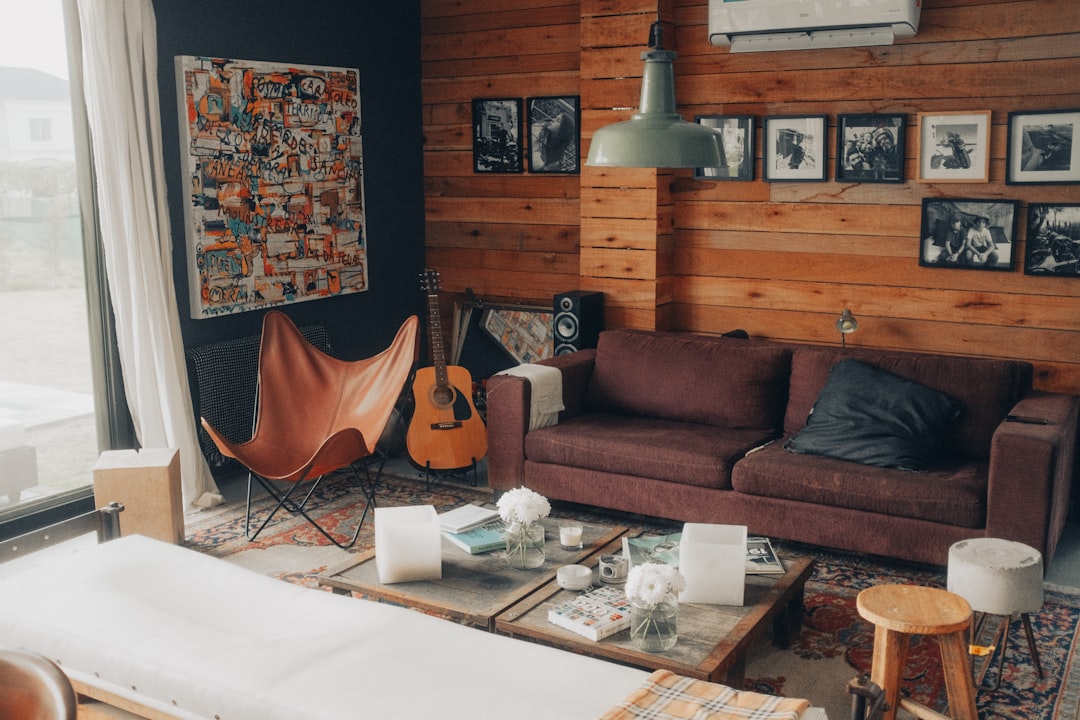
Structural integrity – the frame of a solid wood sideboard or the joints on a TV console – often gets a longer, five-year guarantee from retailers who trust their joinery. That's the coverage that matters for a piece you plan to keep for a decade. Just remember to register the product online with your invoice; a warranty is only as good as the proof of purchase you can actually find two years later.
For laminate pieces, the real test isn't daily use but the slow creep of moisture. A spill you wipe up immediately is fine; the constant, unseen dampness in the air is what lifts edges over time. A robust warranty accounts for that environmental reality, not just accidental damage.
" width="100%" height="480">Side table styles: complementing your existing living room furniture (how_to)The most telling questions about side tables don't ask about style first—they start with a specific, spatial problem in a real Singapore home.
I need a side table for a narrow HDB corridor, maybe 40cm wide. For these tight walkways, often just 80-90cm across, you’ll want a slim console table under 30cm deep; look for a vertical design that uses wall height rather than floor footprint, something with open shelving or a single drawer to avoid bulk.
What about child-safe designs with rounded corners? That’s a priority for families in Tampines or Punggol BTOs where living room space is shared. Prioritise tables with fully rounded, sanded edges over sharp right angles, and consider a stable, low-profile base that won’t tip—materials like rubberwood or a lacquered MDF finish can handle the occasional bump better than fragile veneers.
How do I match my existing walnut TV console? This is about finish, not just colour. If your console is a warm, mid-tone walnut veneer, you’ll need to compare samples in daylight; an oiled walnut from one line can clash with a glossy lacquered one from another, so bringing a drawer front to the showroom is the only sure method. A simpler approach is to choose a complementary material, like a black metal frame or a clear glass top, that coordinates without trying to be an exact match.
What’s best for placing next to a recliner chair? It needs to sit within arm’s reach of the seated position, which often means a taller table around 60-65cm high. A small round table is ideal here—it tucks neatly into the space without sharp corners jutting into the walkway, and a single central pedestal base won’t interfere with the recliner’s mechanical footrest.
The side table that looked perfect online often feels wrong in your living room — it’s too tall for the arm of your sofa, or its sharp corners threaten every passing knee. That final gap between online cart and actual placement is where most buyer's regret happens, and it’s easily avoided with a physical checklist.
Start with the tape measure. Record the exact space between your sofa arm and the next obstacle, whether that’s a sliding door track or a display cabinet. Then, decide its primary duty. Is it purely for a lamp and a coaster, or must it hide remotes and charge devices? A buyer wants storage might choose a model with a drawer, while someone prioritising display could opt for a sleek marble top. Function dictates form.
Material suitability for your estate's microclimate is non-negotiable. Solid wood can warp in constantly air-conditioned spaces if not properly sealed, while rattan might fare better in a humid, landed-property verandah. For a sun-drenched corner in a Pasir Ris condominium, a sintered stone top will resist fading where a stained oak might not. Consider your daily reality: will you be wiping down monsoon-season humidity or dust from construction works in your Punggol BTO?
This is why finalising after viewing physical samples in showroom conditions is critical. You’ll feel the heft of a travertine top versus engineered stone, see if a rubberwood finish has the warmth you imagined, and test if a drawer glides smoothly on its runners. A showroom lets you judge scale and texture under lighting that mimics, however imperfectly, a real home environment.
So take your checklist, your sofa dimensions, and your phone with a charging cable to the showroom. Place a sample table beside a display sofa, drop your phone on it, and see if the height works. That five-minute test beats weeks of living with a costly mistake.