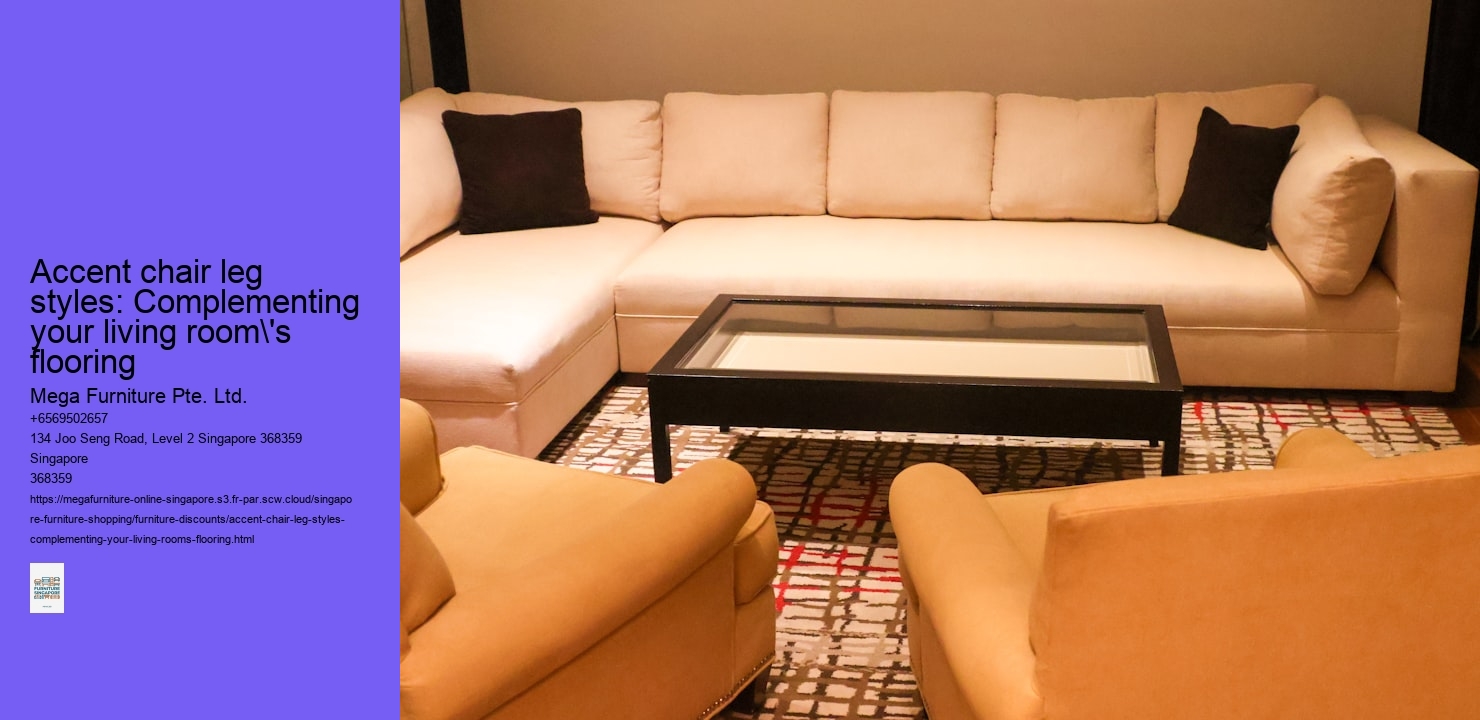
The stark silhouette of hairpin legs on dark laminate flooring is a deliberate choice, not an accident. It’s a look that works precisely because of its contrast—the thin, industrial metal lines against a deep, uniform plane create a graphic statement suited to minimalist HDB interiors. Conversely, a carved teak leg on herringbone parquet aims for harmony; the warm wood grains and intricate patterns blend, allowing the chair’s form to emerge gently from the floor. This interplay between visual weight and material contrast dictates whether your accent chair anchors the space or floats within it.
In Singapore, the flooring context varies wildly, and that dictates your approach. For a BTO flat owner selecting from standard vinyl plank options, a mid-tone oak or grey wood-look offers the most versatility—it provides enough neutrality to accommodate both light and dark leg finishes without clashing. The real challenge comes with preserving surfaces. Glossy epoxy or certain vinyls can show every scuff; opting for chair legs with integrated felt pads isn’t just sensible, it’s non-negotiable. A metal disc base sliding across a delicate finish will leave a mark you can’t buff out.
Contrast this with the considerations for a Bukit Timah landed property where the living room retains its original marble. Here, the aesthetic impact is secondary to physical protection. A heavy chair with a narrow, unfinished brass ferrule can scratch or even chip the stone over time. The solution often involves a custom-made, wide-fitting glider that distributes weight and prevents direct metal-to-stone contact. It’s a practical fix that preserves both the flooring’s value and the chair’s intended look.
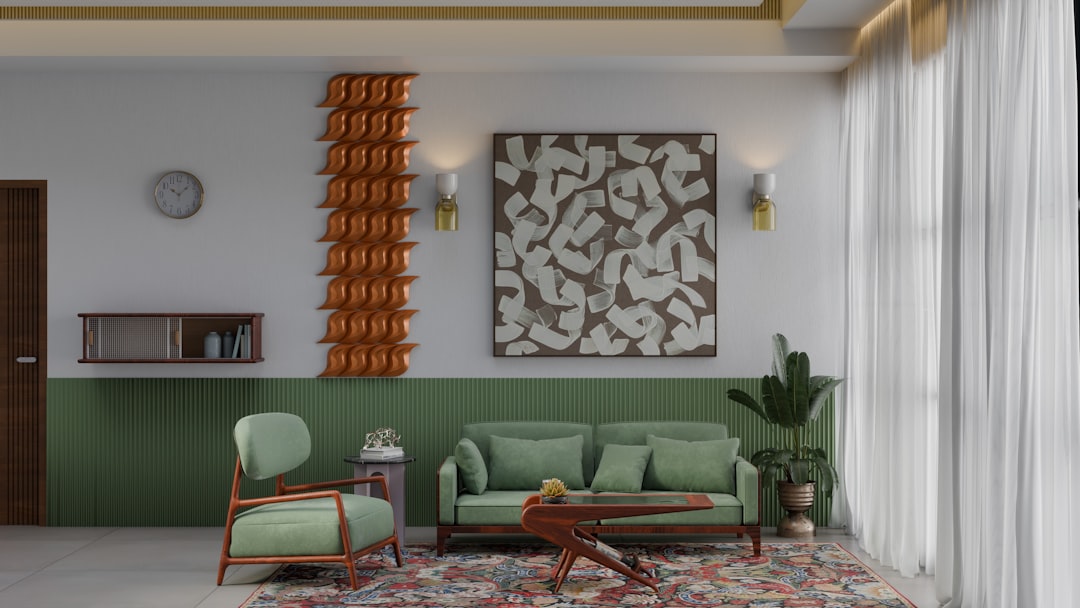
The finish on the leg itself is the final, critical layer. A polished chrome leg on a light ash vinyl plank can look crisp and modern, but that same leg on a high-traffic area of matte laminate might reveal cleaning streaks with every wipe. In many homes, a brushed or powder-coated metal finish proves more forgiving, hiding minor scratches and resisting fingerprints better than its polished counterpart. For wooden legs, an oiled or waxed finish is typically easier to touch up locally if a deep gouge does occur, unlike a high-gloss lacquer that might require a full refinish.
Ultimately, managing the chair’s impact is as much about daily life as it is about the initial visual. You’ll want to consider not just how it looks when placed, but how it will sound when dragged, what marks it might leave, and how its material will age alongside your floor.
The leg of an accent chair isn't just structural support—it's a visual anchor that can either crowd a room or give it breathing space. In Singapore's diverse housing stock, that distinction matters. A tapered mid-century leg, with its clean angle and slender profile, works in a 12 sqm study corner of a Tampines condo because it maintains a sense of lightness against built-in carpentry; a blocky turned leg, however, can feel overly substantial there, better suited to anchoring a fabric chair in a Good Class Bungalow's expansive living area where it won't compete with the scale.
Splayed legs offer inherent stability and a casual, almost architectural stance. They're a pragmatic choice for high-traffic family areas, as the wider footprint prevents tipping and the open design doesn't trap dust bunnies against polished porcelain tiles. Just ensure the chair's overall width, with legs splayed, still fits your intended spot beside the TV console. Hairpin legs are the minimalist's favourite, creating a floating effect that visually expands a compact space—ideal for a BTO living room where every centimetre of perceived floor space counts. Their industrial vibe, however, can clash with ornate existing cabinetry.
Then there's the solid plinth base, a continuous block of wood or moulded material. It delivers a grounded, sculptural look and eliminates worries about floor scratches, but it's a commitment. In a room with a low-profile storage sideboard and slim media console, a plinth base can feel overwhelmingly heavy; it needs surrounding pieces with similar visual weight to achieve cohesion.
Your flooring informs the final decision. Splayed metal legs on a rattan chair might scratch engineered timber, requiring felt pads, while a dark stained tapered leg could get lost on a similarly toned herringbone vinyl. The goal is a complementary dialogue between the chair's foundation, the room's proportions, and the hard surfaces underfoot. For those navigating these choices, browsing a comprehensive living room furniture collection can provide useful visual reference points.
Wooden chair legs create a cohesive, grounded look when paired with hardwood flooring. For a seamless aesthetic, match the wood tones closely; for intentional contrast, choose a leg finish that is noticeably lighter or darker than the floor. This style enhances a warm, organic feel and visually connects the furniture to the foundation of the room.
Tapered wooden legs provide elegant lift and definition for an accent chair placed on carpeting. The narrowing shape helps the chair appear lighter and prevents it from sinking visually into the plush surface. This leg style adds a mid-century modern or Scandinavian touch, ensuring the chair remains a distinct focal point.
Sleek metal legs, in finishes like brushed nickel or matte black, complement the cool, industrial character of tile or polished concrete floors. Their slender profiles maintain an airy, open sightline, preventing the chair from feeling heavy on a solid surface. This pairing is ideal for modern, minimalist, or urban loft living room designs.
Singapore's ambient humidity hovers around 80% for much of the year, a climate that quietly warps unsuitable materials. Solid rubberwood, a common choice for chair frames, typically handles this moisture better than veneered MDF, which can delaminate when the air gets heavy. That swollen edge on a cheaper side table is often a sign of an MDF core reacting to a long rainy season. Choosing a solid timber like rubberwood means the piece maintains its structural integrity through the monsoon cycles, without the hidden vulnerabilities of layered substrates. It's a practical decision for furniture that needs to last a decade in a 4-room BTO, not just survive the delivery.
Powder-coated steel legs are a quiet hero in coastal neighbourhoods like Marine Parade or Bedok, where salty air accelerates corrosion. This baked-on finish creates a far more resilient barrier than simple paint, resisting the tiny scratches from pet claws or vacuum cleaners that let rust in. A chair with raw or poorly finished metal will show orange blooms at the joints within a couple of years, especially if placed near a frequently opened window. Opting for powder-coating is a straightforward hedge against the inevitable spills and scuffs of high-use homes, keeping the look clean long-term. It's one of those details you only notice when it's missing.
Polypropylene caster wheels roll smoothly without leaving black scuff marks on engineered timber or homogeneous tile, a common frustration in homes with frequent furniture rearranging. Felt pads glued onto the bottom of metal legs are essential on hard flooring; they prevent that jarring screech every time someone stands up from an accent chair. For renters in condos with strict flooring clauses, or owners with expensive herringbone vinyl, these small additions are a form of insurance. They let you slide a chair out for vacuuming or guest seating without a second thought about damage. It's a minor specification that pays off daily.
Any wood that isn't properly sealed acts like a sponge in our climate, expanding and contracting until joints loosen or finishes crack. This includes the hidden parts of a chair—the underside of a seat or the inside of a leg. A fully sealed piece, with a consistent lacquer or oil finish, won't absorb moisture from the air during a humid week, which means no sudden stiffness when you try to move it. It's the difference between furniture that feels solid year-round and a piece that develops irritating wobbles. In many landed homes with open-air living areas, this sealing is non-negotiable.
For homes with pets or young children, a chair's fabric needs to resist more than just humidity; it needs to handle spills and stains without becoming a permanent blotter. Crypton or similar performance fabrics repel liquids initially, giving you a crucial minute to blot a coffee spill before it soaks in. These engineered textiles also tend to be more resistant to odours and easier to clean with a damp cloth than standard weaves. In a busy household where the living room is the centre of activity, this turns an accent chair from a delicate showpiece into a usable piece of furniture. You'll appreciate it during festive gatherings when someone inevitably sets a sweaty glass on the arm.
An armchair that fits perfectly in a Tampines showroom can overwhelm half a 4-room BTO living room. It’s a classic Singapore miscalculation — buyers fall for a striking silhouette, then realise its plush, overscaled arms consume the narrow walkway to the balcony. That same impulse leads to over-clustering; a trio of side tables and an ottoman around a single accent chair can make a compact space feel like a furniture warehouse aisle, not a living area.
Floor protection is another frequent oversight, particularly with leg styles. Selecting a chair with thin, hard plastic or metal legs for a polished porcelain floor almost mandates a rug to prevent scratches — but that introduces a trip hazard and a maintenance layer many didn’t budget for. It’s often smarter to choose a design with integrated floor glides or softer, wider feet from the start, especially in homes with elderly parents or young children.
Then there’s the delivery-day surprise. A beautifully solid plinth base might look elegant in the product shot, but it won’t bend around the tight corners of a service lift in newer condominiums around Tanah Merah or Bedok. Buyers forget to check their building’s lift dimensions and staircase clearances, leading to costly rescheduling or, worse, a rejected delivery stranded in the loading bay.
Planning for scale isn't just about the floorplan on your phone. You need to visualise the volume a piece occupies, the clear space it requires to feel intentional, and the literal path it must take to get into your flat. It’s the unglamorous logistics that make or break a living room refresh.
The showroom gloss can hide a multitude of sins, but a methodical assessment reveals what you’re actually buying. Start where the stress goes: at the joinery where the legs meet the seat frame. Don’t just look—apply a firm, twisting pressure with your hands, simulating the sideways shuffle that happens when someone gets up from a chair. A quality piece won’t creak or give; you’re checking for solid wood-to-wood connections, not just corner brackets hidden by fabric. Flip the chair, if you can, or get down to inspect the underside of the legs. The finishing here is a telling signal—it’s the part manufacturers often neglect if they’re cutting corners. A smooth, fully sanded and sealed underside, even on the back legs, suggests attention to detail that usually extends to the more visible elements. A rough, unfinished edge in a dark showroom corner, however, is a red flag; it’s the furniture equivalent of a rushed paint job behind the refrigerator. Colour is another showroom trick, with warm track lighting designed to flatter. Bring a sample of your own flooring—a laminate plank, a tile offcut, or even a large swatch of your rug—and place it directly under the chair. That cool grey velvet might skew starkly blue under your north-facing window’s light, or the walnut stain could turn orange against your Merbau timber-look tiles. This direct comparison is the only way to judge the real-world hue. Finally, consider the journey home. If the chair has castors, verify their suitability for your specific floor type. Hard plastic wheels will gouge engineered timber; soft rubber ones might drag on high-pile carpet. Ask if swivel or locking mechanisms are an option, especially for chairs that will live on polished marble or over a delicate rug. These functional details, often an afterthought, dictate daily usability long after the showroom’s perfect staging is forgotten. You can assess these critical points across a range of pieces at Megafurniture’s
living room collectionsin their Joo Seng or Tampines showrooms.
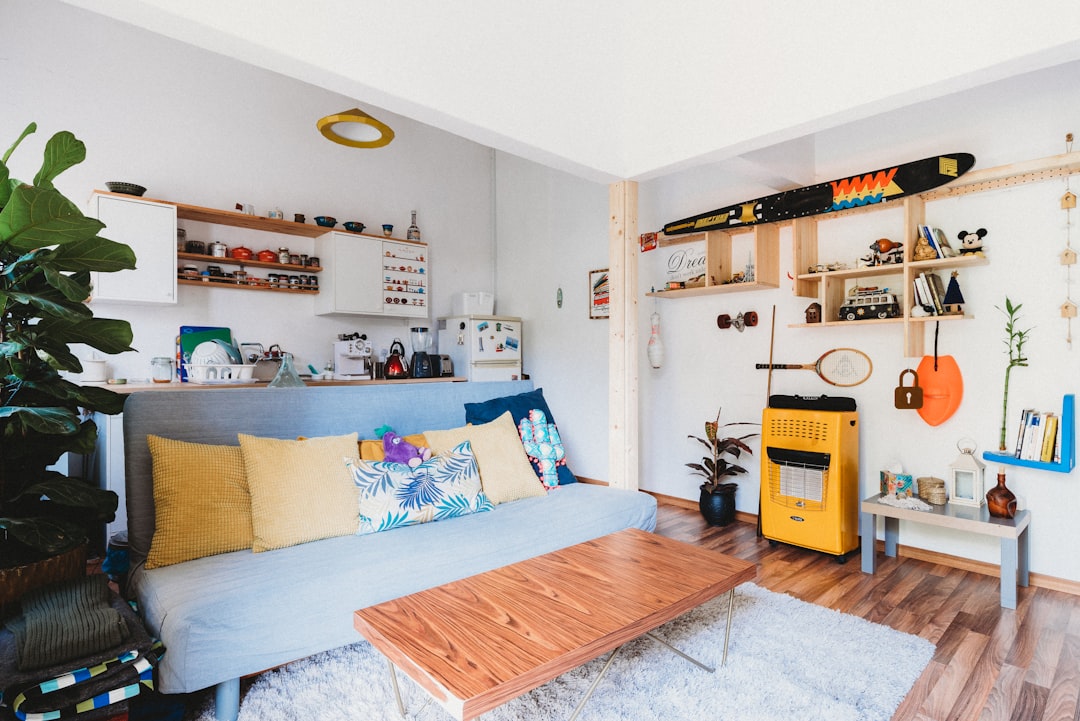
The two-man delivery team arrives, but the lift landing in your 4-room HDB is just 1.2 metres wide—and the packaged accent chair, with its splayed legs, is boxed at 1.4 metres. That’s a common mismatch. Singapore buyers should confirm the packaged dimensions against their lift landing width before ordering; many suppliers, including Megafurniture, specify these details online, but it’s a call you’ll need to make yourself. Knock-down legs, common for easier transport, introduce a separate consideration. They require home assembly, which is straightforward with clear instructions, but the torque on those structural joints matters—especially for a splayed leg design that’s bearing weight unevenly.
That torque point leads directly to warranty terms. A ten-year warranty on a frame sounds comprehensive, but you must scrutinise what ‘structural joints’ actually covers. For chairs with angled legs, the stress points are at the junctions where the leg meets the seat frame; a warranty that excludes these joints under ‘normal wear’ isn’t much use when the design inherently concentrates load there. It’s a detail often buried in the fine print, and worth a specific enquiry before you commit.
Lead times become a logistical puzzle for BTO owners coordinating multiple deliveries. A living room set might arrive in staggered shipments over eight weeks—the accent chair in week three, the coffee table in week six, the console much later. You’ll need to organise storage for boxes in that interim, often in the already cramped common bedroom. Planning around these phased arrivals avoids the frustration of a half-furnished space for months.
Finally, assembly requirements aren’t just about having a screwdriver. Some knock-down leg systems use specialised bolts or require an Allen key not included in the pack; others need a specific tightening sequence to avoid stressing one joint over another. It’s a five-minute task, but doing it wrong can void your warranty from the start. Checking what tools are provided, and what the instructions actually say about torque, is a final, often overlooked, step.
The most common flooring question we hear about accent chairs isn't about style — it's about damage. Homeowners in newer BTOs with glossy homogeneous tiles or marble-look sintered stone are right to be cautious; a sharp, un-capped metal leg can act like a scribe.
Will tapered legs scratch my homogeneous tiles? Typically, no — if they have protective glides. The real risk comes from trapped grit under the leg's contact point, which then gets ground in with every shift. A flat, wide plastic or felt pad is essential, especially for chairs you'll actually move.
Can hairpin legs hold weight on a marble floor? Absolutely, they're structurally sound. The concern is pressure concentration. Three thin steel rods focus a lot of force on three tiny points, which can potentially dent or crack softer natural stone or engineered marble over years. For genuine marble, a leg style with a broader base plate or a sled design distributes weight more safely.
Best leg style for a child-friendly, pet-friendly home? Avoid thin, delicate legs altogether. A solid block foot, a chunky turned wood leg, or a fully upholstered ottoman base survives scooters, toy cars, and clumsy paws far better than a spindly metal frame. It’s less about the material and more about the footprint — stability trumps delicacy every time.
How many accent chairs for a 4-room BTO living area? Two is the practical maximum before you're navigating an obstacle course. A typical layout fits one primary armchair opposite the three-seater sofa, with perhaps a compact slipper chair tucked nearer the balcony door. Any more, and you'll sacrifice the clear walking path from the main door to the kitchen — a non-negotiable in HDB living.
" width="100%" height="480">Accent chair leg styles: Complementing your living room's flooringThe difference between a chair that looks right in a Pinterest collage and one that actually works in your 4-room BTO is about 15 centimetres of clearance. That’s why your final showroom visit isn’t just about admiring finishes — it’s a technical inspection. Bring your flooring samples and that room layout plan you sketched on grid paper; cross-reference them against your shortlisted leg styles on the spot.
Place a sample of your sintered stone tile or engineered wood plank directly beside the chair’s feet. The visual disconnect can be stark — a dark walnut tapered leg might look elegant against light oak flooring online, but in person, it can appear jarringly heavy. Check for stability by applying gentle pressure to the chair’s back; a splayed metal base should feel planted, not skittish, especially on a smooth surface. For many HDB layouts, where a 2.4-metre-wide living room also serves as a walkway, you’ll want to confirm the chair’s total footprint, including leg span, doesn’t encroach into that crucial circulation path.
Proportional scale is the final, often overlooked, filter. A bulky bouclé accent chair on delicate hairpin legs can look precariously top-heavy, while a compact velvet chair on solid block feet might feel unnecessarily grounded. Assess the finish in the showroom’s lighting — a satin brass coating that looked subtle in your moodboard might glare under your condo’s track lights, while a matte black powder coat could vanish into a dark herringbone floor.
Decide based on this physical interrogation. That commitment, made with your materials and dimensions in hand, turns a speculative purchase into a resolved piece of your room’s architecture. For a comprehensive range of options to test this final selection against, browse the living room furniture collection at Megafurniture.