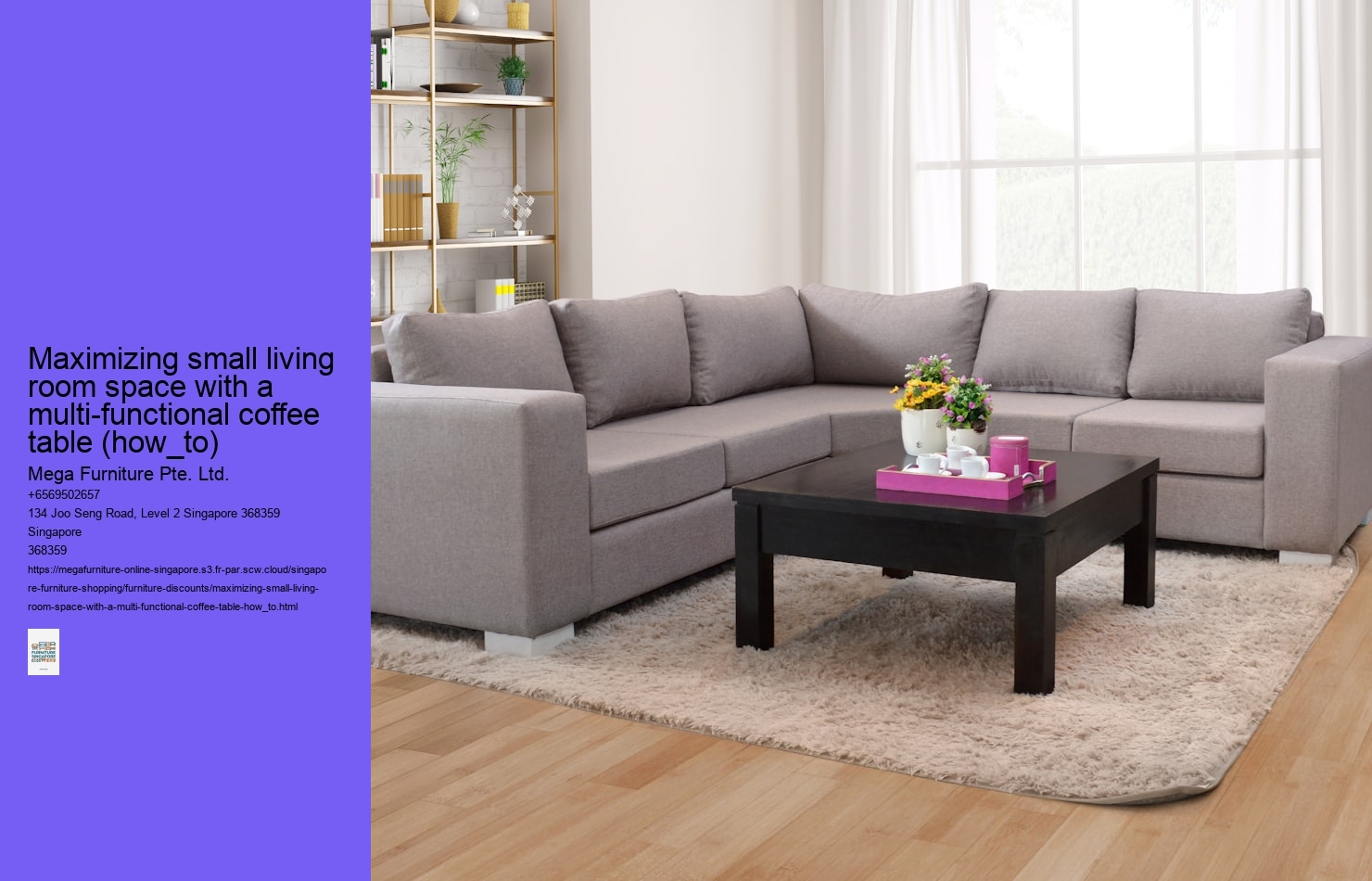
The typical HDB BTO living room is a 32-square-metre rectangle, but that number is misleading. Walkways to the kitchen, service yard, and main door immediately carve out a functional area closer to 18 or 20 square metres — and that’s before you place the mandatory three-seater sofa. In this tight grid, every centimetre counts; a coffee table can’t just be a surface, it must also navigate the precise arc of a swinging bedroom door or the main corridor’s 900-millimetre clearance.
Condo unit footprints introduce a different puzzle. While some older apartments in Eunos or Bedok might offer a slightly more generous, irregular shape, many newer developments trade square footage for a view, resulting in long, narrow living areas. The challenge here is often depth, forcing furniture into a single-file arrangement where a table might need to tuck neatly under a cantilevered sofa ledge or double as a discreet barrier between seating and a balcony’s glass door.
Landed property dimensions, even for terrace houses, don’t always guarantee spacious living rooms. Older shophouse conversions in Joo Chiat might have a deep but narrow plan, while newer cluster homes often allocate space to vertical volume or outdoor areas instead. The walkway consideration shifts from internal circulation to creating distinct zones within a larger, open-plan area — a table here might need to anchor a conversation pit separate from the media zone, demanding a more substantial presence that still doesn’t obstruct the flow to the dining room.
Across all three housing types, the existing furniture brief is remarkably consistent. That three-seater sofa, a TV console, and perhaps a display cabinet form the immutable core. This leaves the coffee table as the primary negotiable piece, the one item that can be engineered for multiple duties — storage, extension, or concealment — without violating the spatial treaty of the room. Its ideal size isn't determined by the room's perimeter, but by the clear floor space left after accounting for all the fixed objects and their operational radii.
The coffee table in a typical 4-room BTO is often the only horizontal surface left after the sofa arrives—which means its job quickly expands from holding a cup to organising the entire room’s daily clutter. That’s why the first function to prioritise is concealed, integrated storage; not just a shelf, but a proper drawer or lift-top compartment that seals out Singapore’s humidity. You’ll want a dedicated, dry space for remote controls, charging cables, and that packet of tissue papers, because leaving them on a bare surface turns a centrepiece into a junk magnet in under a week.
For many households, the table also becomes a secondary dining spot. A lift-up top mechanism is invaluable here, transforming the surface into a stable platform for meal trays or a laptop—crucial in compact layouts where the living room doubles as a home office. The mechanism’s quality matters immensely; a cheap, wobbly hinge feels like a temporary fix, while a smooth, counterbalanced lift makes the function feel intentional and permanent.
Then there’s hosting. In a condominium with an open-plan layout, an extendable table with pull-out leaves can accommodate a few extra guests without permanently consuming the limited floor space. It’s a pragmatic solution for the occasional gathering, though the extra surface often spends most of its time tucked away. The calculus shifts, however, for a landed property with a dedicated formal living or dining area.
In such homes, the everyday pressure on the coffee table relaxes. Its function can pivot from storage and dining towards display, perhaps with a tempered glass top to showcase coffee table books, or with integrated tech like wireless charging pads and discreet cable ports. The piece becomes more about anchoring the seating area’s aesthetic than solving a storage crisis. You’re selecting for material and form—a honed marble slab or a live-edge rubberwood statement—over hidden compartments.
Ultimately, the right choice depends on which room this table actually serves. Is it the command centre for a 12 sqm combined living-dining space, or is it a curated accent in a separate lounge? Answer that, and the necessary functions—concealed storage, lift-top, extension leaves, or pure display—organise themselves.
A multi-tiered coffee table provides vertical storage, keeping items organized and off the floor. The lower shelf is perfect for storing books, blankets, or baskets, freeing up the main surface for daily use. This design effectively doubles your functional surface area without increasing the table's footprint, making the room feel less cluttered.
Some coffee tables are designed with built-in ottomans or stools that slide underneath. These can be pulled out to provide extra seating for guests when needed, eliminating the need for additional chairs. When not in use, they tuck away neatly, maintaining a clean and spacious look in your compact living area.
Opting for a set of two or three nesting tables offers ultimate flexibility. You can keep them together as a unified coffee table or separate them to serve as individual side tables around the room. This adaptability allows you to reconfigure your layout for different activities, like entertaining or creating a more open floor space.
A coffee table with a hydraulic or manual lift-top instantly converts into a dining or work surface. This allows the table to serve multiple purposes, from a casual breakfast spot to a laptop desk, then seamlessly tucks away. It often includes hidden storage compartments underneath for remotes or coasters, keeping essentials out of sight.
Teak's natural oils make it a classic choice for Singapore's climate, offering inherent resistance to the warping and swelling that can plague other woods in 80% humidity. Its tight grain structure and high density also provide a remarkably hard surface that can withstand the daily scuttle of pet claws without showing immediate scratches. You'll find it's easy to wipe down after spills or the occasional muddy paw print, and it rarely develops the white mould that appears on more porous materials. The main drawback is cost, with a solid teak coffee table easily commanding $1,500 to $3,000, but its longevity in a humid, pet-friendly home often justifies the investment. It ages to a distinguished silver-grey patina outdoors, but indoors with regular care, it maintains a rich, warm colour.
Engineered wood, with its cross-layered plywood core, is fundamentally more stable in high humidity than solid oak planks, which can cup and twist in a non-air-conditioned Tampines living room. The surface veneer, however, is the critical point for pets; a thin oak veneer will scratch through to the core substrate with one energetic jump, while a thicker, quality veneer holds up better. Look for a factory-finished top coat that's specifically rated for scratch resistance, as this sealed surface also simplifies wiping down juice or condensation rings. It's a pragmatic middle-ground option, offering the visual appeal of real wood grain at a more accessible price point than solid teak, typically between $600 and $1,200. Just remember, once that top layer is gouged, there's no sanding it back like you could with a solid piece.
For pure practicality against claws and humidity, a high-pressure laminate top is arguably the most resilient surface you can buy. The melamine layer is virtually impervious to moisture and creates a non-porous barrier that mould simply can't penetrate, making it ideal for wiping down constantly. Modern laminates offer convincing textures, from concrete to woodgrain, and the colour won't fade in our strong sunlight—a bonus for living rooms with east or west-facing windows. The weakness isn't the surface but the substrate; ensure the particleboard core is sealed along all edges, as any chip or exposed seam will swell like a sponge in our humidity. It’s the workhorse choice, often found on sub-$500 tables, and it won't win beauty contests, but it won't break your heart when the cat uses it as a launching pad either.
Metal frames, particularly aluminium or steel with a baked-on powder coat, are completely immune to warping and highly resistant to humidity-related corrosion. The finish is key; a cheap, thin paint will chip from a glancing blow, revealing bare metal that can rust, while a thick, quality powder coat should shrug off pet encounters and frequent cleaning. This makes metal an excellent choice for the structural legs or base of a coffee table, especially in a compact 4-room BTO where you need visual lightness. Pair it with a glass or stone top, however, as a full metal surface will dent, clang, and feel cold to the touch. You’ll see this combination often in modern, industrial-inspired designs that prioritise clean lines and easy maintenance over traditional warmth.
Tempered glass presents a unique case: it’s completely non-porous, so mould and moisture are non-issues, and it wipes clean with a single pass of a microfiber cloth. The concern is purely about pets and noise; claws scrambling across its surface produce an unbearable screech, and while the glass itself is scratch-resistant, any accumulated fine scratches will become glaringly obvious under light. It’s a superb choice for creating an illusion of space in a tight Aljunied condo living room, as it visually disappears. Just be prepared for the constant maintenance—every paw print, water droplet, and dust particle is instantly visible, turning the table into a live display of household activity. For a low-shedding, calm pet, it’s fine, but for an energetic terrier, it’s a noisy, smudgy mistake.
The coffee table that looked airy in the Tampines showroom becomes an obstacle course in a 12 sqm HDB living room, blocking the path to the balcony door and forcing a permanent rearrangement of the sofa. It’s a common misstep—buyers prioritise visual lightness, choosing a slender-legged design, but overlook its actual footprint. A table that’s 120cm wide might fit the aesthetic of a spacious condo gallery, but in many BTO layouts, it simply dominates the floor plan; you’ll end up with less usable space around it, not more.
Another frequent error is selecting a style that clashes with the existing built-in carpentry. That sleek, matte black marble table might be your favourite, but if your BTO living room features warm oak laminate shelving, the contrast can feel jarring rather than intentional. The room doesn’t cohere, and the table becomes an isolated statement piece instead of a integrated part of the living area. It’s often better to complement the room’s existing language—perhaps choosing a table with a wood tone that echoes the carpentry, or a material like sintered stone that provides a neutral bridge.
Then there’s the practical oversight: storage. A buyer might find a beautiful, solid table but forget to consider what it actually holds. Seasonal decor like Chinese New Year ornaments or board game boxes need a home, and a table with a single shelf or no enclosed space won’t suffice. In many homes, the coffee table becomes the primary surface for remote controls, chargers, and daily clutter; without drawers or a lower tier, the living room centre quickly looks disorganised. Function should precede form.
Finally, there’s the mistake of confusing material choice for size solution. A glass-top table feels light, yes, but its physical dimensions are unchanged—a 90cm round glass table still occupies the same floor area as a wooden one. The perceived openness can lead to choosing a table that’s still too large for the space. The remedy is to measure rigorously, considering not just the table’s dimensions but the clear walking paths needed around it in your specific flat. For those exploring options, Megafurniture’s collection offers a range of proportions designed for compact living rooms.
The lift mechanism on a coffee table you've ordered online feels stiff, the veneer finish looks plastic under your living room's LED bulbs, and the proportions overwhelm your 4-room BTO layout—that’s the risk of buying a multi-functional piece sight unseen. For a tactile purchase like a convertible coffee table, where you’ll interact with its moving parts daily, a showroom visit isn’t a luxury; it’s a necessity. At Megafurniture’s Joo Seng or Tampines showrooms, you can test the action of every hinge and drawer yourself, feeling whether a slide glides smoothly or a fold locks securely without catching.
Showroom lighting, typically a mix of warm overhead spots and cooler display lamps, reveals material truths that product photos can’t. A sintered stone top might show its granular texture, while a rubberwood veneer’s sheen or a laminate’s colour depth becomes apparent. You’ll see if that “oak finish” truly matches your existing console table, or if the advertised “matte black” has a metallic fleck you hadn’t anticipated. This on-site assessment prevents the common disappointment of a piece that looks perfect online but feels wrong in your home.
Perhaps the most critical advantage is gauging true size against mock-up room sets. These staged layouts, designed around typical HDB and condo dimensions, let you visualise a table with extendable leaves in your own 12 sqm living area. You can walk around it, judge the clearance from your sofa to the TV console, and see how much floor space a folded-up table actually consumes. It’s a three-dimensional check that a floor plan diagram or a listed measurement simply cannot provide.
For homeowners comparing complete-room solutions, this physical verification is the final step before committing. It turns abstract specs into concrete experience—you’ll know if that additional storage compartment is genuinely useful or just a bulky add-on. That’s why a trip to Eunos or Tampines, even if it adds an hour to your planning, often saves you from a costly mismatch. You can browse the options at Megafurniture’s showrooms and confirm your choice on the spot, ensuring the piece you order is the piece you actually need.
The coffee table that fits perfectly in your showroom cart might not clear the lift landing in your 4-room BTO. Logistics here are a local sport, governed by lift dimensions and narrow corridors. For HDB blocks, especially older estates in Toa Payoh or Queenstown, check the lift’s internal width—it’s often under 1.5 metres, and a large tabletop can become an expensive, awkward puzzle. Condo dwellers face different rules; basement carpark ramps and tight parking bays can restrict delivery truck access, sometimes forcing a manual trolley journey. Landed property buyers, meanwhile, should measure their front gate; a solid teak table that’s 90cm wide won’t fit through a 75cm gate, and disassembling it on the porch under the afternoon sun is nobody’s idea of a good start.
Assembly is the next frontier. Many flat-pack options cater to the BTO DIYer, promising a straightforward build with an Allen key and a few hours. That’s fine for a simple, lightweight design in rubberwood or engineered oak. But for heavier pieces with integrated mechanics—think lift-top coffee tables with hydraulic hinges or complex storage compartments—professional installation is worth the fee. You’re not just paying for labour; you’re buying assurance that the structural joints are torqued correctly and the moving parts are aligned, which directly impacts longevity.
Warranties often reveal their limits precisely when you need them. Scrutinise the fine print for coverage on those structural joints and moving parts. A common exclusion is “improper assembly,” which is why professional installation can sometimes safeguard your warranty claim. For a table that gets daily use—its surface a stage for hot mugs, homework, and feet—look for a warranty that explicitly covers the finish against delamination and the hardware against wear. A five-year guarantee on the frame is standard, but one that includes moving mechanisms for even two years is more telling.
Ultimately, a smooth delivery and a solid warranty are what transform a showroom piece into a permanent, functional part of your living room. It’s the unglamorous homework that ensures your chosen centrepiece survives the move-in chaos and the next decade of family life.
In the showroom, the practical questions start after the first glance — they’re less about style and more about survival in a 4-room BTO. Can this piece actually work here, with our kids and our space?
Can a lift-top table replace a study desk in a SOHO setup? It’s a tempting idea for a dual-purpose living room, but there are compromises. The typical lift-top mechanism demands a clear perimeter; you’ll need space to pull out the chair and for the top to rise without hitting your sofa. For sustained work, the surface area is often smaller than a proper desk — around 90cm wide — and storage is usually a shallow tray, not a drawer for files. It works for a laptop and notepad, but if your SOHO setup involves monitors or paperwork, you’ll likely need a dedicated desk.
What is the ideal height relative to a typical Singapore sofa? Most local sofas have a seat height around 40–45cm. The golden rule for a coffee table is to be level with or slightly lower than the seat cushion — aim for 35–40cm. That’s low enough to reach for a drink comfortably, but high enough that it doesn’t force you to stoop. A mismatch, like a very low 30cm table with a deep-seated sofa, creates an awkward gap that feels more decorative than functional.
How to child-proof sharp corners? You can’t retrofit a rounded edge onto a square design, so the decision is made at purchase. Look for tables with radiused corners — a subtle curve is enough to take the sting out. For existing furniture, silicone corner guards are the standard fix, though they’re a visual concession many homeowners dislike. The more elegant solution is to simply choose a design with an oval, round, or organic shape from the outset.
Are marble-look tops practical for daily use with children? The marble look is usually laminate or sintered stone, which is highly scratch-resistant — that’s the good news. Spills are fine if wiped quickly. The challenge is the hard, unforgiving surface; a toddler’s tumble against that edge is a real concern. It also shows fingerprints and dust more readily than a textured wood or matt laminate. For a busy family room, a sintered stone top in a lighter, patterned vein can mask the daily wear better than a solid, high-goss white.
A common mistake in a 4-room BTO living room is buying a 90cm round table because it looks good in the showroom, only to realise it blocks the path to the balcony door. That’s why your final check isn’t about style—it’s about geometry. Sketch a floor plan with exact measurements; mark the sofa depth, the TV console’s footprint, and every major traffic lane. The coffee table’s placement isn’t a suggestion, it’s a fixed coordinate.
List its top three daily uses, ranked. For many households, that’s a hard surface for weekday dinners, a footrest during evening streaming, and a charging station for devices. A model that’s perfect for board games but has no cable management is solving the wrong problem. Your list forces a confrontation between an idealised living room and the real, cluttered one you actually inhabit.
Now, cross-reference your shortlist against this brief. A 120cm rectangular sintered stone table might fit your 14 sqm space, but will its sharp corners survive your toddler’s play area? A compact, tiered design in rubberwood offers storage for remotes, yet its porous surface won’t tolerate constant condensation from iced drinks in our climate. You’re solving for space, humidity, and routine—not just a Pinterest mood board.
This stage often reveals that the obvious aesthetic front-runner is a logistical failure. A lift-top mechanism is brilliant for meal times, but only if the raised panel doesn’t collide with your ceiling fan on its lowest setting. The right piece feels almost mundane in its suitability; it disappears into daily life instead of demanding accommodation. Your final assessment confirms the table works for your specific floor plan, your specific humidity, your specific evenings—that’s how you avoid an expensive ornament.