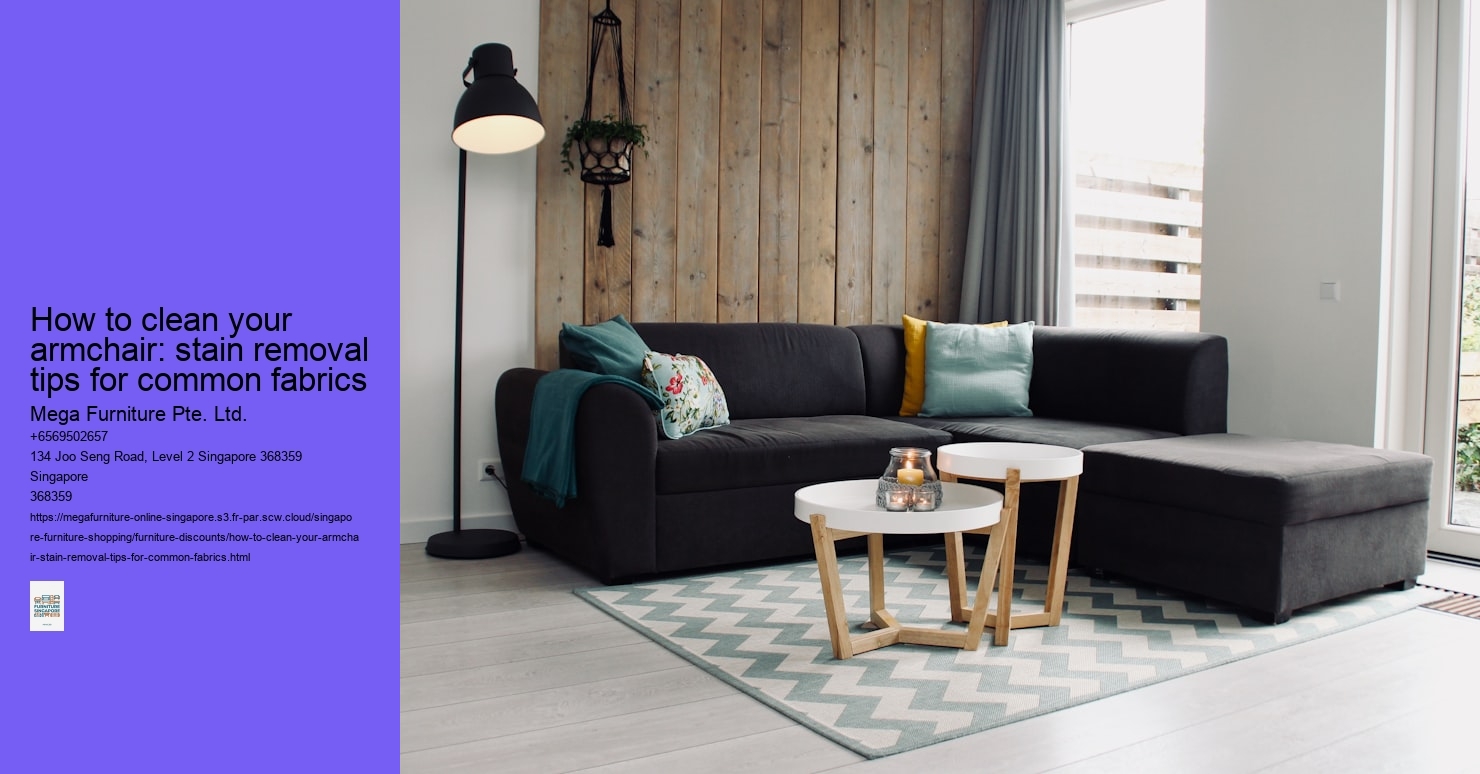
A faint, musty odour in a non-air-conditioned living room often points to the armchair first. That’s Singapore’s humidity at work, a constant 80%+ environment that treats untreated natural fibres like a welcome mat for mould and mildew. In a 12 sqm BTO living space where every piece works hard, fabric choice isn’t just about colour or texture—it’s a functional decision that dictates maintenance and longevity.
Synthetic blends are the pragmatic choice here. Performance fabrics like polyester and microsuede are engineered to resist moisture absorption; they don’t provide the damp organic material mould spores need to thrive. This makes them critical for living rooms that rely on fans and cross-ventilation, where a week of rainy weather can leave a wool or cotton chair feeling clammy for days. The practical upside is a surface that wipes clean easily and dries quickly after the occasional spill.
Conversely, some traditional materials become liabilities. Heavy wools and untreated cottons act like sponges, pulling moisture from the air and holding it deep within the fibres. In our climate, that’s essentially an invitation for biological growth, not to mention the potential for persistent damp smells that permeate a small space. Even linen, while breathable, can be high-maintenance, often wrinkling and retaining moisture in a way that looks lived-in elsewhere but simply unkempt here.
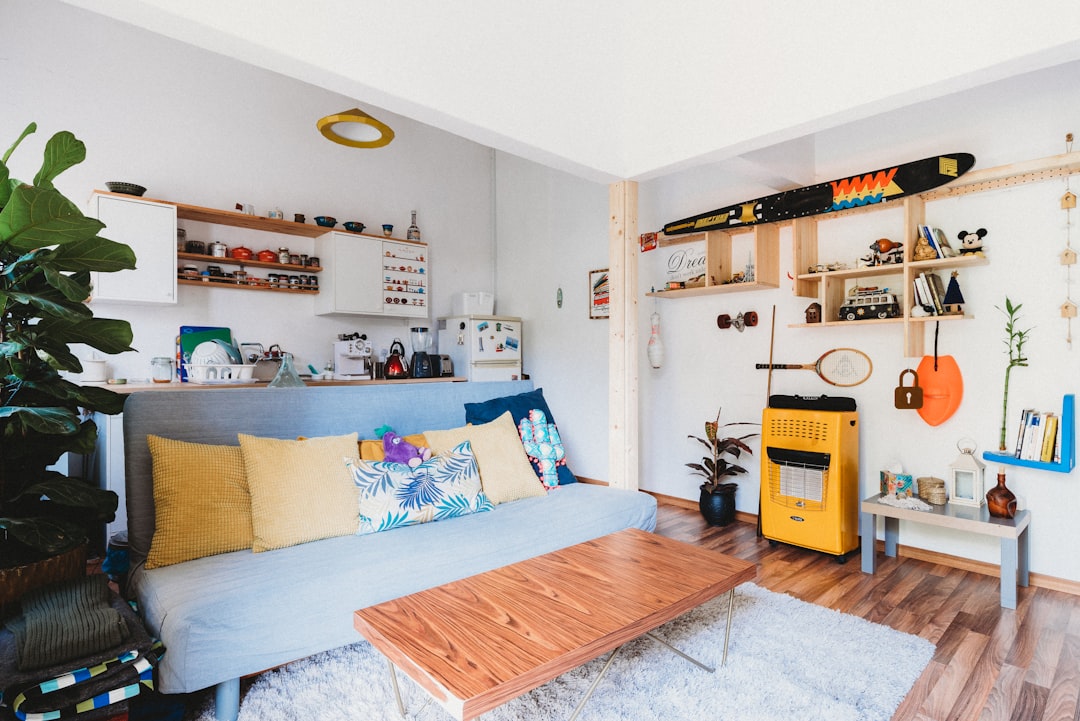
The result is a specific shortlist for the local buyer. You’ll want to prioritise those synthetic blends, or look for natural fibres that have been treated with a performance finish. It’s a shift away from pure material pedigree toward hybrid intelligence—fabrics that offer the look you want but are built for the environment you actually have. For a curated selection of armchairs in suitable fabrics, you can browse the living room furniture collection.
The armchair in a typical 4-room BTO living room doesn't face existential threats; it faces kopi-o spills during morning news and the occasional chili crab mishap from a lazy weekend supper. These aren't abstract 'food stains'—they're localised, acidic, and oily events that demand specific, immediate protocols. Let the kopi-o sit while you fetch the baking soda for the curry, and you'll have a permanent tan patch on that light grey performance velvet.
Grease is its own category, often arriving via a paper bag from the neighbourhood zi char stall or hawker centre. It’s a different beast from watery spills, as it wicks deep into fabric fibres and bonds with any existing dust or dirt. The immediate response for a fresh grease spot is to blot, never rub, then apply a small amount of cornflour or talcum powder to draw the oil out—leave it for fifteen minutes before vacuuming. For synthetic fabrics, a tiny drop of dishwashing liquid in warm water, applied with a white cloth, can break down the fat before it sets into a dark, waxy shadow.
Then there are the biological agents. In many condos and smaller flats, pet accidents from cats or small dogs are a common reality, not a hypothetical. The urgency here isn't just about colour; it's about odour and enzymatic action. You need to blot up the liquid, then apply a solution specifically designed to break down proteins—a generic cleaner will often just spread the stain and lock in the smell. For belacan or other pungent, oily pastes, the protocol starts with careful scraping, then a cold water rinse to solidify the fats before moving to a degreaser.
Each scenario requires a different first aid kit: baking soda paste for acidic coffee and tea, cold water for curry turmeric, enzymatic cleaners for pet urine. The one universal rule is speed; the fifteen minutes you spend looking up a remedy on your phone is often the window the stain needs to set permanently into the fabric's memory.
Speed is everything. The first five minutes after a spill are critical, especially on performance fabrics like polyester blends where liquid can wick deep into fibres. Always reach for a clean, white cloth—dyed cloths can transfer colour, and paper towels often leave lint. You blot, never rub; rubbing just grinds the stain deeper into the weave, making it a permanent feature of your favourite armchair. Keep that kit under the sink, not buried in a storeroom, because nobody has time to search during a crisis. Reaction time under five minutes isn't a suggestion, it's the rule for keeping water-based stains from setting.
Your weapon of choice for tea or coffee is diluted dish soap, typically one part clear soap to ten parts lukewarm water. Stronger isn't better here; undiluted soap leaves a residue that attracts more dirt over time, creating a faint, greasy shadow where the stain used to be. Test any solution on a hidden seam first—some fabric finishes can react poorly, even to mild detergents. The goal is to lift the stain, not the fabric's colour or protective coating, which is a common misstep in many HDB homes. Work from the outer edge of the spill inward to prevent the stain from spreading into a larger, uglier ring.
That care label tucked under the cushion isn't just decoration. It tells you if you're dealing with a pure polyester, a wool blend, or something with a delicate finish that requires a specialist. The method for a polyester blend armchair is different from one upholstered in natural linen or cotton; what works for the former could permanently damage the latter. In BTO flats, where new furniture often mixes materials, assuming one method fits all is a fast track to ruin. It’s a thirty-second check that saves you a $300 re-upholstery bill later.
Lifting the stain is only half the battle. Soap residue left behind will become a magnet for dust and grime, leading to a patch that looks perpetually dull or slightly darker. Use a second clean cloth dampened with plain water to gently blot the area, repeating until no more suds appear. For larger spills on a deep-seated armchair, you might need a spray bottle set to a fine mist to dampen the area without soaking the inner cushion. Let the spot air-dry completely, away from direct sunlight which can cause fading—a hairdryer on a cool setting can speed this up in our humid climate.
Assembling a dedicated cleaning kit is non-negotiable for Singapore homeowners. It should live under the kitchen sink, not in some distant cabinet, and contain white microfiber cloths, a small bottle of clear dish soap, a soft-bristled brush, and a spray bottle. The psychology is simple: if the tools are immediately to hand, you’ll use them in that crucial first minute. For BTO owners planning their first living room, factoring this kit into your moving-in budget is as important as choosing the armchair itself. An organised kit beats frantic improvisation with baby wipes every single time.
Always test any cleaning solution on a hidden area of the armchair, like the back or underside. Apply a small amount and wait for it to fully dry to check for color bleeding or fabric damage. This prevents a small stain from becoming a larger, permanent discoloration. Different dyes and fabric finishes can react unpredictably.
After treating any stain, ensure the fabric dries completely before using the chair again. Use a fan or open windows to circulate air and speed up the drying process. Sitting on a damp cushion can cause the stain to wick back to the surface or lead to mildew. Proper drying is the final, essential step for a successful clean.
Act immediately on fresh spills by gently blotting, never rubbing, with a clean white cloth. Rubbing can grind the stain deeper into the fabric fibers. For water-based liquids, continue blotting to absorb as much moisture as possible. This initial step is crucial for preventing a stain from setting.
Use a cleaner formulated for your armchair's specific fabric type, such as one for synthetic microfiber or natural cotton. Apply the product according to the manufacturer's instructions, typically to a clean cloth first. Gently work from the outer edge of the stain toward the center to avoid spreading. Finally, blot the area with a damp cloth to remove any residue.
A stray satay stick or a runaway piece of prata can turn a favourite armchair into a permanent oil slick exhibit. That's the reality for many living rooms here, where casual meals often migrate from the dining table. The key is absorption before any liquid cleaning begins — rushing with water or detergent just drives the grease deeper into the fibres.
Sprinkle a generous amount of plain cornstarch or baking soda directly onto the fresh stain, enough to completely cover it. Let it sit overnight; the powder will draw the oil up and out, forming a crust you can then vacuum away. For older, set-in grease, you might need to repeat this process once or twice before the residue is fully lifted. Only after this step should you consider a cleaning solution.
Test any dry-cleaning solvent on a hidden patch first, like the back of a cushion or underneath the seat. This is non-negotiable for patterned fabrics or darker colours, where a colour bleed would be a complete disaster. Apply a small amount with a clean, white cloth, dabbing from the outside of the stain inward to prevent rings.
Microfiber is a particular beast. That stain-resistant finish works brilliantly against spills, but oil can break it down on contact. You've got a narrow window to treat it before the grease bonds permanently, often leaving a dark ring that no amount of scrubbing will remove. Blot immediately, then follow the cornstarch method — but skip the solvent unless the fabric care tag explicitly permits it. For most performance fabrics, the absorbent powder and a thorough vacuum is the safest endgame.
When the chair itself is beyond salvage, that's when you start browsing for a replacement with a more forgiving finish.
The silk-blend armchair in a Bukit Timah bungalow’s sunroom isn’t just a seat; it’s a statement piece that can cost more than a family holiday. When that fabric gets soiled — from a spilled cocktail or the general wear of a high-traffic landed home — the DIY approach often falls short, risking damage to delicate fibres and complex construction.
For these substantial pieces, professional cleaning isn’t a luxury but a logical calculation. In Singapore, local specialists typically use encapsulation dry foam methods, which lift dirt without saturating the material — a critical point for silk blends or performance velvets where over-wetting can cause permanent watermarks or shrinkage. You’ll want to get quotes from at least three firms; prices can vary based on the chair’s size, fabric type, and level of soiling, but a thorough clean for a large armchair might range from $150 to $400.
That’s still far cheaper than replacing a soiled chair outright, which for a custom, high-end piece could run into several thousand dollars. The process also preserves the chair’s structure, as professional technicians know how to handle deep internal cushioning and complex frames that a standard home steam cleaner can’t address. It’s a service best organised preemptively, perhaps every 18 to 24 months in a busy household, rather than waiting for a stain to set permanently.
Start by asking for a fabric sample test; any reputable company will perform this to ensure colourfastness and compatibility with their cleaning agents. Then, compare their methodologies — some might offer additional treatments for stain resistance or anti-microbial protection, which can be worthwhile for homes with children or pets. The goal is to extend the life of a significant furniture investment, keeping that favourite reading chair in the centre of your living space for years beyond its first spill.
A seven-year refresh cycle for a resale flat’s living room isn’t just about style—it’s a practical commitment to materials that will endure. You’ll find the most convincing evidence for that commitment not online, but under fluorescent lights at a showroom like the one in Tampines or Joo Seng, where staff keep bottles of coffee and soy sauce on hand for demonstrations. Watching a dark stain bead up and wipe clean from a performance velvet sample is a different kind of reassurance than reading a product description; it’s the moment you understand what a fabric code actually means for your household.
Those codes—W, S, or W-S—are critical, but they can feel abstract on a screen. A water-based code (W) means the fabric can handle a mild detergent solution, while solvent-only (S) fabrics require specific, dry-cleaning chemicals. The hybrid W-S code offers the most flexibility, but seeing the reaction of a specific bouclé or linen-blend to each method is invaluable. A sales associate can show you the slight watermark a water-cleanable fabric might leave versus the pristine result from a solvent, which helps clarify the long-term upkeep you’re signing up for.
This hands-on testing shifts the priority from a favourite colour to a fabric’s inherent personality. A buttery-soft full-grain leather will develop a patina, while a Crypton-treated chenille might repel a spill entirely. For a living room armchair that will face years of afternoon sun, weekend snacks, and the occasional pet, this forensic approach is sensible. You’re not just choosing a seat; you’re selecting the cleaning battles you’re willing to fight for the better part of a decade.
It turns a speculative purchase into a documented one. Before you commit, ask to see the cleaning code label on the actual floor model—it’s often sewn into a side seam—and have the stain test performed on a swatch of your shortlisted material. That tangible proof, gathered in person, is what justifies planning around a 7-year timeline, long after the showroom’s overhead lights are switched off. You can explore the range of options available for this kind of evaluation in Megafurniture’s living room collection.
The most practical stain removal advice for Singapore homeowners doesn't come from manuals — it's in the questions they actually ask, often born from humid storage rooms, busy households, and warranty fine print.
Can remove mould from armchair in storage? Yes, but act fast. White vinegar is your first line of defence; spray it on, let it sit for an hour, then scrub gently with a soft brush. For heavier growth, a solution of dish soap and warm water often works — but you must dry the chair completely in sunlight or with a fan to prevent it returning. The real culprit is our humidity; if you're storing any fabric piece, a silica gel pouch inside the cover is non-negotiable.
Best fabric if have toddler and dog? Performance fabrics, full stop. Crypton or Sunbrella materials are engineered to repel spills and resist odours, making them ideal for a household with constant activity. A tightly woven performance velvet or textured polyester blend will handle juice, paw prints, and the occasional crayon mark far better than untreated cotton or linen — you can usually wipe a fresh spill away before it sets.

DIY cleaning void warranty? It can, and that's the hidden risk. Many warranties explicitly require professional cleaning to remain valid, especially for treated fabrics or leather. Check your documentation first; if it's unclear, a quick call to the retailer can save you from a costly mistake. For a piece you're still considering, factor in the long-term cost of professional cleaning — it's part of the real price.
How to tell if stain is permanent on grey linen? Test a hidden seam first. Use a clean white cloth and your chosen cleaning agent on an inconspicuous area; if the stain lightens or the fabric colour holds, you can proceed cautiously. If the stain has been there for months, particularly an oily or dark liquid on light grey linen, it's likely set. Linen's natural fibres absorb deeply, and a persistent shadow after treatment means it's probably permanent — at that point, a professional cleaner is your only real hope, or consider a stylish throw to disguise it.
The fabric cleaning code on a new armchair’s tag is often a buyer’s last glance before payment, but in a household with a toddler or a dog, it’s the first line of defence. Codes like ‘W’ for water-based cleaner or ‘S’ for solvent-only aren’t just instructions; they’re a forecast of your weekend plans. A ‘WS’ bouclé chair might survive a spilled kopi, while an ‘X’ only-dry-clean velvet becomes a high-maintenance art piece after one rainy afternoon.
Assess your real spill risk with brutal honesty. A family eating dinner in the living room of a 4-room BTO, or a cat that prefers the armchair over its own bed, creates a different calculus than a single occupant’s reading nook. Performance fabrics like Crypton are engineered for such moments, but many imported chairs come with delicate natural fibres that can’t handle repeated spot-cleaning. That lovely linen will show every mark.
Budgeting for a professional clean every 18 months isn’t a luxury; it’s a maintenance cost, similar to servicing an air conditioner. For a mid-range armchair, that’s around $80 to $150 per session in Singapore, and it’s the only way to reset accumulated grime that home methods can’t touch. Skip it, and the chair’s colour centre fades unevenly, the fabric stiffens.
Finally, confirm the seller’s warranty covers staining from the cleaning methods they recommend. Many warranties void coverage if you use a solvent on a ‘W’ fabric, or if a professional cleaner employs a technique not listed in their guide. Get this in writing, because a stained armchair isn’t just a nuisance—it’s a $800 mistake sitting in your favourite corner.