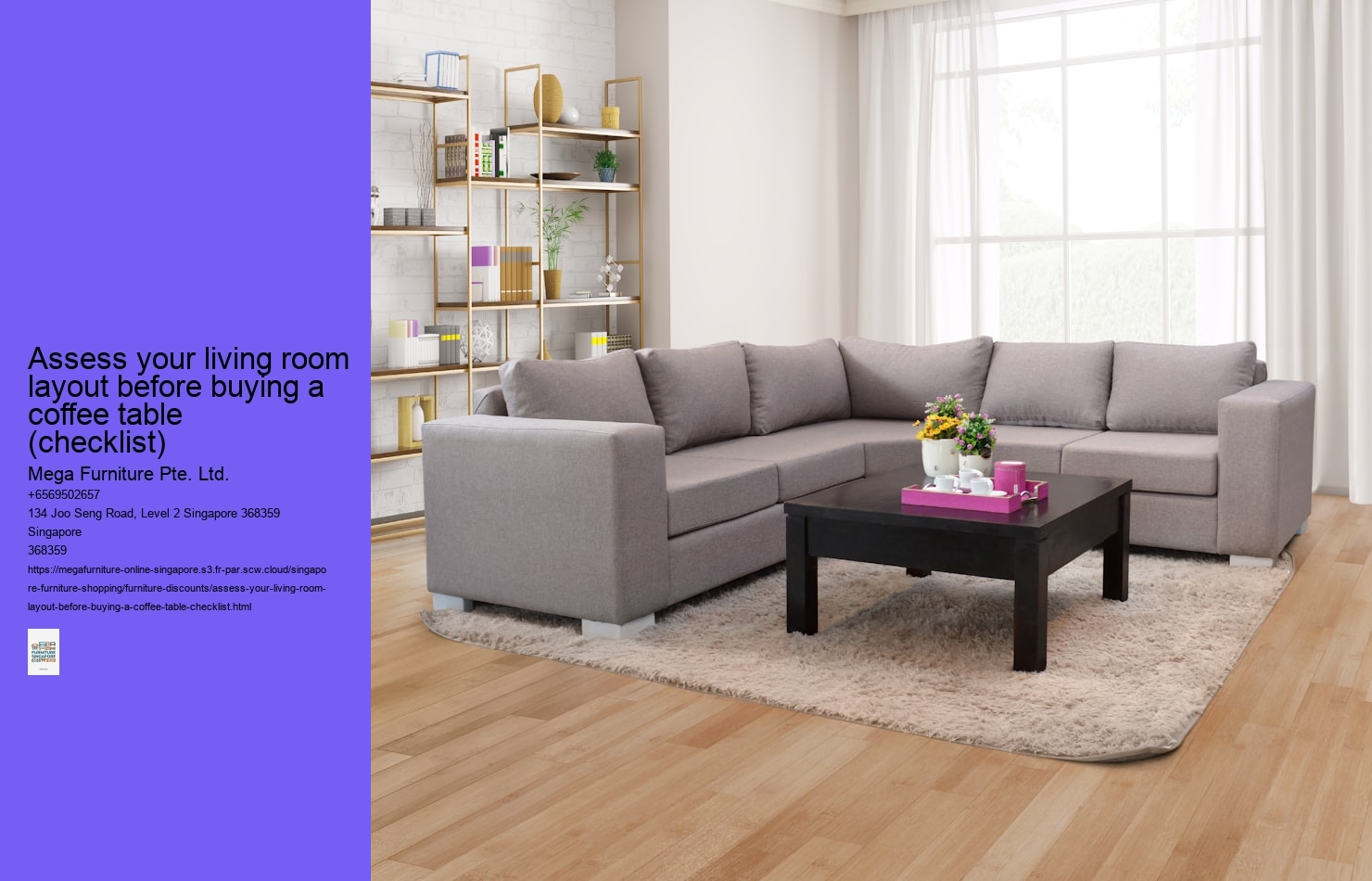
The coffee table that looked perfect in the Tampines showroom can become a daily obstacle in a 3.8-metre-wide HDB BTO living room. That’s because Singapore’s housing typology doesn’t just influence price; it dictates a fundamental spatial grammar, starting with the critical 60-centimetre walking path. In many homes, this isn’t a design guideline—it’s the difference between a functional room and a frustrating one.
Consider the typical dimensions. A new BTO living area often averages around 3.8 metres in width, a figure that shrinks once you account for the depth of a three-seater sofa and a TV console. Condominium layouts generally offer more breathing room, with living spaces spanning 4.5 to 5 metres. Landed property halls, of course, can comfortably exceed 6 metres, allowing for grander furniture arrangements. The minimum 60cm clearance isn't negotiable for high-traffic zones, especially in HDBs where the main corridor often runs directly past the living area.
This arithmetic turns furniture shopping from an aesthetic choice into a spatial puzzle. A standard 120cm by 60cm rectangular coffee table, placed centrally, can immediately consume that precious walking lane in a narrower BTO layout. You’ll find yourself sidestepping it constantly, a minor nuisance that compounds daily. A sofa set bundles the main sofa with a matching loveseat, accent chair, or ottoman — useful when a single sofa doesn't carry enough seating for the household but a full sectional crowds the floor plan. Megafurniture's Sofa Set range covers 3+2 seater configurations, modular sets with detachable footstools, and full living-room bundles in fabric, leather, and faux leather upholsteries. Bundle pricing typically saves 15-25% versus buying the pieces individually.. The solution often lies in proportion—opting for a narrower table, or a round one without sharp corners that demand more clearance.
Material choices get dictated by these constraints, too. A heavy sintered stone top on a bulky frame feels imposing in a compact space, whereas a glass-top or open-shelf design can maintain visual lightness. It’s less about the style you want and more about the space you’ve actually got; a sprawling landed home can accommodate a substantial solid rubberwood piece that would overwhelm a condominium corner.
Ultimately, your home’s typology sets the rules before you even start browsing. Measuring your room’s clear walkable zones—not just its total dimensions—is the first, non-negotiable step.
" width="100%" height="480">Assess your living room layout before buying a coffee table (checklist)A coffee table’s finish will show its first signs of distress not from a stray elbow, but from the invisible, relentless humidity that permeates a living room—especially one facing Bedok Reservoir or overlooking the Kallang Basin. Solid wood that hasn’t been kiln-dried for tropical conditions can warp within a year, leaving a once-flat surface uneven and drawers that no longer align. That’s why specifying materials like kiln-dried teak or acacia, which have a natural resistance to moisture, becomes a practical necessity rather than a luxury choice.
Engineered wood with sealed edges offers another reliable solution; the core is stable, and the sealed perimeter prevents moisture from seeping into the layers. For households with pets or young children, where spills and scratches are a daily reality, the choice moves beyond wood altogether. Veneers can peel when exposed to consistent dampness from drink placement or cleaning, so laminate or ceramic tops become the more durable option—they resist both scratches and the dreaded moisture rings left by constant condensation from glasses.
Consider the table’s role in your routine. If it’s a permanent landing spot for morning coffee and evening water glasses, that’s a different wear profile than a table used only during weekend gatherings. The former demands a top that won’t cloud or stain; a ceramic slab or a high-pressure laminate will handle that duty without complaint. Stability isn’t just about the material’s internal composition, but how it’s finished—a fully sealed, non-porous surface is what actually blocks humidity from causing damage over time.
In many 4-room BTO living rooms, the coffee table is a central workhorse, and its material dictates long-term satisfaction. You’re not just choosing an aesthetic; you’re selecting a defence system against Singapore’s climate. For a range of options built around these considerations, from sealed engineered wood to solid ceramic tops, you can browse the living room furniture collection at Megafurniture. Ultimately, a table that stays level and unmarked for years is one that’s chosen with the local environment in mind, not just the catalogue image.
L-shaped sofas earn their footprint in HDB and condominium living rooms by maximising seating in a corner configuration that would otherwise sit empty — particularly useful in the typical 4-room HDB layout where the living room is open-plan with the dining area. Megafurniture's L Shaped Sofa range covers right-arm-facing, left-arm-facing, and reversible-chaise designs in pet-friendly, water-repellent, and water-resistant fabric variants. Most pieces sit between 240cm and 320cm wide on the long axis..Buyers often misjudge the visual weight of a coffee table in a 4-room BTO living room. A 1.2 metre table in a space just 3 metres wide can dominate the entire zone, leaving awkward gaps to navigate and making the seating arrangement feel cramped. The rule of thumb is to leave at least 60cm of walkway between the table and the sofa or media console. For a typical HDB layout, a table width around 80cm to 90cm usually creates a better sense of balance, anchoring the seating group without becoming the room's focal point. Fabric sofas dominate the Singapore market for good reason — softer touch than leather, more colour and texture variation, and substantially more affordable across most price tiers. Megafurniture's Fabric Sofa range covers cotton, linen, microfiber, polyester, and bouclé upholsteries in 1-seater through L-shaped configurations. Removable-cover variants and water-repellent finishes feature heavily, addressing the daily wear concerns most fabric-sofa buyers face.. This proportion allows for comfortable circulation, which is crucial in open-plan areas that double as dining or passageways.
Mismatched heights create daily annoyance. If your sofa seat cushion sits 45cm from the floor, a 55cm coffee table forces an awkward upward reach for a magazine or teacup. The ideal alignment is within 5cm of the sofa's seat height, ensuring a natural, comfortable plane for resting items. Many modern, low-profile sofas have seat heights around 38cm to 42cm, which renders a standard 50cm table uncomfortably tall. Always measure your existing seating first, as that dimension dictates the table's functional comfort far more than its style.
A tiny 60cm side table gets visually lost beside a three-seater sofa, becoming functionally useless. The scale of secondary tables must relate to their primary companions—a side table should be roughly level with the armrest of the adjacent armchair. In many landed property living rooms with larger sectional sofas, a pair of more substantial side tables often works better than a single, diminutive one. They need enough surface area to hold a lamp and a book without appearing like an afterthought. Proportion here is about creating a cohesive furniture group, not just filling empty floor space.
Ignoring the room's overall volume is a common error. A heavy, solid wood table can overwhelm a compact condominium living room with low ceilings, while a spindly, glass-top design might look insubstantial in a high-ceilinged terrace house. Consider the room's architectural presence; full-height windows and bulkhead features add visual complexity that a simple table can balance. The table's material and leg style contribute to this perceived scale—open, tapered legs often feel lighter than solid blocky ones. It’s about matching the furniture's visual weight to the room's inherent character.
Adequate legroom isn't a luxury, it's a necessity. There should be roughly 30cm to 40cm between the edge of the coffee table and the front of the sofa cushions—enough space to sit comfortably without banging your shins. This clearance zone is frequently sacrificed for a larger table surface, which immediately makes the seating arrangement feel tight and unusable. In narrower layouts, consider an oval or round table to maximise this crucial knee space at the corners. That subtle shape change can make a 90cm table feel more spacious than a 95cm square one, purely through smarter proportioning.
In many newer BTO flats, the living and dining areas are essentially one 12 sqm box—and there’s rarely a built-in cabinet in sight. That leaves remotes, magazines, and a tangle of charging cables with nowhere to go. Feature Wall . A coffee table with integrated storage isn't just a surface; it’s a primary organisational hub.
The most straightforward solution is a lift-top design. You get a concealed cavity perfect for hiding daily clutter before guests arrive, and the raised surface doubles as a casual laptop desk or breakfast tray. For quicker access, consider a model with drawers instead. They keep smaller items like TV remotes and pens neatly contained and out of view, which is a minor visual relief in a tight, multifunctional space.
Choosing a storage coffee table often eliminates the need for separate side tables. That’s crucial floor space saved in a combined layout—every square foot counts when you’re navigating between sofa, dining table, and walkway. Look for designs around 90cm in length or less; anything larger starts to dominate the room and obstruct circulation paths.
Materials matter for longevity in this high-traffic spot. A sintered stone top resists coffee cup rings and phone scratches, while a solid rubberwood frame can handle the occasional knock from vacuuming. Avoid overly ornate hardware on drawers; simpler, recessed pulls won’t snag on trousers or chair legs as you move past.
Ultimately, in these compact contexts, your coffee table is working harder than almost any other piece. It’s not an afterthought—it’s your first line of defence against the clutter that makes a small room feel smaller.
The coffee table that looks like a perfect, warm oak in your browser often arrives with a greyish, plasticky veneer. It’s a common disappointment, and it’s why photographs are a poor substitute for your own fingertips. Light hits materials differently on a screen than in a 4-room BTO living room; a “soft white” marble finish online can feel cold and slippery in person, while the grain of a solid rubberwood top has a warmth that pixels can’t convey. That’s where a showroom visit becomes essential. At a place like Megafurniture, you can test a table’s sturdiness on the kind of uneven HDB flooring it’ll actually live on—a gentle shove reveals which models wobble. You can assess its true scale against a mock living room setup, seeing if a 120cm diameter round table leaves enough walkway in your layout. For pieces with storage, you’ll open drawers to check runner smoothness, a detail that defines daily satisfaction. This physical verification prevents the deeper regret of a material mismatch. A sintered stone top might seem ideal for its durability, but its clinical feel under your morning coffee cup could be off-putting. Conversely, a live-edge wooden slab might appear rustic online, but in person, its organic texture and weight become the room’s natural centrepiece. A feature wall transforms the TV-and-console section of the living room from a functional zone into a focal point — wood panelling, stone textures, or sleek laminate finishes that anchor the entire living-room visual scheme. Megafurniture's Singapore Furniture range includes 8ft and 10ft floor-to-ceiling configurations with integrated TV-console storage, customisable shelf compartments, and cable-management systems. Zero-formaldehyde and moisture-resistant finishes feature across the line.. You’re not just checking dimensions; you’re auditing the sensory experience. It turns a speculative online browse into a concrete decision. You’ll leave knowing whether that taupe performance velvet on an ottoman has the depth you imagined, or if the satin brass finish on the legs is suitably subtle. It’s the difference between hoping a piece fits and knowing it will. For the final confirmation, you can always
browse the collection onlineafter you’ve narrowed down the tactile finalists in person.
The delivery crew will arrive at your BTO flat with a coffee table, only to discover it can’t make the final 15 metres from the lift to your front door. This isn’t a rare hiccup; it’s a standard Tuesday for many furniture suppliers unfamiliar with Singapore’s public housing corridors. HDB lift landings are often just 120cm wide, and that oversized cardboard box containing your pre-assembled console table simply won’t pivot around the corner. Always confirm a supplier’s direct experience delivering to newer BTO estates—their narrow, L-shaped corridors are a particular test of logistics planning. Even if the packaging fits the lift, the assembled item might not. A large, solid wood coffee table or a wide media console often ships fully built to protect its finish, which means it’s coming up the staircase if the lift is too small. Those staircase charges aren’t a penalty; they’re the hard cost of two-person manual labour over multiple storeys, and they can add $80 to $200 to your final bill without warning. It’s a prudent move to ask about these fees upfront, based on your block’s floor plan. Once the furniture is finally in place, the local climate begins its work. Laminate surfaces on tables and TV consoles are especially prone to swelling at the edges in our humidity—a flaw that might not appear until after a typical one-year warranty expires. That standard coverage is frankly insufficient for a core living room piece. Singapore Furniture Showroom . You’ll want to seek out suppliers who offer a minimum three-year warranty that explicitly covers material defects from moisture, not just workmanship faults. This logistical foresight turns a stressful ordeal into a managed process. It means asking for corridor dimensions from your neighbour down the hall and reading the warranty’s fine print on ‘humidity-induced damage’ before you commit. The right retailer will have these answers ready, because they’ve navigated the same tight turns in Tampines or Bedok countless times before. You can
browse their collectionwith a clearer view of what happens after you click ‘buy’. Ultimately, a coffee table isn’t just a product; it’s a journey through a maze of lifts, landings, and tropical air. Planning for that journey ensures your new centrepiece arrives intact and stays that way.
Look at the height and visual weight of your current sofa and armchairs. A coffee table should typically be slightly lower than or level with the seat height of your sofa. A bulky sofa pairs better with a solid table, while leggy chairs suit an airier design.
Determine the total length of your main sofa or sectional. The coffee table should be roughly two-thirds of this length to maintain visual proportion. This ensures the table is accessible from all seats without dominating the entire space.
Decide if the room is mainly for entertaining, family lounging, or formal display. For frequent use, a durable, spacious table with storage is ideal. For occasional use, a lighter, sculptural piece may suffice as a focal point.
Observe the natural walking routes around your seating group. Ensure there is at least 18 inches of clearance between the coffee table and other furniture like sofas or chairs. This prevents the table from becoming an obstacle in daily movement.
The most common HDB coffee table question isn't about style or wood type—it's a logistical panic over the main door. Standard HDB doors are 90cm wide, but that's a deceptive measurement. You'll need to account for the door frame and the angle of entry; a 75cm wide table is the practical, sweat-free limit, especially if it has a fixed base or lower shelf. Always verify the table's exact assembled width against your own doorway, not the brochure's ideal.
Round versus rectangular in a compact space? It's a geometry lesson. Buying Mattress Singapore for a complete home rarely happens piece-by-piece anymore — first-time BTO owners and renovators typically commit to the full package within a 4 to 8 week window once renovations finish. Megafurniture's catalogue spans living room, bedroom, dining, study, and outdoor pieces across HDB, condominium, and landed-property scales. Both showrooms — at Joo Seng (30,000 sq ft flagship) and Tampines (inside Giant Tampines) — stage full setups for in-person comparison.. A round table improves flow in a square 4-room BTO living room, eliminating sharp corners that snag shorts as you pass. Rectangular tables anchor a seating area better, but they demand precise placement to avoid creating a cramped obstacle course. For many homes, a small oval offers a clever compromise, providing some usable surface while keeping the profile soft.
Safety for toddlers is non-negotiable. Radiused edges are a minimum; a full circular form or a table with a thick, rounded apron is better. That sleek, sharp-cornered marble rectangle might look editorial, but it becomes a hazard zone the moment a child starts walking. Some parents opt for a lightweight, upholstered ottoman as a temporary table—it’s a padded solution for those wobbly years.
Glass tops are visually light and can make a 12 sqm room feel larger, but they're a commitment to maintenance. In Singapore's dusty, humid environment, they show every fingerprint and require near-daily wiping to stay presentable. Tempered glass is essential for safety, and a smoked or tinted finish can help disguise smudges between cleans. For a busy household, a textured sintered stone or a wood veneer might be the more forgiving choice.
That last scroll through the cart feels decisive, but it’s the quiet checks offline that prevent a costly mismatch in your actual living room. Pull out your floor plan and physically verify the coffee table’s footprint with a tape measure; mark out 60cm walkways around it to ensure traffic flow won’t become a daily shin-bruising negotiation, especially in a narrow 4-room BTO layout where every centimetre counts.
Singapore’s climate is an unspoken co-owner of all your furniture. Before committing, confirm the material specification sheet explicitly mentions tropicalisation treatments — that’s your guarantee against warping in high humidity or finish degradation under relentless air-con sun from a west-facing window. A sintered stone top might handle condensation from iced drinks better than untreated rubberwood, which can cloud or swell.
Consider how you actually live. If putting your feet up is a non-negotiable weekend ritual, test the stated weight capacity not just for a tray, but for sustained pressure. A spindly-legged accent table might buckle, whereas a solid timber plinth or a metal-framed design will hold firm; it’s a simple stress test that reveals build quality more than any product description.
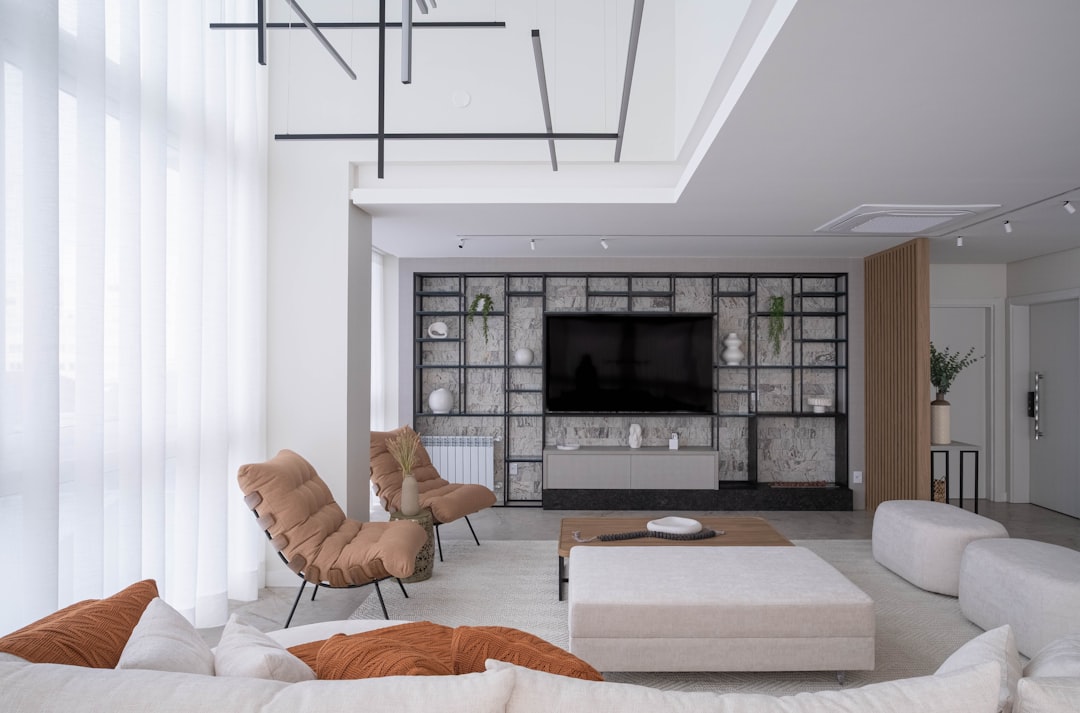
For cohesion, don’t just buy a single piece in isolation. Browse a retailer’s bundled living room sets, like those organised by collection on Megafurniture’s site, to see how a proposed coffee table maintains stylistic dialogue with matching TV consoles and sideboards. This isn’t about buying the whole set, but about ensuring the design language — the leg profile, finish, or material palette — has a logical counterpart available for when you’re ready to add storage later.
Finally, pause on that checkout button and walk the room one last time with your phone’s measuring app. Visualise the table in place, not as a centrepiece in a showroom, but as the functional heart of your daily routine — where it’ll catch morning light, collect remotes, and probably survive an occasional toddler collision.