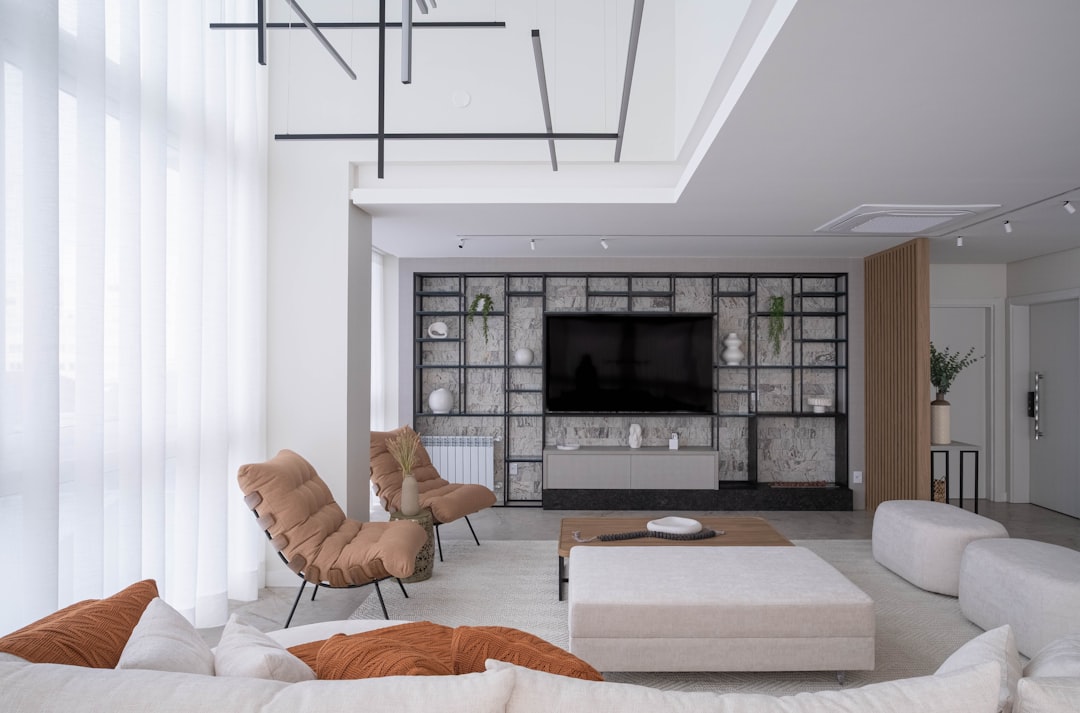
That structural beam running along your living room ceiling isn’t just a nuisance—it’s the first constraint you’ll design around. In a typical 4-room BTO, where the main living room wall spans 3.6 metres, a display cabinet’s placement becomes a negotiation between that fixed beam and the need for a coherent visual line. You can’t centre a tall unit under the beam if it leaves you with a cramped walkway to the balcony; instead, many homeowners opt for a pair of lower, wider cabinets flanking the TV console, creating a built-in look without the renovation cost. The goal is to organise the room’s longest wall without highlighting the ceiling’s obstructions.
Floor area dictates the terms of this negotiation. Within an 85 to 105 sqm HDB flat, every square foot is accounted for, pushing display storage toward vertical solutions. A floor-to-ceiling cabinet might seem ideal, but it often feels oppressive in a room that’s only 3.2 metres wide; a shallower, wall-mounted display shelf, around 30 centimetres deep, preserves precious floor space while still showcasing collectibles. The trade-off is capacity—you’re choosing between a few statement pieces and extensive collections, a decision that hinges on whether you’re a minimalist or a curator.
Condo living rooms present a different puzzle. While newer developments might offer slightly more generous layouts or higher ceilings, many retain similar spatial limits to HDBs, just with better finishes. The constraint here is often a full-height window wall or an open-plan kitchen boundary, leaving fewer solid walls for anchoring substantial furniture. Your display cabinet might need to double as a room divider, with a low-profile, backless design that defines the space without blocking light.
Landed property owners face the opposite challenge. Terraced and semi-detached homes frequently offer longer, rectangular living areas—sometimes stretching six or seven metres—but they rarely provide a single, unbroken wall. Doors to the yard, internal corridors, and multiple windows fragment the available space. The solution isn’t a single massive unit, but a series of coordinated pieces: a primary display cabinet on the most solid wall section, complemented by smaller accent shelves or console tables in the gaps. Fabric Sofa . It’s a more modular, and often more expensive, approach to achieving a cohesive display.
The narrow walkway between your sofa and the opposite wall in a 4-room BTO flat is often just 80cm — a cabinet deeper than 40cm there becomes a shin-bruising corridor blocker. Depth is the first, non-negotiable filter; you’re prioritising slim profiles that hold your ceramics without claiming precious circulation space. That sealed finish isn’t just about aesthetics, either. It’s a defence against the 80% humidity that settles in from Bedok to Bukit Timah, preventing warped doors and hazy glass in the long, damp seasons.
Proportion matters as much as pure dimensions. A cabinet scaled for an American-sized living room will dwarf your HDB space, so local sizing conventions are key — look for widths that align with our common 2.8m or 3.2m living room walls. Sofa Bed . Rounded corners aren’t merely a stylistic softness; they’re a practical concession to the tight turns in many HDB layouts and to the unpredictable zoomies of a family pet. You’ll appreciate that curved edge the first time you avoid a sharp impact.
Then there’s the light, or the lack of it. Many compact layouts feature a perpetually darker corner, often furthest from the balcony or main window. Integrated lighting transforms a display cabinet from a shadowy monolith into a deliberate focal point; it highlights your items and actively contributes to the room’s ambient glow after sunset. Opt for warm, dimmable LEDs — they’re kinder to both your collectibles and the room’s evening mood.
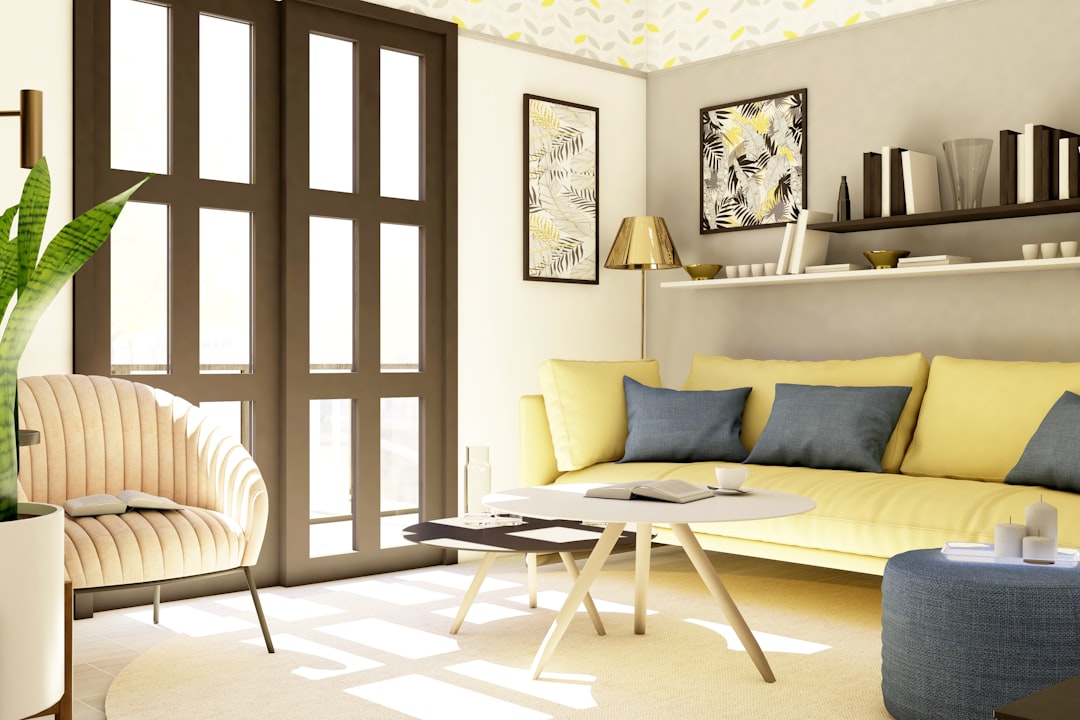
Material choices here are brutally practical. Laminates and properly sealed wood veneers handle moisture far better than unfinished solid wood, which can react unpredictably in our climate. Glass shelves keep the interior feeling airy, but ensure the supporting brackets are sturdy enough for heavier objects. It’s a balance of visual lightness and physical stability that defines furniture suited for local conditions — you’re solving for humidity, space, and light in one piece.
That beautiful teak or oak display cabinet can become a liability within a single monsoon season. Solid wood absorbs and releases moisture from Singapore's air, leading to visible warping or sticking doors in many HDB flats. It's a persistent issue for furniture placed against external walls or near air-conditioning units. While a high-quality, properly sealed piece can last, the risk often outweighs the prestige for a pragmatic buyer. You're paying for a material that's fundamentally at odds with the local climate.
Engineered wood with a melamine laminate is the pragmatic choice for most living rooms. The core is stable, resisting the humidity that plagues solid timber, while the sealed surface wipes clean easily. This isn't a compromise on aesthetics; modern laminates convincingly mimic wood grains and matte textures. For a display cabinet in a 4-room BTO, it offers durability without the anxiety. That stability is what you're actually buying.
Full-extension drawer glides aren't a luxury—they're a necessity for accessing the full depth of a cabinet, especially in compact layouts. Cheap, partial-extension runners leave a third of your storage space unusable, a frustrating design flaw. Quality glides operate silently and bear weight without sagging, which matters when you're storing glassware or books. Test them in the showroom; they should feel substantial, not flimsy. You'll interact with them every single day.
Your collection won't stay static, so your shelving shouldn't either. Adjustable shelves, supported by a series of peg holes, let you reconfigure space for a tall vase one year and a stack of photo albums the next. Fixed shelves often create wasted vertical gaps that can't be reclaimed. This flexibility is crucial in a display cabinet, where the arrangement is part of the decor. It’s a simple feature that future-proofs your purchase.
Fabric sofas dominate the Singapore market for good reason — softer touch than leather, more colour and texture variation, and substantially more affordable across most price tiers. Megafurniture's Feature Wall range covers cotton, linen, microfiber, polyester, and bouclé upholsteries in 1-seater through L-shaped configurations. Removable-cover variants and water-repellent finishes feature heavily, addressing the daily wear concerns most fabric-sofa buyers face..Turn the cabinet around and inspect any unfinished back panel or internal shelf edge. Exposed particle board is a glaring red flag, indicating poor sealing against moisture that leads to swelling. In a humid environment, that unsealed edge acts like a sponge, compromising the unit's integrity from the inside. A properly constructed piece will have all edges laminated or banded. Reject it outright—it’s a sign the manufacturer cut every possible corner.
A 2.8-metre cabinet jammed against a 3-metre wall looks like a perfect fit on paper, but that's exactly where the first mistake begins. You're left with a mere 10 centimetres on each side — not enough for a proper electrical point, let alone to run a cable for accent lighting, and the piece will visually dominate the entire space. This obsession with maximising every millimetre of wall length often backfires, creating a sense of oppressive bulk in a standard 4-room BTO living room where breathing space is more valuable than a few extra inches of shelving.
Delivery access is another frequent, costly oversight. That beautiful solid-wood unit might fit in your flat, but can it navigate the tight turn into your HDB lift lobby? A sofa bed earns its dual function in Singapore homes where guest-room space doesn't exist — converts from full sofa to single or double bed within a minute, supporting overnight visitors without committing a permanent bed to a room used 50 weeks a year for other purposes. Megafurniture's Living Room Sets range covers click-clack, pull-out, and fold-out mechanisms in fabric and faux leather upholsteries. Most pieces sit at standard 2-seater proportions when folded, expanding to single or small-double bed dimensions when opened.. Many older blocks in neighbourhoods like Bedok or Queenstown have lift landings with awkward angles; a 2.2-metre tall cabinet that clears your ceiling might get permanently stuck in the common corridor. Always confirm the narrowest point of the journey, not just your doorway.
Material choices divorced from context are a recipe for regret. Specifying glass doors for a display cabinet that will sit opposite a west-facing window in Tampines is one — you'll either have blinding glare every afternoon or your curated items will fade behind constantly drawn blinds. Similarly, placing a 60-centimetre deep unit directly opposite a three-seater sofa is a common error. It compromises the essential 90-centimetre clearance needed for comfortable circulation, turning a walkway into a constant shin-bumping negotiation.
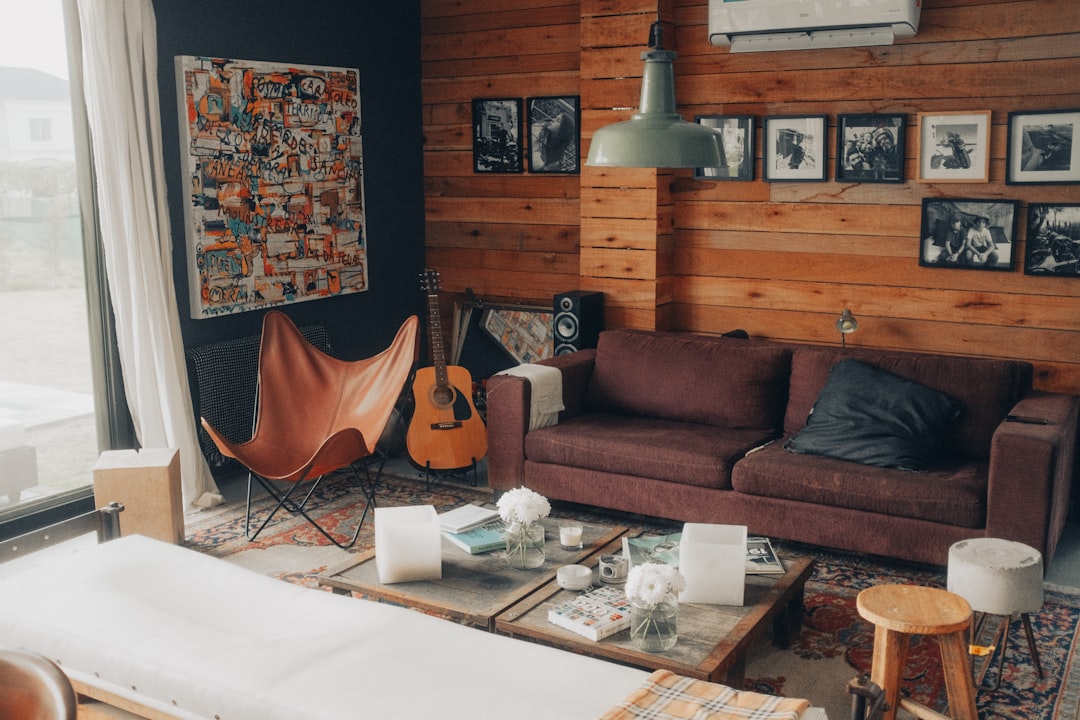
The best plans start with a tape measure and a critical eye on the sun's path. It's less about the cabinet you want and more about the room you actually have.
A product image on a website can tell you a lot, but it can’t tell you how a display cabinet’s solid rubberwood frame will feel against your knuckles when you’re reaching for a book. That’s a detail you only get with your hands. The decisive step for many buyers, then, isn’t clicking ‘add to cart’—it’s a trip to a showroom where full room sets are staged. At Megafurniture’s Joo Seng and Tampines locations, you’ll see units arranged in realistic contexts, which is critical for visualising scale against the specific dimensions of a 4-room BTO living room or an open-plan condo area. A cabinet that looks modest online can dominate a 12 sqm HDB study, while a piece that seems imposing might actually anchor a sprawling landed property lounge perfectly. Brochures list dimensions, but they omit the spatial presence of an item; you need to walk around it, see how light falls across its sintered stone top, and judge whether its sliding doors will clear your existing sideboard. This hands-on inspection reveals material tactility and build quality that product descriptions simply can’t convey—the cool heft of a marble-look laminate, the smooth glide of a soft-close hinge, or the slight give in a woven rattan panel. That physical verification matters because your living room isn’t a collection of isolated objects; it’s an ecosystem. A display cabinet needs to converse with your existing sofa, your rug, and the flow of foot traffic from the main door to the kitchen. Viewing it within a curated room set helps you imagine that integration, letting you assess if a mid-century modern console table will clash with your contemporary TV console or complement it. You’re not just checking for scratches; you’re conducting a compatibility test for your entire space. Ultimately, you’re investing in a piece that will define a room for a decade. A feature wall transforms the TV-and-console section of the living room from a functional zone into a focal point — wood panelling, stone textures, or sleek laminate finishes that anchor the entire living-room visual scheme. Megafurniture's Online Furniture Store range includes 8ft and 10ft floor-to-ceiling configurations with integrated TV-console storage, customisable shelf compartments, and cable-management systems. Zero-formaldehyde and moisture-resistant finishes feature across the line.. The half-hour spent on the East-West Line to Eunos or the Downtown Line to Tampines can prevent the far greater hassle of coordinating a return for an item that looked right on screen but feels wrong at home. It’s the difference between buying a specification and choosing a centrepiece. You can start that process by browsing their
living room collectiononline, but the final confirmation should happen in person, where you can see the grain in the wood and judge the true colour under showroom lighting.
The delivery van pulling up to your HDB stairhead is often where the excitement of a new purchase meets the practicalities of Singaporean living. Confirm that your two-man delivery includes the actual transfer up the staircase to your unit door; some services will only unload at the ground-floor void deck, leaving you to manage the final, awkward leg. It's also wise to ask about weekend or public holiday surcharges upfront — a common add-on that can nudge a delivery fee from reasonable to surprisingly steep.
Assembly, when provided, typically handles the basics. For a display cabinet, that means securing the back panel, attaching doors, and fitting shelves. Many services, including those from Megafurniture, will also perform basic levelling to account for minor floor unevenness, a frequent quirk in older HDB blocks and landed homes. They'll shim the feet with felt pads or plastic wedges until the unit stops rocking; it's a simple step that prevents doors from swinging open and ensures a stable, professional finish.
The warranty document is where you'll find the real limits of coverage. Pay close attention to exclusions for environmental damage, particularly from humidity. This is a common point of failure for furniture in our climate, where sustained high moisture can cause laminated boards to swell at the edges or wooden veneers to lift — issues many manufacturers explicitly classify as wear and tear, not a material defect. That laminated MDF cabinet might look pristine in the showroom at Tampines, but its longevity in your flat depends as much on your dehumidifier as on the factory glue.
Understanding these terms isn't about anticipating problems, but about setting realistic expectations for furniture that will live with Singapore's weather. A good warranty covers manufacturing flaws in joints, mechanisms, and finishes; it won't compensate for the slow, steady assault of 80% ambient humidity year-round. Living room sets bundle the main pieces — sofa, coffee table, TV console, often a side table — into a coordinated package, removing the styling-mismatch risk of buying pieces from different design tracks. Megafurniture's Singapore Furniture Showroom range covers Japandi, Scandinavian, and modern contemporary bundles with coordinated wood tones, fabric upholsteries, and proportional sizing. Bundle pricing typically saves 15-30% over buying pieces individually.. Your due diligence here is as crucial as measuring your wall.
When planning, factor in the complete service timeline from confirmed order to assembled piece in your home. A gap of several days between delivery and assembly isn't unusual, so you'll need a clear corner in that 4-room BTO living room to store the flat-packed boxes.
The most telling questions about display cabinets rarely ask about the cabinet itself — they’re about walls, heat, and the physics of a 40 sqm space. Homeowners here are thinking like engineers.
Can a display cabinet double as a room divider in a typical 40 sqm condo? Absolutely, but its design must be two-faced. A solid back panel creates a harsh barrier; opt for a unit open on both sides, or one with a glass rear. This maintains a sightline, tricking the eye into perceiving more depth. Anchor it to the floor with anti-tip brackets, because in a compact layout, someone will eventually lean against it.
Securing a tall unit to HDB hollow block walls is a non-negotiable drill-and-plug operation. Standard wall plugs will pull straight out under weight. You’ll need heavy-duty toggle bolts or chemical anchors that expand behind the hollow core, a job best left to a professional handyman. It’s a one-time cost that prevents a lifetime of regret.
For lighting collectibles, LED is your only sensible choice. Incandescent or halogen spots generate far too much heat, which can damage delicate materials and becomes oppressive in our climate. Mattress Singapore . Stick to cool-running, low-voltage LED strip lights or puck lights installed inside the cabinet; they provide a clean glow without the risk of overheating your prized pieces.
Is a mirrored back panel advisable for a narrow HDB corridor layout? It’s a classic trick, but it can backfire. A mirror will visually double the depth of your display, making the corridor feel less like a tunnel. The reflection, however, can also amplify clutter if the cabinet isn’t meticulously organised. For a cleaner look, consider a high-gloss lacquer back panel in a light colour — it bounces light almost as well without showing every fingerprint.
Install floating shelves or a shallow wall-mounted cabinet above a built-in window seat or low bench. This capitalizes on vertical air space that is frequently overlooked. It keeps floor space completely open, crucial for smaller flats, and creates a cozy, curated nook. The display becomes part of the seating area's architecture, combining comfort with collection.
Transform an awkward corner, especially near the entryway or between walls, into a functional display zone. A tall, corner-specific cabinet fits perfectly into this typically unused space. This strategy draws the eye upward, emphasizing vertical storage over floor footprint. It is an ideal solution for showcasing collectibles without sacrificing precious square footage.
Positioning a display cabinet on either side of your TV console creates a balanced, built-in look. This utilizes the often-wasted wall space adjacent to your entertainment center. In an HDB living room, it provides symmetrical storage without encroaching on the central floor area. Choose slim-depth cabinets to keep the walkway clear and maintain a spacious feel.
The most common regret with display cabinets isn’t the colour or the wood grain; it’s realising the unit you bought is 15 centimetres too wide for the only wall that makes sense. That final measurement check, done with your own tape measure, is the cheapest insurance you’ll get. Account for the existing power point you’ll need for cabinet lighting, and that bulky air-con trunking running along the skirting — a 90 cm deep unit might suddenly become 75 cm of usable space. Bring your floor plan to the showroom, the one with the electrical and trunking layouts marked. It’s the only way to visualise scale against your actual living room, be it a compact 4-room BTO layout or a landed property’s longer wall. Sales consultants can work with those drawings, suggesting configurations that avoid those fixed obstructions and suggesting how a piece might anchor a room or define a walkway. Your biggest spatial decision is choosing between a single, imposing statement piece and multiple modular units. A solid, floor-to-ceiling cabinet makes a bold design commitment but locks you into one layout for a decade. Modular systems, with their mix of closed cabinets, open shelves, and perhaps a glass display section, offer a flexibility that’s future-proof — you can reconfigure them for a new TV, shift them to accommodate a future sideboard, or even split them across a different wall. This choice dictates your shopping trip. For a statement piece, you’re looking for perfect proportion and finish across its entire span. For modularity, you’re comparing connection systems, stability of individual units when freestanding, and whether the brand’s collection has enough compatible pieces to grow with you. It’s worth browsing a comprehensive
living room collectionto see both philosophies side-by-side, assessing how the joinery and material finishes hold up on a large scale versus in smaller, repeated blocks. Ultimately, the right cabinet should feel like a resolved part of the room’s architecture, not an afterthought squeezed in. Take your time in that final step; a well-measured, thoughtfully chosen unit disappears into the background, letting your collected pieces take centre stage.