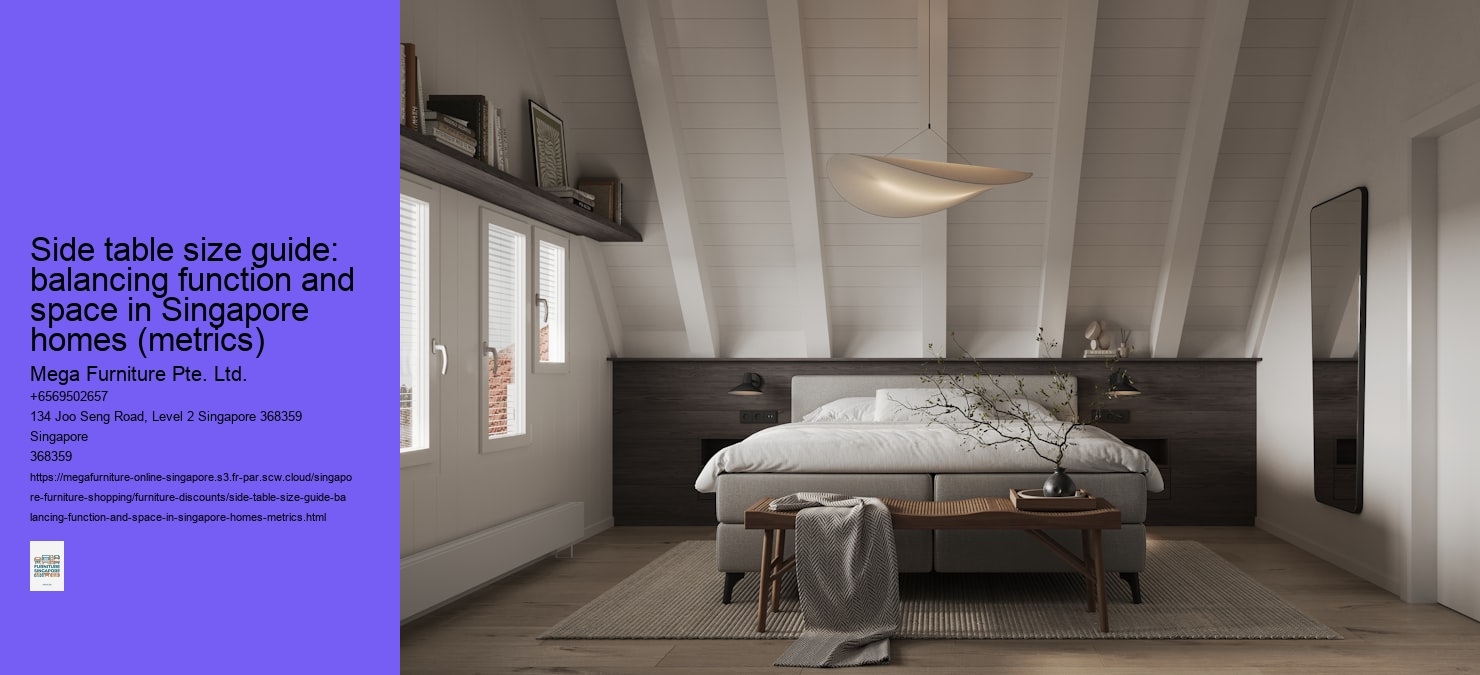
The difference between a 45cm side table and a 70cm one isn't just about centimetres — it's about whether you can still walk to the balcony without shuffling sideways. In Singapore, every piece of furniture must solve a spatial equation, where the constants are the room's fixed dimensions and the variables are your lifestyle needs.
Start with the basic clearances. A sofa arm typically needs about 30cm of breathing room for a side table; a primary walkway through the room demands at least 60cm. These aren't arbitrary rules, they're the minimums that keep a 3.5m by 3.5m HDB living area from feeling like a furnished corridor. In that footprint, a 45cm diameter table for a drink and a phone is a functional ally; a 70cm one becomes a territorial obstacle. Function dictates size, and in compact spaces, that often means prioritising slim consoles over substantial coffee tables.
Scale those principles up to a 5m by 7m condo layout, and the calculus shifts. You’ll have space for that 70cm table, perhaps even a pair, flanking a larger sofa without compromising flow. Landed property allowances introduce another variable — not just more floor area, but often a different room shape, like a long rectangular hall that can accommodate a procession of pieces: a console table behind the sofa, then a central coffee table, with side tables still anchoring the seating. The extra square metres don't just mean bigger furniture; they allow for more furniture, organised into distinct zones.
It’s a common misstep to buy for the imagined space rather than the measured one. A BTO owner might select a side table that fits their old rental’s proportions, only to find it blocks the path to their new built-in display shelf. The table’s role — strictly for a lamp and remote, or also for storing magazines — should be decided before you even look at finishes. That’s where the real choice happens: not between oak or marble, but between what the room can functionally absorb without losing its centre.
For tables serving dual purposes, such as a side and display table, a height of 50cm to 55cm is versatile. A larger top surface, around 65cm square, can accommodate a small potted plant alongside daily items. The added stability from this slightly increased size supports more weight. This allows one piece to fulfill multiple roles, reducing furniture clutter.
For typical Singapore HDB and condo living rooms, a side table between 40cm to 50cm in height is ideal. This aligns with standard sofa arm height, creating a balanced visual line. A surface diameter or width of 45cm to 60cm provides enough space for essentials without dominating the floor area. These metrics ensure the table is functional yet proportionally suited to limited spaces.
Maintain a minimum clearance of 60cm between the side table and other furniture like coffee tables. This measurement ensures comfortable movement and prevents a cramped feel. The table should be positioned within an arm's reach, approximately 15cm from the sofa arm. Proper placement metrics are key to achieving both function and spatial harmony.
Prioritizing floor space, a narrow table with a depth of 35cm to 40cm can fit snugly beside a sofa. A rectangular design with a length under 70cm is excellent for lining walls in compact layouts. This slim profile maintains clear walkways, a critical consideration in local homes. The reduced footprint still offers a stable surface for lamps or decorative items.
That third drawer in your side table will stick, inevitably — it’s the humidity, not the design. Singapore’s average 80% relative humidity acts like a slow, corrosive test for materials, and MDF or plywood simply won’t hold up long-term against daily condensation and occasional spills. Prioritise solid, moisture-resistant woods like teak or acacia, or look for powder-coated metal frames; these materials won’t swell, warp, or develop that persistent musty smell in a typical 4-room HDB living room.
Size, however, is the immediate practical hurdle. A standard Singapore King bed measures 183cm by 198cm, and placing a side table beside it means you’re working with a narrow corridor of space, often just 60cm wide. A table that’s too deep will obstruct the walkway, while one that’s too tall won’t align comfortably with the mattress height for a seated reach. It’s a geometry problem solved by measuring your actual bedside gap before you buy, not by trusting generic ‘bedside table’ labels.
Then consider the living environment. Pet claws can shred veneered surfaces in months, and toddler stability isn’t just about weight — it’s about a low centre of gravity and rounded corners. In many HDB resale flats, where built-in storage is scarce, a side table with a shelf or a drawer becomes essential infrastructure for remotes, chargers, or bedtime reading. That’s why a simple, open-leg design often falls short here; you need a piece that consolidates surface, stability, and concealed storage.
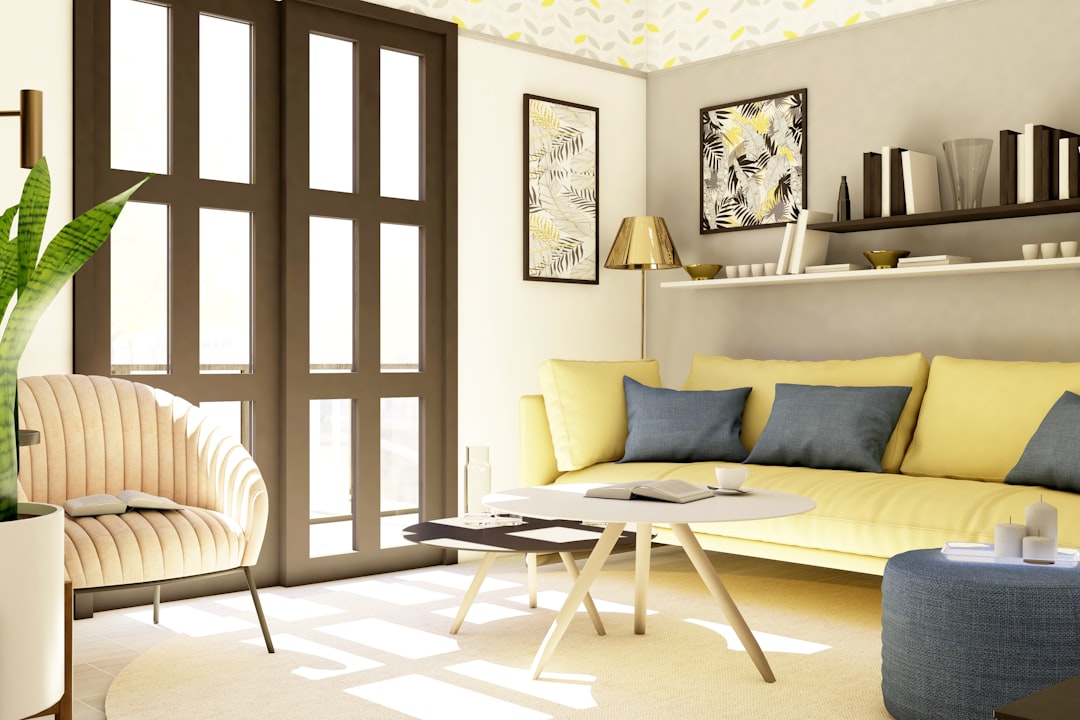
Finally, think about placement beyond the bedroom. In a compact living room, a side table might double as a plant stand near the balcony door or a temporary landing spot for groceries beside the entryway. Its material needs to withstand variable micro-climates, and its profile should be slim enough to tuck against a sofa or console without dominating the space. For a curated selection that addresses these specific criteria, you can browse the options at Megafurniture's collection. The right table isn’t just an accessory — it’s a functional anchor in a room where every square centimetre is accounted for.
Open every drawer fully. A proper side table for a TV console or media unit should feature full-extension glides that allow the drawer to come completely out of its cavity, revealing its back panel. This isn't just about accessing items at the rear; it’s a clear signal of a manufacturer’s commitment to hardware quality over cost-cutting. Partial-extension glides, where the drawer stops halfway, are a common compromise in budget pieces and they’ll frustrate you every time you need that charger cable. Check for smooth, silent operation without any lateral wobble—a drawer that sticks or grates in our humidity is a daily annoyance.
Forget corner braces and visible screws. In solid wood or engineered wood side tables, the corners should be joined with mortise-and-tenon construction, where a protruding tenon fits tightly into a mortise hole. This traditional technique, often visible on the inside faces of table legs and aprons, creates immense strength and resists the racking forces a table endures when moved. You’ll spot it as a clean, interlocking wood pattern, usually glued and sometimes pinned. A table relying solely on staples or basic butt joints won’t last a decade in a busy family room.
Run your hand along the back of the table, especially if it’s meant to sit against a living room wall. A quality piece will have a fully sealed back panel, either finished plywood or the same laminate as the sides, which prevents dust and insects from colonising the interior. Many cheaper imports use cardboard or thin, unfinished fibreboard that warps or tears the first time you shift the table to vacuum. A sealed back also stabilises the entire carcass against twisting, which is crucial for keeping drawers aligned in our variable climate.
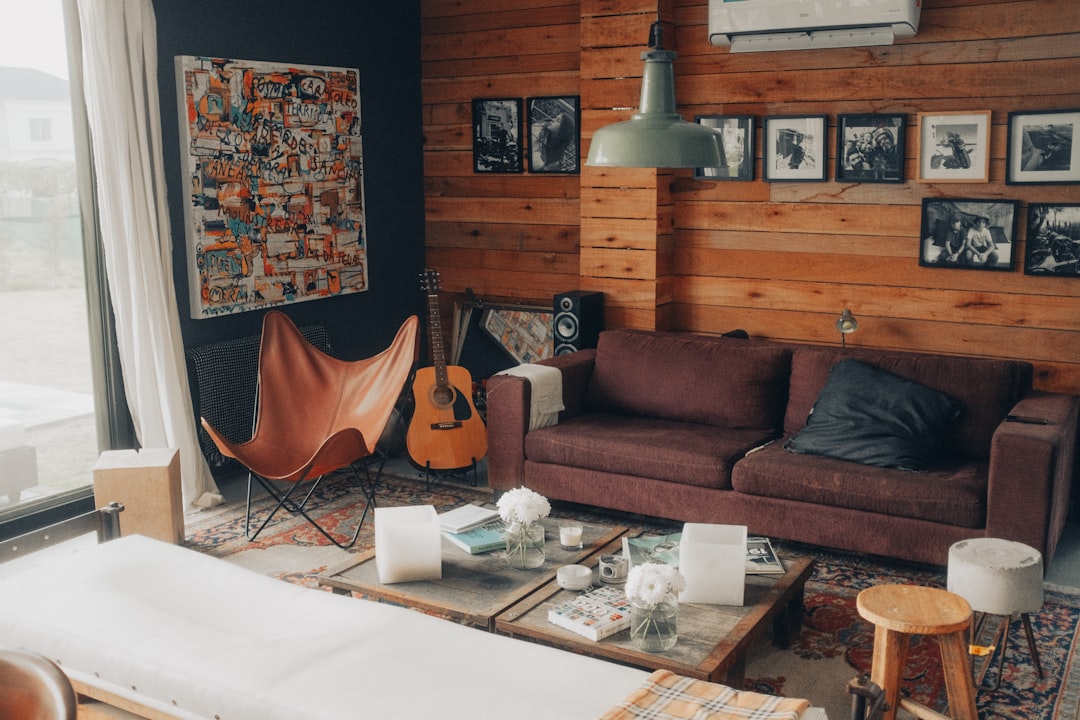
Laminated surfaces dominate Singaporean living rooms for their durability, but the devil’s in the edges. Inspect the tabletop and drawer fronts under good light, looking for any whitish lines or slight swelling along the sealed edges. This ‘edge swelling’ is a telltale sign of moisture ingress or poor adhesive application during manufacturing, and it’s a precursor to the laminate peeling away entirely. The surface should feel perfectly smooth and seamless from centre to edge. A sharp, crisp edge that’s flush with the substrate indicates precise factory cutting and pressing.
Heft matters, but it’s about density, not just bulk. A well-constructed side table with solid wood components or a metal frame should have a substantive, planted feel. For metal frames, like those on industrial-style pieces, inspect the weld points at corners—they should be uniform, ground smooth, and free of splatter or gaps. A table that’s surprisingly light for its size often uses hollow-core construction or very low-density particleboard, which compromises longevity. That reassuring weight translates directly to stability when the table is bumped or loaded with a lamp and books.
The most common side table mistake isn't about the table at all—it's about the doorway it can't fit through. In a typical HDB lift, that door is 80cm wide; a common staircase turn needs a 60cm clearance. Buyers measure their living room, then discover their chosen 85cm-wide console table is permanently stuck in the void deck. That's a logistical headache you can avoid with a tape measure and a floor plan.
Beyond the delivery route, the proportion to existing furniture gets ignored. Placing a 65cm-high side table next to a 40cm-high sofa arm looks awkward and forces you to reach down for a drink. The function is lost. Similarly, a table that's too deep can block a common walking path in a 4-room BTO layout, turning a useful surface into a shin-bruising obstacle.
Perhaps the most costly oversight is failing to anticipate how a room's purpose might shift. Committing a large, permanent sideboard to a 12 sqm room might work for now, but it eliminates the option for a nursery corner or a compact workstation later. In Singapore's compact homes, every piece should earn its footprint through flexibility—think nesting tables or a slender console that can later slide into a bedroom hallway.
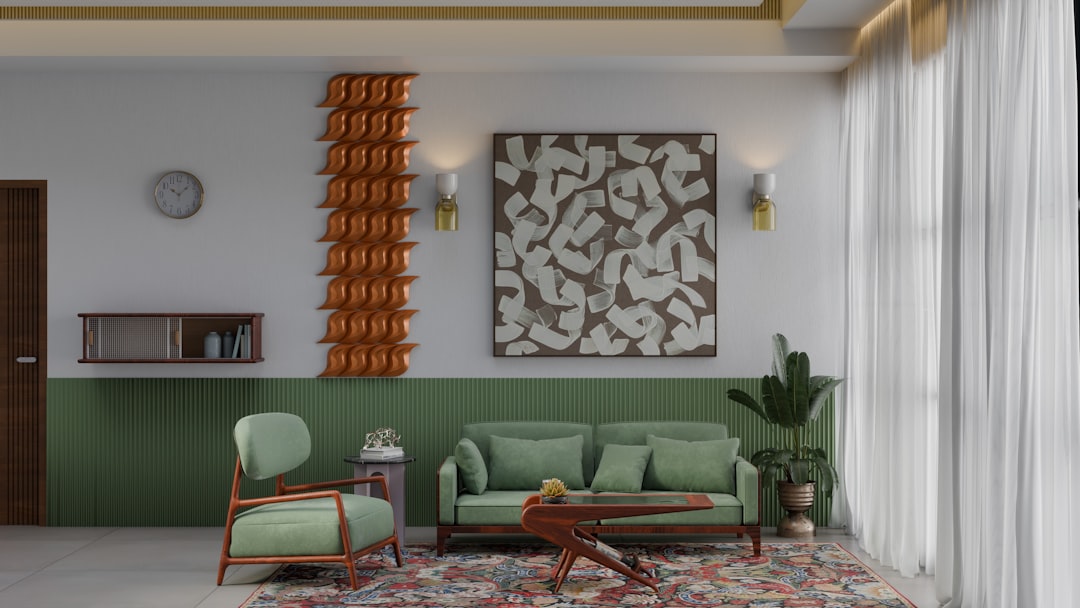
The fix is methodical. Before you browse any collection, note your lift and staircase dimensions, then measure the height of your sofa arm or existing seating. Consider a table on casters for future reorganisation, or a lighter material like rattan that's easier to manoeuvre. It's less about finding a perfect table and more about ensuring your choice doesn't create new problems in a space that already demands careful organisation.
A common regret after buying furniture online is that the colour looked different on screen. You can't judge a walnut veneer's warmth or a matte paint's true sheen from a JPEG on a laptop in a Bedok cafe. This is precisely why a trip to a showroom like Megafurniture's Joo Seng outlet matters for a final purchase decision. Tactile verification is critical, especially for pieces that will sit prominently in your living room for a decade. Assess finish consistency under the showroom's lighting, which is far more revealing than the perfect, diffused light of a product shoot. Run your hand over a sintered stone tabletop to check for a seamless edge band, or inspect the grain matching on a rubberwood console table leg. Test the action of a drawer on a TV console—does it glide smoothly without wobble, or does it catch on its own frame? Gauge stability by gently shifting a side table on the showroom's polished porcelain tiles, a surface common in many newer condominiums and a stern test for any uneven leg. Most importantly, you can compare the actual footprints of your shortlisted models side-by-side. An online listing might state a coffee table is 120cm wide, but seeing it next to the 90cm side table you're also considering makes that dimension concrete. You'll notice how a console table you thought was slim might actually protrude 15cm further into a narrow HDB walkway than you'd pictured. This spatial awareness is impossible to cultivate from a grid of isolated product images. It's the final, physical check before committing. You might confirm that the performance velvet on an accent chair feels as durable as promised, or realise that the bouclé fabric you loved online attracts lint more than you'd tolerate. For many homeowners, especially those in a 4-room BTO planning their first living room layout, this visit converts online browsing into a definitive choice. You can
finalise your selectionwith a confidence that no amount of zooming in can provide.
A side table that arrives in a box at your void deck is only half the story — the rest is getting it up the stairs. For older HDB blocks constructed before 1990 and lacking lift access, staircasing charges are a standard, non-negotiable line item on your delivery invoice. These fees typically cover the manual labour of porters hauling your furniture up multiple flights, and you’ll want to confirm the exact cost upfront; it’s often a fixed rate per floor, and can add a few hundred dollars to your final bill for a fifth-storey walk-up in neighbourhoods like Tiong Bahru or Joo Chiat.
Assembly complexity varies wildly, from a simple four-screw job to a two-person, 30-minute build requiring an Allen key, a mallet, and a fair amount of coordination. The latter is common with designs featuring integrated drawers or complex joinery. It’s a practical consideration for the 4-room BTO living room — you’ll need to clear space and possibly recruit a helper, turning what should be a quick unpack into a minor project.
Given Singapore’s relentless humidity, which can warp engineered wood and corrode cheap metal fittings within a season, the warranty terms become critical. A robust policy should explicitly cover component replacement, not just repair. You want the assurance that if a drawer glide seizes up or a veneer bubbles, the retailer will send a new part, not just a technician to sand it down. That’s the difference between a piece that lasts a decade and one that looks tired after two monsoons.
For peace of mind, look for warranties that specify “replacement of defective components” in writing, and note the claim process — some require you to photograph the damage and email it to a service centre, which can be straightforward if you’re organised. Others might dispatch their own team for an inspection, which adds time but ensures the right fix. It’s a dry document, but in this climate, it’s the most important page in the manual.
Ultimately, the easiest side table is one that arrives, clicks together, and stands up to the wet air without complaint. You can find options built for local conditions in Megafurniture’s collection, where specifications for delivery and coverage are clearly listed, letting you weigh the total cost of ownership against the sticker price.
The most practical side table advice in Singapore often comes from neighbours arguing over WhatsApp voice notes — it’s less about aesthetics and more about solving a specific, everyday jam.
What height for a sofa with 45cm arm? Match it or go 5cm lower. A 40cm to 45cm side table keeps your phone and kopi cup within easy reach without forcing you to stretch up or down from a seated position; that 5cm tolerance is crucial for accommodating different sofa cushion compressions over time.
Best narrow table for HDB corridor? You’re looking at a 25cm width, wall-mounted. Anything deeper starts to feel like an obstacle course in those slim, utilitarian passages common in older flats around Bedok or Toa Payoh. A floating shelf or a console with a shallow profile here works harder than a traditional side table, offering a spot for keys without sacrificing precious walkway space.
Easy-clean top for toddlers? Tempered glass or lacquered solid wood. Both wipe down in seconds after crayon or sticky-finger incidents, though they represent a clear fork in the style road — the glass feels airy and modern, while a lacquered wood in a bold colour can anchor a corner. Laminate tops are a common budget pick, but their seams often trap grime along the edges.
Can it double as a dining side? Only if it’s 50cm+ height and genuinely sturdy. Many side tables hover around 45cm, which is awkwardly low next to a dining chair; that extra 5cm makes all the difference. And if it wobbles with a full bowl of *bak kut teh*, it’s strictly a living room piece.
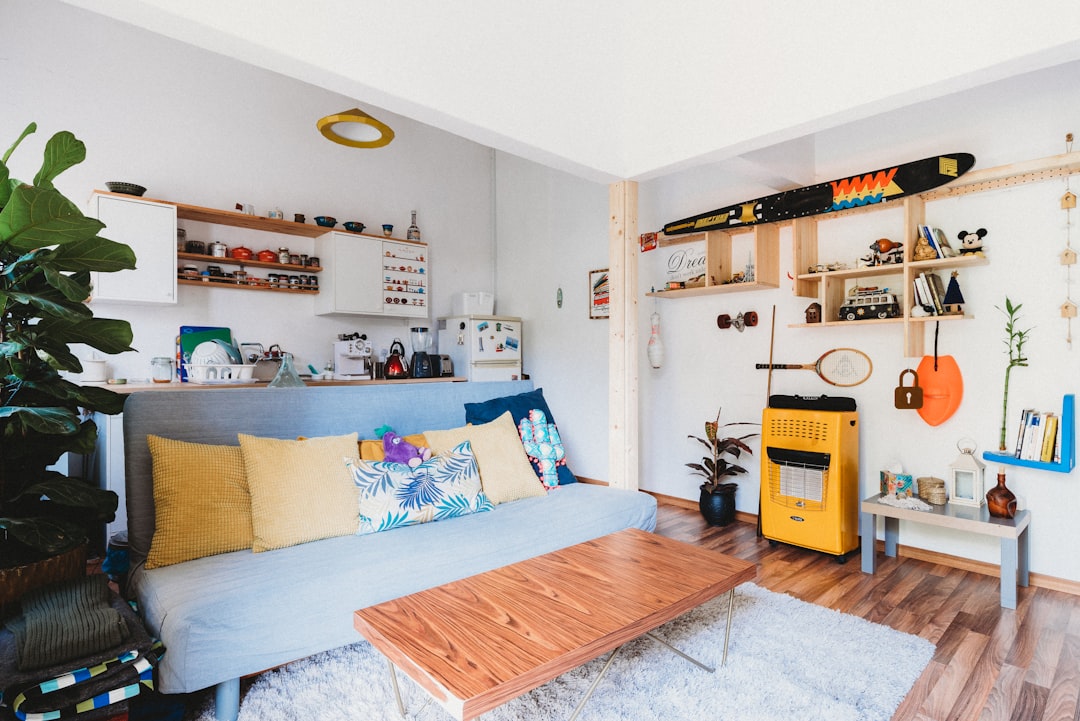
" width="100%" height="480">Side table size guide: balancing function and space in Singapore homes (metrics)The painter’s tape on your floor looks a bit mad, but it’s the single most reliable step before any money changes hands. Unroll it to map the exact footprint of your chosen side table, accounting for every leg and overhang—that sculptural base might add five centimetres you hadn’t budgeted for. This isn’t just about the table’s own space; it’s about the dance between it, your existing TV console, and the edge of your proposed rug. Re-check clearance for drawers to open fully and for people to pass without catching a hip on a corner, a common frustration in 4-room BTO layouts where circulation paths are tight.
Always verify the seller’s stated dimensions. Product listings typically note if measurements include protrusions like handles or decorative trim, but it’s wise to confirm—a 45cm depth can quickly become 52cm with a drawer pull, enough to block a cabinet door in a narrow HDB hallway. Finalise your order only after confirming stairwell and lift access for your specific block type; many condominium lifts in older neighbourhoods like Bedok or Queenstown can’t accommodate a fully assembled sideboard, and that elegant marble-top table you love may need to be carried up 14 flights.
For landed properties with tight spiral staircases or HDB flats with those awkward service yard turns, consider asking if the piece can be delivered in modules. It’s a practical question that saves a world of hassle on moving day. The final measurement check is where optimism meets geometry, and it’s better to have a slightly smaller table that fits your life than a perfect one stuck in the loading bay.
Once your tape outline proves the fit, you can browse with confidence.