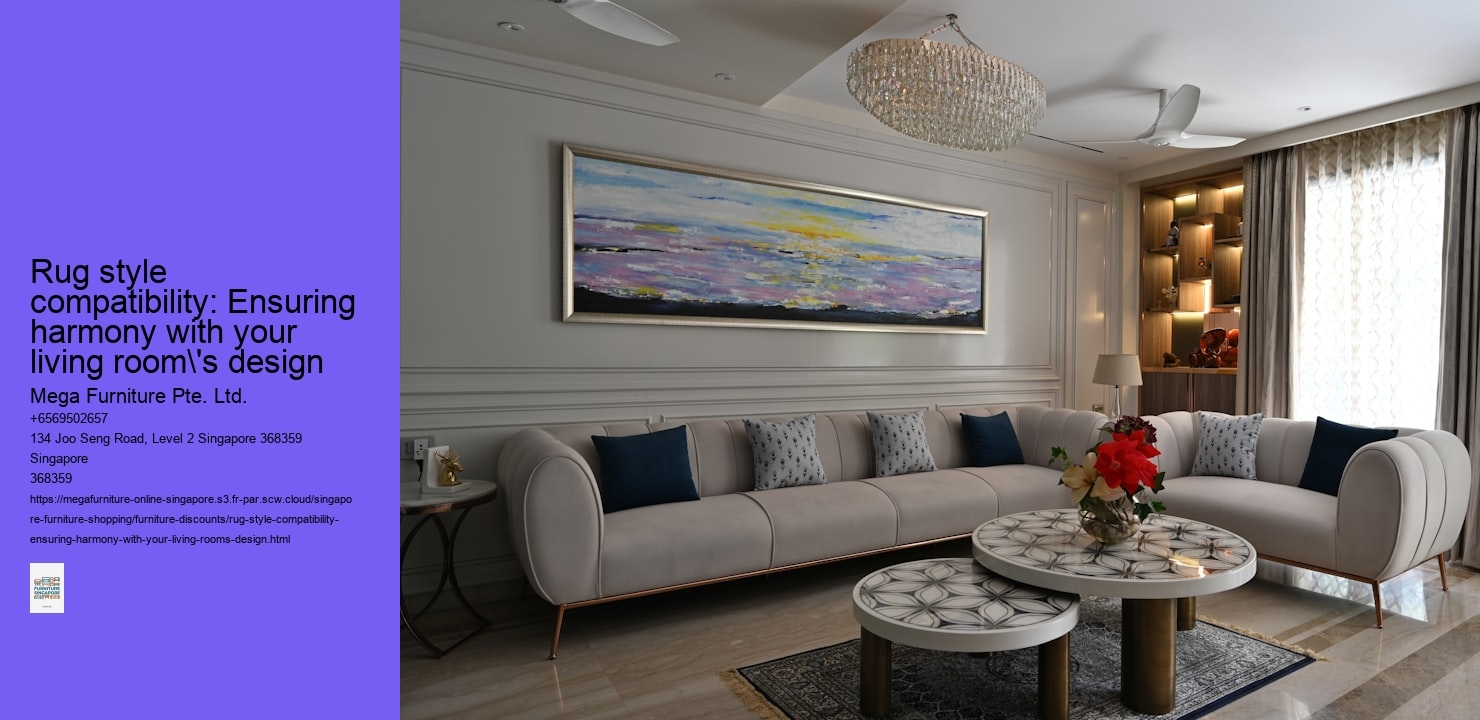
Walk into any living room in a 4-room BTO or compact condo, and you’ll notice the rug first. It’s not just a layer underfoot; it’s the visual anchor that either pulls the entire space together or makes it feel immediately, irrevocably adrift. In a layout where every centimetre is accounted for, a mismatched style—say, a bold, geometric pattern clashing with a minimalist, clean-lined sofa—throws the room’s proportions off. The harmony of your living room, then, often rests on this single piece.
That harmony depends on more than just matching a colour swatch. You must consider existing traffic flow, especially in open-plan layouts where the living area bleeds into the dining space. A rug that’s too small for the conversation zone becomes a disconnected island; too large, and it obstructs the natural pathways to the balcony or kitchen. Planned furniture purchases matter just as much—a new media console in dark walnut demands a different rug texture than a glossy white TV wall unit. Get this wrong, and the room feels perpetually unsettled.
Local light is the silent variable many forget. Singapore’s intense east-west sun exposure fades colours with startling speed. A vibrant Persian-style rug in a west-facing Eunos living room can look washed-out within a season, its rich blues turning to muted greys. The solution isn’t just pulling the blinds; it’s choosing inherently fade-resistant materials and dyes from the start, or opting for patterns where subtle ageing might add character rather than announce neglect.
Ultimately, rug selection is a balancing act between these fixed and variable elements. It’s about anchoring your planned furniture layout while respecting the immutable facts of your space—the afternoon glare from Bedok Reservoir, the narrow walkway to the service yard. A well-chosen rug doesn’t just sit on the floor; it defines the room’s boundaries and mood, creating a centre of gravity in a home that might otherwise feel fragmented.
A common HDB living room rug mistake is the floating postage stamp — a small, centred rectangle that leaves every piece of furniture marooned on bare tile. It’s a visual tell of a first-time furnishing attempt, and it undermines the rug’s primary function of defining and anchoring the seating zone. The rule is simple, if non-negotiable: the front legs of all primary seating — your sofa, armchairs, even that occasional ottoman — must sit firmly on the textile.
For the standard 12 to 16 square metre HDB living room, typical of many 3- and 4-room BTO layouts, this means thinking in dimensions of 200cm by 300cm or larger. A 160cm by 230cm rug might fit the floor space, but it’ll often fail the furniture test, leaving sofa back legs dangling off the edge. You’re better off mapping the rug to your furniture footprint first, then checking it leaves a consistent 30 to 50cm border of flooring visible around the room’s perimeter — that buffer prevents the space from feeling suffocated.
Consider a classic 4-room BTO layout, where the living area is often a 3.6 by 3.4 metre rectangle open to the dining space. A 230cm by 330cm rug can comfortably accommodate a standard 2.5-metre two-seater sofa, a pair of armchairs, and a central coffee table, with all front legs secured. In a narrower 3-room flat, where the living room might be closer to 3 by 4 metres, a 200cm by 290cm size often becomes the workhorse; it defines the zone without overwhelming it, and it still allows for that crucial furniture anchoring.
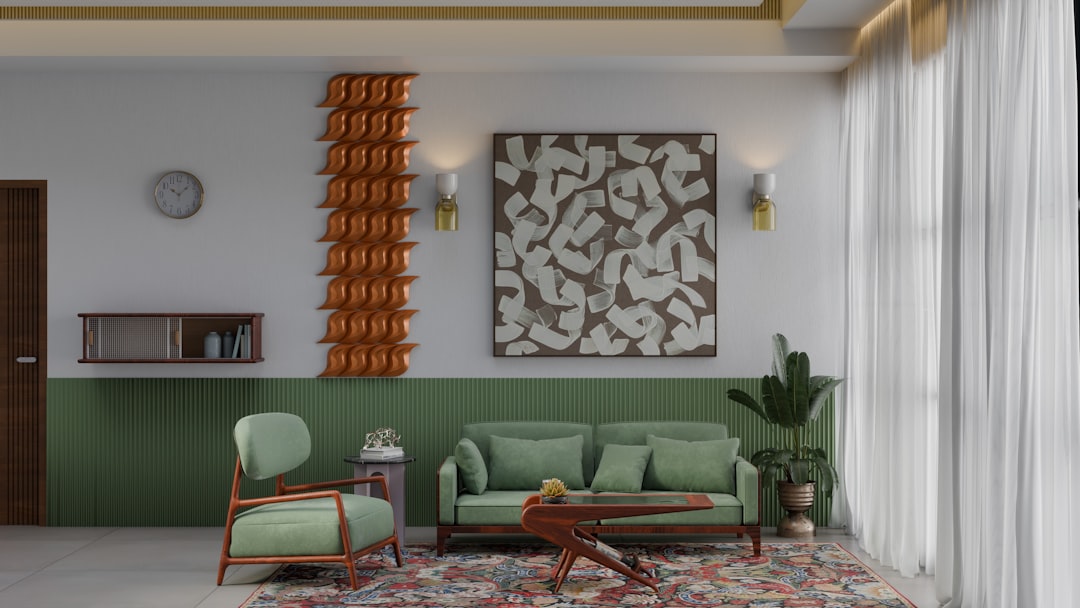
Material choice intersects with size, of course — a large jute or sisal rug offers texture and definition for less than a patterned wool equivalent, which matters when you’re covering more square footage. The goal is a unified plane that grounds your configuration, turning a collection of individual pieces into a deliberate conversation area. Get the size wrong, and no amount of style compatibility will salvage the layout.
A rug should anchor your living room's color scheme. Select a rug that either picks up a dominant hue from your sofa or accent chairs, or introduces a complementary accent color to tie all elements together. This creates a visual link between your furniture pieces and the floor, fostering a unified look. Avoid colors that clash with your existing palette to maintain design harmony.
The rug's size is critical for balancing your furniture arrangement. For a unified look, ensure all front legs of your primary seating sit on the rug, creating a defined conversation area. A rug that is too small will make the space feel disjointed, while one that is too large can overwhelm the room's proportions. Correct scaling visually connects furniture groupings to the floor.
Consider the existing patterns and textures in your living room when selecting a rug. If your furniture features bold prints, a solid or subtly textured rug can provide a calming base. Conversely, a patterned rug can add visual interest to a room with solid, minimalist furniture. The goal is to balance visual weight so patterns complement rather than compete with each other.
Align your rug choice with the overarching design theme of your living room. A modern space benefits from a rug with clean lines and geometric patterns, while a traditional room may suit an ornate Oriental design. The rug should feel like a natural extension of your furniture's style, not an afterthought. This consistency ensures every element contributes to a single, harmonious aesthetic.
Singapore’s average humidity sits around 80%, a figure that quietly warps untreated natural fibres. Jute or sisal rugs, popular for their texture, become mould incubators in landed properties where air might not circulate evenly. That damp, musty smell isn’t just unpleasant—it’s a permanent fixture once spores take hold. Synthetic polypropylene handles this climate effortlessly, resisting moisture without a specialised treatment. Wool can work, but only if it’s been treated for stain and mould resistance; untreated wool in a humid, open-plan space is a risky investment. The choice isn’t merely about aesthetics; it’s a preemptive defence against the environment.
Consider the daily paths through a living room—from the kitchen to the balcony, the door to the sofa. A rug in a high-traffic zone needs to withstand not just feet, but claws from pets and spills from kopi sessions. Low-pile, tightly woven synthetics clean easier and don’t trap debris like high-pile naturals. In a typical 4-room BTO, the rug between the dining area and TV console sees more action than the one tucked under a coffee table. Material durability directly translates to maintenance effort; a rug that can’t handle the flow will look tired within a year. It’s about matching the fibre to the footfall map of your home.
Rug care in Singapore isn’t a quarterly deep-clean; it’s a weekly response to life. Spilled teh tarik, dropped curry puffs, and tracked-in dirt from the neighbourhood playground demand immediate attention. Materials that require professional cleaning or react badly to common detergents become burdens. Polypropylene and treated nylon can often be spot-cleaned with a damp cloth, a practical necessity for busy households. That charming shag rug might look perfect in a Tampines showroom, but its deep pile will harbour grime you’ll never fully extract. Your cleaning routine should dictate your material choice, not the other way around.
Pet owners know claws and rugs have a complicated relationship. Cats will scratch, dogs might dig, and both shed—a natural fibre rug can become a frayed, hairy mess. Tight, synthetic weaves are more resistant to pulling and easier to vacuum clean. Stains from accidents are also a factor; a rug that absorbs liquid quickly will hold both odour and colour. In a landed property with pets roaming freely, the rug material needs to be as resilient as the flooring it protects. It’s less about finding a pet-proof rug and more about selecting one where the inevitable damage is manageable.
Initial cost often misleads—a $300 natural rug might need replacement in two humid seasons, while a $500 synthetic lasts five. Durability in this context means resisting mould, fading from sun exposure, and wear from constant shuffling of furniture. For homeowners refreshing a space after seven years, the rug should ideally last that entire cycle. It’s a calculation of cost-per-year, not just sticker price. Investing in a performance material suited to local conditions avoids the silent, soggy disappointment of a ruined centrepiece.
It’s a familiar scene in a Pasir Ris or Punggol BTO: a new rug arrives, only to bunch and buckle against the sliding glass door to the balcony. That’s the pile height mistake in action. A thick, plush rug might feel luxurious in a showroom, but it’ll constantly catch on that track; for seamless door operation, you’ll want a low-profile, flatweave or short-pile option instead.
Colour choice is another frequent misstep. A charcoal or navy rug can anchor a space beautifully, but in a west-facing condo living room in Queenstown or Tanjong Pagar, that dark wool will fade noticeably within a year or two. The relentless afternoon sun here demands lighter, more UV-resistant hues—think oatmeal, light grey, or beige in synthetic fibres—or you’re committing to a patchy, sun-bleached centrepiece.
Then there’s the logistics, which many forget until delivery day. A 2.4 by 3.4 metre rug, rolled and packaged, often won’t fit into a BTO block’s service lift or through a standard HDB corridor. You’re left with the costly, cumbersome task of hauling it up the stairwell or, worse, returning it. Always confirm the packaged dimensions, not just the rug’s laid-out size, with your retailer.
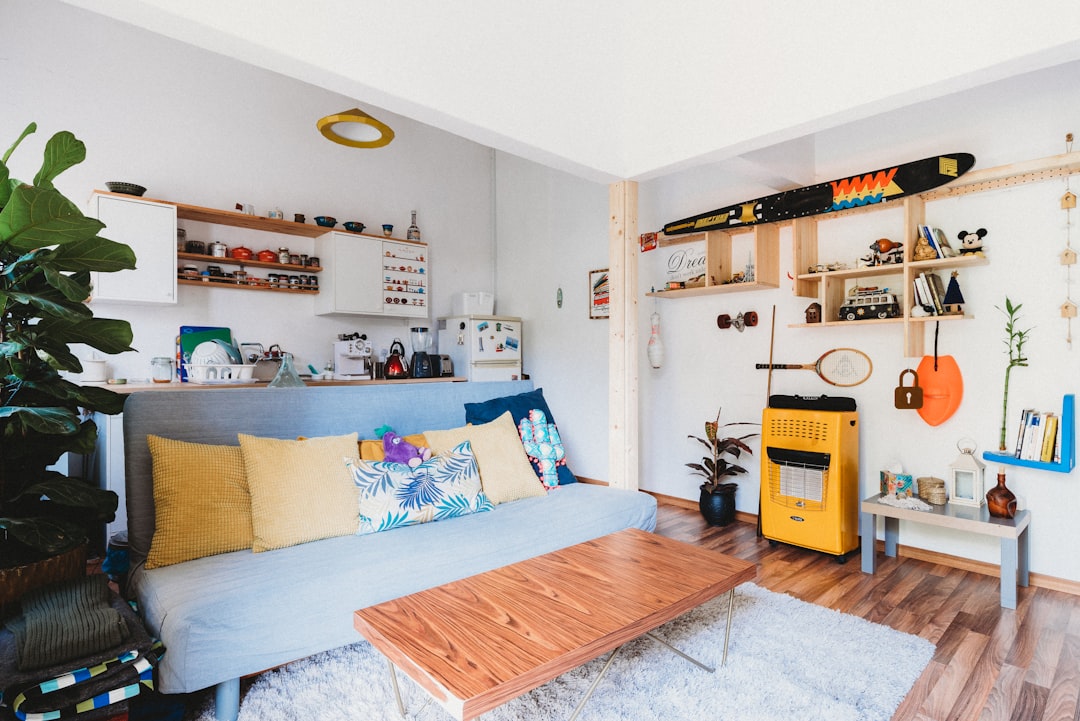
Perhaps the most pervasive error is prioritising price per square foot above all else. A cheap, poorly constructed rug from an online marketplace might save you $200 upfront, but it’ll shed, stain, and wear out in a high-traffic family area within months. That’s a false economy. It’s better to allocate budget for a smaller, quality piece in a performance fabric that suits your actual lifestyle—whether that’s resisting spills from toddlers or withstanding claws from the family cat.
The right rug should solve problems, not create them. It’s worth measuring twice, considering the light, and thinking past the initial price tag to find a piece that actually works for your home.
A rug that pills within a year isn’t just disappointing; it’s a waste of a $800 investment in a four-room BTO. The real test of a rug in Singapore isn’t just colourfastness to sun, but resilience against the constant reshuffling of furniture in rental condos or during a full living room refresh. That longevity starts with construction, not just pattern.
Check the knots per square inch or the pile density — a higher count typically means a tighter weave that won’t shed or distort when you drag that new TV console across it. Run your fingers against the nap; if the backing shows through easily, it’ll look tired fast under an armchair in a high-traffic area. Don’t forget the edges, either; a tightly bound or serged edge prevents the frustrating unraveling that starts at a corner after one too many vacuum passes.
Material choice is a direct trade-off with local climate. Natural fibre blends like wool-cotton offer a superb, textured hand-feel that grounds a space, but they’re prone to humidity-induced mildew if placed in a perpetually air-conditioned room with poor airflow. Synthetic polypropylene, on the other hand, handles spills and dampness from our thunderstorms with ease, though it might lack that premium underfoot sensation. Your maintenance routine — weekly vacuuming versus professional cleaning — hinges entirely on this initial decision.
The backing material matters more than you’d think, especially for rug pads on polished marble or laminated flooring. A non-slip, rubberised backing adds safety and protects your floor, but a cheap PVC back can degrade and leave a sticky residue in the humid heat. It’s a detail often overlooked until you’re trying to salvage your landlord’s parquet.
Ultimately, a rug is a foundation, and a good one should quietly endure years of living — from spilled kopi to rearranged furniture layouts. You can explore a range of constructions and materials suited to different needs and routines at Megafurniture’s collection.
A rug’s online listing can look like a perfect match for your mood board, but it’s the showroom floor that reveals its true character. The difference between a flat digital image and the physical object under real lighting is often stark; a grey that seemed cool and neutral on screen can pull surprisingly green under the warm halogens of a typical HDB corridor, while a synthetic pile might feel disappointingly plastic to the touch. That’s why a trip to a physical showroom, like Megafurniture’s spaces in Joo Seng or Tampines, isn’t a luxury—it’s a critical step for anyone spending several hundred dollars on a centrepiece that needs to anchor their living room. You’ll want to assess three things you can’t get from a website. First, feel the pile density and texture with your own hands. A high-pile wool blend promises a luxurious sink for bare feet, but it might not be practical for a household with young kids or frequent dining in the living area; a flat-woven jute or polypropylene might be easier to clean, even if it feels less indulgent. Second, examine the colour under the showroom’s lighting, which is a closer analogue to your own home’s mix of natural light from the window and artificial spots than any calibrated monitor. Bring fabric swatches or paint samples from your walls to see how they interact. Most importantly, you need to see scale. Showrooms typically arrange their rugs against mock-up living room sets that mirror common HDB layouts—a two-seater sofa and a TV console, for instance. This lets you visualise how a 200cm by 290cm rug will frame your seating area, or whether a smaller 160cm round version will float awkwardly in the space. It’s the easiest way to avoid the classic mistake of buying a rug that’s visually dwarfed by the rest of your furniture. This tactile comparison is essential before committing to a full-room visual purchase online. You’re not just checking a box; you’re confirming that the material’s hand-feel matches your lifestyle and that the proportions will organise your space, not clutter it. Once you’ve narrowed your choices in person, you can then confidently
browse the full collectionfor the final colour or size. Without that visit, you’re relying on guesswork—and returns for large rugs are a logistical headache most Singaporeans would rather avoid.
The delivery van arrives, but your rug stays downstairs—many older walk-ups in neighbourhoods like Tiong Bahru or Katong simply don’t accommodate large roll-ups past the third floor. Confirm stairwell charges before ordering; a $80 to $150 surcharge for manual hauling is typical for pre-war flats, and that’s before you’ve even seen the colour. Once it’s up, you’ll need space to unpack and let it air. Off-gassing a new rug in your 4-room BTO’s narrow corridor for 48 hours isn’t ideal, but it’s often the only option to dissipate that initial chemical smell before it settles in your living room.
Assembly for a rug is usually just unrolling, but the real work comes after. You’re checking for edge fraying from factory cutting, or subtle colour runs that might only show under Singapore’s harsh afternoon light. These aren’t always defects—they can be the result of a specific dye batch or weaving technique—but they’re what you’ll notice first. That’s where warranty scrutiny matters. Most standard warranties cover manufacturing faults like unraveling seams or major dye inconsistencies, but they often exclude “wear and tear” from what they consider improper use.
Singapore’s conditions are a specific use case. High humidity can affect fibre integrity over time, and frequent foot traffic from a busy household isn’t the same as a showroom floor. A good warranty should explicitly address edge fraying or colour runs under normal residential use, not just catastrophic failure. It’s worth reading the fine print on what “normal” means; some retailers define it loosely, while others, like Megafurniture, outline clearer terms for their living room collections. Look for a coverage period of at least one year, and confirm whether claims require original packaging or photographic evidence—you won’t have the box after six months.
Realistically, a rug’s lifespan here depends more on daily life than on a warranty document. Kids playing on it, sunlight bleaching one corner, occasional spills from coffee sessions—these are the tests. A robust warranty gives you recourse for early failures, but it won’t save a poorly made piece from Singapore’s reality. Your best protection is still buying a rug built for that reality from the start.
The most common rug enquiry isn't about pile or price — it's about whether a dining set will wreck it in an open-plan condo. The answer is typically 'yes', but that doesn't mean you should skip one. Choose a low-pile, easy-clean synthetic like polypropylene; it'll handle the weekly noodle spill far better than a delicate wool blend. Ensure all chair legs remain on the rug even when pulled out, which usually means a 2.4m by 3.4m rectangle for a standard six-seater.
Polished marble in a Tiong Bahru walk-up presents a genuine slip hazard. Non-slip pads are essential, but the cheap felt ones can trap moisture and damage the stone over time. Opt for a natural rubber mesh pad instead — it grips without adhesive and allows the floor to breathe, protecting that costly finish.
New BTOs have a particular smell, a mix of fresh paint and off-gassing vinyl flooring, that synthetic rugs can oddly amplify. Air out a natural fibre jute or sisal rug for a few days on your common corridor balcony; its fibrous texture tends to absorb rather than emit odours. If you're set on a plush pile, a pre-purchase sniff-test in a warehouse showroom is wiser than trusting online photos.
Pairing a pattern with existing feature walls or herringbone timber requires a disciplined eye. If your Punggol feature wall is a bold geometric print, go for a rug with a tonal texture or a simple, oversized stripe in a complementary colour. The rule is simple: one complex pattern per visual zone, or the entire 4-room space starts to feel frantic. For a curated selection of rugs designed to anchor diverse living room schemes, from minimalist condos to maximalist landed homes, browse the options at Megafurniture's collection.
The final step before you head to a showroom isn't about browsing—it's about confirming a shortlist. You've got measurements, material specs, and a sense of your lifestyle; now cross-reference them on your living room floor. Lay your top two or three rug contenders against your existing furniture plan, using painter's tape to mark their exact dimensions. That 2.4 by 3.4 metre Moroccan-style rug might look perfect online, but in a 4-room BTO living room, it'll likely swallow the entire seating area and block your balcony door.
This is where your physical samples become critical. Bring your fabric swatches from the sofa and curtain enquiries, plus a floor tile sample if you're in a new build. Place them directly on the rug images or, better yet, on similar material samples at the showroom. Observe how the morning light from your east-facing window in Bedok alters the colours—that cool grey rug under warm oak flooring can turn a sterile blue, breaking the aesthetic harmony you're after.
Practical resilience for a 7–10 year cycle means prioritising fibre and construction over fleeting trends. A high-pile wool-blend rug feels luxurious in a Tampines condo, but it’s a trap for pet hair and spilled kopi; a flatweave jute or polypropylene performance blend in a similar colour palette often wears better. The decision balances these moments—you want a centrepiece that grounds the room, not a high-maintenance exhibit.
Ultimately, your choice should withstand the reality of Singaporean living. That means considering everything from weekend gatherings to daily foot traffic from the MRT. A rug that looks impeccable under showroom LEDs but shows every footprint under your downlights isn't a ten-year partner. Take your finalised notes and samples to compare textures and finishes in person; seeing the weave density and backing material up close is the only way to gauge true quality. You can then browse the full spectrum of options with a much clearer, more critical eye.