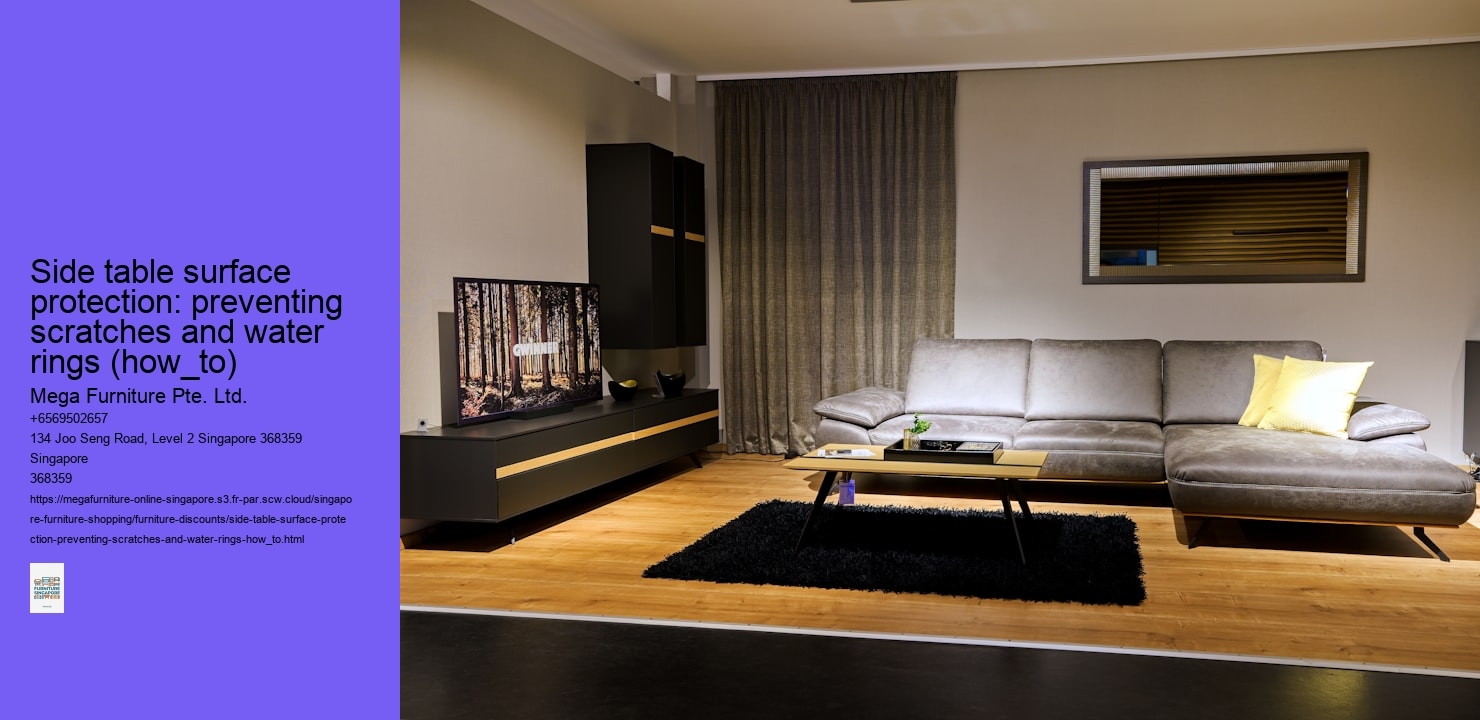
In a 4-room BTO living room, a side table often gets wedged between the sofa and a floor fan; in a landed property’s sunken lounge, it might anchor an entire seating vignette. The surface risks are fundamentally different — one faces constant bumps from passing traffic and errant toys, the other endures condensation from tall glasses during weekend gatherings. Material choices here aren’t just about aesthetics; they’re a direct response to spatial constraints and the specific chaos of daily life.
For the typical 85 sqm HDB resale layout, where circulation paths are tight, a side table’s corners are vulnerability points. A sintered stone or lacquered MDF top can handle the inevitable knocks from a vacuum cleaner or a school bag swung onto the sofa. You’ll want rounded edges, not just for safety but for fabric survival — a sharp corner is a curtain or trouser leg waiting to be snagged. The compact footprint of newer BTO living areas, often under 16 sqm, demands even more precision; a nesting set or a slim console behind the sofa might be smarter than a traditional side table, freeing up precious floor space for movement.
Conversely, the expansive living area of a Good Class Bungalow in Bukit Timah presents a different challenge. Here, a side table is a statement piece that needs to hold its own across a vast floor plan, often facing prolonged exposure to sunlight or humidity from open verandahs. Solid teak or marble can weather these conditions gracefully, developing a patina rather than simply degrading. The usage pattern shifts from defensive survival to accommodating entertainment — that’s where a glass top’s susceptibility to water rings becomes a genuine nuisance, making a treated wood or textured stone a more practical centrepiece for drinks.
Ultimately, the choice hinges on predicting the specific abrasions your floor plan invites. A landed home might prioritise material heft and sun resistance, while an HDB dweller should focus on wipeability and corner profiles. It’s about matching the armour to the battlefield, whether that’s a narrow corridor in Bedok or an airy hall in Sentosa Cove.
The side table beside your sofa in a 4-room BTO flat is a magnet for condensation rings from iced drinks and accidental scrapes from passing elbows. In a climate that averages 80% humidity, a buyer's first filter should be moisture resistance, not just colour or trend. Laminated MDF or engineered wood with a quality sealed finish will hold up far better than untreated solid wood, which can warp and stain in a matter of months. It’s a practical concession that pays off in longevity, especially when the afternoon sun from your Bedok window turns that corner into a steam bath. Scale is the second, non-negotiable criterion. A standard 50cm-wide side table might look perfect in a showroom, but in a 12 sqm HDB living room, it becomes an obstacle. Circulation paths are tight; you’ll likely brush past it countless times a day. Opting for a narrower profile, around 35 to 40cm wide, or a rounded oval design, prevents those frustrating bumps and the inevitable scratches that follow on both table and wall. The goal is presence without intrusion. Material choice directly influences this durability. Sintered stone or ceramic tops are virtually impervious to water rings and heat, while sealed rubberwood offers a warmer look with decent protection. Avoid porous, oil-finished timbers or uncoated rattan for primary surfaces—they’re charming but high-maintenance in our environment. A glass top might seem a safe bet for spills, but it shows every fingerprint and requires constant wiping to avoid looking smudged. Consider the finish’s texture, too. A lightly textured laminate or a matte ceramic glaze can cleverly mask minor scuffs and dust, which accumulate quickly in compact, high-traffic areas. That glossy, mirror-like surface you admired in a Tampines showroom will highlight every water spot and fine line. For many homeowners, the lived-in reality of a side table is one of constant use, not static display. Ultimately, the right piece balances restrained dimensions with a resilient skin. It’s furniture that understands it will be nudged, have cold glasses placed on it, and exist in perpetually damp air—and still look presentable when guests arrive. You can explore options designed for these conditions in the
living room collection.
Solid wood, typically rubberwood or oak, offers a reassuring heft and can be sanded and refinished multiple times over decades. That's a genuine advantage for a piece that might see decades of use in a landed property or be passed between homes. However, in a humid climate, solid timber expands and contracts — a poorly sealed piece can warp or develop hairline cracks along the grain after a few monsoon seasons. It's also typically the most expensive option, which makes it a considered choice rather than a default one for many first-time BTO owners.
Engineered wood uses a plywood or fibreboard core topped with a real wood veneer, providing greater dimensional stability against Singapore's humidity. This construction resists the warping that can plague solid wood, making it a pragmatic choice for many flats. The core's quality varies dramatically; a high-density fibreboard (HDF) core is more resistant to moisture ingress than a cheaper, softer particleboard. You're betting on the factory sealant and the laminate's bond to hold firm against constant 80% humidity.
A waterproof laminate top is the workhorse for side tables in active spaces, where condensation from glasses is a nightly occurrence. These sintered stone or high-pressure laminates won't stain or watermark, which is their primary appeal for households with kids or frequent guests. The trade-off is tactile; you lose the grain texture and warmth of real wood for a surface that feels cool and uniform. It's a purely functional decision that prioritises easy maintenance over organic character.
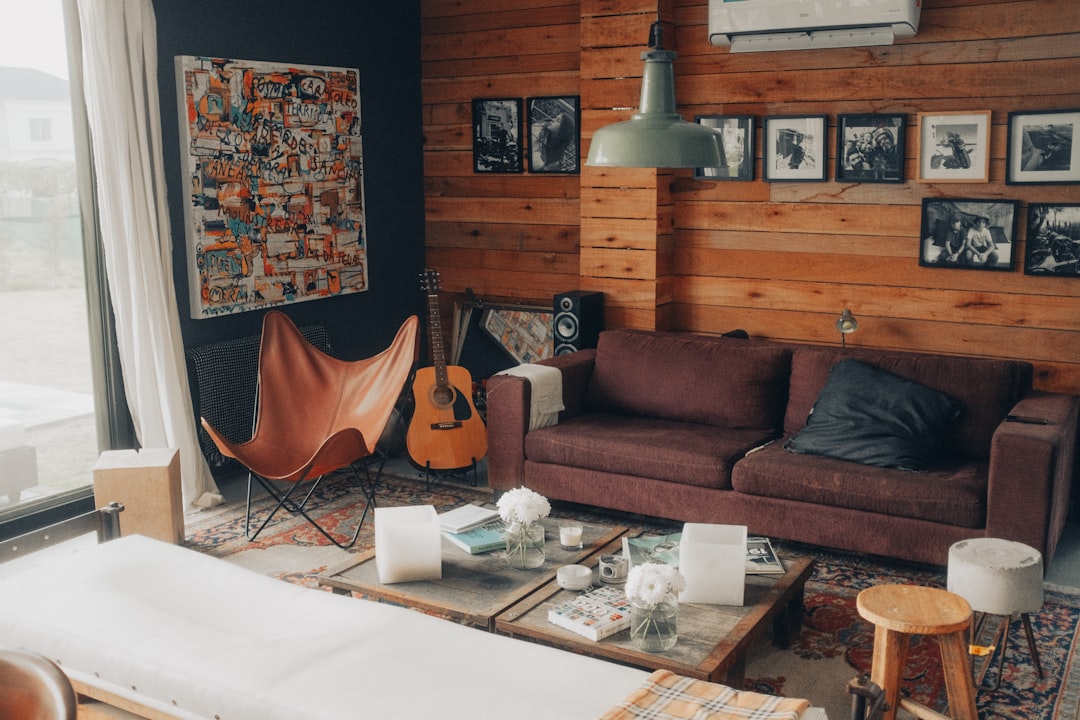
Check the edges. A thin, poorly adhered PVC edge banding will peel up within a year, letting humidity into the core and starting the delamination process. Quality signals include a thicker, rounded edge that's either thermally fused or has a seamless, mitred corner — it's a small detail that speaks volumes about factory standards. Once that seal breaks in our climate, the damage is often irreversible without professional repair, turning a minor flaw into a major eyesore.
Always read the fine print on swelling and delamination. A robust warranty that explicitly covers these failures for five to ten years indicates the manufacturer trusts their sealing process and material choices. Many warranties void coverage for 'humidity damage', which is an almost useless clause here — that's the primary threat. A table that can't guarantee its own integrity in a typical HDB living room isn't a durable buy, no matter how it looks in a showroom.
Adhere soft felt pads to the bottoms of all items that regularly sit on the table, like lamps, books, or decorative boxes. These pads prevent hard objects from grinding directly against the finish during slight movements. Ensure the pads are clean and securely attached to be effective. This minimizes fine scratches and scuff marks over time.
Always use coasters for drinks and placemats for decorative items or serving trays. This creates a direct barrier against moisture and abrasive contact. Choose felt-bottomed or rubber-backed options to prevent them from sliding. This simple habit is the most effective defense against water rings and surface scratches.
Treat your side table with a paste wax or a dedicated furniture polish designed for its material. This adds a thin, protective layer that helps repel light moisture and minor abrasions. Reapply this finish periodically according to the product instructions. A well-maintained finish makes the surface more resilient to everyday use.
A glass-topped side table looks pristine in a showroom, especially under those bright track lights. In a typical HDB flat, it’s a commitment to constant vigilance that most homeowners don’t anticipate. That sleek surface becomes a fingerprint magnet in a humid afternoon and, more critically, a canvas for permanent water rings if someone forgets a coaster just once. The mistake isn’t choosing glass—it’s choosing it for the wrong spot, like beside a perpetually occupied armchair or as the landing zone for drinks during movie nights. You’ll see the ghost of every wet glass within months, a faint white halo etched into the finish that no amount of vinegar and baking soda will fully erase.
Similarly, the assumption that a side table is too small to worry about leads to another common oversight: neglecting sealed edges. Buyers comparing prices online often gravitate toward the most affordable option, which is frequently a particle board or MDF core with a basic laminate wrap. That’s fine for a bookshelf in a dry corner, but disastrous for a surface meant to hold a vase or a sweating iced tea. Without a proper sealed edge, moisture wicks into the core material like a sponge, causing the laminate to peel and bubble at the corners—a sure sign of a budget shortcut that won’t survive Singapore’s climate.
These aren’t just aesthetic failures; they’re financial ones, accelerating the replacement cycle in a market where furniture is a significant investment. The initial savings on a $150 table versus a $400 one evaporate when you need a new one in two years. It’s a pattern seen in many homes, from condos in Tanah Merah to BTOs in Tengah: the side table, meant to be a functional accent, becomes the first piece in the room to show wear. Prioritising materials that can handle condensation and the occasional spill isn’t about luxury; it’s about acknowledging real life in a 4-room flat.
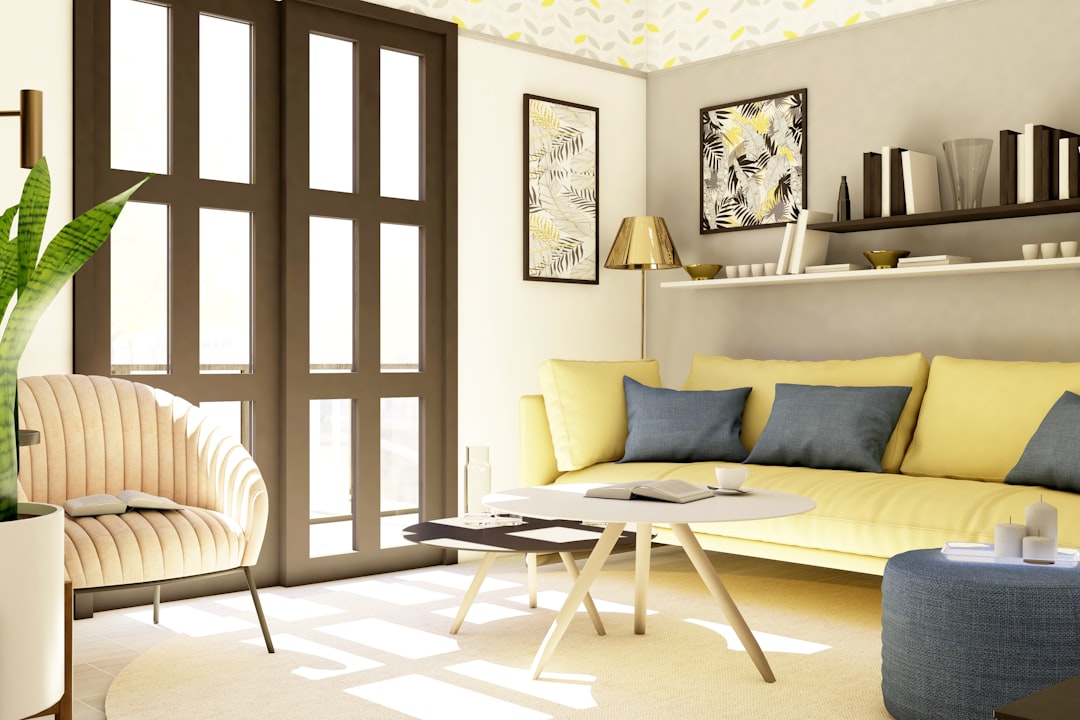
Better choices are straightforward but require a shift in thinking. For high-traffic areas, consider sintered stone or a high-pressure laminate with a textured finish—they hide smudges and resist moisture far better. If you love the glass look, opt for a tempered version with a subtle tint or frosted finish to camouflage minor scratches. And always check the edge banding; a tight, waterproof seal is non-negotiable. It’s less about finding indestructible furniture and more about matching the material’s tolerance to your household’s actual rhythms.
" width="100%" height="480">Side table surface protection: preventing scratches and water rings (how_to)A photo of a laminate finish might look identical to a treated wood one, but there’s a world of difference in how they’ll handle a wet tumbler or a stray key. That’s the core reason to make the trip to the Joo Seng showroom — you can’t gauge a surface’s real-world performance from a digital swatch. Here, you’re meant to touch, press, and even test the protective treatments on the display models yourself, a tactile process that online shopping completely bypasses. You’ll find laminate options that promise scratch resistance and treated wood surfaces claiming immunity to water rings; the showroom lets you put those claims to a simple, practical test. Run a fingernail firmly across a corner, press a damp cloth onto the surface for a minute, or observe how light reflects off a finish that’s been subtly worn by hundreds of other hands. It’s this simulated daily wear that reveals the true character of a material — whether a high-gloss laminate will show every micro-scratch or if a matte-treated wood will develop a patina you actually like. For someone furnishing a 4-room BTO or refreshing a condo living room after a decade, this physical assessment is critical. Your side table isn’t a museum piece; it’ll host remotes, plants, and the occasional spilled drink. Seeing how a cerused oak finish holds up next to a spill-proof sintered stone option, in person, informs a purchase more effectively than any product description. You’re comparing not just colour, but competence. The layout encourages this kind of comparison shopping, grouping different living room furniture pieces by style and material family. It turns a speculative decision into a concrete one — you’ll leave knowing precisely which finish feels right for your household’s rhythm. To see the full spectrum of laminate and treated wood options available, you can browse their
living room collectiononline first, but the final choice benefits immensely from that in-person scrutiny.
The delivery crew will measure your lift before they unload the truck — and if it doesn’t fit, that’s when staircase charges appear. In many older HDB blocks, lift openings are a standard 0.8m by 1.2m, but you’ll want to confirm your specific block’s dimensions; for condos, the fee for hauling a large side table up several flights can add $80 to $150 to your bill, a detail often buried in the fine print. It’s a practical first checkpoint that separates a smooth arrival from a costly, frustrating standoff in the loading bay.
Opt for professional assembly, especially for tables with fitted protective pads. Self-assembly might seem straightforward, but incorrectly seated glass tops or misaligned felt pads leave gaps where condensation gathers and eventually damages the finish. A technician will ensure those pads are placed with proper adhesion and coverage, which is critical for preventing the slow creep of water rings and scratches that DIY efforts often miss.
When reviewing warranty terms, look specifically for coverage against humidity-related damage. Singapore’s climate is relentless, and a standard one-year warranty on materials and workmanship frequently excludes swelling, warping, or mould caused by ambient moisture. You need a clause that acknowledges the local environment; otherwise, that beautiful solid wood or veneer tabletop in your Tampines flat could show defects within months, with no recourse.
Verify the process for claims, too. Some retailers require you to transport the item back to a central warehouse in Joo Seng, while others will send a assessor to your home — the latter is far more manageable when you’re dealing with a bulky piece. It’s worth clarifying upfront, as the inconvenience of a rejected claim over technicalities often outweighs the initial savings on a cheaper table.
For a curated selection of living room pieces with clear delivery terms, you can browse Megafurniture’s collection. Their assembly teams are familiar with the lift access quirks of neighbourhoods from Bedok to Aljunied, and their warranties tend to be explicit about local climate considerations, which is a sensible baseline for any buyer.
Search histories don't lie, and Singaporean queries about side tables are less about style and more about survival. The top concerns are a direct result of our climate and living spaces, from condensation rings to curious toddlers in compact layouts.
How do I protect a wooden table from humidity? Avoid placing it directly under an air-con vent or against a wall prone to condensation. A thin coat of a hard-wax oil, reapplied annually, creates a more resilient barrier than basic varnish against our constant moisture. For solid wood pieces, it's also wise to check and occasionally tighten any joinery, as wood expansion and contraction can loosen legs over time.
What's the best way to remove white water rings? For real wood, try the gentlest method first: dab a cloth in a 50/50 mix of white vinegar and olive oil, rub gently with the grain, then buff dry. For more stubborn marks on lacquered surfaces, a dab of non-gel toothpaste can work—just test in an inconspicuous spot first. The real trick is speed; that cloudy ring sets in permanently if left for months.
Which coasters are best for marble or sintered stone? Skip porous cork or unsealed wood. You'll want a fully sealed, non-absorbent bottom—think glazed ceramic, tempered glass, or silicone. The goal is to prevent any liquid, even condensation from a cold drink, from being trapped against the stone and causing a dull etch mark.
How can I child-proof side table corners? Adhesive silicone corner guards are the immediate fix; they come in clear or neutral tones that blend with wood or white finishes. For a more integrated solution, look for tables with intentionally rounded, bullnose edges—a design feature that’s become common precisely because it solves this problem in homes where every square metre is a play area.
That final note on your phone, scribbled before you head to the showroom, is what separates a smart buy from a costly regret. It’s the difference between choosing a side table that fits and one that blocks the walkway to your balcony in a 4-room BTO layout.
Start with a tape measure. For a side table, you’re not just checking height against your sofa arm; you’re confirming clearance in a tight walkway or ensuring a console table won’t crowd a 3-metre HDB living room wall. Then, define your primary threats. Is it condensation rings from iced *teh peng* left on coasters? The relentless scrape of a corgi’s claws against table legs during zoomies? Or the permanent marker and glitter glue aftermath of children’s weekend crafts? Each threat points to a different material and protection solution.
For consistent dampness, a sealed stone or lacquered wood top beats porous oak. Pet claws mean you’ll want to avoid soft veneers and thin lacquers on the lower apron—solid rubberwood or metal legs often hold up better. And if crafts are the main event, a sintered stone top that wipes clean is a wiser choice than a oil-finished teak that stains. This checklist narrows your focus from hundreds of options to a handful that actually perform in your specific context.
You’ll walk into a showroom knowing, for instance, that you need a 50cm round side table with a non-porous top and rounded corners for your Tampines condo living room. That clarity lets you assess finish and construction quality immediately, rather than getting distracted by a beautiful but utterly unsuitable piece. It turns a browsing trip into a targeted mission.
With your specific needs documented, you can efficiently evaluate the real-world suitability of pieces in a showroom’s living room furniture collection, feeling the heft of a marble top or testing how a glass surface reacts to a fingerprint.